
LEAD ANALYST
Utkarsh Khirodkar is a Lead Market Research Analyst at MetaStat Insight, specializing in market intelligence, technology sector assessments, and competitive strategy.

Global Pharmaceutical CDMO Market Size, Share, By Service Type (Drug Development and Process Development, API Development and Manufacturing, FDF Development and Manufacturing, Fill-Finish and Sterile Manufacturing, Packaging and Labelling, Analytical, CMC and Regulatory Services), By Molecule Type (Small Molecules, Large Molecules, ADCs, Cell and Gene Therapy, Other Advanced Molecules), By Development Stage (Preclinical, Phase I, Phase II, Phase III, Commercial, Phase IV / Lifecycle Management), By End User (Large Pharmaceutical Companies, Mid-Sized and Specialty Pharmaceutical Companies, Generic Pharmaceutical Companies, Biotechnology Companies, Small and Emerging Pharmaceutical Companies), Industry Analysis, Growth, Trends, and Forecast, 2026-2033
Report ID
MSI-5172
Published
September, 2026
Pages
264 Pages
Format
Historical
Base year
Forecast
Forecast period
Report Details
Choose Your License
Global Pharmaceutical CDMO Market
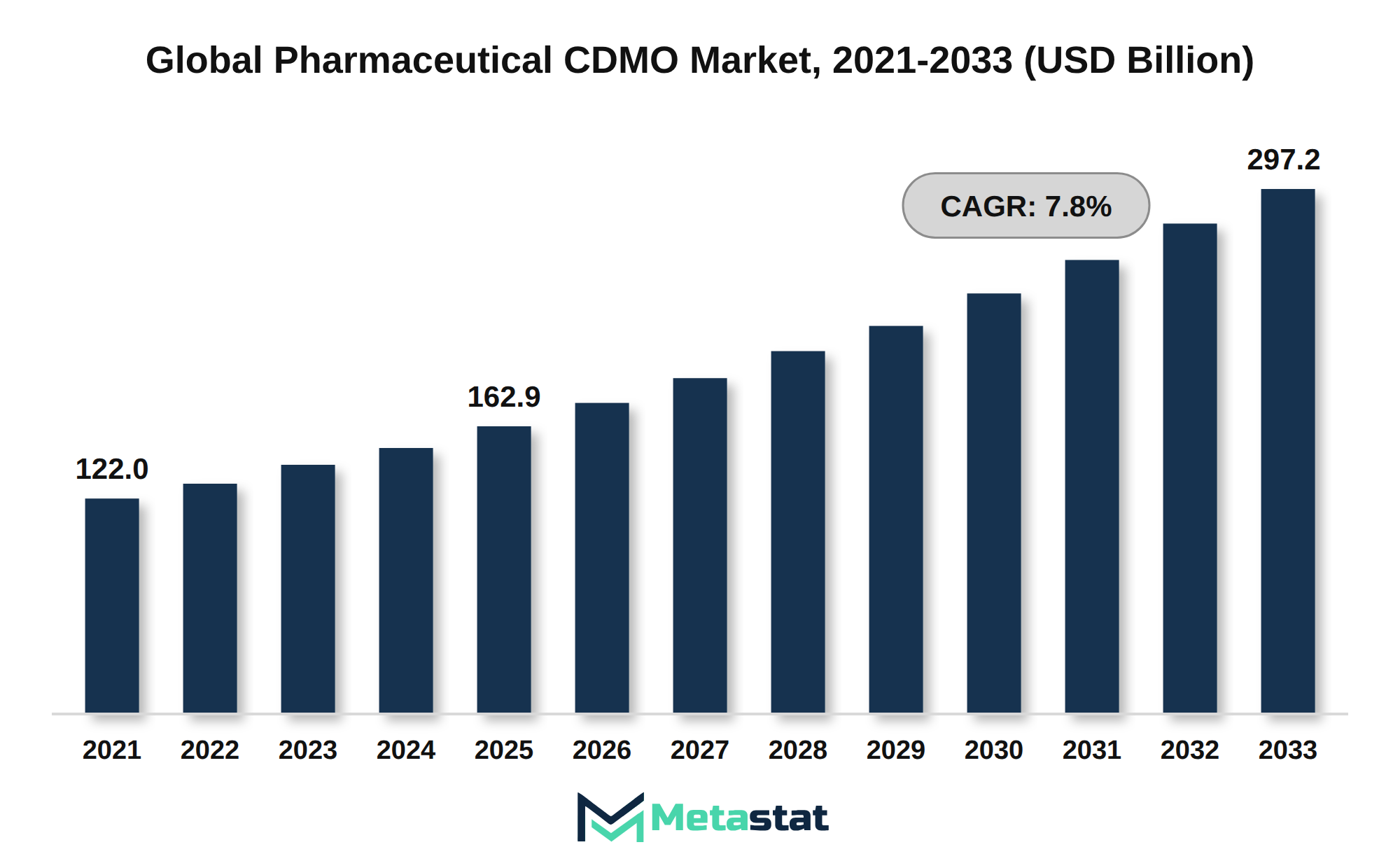
The global Pharmaceutical CDMO market was valued at USD 162.9 billion in 2025 and is projected to reach USD 297.2 billion by 2033, growing at a CAGR of 7.8% over the forecast period.
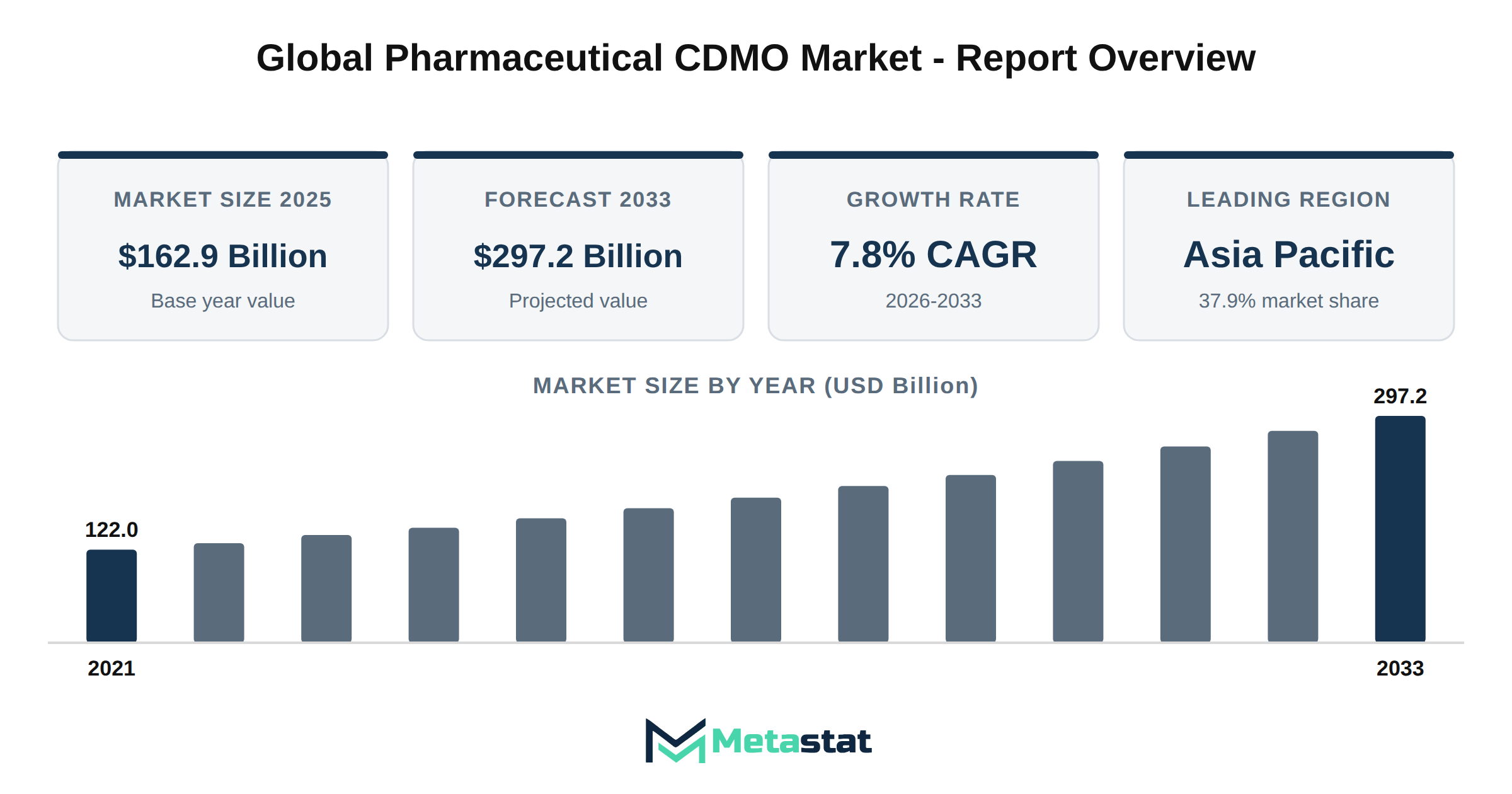
The Pharmaceutical CDMO market reached a valuation of USD 162.9 billion in 2025, with a projected growth to USD 297.2 billion by 2033. This growth represents a compound annual growth rate (CAGR) of 7.8% from 2026 through 2033. The market has experienced steady growth from USD 122 billion in 2021 to USD 162.9 billion in 2025, indicating strong demand for contract development and manufacturing services across the pharmaceutical sector.
Key drivers of growth in the market include increasing outsourcing trends among pharmaceutical companies, particularly in drug development and active pharmaceutical ingredient (API) manufacturing. The demand for small molecules and complex APIs continues to rise, driven by companies seeking to enhance their product portfolios while optimizing production capabilities. In 2023, the market for APIs is expected to reach USD 141.1 billion, reflecting a strong upward trajectory fueled by ongoing pharmaceutical innovations.
The pharmaceutical industry evolves, with drug development and scale-up activities expected to expand significantly. The focus on developing novel therapeutics and biologics has intensified, leading to heightened collaboration between pharmaceutical companies and CDMOs. This collaboration supports efficient scale-up of drug production and accelerates time-to-market for new therapies.
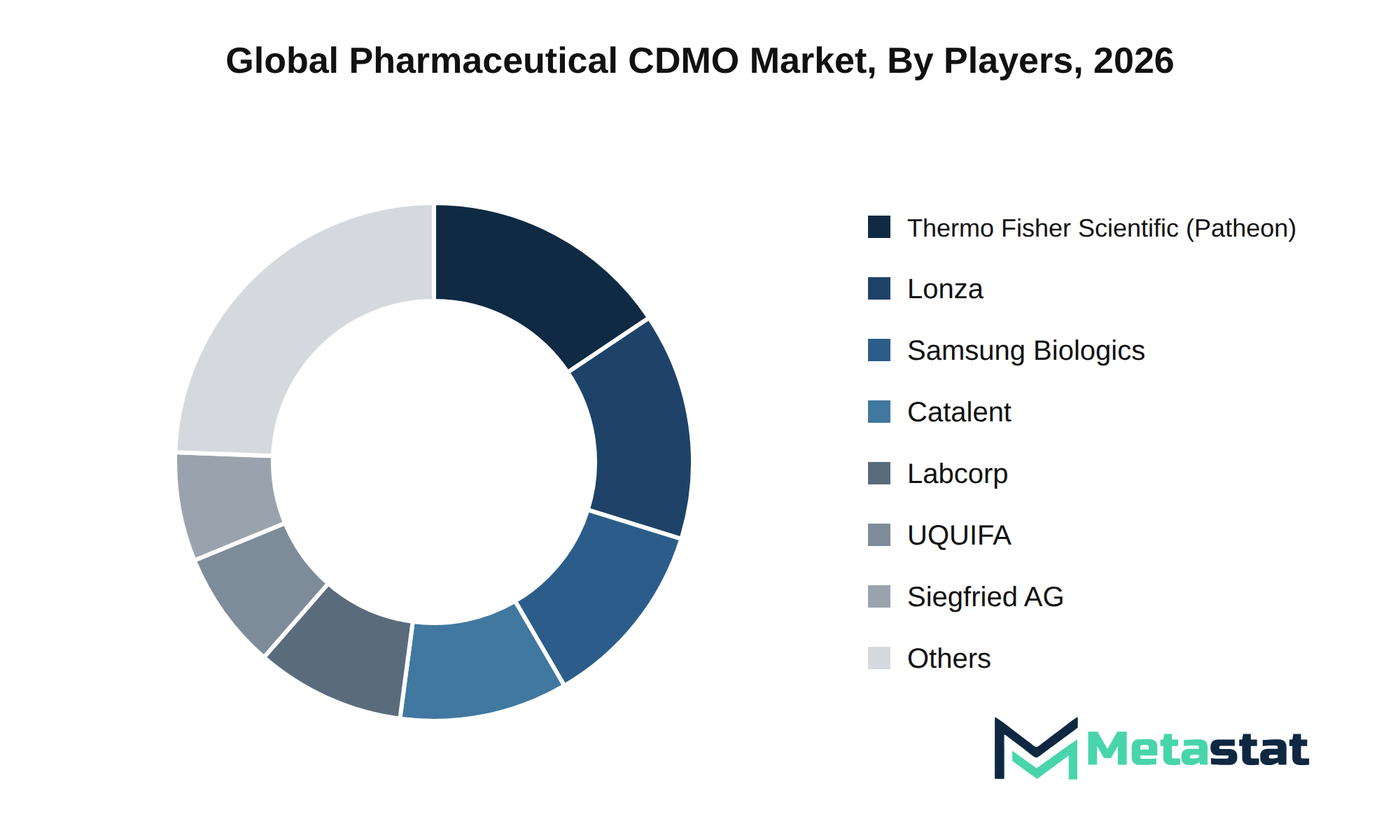
Competitive dynamics within the market highlight the presence of several key players, including Thermo Fisher Scientific Inc. (Patheon), Lonza, and Catalent, Inc. These companies leverage advanced manufacturing techniques and R&D capabilities to enhance their market positioning. The landscape remains fragmented, with numerous small and medium-sized firms contributing to a diverse service offering across various therapeutic areas.
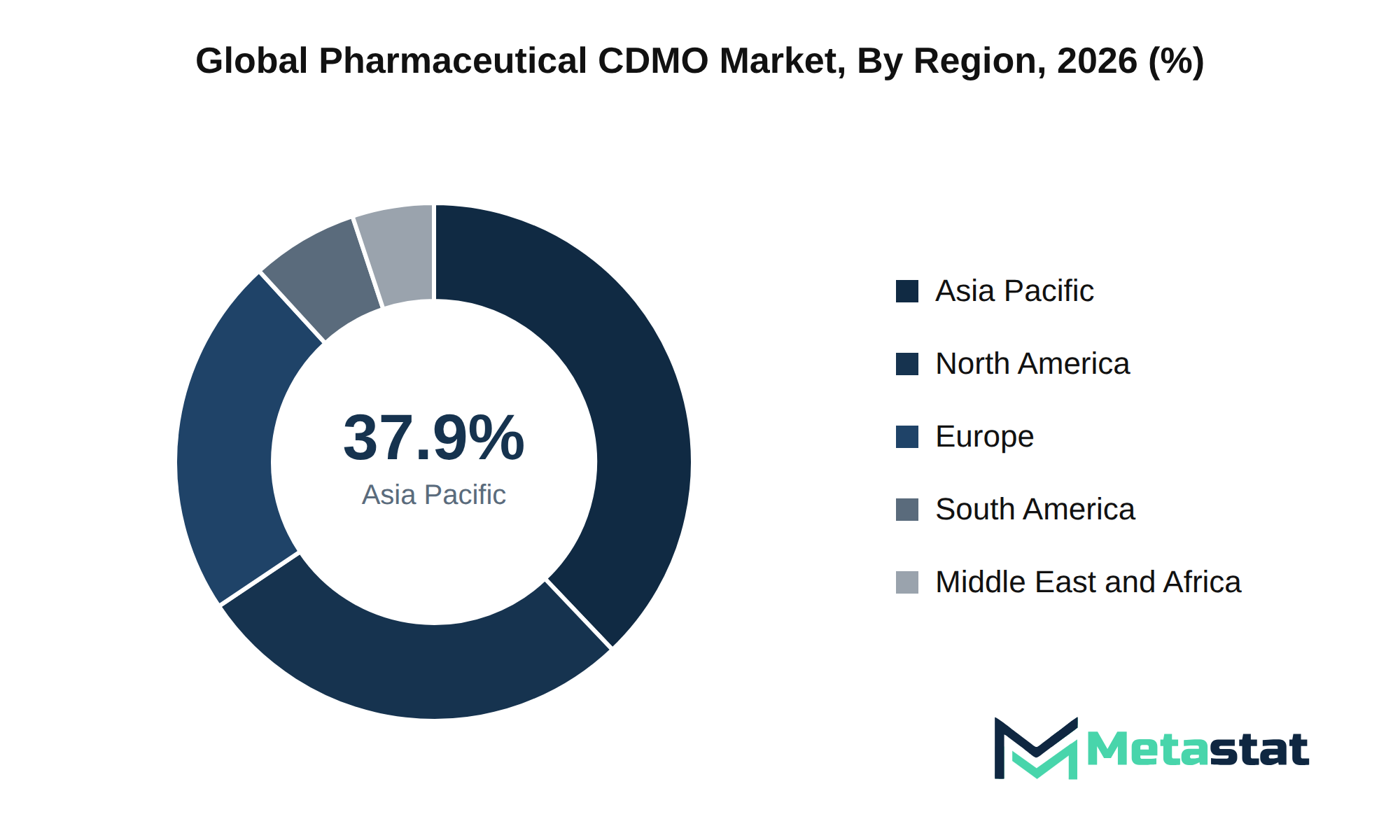
Regional growth opportunities are particularly prominent in Asia Pacific, which commands a market share of 37.9%. This region has seen increased investments in pharmaceutical manufacturing infrastructure, supported by favorable regulatory environments and a growing talent pool. North America and Europe follow, with respective market shares of 27.7% and 22.6%, indicating a competitive landscape where regulatory compliance and operational excellence are critical.
The Pharmaceutical CDMO market experiences significant trends in outsourcing, driven by the increasing demand for specialized services among pharmaceutical companies. Companies focus on core competencies while outsourcing non-core activities, leading to enhanced efficiency and flexibility. This trend aligns with the rapid development of innovative therapies and increasing pressure on pharmaceutical firms to bring products to market swiftly.
Small molecules and active pharmaceutical ingredients (APIs) represent a substantial segment within the market, reflecting strong growth. The rise in chronic diseases and the demand for generic medicines contribute to the increasing reliance on small molecules. This segment benefits from advancements in technologies, optimizing the production processes and reducing time to market.
API manufacturing and capacity trends reflect a strategic shift towards optimizing production capabilities. Companies invest in advanced technologies and automation to enhance output and ensure compliance with evolving regulatory standards. The emphasis on quality assurance and regulatory compliance drives the need for increased capacity, enabling firms to meet growing market demands effectively.
Drug development and scale-up activities experience a boost owing to pharmaceutical companies pursuing innovation. Collaboration between CDMOs and pharmaceutical firms enhances the development process, facilitating the transition from laboratory-scale production to commercial manufacturing. This collaboration streamlines processes, reduces costs, and accelerates time to market.
The competitive landscape of the Pharmaceutical CDMO market features numerous players vying for market share. Companies differentiate themselves through service offerings, technological advancements, and strategic partnerships. Firms focusing on niche markets or specialized services often achieve a competitive edge, positioning themselves favorably in the evolving market.
Regional growth opportunities highlight the varying dynamics across different markets. North America and Europe maintain significant shares, while the Asia Pacific region shows rapid growth potential due to increasing pharmaceutical investments. Navigating regulatory compliance and standards remains crucial, because companies adapt to local requirements and market conditions.
Disruption in the market stems from evolving R&D trajectories and next-generation innovations. Companies invest in sustainable transformation initiatives, focusing on decarbonization and circular economy dynamics. These efforts align with global sustainability goals and improve operational efficiencies, responding to increasing demands for environmentally friendly practices.
The supply chain landscape undergoes transformation, influenced by logistics architecture and sourcing strategies. Companies adapt to changes in procurement practices, ensuring resilience in their supply chains. Market fragmentation and M&A dynamics further reshape the competitive landscape, necessitating strategic capital allocation and infrastructure investments.
Future strategic outlook points towards a focus on corporate imperatives, emphasizing innovation, collaboration, and sustainability. High-value recommendations involve investing in technologies that enhance operational efficiencies and strengthen resilience within the Pharmaceutical CDMO market. Companies prioritizing these imperatives position themselves to thrive in an increasingly competitive environment.
The Pharmaceutical CDMO market experiences significant growth driven by favorable macro-economic factors, including GDP growth and capital investment environments. An increasing focus on healthcare infrastructure, alongside rising disposable income, leads to greater investments in pharmaceutical development. These conditions stimulate demand for outsourced services, enhancing revenue opportunities for CDMO providers.
Venture funding and public-private spending power further support this growth. An influx of venture capital into pharmaceutical innovation fuels research and development, resulting in higher demand for contract development and manufacturing. The increase in funding for drug development aligns with the market's projected compound annual growth rate of 7.8% from 2025 to 2033.
Technological advancements and digital transformation contribute significantly to operational productivity. Automation and the adoption of advanced software systems streamline processes within the Pharmaceutical CDMO market, enabling companies to optimize labor and reduce overhead costs. Enhanced efficiency supports growth in both development and manufacturing sectors. Companies seek competitive advantages through improved service delivery.
The convergence of these macro-economic factors creates a conducive environment for the Pharmaceutical CDMO market, driving innovation, investment, and heightened demand for contracted services. Sustained economic momentum is expected to drive market expansion throughout the forecast period.
Ongoing digital transformation in the Pharmaceutical CDMO market significantly enhances operational efficiency and competitiveness. Investments in advanced technologies, including artificial intelligence and automation, streamline processes, reduce lead times, and improve accuracy in drug development and manufacturing. The integration of digital tools facilitates real-time data analytics, enabling stakeholders to make informed decisions that impact production timelines and resource allocation.
This transformation results in substantial cost savings, allowing companies to optimize labor and minimize overhead. Enhanced productivity translates into improved margins and the ability to respond swiftly to market demands. The shift towards digitizing legacy systems supports scalability, enabling organizations to adapt operations in response to evolving regulatory requirements and market dynamics.
While companies leverage digital solutions, the Pharmaceutical CDMO market experiences a surge in innovation and new service offerings. Increased operational agility creates an environment conducive to research and development, enabling firms to diversify their product portfolios and explore emerging therapeutic areas. This growth driver positions companies to capture a larger share of the expanding market and meet the rising demand for personalized medicine and complex therapies.
Stringent regulatory requirements present significant hurdles for the Pharmaceutical CDMO market. Compliance with evolving standards necessitates substantial investments in quality assurance, documentation, and training, which increase operational costs. Large pharmaceutical companies, key end users, face pressure to ensure that their outsourcing partners adhere to these regulations, influencing their selection processes. Delays in achieving compliance extend project timelines, affecting delivery schedules and ultimately impacting revenue generation.
Geopolitical instability further complicates compliance, driven by shifting regulatory landscapes in different regions that create inconsistency in operational protocols. This fragmentation leads to increased costs for companies operating across borders, requiring adaptation to various legal frameworks. Inflationary pressures increase these costs, making it challenging for smaller entities to compete with larger firms that possess the financial resources to navigate complex regulatory environments. The high capital investment required to establish compliant facilities and processes deters new entrants, thereby limiting market competition.
The threat of data security vulnerabilities and privacy concerns remains a critical issue for the Pharmaceutical CDMO market. With an increase in digital operations, companies face heightened scrutiny over how they handle sensitive information, leading to potential legal repercussions if breaches occur. This situation necessitates ongoing investment in cybersecurity measures, which divert funds from other strategic initiatives. Collectively, these factors contribute to a restrained growth environment within the Pharmaceutical CDMO market, emphasizing the need for strategic planning to address regulatory and compliance challenges effectively.
Geopolitical fragmentation has introduced significant challenges within the Pharmaceutical CDMO market, complicating cross-border collaborations and increasing operational complexity. Trade deficits and tariffs disrupt supply chains, particularly affecting the sourcing of critical raw materials and components. These factors increase costs and extend lead times, creating a ripple effect on product pricing and availability.
Technological disruptions further complicate the landscape, driven by firms striving to integrate advanced methodologies while navigating interoperability issues. The complexity of research and development integrations demands specialized expertise, often leading to delays in product development timelines. This results in heightened pressure on margins, attributed to companies absorbing increased compliance overhead and legal liabilities associated with evolving regulatory frameworks.
Supply chain instability exacerbates these issues, with logistics disruptions affecting timely delivery and production schedules. Rising input costs, combined with labor shortages and skill gaps within the workforce, further constrain operational capabilities. Employers face pressures in talent retention, complicating efforts to maintain a skilled workforce necessary for sustaining growth.
The Pharmaceutical CDMO market encounters significant challenges related to environmental sustainability. Increasing demands for decarbonization and reduced environmental footprints require substantial investment in retrofitting and infrastructure upgrades. These implementation bottlenecks slow down progress towards sustainability targets, imposing additional costs on market participants.
Intellectual property protection deficits introduce further risks, complicating the competitive landscape. Cybersecurity threats and data vulnerabilities present ongoing challenges that organizations address to safeguard proprietary information and comply with regulatory standards. The combination of these factors creates a challenging environment for participants in the Pharmaceutical CDMO market, influencing strategic decision-making and long-term viability.
The Pharmaceutical CDMO market presents significant opportunities driven by emerging regional demands and evolving buyer behaviors. Rapid growth in regions including Asia Pacific reflects increasing investments in healthcare infrastructure and pharmaceuticals, creating a favorable environment for contract development and manufacturing organizations. This regional shift enhances the appeal of local partnerships, enabling customized services while reducing supply chain vulnerabilities.
Technological disruptions play a crucial role in shaping the market landscape. Innovations in process automation and analytics allow CDMOs to optimize production efficiency, yielding higher operational performance. The integration of advanced technologies enables companies to respond to diverse client needs, reinforcing market competitiveness. Next-generation innovations in biologics and personalized medicine create avenues for niche application growth, further expanding the market landscape.
Sustainability imperatives increasingly influence business strategies. Companies align their processes with eco-friendly practices, addressing the rising demand for green transformations in the pharmaceutical sector. This alignment enhances brand reputation and meets the heightened expectations of environmentally conscious consumers and stakeholders.
Strategic consolidation through mergers and acquisitions enhances the capabilities of market participants. These initiatives facilitate resource sharing, broaden service offerings, and enable geographic expansion, thereby creating robust networks to meet the growing complexity of pharmaceutical development. The Pharmaceutical CDMO market continues to evolve, driven by these interconnected opportunities, positioning it for sustained growth through 2033.
The Global Pharmaceutical CDMO market is segmented based on Service Type, Molecule Type, Development Stage, and End User.
Valued at USD 14.7 billion in 2026, the Drug Development & Process Development segment is projected to reach USD 27.6 billion by 2033, reflecting a CAGR of 9.4% during the forecast period. Expansion in this segment aligns with increasing demand for innovative drug therapies and the rising complexity of drug formulations. Pharmaceutical companies require efficient processes to bring products to market quickly, driving investment in contract development and manufacturing organizations (CDMOs) that specialize in drug development. The focus on streamlined processes and rapid development timelines enhances the appeal of outsourcing these services.
Technological advancements in drug development processes drive growth within the market. Emerging technologies improve efficiency and reduce costs associated with drug formulation and testing. The integration of automation and advanced analytics enables CDMOs to enhance their offerings, providing clients with improved project management and regulatory compliance support. Regulatory compliance standards influence the selection of CDMOs and ensure adherence to stringent quality requirements, ultimately supporting market growth.
Market dynamics reflect a shift in consumption patterns, with an increasing number of pharmaceutical companies opting for outsourcing to manage their drug development needs. Large pharmaceutical companies leverage CDMOs for specialized expertise, while mid-sized and specialty pharmaceutical companies capitalize on this trend to enhance their development capabilities without substantial capital investment. This trend demonstrates significant growth potential for the Drug Development & Process Development segment within the broader Pharmaceutical CDMO market.
Growth in the API Development & Manufacturing segment stems from rising demand for generic and specialty pharmaceuticals. This demand is driven by an aging population and increased prevalence of chronic diseases, leading to higher drug consumption. Regulatory agencies place significant emphasis on quality standards, prompting pharmaceutical companies to seek reliable CDMO partnerships to ensure compliance and maintain product integrity.
Technological maturation enhances segment expansion, with advancements in process development and manufacturing technologies improving efficiency and reducing costs. The introduction of continuous manufacturing methods supports faster production timelines and improved product quality, which aligns with the evolving needs of end users, including large pharmaceutical companies. Adoption of next-generation biopharmaceuticals further stimulates market growth, driven by companies investing in innovative therapies requiring specialized manufacturing capabilities.
API Development & Manufacturing segment is estimated to reach USD 148.6 billion by 2033, at a CAGR of 6.6% during the forecast period. Increased collaboration between pharmaceutical firms and CDMOs drives innovation and accelerates the development of new drug candidates. This collaboration is vital for companies looking to respond rapidly to market demands while optimizing their resource allocation.
Regulatory compliance standards significantly impact the segment, necessitating adherence to stringent guidelines for safety and efficacy. This regulatory landscape compels pharmaceutical companies to collaborate with CDMOs that possess the required certifications and capabilities, ensuring successful product launches. Consequently, a focus on compliance strengthens partnerships within the market, enhancing overall supply chain resilience.
Pricing volatility remains a challenge, influenced by fluctuating raw material costs and evolving regulatory requirements. This volatility necessitates strategic planning and flexibility from CDMOs, because they work to maintain competitive pricing while delivering high-quality products. Companies increasingly explore opportunities for cost optimization, creating strategic windows for investment in technology and infrastructure to enhance operational efficiency.
FDF Development & Manufacturing experiences an increase in demand, driven by the growing need for innovative and customized drug formulations. The rise in personalized medicine and complex therapeutics supports this trend, with pharmaceutical companies seeking specialized partners to meet these requirements. Advancements in technology enhance production capabilities, allowing manufacturers to efficiently develop and produce various dosage forms.
Regulatory compliance standards play a crucial role in shaping the market, with stringent guidelines ensuring product quality and safety. Companies that successfully navigate these regulations gain a competitive advantage, leading to increased market penetration. The segment is expected to reach USD 71.3 billion by 2033, reflecting significant growth potential driven by rising demand for flexible and scalable production solutions.
Cost structures within the segment vary significantly, influenced by factors including raw material sourcing, production technology, and labor costs. Pricing volatility presents a challenge, prompting firms to adopt strategies that enhance operational efficiency and mitigate risks. The emergence of disruptive alternatives enhances competition and necessitates continuous innovation, positioning companies to capitalize on strategic opportunity windows within the market.
End-use dynamics indicate a shift toward outsourcing FDF development and manufacturing, particularly among mid-sized and specialty pharmaceutical companies. This trend allows larger firms to focus on core competencies while leveraging the expertise of contract manufacturers. Significant investments in next-generation upgrades will further drive segment expansion, meeting the increasing demand for advanced therapeutic solutions.
Strong demand for Fill-Finish & Sterile Manufacturing stems from the increasing complexity of biologics and the growing focus on safety and efficacy in pharmaceutical products. This segment is projected to grow at a CAGR of 8.7% during the forecast period, driven by advancements in sterile manufacturing techniques and stringent regulatory compliance standards. The emphasis on quality assurance and risk management leads to increased investments in state-of-the-art technologies and facilities, significantly impacting the operational capabilities of service providers.
Technological maturation in the segment enhances process efficiencies and reduces lead times, benefiting end users across various development stages. Product requirements necessitate continuous upgrades in manufacturing capabilities. Downstream application demands further stimulate growth, driven by companies seeking to expedite time-to-market for new therapies while ensuring product integrity. Regulatory compliance creates a competitive landscape where companies with superior quality and compliance standards gain market share.
The evolving environment of the Pharmaceutical CDMO market highlights the importance of robust supply chain resilience. Companies actively prioritize raw material sourcing strategies to mitigate risks associated with supply chain disruptions. Increased focus on logistics and distribution networks ensures that pharmaceutical products reach the market efficiently while adhering to quality standards. The overall market environment remains conducive for investments in Fill-Finish & Sterile Manufacturing, positioning it favorably for sustained growth through 2033.
In the Pharmaceutical CDMO market, the Packaging & Labelling segment supports product integrity and regulatory compliance. Demand for advanced packaging solutions stems from requirements for enhanced traceability and safety in pharmaceutical products. These solutions are essential for complying with stringent regulations imposed by health authorities worldwide.
Technological advancements in packaging materials and techniques drive innovation within the segment. Next-generation packaging options, including smart labels and tamper-evident seals, improve supply chain visibility and consumer confidence. Evolving consumer preferences for sustainable and eco-friendly packaging influence the development of new materials and processes.
Adoption of automated labelling systems enhances efficiency, reduces errors, and lowers labour costs. These systems facilitate scalability in production, allowing companies to respond effectively to market fluctuations. In response to increasing competition, firms prioritize investments in high-quality packaging to differentiate their products in the market.
Regulatory compliance standards significantly impact the Packaging & Labelling segment. Adherence to these standards requires continuous investment in technology and processes to ensure compliance with evolving regulations. Consequently, firms that excel in compliance management gain a competitive edge, attracting clients who value reliability in their supply chain partners.
The Packaging & Labelling segment within the Pharmaceutical CDMO market demonstrates strong potential for growth, driven by technological maturation and evolving consumer expectations. Continuous innovation and strategic investments will shape its evolution, positioning it because a vital aspect of the pharmaceutical supply chain.
Demand for Analytical, CMC & Regulatory Services stems from the increasing complexity of drug development and the necessity for compliance with rigorous regulatory standards. Pharmaceutical companies face challenges in navigating these regulations, leading to heightened reliance on CDMOs for expertise in analytical and regulatory processes. This segment addresses the critical need for accurate data and documentation, ensuring quality and safety in drug manufacturing.
Adoption of these services grows alongside advancements in technology and analytical capabilities, which enable faster and more efficient testing processes. Continuous technological maturation drives the development of innovative methodologies, enhancing the reliability of results. Companies leveraging advanced analytical techniques gain a competitive advantage, supporting their positioning in the market.
Regulatory compliance standards exert significant influence on the development of this segment, pushing companies to maintain high levels of quality assurance and control. The evolving policy landscape necessitates ongoing investment in capabilities that adhere to these standards, driving growth within the market. Increasing collaboration between CDMOs and regulatory authorities enhances understanding of compliance requirements, further strengthening the role of Analytical, CMC & Regulatory Services.
Cost structures within this segment reflect the investment in skilled personnel and sophisticated equipment required to meet regulatory demands. Pricing volatility persists due to fluctuations in demand for specialized services and the need for continuous improvement in methodologies. Firms focusing on cost efficiency while maintaining compliance experience improved margins, leading to favorable growth outcomes.
The growing emphasis on data integrity and traceability in pharmaceutical development highlights the importance of robust analytical services. Companies prioritizing these aspects enhance their market position, ensuring trust and reliability among end-users. While the Pharmaceutical CDMO market continues to evolve, demand for Analytical, CMC & Regulatory Services will maintain a critical role in supporting the success of drug development initiatives.
Valued at USD 108.8 billion in 2026, the Small Molecules segment is projected to reach USD 175.3 billion by 2033, at a CAGR of 7.1% during the forecast period. Demand for small molecules arises from their extensive use in therapeutic applications, capturing the attention of large pharmaceutical companies and biotechnology firms. The effectiveness and cost-efficiency of small molecules contribute significantly to their continued adoption, positioning them because a primary focus within the Pharmaceutical CDMO market.
Investment in research and development drives innovation in small molecule formulations and manufacturing processes. Enhanced technologies facilitate the production of complex small molecules, increasing efficiency and quality assurance. The ongoing evolution in drug delivery systems further supports the segment, aligning with regulatory standards and increasing patient accessibility to essential medications.
Emerging therapeutic areas, including oncology and chronic diseases, increase the demand for small molecules due to their proven efficacy. Factors including the rising prevalence of these conditions fuel the need for effective treatment options, ensuring that the market remains dynamic. Strategic partnerships between pharmaceutical companies and CDMOs focus on accelerating the development of new small molecule drugs, reinforcing their market presence.
Global supply chain resilience ensures stability in raw material sourcing and logistics for small molecule production. Companies actively mitigate risks associated with supply chain disruptions, crucial for maintaining production timelines and cost structures. The shift towards sustainable practices influences sourcing strategies, aligning with heightened regulatory compliance and environmental considerations.
Pricing volatility and margin pressures challenge manufacturers, necessitating operational efficiencies and cost management strategies. Competitive dynamics within the Pharmaceutical CDMO market prompt constant evaluations of pricing structures, ensuring alignment with market expectations. Strategic opportunity windows arise from technological advancements and evolving patient needs, providing avenues for growth and development in the small molecules segment.
Valued at USD 86.2 billion by 2033, the Large Molecules segment will experience a CAGR of 7.4% during the forecast period. Growth stems from increased demand for biologics, including monoclonal antibodies and therapeutic proteins, which continue to expand their applications across various therapeutic areas. Pharmaceutical companies focus on developing large molecules due to their higher specificity and efficacy compared to traditional small molecules.
Technological maturation in biopharmaceutical manufacturing enhances the segment's growth. Advances in processes including cell culture, fermentation, and purification techniques streamline production and improve yields. Adoption of next-generation manufacturing technologies, including continuous manufacturing and single-use systems, reduces lead times and operational costs. These innovations influence cost structures and pricing dynamics within the market.
Regulatory compliance standards exert a critical influence on large molecule development. Stricter regulations demand rigorous quality control and assurance processes, causing companies to invest in robust systems and certifications. This regulatory landscape affects margin pressures experienced by manufacturers, compelling them to optimize operational efficiencies.
Shifts in consumption patterns reflect a growing preference for personalized medicine and targeted therapies. End-users, including large pharmaceutical companies, mid-sized and specialty firms, and biotechnology companies, are expanding their portfolios to include large molecule offerings. This trend creates strategic opportunity windows for contract development and manufacturing organizations (CDMOs) specializing in large molecule production.
Supply chain resilience and raw material sourcing represent critical concerns within the segment. Fluctuations in raw material availability disrupt production schedules and introduce pricing volatility. CDMOs focused on large molecules navigate these challenges while managing logistics vulnerabilities and substitution risks. Strategic partnerships and investments in supply chain capabilities enhance the ability to meet demand in the evolving pharmaceutical CDMO market.
Market dynamics for antibody-drug conjugates (ADCs) reflect a notable upward trend, driven by an increase in the prevalence of cancer and other chronic diseases. The growing demand for targeted therapies enhances treatment efficacy while reducing side effects. The ADCs segment is expected to reach USD 14.9 billion by 2033, indicating a significant expansion in this specialized area of the Pharmaceutical CDMO market.
Technological advancements play an essential role in the evolution of ADCs, particularly in the areas of linker technology and cytotoxic agents. Continued investment in research and development fuels innovation, resulting in next-generation ADCs with improved safety and effectiveness profiles. This technological maturation attracts a diverse range of end users, including large pharmaceutical companies and biotechnology firms, which seek to capitalize on these advancements for competitive advantage.
Regulatory compliance remains a critical consideration for firms operating within the ADCs segment. Stringent guidelines governing the development and approval processes necessitate careful planning and execution. Successful navigation of these regulatory landscapes is essential for maintaining market access and minimizing the risk of costly delays.
Pricing dynamics in the ADC market exhibit variability influenced by the complexity of production processes and the high value of the resulting therapies. Firms face margin pressures due to rising raw material costs and the need for specialized manufacturing capabilities. Effective cost management strategies are crucial for maintaining profitability within this segment.
Strategic opportunity windows emerge because companies seek to expand their ADC portfolios in response to increasing patient needs. Collaboration between pharmaceutical firms and CDMOs offers a pathway for scaling production capabilities while ensuring high-quality standards. This collaboration enhances supply chain resilience and positions players favorably in a competitive marketplace.
Significant growth within the Cell & Gene Therapy sub-segment aligns with advancements in precision medicine and personalized therapies. This growth is projected at a CAGR of 16.4% during the forecast period. Increasing investments in research and development by pharmaceutical companies drive demand for innovative therapies that address previously untreatable conditions. The rise of gene editing technologies and enhanced delivery mechanisms strengthen the potential for successful treatments, thus attracting interest from both established pharmaceutical firms and emerging biotech companies.
Market players aggressively pursue partnerships and collaborations to enhance capabilities in this evolving space. The Cell & Gene Therapy segment experiences substantial investment in manufacturing capabilities, which facilitates the production of complex biologicals. Regulatory compliance standards play a crucial role, because companies navigate stringent guidelines to secure necessary approvals. Consequently, companies with robust regulatory expertise and flexible manufacturing processes experience competitive advantages, enabling quicker market entry and heightened revenue potential.
End-use dynamics indicate a growing preference for advanced therapies among healthcare providers and patients, further stimulating demand. The cost structures associated with developing and manufacturing cell and gene therapies are significant, leading to continuous efforts to optimize processes and reduce costs. This focus on efficiency supports improved margins while maintaining high-quality standards. Ultimately, the Cell & Gene Therapy sub-segment stands because a vital component of the Pharmaceutical CDMO market, reflecting the industry's commitment to innovative solutions and effective treatment options.
Demand for other advanced molecules reflects growth driven by the pursuit of innovative therapeutics. This segment includes various complex compounds that often require specialized manufacturing processes, catering to the evolving needs of biopharmaceutical companies. Increasing investment in research and development fuels the adoption of these advanced molecules, driven by companies seeking to expand their portfolios with novel therapies.
Technological maturation enhances the advancement of this segment. Continuous improvements in bioprocessing and purification technologies improve production efficiency and product quality. The integration of automation and digital technologies streamlines operations, allowing for greater flexibility and responsiveness to market demands.
End-use dynamics indicate a shift towards personalized medicine, with other advanced molecules contributing to targeted therapies. Regulatory compliance standards ensure that products meet safety and efficacy benchmarks, building confidence among stakeholders. The emphasis on quality, safety, and regulatory adherence influences the operational strategies of companies within the market.
Cost structures vary significantly across this segment, owing to the complexity of advanced molecules often translating into higher production costs. Pricing volatility remains a challenge, influenced by factors including raw material costs and market competition. Strategic opportunity windows arise because companies navigate these challenges, seeking to optimize their operations while delivering high-value products.
The pharmaceutical CDMO market continues to evolve, with other advanced molecules capturing interest from various stakeholders. The ongoing focus on innovation and efficiency positions this segment for growth, driven by companies striving to meet the demands of a rapidly changing therapeutic landscape.
Valued at USD 14.6 billion in 2026, the Preclinical segment is projected to reach USD 26.7 billion by 2033, at a CAGR of 9.1% during the forecast period. Growth in this sector derives from the increasing emphasis on early-stage drug development and the rising number of pharmaceutical companies engaging in research and development activities. The surge in investment towards innovative therapies fuels demand for preclinical services, driven by companies striving to enhance their drug pipelines and maintain competitive advantages.
Technological advancements in preclinical testing methodologies drive efficiency and accuracy. Enhanced in vitro and in vivo testing techniques enable early identification of potential drug candidates, streamlining the development process. This efficiency contributes to reduced timeframes for bringing novel therapeutics to market, positioning stakeholders favorably within the Pharmaceutical CDMO market.
Market participants increasingly focus on strategic collaborations and partnerships to enhance capabilities in preclinical development. These collaborations help firms optimize resource allocation and share expertise, thus encouraging innovation. Regulatory compliance standards governing preclinical testing necessitate adherence to established protocols, which influences investment decisions and operational frameworks within the segment.
Demand for preclinical services reflects shifts in consumption patterns towards personalized medicine and biologics, with a growing emphasis on targeted therapies. This trend necessitates tailored approaches in drug discovery, thereby expanding the role of preclinical services. The evolving landscape of biotechnology and pharmaceuticals accentuates the importance of preclinical testing in ensuring the success of advanced therapies.
Overall, the Preclinical segment stands to benefit significantly from ongoing investment in research and development, technological advancements, and shifting therapeutic paradigms. This creates a competitive environment, enhancing opportunities for growth and expansion within the Pharmaceutical CDMO market.
Growth in the Phase I segment contributes significantly to the overall performance of the Pharmaceutical CDMO market. The segment is estimated to reach USD 20.8 billion by 2033, at a CAGR of 9.6% during the forecast period. Factors driving demand include the increasing focus on novel therapies and biopharmaceuticals, which heightens the need for effective and efficient clinical development processes. Regulatory agencies enforce strict compliance standards, pushing companies toward outsourcing Phase I trials to specialized CDMOs for expertise and streamlined operations.
Heightened investment in research and development activities leads to the introduction of next-generation therapies, further propelling demand for Phase I services. The segment reflects an upward trajectory, driven by the growing number of therapeutics entering the pipeline, particularly in oncology and rare diseases. Companies seek to enhance product development timelines by leveraging the capabilities of CDMOs, which contribute to efficient resource allocation and cost management.
Phase I development increasingly incorporates innovative technologies including adaptive trial designs and biomarker-driven approaches, which enhance trial efficiency and success rates. These advancements create a competitive environment in the market, where CDMOs investing in state-of-the-art infrastructure and technologies achieve a stronger market presence. The focus on cost-effective solutions encourages partnerships with CDMOs capable of providing comprehensive support throughout the development process.
Growth in the Phase II segment aligns with increasing investments in clinical research and development, driven by the need for innovative therapies. Pharmaceutical companies prioritize the development of new treatments, contributing to the segment's upward trajectory. The projected value of USD 29.7 billion by 2033 reflects a significant commitment to advancing drug candidates through this critical phase of development.
Factors influencing demand include regulatory compliance standards and the urgent requirement for effective treatments in various therapeutic areas. Enhanced focus on specialized therapies drives expansion within the market, particularly for those addressing unmet medical needs. Strategic partnerships between pharmaceutical companies and contract development and manufacturing organizations (CDMOs) facilitate efficient resource allocation and expertise sharing, further propelling the segment's growth.
Technological advancements and innovations in process development enhance the capacity to deliver high-quality products. These shifts reflect a competitive landscape where companies invest in next-generation upgrades to improve efficiency and reduce time to market. The dynamics of this market highlight the importance of focusing on this segment, which remains critical in bringing new therapies to fruition.
Demand for the Phase III segment remains strong owing to increased focus on advancing drug candidates through late-stage clinical trials. Pharmaceutical companies invest heavily in this stage, resulting in significant growth opportunities. Projected to grow at a CAGR of 8.4% during the forecast period, this segment plays a critical role in the overall Pharmaceutical CDMO market.
Technological maturation significantly impacts the Phase III segment, with innovations in clinical trial design and management enhancing efficiency and effectiveness. Advanced data analytics and adaptive trial designs streamline processes, contributing to reduced timelines and improved outcomes. These technological advancements appeal to end users, particularly large pharmaceutical companies seeking to optimize their investment returns and accelerate drug approvals.
End-use dynamics reflect a shift towards collaboration between pharmaceutical companies and CDMOs to enhance capabilities in conducting Phase III trials. The complexity of conducting late-stage trials necessitates specialized expertise that CDMOs provide, allowing pharmaceutical companies to focus on core competencies. This collaboration strengthens market resilience and drives growth.
Regulatory compliance standards increasingly influence the Phase III segment. While regulations evolve, CDMOs adapt to ensure compliance, impacting operational costs and timelines. Companies prioritizing regulatory expertise in their partnerships position themselves favorably in the market.
Investment in the Phase III segment aligns with strategic opportunity windows resulting from drug candidates progressing towards commercialization. This investment landscape stimulates competition among CDMOs, leading to enhanced service offerings and operational capabilities. Overall, the Phase III segment represents a vital component of the Pharmaceutical CDMO market, driving both growth and innovation.
Growth in the Commercial segment results from increasing demand for outsourced manufacturing services among pharmaceutical companies. This trend aligns with the industry’s focus on cost efficiency and the desire to streamline operations, allowing companies to focus on core competencies, including research and development. Rising operational costs are driving companies toward outsourcing, enhancing efficiency and resource allocation.
Technological advancements play a critical role in expanding the Commercial segment. Innovations in manufacturing processes enable faster production cycles and higher quality standards, attracting more pharmaceutical companies to engage contract development and manufacturing organizations (CDMOs). Enhanced automation and quality control systems contribute to compliance with stringent regulatory requirements.
Product evolution within the Pharmaceutical CDMO market enhances competitive dynamics. Companies continuously adapt to shifting consumer preferences and regulatory landscapes, leading to increased collaboration among stakeholders to meet the demand for high-quality pharmaceuticals. Strategic partnerships and alliances emerge among pharmaceutical firms and CDMOs, creating a robust ecosystem that supports innovation and market penetration.
End-use dynamics significantly influence the Commercial segment. Large pharmaceutical companies increasingly seek flexibility and scalability in their supply chains, prompting a shift toward outsourcing production. Mid-sized and specialty companies pursue partnerships with CDMOs to access advanced technologies without incurring high capital expenditures. These trends reflect a growing reliance on external expertise to enhance operational capabilities.
Consumption shifts toward more specialized therapies further support the growth of the market. The demand for personalized medicine and biologics promotes the need for contract services that scale production while maintaining quality. A growing emphasis on regulatory compliance necessitates investment in quality assurance capacities, reinforcing the importance of strategic opportunities for CDMOs.
In the Pharmaceutical CDMO market, Phase IV / Lifecycle Management plays a critical role in ensuring that products continue to meet safety, efficacy, and quality standards post-approval. This segment enhances product performance through ongoing monitoring and modifications based on real-world data. Adoption of Phase IV services aligns with the increasing need for companies to comply with evolving regulatory requirements, which emphasize patient safety and product effectiveness. These services support the collection of post-market surveillance data, allowing stakeholders to make informed decisions regarding product enhancements and necessary adjustments to manufacturing processes.
Technological maturation within this segment supports the development of more sophisticated data analytics tools, enabling companies to analyze patient outcomes and real-world evidence more effectively. Advanced analytics provide deeper insights into product performance, influencing downstream applications and driving modifications that enhance therapeutic effectiveness. This increased focus on lifecycle management strengthens relationships between pharmaceutical companies and regulatory bodies, influencing compliance dynamics and shaping future product development strategies.
Shifts in consumption patterns further drive the demand for Phase IV services, resulting from patients and healthcare providers increasingly expecting ongoing safety and efficacy monitoring for marketed products. Regulatory compliance standards continue to evolve, necessitating the integration of robust lifecycle management strategies throughout the product's lifespan. This dynamic encourages investment in technologies and methodologies that enhance data collection and analysis, contributing to improved patient outcomes.
Strategic opportunity windows emerge because companies seek to leverage lifecycle management to differentiate themselves in a competitive landscape. By focusing on Phase IV services, pharmaceutical companies enhance their market positioning and create value through sustained product innovation. Capital investment in this segment reflects a commitment to ongoing improvement and adaptation, ensuring that products remain relevant in a competitive marketplace. Overall, the Phase IV / Lifecycle Management segment significantly enhances the resilience of the broader Pharmaceutical CDMO market.
Large Pharmaceutical Companies segment is valued at USD 77.4 billion in 2026 and is projected to reach USD 119.2 billion by 2033, at a CAGR of 6.4% during the forecast period. This growth results from increasing demand for advanced therapeutic solutions, driven by a rise in chronic diseases and an aging population. Large pharmaceutical companies often seek contract development and manufacturing organizations (CDMOs) to enhance their production capabilities while maintaining focus on innovation.
Investment in research and development remains crucial for these companies, with significant capital allocated to developing new drugs. The rise of biologics and personalized medicine drives further demand for specialized services, including API development and fill-finish processes. Regulatory compliance and the need for high-quality standards create obstacles for companies in-house, leading them to partner with CDMOs that offer expertise and resources.
Technological advancements within the pharmaceutical landscape contribute to segment expansion, allowing for more efficient processes and faster time to market. Large companies increasingly prioritize strategic partnerships with CDMOs capable of providing next-generation manufacturing capabilities, especially in biologics and cell and gene therapies. Enhanced supply chain resilience and raw material sourcing strategies are essential for mitigating risks and ensuring uninterrupted production.
Competition within the Pharmaceutical CDMO market intensifies because large pharmaceutical companies seek innovative solutions to reduce costs while maintaining quality and compliance. Demand for advanced technologies and expert regulatory guidance influences investment decisions, shaping the market landscape and encouraging collaboration among key players.
Projected growth within the Mid-Sized & Specialty Pharmaceutical Companies segment aligns with increasing investment in innovative drug development. This segment is estimated to reach USD 45.5 billion by 2033, at a CAGR of 8% during the forecast period. Demand arises from these companies seeking to leverage contract development and manufacturing organizations to expedite product launches and enhance operational efficiency. The focus on niche markets, coupled with the need for specialized services, drives the adoption of tailored solutions within the Pharmaceutical CDMO market.
Regulatory compliance significantly shapes the operational strategies of mid-sized and specialty players. Evolving regulatory standards present challenges because these companies navigate complex compliance requirements, influencing their choice of CDMO partners. Cost structures remain a primary concern, where pricing volatility in raw materials and services affects margin stability. Effective management of these factors is essential for sustaining growth and operational resilience.
Technological maturation facilitates advancements in drug development processes, enabling faster and more efficient production methods. Mid-sized and specialty pharmaceutical companies increasingly invest in next-generation upgrades. These enhancements improve their capabilities to meet the dynamic demands of the market. The ongoing evolution of products, alongside adaptation to emerging technologies, positions these companies to capitalize on strategic opportunity windows within the Pharmaceutical CDMO market.
Growth within the Generic Pharmaceutical Companies segment aligns with the ongoing shift towards affordable medications and the rising demand for generic alternatives, particularly in developed markets. The segment is projected to reach USD 30.9 billion by 2033, driven by increasing healthcare expenditure and a focus on cost-effectiveness among healthcare providers. Enhanced competition within the market leads to aggressive pricing strategies from generic manufacturers, allowing them to capture significant market share.
Regulatory compliance remains a crucial factor influencing the growth of this segment. Adherence to stringent regulations and quality standards ensures that generic pharmaceutical companies maintain their reputation and market presence. Investment in technological advancements and process optimization enables these companies to enhance operational efficiency and reduce production costs.
The trend toward biosimilars presents a notable opportunity for growth within the Generic Pharmaceutical Companies segment. With exclusive patents expiring for several biologics, generic manufacturers capitalize on the demand for these alternatives, contributing to the overall expansion of the Pharmaceutical CDMO market. Strategic partnerships and collaborations with contract development and manufacturing organizations facilitate the development and production of these complex products.
Overall, the upward trajectory of the Generic Pharmaceutical Companies segment reflects broader trends in the Pharmaceutical CDMO market, including increasing emphasis on affordability, regulatory adherence, and technological innovation. This segment remains a vital component of the overall market landscape, contributing to the increasing accessibility of essential medications globally.
Driven by increasing investments in research and development, the Biotechnology Companies segment is projected to grow at a CAGR of 9.6% during the forecast period. This growth reflects a robust demand for innovative therapies, particularly in the areas of monoclonal antibodies and advanced biologics. Rising prevalence of chronic diseases necessitates the exploration of novel treatment modalities, pushing biotechnology firms to seek partnerships with Contract Development and Manufacturing Organizations (CDMOs) to expedite product development and commercialization.
The focus on personalized medicine and targeted therapies significantly influences the dynamics of the Pharmaceutical CDMO market. Biotechnology companies require specialized manufacturing capabilities to handle complex biologics, encouraging CDMOs to enhance their service offerings. The growing complexity of biologics contributes to operational pressures, heightening the importance of quality assurance and regulatory compliance throughout the manufacturing process.
Increased collaboration between biotechnology firms and CDMOs provides strategic opportunities for both sectors. Such partnerships facilitate efficient transitions from development to commercialization, reducing time-to-market for innovative therapies. The evolving regulatory landscape demands high levels of compliance and quality, positioning CDMOs because essential players in ensuring safe and effective product delivery.
Pricing pressures and margin constraints remain critical considerations for biotechnology companies. The cost structure associated with developing and manufacturing complex biologics affects profitability, emphasizing the need for efficient operational strategies. By leveraging the expertise of CDMOs, biotechnology firms optimize their manufacturing processes while maintaining competitiveness in the Pharmaceutical CDMO market.
Dynamic shifts within the Pharmaceutical CDMO market highlight the growing significance of Small & Emerging Pharmaceutical Companies. These entities pursue innovative therapies, driving demand for contract development and manufacturing organization (CDMO) services. Many companies focus on niche markets, challenging established pharmaceutical players with specialized and targeted drug development approaches.
Investments in research and development remain a primary demand driver, allowing small and emerging companies to develop next-generation therapies that align with patient needs. The market offers opportunities for these companies to collaborate with CDMOs, leveraging expertise in drug formulation, regulatory compliance, and manufacturing processes to expedite product development timelines.
Technological maturation in the CDMO space supports the emergence of advanced manufacturing techniques, enhancing efficiencies in drug development processes. Through partnerships with CDMOs, small and emerging companies access scalable solutions, enabling effective responses to changing market demands and regulatory requirements.
End-use dynamics significantly influence consumption patterns, with an increasing number of therapeutic agents targeting specific diseases and conditions. Regulatory compliance standards drive the need for rigorous testing and validation, prompting small and emerging pharmaceutical companies to seek CDMO partners possessing necessary certifications and experience in navigating complex regulatory landscapes.
Cost structures play a critical role in the operational strategy of small and emerging companies. Fluctuations in pricing, alongside margin pressures, necessitate an agile approach to sourcing raw materials and managing supply chains. Companies that navigate these challenges position themselves favorably within the competitive environment, capitalizing on strategic opportunities for growth in the market.
Overall, the Pharmaceutical CDMO market continues to evolve, with small and emerging pharmaceutical companies driving innovation and development within the industry. Their ability to adapt and engage with CDMOs shapes their success and drives future advancements in drug manufacturing and development.
Based on geography, the Global Pharmaceutical CDMO market is divided into North America, Europe, Asia-Pacific, South America, Middle East, and Africa.
North America Pharmaceutical CDMO market experiences significant growth driven by robust demand across various segments. The region's strong emphasis on pharmaceutical innovation and research facilitates a favorable environment for contract development and manufacturing organizations. The presence of large pharmaceutical firms in the United States, Canada, and Mexico contributes to an expanding market, with the sector projected to reach a size of USD 74.6 billion by 2033, reflecting a CAGR of 7.8% during the forecast period.
Investment in infrastructure modernization plays a critical role in enhancing manufacturing capabilities. Local compliance mandates and regulatory frameworks promote stringent quality standards, ensuring high levels of operational efficiency. The increasing trend of nearshoring initiatives supports localized manufacturing densities, allowing companies to respond swiftly to market demands while minimizing supply chain disruptions.
Emerging market front-runners within the region, including major players including Thermo Fisher Scientific Inc. (Patheon) and Lonza, continue to shape the competitive landscape. Vendor consolidation trends strengthen market presence and capabilities, enabling firms to leverage resources effectively. This consolidation, alongside strategic entry barriers, facilitates the establishment of a resilient market environment.
Investments in advanced technology and research contribute to incremental growth vectors, enhancing the region's overall production capacity. The ongoing development of cross-border trade corridors strengthens economic ties between the countries, promoting collaboration within the Pharmaceutical CDMO market.
Overall, North America's strong market dynamics, characterized by a blend of established players and emerging companies, create numerous opportunities for stakeholders to capitalize on growth in the sector.
Europe holds a significant share of the Pharmaceutical CDMO market, accounting for 22.6% in 2025. The region benefits from robust demand for drug development and manufacturing services, driven by the presence of prominent pharmaceutical companies and growing investments in biotechnology. Major markets including Germany, France, the UK, Italy, and Spain contribute to this demand through a strong focus on innovative therapies and advanced drug delivery systems.
The increasing emphasis on localized manufacturing and supply chain regionalization enhances the competitive landscape in Europe. Countries in the region are investing in infrastructure modernization and compliance with local regulations, which positions them favorably for growth. The demand for large and small molecule development remains strong, aided by the established presence of local vendors that cater to diverse client needs.
Emerging trends, including nearshoring initiatives, further support the market's expansion. Companies seek to optimize their operations by establishing closer manufacturing facilities to their customers. This strategy reduces lead times and improves responsiveness to changing market requirements. Consequently, domestic market leaders focus on strategic partnerships and collaborations to strengthen their market positions.
With a mature market dynamic in place, the Pharmaceutical CDMO market in Europe experiences high-value replacement cycles resulting from companies evolving their operations to remain competitive. Incremental growth vectors, driven by innovation in drug formulations and delivery methods, help sustain the momentum in various segments, particularly in API development and manufacturing.
Europe features a diverse and dynamic Pharmaceutical CDMO market, characterized by strong regional players, investment in local manufacturing, and a commitment to innovation. These factors collectively contribute to the region's ongoing growth and competitive strength within the global landscape.
The Asia-Pacific region accounts for 37.9% of the global Pharmaceutical CDMO market in 2025. Growth in this region is fueled by increasing investments in biotechnology and pharmaceutical sectors, particularly in countries including China, India, and Japan. These countries prioritize research and development, driving demand for advanced manufacturing capabilities in drug development and process optimization.
Infrastructure modernization plays a critical role in the growth of the Pharmaceutical CDMO market across Asia-Pacific. Countries enhance their manufacturing capabilities through state-of-the-art facilities and technology adoption, which supports compliance with international standards. The emphasis on localized manufacturing reduces supply chain risks and aligns with regional strategies focused on nearshoring initiatives.
The region features a diverse competitive landscape, with established companies like Samsung Biologics and Thermo Fisher Scientific Inc. (Patheon) alongside emerging market players. This dynamic encourages innovation and investment, resulting in improved service offerings across various segments, including API development and fill-finish operations. Regional players leverage their understanding of local market nuances, which enhances procurement dynamics and aligns with customer preferences.
The Asia-Pacific region experiences a shift towards greater self-sufficiency in pharmaceutical manufacturing. Governments support this trend through favorable policies and foreign direct investment (FDI) flows, creating opportunities for domestic firms. This trend contributes to a resilient market structure, promoting incremental growth vectors that support the overall expansion of the Pharmaceutical CDMO market.
The Pharmaceutical CDMO market in South America is characterized by emerging growth opportunities, particularly in Brazil and Argentina. The region's pharmaceutical landscape is evolving, driven by increasing demand for contract development and manufacturing services. Brazil, recognized because a significant player, shows strong investments in local manufacturing capabilities. Argentina contributes to the market through its developing biotechnology sector, which enhances the regional demand for CDMO services.
Local companies focus on expanding their service offerings, particularly in drug development and process development. Significant growth is anticipated in the API development and manufacturing segment, driven by rising pharmaceutical and biotechnology activities. The market benefits from improved infrastructure, enabling more efficient supply chains and localized production capabilities.
Competitive dynamics within the South American market reflect the presence of both domestic and international players, which creates a more diverse service portfolio. Cross-border trade corridors facilitate regional partnerships, enhancing collaborative efforts in research and development. Continuous updates to regulatory frameworks aim to streamline processes, making it easier for companies to meet compliance mandates.
With a projected market share of 6.7% in 2025, South America positions itself because an important region in the global landscape of the Pharmaceutical CDMO market. The focus on localized procurement and cultural considerations in B2B buying behaviors supports the growth trajectory, encouraging foreign direct investment. These factors collectively contribute to the ongoing development and expansion of the Pharmaceutical CDMO market in the region.
The Pharmaceutical CDMO market in the Middle East and Africa is characterized by a growing demand for localized manufacturing and increasing foreign direct investment. Saudi Arabia and the UAE lead in attracting investments, driven by efforts to modernize healthcare infrastructure and enhance pharmaceutical capabilities. South Africa contributes to market growth through its established generic pharmaceutical sector, which benefits from cost-effective production and a skilled workforce.
Regional competitive landscapes show a trend towards vendor consolidation, driven by local companies seeking to enhance capabilities through strategic partnerships. Domestic players face pressure to improve operational efficiencies while navigating complex regulatory environments. The market's share of the global landscape is significant, indicating the potential for further expansion.
Emerging market front-runners prioritize the development of advanced therapies, including cell and gene therapy, which aligns with global trends. Investment in the market supports the establishment of cross-border trade corridors, facilitating easier access to international markets and enhancing supply chain regionalization efforts. Local compliance mandates reflect an increasing focus on quality assurance and regulatory adherence, crucial for maintaining competitiveness in the broader pharmaceutical sector.
The strategic entry barriers in the region challenge new entrants, yet the ongoing modernization of facilities and processes supports incremental growth vectors. Regional resource availability, including raw materials and skilled labor, positions the market for future success, ensuring alignment with global pharmaceutical trends.
The Pharmaceutical CDMO market experiences significant activity driven by mergers, acquisitions, and strategic consolidations. Major players, including Thermo Fisher Scientific Inc. (Patheon), Catalent, Inc, and Lonza, pursue growth through targeted acquisitions and partnerships. This trend enables companies to expand their service offerings, enhance technological capabilities, and improve their market positions.
Companies leverage proprietary technology and robust R&D pipelines to differentiate their products in the market. Firms like Samsung Biologics and UQUIFA focus on developing advanced manufacturing techniques and innovative product formulations. This differentiation supports customer retention strategies and brand equity dynamics, which are crucial in a competitive environment.
Strategic alliances and joint ventures further enhance the market, allowing companies to capitalize on complementary strengths. Collaborations among players including Vetter Pharma and Piramal Pharma Limited illustrate the potential for cross-industry partnerships that enhance capabilities while sharing risks and resources.
The market faces barriers to entry, including the need for extensive regulatory compliance and capital investment in advanced manufacturing facilities. These factors contribute to the ongoing threat of new entrants, because established firms maintain strong value chain integration and supply chain dominance, positioning themselves favorably against potential disruptors.
Future competitive outlooks indicate that companies will continue to focus on strategic growth vectors. They will invest in technologies that enhance operational efficiencies and expand service offerings. The emphasis on intellectual property portfolios and patent landscapes will play a crucial role in maintaining technological defensibility within the Pharmaceutical CDMO market.
Market size is projected to rise from USD 162.9 billion in 2025 to over USD 297.2 billion by 2033. The base case reflects a growth rate of 7.8% CAGR during this period, driven by several macroeconomic and industry-specific factors. Bull cases envision accelerated adoption of next-generation technologies and robust R&D commercialization timelines, leading to heightened demand across multiple segments within the Pharmaceutical CDMO market. Conversely, bear cases consider potential regulatory hurdles and geopolitical realignments that could impede growth trajectories.
Structural consumption shifts and core industry maturation contribute significantly to the evolving dynamics of the market. Increased investments in infrastructure, combined with strategic capital allocation directives, facilitate advancements in manufacturing capabilities. Emerging white-space opportunities arise from unmet enterprise needs, particularly in the biotechnology and specialty pharmaceutical sectors, where demand for tailored solutions continues to grow. This changing landscape necessitates executive-level strategic imperatives to secure a competitive advantage.
The market undergoes a transformation characterized by evolving trade corridors and global supply chain shifts. Companies proactively address compliance milestones and adapt to regulatory evolution timelines, which shape market access and operational efficiencies. Effective management of these challenges determines the ability of firms to capitalize on future growth recommendations and navigate the complexities of the Pharmaceutical CDMO market.
The report strategically identifies and profiles the key market players and analyses their core competencies in each sub-segment of the Pharmaceutical CDMO market.
Report Attributes | Details |
Study Period | 2021-2033 |
Base Year | 2025 |
Estimated Year | 2026 |
Forecast Period | 2026-2033 |
Historical Period | 2021-2025 |
Growth Rate | CAGR 7.8% from 2026 to 2033 |
Revenue Unit | USD billion |
Segmentation | By Service Type, Molecule Type, Development Stage, End User, and Region |
By Region | North America (By Service Type, Molecule Type, Development Stage, End User, and Country)
|
Europe (By Service Type, Molecule Type, Development Stage, End User, and Country)
| |
Asia Pacific (By Service Type, Molecule Type, Development Stage, End User, and Country)
| |
South America (By Service Type, Molecule Type, Development Stage, End User, and Country)
| |
Middle East and Africa (By Service Type, Molecule Type, Development Stage, End User, and Country)
|
Find answers to common questions about this report
The Pharmaceutical CDMO market size was valued at USD 162.9 billion in 2025.
The Pharmaceutical CDMO market is projected to grow at a CAGR of 7.8% during the forecast period from 2026 to 2033.
The North America Pharmaceutical CDMO market size is estimated to reach USD 74.6 billion by 2033.
The API Development & Manufacturing segment leads the Pharmaceutical CDMO market, with a projected value of USD 148.6 billion by 2033. This segment's growth reflects its significant contribution to the overall market expansion.
Key drivers for the Pharmaceutical CDMO market include robust macro-economic factors, including GDP growth and increased capital investments in healthcare infrastructure. advancements in technology and digital transformation enhance operational efficiency, while rising disposable incomes stimulate demand for outsourced pharmaceutical services.
Stringent regulatory requirements and compliance challenges significantly restrain Pharmaceutical CDMO market growth. These factors increase operational costs and extend project timelines, while geopolitical instability complicates cross-border collaborations and disrupts supply chains, further increasing costs and lead times.
Favorable macro-economic factors, including GDP growth and rising disposable incomes, drive product adoption in the Pharmaceutical CDMO market. Investments in pharmaceutical development increase alongside technological advancements and digital transformation, which enhance operational efficiency and streamline processes. These conditions support greater demand for contracted services.
The Pharmaceutical CDMO market is estimated to reach a valuation of USD 297.2 billion by 2033.
Key players in the Pharmaceutical CDMO market include Thermo Fisher Scientific Inc. (Patheon), Lonza, Catalent, Inc., Samsung Biologics, Piramal Pharma Limited, and Merck KGaA.
The Pharmaceutical CDMO market is projected to reach USD 297.2 billion by 2033, reflecting significant growth driven by increasing outsourcing and technological advancements.
The analysts below cover Biotechnology research at Metastat Insights.
LEAD ANALYST
Utkarsh Khirodkar is a Lead Market Research Analyst at MetaStat Insight, specializing in market intelligence, technology sector assessments, and competitive strategy.

SENIOR RESEARCH ANALYST
Biotechnology · Food and Beverages · Medical Devices · Packaging
Snehal Pasalkar is a Research Analyst at MetaStat Insight, operating at the intersection of life sciences research, competitive strategy, and market intelligence.
Floating offshore wind feasibility relies heavily on specialized installation vessel availability and port crane limits, which most broad renewable energy forecasts ignore. The report delivered a thorough analysis of dry dock capacity, mooring chain supply constraints, and raw material pricing trends for deepwater anchor installations. It served as a solid independent sanity check for our offshore project capital expenditure assumptions.
Assessing commercial microgrid software adoption requires looking past top-level installation numbers and examining utility interconnection queues. The research provided verifiable data on average permitting timelines, tariff structures, and battery storage integration costs across regional utility territories. That grounded perspective was valuable for our team when building five-year demand projections for industrial microgrid controllers.
Ambulatory surgical centers have very different purchasing cycles for robotic-assisted surgery platforms than major hospital networks. The MetaStat Insight study focused squarely on capital expenditure depreciation, procedural reimbursement pathways, and surgeon training overhead. That operational clarity made it much simpler to validate multi-year procedure growth forecasts against actual ambulatory center adoption patterns.
Explore related market intelligence reports worth reading alongside this one.