
LEAD ANALYST
Utkarsh Khirodkar is a Lead Market Research Analyst at MetaStat Insight, specializing in market intelligence, technology sector assessments, and competitive strategy.

Europe Active Pharmaceutical Ingredients (API) Market Size, Share, By API Type (Generic APIs and Innovative APIs), By Type of Manufacturer (Captive APIs and Merchant APIs), By Application (Oncology, Cardiovascular Diseases, CNS and Neurological Disorders, Endocrinology and Metabolic Disorders, Infectious Diseases, Respiratory Diseases, Gastrointestinal Diseases, Musculoskeletal and Orthopedic Diseases, Ophthalmology and Others (Dermatology, Immunology and Rare Diseases)), By Region (Germany, United Kingdom, France, Spain, Italy, Switzerland and Rest of Europe), Industry Analysis, Growth, Trends, and Forecast, 2026-2033
Report ID
MSI-5793
Published
November, 2026
Pages
309 Pages
Format
Historical
Base year
Forecast
Forecast period
Report Details
Market Valuation: Valued at $51.5 Billion in 2025, projected to reach $79.7 Billion by 2033 at a 5.6% CAGR.
Dominant Segment: The generic APIs segment leads the market, driven by increasing healthcare expenditures and a shift towards affordable medication options.
Geographic Lead: Germany is the leading region in the Europe Active Pharmaceutical Ingredients market, supported by a strong pharmaceutical industry and extensive manufacturing capabilities.
What's Inside: The report provides a comprehensive analysis of the competitive landscape, market dynamics, and detailed forecasts from 2026 to 2033, covering various segments and applications.
Oncology Growth Opportunities: The oncology application segment presents significant growth potential, fueled by rising cancer incidences and increased investment in innovative therapies.
Investment in Advanced Manufacturing: Investment in continuous manufacturing technologies enhances production efficiency and reduces costs, positioning companies to better meet market demands.
Choose Your License
Europe Active Pharmaceutical Ingredients (API) Market
The Europe Active Pharmaceutical Ingredients (API) market was valued at USD 51.5 billion in 2025 and is projected to reach USD 79.7 billion by 2033, growing at a CAGR of 5.6% over the forecast period.
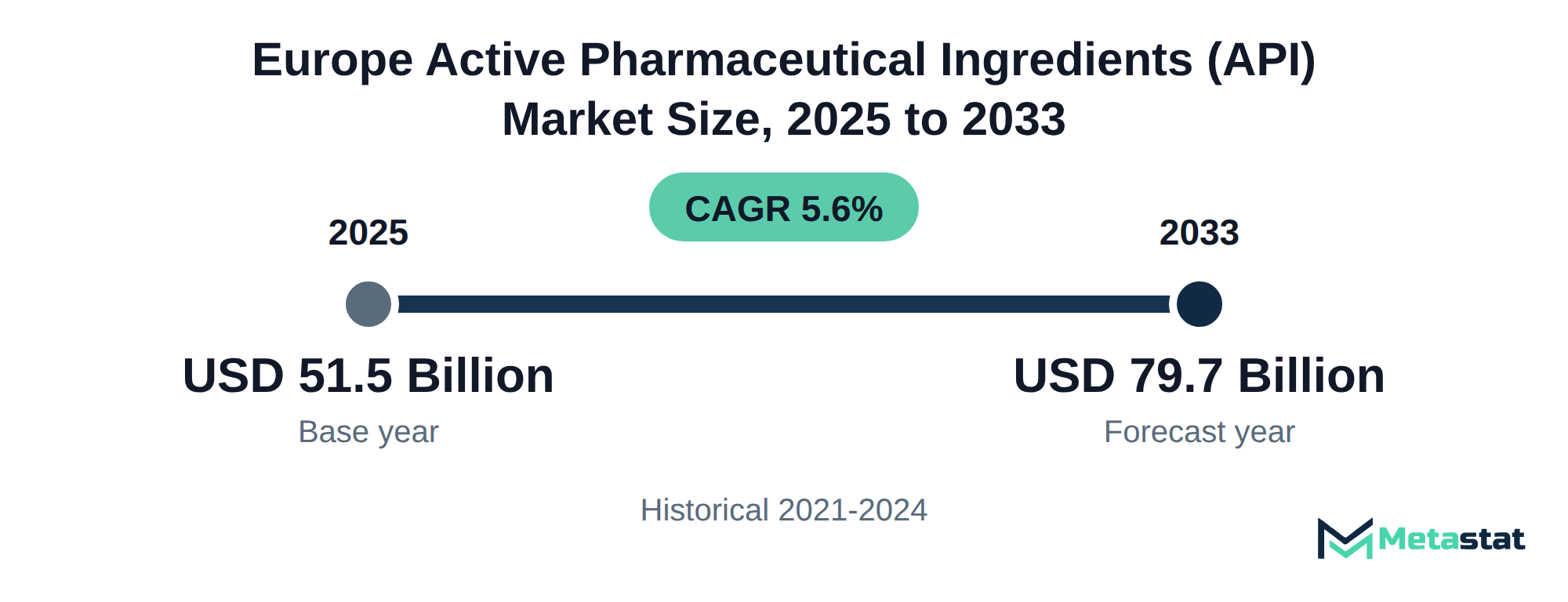
The Europe Active Pharmaceutical Ingredients (API) market encompasses the production and distribution of active substances used in pharmaceuticals, catering to various therapeutic segments. Buyers invest in APIs to ensure the efficacy and safety of their pharmaceutical products, driven by regulatory compliance and the demand for innovative treatments. The market serves applications that include oncology, cardiovascular diseases, and central nervous system disorders.
Growth within the market is supported by the increasing demand for generic APIs, which represent the largest share of the market value. Germany stands out as the leading region, contributing significantly to the overall market dynamics. Wider healthcare access and the rising prevalence of chronic diseases contribute to this upward trajectory.
Innovative APIs are gaining traction, reflecting a shift towards advanced therapeutic solutions. The growing investment in research and development within the pharmaceutical industry drives this trend. Pharmaceutical companies strive to meet evolving health challenges, which creates a competitive environment that encourages further development and investment.
Investment in the Europe Active Pharmaceutical Ingredients (API) market reflects a focus on developing high-quality and innovative therapeutic solutions. Buyers include large pharmaceutical companies, generic manufacturers, and contract manufacturers, each seeking reliable and effective active ingredients to enhance their product portfolios. The increasing prevalence of chronic diseases and the growing demand for personalized medicine drive substantial expenditures in this sector, facilitating advancements in drug formulations and treatment options.
The market experiences significant growth, particularly in the generic APIs segment, which generates the largest share of revenue. Germany leads in market share within Europe, supported by a strong pharmaceutical industry and extensive manufacturing capabilities. The surge in demand for oncology-related treatments drives market expansion, correlating with heightened healthcare spending, patient awareness, and ongoing research in the oncology field.
In addition to the oncology segment, the cardiovascular diseases application contributes significantly to overall market growth. The increasing aging population and rising incidences of lifestyle-related conditions necessitate continuous innovation in active pharmaceutical ingredients. Technological advancements and evolving healthcare needs support sustained growth in the Europe Active Pharmaceutical Ingredients (API) market.
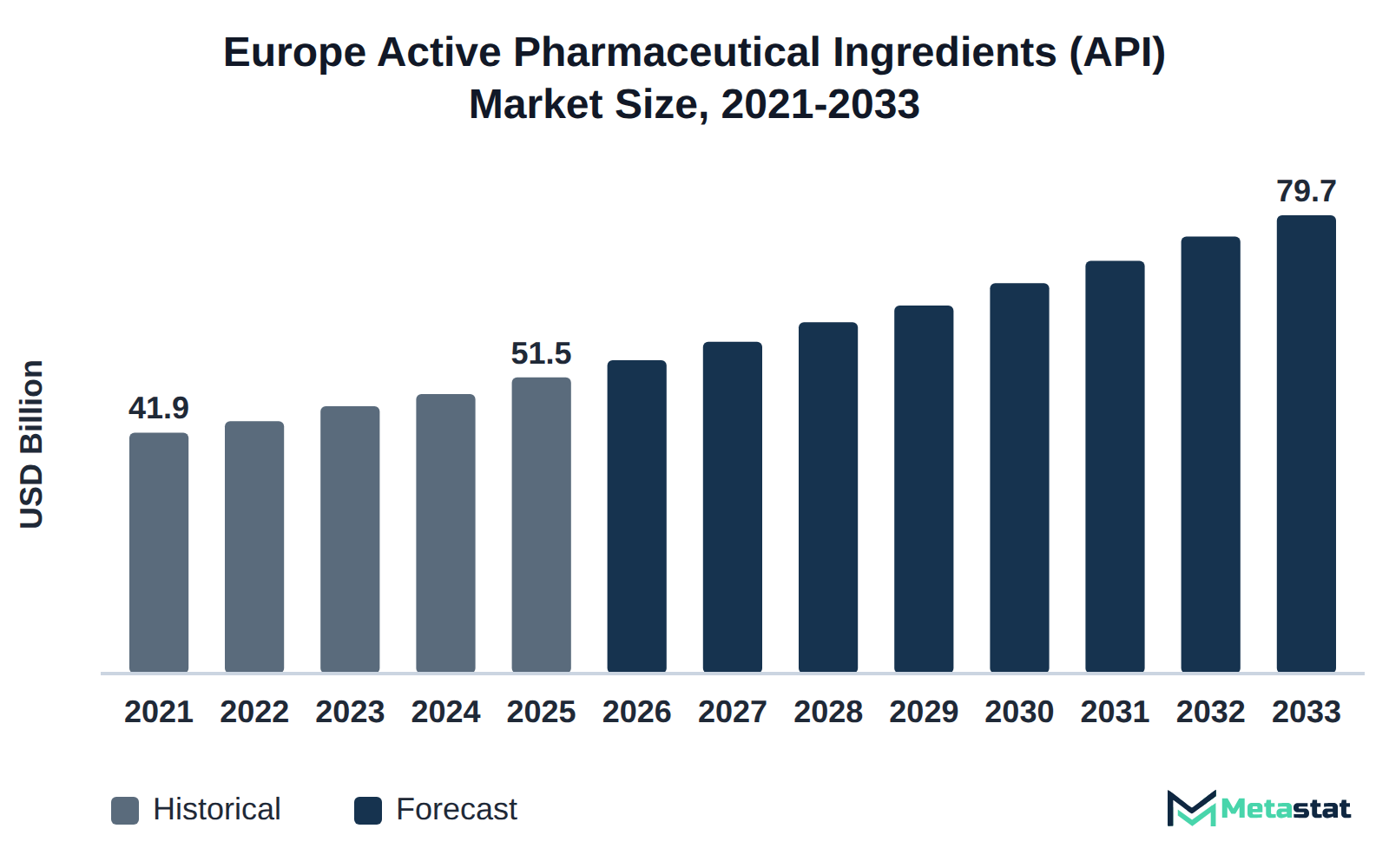
Innovative manufacturing technologies reshape the Europe Active Pharmaceutical Ingredients (API) market, particularly through advancements in continuous manufacturing processes. This shift enhances efficiency and reduces costs associated with traditional batch production methods. Continuous manufacturing enables real-time monitoring and process optimization, resulting in higher product quality and reduced lead times. Process analytical technology tools support this real-time monitoring by measuring quality attributes during production.
Innovative APIs are projected to reach a value of USD 31.2 billion by 2033, reflecting a significant growth trajectory driven by these technological advancements. Pharmaceutical companies increasingly invest in continuous manufacturing capabilities to streamline operations and adapt to evolving regulatory requirements. This investment enhances supply chain resilience and supports faster time-to-market for new therapeutics.
The shift benefits manufacturers, suppliers, and ultimately patients across the supply chain. Enhanced production efficiency lowers operational costs, which pharmaceutical companies use to offer competitive pricing in a crowded marketplace. This transformation in the manufacturing landscape positions the Europe Active Pharmaceutical Ingredients (API) market for sustained growth and innovation in the coming years.
The increasing focus on oncology and biologic drug pipelines drives the demand for specialized active pharmaceutical ingredients. This heightened demand influences the pricing models and contract structures adopted by buyers in the market. In particular, the projected growth of oncology-related APIs, with an increase from USD 10.2 billion in 2026 to USD 16.1 billion by 2033, highlights the commercial importance of this segment.
Buyers typically engage in long-term contracts to secure reliable supply and pricing stability for these specialized ingredients. Fixed pricing agreements often emerge to reduce the risk associated with fluctuating market prices. Tiered pricing models based on purchase volumes incentivize buyers to commit to larger orders, ensuring better pricing terms. Understanding these purchasing behaviors is crucial for suppliers, who adapt their strategies to align with buyers' needs for flexibility and risk management.
The dynamics of these pricing and contract structures significantly impact suppliers' operational strategies, necessitating adjustments in production capacity, inventory management, and financial forecasting. Consequently, overall profitability for suppliers fluctuates based on their ability to manage these complex purchasing frameworks within the Europe Active Pharmaceutical Ingredients (API) market.
Regulatory compliance significantly influences the production processes within the Europe Active Pharmaceutical Ingredients (API) market. Stricter regulations on quality and safety require manufacturers to implement quality management systems and maintain traceability throughout the supply chain. Compliance challenges arise from the changing regulatory landscape, leading to increased operational costs. In 2025, the market value reached USD 51.5 billion, driven in part by investments in compliance initiatives aimed at meeting these stringent regulations.
Continuous manufacturing transforms production efficiency in the Europe Active Pharmaceutical Ingredients (API) market. This method reduces production times and enhances product consistency, aligning with demands for higher quality outputs. By 2033, the market is anticipated to reach USD 79.7 billion, reflecting growing adoption of continuous processes that streamline operations. This transition supports lower operational costs and faster time-to-market, particularly advantageous for manufacturers aiming to maintain competitiveness in an evolving industry.
Outsourcing emerges as a strategic approach to address capacity constraints within the Europe Active Pharmaceutical Ingredients (API) market. Manufacturers increasingly rely on contract development and manufacturing organizations (CDMOs) to manage complex production processes and regulatory compliance. By 2033, the market is projected to grow significantly, supported by outsourcing trends that allow companies to focus on core competencies while drawing on specialized CDMO expertise. This shift leads to enhanced flexibility and resource optimization within manufacturing operations.
European pharmaceutical companies increasingly adopt a dual approach to satisfy API requirements, balancing between captive production and merchant sourcing. This strategy addresses variations in demand and the need for cost control. In 2026, the market for captive APIs is projected to reach USD 22.4 billion, rising to USD 32 billion by 2033, reflecting a compound annual growth rate (CAGR) of 5.2%. This growth highlights the significance of in-house production in maintaining supply chain reliability.
Simultaneously, merchant APIs are gaining traction, with an anticipated market value of USD 47.6 billion by 2033, growing at a CAGR of 5.8%. This trend emerges from the need for flexibility and access to specialized APIs that are not feasible to produce internally. API contract manufacturing offers one route to such specialized ingredients. By leveraging both captive and merchant sources, companies enhance operational efficiency, reduce lead times, and mitigate risks associated with supply disruptions.
The strategic balance between captive and merchant API production positions companies to respond effectively to evolving market demands and regulatory changes. This dual sourcing strategy offers a competitive edge within the market and supports sustained growth and resilience.
Investment in oncology treatments has significantly influenced spending patterns among pharmaceutical companies. The growing prevalence of cancer cases across Europe has increased demand for active pharmaceutical ingredients tailored to oncology applications. This heightened focus on disease-specific treatment has led to a surge in the development and production of specialized APIs. The urgency to address cancer care requirements drives volumes and pricing strategies, impacting the overall market positively. Competition among pharmaceutical companies intensifies as they seek to meet the rising demand for effective oncology therapies.
Expansion in the Europe Active Pharmaceutical Ingredients (API) market aligns with increasing investment in oncology drug development. This transition reflects a broader trend of targeting specific therapeutic areas.
Investment in advanced manufacturing technologies drives efficiency and cost-effectiveness in the production of active pharmaceutical ingredients. The increased adoption of continuous manufacturing processes enhances output while minimizing energy use and waste, leading to lower operational costs for manufacturers. This technology is particularly attractive for companies focusing on generic APIs, which require competitive pricing to capture market share. Enhanced flexibility in production lines allows for quicker adjustments to meet changing market demands, benefiting suppliers targeting diverse therapeutic areas. The ongoing shift toward innovative API production methods leads to improved product quality and faster time-to-market for new drugs, benefiting buyers across various sectors. Growth in the Europe Active Pharmaceutical Ingredients (API) market reflects the potential for these advancements to transform production capabilities. Overall, the emphasis on advanced manufacturing technologies positions market players for sustained growth and increased competitiveness.
Increasing manufacturing costs exert pressure on the Europe Active Pharmaceutical Ingredients (API) market, impacting the profitability of suppliers. These higher costs stem from various factors, including raw material price inflation and stringent regulatory compliance expenses. Generic API manufacturers, particularly those focusing on large-scale production, face challenges in maintaining price competitiveness in a market sensitive to pricing fluctuations. Consequently, rising costs contribute to slower uptake of new products by pharmaceutical companies, leading to smaller orders and delayed replacement of existing APIs with innovative alternatives. This trend hinders the overall growth of the market, with buyers prioritizing cost-effective solutions alongside quality and efficacy in their sourcing decisions.
Fluctuations in raw material prices present significant challenges for suppliers within the Europe Active Pharmaceutical Ingredients (API) market. The sourcing of active ingredients involves volatile commodity markets, which directly impacts production costs. Suppliers face pressure to maintain competitive pricing while ensuring high-quality output, leading to reduced profit margins. Many suppliers respond by adopting strategic sourcing techniques and forming long-term contracts to stabilize pricing and secure reliable supply chains. Investments in local sourcing and establishing relationships with regional suppliers help mitigate cost volatility. Several manufacturers prioritize vertical integration to gain better control over production inputs, aiming to reduce dependency on external suppliers. Such strategies enhance resilience against price pressures and promote a more stable market environment, ultimately allowing suppliers to maintain profitability while addressing the growing demand for APIs.
The oncology application segment presents a significant growth opportunity within the Europe Active Pharmaceutical Ingredients (API) market. The rising incidence of cancer across Europe drives demand for innovative therapies and associated APIs. Pharmaceutical companies focusing on oncology are expected to invest in research and development, enhancing their product portfolios to address diverse treatment requirements. Such investment encourages the adoption of advanced manufacturing technologies to produce specialized APIs efficiently. This targeted growth aligns with broader trends in personalized medicine, heightening the need for tailored therapeutic solutions. The market benefits from this focus, resulting in increased revenue potential and a more competitive landscape in the oncology segment.
The Europe Active Pharmaceutical Ingredients (API) market is segmented based on API Type, Type of Manufacturer, Application, and Region.
Europe's generic APIs segment is valued at USD 33.8 billion in 2026 and is projected to reach USD 48.4 billion by 2033, at a CAGR of 5.3% during the forecast period. This segment includes off-patent medications that healthcare providers prescribe due to their lower costs while maintaining effectiveness. Branded generics belong to the same off-patent category, pairing established molecules with company brand names. Demand for Generic APIs primarily stems from hospitals and pharmacies seeking cost-effective treatment options for patients. The growth of this segment is driven by increasing healthcare expenditures and a shift towards affordable medication. Compared to Innovative APIs, which are expected to achieve a CAGR of 6%, Generic APIs exhibit slower growth. This slower pace is attributed to the market’s focus on novel drug development, which frequently attracts more attention from pharmaceutical companies. However, increasing pressure on healthcare systems to reduce spending boosts the demand for Generic APIs, providing a stable market environment for their growth.
Innovative APIs segment is estimated to reach USD 31.2 billion by 2033, at a CAGR of 6% during the forecast period. This segment encompasses advanced pharmaceuticals that offer new treatment options, particularly in specialized areas including oncology and rare diseases. Pharmaceutical companies create innovative APIs to develop differentiated therapies that address unmet medical needs. The demand for these APIs is driven by a growing emphasis on personalized medicine and the need for targeted therapies. In contrast to generic APIs, which experience a CAGR of 5.3%, innovative APIs demonstrate a more significant growth trajectory, reflecting their higher pricing and specialized applications. Increasing investment in R&D focused on innovative treatments supports this dynamic, enhancing competition within the market and encouraging expanded therapeutic offerings.
These APIs primarily serve internal manufacturing processes for pharmaceutical companies, enabling them to maintain control over production quality and supply. The growing trend of vertical integration among pharmaceutical firms drives demand for captive APIs, allowing companies to reduce reliance on external suppliers. Compared to merchant APIs, which leverage external manufacturing, captive APIs offer greater stability in supply chains but experience slower growth due to the higher initial investment required for in-house production capabilities. This segment stands out due to its focus on quality assurance and regulatory compliance, which are critical for meeting stringent industry standards. The growth of the captive APIs segment is anticipated to reflect increasing investments in advanced manufacturing technologies, enabling companies to enhance production efficiency and flexibility.
This segment serves various pharmaceutical companies that require active ingredients for their drug formulations. Demand for Merchant APIs has risen due to the increasing need for cost-effective manufacturing solutions and access to specialized drug compounds. Pharmaceutical companies often opt for Merchant APIs to enhance their product portfolios without the substantial investments tied to internal production facilities. Compared to Captive APIs, which have a slower growth trajectory at a CAGR of 5.2%, Merchant APIs present a more dynamic growth opportunity. The competitive pricing and flexibility offered by Merchant APIs attract manufacturers looking to diversify their offerings, reflecting a strategic approach to market demands. Growth in this segment aligns with broader trends in the Europe Active Pharmaceutical Ingredients (API) market, driven by innovation and the need for efficient supply chains.
This segment is essential in the treatment of various types of cancer, supplying active pharmaceutical ingredients for both existing therapies and new drug formulations. Growing awareness of cancer treatment options among healthcare providers and patients drives demand for advanced oncology therapies. Unlike other segments, oncology benefits from the rapid pace of innovation in targeted therapies and immunotherapies, contributing to higher growth rates. The oncology segment's CAGR of 6.7% reflects a stronger growth trajectory compared to cardiovascular diseases, which has a CAGR of 5.2%. Continuous advancements in technology and increased investment in research and development further enhance market dynamics, positioning oncology as a key area for pharmaceutical companies.
Europe's cardiovascular diseases API segment is estimated to reach USD 11.9 billion by 2033, at a CAGR of 5.2% during the forecast period. This segment focuses on developing pharmaceuticals targeting conditions including hypertension, heart failure, and arrhythmias, catering to a wide range of healthcare providers, including hospitals and specialized clinics. A significant driver within this segment involves the increasing prevalence of cardiovascular disorders, resulting in heightened demand for effective treatments. This segment stands out from others due to its relatively stable growth rate compared to Oncology, which exhibits a higher CAGR of 6.7%. The market shows robust interest from both generic and innovative manufacturers, reflecting a diverse pricing structure. Such dynamics highlight ongoing investment in research and development efforts aimed at enhancing therapeutic outcomes for patients affected by cardiovascular diseases.
CNS and Neurological Disorders segment is expected to reach USD 9.9 billion by 2033. This segment encompasses APIs used in treating various neurological conditions, including Alzheimer's disease, Parkinson's disease, and multiple sclerosis. Major pharmaceutical companies focus on developing innovative drugs to address these disorders, leading to increased demand for specialized APIs. The segment experiences significant growth due to an aging population and rising prevalence of neurological diseases, with a projected CAGR of 6.7%. Compared to other segments, including Cardiovascular Diseases, which has a CAGR of 5.2%, this segment exhibits faster growth. The unique challenges of developing effective CNS therapeutics, including regulatory hurdles and high development costs, contribute to a distinct market environment. This differentiation highlights the varying investment approaches and pricing strategies across the market, impacting overall growth potential.
Endocrinology and Metabolic Disorders segment is projected to grow at a CAGR of 6.1% during the forecast period. This segment focuses on the treatment of hormonal imbalances and metabolic disorders, catering primarily to patients with conditions including diabetes and thyroid diseases. The rising prevalence of these disorders among the population drives demand for effective treatments, resulting in an increased focus on research and development for new therapeutic options. Compared to other applications, this segment exhibits faster growth potential, reflecting a growing recognition of chronic metabolic conditions among healthcare providers. In 2026, the market for this segment is expected to expand significantly, enhancing treatment access and improving patient outcomes. The need for innovative therapies facilitates collaboration between pharmaceutical companies and research institutions, accelerating the development of specialized active pharmaceutical ingredients. This strategic focus positions the segment favorably for future expansion within the market.
Infectious Diseases encompass a critical area of focus within the healthcare system, addressing a wide range of pathogens and conditions that significantly impact public health. This application segment targets various diseases, including bacterial, viral, and fungal infections, serving hospitals, clinics, and pharmaceutical companies engaged in the development of treatments. Growth in this segment is driven by an increasing global emphasis on disease prevention and management, spurred by the rising incidence of infectious diseases and the need for effective therapeutic solutions. Unlike segments focused on oncology or cardiovascular diseases, which experience rapid growth, the adoption rate for treatments targeting infectious diseases reflects a steadier pace, with established protocols and guidelines shaping development timelines. This segment aligns with broader healthcare initiatives, encouraging collaboration among stakeholders striving to enhance patient outcomes and address emerging infectious threats.
Respiratory diseases encompass a significant category of health conditions that affect the airways and lungs, leading to considerable demand for effective treatments. Pharmaceutical companies apply active pharmaceutical ingredients (APIs) tailored for these diseases to produce various medications, including bronchodilators and anti-inflammatory agents. These agents form the basis of many asthma and COPD drugs. The growing prevalence of respiratory disorders, driven by factors including air pollution and smoking, increases demand for specialized APIs. This segment distinguishes itself from others through unique challenges related to regulatory approvals and the need for ongoing innovation. In contrast to segments like oncology, respiratory diseases experience steadier growth patterns, presenting opportunities for consistent investment in research and development. This sector demands a focused approach to address specific therapeutic needs, highlighting the importance of tailored API solutions in the Europe Active Pharmaceutical Ingredients (API) market.
Gastrointestinal Diseases represent a critical area of focus within the healthcare landscape, addressing various conditions affecting the digestive system. The segment serves pharmaceutical companies, healthcare providers, and patients seeking effective treatments for gastrointestinal disorders. Demand for these APIs experiences growth driven by rising incidences of gastrointestinal diseases, coupled with a heightened emphasis on developing targeted therapies. Unlike other segments, including Oncology and Cardiovascular Diseases, which enjoy higher growth rates supported by significant investment and advancements, this segment operates at a more measured pace. Regulatory pressures affecting the approval of new APIs influence the introduction of products in this space, adding complexity to adoption timelines. While the market evolves, balancing the need for innovation with compliance and safety standards remains essential for manufacturers targeting this niche.
Musculoskeletal and Orthopedic Diseases encompass a vital area of treatment focusing on musculoskeletal system disorders. This sub-segment serves healthcare providers and pharmaceutical companies focused on developing therapies for patients suffering from bone, joint, and soft tissue disorders. Demand for effective treatments supports growth, driven largely by an aging population facing increased incidence of orthopedic issues. The segment distinguishes itself from others, including oncology or cardiovascular diseases, through its specific patient demographic and treatment approaches. Compared to other applications, spending on musculoskeletal-related APIs typically involves distinct pricing structures and unique regulatory challenges. These factors contribute to a specialized market environment reflecting the complexity of musculoskeletal conditions.
Ophthalmology focuses on the diagnosis and treatment of eye conditions, employing active pharmaceutical ingredients (APIs) to develop therapeutic solutions. Medical professionals, including ophthalmologists and optometrists, depend on these APIs to produce medications for conditions including glaucoma, cataracts, and age-related macular degeneration. The growing incidence of chronic eye diseases among aging populations drives demand for innovative therapies in this segment. Compared to other application segments, ophthalmology presents a unique challenge with higher development costs due to the complexity of eye-related formulations. Regulatory requirements for ocular products often exceed those for traditional pharmaceuticals, influencing pricing strategies. This segment experiences slower growth relative to others that cater to broader therapeutic areas. Continued investment in research and development enhances treatment options for patients with vision-related issues in the Europe Active Pharmaceutical Ingredients (API) market.
Others (Dermatology, Immunology and Rare Diseases) encompass a diverse array of conditions requiring specialized treatment options. This segment serves healthcare providers focusing on patients with unique and often complex diseases that lack standard treatment pathways. Increasing awareness of rare diseases and advancements in targeted therapies drive demand in this area. Treatment costs influence access for patients, creating challenges for both manufacturers and healthcare systems. Compared to other segments, including Oncology, this segment exhibits slower growth due to the niche nature of its applications, though it is essential in addressing unmet medical needs. The Europe Active Pharmaceutical Ingredients (API) market reflects a growing interest in innovative solutions for these patient populations, emphasizing the significance of continuous research and development efforts in a landscape marked by evolving therapeutic approaches.
Germany's API segment is valued at USD 13.2 billion in 2026 and is projected to reach USD 19 billion by 2033, at a CAGR of 5.3% during the forecast period. This segment primarily serves the healthcare sector, supplying active ingredients for pharmaceutical formulations aimed at various therapeutic areas, including oncology and cardiovascular diseases. The increasing prevalence of chronic diseases stimulates demand for effective treatments, significantly influencing growth. Compared to other segments, the Germany segment experiences moderate growth; for instance, the innovative APIs segment is projected to grow faster at a CAGR of 6%. Factors including stringent regulations and the need for higher quality standards drive costs within the market, impacting price sensitivity among buyers while shaping competitive dynamics.
The United Kingdom's API segment is estimated to reach USD 14.3 billion by 2033, at a CAGR of 5.4% during the forecast period. This segment addresses various health conditions through the production of active pharmaceutical ingredients. Key buyers include pharmaceutical companies focused on innovative therapies and generics, driving demand due to increasing healthcare requirements. Strengthened investment in research and development fuels growth, with a notable shift towards innovative APIs, which command higher prices compared to generics. The United Kingdom segment distinguishes itself through a robust regulatory framework, ensuring high-quality standards. In contrast, other regions experience different growth trajectories or pricing dynamics, making the United Kingdom segment an attractive market for investment and competition in the Europe Active Pharmaceutical Ingredients (API) market.
France segment is expected to reach USD 12.4 billion by 2033. The pharmaceutical industry in France applies active pharmaceutical ingredients (APIs) predominantly in the treatment of various health conditions, including oncology and cardiovascular diseases. The demand for innovative therapies drives growth within this segment, reflecting strong interest from healthcare providers and patients seeking effective solutions. The market benefits from a robust regulatory framework that encourages the development and approval of new APIs. Compared to other segments, the growth rate for France exhibits a slightly slower pace, influenced by established competition and pricing pressures in the region. Despite these challenges, France's focus on innovative drug development sets it apart from other regions, leading to a sustainable market trajectory.
Spain segment is projected to grow at a CAGR of 6% during the forecast period. This segment addresses various health challenges, particularly in areas including oncology and cardiovascular diseases. Pharmaceutical companies and healthcare providers apply active pharmaceutical ingredients (APIs) to develop effective treatments tailored to the needs of patients. Growth in this segment is driven primarily by an increasing prevalence of chronic diseases, raising demand for advanced therapeutic options. Compared to other segments, Spain distinguishes itself through this specific focus on treatment for chronic conditions, resulting in a higher growth trajectory relative to segments focused on acute disease management. In particular, rising investment in healthcare infrastructure in Spain contributes to the segment's robustness, ensuring a steady supply of innovative pharmaceutical solutions. Spain's commitment to enhancing its healthcare capabilities further strengthens its position in the Europe Active Pharmaceutical Ingredients (API) market.
Italy's participation within the Europe Active Pharmaceutical Ingredients (API) market reflects a strong focus on drug development and pharmaceutical manufacturing. This segment is used extensively by pharmaceutical companies and healthcare providers for producing medications that address various health conditions. The demand for APIs in Italy is propelled by the increasing prevalence of chronic diseases, driving healthcare investments and the development of innovative drugs. Compared to other segments, Italy demonstrates a competitive advantage with its established pharmaceutical infrastructure and a skilled workforce. The growing emphasis on research and development in innovative APIs further contributes to the segment's significance. Regulatory frameworks in Italy support the growth of this sector, facilitating advancements in technology and production processes. Overall, the combination of a robust domestic market and a strategic focus on innovation positions Italy as a vital player in the broader Europe Active Pharmaceutical Ingredients (API) market.
Switzerland plays a significant role in the Europe Active Pharmaceutical Ingredients (API) market. This region is distinguished by its advanced pharmaceutical manufacturing capabilities and stringent regulatory standards. Switzerland primarily serves the needs of both captive and merchant API manufacturers, focusing on high-quality and innovative products. Demand within this segment is driven largely by the increasing focus on precision medicine and personalized therapies, which require specialized APIs tailored for specific patient populations. Compared to other regions, Switzerland's market emphasizes innovative APIs that often command higher prices due to unique formulations and technologies. This focus on innovation positions Switzerland as a key player, contributing to the competitive dynamics of the market.
A considerable portion of the market consists of the Rest of Europe, including various countries that contribute to the overall dynamics of the pharmaceutical sector. This segment is significant in the development of active pharmaceutical ingredients (APIs) for multiple therapeutic areas, serving hospitals, clinics, and other healthcare providers seeking effective treatments. Growth is driven by increasing demand for innovative therapies, particularly in oncology and cardiovascular diseases, aligning with global healthcare trends emphasizing preventative care and advanced treatment options. The Rest of Europe segment faces unique challenges, including regulatory hurdles and varying healthcare policies among countries, which impact the speed of adoption for new APIs. Compared to regions like Germany or the United Kingdom, which have more established markets, this segment experiences slower growth due to these barriers, resulting in a diverse competitive landscape characterized by both local and international players striving to capture market share.
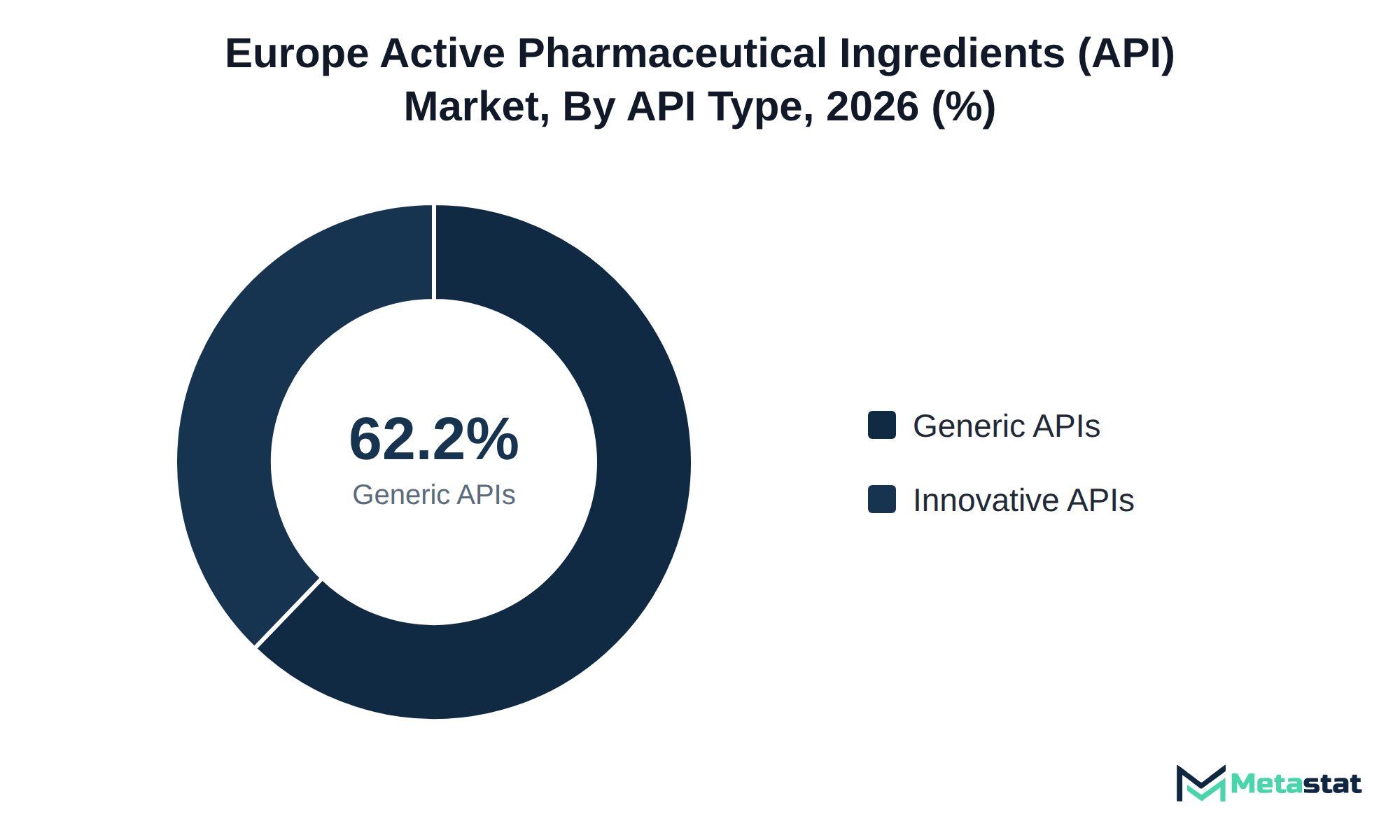
Companies compete in the Europe Active Pharmaceutical Ingredients (API) market primarily based on product type and manufacturing model. The market features both captive and merchant APIs, each serving distinct buyer needs. Captive APIs primarily cater to businesses requiring tailored solutions aligned with specific therapeutic areas, while merchant APIs attract buyers seeking competitive pricing and flexibility.
Buyers prioritize factors including price, certification, and customization when selecting API suppliers. For instance, EUROAPI emphasizes a diverse portfolio of both generic and innovative APIs, focusing on meeting the evolving needs of pharmaceutical manufacturers. Lonza Group AG specializes in contract development and manufacturing services, catering to companies requiring specialized production capabilities. Teva Pharmaceutical Industries Ltd. maintains a strong presence in generic APIs, addressing cost-sensitive markets through extensive manufacturing capabilities.
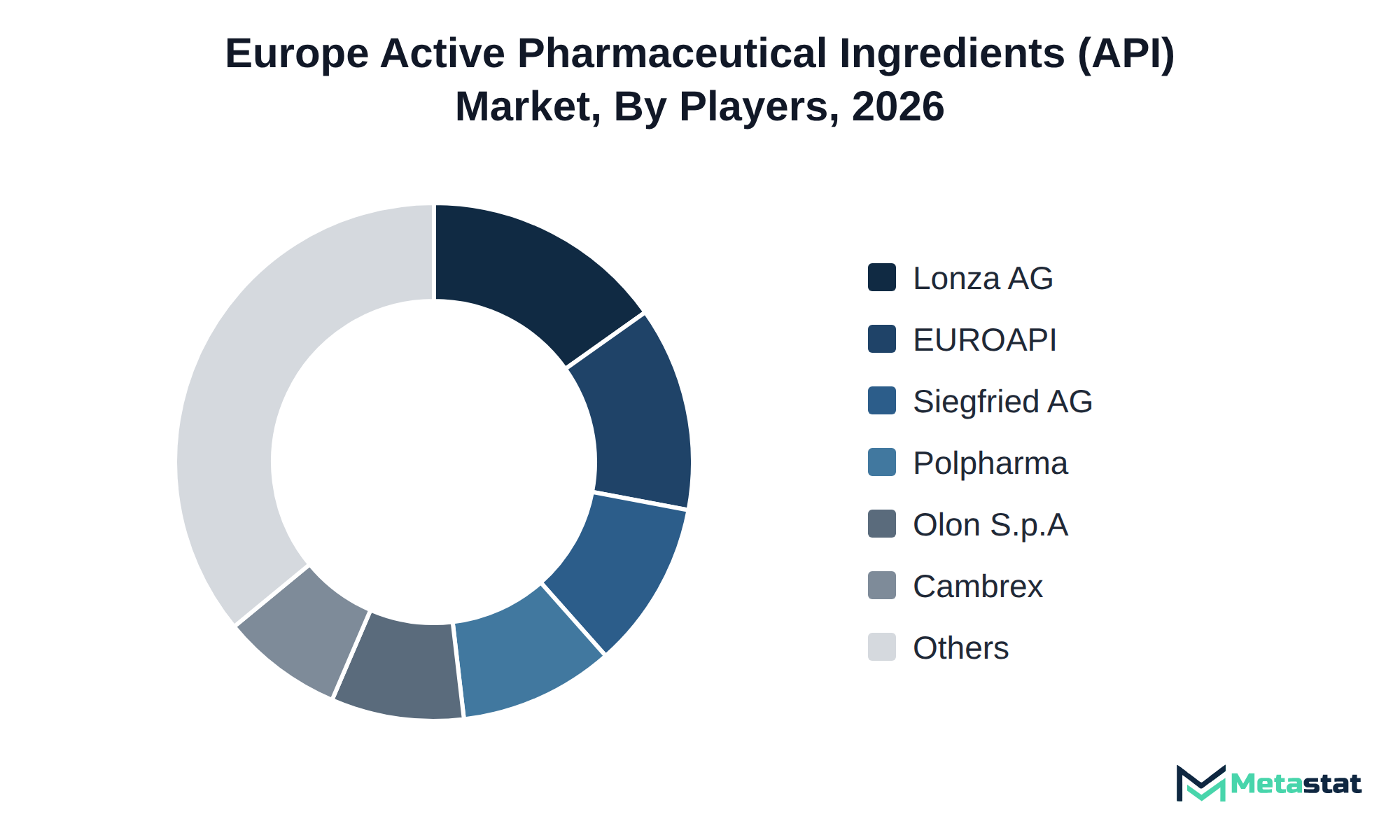
Achieving this growth depends on several key developments in the Europe Active Pharmaceutical Ingredients (API) market. First, the expansion of innovative APIs, projected to reach USD 31.2 billion by 2033 at a CAGR of 6%, will significantly contribute to overall market growth. Second, growth in the oncology application segment, expected to increase from USD 10.2 billion in 2026 to USD 16.1 billion by 2033, will drive demand, particularly among pharmaceutical manufacturers targeting cancer treatments. The surge in demand for merchant APIs, projected to reach USD 47.6 billion by 2033 with a CAGR of 5.8%, reflects a shift towards outsourcing in the industry. However, risks including regulatory challenges could hinder these developments, impacting the rate of market expansion. Stringent regulations in key regions, including Germany and the United Kingdom, could slow the approval process for new APIs, restraining growth momentum. Addressing these challenges is crucial for realizing the full potential of the market.
By API Type: Generic APIs, Innovative APIs
By Type of Manufacturer: Captive APIs, Merchant APIs
By Application: Oncology, Cardiovascular Diseases, CNS and Neurological Disorders, Endocrinology and Metabolic Disorders, Infectious Diseases, Respiratory Diseases, Gastrointestinal Diseases, Musculoskeletal and Orthopedic Diseases, Ophthalmology, Others (Dermatology, Immunology and Rare Diseases)
By Region: Germany, United Kingdom, France, Spain, Italy, Switzerland, Rest of Europe
The report strategically identifies and profiles the key market players and analyses their core competencies in each sub-segment of the Active Pharmaceutical Ingredients (API) market.
Report Attributes | Details |
Study Period | 2021-2033 |
Base Year | 2025 |
Estimated Year | 2026 |
Forecast Period | 2026-2033 |
Historical Period | 2021-2025 |
Growth Rate | CAGR 5.6% from 2026 to 2033 |
Revenue Unit | USD billion |
Segmentation | By API Type, Type of Manufacturer, Application, Region, and Region |
Find answers to common questions about this report
The Active Pharmaceutical Ingredients (API) market size was valued at USD 51.5 billion in 2025.
The market is projected to grow at a CAGR of 5.6% during the forecast period from 2026 to 2033.
Innovative APIs lead the Active Pharmaceutical Ingredients market with a projected value of USD 31.2 billion by 2033, surpassing the Generic APIs segment.
Investment in oncology treatments significantly influences spending patterns among pharmaceutical companies, driven by the growing prevalence of cancer cases across Europe. The emphasis on advanced manufacturing technologies enhances production efficiency and cost-effectiveness, supporting market growth.
Increasing manufacturing costs exert pressure on the market, impacting the profitability of suppliers. Fluctuations in raw material prices present significant challenges for suppliers, leading to reduced profit margins and slower uptake of new products by pharmaceutical companies.
Investment in oncology drug development significantly drives the adoption of active pharmaceutical ingredients tailored to cancer treatments. The rising incidence of cancer in Europe fuels demand for innovative therapies and specialized APIs, creating a robust competitive landscape in this segment.
The Active Pharmaceutical Ingredients (API) market is estimated to reach a valuation of USD 79.7 billion by 2033.
Key players operating in the Active Pharmaceutical Ingredients (API) industry include EUROAPI, Siegfried Holding AG, Lonza Group AG, Polpharma Group, Olon S.p.A., Cambrex Corporation, Teva Pharmaceutical Industries Ltd., and AbbVie, Inc.
Oncology APIs are projected to grow from USD 10.2 billion in 2026 to USD 16.1 billion by 2033, reflecting a compound annual growth rate of 6.7 percent.
Generic API manufacturers face challenges from rising manufacturing costs and raw material price inflation, impacting their price competitiveness in the market.
The analysts below cover Biotechnology research at Metastat Insights.
LEAD ANALYST
Utkarsh Khirodkar is a Lead Market Research Analyst at MetaStat Insight, specializing in market intelligence, technology sector assessments, and competitive strategy.

SENIOR RESEARCH ANALYST
Biotechnology · Food and Beverages · Medical Devices · Packaging
Snehal Pasalkar is a Research Analyst at MetaStat Insight, operating at the intersection of life sciences research, competitive strategy, and market intelligence.
When planning edge sensor rollouts across refinery environments, generic IoT reports typically miss the harsh-environment certification bottlenecks. MetaStat Insight gave an objective evaluation of ATEX and Class 1 Division 2 hardware availability, along with realistic five-year maintenance cycle cost projections. The comparison of wireless mesh versus private cellular backhaul helped our team pressure-test network reliability models for remote processing facilities.
In the biological seed treatment space, registration timelines vary drastically between the European Union, Brazil, and North America. The MetaStat Insight research handled these cross-border regulatory barriers with genuine nuance, mapping commercialization pathways alongside historical field adoption rates. The segmentation between microbial strains and biochemical active ingredients was particularly well structured.
Our team was tracking whether regional recycling infrastructure could realistically absorb the growing volume of lithium iron phosphate batteries over the next decade. The report did a solid job separating announced hydrometallurgical plant capacity from active, permitted operational throughput. That distinction made the feedstock availability projections and regional recovery rate models far more credible than standard commercial overviews.
Explore related market intelligence reports worth reading alongside this one.