
Explore key questions to ask suppliers of large-format industrial 3D printers that can enhance your manufacturing processes and ensure operational success.
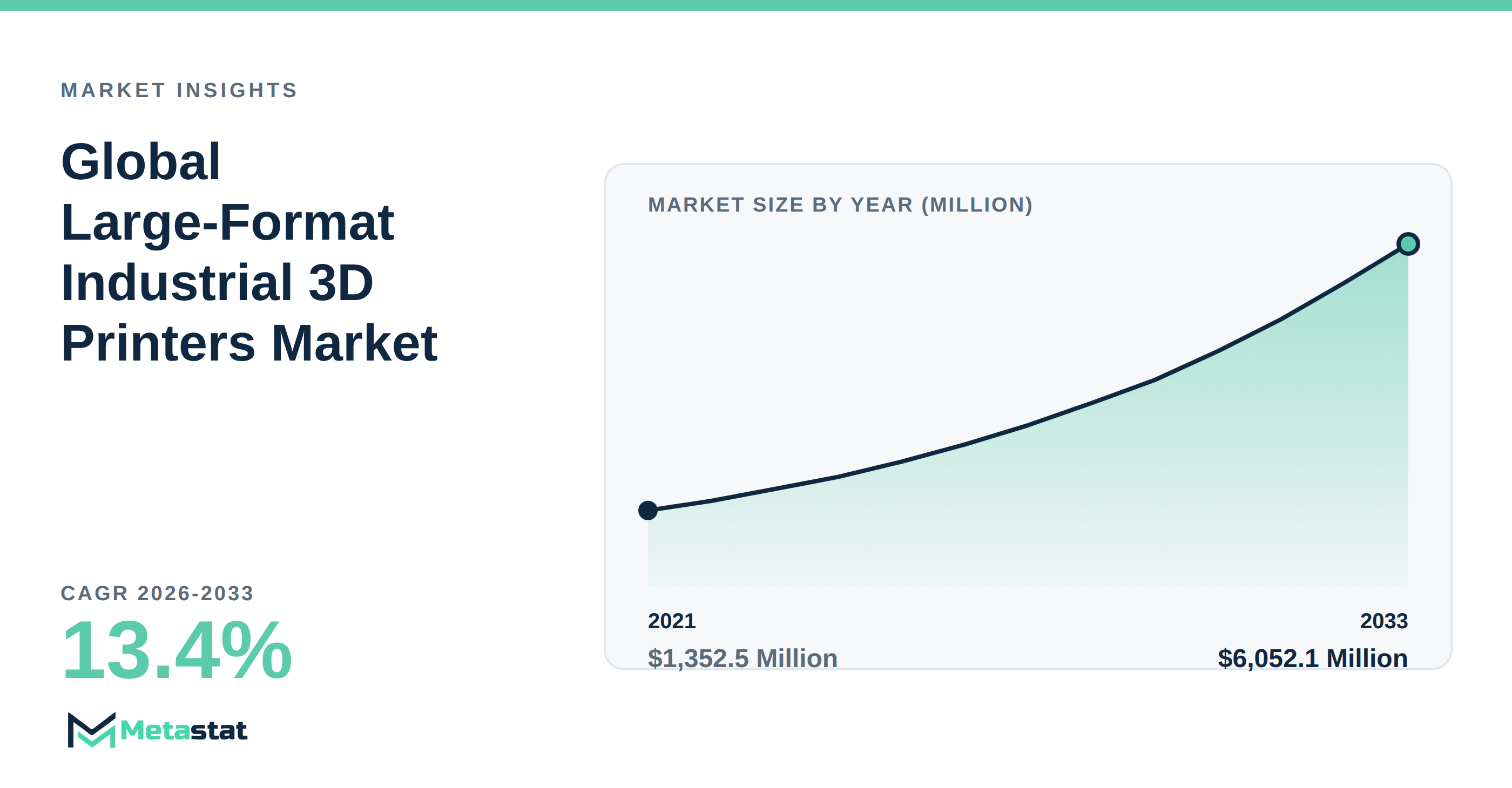
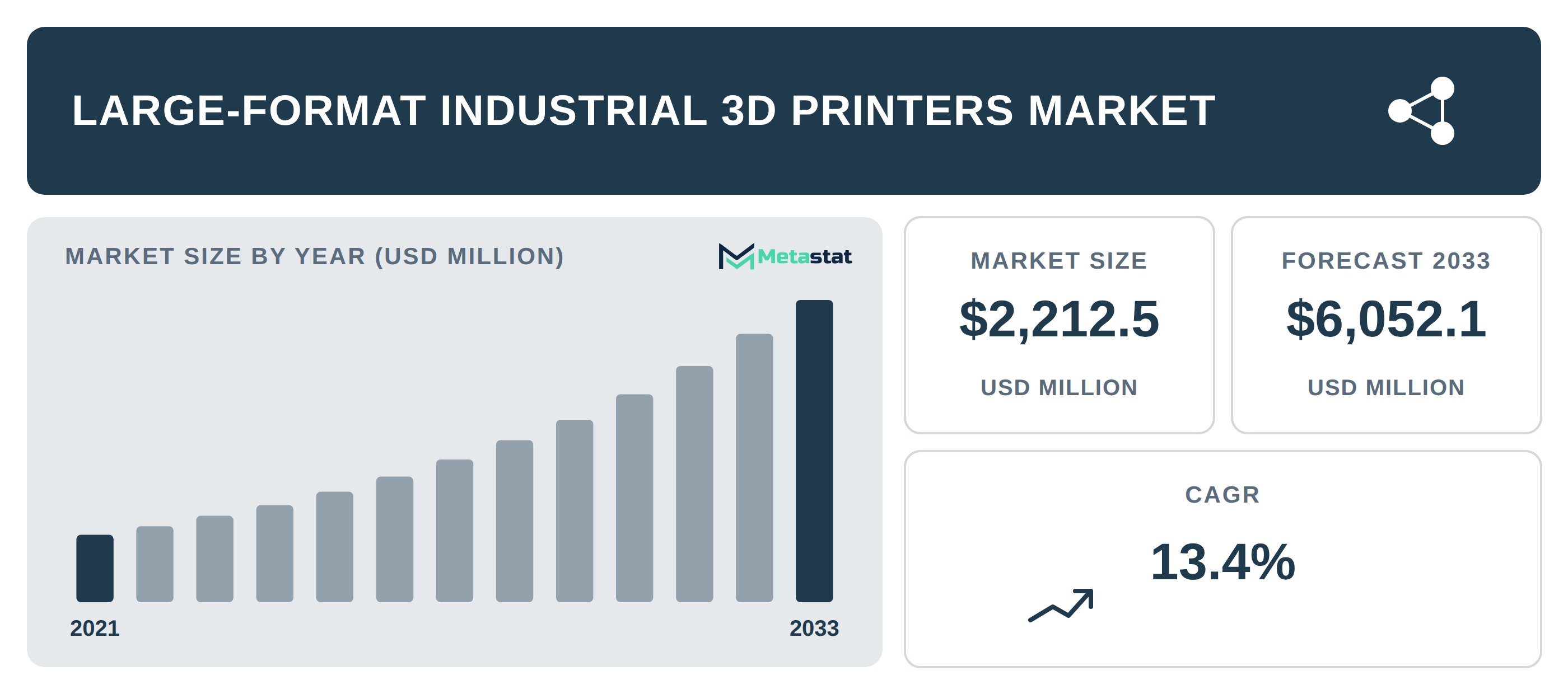
In the ever-changing world of manufacturing, understanding the capabilities of Large-Format Industrial 3D Printers suppliers is crucial. With their ability to produce complex geometries and enhance production efficiency, these technologies transform traditional manufacturing practices. However, selecting the right supplier requires a clear set of questions that address their offerings and capabilities. Below are essential questions buyers should ask. The full figures are in our Large-Format Industrial 3D Printers market size and forecast report.
1. What advancements in technology do you offer?
Understanding the technological advancements offered by suppliers helps determine their capability to support innovative production processes. For instance, advancements in material extrusion technology have proven beneficial due to their efficiency and widespread adoption. Suppliers focusing on emerging techniques, including pellet extrusion technology, allow manufacturers to produce larger and more complex parts while minimizing production time and waste. Evaluating a supplier’s commitment to technology significantly influences production outcomes.
2. How do you ensure material versatility?
Material versatility is crucial in meeting the diverse demands of various industries. Suppliers should demonstrate their ability to work with a range of materials, including polymers, composites, and metals. This flexibility allows manufacturers to customize products to client specifications and reduces dependency on single-material solutions. With growth projected in areas like polymer and polymer composite printers, a supplier’s offerings in these domains will impact overall operational success.
3. What support do you provide for rapid prototyping and design validation?
Rapid prototyping and design validation are integral components in the manufacturing process, enabling quicker iterations and modifications. Suppliers should clearly illustrate how their technologies facilitate these processes, especially given the anticipated growth in the prototyping market. Understanding their support systems helps manufacturers accelerate product development, ultimately enhancing their competitive edge across various sectors.
4. How do you handle compliance and regulatory challenges?
Compliance with industry standards is essential, particularly in sectors like aerospace and automotive, where regulatory scrutiny is high. Suppliers should outline their procedures for meeting stringent regulations regarding materials and emissions. This capability not only accelerates the adoption of 3D printing technologies but reduces production delays caused by compliance issues, thus ensuring a smoother operational flow.
5. What are your pricing models for contract agreements?
Understanding pricing structures assists buyers in assessing the financial implications of engaging with a supplier. In the aerospace sector, for example, contract models often feature flexible terms based on production volume. Suppliers that offer tiered pricing help manufacturers manage costs effectively while securing access to advanced technology. Clarifying these terms will enhance budgeting and resource allocation strategies.
6. What after-sales support and maintenance services do you offer?
After-sales support and maintenance services are critical for ensuring the longevity and reliability of 3D printing equipment. Suppliers should provide information on maintenance programs, including response times for technical issues and the availability of spare parts. A robust support structure reflects a supplier’s commitment to their technology and enhances long-term partnerships with clients.
7. How do you approach sustainability in your manufacturing processes?
Sustainability is becoming a key consideration for many industries. Suppliers should explain their initiatives to minimize waste and their approach to utilizing eco-friendly materials. Understanding how a supplier integrates sustainable practices into their operations influence purchasing decisions, ensuring alignment with a buyer's commitment to environmentally responsible manufacturing.
Asking the right questions enables buyers to make informed decisions when evaluating Large-Format Industrial 3D Printers suppliers. Each inquiry sheds light on the supplier's capabilities, ensuring that manufacturers meet their operational goals effectively.
Tags
About the Authors

LEAD ANALYST
Utkarsh Khirodkar is a Lead Market Research Analyst at MetaStat Insight, specializing in market intelligence, technology sector assessments, and competitive strategy.

INDUSTRY CONSULTANT - CHEMICALS & ADVANCED MATERIALS
Chemicals and Materials · Machinery & Equipment · Packaging
Amit Gadhekar Consultant for Chemicals and Materials at MetaStat Insight, directing sector-specific intelligence, research, and strategic consulting across global chemical and processing markets.

PRINCIPAL CONSULTANT - QUALITY SYSTEMS & COMPLIANCE
Electronics and Semiconductor · Machinery & Equipment · Professional Services
Omkar Phadtare is an Industry Consultant at MetaStat Insight, specializing in quality systems, regulatory compliance, and standards benchmarking to drive data-driven market intelligence and strategic industry research.

ENERGY & INFRASTRUCTURE INDUSTRY CONSULTANT
Automotive and Transportation · Electronics and Semiconductor · Energy and Power · Machinery & Equipment
Saurabh Vasant Ganvir consults for Energy & Infrastructure Industry at MetaStat Insight, specializing in renewable energy, solar EPC, and electric vehicle (EV) infrastructure markets.

LEAD CONSULTANT - COMMUNICATION, TELECOM, AND IT
Electronics and Semiconductor · Information & Technology · Machinery & Equipment · Professional Services
Ravindra Sathe Consultants for Communication, Telecom, and IT at MetaStat Insight. He leads the firm's industry research initiatives across telecommunications infrastructure, digital connectivity, enterprise networking, and emerging information technology domains.