
Navigate the US Construction and Design Software market with these key questions. Ensure your project needs align with supplier offerings.
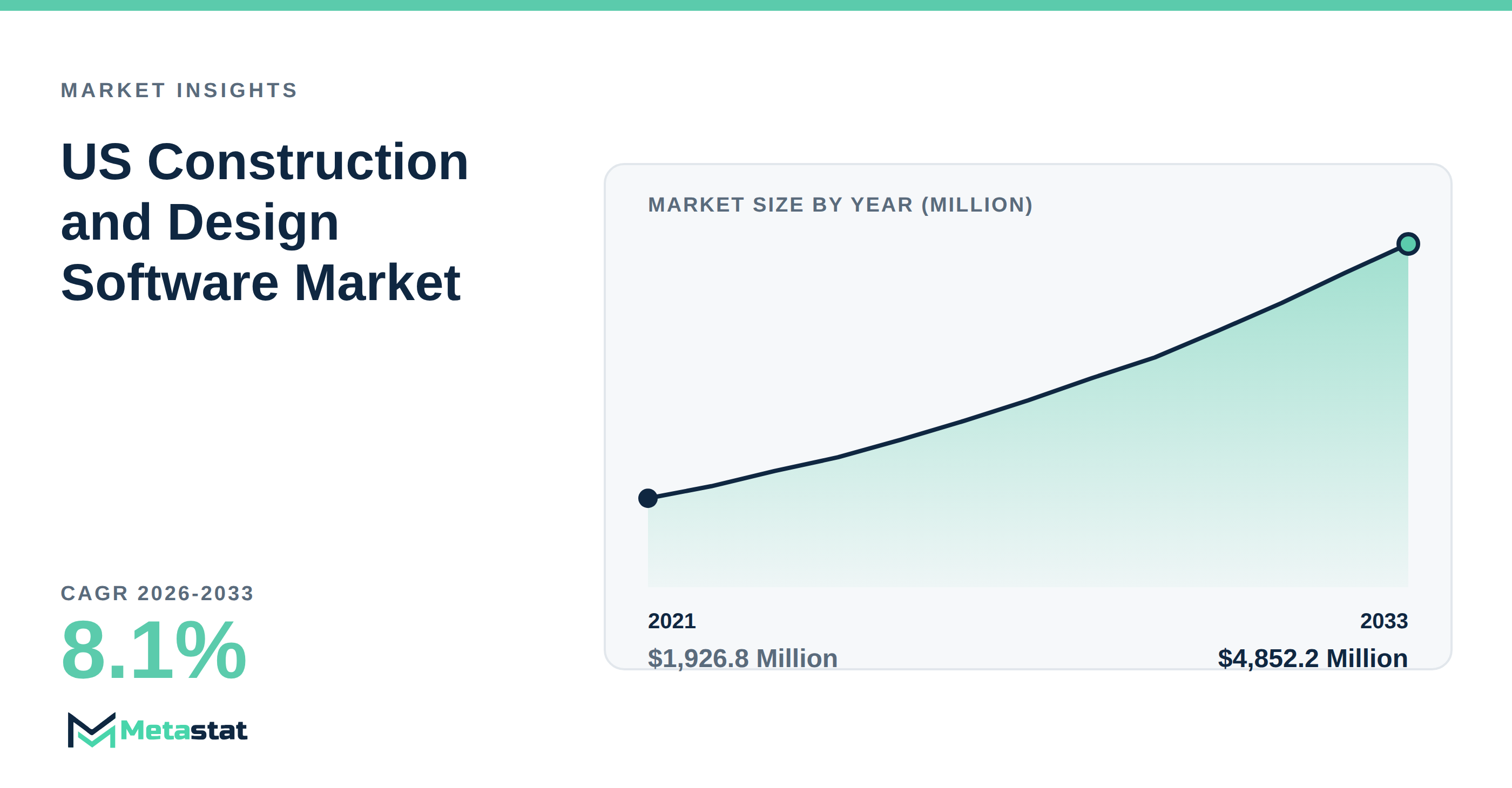
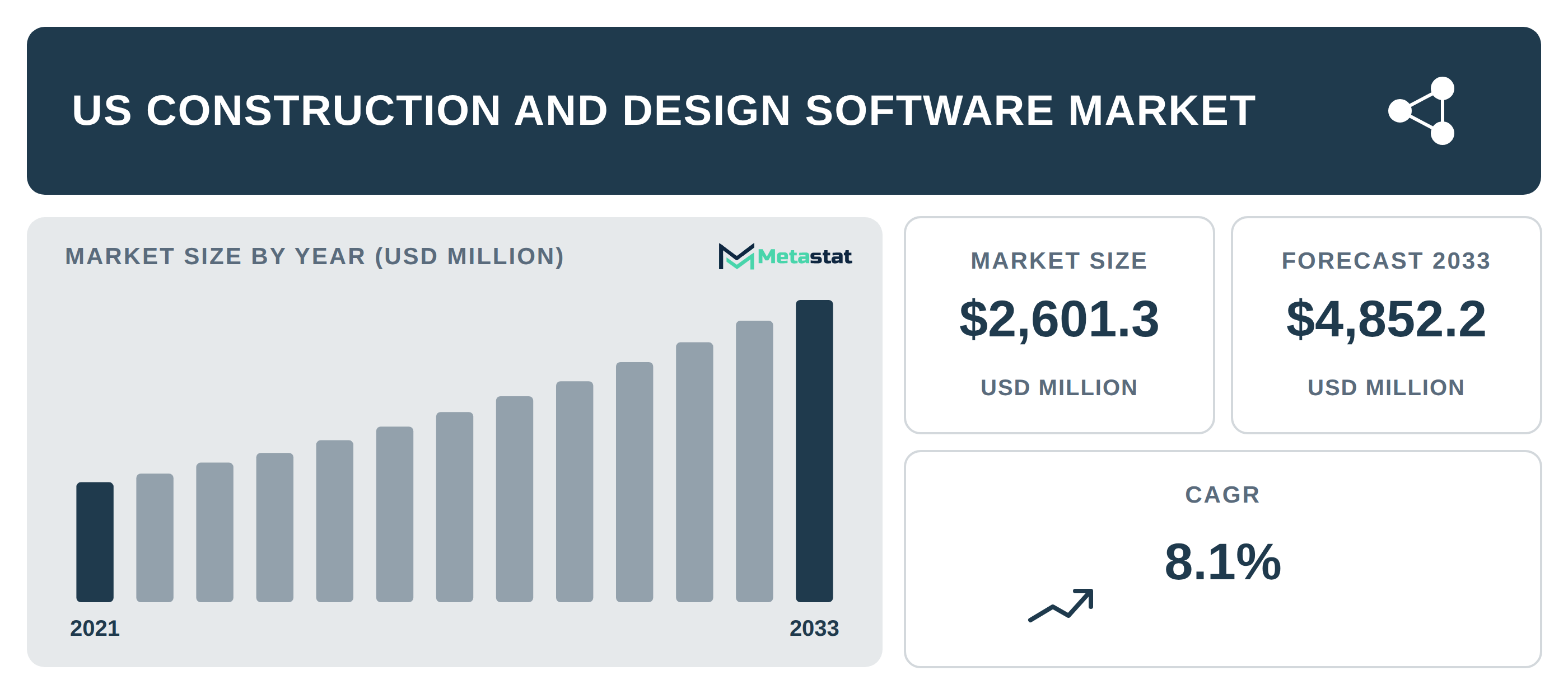
In the US Construction and Design Software sector, buyers face numerous choices. To navigate this complex market effectively, they should engage suppliers with the right questions. This approach ensures that they select solutions that align with their project needs and goals. Below are critical inquiries buyers should pose to potential suppliers. The full figures are in our US Construction and Design Software market size and forecast report.
1. How does your software improve project management efficiency?
Efficiency in project management is vital for construction projects. Buyers should inquire about specific features that enhance coordination, scheduling, and resource allocation. For instance, software that integrates Building Information Modeling (BIM) can optimize workflows, ensuring that all team members have relevant, up-to-date information readily available. Suppliers who demonstrate clear metrics or case studies showing improved project delivery times and reduced costs will stand out in a competitive field.
2. What cloud capabilities does your solution offer?
Cloud technology has significantly changed how projects are managed in construction. Consequently, buyers should seek clarity on the cloud capabilities of software solutions. Suppliers should explain how their products facilitate real-time collaboration among team members, allow remote access to critical project data, and support scalability as project needs change. Understanding these features will help guide buyers in their decision-making.
3. Can you provide insights into pricing models and cost structures?
Understanding the pricing model is essential for budget-conscious buyers. Suppliers should clarify whether they offer subscription-based pricing or traditional licensing fees. The growing trend towards subscription models reflects buyers' demand for flexible, low-upfront-cost options, allowing smaller firms to access sophisticated technology. Buyers should assess whether the pricing aligns with their operational needs and if it includes tiered options accommodating varying user requirements.
4. How does your software address compliance and safety regulations?
Compliance with safety regulations is crucial in construction. Buyers should question suppliers on how their software helps maintain regulatory compliance and safety standards. Solutions that include safety management features significantly reduce risk and enhance project outcomes. Suppliers should demonstrate how their tools support documentation, incident tracking, and adherence to industry standards, contributing to safer and more efficient job sites.
5. What types of support and training do you provide?
The effectiveness of construction software often depends on how well users are trained and supported. Buyers should inquire about the types of training and customer support suppliers offer. Comprehensive onboarding programs and responsive support services significantly impact user satisfaction and software adoption rates. Suppliers should outline their training resources, including workshops, tutorials, and ongoing support channels, to ensure clients maximize the software's potential.
6. How does your solution integrate with other tools and platforms?
Integration capabilities greatly enhance the functionality of construction software. Buyers should ask suppliers how their products integrate with existing tools, including accounting software and project collaboration platforms. Smooth integration minimizes disruption and allows for a more cohesive workflow. Suppliers that demonstrate robust integration options will appeal to buyers looking for comprehensive solutions that fit into their established processes.
7. What innovations are you planning for future updates?
Staying ahead of the competition often requires continuous innovation. Buyers should be curious about suppliers' future development plans, including new features and technology upgrades. Understanding a supplier's commitment to ongoing improvements provides confidence in their long-term viability and adaptability to changing market needs. Suppliers who articulate their vision for future enhancements will likely connect with clients eager for effective solutions.
While the landscape of US Construction and Design Software progresses, buyers equip themselves with the right questions to ensure they choose the most suitable solutions. Engaging suppliers with these inquiries promotes informed decisions, ultimately leading to enhanced project success.
Tags
About the Authors

LEAD ANALYST
Utkarsh Khirodkar is a Lead Market Research Analyst at MetaStat Insight, specializing in market intelligence, technology sector assessments, and competitive strategy.

PRINCIPAL CONSULTANT - ENTERPRISE AI & EMERGING TECHNOLOGIES
Banking & Finance · Electronics and Semiconductor · Energy and Power · Healthcare IT · Information & Technology · Professional Services
Vijay Gunti is a Principal Consultant at MetaStat Insight, bringing over two decades of experience across enterprise digital transformation, technology strategy, and intelligent systems.

LEAD CONSULTANT - COMMUNICATION, TELECOM, AND IT
Electronics and Semiconductor · Information & Technology · Machinery & Equipment · Professional Services
Ravindra Sathe Consultants for Communication, Telecom, and IT at MetaStat Insight. He leads the firm's industry research initiatives across telecommunications infrastructure, digital connectivity, enterprise networking, and emerging information technology domains.