
Explore the key trends influencing Automatic Identification and Data Capture (AIDC) solutions, from RFID advancements to the impact of healthcare serialization.
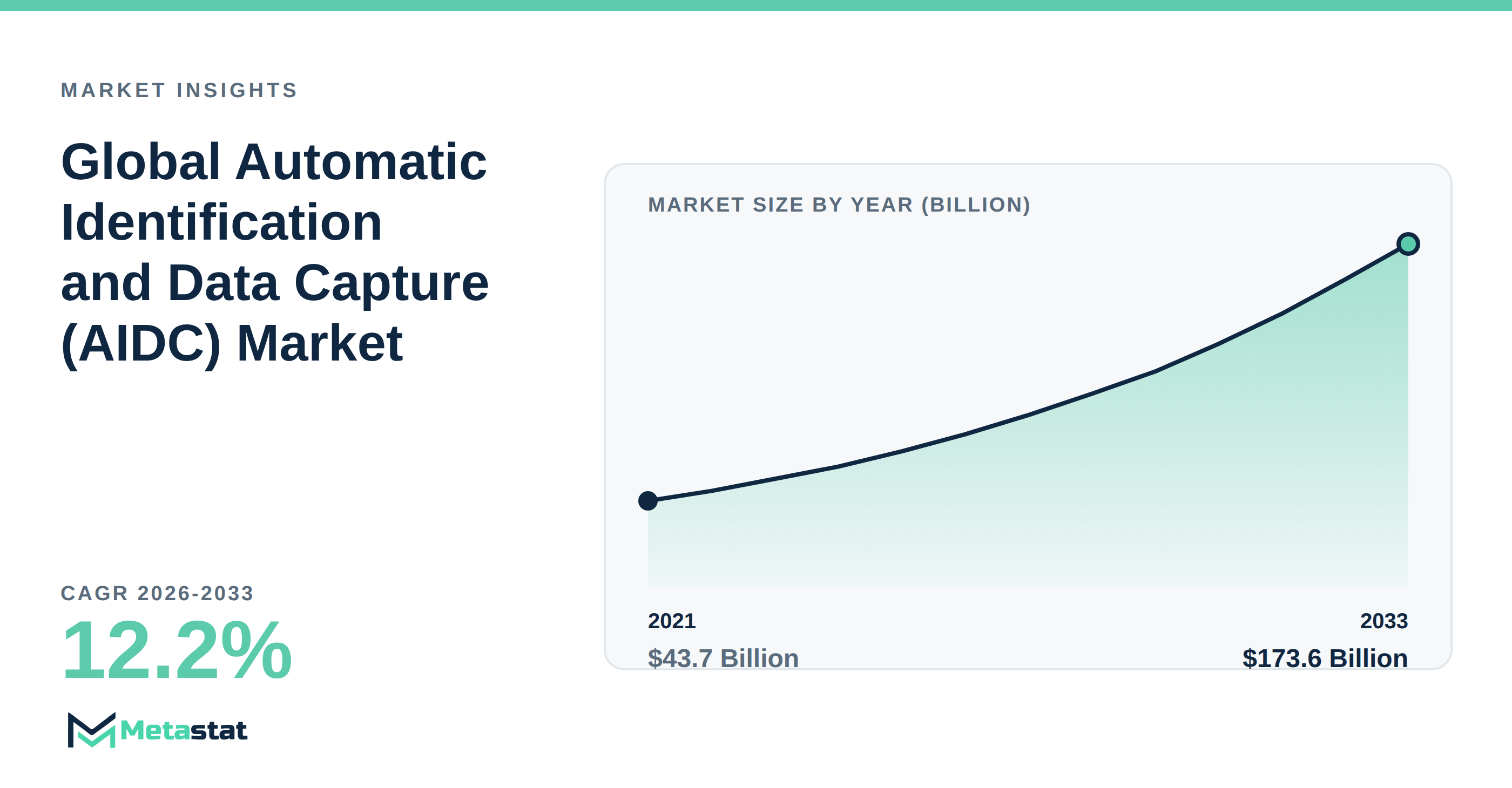
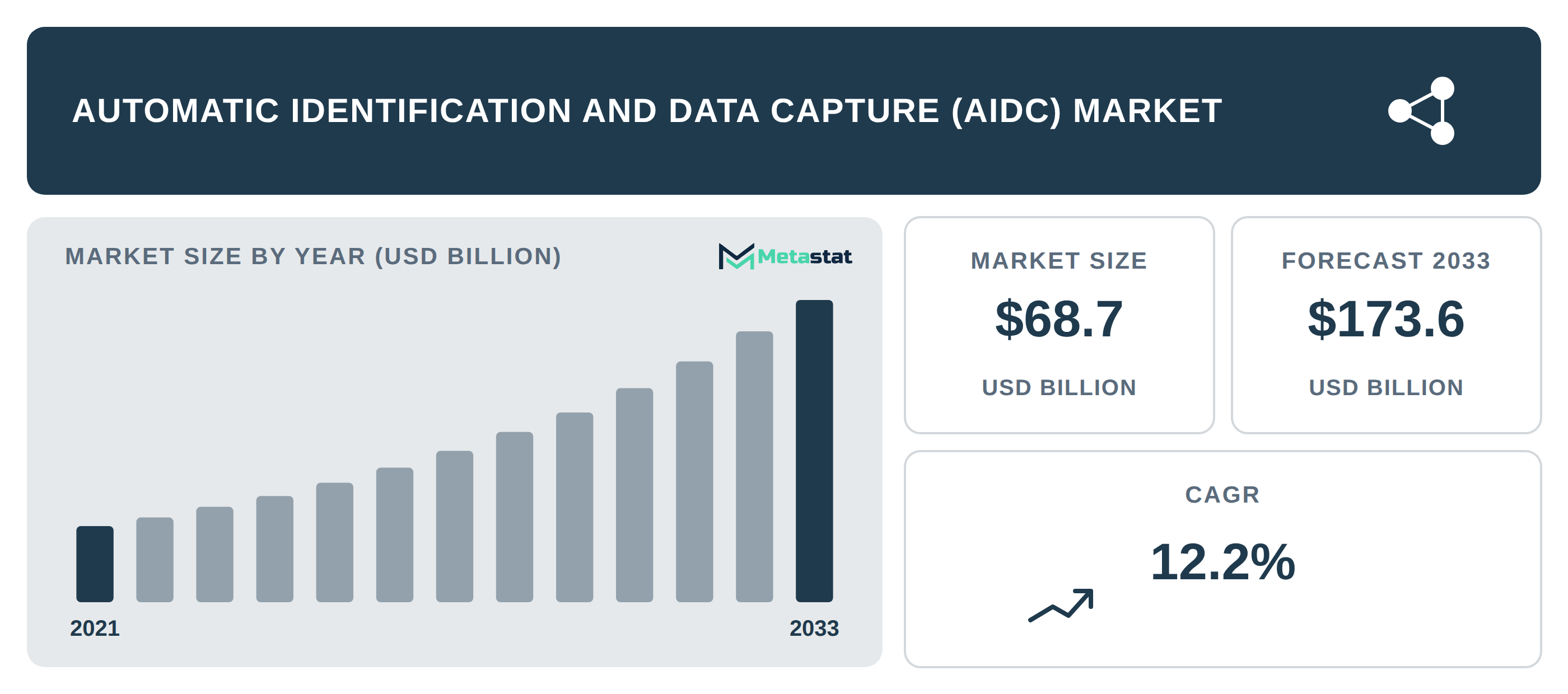
The landscape for Automatic Identification and Data Capture (AIDC) continues to evolve, driven by advancing technology and changing operational needs. Businesses across sectors are increasingly leveraging these solutions to enhance efficiency, accuracy, and real-time data access. Below are key trends influencing the adoption and effectiveness of AIDC solutions today. The full figures are in our Automatic Identification and Data Capture (AIDC) market size and forecast report.
1. RFID technology is transforming inventory management
Radio Frequency Identification (RFID) has become a crucial asset for real-time inventory visibility. This technology enables businesses in retail and logistics to monitor assets more accurately than traditional methods. While the demand for immediate data access rises, the RFID segment is posited to expand significantly, anticipated to reach USD 57 billion by 2033. The automation of inventory management processes dramatically decreases stock discrepancies, leading to enhanced operational efficiencies and improved customer satisfaction.
2. Barcode systems remain cost-effective yet limited
Barcode systems continue to serve as a cost-effective entry point for businesses adopting AIDC technologies. These solutions, while accessible, typically grow at a slower pace compared to RFID, with projections indicating a growth rate of 9.9%. While barcode technology boasts lower initial costs, it incurs greater long-term operating expenses tied to limited scanning speed and accuracy. For organizations evaluating technology investments, recognizing these cost structures is essential for maximizing operational efficiencies and returns.
3. Growing demand for real-time data analytics
A strong emphasis on real-time data visibility is reshaping AIDC solutions across various industries. Organizations prioritize technologies that provide immediate insights into inventory levels and asset locations. This trend drives increased investment in data capture and integration software, enabling enterprises to make timely and informed decisions. As businesses increasingly engage in e-commerce and dynamic logistics, the need for streamlined operations and advanced data analytics becomes imperative for maintaining competitiveness.
4. Healthcare sector drives serialization for traceability
Pharmaceutical serialization is gaining prominence within the healthcare sector, emphasizing the track products throughout the supply chain. Each drug package receives a unique identifier, significantly enhancing traceability and ensuring adherence to regulatory requirements. By 2033, the healthcare segment is projected to generate USD 15.2 billion, reflecting a growing focus on patient safety and reducing counterfeit drugs. This trend underscores the essential role of AIDC technologies in fostering consumer trust and meeting regulatory standards in healthcare.
5. Mobile data capture is essential for modern warehouses
Mobile data capture solutions are becoming indispensable for automated warehouses, as businesses aim to enhance operations amid rising e-commerce demands. This segment is anticipated to grow robustly, with projections indicating it will reach USD 24.1 billion by 2033, driven by the increasing demand for mobile technologies that improve real-time inventory management. Innovations in wireless communication enhance the effectiveness of these devices, marking mobile data capture as a pivotal contributor to efficiency in today’s warehousing environments.
6. Integration of advanced tracking systems for enhanced productivity
Organizations are increasingly adopting advanced tracking systems to boost productivity across various sectors. Enhanced RFID functionalities and innovative barcode solutions provide substantial improvements in tracking efficiency. With the growing need for real-time data visibility, businesses are opting for advanced AIDC systems that streamline operations and facilitate better decision-making. This integration of technology allows companies to optimize supply chain processes, ultimately benefiting operational efficiency.
7. Price sensitivity impacts technology adoption
High implementation costs associated with AIDC technologies deter adoption among smaller enterprises and budget-conscious organizations. These buyers often struggle to justify the initial investments required for equipment and integration, resulting in a slower uptake in advanced systems like RFID and barcode technologies. This price sensitivity limits market expansion in segments characterized by lower purchasing power. Addressing cost barriers becomes critical for the growth of AIDC adoption across varied industries.
The Automatic Identification and Data Capture (AIDC) landscape is continuously transforming, reflecting advancements in technology and evolving buyer needs. Understanding these trends enables organizations to leverage AIDC solutions effectively, positioning themselves for success in their respective industries.
Tags
About the Authors

LEAD ANALYST
Utkarsh Khirodkar is a Lead Market Research Analyst at MetaStat Insight, specializing in market intelligence, technology sector assessments, and competitive strategy.

PRINCIPAL CONSULTANT - ENTERPRISE AI & EMERGING TECHNOLOGIES
Banking & Finance · Electronics and Semiconductor · Energy and Power · Healthcare IT · Information & Technology · Professional Services
Vijay Gunti is a Principal Consultant at MetaStat Insight, bringing over two decades of experience across enterprise digital transformation, technology strategy, and intelligent systems.

LEAD CONSULTANT - COMMUNICATION, TELECOM, AND IT
Electronics and Semiconductor · Information & Technology · Machinery & Equipment · Professional Services
Ravindra Sathe Consultants for Communication, Telecom, and IT at MetaStat Insight. He leads the firm's industry research initiatives across telecommunications infrastructure, digital connectivity, enterprise networking, and emerging information technology domains.