
Explore the key cost elements affecting the pricing strategies in the Infant Nutrition market, providing valuable insights for buyers and operators.
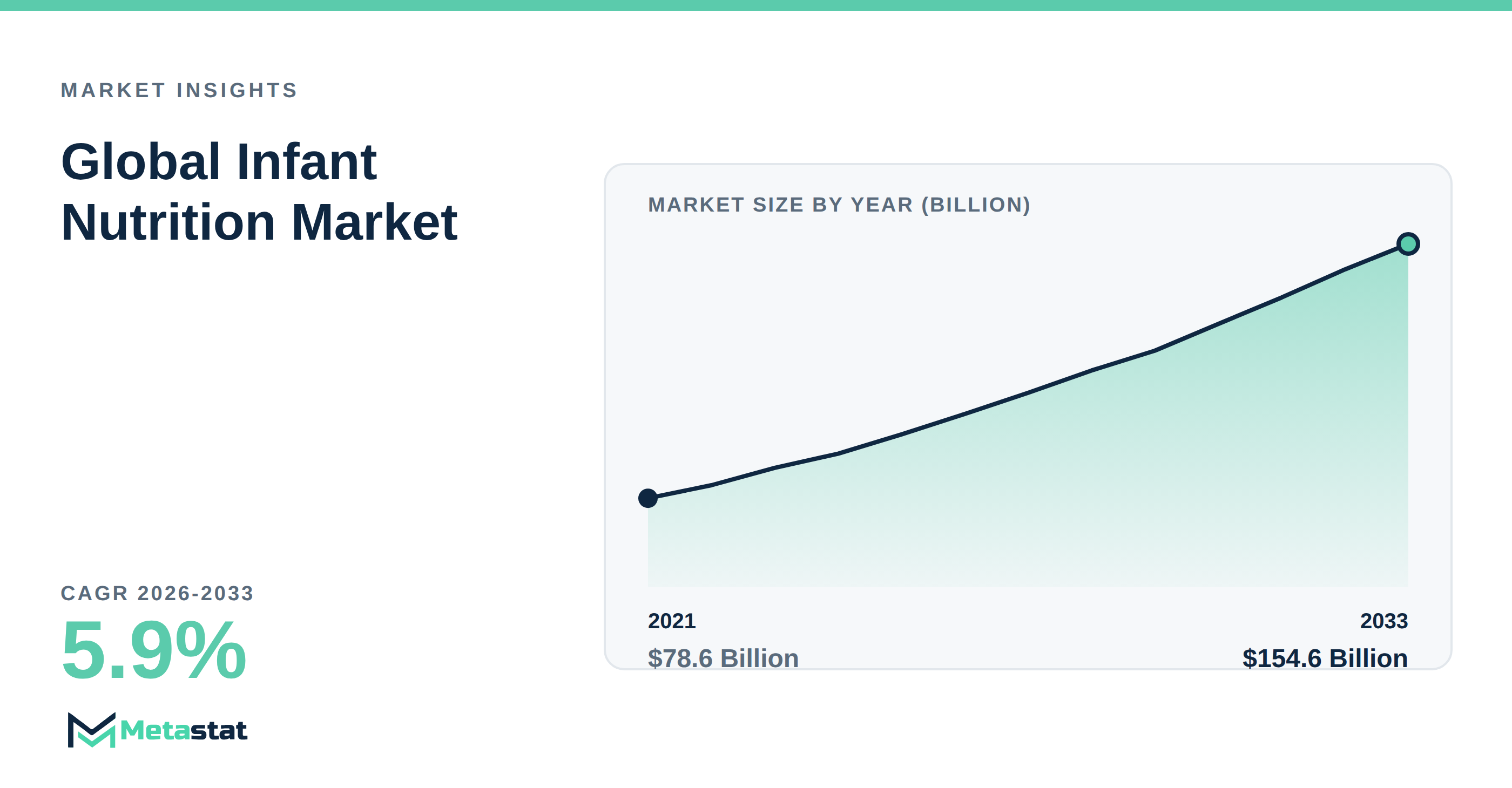
The Infant Nutrition market is experiencing significant growth, with a projected value of USD 154.6 billion anticipated by 2033. Understanding the costs associated with this sector is essential for buyers and operators looking to navigate pricing strategies effectively. Several factors influence these costs, and recognizing which elements offer leverage leads to better purchasing decisions.
1. Fluctuating Raw Material Prices Affect Ingredient Costs
Prices for key raw materials, including proteins, fats, and carbohydrates, directly impact the costs of products in the Infant Nutrition market. These fluctuations are attributed to global supply chain dynamics, climatic conditions, and geopolitical factors. Consequently, manufacturers often struggle to manage these costs, which results in higher prices for end consumers. Buyers counteract these fluctuations by establishing long-term contracts with suppliers, which help stabilize pricing over time.
2. Regulatory Compliance Drives Operational Expenses
Strict regulations regarding ingredient sourcing, labeling, and safety significantly elevate operational costs for manufacturers in the Infant Nutrition market. Compliance with various regional standards necessitates extensive documentation and quality assurance measures, significantly affecting smaller manufacturers. Buyers should assess how effectively manufacturers navigate these regulations, because streamlined operations often result in more competitive pricing.
3. Consumer Demand for Premium and Organic Ingredients
There is a growing trend among parents toward seeking premium and organic infant nutrition products, which usually command higher prices. This increase in demand is driven by rising awareness of health and wellness, prompting manufacturers to invest in clean-label products. Buyers leverage this trend by forming partnerships with brands that emphasize transparency and quality, allowing for negotiations that reflect the perceived value of premium offerings.
4. Logistics and Distribution Costs Impact Pricing
Efficient distribution channels are vital for fulfilling consumer demand in the Infant Nutrition market. Rising logistics costs due to fuel price volatility and transport disruptions significantly affect overall pricing. Buyers enhance their leverage by choosing suppliers that have optimized supply chain strategies and a robust online presence, enabling them to access products efficiently and at competitive prices.
5. Technological Advancements Influence Manufacturing Costs
Innovations in manufacturing processes significantly enhance product quality while reducing costs. Integration of automation and advanced technology streamlines production, leading to substantial savings for manufacturers. Buyers should evaluate potential suppliers based on their technological capabilities, because companies adopting advanced production methods are more likely to offer better pricing structures while maintaining quality standards.
6. Market Fragmentation Creates Competitive Pricing Pressures
The Infant Nutrition market exhibits substantial fragmentation, with numerous players competing for market share. This competitive environment results in price wars, benefiting consumers because brands strive to offer better pricing. Buyers should stay informed about emerging competitors and market trends, because this knowledge equips them to negotiate favorable deals based on market dynamics.
7. Economic Conditions and Consumer Spending Power
Macroeconomic factors, including inflation and fluctuations in disposable income, influence consumer spending behaviors in the Infant Nutrition market. Economic pressures lead parents to prioritize essential purchases, thus affecting pricing strategies. Buyers should remain attuned to these trends, adjusting their purchasing behaviors when required while seeking the best value.
Understanding these factors provides deeper insights into the costs involved in the Infant Nutrition market. By leveraging the right aspects, buyers make informed decisions that align with their financial strategies and the evolving preferences of consumers. For more detailed insights, consider exploring the Global Infant Nutrition Market.
Tags
About the Authors

LEAD ANALYST
Utkarsh Khirodkar is a Lead Market Research Analyst at MetaStat Insight, specializing in market intelligence, technology sector assessments, and competitive strategy.

LEAD PRINCIPAL ANALYST, PHARMA AND HEALTHCARE
Food and Beverages · Healthcare · Healthcare IT · Medical Devices
Ajay Devgire is the Lead Healthcare Analyst at MetaStat Insight, leading strategic research and market intelligence initiatives across the global healthcare domain.

SENIOR RESEARCH ANALYST
Biotechnology · Food and Beverages · Medical Devices · Packaging
Snehal Pasalkar is a Research Analyst at MetaStat Insight, operating at the intersection of life sciences research, competitive strategy, and market intelligence.