
Explore how regulatory, technological, and market dynamics are transforming the Aerospace Parts Manufacturing market and reshaping buyer strategies.
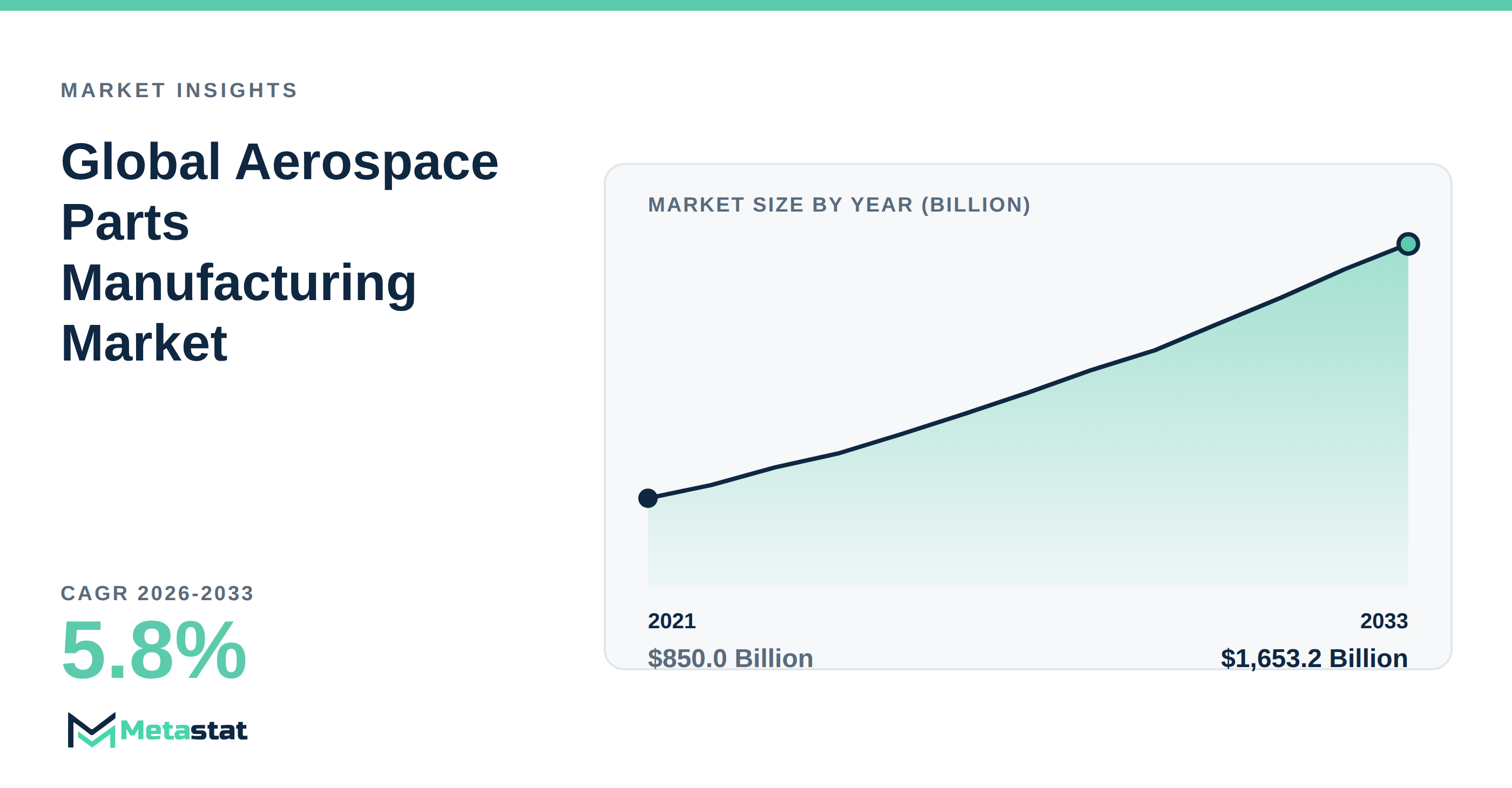
The Aerospace Parts Manufacturing market is undergoing significant transformation, driven by various factors that are reshaping buyer strategies and operational practices. Understanding these dynamics is crucial for stakeholders navigating this evolving landscape.
1. Technological advancements boost production efficiency
Investment in advanced technologies significantly enhances production efficiency within the Aerospace Parts Manufacturing market. Automation and artificial intelligence streamline manufacturing processes, allowing for reduced labor costs and increased output. For manufacturers, this technological integration optimizes operational efficiency while lowering operational costs, leading to improved profit margins. Companies that adopt these innovations position themselves competitively, capturing a larger market share while meeting rising consumer demands for advanced aerospace components.
2. Increased focus on sustainability drives innovation
The shift towards sustainability reshapes the Aerospace Parts Manufacturing market, compelling manufacturers to prioritize eco-friendly practices. Heightened regulatory pressures regarding emissions and environmental impact necessitate the development of greener technologies and materials. Companies aligning their practices with environmental standards enhance their brand reputation and meet consumer expectations. This focus on sustainability encourages innovation, reflecting firms' exploration of alternative materials and manufacturing processes that contribute to reduced waste and improved resource efficiency.
3. Regulatory compliance complexities elevate operational challenges
Compliance with evolving regulatory standards presents substantial challenges within the Aerospace Parts Manufacturing market. Manufacturers align production processes with stringent safety, efficiency, and environmental regulations, often leading to increased operational costs. For smaller firms, navigating these complexities hinders market entry and delays project timelines, impacting overall market performance. This landscape compels firms to invest in compliance infrastructure, affecting their competitiveness and profitability.
4. Supply chain disruptions challenge operational resilience
Geopolitical tensions and global supply chain disruptions present ongoing challenges for the Aerospace Parts Manufacturing market. Manufacturers depend on a continuous flow of raw materials and components, and disruptions lead to production delays and increased costs. Consequently, companies adapt their logistics architectures to enhance resilience and ensure continuity in production and delivery. This evolution necessitates innovative sourcing strategies that mitigate risks associated with supplier dependencies, thereby ensuring a steady supply of materials.
5. Demand for aftermarket services is on the rise
The Aerospace Parts Manufacturing market experiences robust growth in the aftermarket segment, projected to reach USD 542.3 billion by 2033. This surge stems from the rising need for maintenance and repair services because airlines seek to extend the life of their aircraft and enhance operational efficiency. For manufacturers, this trend translates into new revenue opportunities and necessitates a focus on developing integrated service offerings that meet the needs of the aftermarket.
6. Regional dynamics shape market opportunities
Regional demand for aerospace components varies significantly, influenced by factors including economic growth and infrastructure development. Emerging markets like Asia Pacific and South America exhibit increasing needs for passenger and cargo aircraft. Manufacturers expand their operational footprints in these regions to meet local market requirements, driving growth in production capabilities. Understanding these regional dynamics enables firms to identify potential opportunities and tailor their strategies accordingly.
7. Talent shortages complicate operational capacity
The Aerospace Parts Manufacturing market faces ongoing talent shortages in skilled labor, particularly in areas requiring specialized expertise in automation and advanced technologies. This shortage hampers production capabilities and affects firms' ability to meet rising customer demands. Companies prioritize talent acquisition and retention strategies to build a skilled workforce that supports innovation and operational efficiency. Addressing these talent gaps remains crucial for maintaining competitiveness in the market.
Overall, the insights discussed highlight the evolving nature of the Aerospace Parts Manufacturing market and the various factors at play that shape buyer behavior and market performance. By understanding these dynamics, stakeholders make informed decisions and strategically position themselves in this competitive landscape. For further details, visit the Global Aerospace Parts Manufacturing Market.
Tags
About the Author

LEAD ANALYST
Utkarsh Khirodkar is a Lead Market Research Analyst at MetaStat Insight, specializing in market intelligence, technology sector assessments, and competitive strategy.