
Learn how technology, compliance, and service contracts influence Electrostatic Precipitator pricing, helping buyers make informed decisions.
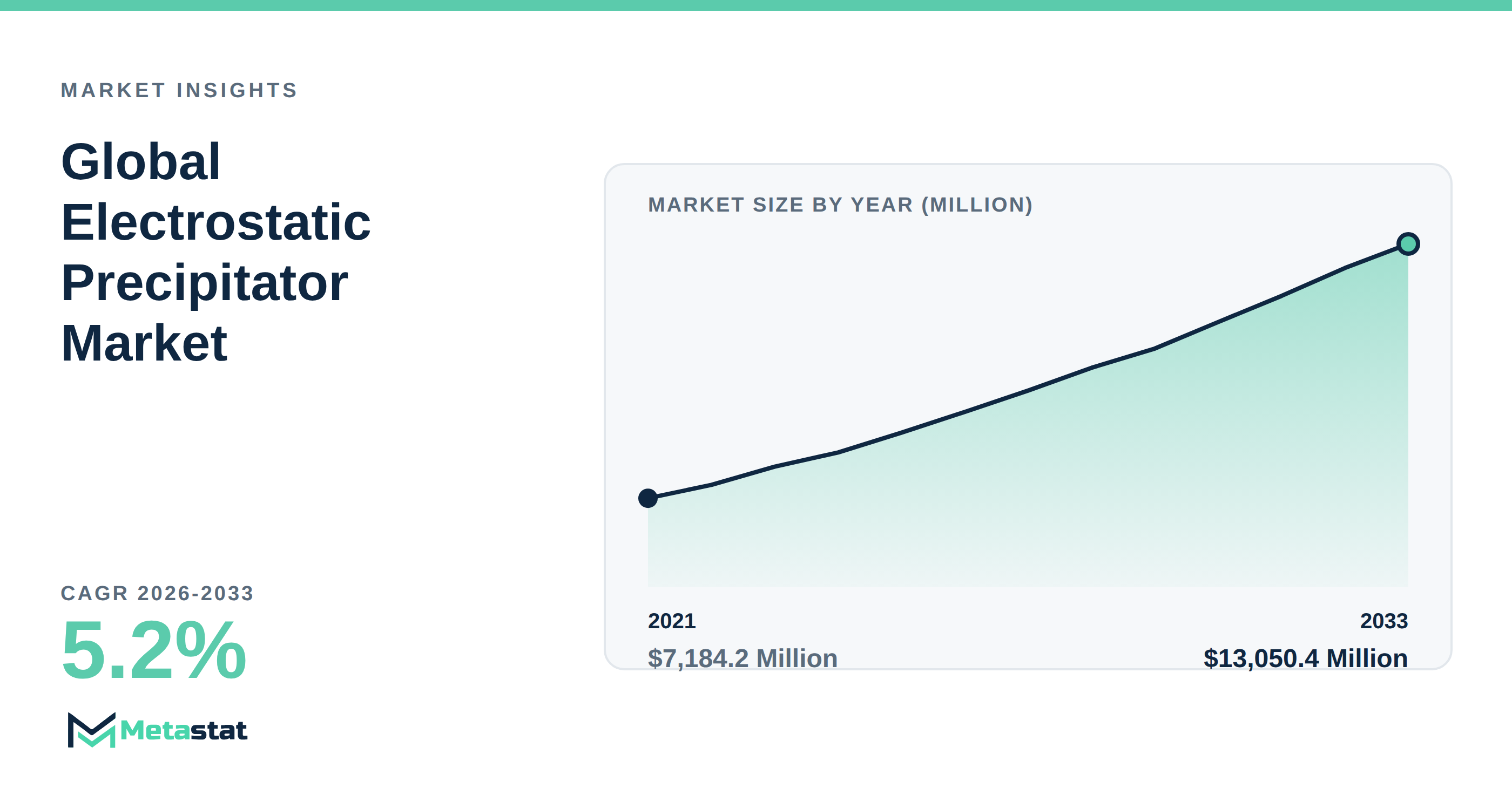
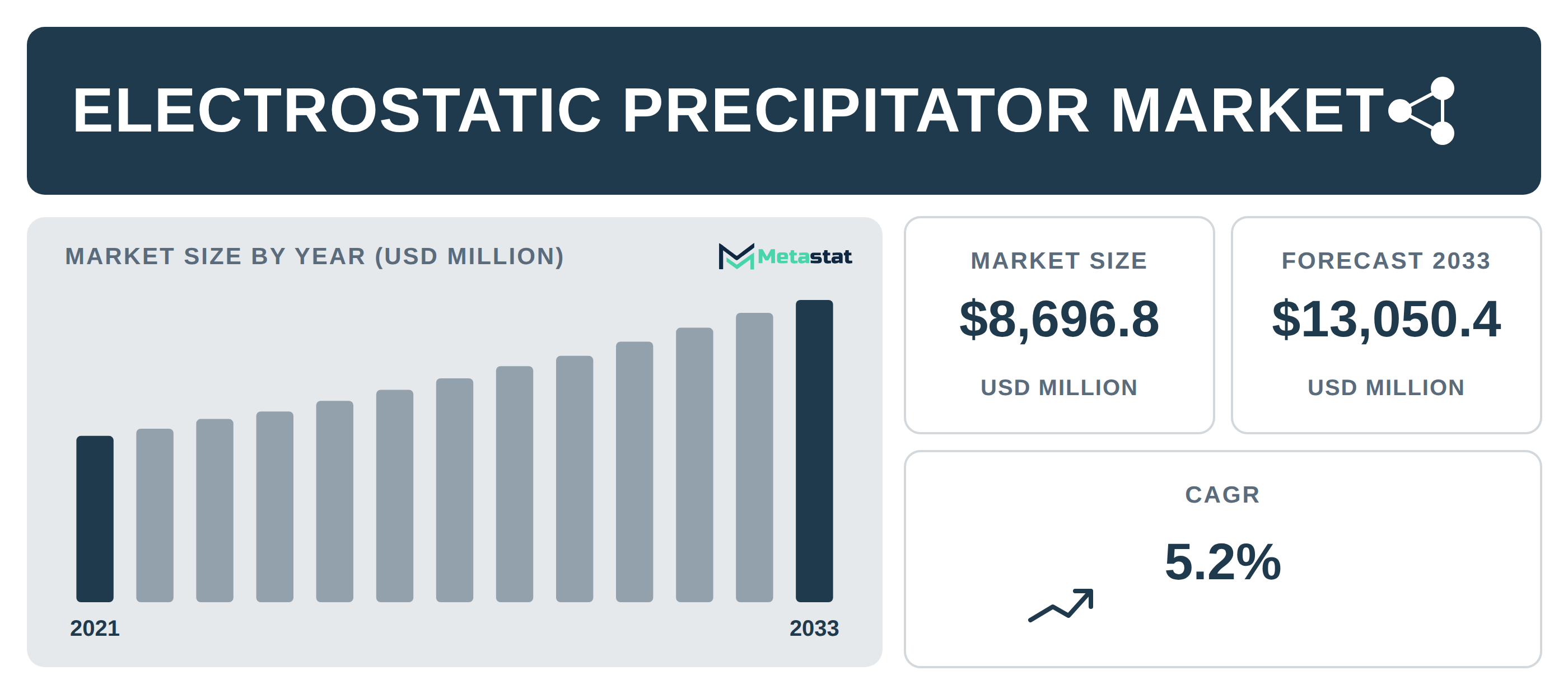
The market for Electrostatic Precipitators is evolving rapidly as industries prioritize compliance with strict environmental regulations. Understanding the various factors that drive pricing in this field is essential for buyers aiming to optimize their investments. Are the key elements impacting Electrostatic Precipitator pricing that buyers should consider. The full figures are in our Electrostatic Precipitator market size and forecast report.
1. Technology type affects pricing
Diverse types of Electrostatic Precipitators, including Dry and Wet systems, exhibit unique pricing structures based on their operational efficiencies and suitability for specific applications. Dry Electrostatic Precipitators generally present lower costs, attracting industries focused on minimizing initial expenses. Conversely, Wet Electrostatic Precipitators, while initially costlier, offer superior performance in capturing submicron particles, which is crucial for sectors including power generation. Understanding the operational requirements and financial implications of these technologies equips buyers with the necessary knowledge to make informed decisions.
2. Regulatory compliance drives costs
Heightened environmental regulations worldwide result in increased costs related to compliance for various industries. Regulatory agencies impose strict emissions limits, compelling businesses to invest in advanced filtration technologies to meet these standards. Consequently, this necessity for compliance leads to elevated prices for Electrostatic Precipitators, as manufacturers integrate innovative technologies to ensure adherence to these regulations. Buyers negotiating purchases should take into account these regulatory pressures and their impact on equipment pricing.
3. Retrofitting existing systems influence pricing
Investing in retrofitting existing Electrostatic Precipitators with high-frequency power supplies has gained traction among numerous industries. This technology not only boosts performance but enhances operational efficiency and can extend the life of the equipment, which leads to reduced long-term costs. However, the initial investment required for retrofitting results in higher upfront expenses. Buyers simplify the decision-making process by evaluating the costs associated with retrofitting against anticipated operational improvements for their specific applications.
4. Customization adds to costs
Many buyers seek tailored solutions to satisfy unique operational needs. Customization often raises costs due to the specific design and engineering required. This aspect is particularly important for industries tackling distinctive operational challenges, including waste treatment and incineration. Buyers assess whether the additional expense associated with customization aligns with their operational objectives and compliance requirements, ensuring investments yield meaningful benefits.
5. Service contracts influence total cost
Service agreements for Electrostatic Precipitators profoundly affect overall costs throughout the equipment's lifecycle. Buyers frequently pursue comprehensive contracts that encompass both equipment purchase and long-term maintenance support, which ensures optimal performance. These agreements distribute capital expenditures and lessen downtime, but they contribute to the total cost of ownership. Buyers carefully evaluate service options to maintain a balance between cost and the need for consistent equipment reliability and compliance.
6. Equipment age impacts pricing
The age of existing Electrostatic Precipitators directly affects pricing and overall maintenance costs. Older systems require more frequent repairs and updates to meet regulatory standards, resulting in higher operating expenses. As equipment ages, the need for retrofitting or replacement becomes more critical, influencing the buyer's decision-making process. Understanding the implications of equipment age helps buyers budget for future investments and upgrades.
7. Market competition and supplier dynamics
The competitive landscape among suppliers influences Electrostatic Precipitator pricing. Different manufacturers offer a range of pricing strategies, product quality, and service options. Buyers benefit from evaluating multiple suppliers, allowing them to identify cost-effective solutions while ensuring compliance and operational efficiency. Engaging with various manufacturers lead to better financing options or promotional deals, ultimately impacting the overall investment.
By understanding these key factors, buyers gain better insight into Electrostatic Precipitator pricing dynamics. Making informed decisions helps manage costs and positions companies to enhance operational efficiencies while maintaining compliance with environmental standards.
Tags
About the Authors

LEAD ANALYST
Utkarsh Khirodkar is a Lead Market Research Analyst at MetaStat Insight, specializing in market intelligence, technology sector assessments, and competitive strategy.

INDUSTRY CONSULTANT - CHEMICALS & ADVANCED MATERIALS
Chemicals and Materials · Machinery & Equipment · Packaging
Amit Gadhekar Consultant for Chemicals and Materials at MetaStat Insight, directing sector-specific intelligence, research, and strategic consulting across global chemical and processing markets.