
Explore the essential factors impacting Card Payment Processing Solutions pricing. Understand how to optimize costs and improve efficiency.
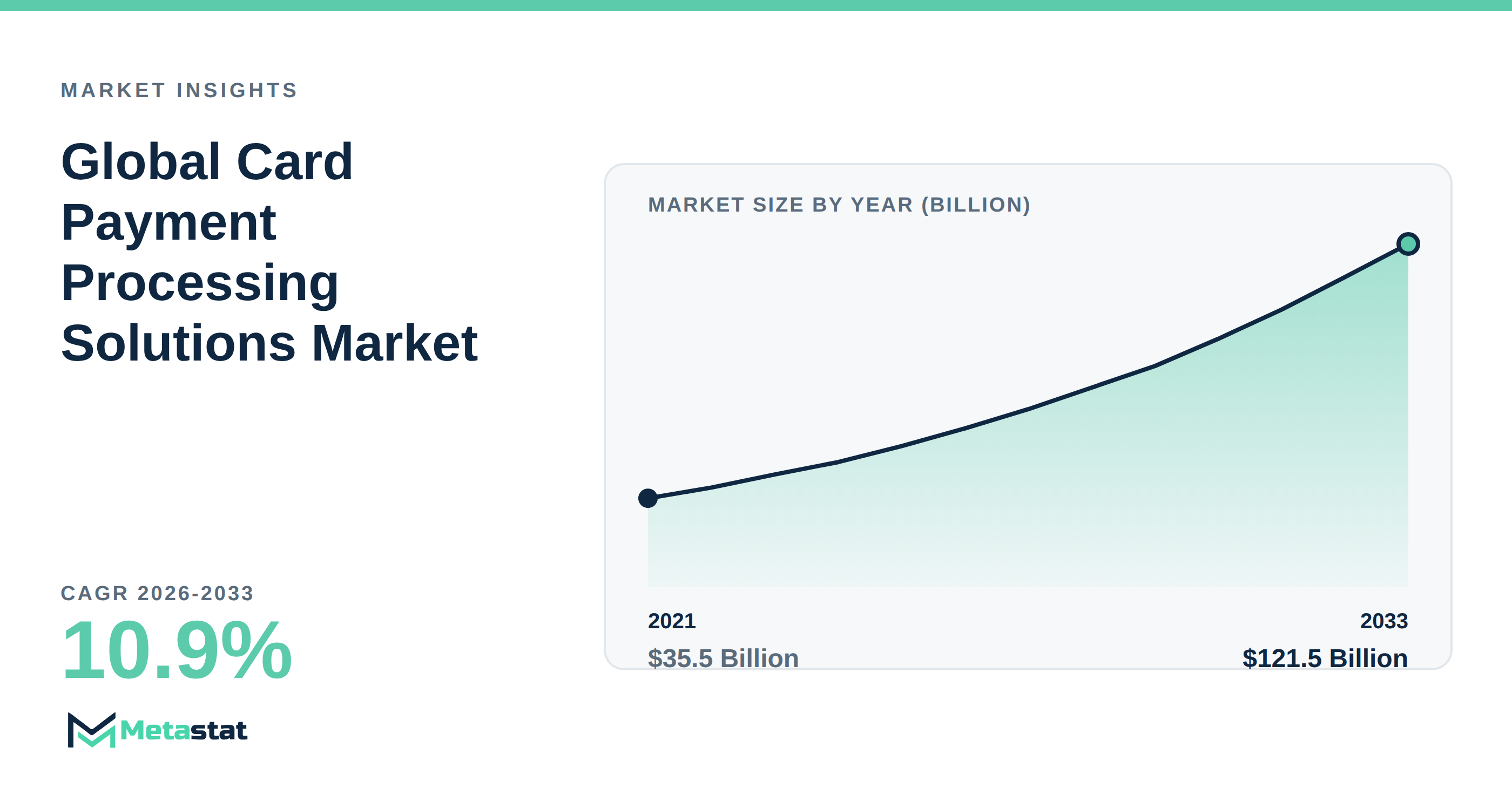
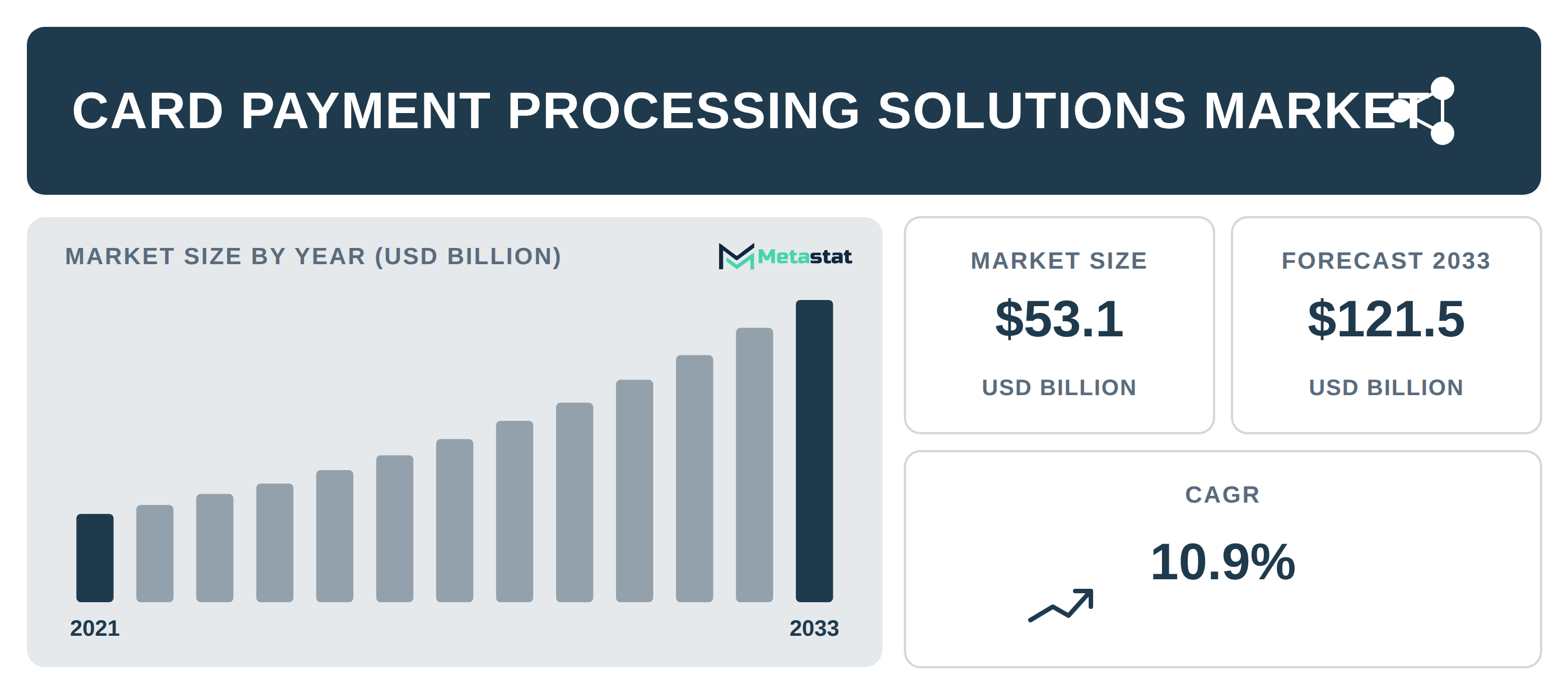
The pricing of Card Payment Processing Solutions is influenced by various factors that buyers and operators should understand to optimize their investments. These factors affect costs and determine the overall efficiency and reliability of the payment processes. Insights from the market Card Payment Processing Solutions market size and forecast report present critical elements that shape the pricing landscape.
1. Technological advancements drive costs
The incorporation of advanced technologies, including network tokenization and 3D Secure, significantly enhances card processing security and efficiency. Innovations including these reduce fraud risk and improve transaction security. The long-term operational savings from investing in these technologies outweigh the initial costs. The ongoing evolution of payment technologies influences pricing strategies as companies seek to integrate the latest solutions.
2. Credit card dependency influences pricing models
Reliance on credit cards accounts for a substantial portion of revenue generated from Card Payment Processing Solutions. This dependency compels payment processors to structure pricing around credit card transactions, which are often associated with higher processing fees. Higher consumer demand for credit facilities further influences pricing models. While companies attempt to offer competitive rates, understanding the intricacies of the credit card market allows buyers to negotiate more advantageous terms.
3. Small merchant challenges with processing fees
Small and medium enterprises frequently encounter high processing fees, hindering their ability to adopt advanced Card Payment Processing Solutions. These costs significantly strain cash flow and limit operational efficiency. Providers are increasingly acknowledging these challenges and developing flexible pricing models tailored to SMEs, including pay-as-you-go options and tiered pricing structures. By being aware of these offerings, small businesses leverage competitive pricing advantages to enhance their payment capabilities.
4. The role of transaction environment
Pricing strategies diverge based on the transaction environment. For instance, card-not-present transactions, which are experiencing robust growth due to increasing online shopping, often incur higher fees as they present greater fraud risks. Merchants engaging in these transaction types account for these additional costs in their budgeting. By assessing transaction environments, businesses navigate pricing structures more effectively and seek solutions that reduce overall expenses.
5. Payment processor competition and pricing flexibility
The competitive dynamics among payment processors significantly influence pricing. Companies like Fiserv, Inc. and PayPal Holdings, Inc. differentiate their offerings through features, security measures, and customer service excellence. This competition provides buyers with a range of pricing models and negotiation options tailored to their specific needs. Understanding the variety of choices available enables businesses to make informed decisions that positively affect their bottom lines.
6. Subscription-based services impact cost structures
With the rise of subscription-based services across multiple industries, the pricing models for Card Payment Processing Solutions are changing. Companies that implement recurring billing systems benefit from predictable revenue streams, leading to favorable pricing conditions with processors. This subscription trend highlights the importance of aligning pricing structures with service offerings and consumer preferences, ultimately allowing firms to enhance their payment strategies.
7. Security features and compliance costs
Implementing robust security features in payment processing not only reassures customers but incurs additional costs that affect pricing. Compliance with data protection and payment security regulations requires companies to invest in improving their transaction systems. This investment leads to higher fees for buyers. Companies that prioritize security features, including tokenization, can negotiate for better rates by demonstrating their commitment to compliance and risk management.
Understanding these factors influencing Card Payment Processing Solutions pricing equips businesses to make strategic choices that enhance operational efficiency and customer satisfaction. Effectively navigating the complexities of pricing models enables buyers to optimize their payment processing strategies and achieve greater business success.
Tags
About the Authors

LEAD ANALYST
Utkarsh Khirodkar is a Lead Market Research Analyst at MetaStat Insight, specializing in market intelligence, technology sector assessments, and competitive strategy.

PRINCIPAL CONSULTANT - ENTERPRISE AI & EMERGING TECHNOLOGIES
Banking & Finance · Electronics and Semiconductor · Energy and Power · Healthcare IT · Information & Technology · Professional Services
Vijay Gunti is a Principal Consultant at MetaStat Insight, bringing over two decades of experience across enterprise digital transformation, technology strategy, and intelligent systems.