
Explore how various factors, from technology to regional pricing, influence Cinematographic Camera pricing, helping buyers make informed decisions.
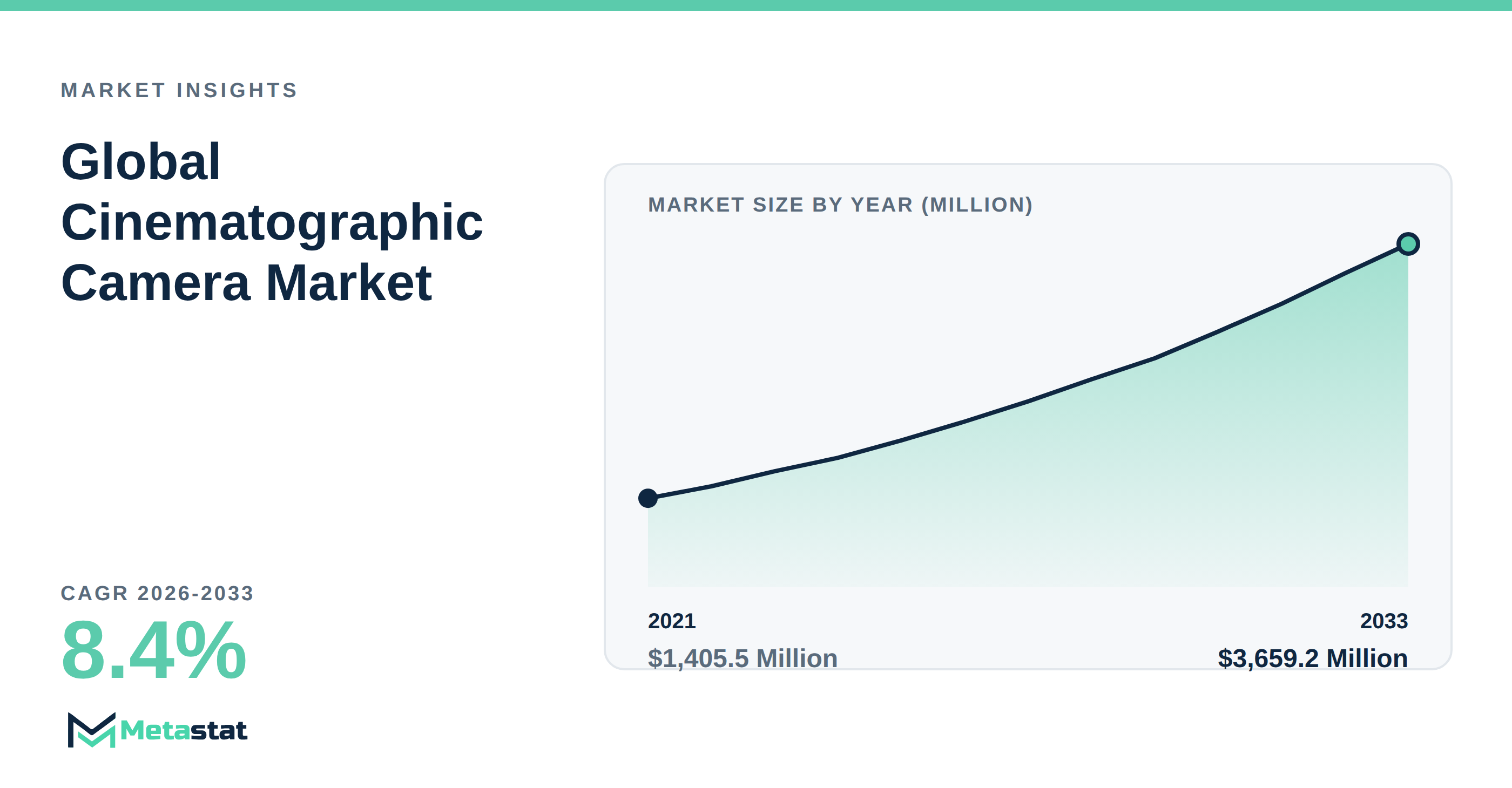
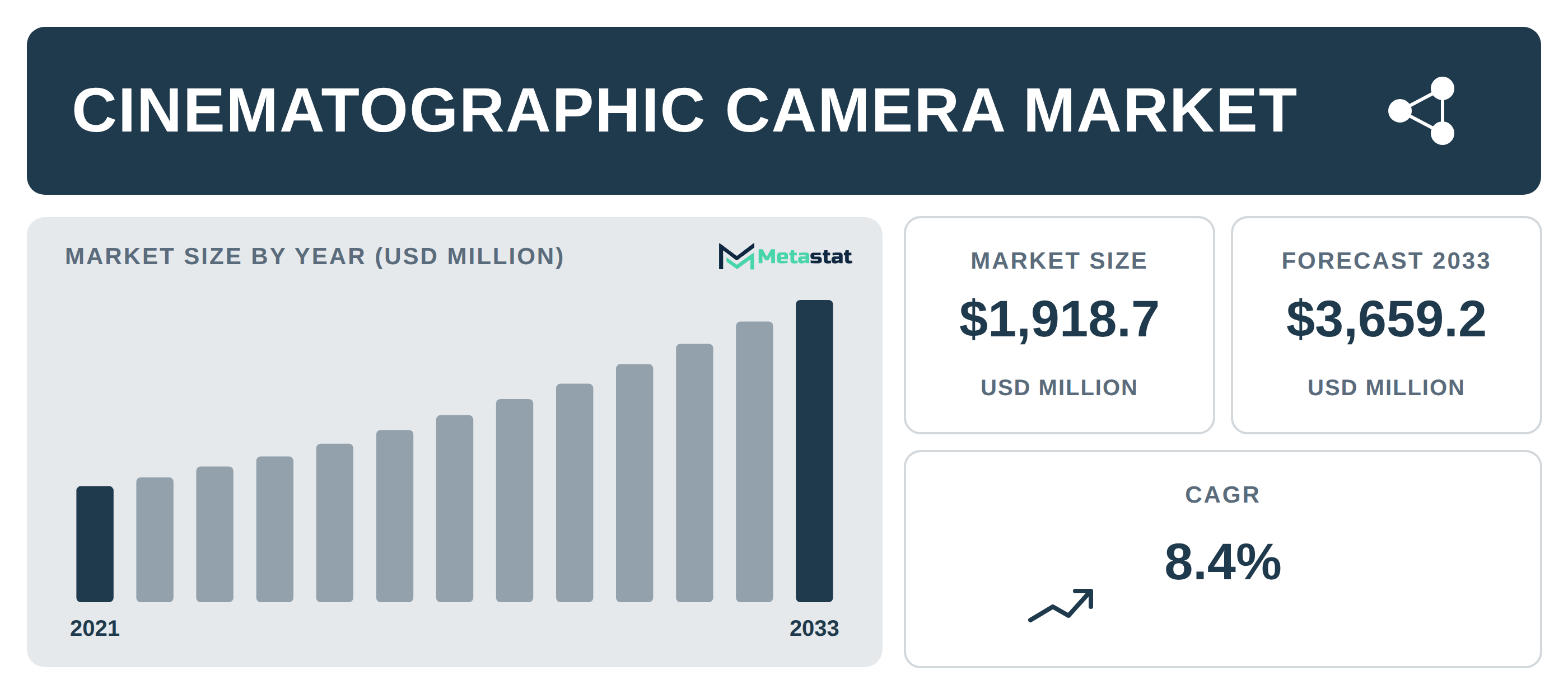
The pricing of Cinematographic Cameras is influenced by a variety of factors. Understanding these elements assists buyers in making informed decisions, ensuring they invest wisely in the equipment that meets their production needs. This article highlights the critical elements that affect camera pricing in the industry. The full figures are in our Cinematographic Camera market size and forecast report.
1. Technological advancements drive higher costs
Recent innovations, including 8K resolution and full-frame sensors, significantly affect the pricing of cinematographic cameras. These technologies enhance image quality and performance, appealing to filmmakers seeking superior visual storytelling. Higher manufacturing costs associated with these developments often lead to increased prices. Consequently, buyers encounter higher investment requirements for advanced equipment.
2. Market demand for high-quality content
The growing appetite for high-definition content across platforms boosts demand for premium cinematographic cameras. Producers increasingly seek equipment that delivers the high production values necessary to engage viewers. This demand creates competitive pricing among manufacturers, as suppliers aim to provide quality solutions that meet evolving industry standards. Buyers leverage this competition to negotiate terms that align with their budgets.
3. Rental options versus ownership costs
The trend toward renting cinematographic cameras is on the rise among independent filmmakers and production companies. Renting allows users to access the latest technology without the significant upfront costs of purchasing. This practice influences overall equipment pricing, as rental companies adjust rates based on ownership costs and market demand. Therefore, buyers looking for flexibility often choose rentals over purchases, strategically influencing their financial commitments.
4. Influence of regional pricing variations
Geographic factors play a role in pricing dynamics, with regional variations impacting the cost of cinematographic cameras. For instance, North America, which holds a significant share of the market, often has higher prices due to established infrastructure and demand for premium quality. Conversely, regions with emerging markets offer more competitive pricing, providing opportunities for buyers to source equipment at lower costs. Understanding regional pricing assists buyers in making informed decisions on where to purchase equipment.
5. Input cost fluctuations affecting manufacturing
Manufacturers in the cinematographic camera space face challenges related to rising input costs, including raw materials and components. These fluctuations lead to increased camera prices as suppliers seek to maintain profit margins. Buyers should remain aware of these trends and anticipate potential cost increases that arise from supply chain pressures. Keeping up with industry news aids them in planning purchases accordingly, capitalizing on more favorable pricing before anticipated increases.
6. Buyer preferences shape product offerings
The preferences and demands of buyers significantly influence the types of products available in the market. Sellers often adjust their offerings based on feedback and trends among filmmakers and content creators. This responsiveness leads to either premium pricing for specialized cameras or a drive towards more cost-effective solutions. Buyers should clearly communicate their needs and preferences to manufacturers, which results in tailored solutions that match both operational requirements and budget constraints.
7. The role of brand reputation in pricing
Brand reputation heavily influences pricing strategies in the market for cinematographic camera. Established companies like ARRI, Sony Group Corporation, and Canon Inc. command premium prices due to their history of quality and reliability. Buyers weigh the benefits of investing in well-known brands against emerging competitors that offer similar technology at lower prices. A thorough analysis of brand strengths and pricing helps buyers determine the best value for their investment.
Understanding the multifaceted elements that influence Cinematographic Camera pricing empowers buyers to navigate their purchasing decisions more effectively. By recognizing these factors, filmmakers and production companies align their investment strategies with their creative goals while optimizing costs.
Tags
About the Authors

LEAD ANALYST
Utkarsh Khirodkar is a Lead Market Research Analyst at MetaStat Insight, specializing in market intelligence, technology sector assessments, and competitive strategy.

PRINCIPAL CONSULTANT - ENTERPRISE AI & EMERGING TECHNOLOGIES
Banking & Finance · Electronics and Semiconductor · Energy and Power · Healthcare IT · Information & Technology · Professional Services
Vijay Gunti is a Principal Consultant at MetaStat Insight, bringing over two decades of experience across enterprise digital transformation, technology strategy, and intelligent systems.

PRINCIPAL CONSULTANT - QUALITY SYSTEMS & COMPLIANCE
Electronics and Semiconductor · Machinery & Equipment · Professional Services
Omkar Phadtare is an Industry Consultant at MetaStat Insight, specializing in quality systems, regulatory compliance, and standards benchmarking to drive data-driven market intelligence and strategic industry research.

ENERGY & INFRASTRUCTURE INDUSTRY CONSULTANT
Automotive and Transportation · Electronics and Semiconductor · Energy and Power · Machinery & Equipment
Saurabh Vasant Ganvir consults for Energy & Infrastructure Industry at MetaStat Insight, specializing in renewable energy, solar EPC, and electric vehicle (EV) infrastructure markets.

LEAD CONSULTANT - COMMUNICATION, TELECOM, AND IT
Electronics and Semiconductor · Information & Technology · Machinery & Equipment · Professional Services
Ravindra Sathe Consultants for Communication, Telecom, and IT at MetaStat Insight. He leads the firm's industry research initiatives across telecommunications infrastructure, digital connectivity, enterprise networking, and emerging information technology domains.