
This blog explores the essential elements that shape Thermoplastic Polyurethane (TPU) pricing, helping buyers navigate sourcing complexities.
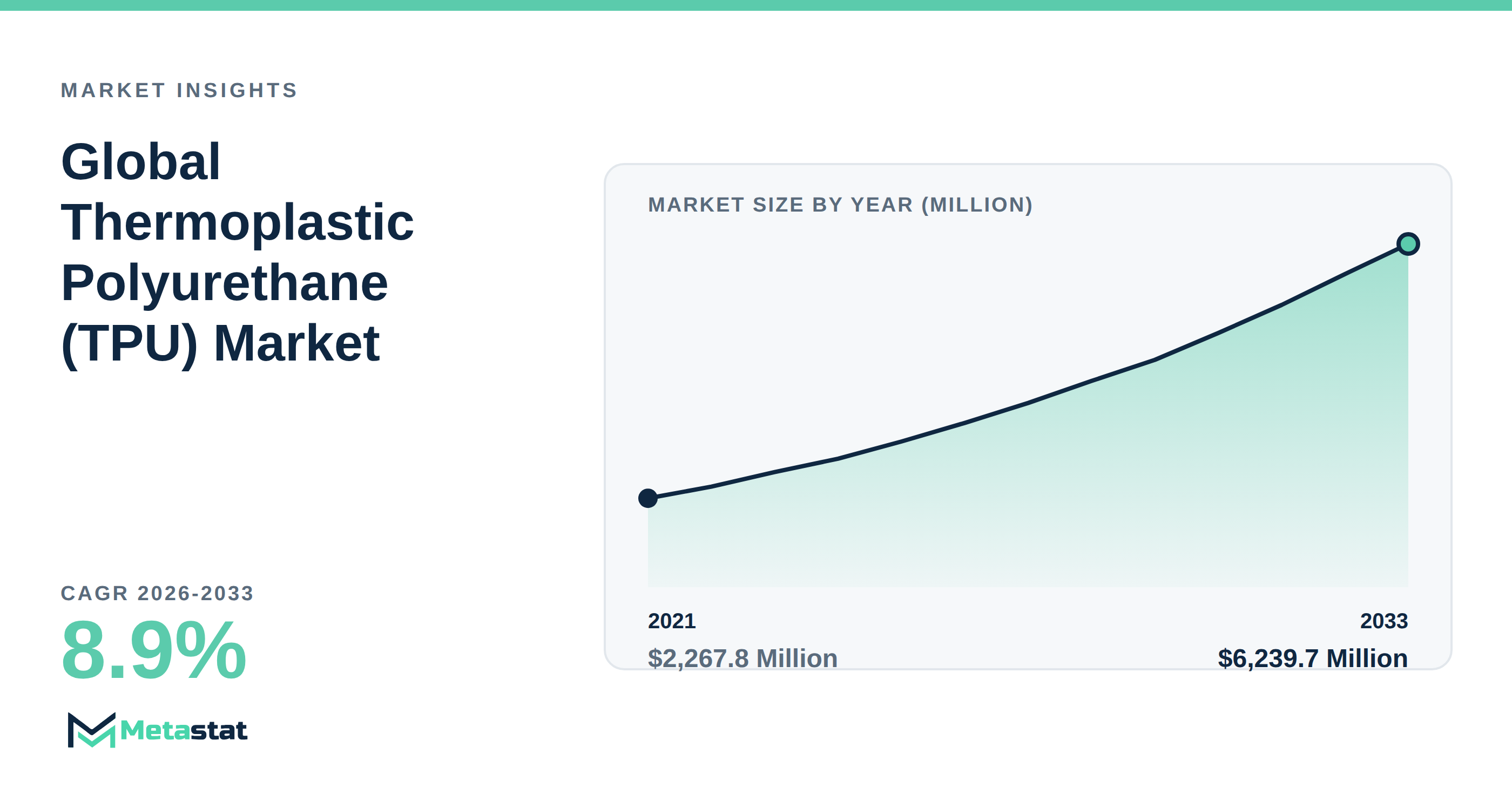
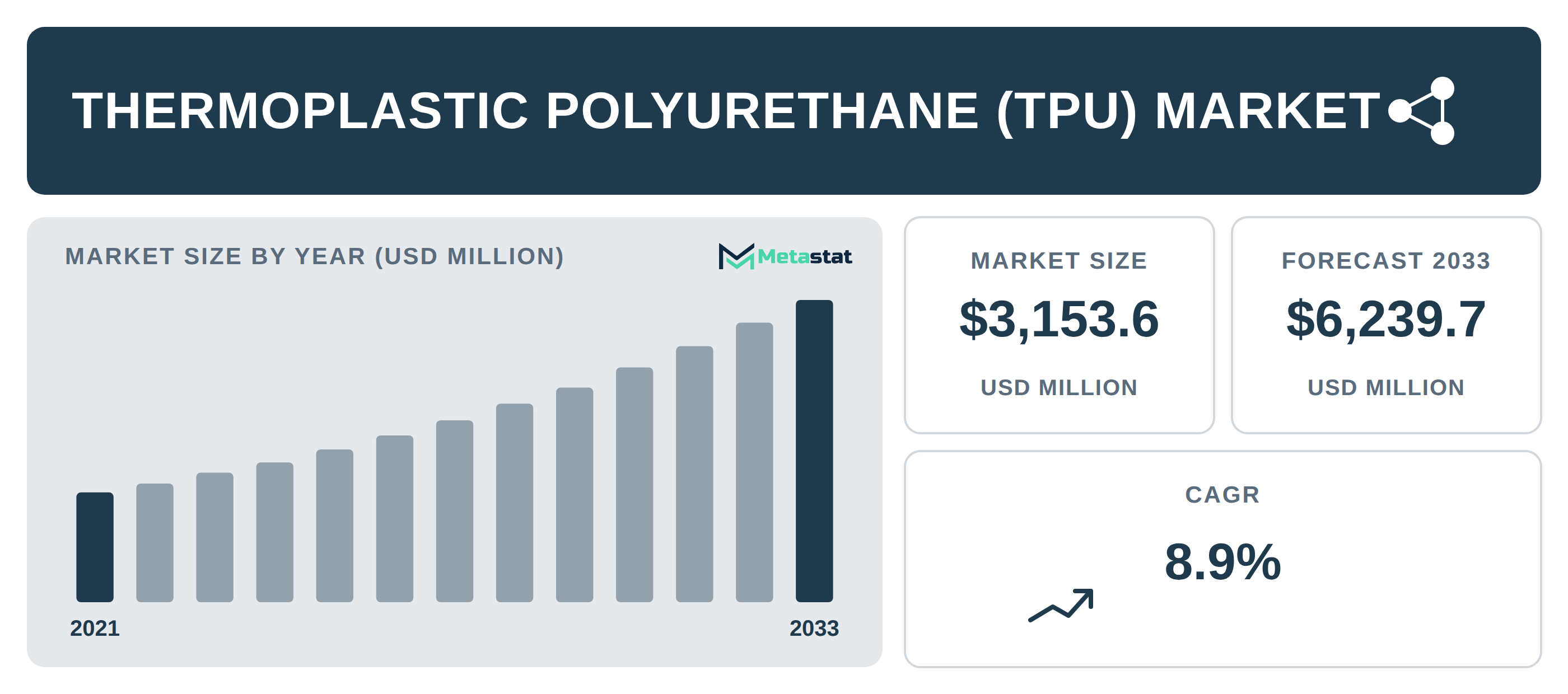
The pricing of Thermoplastic Polyurethane (TPU) is shaped by various components that buyers should be aware of. Understanding these influences enables stakeholders to make informed decisions in sourcing and procurement. Each of the factors listed below significantly contributes to the cost structure associated with TPU products. For a deeper dive into the financial outlook, refer to the Thermoplastic Polyurethane (TPU) market size and forecast report.
1. Raw Material Costs Impact Price Volatility
Raw materials for TPU, particularly polyols and isocyanates, are fundamental to its pricing. Fluctuations in these raw material costs significantly affect the overall price of TPU products. Manufacturers often find it challenging to pass increased costs onto customers, leading to tighter profit margins. Buyers that understand this dynamic betters negotiate contracts and manage budgets with suppliers, particularly in an environment of rising input costs.
2. Demand for Lightweight Materials in Automotive Applications
The automotive sector significantly drives demand for lightweight materials including TPU, impacting pricing strategies. Manufacturers prioritize weight reduction to enhance fuel efficiency and minimize emissions, resulting in increased demand for high-performance materials. This trend leads to price premiums for specialized TPU formulations that meet the critical performance requirements of the automotive industry. Buyers in this sector leverages their purchasing power by committing to larger volumes or long-term contracts to stabilize costs.
3. Influence of Sustainability on TPU Pricing
Growing environmental awareness has led to a rise in demand for sustainable TPU options, including bio-based and recycled materials. The shift towards greener alternatives results in higher production costs due to the complexities involved in sourcing and processing sustainable inputs. This transition allows buyers to impact pricing through their commitment to sustainability. Buyers who prioritize eco-friendly products in their procurement strategies encourage suppliers to adopt more sustainable practices, potentially influencing overall pricing in the long term.
4. Technological Advancements in Processing Methods
Advancements in processing technologies, including injection molding and extrusion, impact TPU pricing by enhancing production efficiency. These technologies reduce production costs, allowing suppliers to offer competitive pricing. Buyers benefit from understanding these efficiencies as they identify suppliers who invest in modern manufacturing processes. This awareness leads to better pricing negotiations and improved cost-effectiveness.
5. Market Competition and Supplier Dynamics
The competitive landscape among TPU suppliers significantly influences pricing strategies. With numerous manufacturers vying for customers, competitive pricing often emerges as suppliers strive to attract and maintain clients. Buyers that actively assess and compare multiple suppliers take advantage of competitive pricing structures. This dynamic leads to favorable contract terms, better pricing, and enhanced supply chain reliability.
6. Specialized Applications and Customization
Specific applications requiring tailored TPU formulations lead to differentiated pricing strategies. Industries including healthcare and automotive demand specialized properties, resulting in higher costs associated with custom formulations. Buyers focused on niche applications should recognize the value of these tailored materials, as their unique performance attributes justify the price. Understanding these customization needs allows buyers to better navigate supplier options and negotiate effectively.
7. Regulatory Compliance Costs
Compliance with industry regulations impacts TPU pricing, especially in sectors like healthcare and automotive. Meeting stringent safety and performance standards often leads to increased production costs, affecting overall pricing for buyers. Companies that invest in regulatory compliance and quality assurance charges higher prices, reflecting the added value of their products. Buyers should consider these compliance implications when evaluating potential suppliers and pricing structures.
Understanding these factors provides critical insights into Thermoplastic Polyurethane (TPU) pricing. By being aware of raw material costs, industry trends, and supplier dynamics, buyers make more strategic purchasing decisions, ultimately improving their operational efficiency and cost management.
Tags
About the Authors

LEAD ANALYST
Utkarsh Khirodkar is a Lead Market Research Analyst at MetaStat Insight, specializing in market intelligence, technology sector assessments, and competitive strategy.

INDUSTRY CONSULTANT - CHEMICALS & ADVANCED MATERIALS
Chemicals and Materials · Machinery & Equipment · Packaging
Amit Gadhekar Consultant for Chemicals and Materials at MetaStat Insight, directing sector-specific intelligence, research, and strategic consulting across global chemical and processing markets.