
As the Insurance Analytics market expands rapidly, buyers interrogate suppliers thoroughly. Here are the seven essential questions to pose when evaluating potential partners in this evolving landscape.
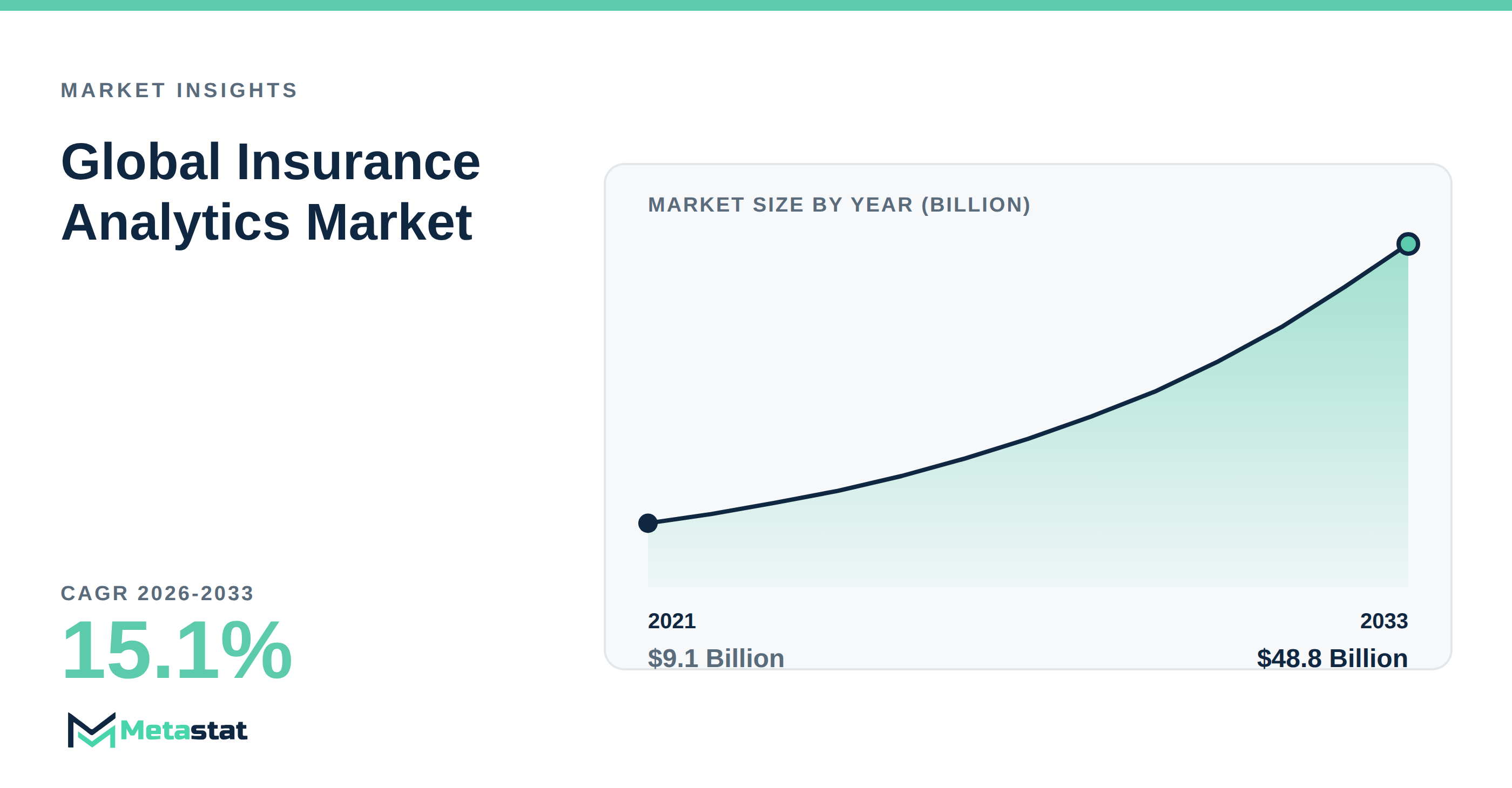
The Insurance Analytics market is gaining momentum, with its expected growth from USD 15.8 billion in 2025 to USD 48.8 billion by 2033. This rapid expansion highlights the increasing importance of data-driven insights for insurers. Consequently, selecting the right supplier becomes critical for organizations looking to leverage analytics effectively. This article outlines key questions to consider when evaluating potential suppliers.
1. What advanced technologies do you integrate into your solutions?
Evaluating the technological backbone of the supplier’s offerings is crucial. The incorporation of artificial intelligence (AI) and machine learning is vital for enhancing operational efficiency and customer engagement. These technologies enable insurers to analyze vast data sets, resulting in better risk assessment and pricing strategies. Suppliers that prioritize AI-driven solutions are better positioned to help insurers respond effectively to evolving market demands.
2. How does your platform support real-time decision-making?
Real-time decision intelligence has emerged because a critical capability within the Insurance Analytics market. Suppliers should demonstrate how their platforms facilitate quick, informed decisions based on immediate insights. The ability to respond swiftly to customer needs and market changes significantly enhances competitive positioning. This aspect is vital for organizations aiming to streamline processes and improve service delivery.
3. What measures do you have in place for regulatory compliance?
Regulatory compliance poses challenges for insurance companies, necessitating robust governance structures. Suppliers should provide clarity on how their analytics frameworks adhere to evolving regulations. Transparency in AI-driven processes and comprehensive documentation practices are essential for ensuring compliance. Evaluating a supplier’s commitment to regulatory standards helps organizations mitigate risks associated with compliance and enhances trust in their analytics capabilities.
4. Can you support cloud-based solutions for scalability?
The increasing adoption of cloud-based insurance analytics platforms reflects a trend toward scalable solutions that enhance data integration. Suppliers should emphasize their capabilities in providing cloud-based offerings, facilitating modernized analytics that respond to consumer demands. These solutions allow insurers to leverage advanced analytics without significant upfront infrastructure investments, promoting agility in operations.
5. How do your analytics enhance customer personalization?
Customer engagement remains a primary focus in the Insurance Analytics market. Suppliers should detail how their solutions employ data analytics for personalized customer experiences. By understanding individual customer needs through behavioral analytics, insurers tailor offerings and develop deeper relationships. This capability not only drives customer loyalty but influences revenue generation.
6. What innovations are you pursuing in fraud detection?
Fraud detection analytics is a pivotal area within the market. Suppliers demonstrate their commitment to combating fraudulent activities through advanced analytics. Solutions that apply machine learning techniques for real-time detection of suspicious patterns are essential for protecting against financial crime. This aspect is critical for organizations prioritizing risk mitigation and operational resilience.
7. How do you ensure that your solutions evolve with market dynamics?
The Insurance Analytics market is characterized by rapid changes driven by technological advancements and evolving consumer needs. Suppliers should articulate their strategies for continuous innovation and adaptation. A proactive approach to enhancing analytical capabilities through technology upgrades is vital for maintaining competitiveness in a dynamic environment.
In conclusion, buyers in the Insurance Analytics market should focus on these critical questions when evaluating suppliers. Understanding the technological foundation, support for real-time decision-making, regulatory compliance measures, cloud capabilities, customer personalization strategies, innovations in fraud detection, and adaptability to market changes will facilitate informed decisions. For further details, consult the Global Insurance Analytics Market report.
Tags
About the Authors

LEAD ANALYST
Utkarsh Khirodkar is a Lead Market Research Analyst at MetaStat Insight, specializing in market intelligence, technology sector assessments, and competitive strategy.

PRINCIPAL CONSULTANT - ENTERPRISE AI & EMERGING TECHNOLOGIES
Banking & Finance · Electronics and Semiconductor · Energy and Power · Healthcare IT · Information & Technology · Professional Services
Vijay Gunti is a Principal Consultant at MetaStat Insight, bringing over two decades of experience across enterprise digital transformation, technology strategy, and intelligent systems.