
Discover essential questions to ask chocolate suppliers, focusing on sustainability, innovation, and dietary preferences.
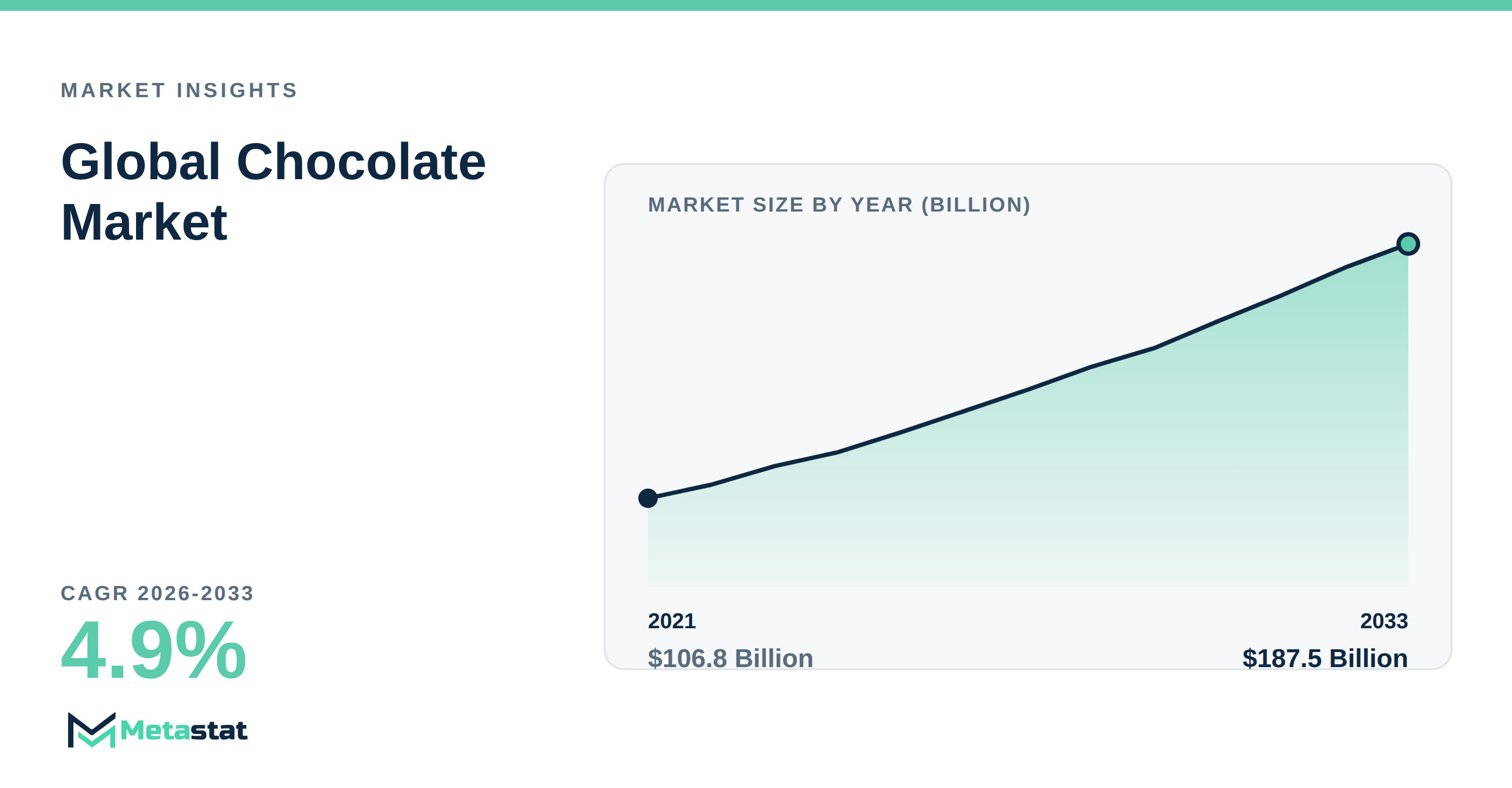
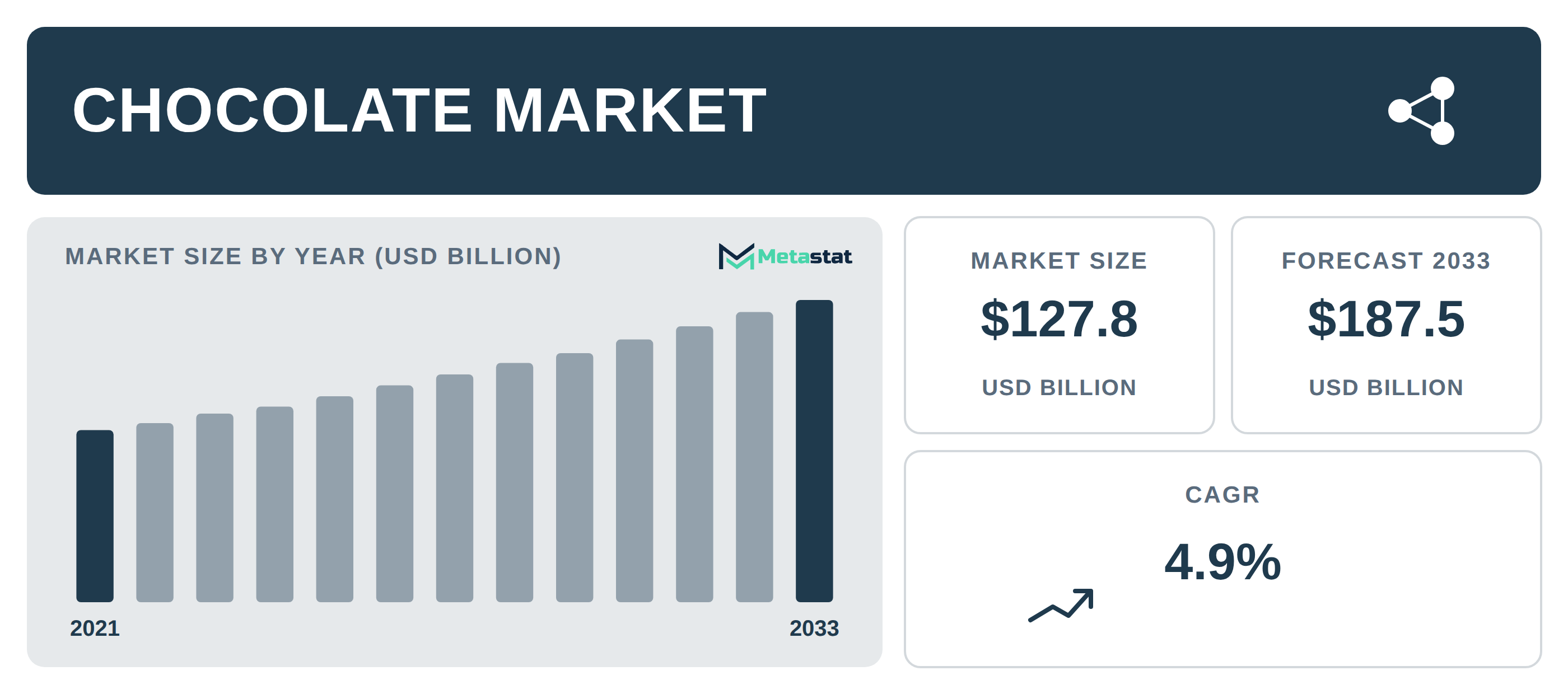
As buyers navigate the evolving landscape of chocolate products, understanding the dynamics of suppliers becomes crucial. Suppliers play a significant role in shaping the offerings available in the market, impacting everything from quality to sustainability. Below are essential questions that buyers should pose to their chocolate suppliers to ensure alignment with current trends and consumer preferences. The full figures are in our Chocolate market size and forecast report.
1. What sourcing practices do you follow for cocoa?
Transparency in cocoa sourcing is increasingly important for consumers. Buyers should inquire about suppliers' practices, including whether they source from sustainable farms or through fair trade. Ethical sourcing not only supports cocoa farmers but aligns with consumer preferences for responsibly produced products. A supplier's commitment to sustainable practices enhances brand reputation and customer loyalty.
2. How do you accommodate dietary preferences in your products?
With shifting consumer preferences towards healthier options, it is essential for suppliers to offer a variety of chocolate formulations. Buyers should ask suppliers about their ability to provide dairy-free, vegan, and low-sugar options. The rise of plant-based formulations, projected to reach USD 48.2 billion by 2033, reflects growing demand among health-conscious consumers. Flexibility in product offerings helps buyers cater to diverse dietary needs and preferences.
3. What innovations are you implementing to enhance product quality?
Quality is critical in chocolate production. Suppliers should discuss their strategies for enhancing product quality, including ingredient innovations and unique formulations. The increasing popularity of dark chocolate, anticipated to reach USD 74.5 billion by 2033, exemplifies the demand for premium products. By staying ahead of trends, suppliers help buyers access high-quality offerings that meet consumer expectations.
4. How do you manage pricing amidst cocoa price volatility?
Cocoa price fluctuations significantly impact chocolate pricing. Suppliers should explain their pricing strategies, including how they mitigate risks associated with volatile cocoa prices. Techniques including dynamic pricing and forward contracts help stabilize costs for buyers. Understanding a supplier's approach to pricing enhances budgeting accuracy for buyers over the long term.
5. What steps are you taking towards sustainability?
The chocolate industry faces increasing pressure to adopt sustainable practices. Buyers should ask suppliers about their sustainability initiatives, including eco-friendly packaging and carbon footprint reduction efforts. A commitment to sustainability is crucial for appealing to consumers who seek chocolates made with ethically sourced ingredients. Suppliers who prioritize sustainability gain a competitive edge in the market.
6. How do you ensure product consistency across batches?
Consistency in product quality is vital for maintaining customer satisfaction. Suppliers should detail their quality control measures to ensure uniformity across chocolate batches. Techniques including regular testing and quality checks prevent discrepancies in flavor and texture, providing buyers with confidence in their supplier's reliability.
7. Can you provide examples of successful partnerships?
Understanding past collaborations offers insight into a supplier's capabilities and reliability. Buyers should inquire about successful partnerships and how suppliers have supported their clients' needs. Examples of tailored solutions and satisfied customer experiences highlight a supplier's commitment to service and flexibility, reinforcing the potential for a fruitful long-term relationship.
These key questions guide buyers in forming strategic partnerships with chocolate suppliers. By prioritizing transparency, innovation, and sustainability, buyers will be better positioned to meet consumer demands and excel in a highly competitive marketplace.
Tags
About the Authors

LEAD ANALYST
Utkarsh Khirodkar is a Lead Market Research Analyst at MetaStat Insight, specializing in market intelligence, technology sector assessments, and competitive strategy.

LEAD PRINCIPAL ANALYST, PHARMA AND HEALTHCARE
Food and Beverages · Healthcare · Healthcare IT · Medical Devices
Ajay Devgire is the Lead Healthcare Analyst at MetaStat Insight, leading strategic research and market intelligence initiatives across the global healthcare domain.

SENIOR RESEARCH ANALYST
Biotechnology · Food and Beverages · Medical Devices · Packaging
Snehal Pasalkar is a Research Analyst at MetaStat Insight, operating at the intersection of life sciences research, competitive strategy, and market intelligence.