
Explore essential questions to ask Corporate Wellness suppliers to ensure effective employee health strategies and maximize organizational well-being.
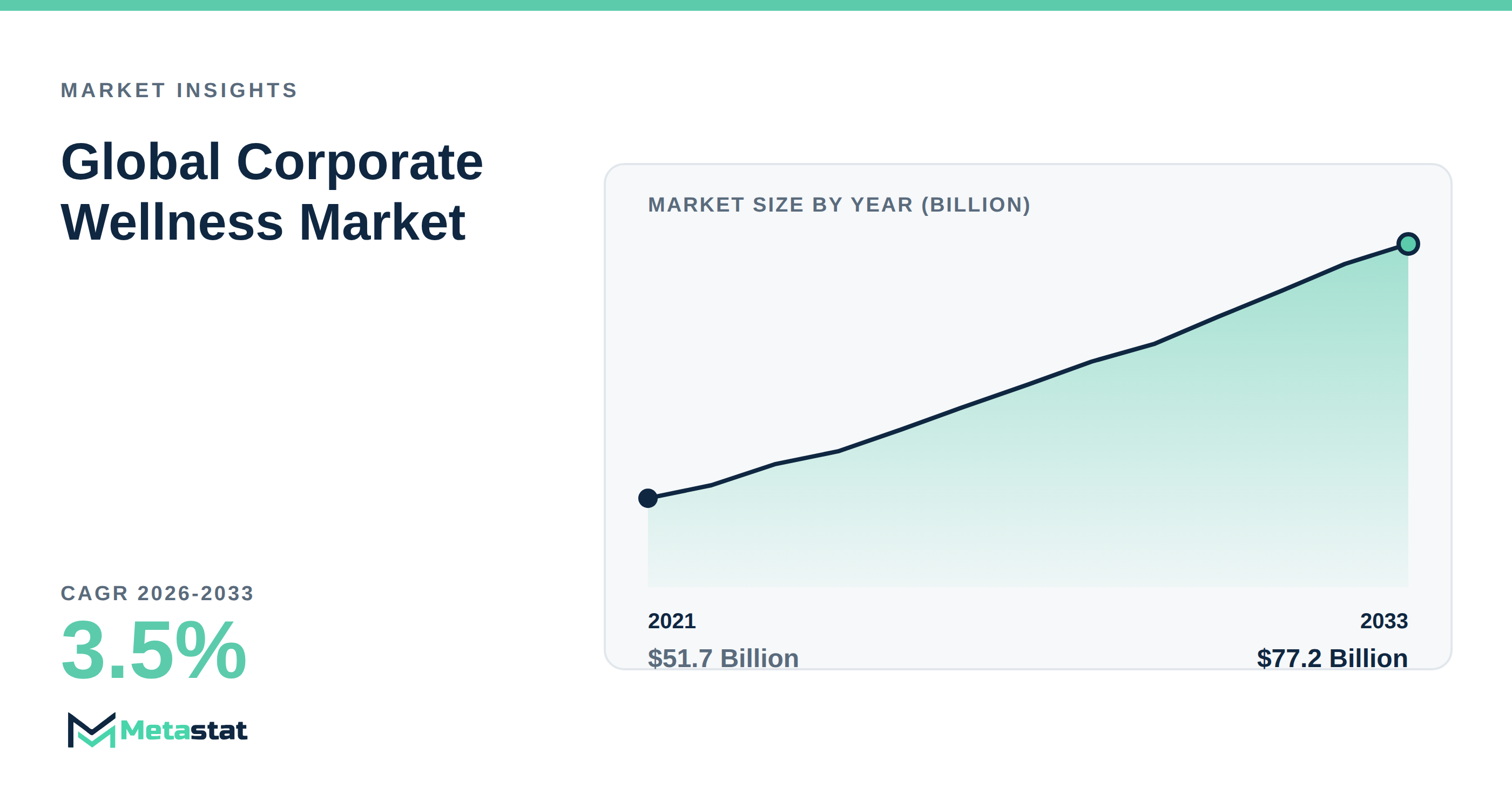
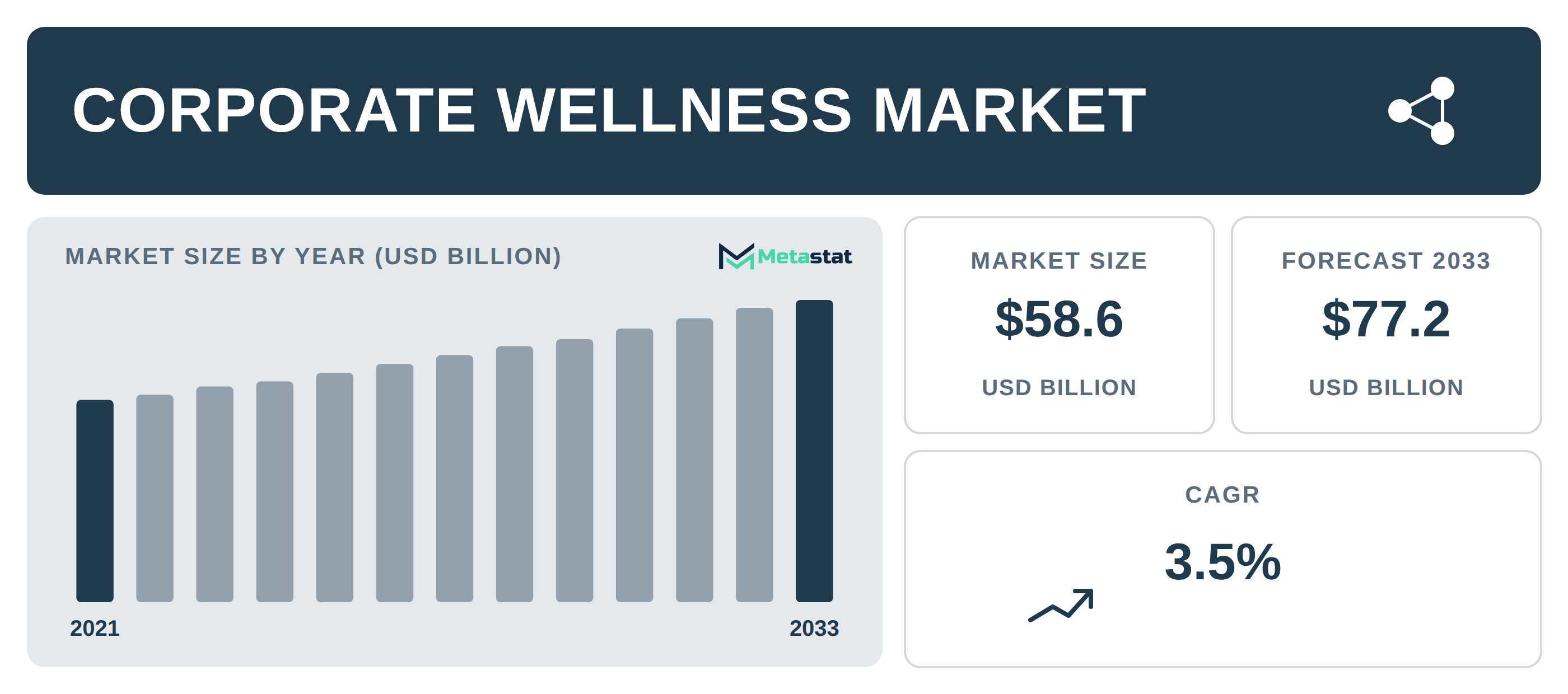
The Corporate Wellness space is evolving, and organizations are prioritizing employee well-being like never before. Companies are increasingly investing in solutions that enhance health and productivity, leading to substantial returns in employee satisfaction and reduced healthcare costs. However, potential buyers engage in thorough discussions with suppliers to ensure they select the right partners. Are essential questions that buyers should pose to Corporate Wellness suppliers to understand their offerings fully. The full figures are in our Corporate Wellness market size and forecast report.
1. What specific wellness services do you provide?
Understanding the range of services is critical when engaging a Corporate Wellness supplier. Services include health risk assessments, fitness programs, mental health support, nutrition management, and chronic disease management. Each offering targets distinct employee needs. By identifying which services align with organizational priorities, businesses tailor their wellness initiatives to address specific health challenges and create a culture of well-being.
2. How do you measure the effectiveness of your programs?
Evaluating program effectiveness is essential for determining return on investment. Buyers should inquire about the metrics used to assess program success, including employee participation rates, health outcomes, and overall productivity improvements. Suppliers should provide a clear framework for measuring results, which includes pre- and post-program health assessments or engagement surveys. This data-driven approach enhances accountability and ensures that wellness initiatives yield tangible benefits for the organization.
3. What are your pricing models and payment structures?
Buyers should discuss pricing models with Corporate Wellness suppliers to accurately forecast budget requirements. Common models include fixed pricing, usage-based charges, and tiered subscription structures. Each pricing model impacts how organizations engage employees. Fixed pricing encourages broader participation, while usage-based charges align costs with actual utilization. Understanding these structures enables organizations to choose a model that fits their financial constraints while maximizing employee engagement.
4. How do you incorporate digital solutions into your programs?
With the rise of remote and hybrid work environments, digital delivery modes play a crucial role in Corporate Wellness solutions. Buyers should inquire how suppliers integrate technology into their wellness offerings, including apps or online platforms that facilitate engagement and provide easy access to resources. A strong digital component enhances participation rates and provides employees with the flexibility needed to access wellness programs on their terms.
5. How do you ensure confidentiality and protect employee data?
Data privacy remains a top concern for organizations implementing wellness programs. Buyers should ask suppliers how they handle sensitive employee data and the measures taken to maintain confidentiality. Suppliers should outline their protocols for securely storing and managing health information, ensuring compliance with relevant regulations. A trustworthy approach to data privacy fosters employee trust and encourages participation in wellness initiatives.
6. What experience do you have with companies similar to ours?
Understanding a supplier's track record with similar organizations enhances the likelihood of a successful partnership. Buyers should inquire about past experiences with companies of comparable size and industry to gain insights into how well the supplier meets specific needs. This experience is instrumental in shaping programs that align with employees and organizational culture.
7. How do you adapt your services to changing workforce needs?
Workplace dynamics are continually evolving, particularly with the increasing focus on mental health and overall well-being. Buyers should explore how suppliers remain agile in responding to emerging trends and employee expectations. Suppliers should demonstrate a commitment to integrating innovative solutions and adapting their offerings to meet the changing needs of the workforce, ensuring that wellness initiatives remain relevant and effective over time.
As organizations increasingly recognize the importance of employee wellness, asking the right questions significantly impacts the success of Corporate Wellness programs. Open discussions with suppliers enable companies to align wellness solutions with their unique goals and make wise investments in employee health.
Tags
About the Authors

LEAD ANALYST
Utkarsh Khirodkar is a Lead Market Research Analyst at MetaStat Insight, specializing in market intelligence, technology sector assessments, and competitive strategy.

LEAD PRINCIPAL ANALYST, PHARMA AND HEALTHCARE
Food and Beverages · Healthcare · Healthcare IT · Medical Devices
Ajay Devgire is the Lead Healthcare Analyst at MetaStat Insight, leading strategic research and market intelligence initiatives across the global healthcare domain.