
LEAD ANALYST
Utkarsh Khirodkar is a Lead Market Research Analyst at MetaStat Insight, specializing in market intelligence, technology sector assessments, and competitive strategy.

Global Corporate Wellness Market Size, Share, By Service Type (Health Risk Assessment, Fitness and Physical Activity, Mental Health and Stress Management, Health Screening, Nutrition and Weight Management, Chronic Disease Management, Others (Financial Wellness, Tobacco Cessation, Ergonomics and Musculoskeletal Wellness, Sleep Management)), By Delivery Mode (In-Person, Digital, Hybrid), By Employer Size (Small Organizations (1-49 Employees), Medium Organizations (50-249 Employees), Large Organizations (250 or More Employees)), Industry Analysis, Growth, Trends, and Forecast, 2026-2033
Report ID
MSI-5515
Published
October, 2026
Pages
285 Pages
Format
Historical
Base year
Forecast
Forecast period
Report Details
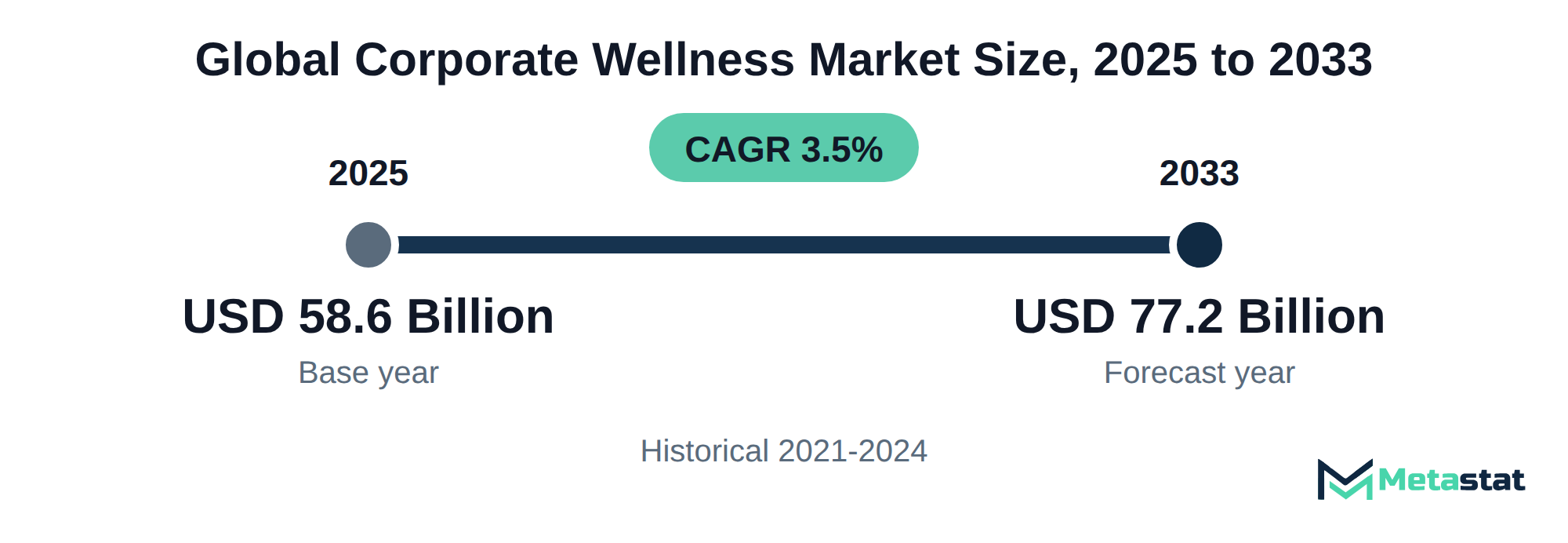
Market Valuation: Valued at $58.6 Billion in 2025, projected to reach $77.2 Billion by 2033 at a 3.5% CAGR.
Dominant Segment: The Mental Health and Stress Management segment leads the Corporate Wellness market, driven by increasing recognition of the importance of mental well-being in enhancing employee productivity.
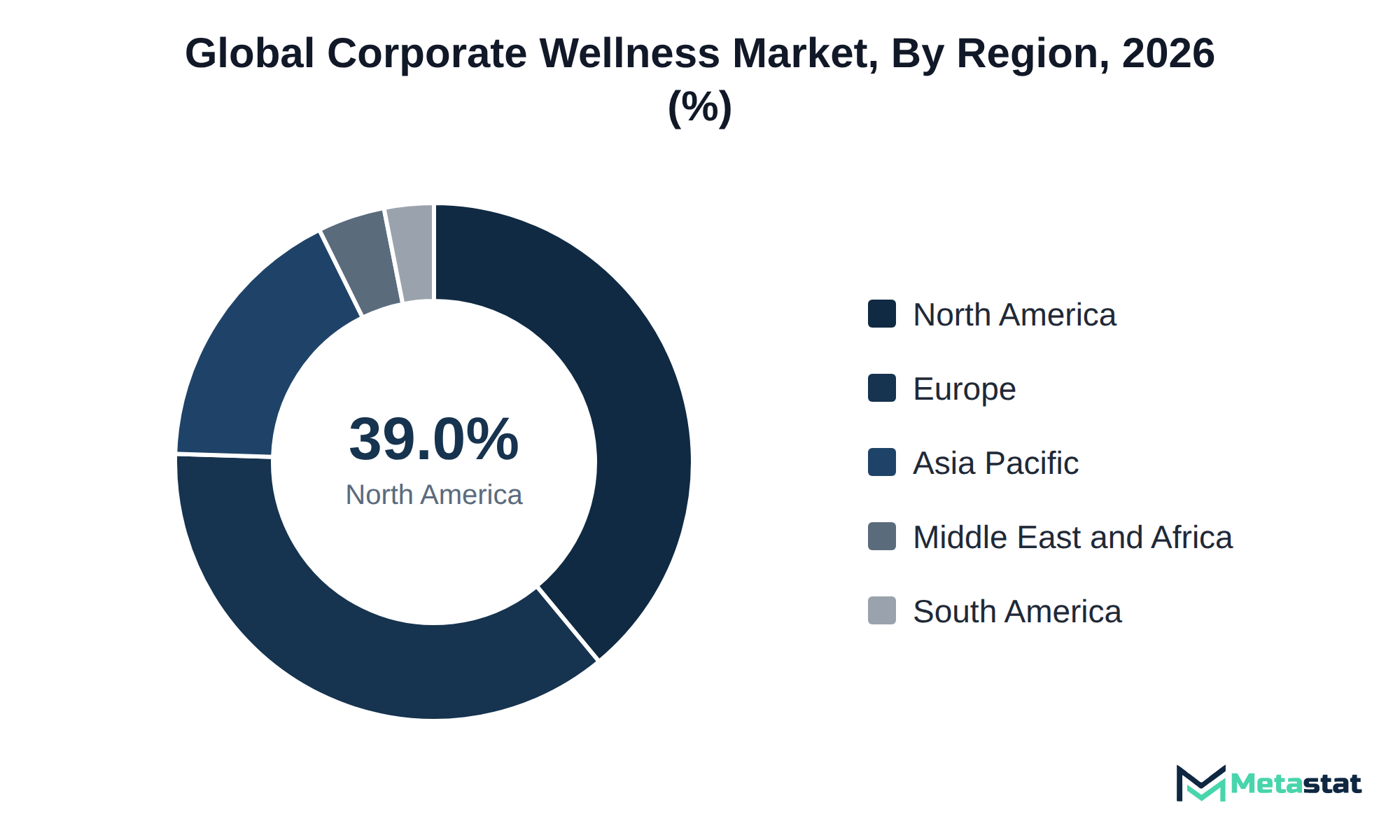
Geographic Lead: North America is projected to dominate the market, holding 39.0% in 2025, with the US expected to lead in growth due to heightened awareness of employee well-being.
What's Inside: This report includes a comprehensive analysis of market dynamics, competitive landscape, and detailed forecasts for 2026-2033, covering various service types and delivery modes.
Emerging Trends: Digital delivery modes are gaining traction, projected to reach USD 26.9 billion by 2033, reflecting the shift towards flexible and accessible wellness solutions for distributed workforces.
Employer Size Insights: Medium organizations (50-249 employees) are expected to see significant growth, with a market valuation projected at USD 25.2 billion by 2033, highlighting their commitment to employee wellness.
Choose Your License
Global Corporate Wellness Market
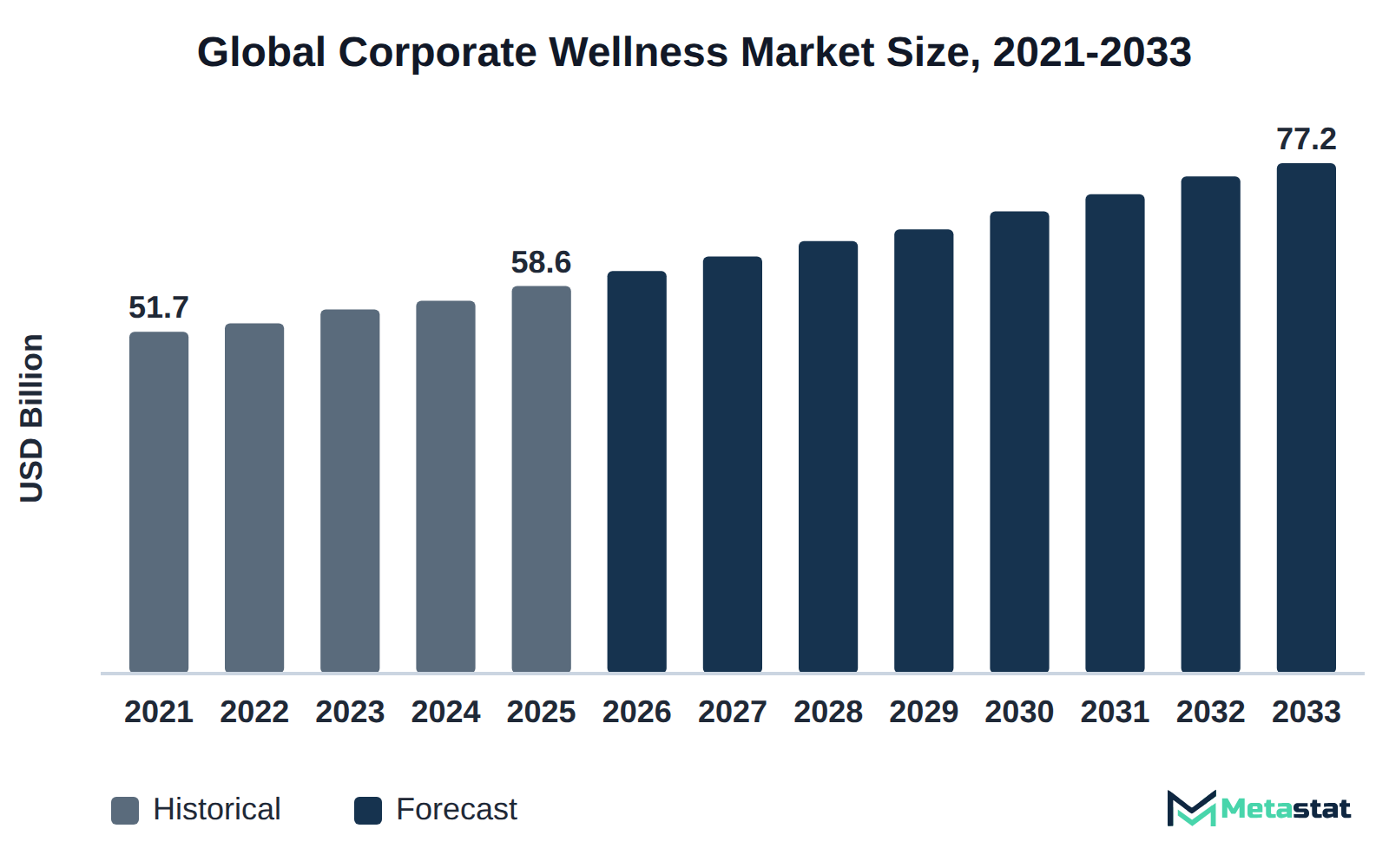
The global Corporate Wellness market was valued at USD 58.6 billion in 2025 and is projected to reach USD 77.2 billion by 2033, growing at a CAGR of 3.5% over the forecast period.
The Corporate Wellness market encompasses a range of services designed to enhance employee health and productivity. Organizations invest in wellness programs to address the increasing demand for healthier workplaces, which contributes to improved employee satisfaction and reduced healthcare costs. By building a culture of well-being, companies improve overall performance and attract top talent, which makes wellness a core part of organizational strategy.
Growth in the market is driven by a heightened focus on mental health and stress management services, reflecting the evolving needs of the workforce. Mental health and stress management hold significant value within service offerings, leading the market in adoption. North America holds 39.0% of the market in 2025, with the US leading in 2026. The increasing awareness of the importance of employee well-being drives organizations to invest in comprehensive wellness solutions.
Digital delivery modes are capturing attention due to their accessibility and convenience, facilitating engagement among employees. This segment is projected to experience significant growth, aligning with the trend toward remote and hybrid work environments. Companies increasingly recognize the value of integrating wellness initiatives into their operational frameworks, enhancing employee retention and productivity while driving demand in the Corporate Wellness market.
The Corporate Wellness market includes various programs and services aimed at improving employee well-being, reducing healthcare costs, and enhancing organizational productivity. Employers invest in these solutions to address health risks, promote physical activity, and manage stress among employees. This investment reflects a growing recognition of the link between employee health and overall business performance, driving companies to prioritize wellness initiatives.
Growth in the market is influenced by rising awareness of mental health's importance in the workplace. The Mental Health and Stress Management segment stands out with the highest value, indicating a significant focus on psychological well-being. North America's dominance results from substantial employer investment in wellness programs, driven by competitive labor markets and increasing healthcare costs.
Digital delivery modes gain traction due to their accessibility and convenience, enhancing employee engagement and participation in wellness offerings. The market's expansion is supported by evolving workplace cultures that embrace comprehensive employee health approaches. Organizations of various sizes recognize the value of these programs, propelling demand and influencing growth trajectories across the market.
The rising focus on mental health and mindfulness within the Corporate Wellness market reflects a significant shift in procurement priorities among organizations. The mental health and stress management segment is projected to reach USD 18 billion by 2033, which reflects growing recognition of mental well-being as a core part of employee health strategies. This momentum arises from increasing demands for comprehensive wellness solutions that address the psychological aspects of health, driven by a more aware workforce seeking support for mental wellness.
Organizations prioritize the integration of mindfulness practices and mental health support, including behavioral health services, into their wellness programs. Investments in digital platforms and mobile applications facilitating mental health services have surged, allowing employers to offer flexible and accessible solutions. This evolution aligns with employee expectations and enhances overall productivity while reducing absenteeism and creating a healthier work environment.
By emphasizing mental health and mindfulness, companies position themselves strategically within the Corporate Wellness market, responding to both employee needs and evolving market dynamics. This approach attracts talent and strengthens retention rates.
Organizations increasingly adopt digital and hybrid corporate wellness solutions to adapt to the changing work environment. The market for digital delivery modes is projected to reach USD 26.9 billion by 2033, reflecting a compound annual growth rate (CAGR) of 5.7%. This trend highlights a shift toward flexibility in service delivery, accommodating the diverse needs of employees, particularly in distributed work settings.
Buyers in the corporate wellness market typically evaluate pricing models and contract terms before making purchasing decisions. Flat-rate pricing, pay-per-use, and tiered subscription models emerge as common approaches. Flat-rate pricing incentivizes broader usage across the organization, while pay-per-use structures align costs directly with employee participation. Tiered subscriptions allow organizations to scale their wellness programs according to specific preferences or budget constraints.
The choice of pricing model significantly impacts engagement and overall effectiveness. Organizations that select appropriate pricing strategies enhance employee participation and retention in wellness programs. This alignment supports overall employee well-being and contributes to lower healthcare costs, improved productivity, and enhanced employee morale. Consequently, organizations that effectively implement these strategies position themselves for sustained growth in the competitive corporate wellness sector.
Biometric screening helps employers personalize corporate wellness programs, particularly in large organizations. These entities, which employ 250 or more individuals, increasingly recognize the importance of tailoring wellness initiatives to meet the specific health needs of their workforce. In 2033, this segment of the market is expected to reach USD 37.6 billion, reflecting a significant investment in employee health and productivity.
Personalized wellness programs derived from biometric screening data enable organizations to address the unique health concerns of their employees, ranging from chronic disease management to mental health support. Employers use this data to design targeted interventions that create a healthier work environment. The increasing prevalence of chronic diseases among employees drives demand for comprehensive biometric assessments, highlighting the necessity for organizations to invest in tailored wellness solutions. Because biometric screening data is personal health information, employers also need to account for data privacy when handling it.
This approach enhances employee engagement and reduces healthcare costs for employers, which shows the commercial benefits of personalized wellness initiatives within the corporate wellness market. Focusing on the distinct needs of large organizations through biometric screening data leads to improved employee health outcomes and increased organizational productivity.
Corporate wellness programs exhibit a significant cost range per employee, influenced by the services provided and the delivery mode. Organizations investing in comprehensive wellness initiatives typically experience higher returns in employee productivity and decreased healthcare costs.
For example, the segment of small organizations (1-49 employees) shows an increasing trend, with costs projected to rise from USD 10.2 billion in 2026 to USD 14.5 billion by 2033. This growth reflects a heightened focus on providing tailored wellness solutions that address specific employee needs, further incentivizing participation in these programs.
While companies prioritize employee well-being, investment in corporate wellness programs yields substantial benefits. Enhancements in employee health support overall organizational performance, promoting a culture of wellness that attracts and retains talent. The corporate wellness market thrives on this investment strategy, leading to improved health outcomes and reduced absenteeism across various industries.
Organizations increasingly prioritize the mental health and wellness of employees, leading to a surge in spending on corporate wellness programs. This shift arises from a growing recognition of the impact of employee well-being on productivity and retention. Companies ranging from small businesses to large enterprises are enhancing their wellness offerings to attract and retain top talent. While workforce demographics evolve, particularly with millennials and Gen Z entering the labor market, expectations for workplace wellness have intensified. Older demographics focused on traditional benefits are giving way to younger employees who seek comprehensive wellness solutions, including mental health support. The Corporate Wellness market reflects this transition, with spending driven by the necessity to address these changing employee needs. The market is projected to grow at a compound annual growth rate (CAGR) of 3.5% and reach USD 77.2 billion by 2033. This reflects the financial commitment organizations are making to create a healthier workforce.
Technological advancements further enhance the effectiveness of wellness programs, enabling organizations to deliver personalized solutions that connect with employees. Digital solutions, in particular, are gaining traction, allowing for flexible and accessible wellness offerings that align with diverse employee preferences. Employee expectations evolve, prompting organizations to adapt their corporate wellness strategies to remain competitive in the labor market.
Innovative employee engagement strategies significantly contribute to the growth of the Corporate Wellness market. Companies implement targeted wellness initiatives that create a sense of belonging and motivation among employees. By prioritizing engagement, organizations improve retention rates and reduce turnover costs, creating a more stable workforce. The integration of wellness programs into employee engagement strategies drives participation and enthusiasm, leading to better health outcomes.
This shift toward engagement-focused wellness solutions attracts investment in advanced technologies and platforms that facilitate participation. Companies increasingly adopt mobile applications and online resources, making wellness programs more accessible and tailored to individual needs. Enhanced engagement promotes healthier habits and strengthens organizational culture, resulting in higher overall productivity. The emphasis on engagement aligns with broader trends in employee well-being, further propelling growth within the market.
High costs associated with Corporate Wellness programs restrict adoption among small organizations. Limited budgets often lead to delayed implementation or smaller program orders, affecting overall employee engagement initiatives. While these organizations prioritize essential spending, investments in wellness solutions frequently rank lower among immediate financial commitments. The rising demand for affordable options hinders engagement with premium services, presenting challenges in achieving desired wellness outcomes. Consequently, slower uptake in this segment impacts the overall growth trajectory of the market.
The focus on cost-effectiveness drives competition among service providers to offer affordable solutions without compromising quality. Organizations increasingly seek budget-friendly alternatives while navigating tight financial constraints. This trend highlights the importance of balancing cost and value to stimulate broader adoption of wellness programs across various sectors.
Talent costs represent a significant challenge for service providers within the Corporate Wellness market. Increased competition for skilled professionals in health and wellness fields drives up expenses, impacting profit margins. Organizations focusing on employee wellness programs face pressures to maintain high-quality services while managing these rising costs. In response, suppliers implement enhanced training programs to improve efficiency and retain talent, thus mitigating the impact of rising labor expenses. Strategic partnerships with educational institutions and wellness organizations allow for shared resources and cost-effective training solutions. Through these initiatives, companies enhance their service offerings while controlling operational costs, ensuring sustained growth and competitiveness in the market. The focus on cost management influences how organizations approach employee wellness, shaping future investments and program designs.
Rapid digital transformation drives substantial growth in the Corporate Wellness market, particularly in the Digital Delivery Mode segment. Companies invest in digital wellness solutions to provide employees with flexible access to health resources, particularly in remote work settings. Digital platforms, such as eHealth applications, facilitate diverse offerings, including fitness programs, mental health resources, and health risk assessments. Organizations increasingly recognize the importance of employee well-being, leading to a growing demand for innovative digital wellness solutions. This focus aligns with changing employee expectations, which emphasize convenience and personalization in wellness programs. Successful providers will capture this opportunity by integrating technology with user-friendly interfaces that enhance engagement and satisfaction.
The Global Corporate Wellness market is segmented based on Service Type, Delivery Mode, and Employer Size.
Health Risk Assessment segment is valued at USD 12.7 billion in 2026 and is projected to reach USD 14.7 billion by 2033, at a CAGR of 2.2% during the forecast period. This segment focuses on identifying and evaluating health risks through various assessments, serving organizations seeking to enhance employee health and mitigate potential healthcare costs. Primary drivers include increasing awareness of the impact of health risks on productivity and rising healthcare expenses. This segment's growth rate is slower compared to the Fitness and Physical Activity segment, which anticipates a CAGR of 2.3%. The emphasis on personalized health solutions increases the importance of health risk assessments, distinguishing it from other services that target broader wellness initiatives. Organizations prioritize such assessments to create tailored wellness programs that effectively address the unique needs of their workforce, ensuring sustainable engagement and improving overall employee well-being.
Fitness and Physical Activity segment is estimated to reach USD 13 billion by 2033, at a CAGR of 2.3% during the forecast period. This segment focuses on enhancing physical fitness and activity levels among employees, supported by organizations aiming to promote healthier lifestyles and reduce healthcare costs. The growing awareness of health-related issues and workplace wellness initiatives drives the demand for fitness programs, benefiting small and medium organizations that prioritize employee well-being. Compared to other segments, including Mental Health and Stress Management, this segment experiences slower growth due to challenges in engagement and participation rates. With increasing emphasis on overall wellness, investment in fitness and physical activity solutions remains crucial for creating a healthier workforce. The market continues to evolve, reflecting the shift toward integrated wellness programs that address both physical and mental health imperatives.
In the Corporate Wellness market, this segment supports employees dealing with mental health challenges and stress-related issues, enabling organizations to create a healthier work environment. Companies offering these services target organizations of various sizes, emphasizing the importance of employee well-being in enhancing overall productivity. The growing recognition of the impact of mental health on workplace performance acts as a significant driver for this segment. With a CAGR of 2.3%, this segment shows slow growth compared to the faster-growing Digital segment, projected at a CAGR of 5.7%. The increasing demand for mental health resources sets this segment apart from other service types and makes it a core part of wellness programs in the market.
Health Screening segment is projected to grow at a CAGR of 2.2% during the forecast period. This segment focuses on preventive health measures, enabling organizations to identify potential health issues among employees before they escalate. Employers conduct health screenings to promote a proactive approach to wellness, enhancing employee engagement and productivity. Rising awareness regarding the importance of early detection and prevention drives growth in this segment. Compared to other service types, Health Screening experiences slower growth due to higher costs associated with comprehensive testing and the need for specialized personnel. This segment appeals particularly to large organizations, which tend to allocate more resources toward extensive health assessments, contrasting with smaller organizations that prioritize more immediate wellness services. The market reflects a growing commitment to occupational health and safety through structured employee screening programs.
Nutrition and Weight Management encompasses services aimed at helping individuals improve their dietary habits and achieve weight-related goals. Organizations apply this segment to promote healthier lifestyles among employees, enhancing overall workplace productivity. Growing awareness of the importance of nutrition in health management drives demand, particularly among small and medium organizations that focus on employee wellness initiatives. The segment differs from Fitness and Physical Activity due to its emphasis on dietary guidance rather than physical exercise. Nutrition and Weight Management attracts a different buyer demographic, appealing to those seeking comprehensive health solutions. In comparison to other segments, this area experiences steady interest, with a focus on personalized programs and dietary support rather than group fitness activities or mental health services. This divergence highlights the necessity for tailored strategies that cater to varying employee wellness needs across different organizational sizes.
Chronic Disease Management focuses on providing support and resources for employees with long-term health conditions, facilitating their integration into the workplace. Organizations engage this segment to promote better health outcomes and enhance productivity among affected employees. Occupational medicine services often complement this work by addressing health needs that arise in the workplace. The rising prevalence of chronic diseases, driven by lifestyle factors and aging populations, stimulates demand for these services. Unlike other segments, Chronic Disease Management often encounters complexities related to treatment adherence and patient education. This segment experiences slower growth compared to Fitness and Physical Activity due to the specialized nature of services required and the need for tailored intervention strategies, which involve higher costs. The Corporate Wellness market recognizes the importance of addressing chronic conditions, creating healthier work environments, and reducing overall healthcare expenditures for employers.
The Others sub-segment encompasses Financial Wellness, Tobacco Cessation, Ergonomics and Musculoskeletal Wellness, and Sleep Management. Organizations apply these services to address diverse employee well-being needs, enhancing workplace productivity and satisfaction. Companies increasingly focus on comprehensive wellness solutions that integrate physical, emotional, and financial aspects of health. Growing awareness regarding mental health impacts and ergonomic work environments drives adoption, with employers recognizing the importance of support systems for their workforce. Workplace ergonomic assessment services are one way employers address the ergonomics and musculoskeletal wellness portion of this sub-segment. This sub-segment experiences slower growth due to varying levels of understanding and acceptance among employers compared to other service types. While Fitness and Physical Activity and Mental Health and Stress Management segments benefit from more immediate visibility and demand, the Others sub-segment requires more education and awareness to gain traction. This dynamic creates unique challenges and opportunities for providers seeking to penetrate the market.
The In-Person segment is valued at USD 27.3 billion in 2026 and is projected to reach USD 27.2 billion by 2033, at a CAGR of -0.1% during the forecast period. This segment involves corporate wellness services delivered face-to-face, catering primarily to large organizations that prefer direct interaction with wellness providers. Employers adopt this format to enhance employee engagement and create a supportive workplace environment. However, the segment faces challenges from the growing preference for digital alternatives, which provide cost-effective and flexible solutions. Demand for in-person services declines, particularly among smaller organizations, due to budget constraints and the increasing adoption of hybrid models. With a projected decrease in market value, the in-person segment contrasts with the anticipated growth of digital delivery modes, which are expected to expand significantly in the Corporate Wellness market.
The digital segment of the Corporate Wellness market delivers wellness solutions through virtual platforms, appealing to organizations seeking flexible and scalable options. Employers in various sectors, particularly in technology and remote work environments, use digital programs to enhance employee health and engagement. The increasing demand for remote wellness services drives growth, with organizations adopting these solutions to better support their distributed workforces. Compared to in-person services, digital options often present lower costs, attracting several small to medium-sized companies that typically face budget constraints. Digital solutions differentiate themselves through their adaptability and ease of access, providing a competitive edge over traditional methods. The ongoing emphasis on employee mental health further strengthens the digital segment's position within the Corporate Wellness market, propelling demand for innovative online health resources.
Hybrid delivery mode is expected to reach USD 23.1 billion by 2033. This approach combines both in-person and digital wellness offerings, catering to diverse employee preferences and organizational needs. Employers use hybrid services to enhance employee engagement and accessibility, promoting overall health and well-being. The growing emphasis on flexible work environments fuels demand for hybrid solutions, accommodating a broader range of employee needs. Compared to purely digital or in-person alternatives, hybrid models often provide a more comprehensive experience, appealing to organizations looking to maximize participation. The hybrid segment's growth trajectory aligns with an anticipated CAGR of 3.5%, reflecting its strategic importance in the market. This segment's adaptability contributes to its resilience, making it an appealing choice for employers striving to implement effective wellness initiatives.
These organizations typically focus on enhancing employee wellbeing through tailored corporate wellness programs. The rising emphasis on employee retention drives demand, with smaller firms often competing with larger corporations to attract and maintain talent. Compared to other segments, this category exhibits a faster growth rate, reflecting an increasing recognition of the importance of wellness initiatives in smaller workplaces. Digital solutions help reduce costs, enabling small organizations to implement wellness programs without significant financial burden. Consequently, the Corporate Wellness market evolves, catering to the unique needs of smaller employers and shaping their approach to enhancing employee wellness.
Medium Organizations (50-249 Employees) segment is estimated to reach USD 25.2 billion by 2033, at a CAGR of 4.2% during the forecast period. This segment focuses on providing comprehensive wellness programs tailored for medium-sized businesses that recognize the importance of employee well-being. Demand for services in this segment reflects a growing commitment to support mental health and physical fitness among employees, driving investments in wellness initiatives. Compared to small organizations, medium organizations typically have greater resources to allocate to wellness programs, enabling them to take advantage of a wider range of services. The distinct growth rate of this segment, relative to others, highlights a steady increase in wellness program adoption, indicating its potential within the market. Investment in employee wellness creates a healthier work environment and enhances productivity, ultimately benefiting organizational performance.
Large Organizations (250 or More Employees) segment is expected to reach USD 37.6 billion by 2033. This segment typically serves companies employing a large workforce, prioritizing comprehensive wellness programs that enhance employee productivity and engagement. A significant driver of growth stems from the rising recognition of the link between employee well-being and organizational performance, compelling larger firms to invest in robust wellness initiatives. Compared to smaller organizations, larger entities often possess greater financial resources, enabling them to implement advanced wellness programs. The CAGR for this segment stands at 4.2%, suggesting stable growth within the market. Distinctions in pricing strategies and service offerings exist between this segment and others, with larger organizations likely requiring more extensive and diverse wellness services to cater to complex employee needs.
Based on geography, the Global Corporate Wellness market is divided into North America, Europe, Asia-Pacific, South America, Middle East, and Africa.
North America stands out in corporate wellness for significant investment in employee health initiatives, driven by a strong emphasis on enhancing workplace productivity and employee satisfaction. The United States, Canada, and Mexico represent key markets where employers prioritize comprehensive wellness solutions, leading to increased adoption rates. North America holds a 39% share of the global market in 2025. A growing focus on mental health and stress management, alongside health risk assessments, enhances the region's appeal for corporate wellness providers. North America is projected to reach USD 28.2 billion by the end of 2033, reflecting a strong commitment to creating healthier work environments. The market benefits from advanced healthcare infrastructure and increasing demand for innovative wellness programs that cater to diverse employee needs.
The growing focus on employee health and well-being significantly influences the Corporate Wellness market in Europe. Countries including Germany and the UK demonstrate strong demand for comprehensive wellness programs, driven by rising awareness of mental health and workplace stress management. The implementation of supportive workplace policies in nations like France and Italy enhances the adoption of wellness initiatives. This region represents 36.5% of the global market in 2025, reflecting the integration of wellness services into corporate strategy. Emphasis on regulatory compliance and employee satisfaction encourages companies across various sectors to invest in wellness solutions. The market is expected to experience continued growth, propelled by increasing health consciousness and recognition of wellness programs as vital to overall business performance.
Growth in the Corporate Wellness market in the Asia-Pacific region is significantly influenced by increasing awareness of employee health and wellness initiatives. Countries like China, Japan, and India prioritize mental health, fitness, and chronic disease management, driven by expanding corporate budgets for wellness programs. The digital delivery mode sees rapid adoption in South Korea and Australia, reflecting a trend toward remote and flexible solutions. Infrastructure improvements and government initiatives further support these wellness programs across various industries. The market share for Asia-Pacific is projected at 17.2% in 2025, highlighting the region's growing importance within global dynamics.
The Corporate Wellness market in South America is primarily driven by the growing awareness of employee health and well-being among organizations. Brazil and Argentina represent the largest proponents of wellness programs, focusing on enhancing employee productivity and satisfaction. Rising healthcare costs prompt organizations in this region to invest in preventive healthcare solutions, aligning with broader corporate goals. The market share in South America is projected at 3.1% in 2025, indicating a stable demand growth trajectory. Infrastructure challenges persist, impacting the delivery of wellness services in more remote areas. Nevertheless, increasing investments in technology and digital health solutions are expected to address these gaps and facilitate broader access to wellness programs. The development of tailored services to meet the specific needs of diverse employee populations strengthens the market potential in this region.
The market in the Middle East and Africa reflects a growing awareness of wellness programs among organizations. Demand for wellness services arises from sectors including healthcare and corporate, where employee well-being is increasingly prioritized. Countries like Saudi Arabia and the UAE invest in wellness initiatives, aligning with public health goals. The region's share of the global market in 2025 stands at 4.2%, indicating a steady commitment to enhancing employee health. South Africa demonstrates a robust approach to workplace wellness, with local businesses recognizing its impact on productivity and retention. Efforts to expand mental health resources and stress management programs gain traction, positioning the Corporate Wellness market for further growth in the coming years. The ongoing development of health infrastructure supports this trend, allowing companies to implement comprehensive wellness strategies.
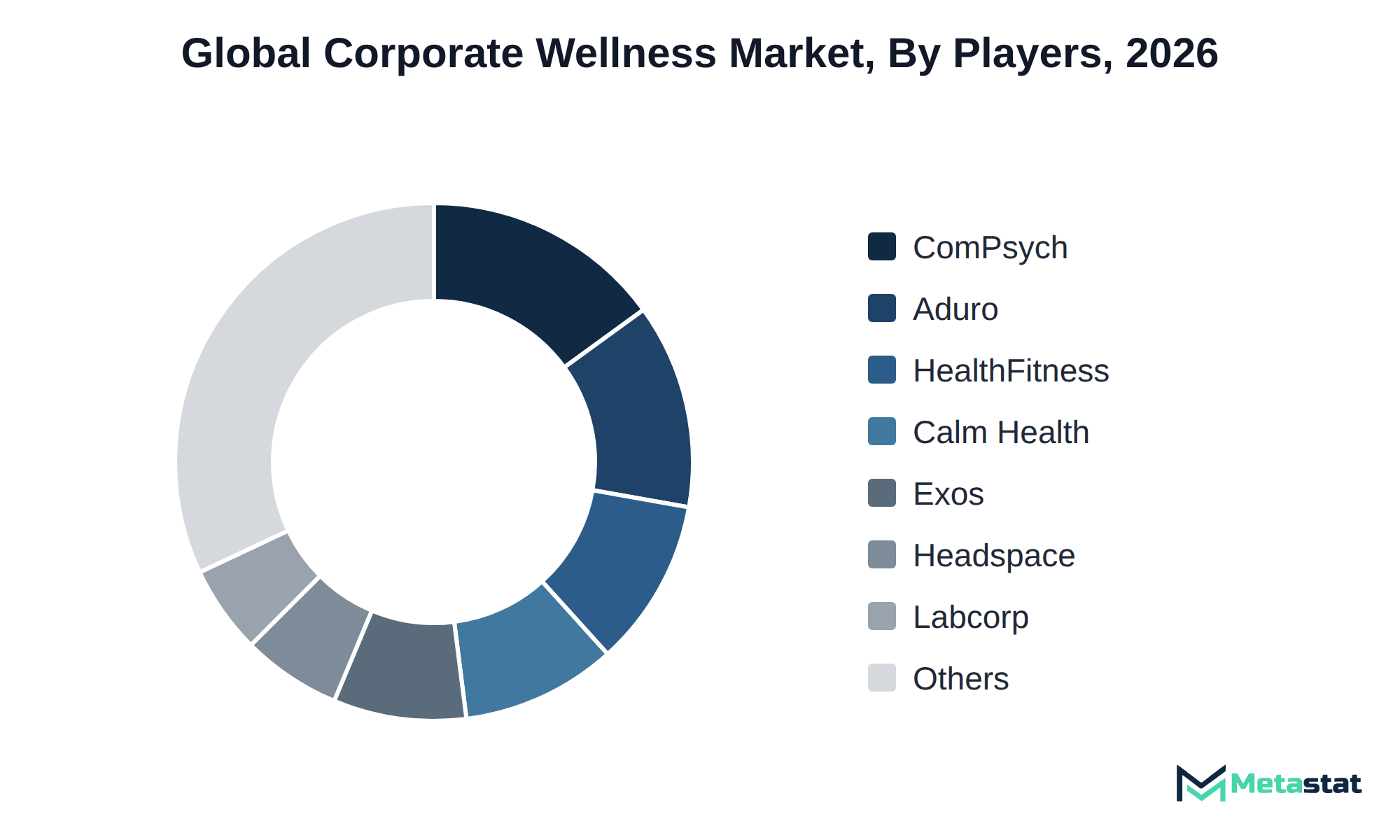
Companies in the Corporate Wellness market employ various strategies to differentiate themselves and capture market share. The competitive environment is diverse, with service offerings including health risk assessments, mental health support, fitness programs, and digital wellness solutions. Buyers typically choose providers based on factors including price, service quality, customization, and the overall ecosystem offered.
Aduro and Exos emphasize fitness and physical activity, while Calm Health and Headspace focus on mental health and stress management. Companies like Labcorp Holdings Inc. and Quest Diagnostics Incorporated leverage their extensive laboratory services and health screening capabilities to appeal to organizations seeking comprehensive wellness programs. The market features a range of players, each targeting different aspects of corporate wellness to meet evolving employer demands.
Achieving this growth hinges on several developments within the Corporate Wellness market. First, the increasing emphasis on Mental Health and Stress Management services, projected to reach USD 18 billion by 2033, will drive demand among organizations prioritizing employee well-being. Second, growth in the Digital delivery mode, anticipated to reach USD 26.9 billion, reflects the rising adoption of technology-driven wellness solutions. This is particularly the case in North America, where the market is expected to generate USD 28.2 billion by 2033. Lastly, the growth of Small Organizations (1-49 Employees), projected to increase from USD 10.2 billion in 2026 to USD 14.5 billion by 2033, signifies a broader embrace of wellness initiatives across various employer sizes.
However, potential risks, including economic downturns or budget constraints, could impact investment in wellness programs. Challenges in sustaining financial support for wellness initiatives particularly affect the expansion of fitness and physical activity services, which are crucial for comprehensive wellness strategies. Thus, ongoing investment and commitment from organizations will be essential to realize the forecasted market size by 2033.
By Service Type: Health Risk Assessment, Fitness and Physical Activity, Mental Health and Stress Management, Health Screening, Nutrition and Weight Management, Chronic Disease Management, Others (Financial Wellness, Tobacco Cessation, Ergonomics and Musculoskeletal Wellness, Sleep Management)
By Delivery Mode: In-Person, Digital, Hybrid
By Employer Size: Small Organizations (1-49 Employees), Medium Organizations (50-249 Employees), Large Organizations (250 or More Employees)
The report strategically identifies and profiles the key market players and analyses their core competencies in each sub-segment of the Corporate Wellness market.
Report Attributes | Details |
Study Period | 2021-2033 |
Base Year | 2025 |
Estimated Year | 2026 |
Forecast Period | 2026-2033 |
Historical Period | 2021-2025 |
Growth Rate | CAGR 3.5% from 2026 to 2033 |
Revenue Unit | USD billion |
Segmentation | By Service Type, Delivery Mode, Employer Size, and Region |
By Region | North America (By Service Type, Delivery Mode, Employer Size, and Country)
|
Europe (By Service Type, Delivery Mode, Employer Size, and Country)
| |
Asia Pacific (By Service Type, Delivery Mode, Employer Size, and Country)
| |
South America (By Service Type, Delivery Mode, Employer Size, and Country)
| |
Middle East and Africa (By Service Type, Delivery Mode, Employer Size, and Country)
|
Find answers to common questions about this report
The Corporate Wellness market size was valued at USD 58.6 billion in 2025.
The market is projected to grow at a CAGR of 3.5% during the forecast period from 2026 to 2033.
The North America Corporate Wellness market size is estimated to reach USD 28.2 billion by 2033.
Mental Health and Stress Management leads the Corporate Wellness market, with a projected value of USD 18 billion by 2033. This segment surpasses others in terms of revenue potential.
Increasing prioritization of employee mental health and wellness drives spending on corporate wellness programs, reflecting the impact of well-being on productivity and retention. Rapid digital transformation fuels growth, particularly in the Digital Delivery Mode segment, as companies invest in innovative digital wellness solutions to meet evolving employee expectations.
North America holds the dominant share of the Corporate Wellness market, with a value of USD 28.2 billion projected for 2033, representing 39 percent of the total market. This region surpasses others in market share, reflecting its significant investment in wellness programs.
High costs associated with corporate wellness programs restrict adoption among small organizations. Limited budgets often lead to delayed implementation or smaller program orders, affecting overall employee engagement initiatives.
Rising employee expectations for comprehensive wellness solutions and the integration of technology into wellness programs favor adoption in the Corporate Wellness industry. Organizations prioritize engagement-focused initiatives that enhance participation, ultimately driving demand for innovative digital wellness solutions.
The Corporate Wellness market is estimated to reach a valuation of USD 77.2 billion by 2033.
Key players operating in the Corporate Wellness market include Aduro, Calm Health, ComPsych Corporation, Exos, HealthFitness, LifeSpeak Inc., Modern Health, and WebMD Health Services.
The analysts below cover Healthcare research at Metastat Insights.
LEAD ANALYST
Utkarsh Khirodkar is a Lead Market Research Analyst at MetaStat Insight, specializing in market intelligence, technology sector assessments, and competitive strategy.

LEAD PRINCIPAL ANALYST, PHARMA AND HEALTHCARE
Food and Beverages · Healthcare · Healthcare IT · Medical Devices
Ajay Devgire is the Lead Healthcare Analyst at MetaStat Insight, leading strategic research and market intelligence initiatives across the global healthcare domain.
Transitioning ultra-class mining haul trucks to alternative power requires concrete data on remote hydrogen refueling infrastructure economics. The report evaluated megawatt-scale electrolyzer installation expenses, onsite storage safety mandates, and heavy-duty fuel cell stack degradation under continuous duty cycles. That technical rigor helped our engineers benchmark realistic total operating cost horizons for off-highway fleet decarbonization.
Enterprise zero-trust network rollouts are often slowed down by multi-cloud transit latency and proprietary hardware retirement schedules. This study provided realistic total cost of ownership models comparing cloud-delivered security edge solutions against traditional hardware refreshes. The analysis of contract renewal lengths and software maintenance fees gave us clear visibility into enterprise replacement cycles over the next three to five years.
Scaling antibody-drug conjugate manufacturing hinges on contract manufacturing availability for high-potency active ingredients. The MetaStat Insight analysis looked closely at global cleanroom slot constraints, bioconjugation batch failure rates, and supply chain redundancies between the US, Europe, and India. The supplier capability matrix proved genuinely useful for our team when mapping secondary source options across our clinical pipeline.
Explore related market intelligence reports worth reading alongside this one.
Starting from
$2950