
LEAD ANALYST
Utkarsh Khirodkar is a Lead Market Research Analyst at MetaStat Insight, specializing in market intelligence, technology sector assessments, and competitive strategy.

Global Health and Fitness Club Market Size, Share, By Facility Format (General-Purpose Gyms, Full-Service Health Clubs and Boutique Fitness Studios), By Service Type (Open Gym Access, Instructor-Led Group Training and One-to-One Personal Training), By Payment Model (Membership Subscriptions, Prepaid Session Packages and Single-Visit Purchases), By Customer Type (Individual Residents, Domestic Visitors and International Visitors), Industry Analysis, Growth, Trends, and Forecast, 2026-2033
Report ID
MSI-5786
Published
November, 2026
Pages
274 Pages
Format
Historical
Base year
Forecast
Forecast period
Report Details
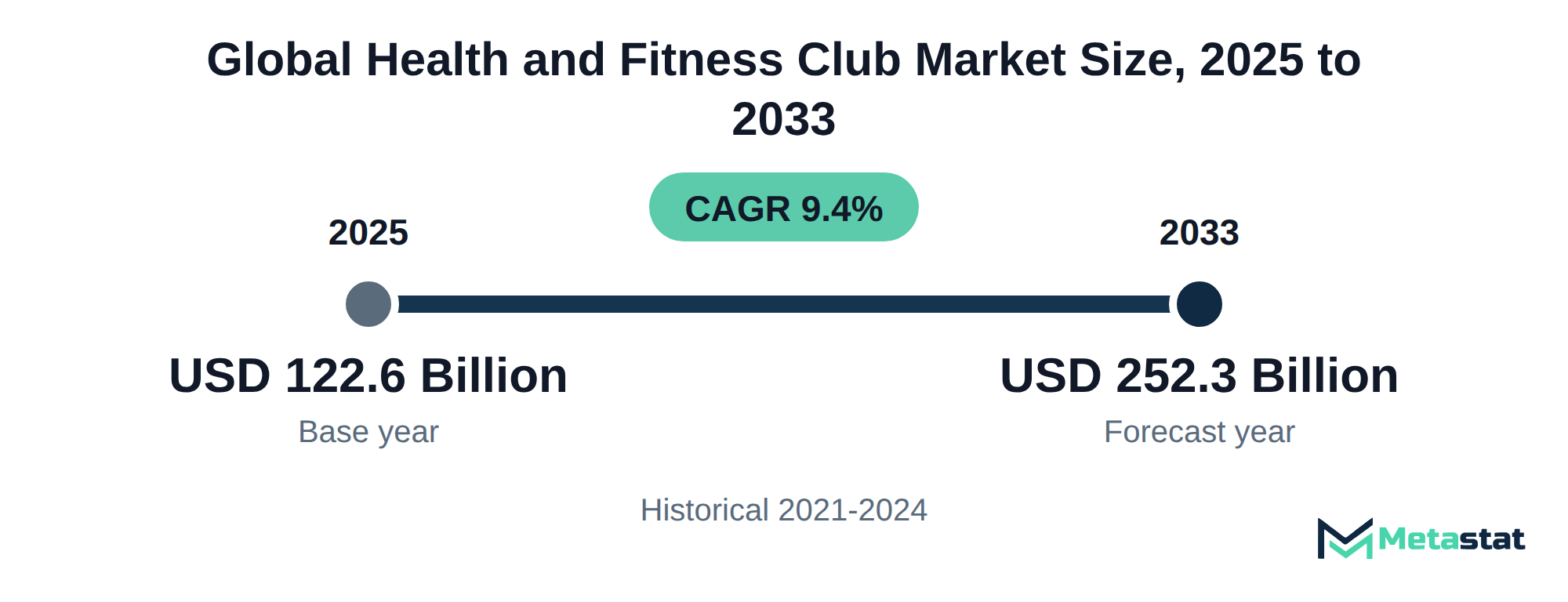
Market Valuation: Valued at $122.6 Billion in 2025, projected to reach $252.3 Billion by 2033 at a 9.4% CAGR.
Dominant Segment: General-Purpose Gyms lead the market, driven by their broad appeal to diverse fitness needs and preferences. This segment's substantial revenue potential is supported by a growing focus on personal fitness and wellness.
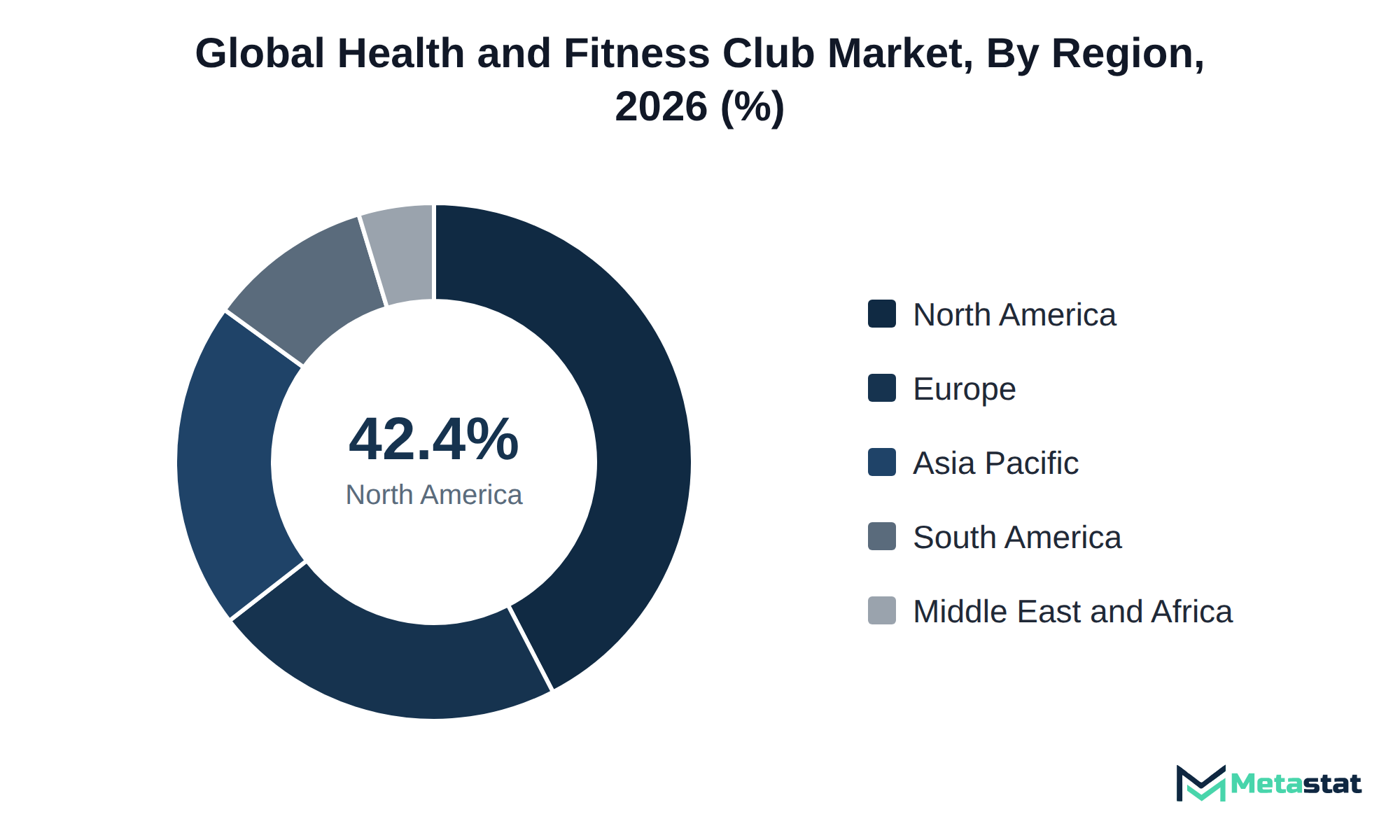
Geographic Lead: North America is the leading region, projected to hold 42.4% of the market in 2025, primarily due to a high number of fitness facilities and a cultural emphasis on active lifestyles.
What's Inside: The report includes a comprehensive analysis of market dynamics, competitive coverage, and growth trends across various facility formats, service types, payment models, and customer segments.
Emerging Trends: The increasing popularity of budget fitness clubs and boutique fitness studios reflects a shift towards affordable and personalized fitness experiences, driving market expansion.
Instructor-Led Training Growth: Instructor-led group training is set to reach USD 77.5 billion by 2033, with a CAGR of 10.7%, highlighting the rising demand for guided workouts and community engagement.
Choose Your License
Global Health and Fitness Club Market
The global Health and Fitness Club market was valued at USD 122.6 billion in 2025 and is projected to reach USD 252.3 billion by 2033, growing at a CAGR of 9.4% over the forecast period.
The Health and Fitness Club market spans varied facilities and services aimed at promoting physical well-being and fitness. This includes general-purpose gyms, full-service health clubs, and boutique fitness studios, catering to diverse consumer preferences. Buyers invest in this market primarily due to the increasing focus on health and wellness, resulting from higher disposable incomes and growing awareness of the benefits associated with regular exercise.
Growth in the Health and Fitness Club market is driven by several factors, including rising health consciousness among consumers. Among the segments, general-purpose gyms hold the largest share, appealing to a broad audience with various fitness needs. North America holds 42.4% of the market in 2025, with the US leading in 2026. This region's significant contribution reflects the high number of fitness facilities and the cultural emphasis on active lifestyles.
The surge in membership subscriptions significantly influences market expansion, providing stable revenue streams for fitness clubs. The increasing preference for flexible payment models, including prepaid session packages, attracts a wider customer base. Innovations in service delivery and facility offerings are expected to enhance consumer engagement and satisfaction within the market.
The Health and Fitness Club market addresses various consumer needs, including health improvement, social interaction, and personal well-being. Buyers invest in this market to achieve fitness goals, enhance physical performance, and engage in community-driven activities. The increasing awareness of the importance of a healthy lifestyle drives consumer spending, with individuals seeking facilities and services that promote fitness and wellness.
General-Purpose Gyms represent the largest segment within the market, contributing significantly to overall revenue. Consumer engagement in fitness activities and growing health consciousness contribute to strong demand in North America, while Europe and Asia Pacific follow closely, accounting for 22.1% and 20.5% respectively.
The growing trend of personalized fitness experiences further accelerates market expansion. Increased investment in technology, including fitness apps and wearables, enhances user engagement and provides tailored workout plans. These innovations attract a diverse customer base, including individual residents and organizational accounts, ensuring sustained growth within the Health and Fitness Club market.
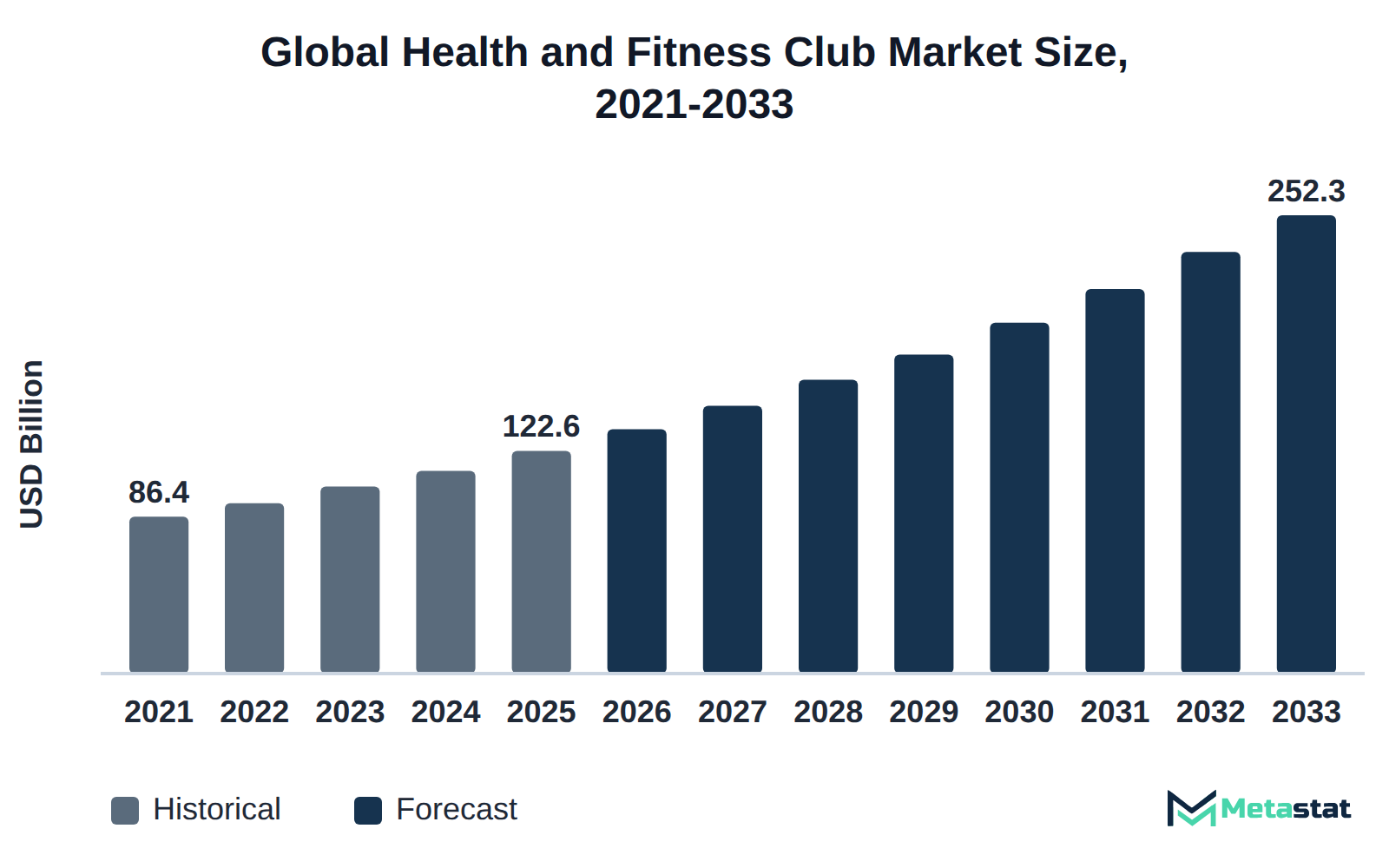
Budget fitness clubs increasingly attract consumers through low-cost membership models, enhancing accessibility for individuals seeking affordable fitness options. This strategy aligns with the rising trend emphasizing inclusivity in the Health and Fitness Club market. By 2033, the market for membership subscriptions is projected to reach USD 201.4 billion, reflecting a compound annual growth rate (CAGR) of 9%. This growth indicates strong demand for cost-effective fitness services.
The appeal of budget fitness clubs lies in their ability to provide essential fitness services without the financial burden typically associated with traditional health clubs. These facilities often operate on simplified service models, focusing on essential gym access rather than extensive amenities. This shift in service type caters to a segment of consumers prioritizing affordability over luxury, thus broadening the customer base in the market.
Consequently, budget fitness clubs expand the overall market by appealing to a diverse demographic, including individuals who previously hesitated to engage in fitness activities due to cost concerns. By offering low-cost memberships, these clubs contribute to overall market growth and encourage healthier lifestyle choices among a wider audience.
Boutique fitness studios have transformed group training into a significant source of recurring revenue in the Health and Fitness Club market. These establishments prioritize unique experiences and personalized services that attract dedicated clientele. The concept of open gym access has emerged as a popular service type, with revenue projections reaching USD 125.5 billion by 2033, reflecting a compound annual growth rate of 8.7%.
The pricing models adopted by boutique fitness studios typically involve membership subscriptions and prepaid session packages, enhancing customer loyalty. Membership subscriptions are expected to escalate from USD 110 billion in 2026 to USD 201.4 billion by 2033, indicating a solid growth trajectory. This structure encourages members to commit long-term, ensuring a steady stream of revenue for studios. Boutiques often offer flexible payment options, enhancing their appeal to a broader audience.
The success of boutique fitness studios lies in their ability to create a community atmosphere that encourages regular attendance and engagement. By offering diverse classes and specialized training programs, these studios provide value that connects with customers. Boutique fitness studios stand out in the Health and Fitness Club market, driving sustainable growth and increasing market share within an evolving industry environment.
Visitor passes offer a strategic opportunity for fitness clubs to attract hotel guests seeking convenient access to health and fitness facilities. This approach capitalizes on the substantial overlap between travelers and fitness enthusiasts, driving revenue for both hotels and clubs. The Individual Residents segment of the Health and Fitness Club market shows strong growth potential. Its value is expected to rise from USD 117.2 billion in 2026 to USD 214.9 billion by 2033, a compound annual growth rate of 9%.
Hotels and other hospitality operators aiming to provide high-quality guest experiences benefit significantly from partnerships with local fitness clubs. By offering visitor passes, hotels enhance their service offerings, enabling guests to maintain their fitness routines while traveling. This initiative improves customer satisfaction and strengthens brand loyalty among guests who prioritize health and wellness. Changing market conditions call for such collaborations, allowing fitness clubs to capture new customer segments and increase membership through innovative access models.
Fitness events are a strong strategy for generating repeat club visits. Engaging members through events encourages them to return to the club regularly. Data indicates that individual residents, a significant customer type, will reach a value of USD 214.9 billion by 2033, reflecting a growing interest in fitness services. These events create a sense of community, motivating participants not only to attend but to engage with the club's offerings repeatedly.
Organizing fitness events including competitions, workshops, and group classes enhances the club's appeal. Participants often seek social interaction and a supportive environment, which fitness events provide effectively. The open gym access segment is projected to grow from USD 70.2 billion in 2026 to USD 125.5 billion in 2033. This growth highlights the importance of creating inclusive environments where members feel encouraged to return. By promoting fitness events, clubs capture this trend and strengthen members' loyalty, increasing overall revenue.
Increased consumer awareness surrounding health and wellness drives higher spending on fitness memberships. Individuals seeking improved physical fitness and lifestyle changes significantly contribute to this trend, particularly among health-conscious populations. The ongoing shift toward preventive health measures results in more members enrolling in fitness clubs. Awareness of the long-term benefits of regular exercise grows, leading many individuals to prioritize gym memberships in their budgets. This expanding demand creates opportunities for fitness clubs to enhance their offerings and reach diverse consumer segments.
Changes in consumer behavior combined with a focus on maintaining physical well-being highlight the importance of gyms and fitness centers in everyday life. Buyers increasingly recognize the value of fitness memberships, contributing to higher demand and stimulating growth within the market.
Innovations in fitness technology significantly impact consumer engagement within the Health and Fitness Club market. Advanced equipment, wearable devices, and mobile applications improve workout experiences, driving customer satisfaction and retention. The integration of fitness trackers and smart gym equipment allows members to monitor progress in real time, creating a more personalized fitness journey.
Virtual classes and on-demand workouts expand access to a broader audience, catering to diverse preferences and schedules. These digital solutions remove geographical barriers, allowing clubs to reach potential members beyond their immediate locations. Enhanced user experience through technology supports higher membership retention rates, providing clubs with a competitive advantage in the market.
Investments in technological advancements support the rapid growth of fitness services, attracting tech-savvy consumers. Technology increasingly shapes member offerings and enhances overall engagement within fitness clubs. This trend creates opportunities for clubs to differentiate themselves in an increasingly competitive environment.
Price sensitivity significantly impacts membership uptake among potential buyers within the Health and Fitness Club market. Individuals often weigh the costs of subscriptions against their disposable income, leading to slower adoption rates in segments with higher fees. The increasing prevalence of budget fitness options highlights this constraint, with many consumers seeking affordable alternatives that meet their fitness needs without straining their finances. Consequently, premium facilities experience delayed membership conversions and smaller initial enrollments, especially in economically diverse regions. This phenomenon particularly affects individual residents, who demonstrate heightened awareness of value when selecting fitness services. Financial considerations shape market dynamics and influence how fitness clubs set pricing and service offerings to attract a broader audience.
Rising recruitment and staffing costs for skilled trainers and fitness professionals present a significant challenge for facilities operating within this market. The demand for qualified staff intensifies competition, leading to inflated salary expectations. Many clubs confront difficulty balancing competitive compensation with the desire to maintain profitability. In response, numerous companies invest in employee development programs to enhance staff skills while retaining talent. This approach improves service quality and reduces turnover rates, lowering recruitment costs over time. Facilities explore innovative staffing models, including technology-based virtual training and automated solutions, to improve operational efficiency. By addressing talent costs strategically, suppliers sustain profitability while delivering an enriching experience for their members. Managing talent expenses proactively will influence the future dynamics of the Health and Fitness Club market.
Instructor-led group training represents a significant growth opportunity within the Health and Fitness Club market. This segment is projected to reach USD 77.5 billion by 2033, reflecting a compound annual growth rate (CAGR) of 10.7%. The rising preference for guided workouts among fitness enthusiasts drives this demand, with individuals seeking motivation and expert instruction to enhance performance. Group training creates community engagement and accountability, appealing to both individual residents and domestic visitors. Increased emphasis on personalized fitness experiences contributes to the attractiveness of this service type, aligning with evolving consumer expectations. The expansion in this area offers substantial revenue potential for facilities adapting to this trend while enhancing their service offerings, leading to increased membership retention and attracting new clients. Facilities that meet rising interest in instructor-led training are expected to benefit from this demand and strengthen their competitive position.
The Global Health and Fitness Club market is segmented based on Facility Format, Service Type, Payment Model, and Customer Type.
General-Purpose Gyms segment is valued at USD 65.1 billion in 2026 and is projected to reach USD 119.5 billion by 2033, at a CAGR of 9.1% during the forecast period. These facilities serve a diverse clientele seeking a wide range of fitness options, from weightlifting to cardio exercises. Key demand drivers include the growing focus on personal fitness and wellness, leading individuals to invest more in gym memberships. Unlike Boutique Fitness Studios, which cater to niche markets and exhibit faster growth, General-Purpose Gyms appeal to a broader audience, resulting in slightly slower growth yet substantial revenue potential. Member retention strategies within this segment focus heavily on providing extensive equipment and flexible access, aligning with consumer preferences for comprehensive fitness solutions. The market is expected to evolve, promoting enhancements to facility offerings and membership models to meet the increasing consumer demand for accessible fitness options.
Full-Service Health Clubs segment is estimated to reach USD 80.6 billion by 2033, at a CAGR of 8.9% during the forecast period. This segment attracts fitness enthusiasts seeking a comprehensive range of services and amenities, including gym equipment, group classes, and personal training. Demand stems from individuals prioritizing convenience and comprehensive fitness solutions, often leading to higher spending compared to other facility formats. The growth trajectory of this segment reflects a strong commitment to member experience, enhancing retention rates and customer loyalty. In contrast, General-Purpose Gyms exhibit a slightly lower CAGR of 9.1%, indicating a more gradual expansion. Factors driving this segment include the increasing consumer emphasis on overall health and the desire for integrated fitness solutions that provide a diverse array of offerings, setting it apart from more specialized facilities. The impact of evolving consumer preferences ensures significant growth within this segment of the market.
Boutique Fitness Studios segment is expected to reach USD 52.2 billion by 2033. These establishments offer specialized fitness experiences, often focusing on a niche market that values personalized training and community engagement. Clients typically include fitness enthusiasts seeking unique workout environments and tailored programs. The rise in demand for specialized fitness experiences drives growth in this segment, with a notable CAGR of 10.7%. This growth stems from a shift toward more personalized fitness offerings, differentiating it from more general-purpose gyms, which exhibit a slower growth rate of 9.1%. The higher price points associated with boutique fitness studios reflect the premium services provided, contrasting with the more budget-friendly options in the broader market. Increasing adoption of unique fitness concepts supports sustained interest and revenue within this segment.
This segment provides users with unrestricted access to gym facilities, catering primarily to individuals who prefer flexibility in their fitness routines without the commitment of structured classes or personal training sessions. A growing trend toward fitness independence drives demand, with fitness enthusiasts appreciating the freedom to work out on their schedule. Compared to other service types, including Instructor-Led Group Training, which is projected to reach USD 77.5 billion at a CAGR of 10.7%, Open Gym Access exhibits significant growth but at a slower rate. Such dynamics reflect varying consumer preferences, with price sensitivity influencing the uptake of open gym models among budget-conscious users, differentiating it from more specialized offerings within the Health and Fitness Club market.
This training style is popular among fitness enthusiasts who seek structured and guided workouts led by qualified instructors. Individual residents, domestic visitors, and international visitors often participate in these sessions, which create community and accountability in fitness pursuits. The growing demand for engaging and interactive fitness experiences drives this segment's growth. Compared to other service types, Instructor-Led Group Training demonstrates a faster growth trajectory, influenced by consumers' desire for motivation and social interaction within fitness environments. Higher engagement levels in group classes differentiate it from Open Gym Access and One-to-One Personal Training, appealing to those who thrive in collaborative settings.
The One-to-One Personal Training segment is expected to reach USD 49.3 billion by 2033. This service offers personalized fitness guidance tailored to individual goals, appealing primarily to fitness enthusiasts and those desiring individualized attention. Factors driving this segment include the increasing demand for customized fitness solutions and rising awareness of the benefits of personalized training. The segment experiences a higher growth rate compared to other service types, with a CAGR of 10.7%. Individual residents seeking tailored experiences contribute significantly to this growth, differentiating it from the Open Gym Access and Instructor-Led Group Training segments. The One-to-One Personal Training segment enhances customer engagement and satisfaction, ultimately influencing the overall dynamics of the Health and Fitness Club market.
This segment facilitates ongoing access to fitness services for individual residents, allowing them to benefit from various offerings tailored to their preferences. Increasing health consciousness and the desire for convenience drive growth in this segment, particularly among individuals seeking structured fitness routines. Compared to other payment models, Membership Subscriptions exhibit steady growth, driven by a larger consumer base focused on long-term commitments to their health. In contrast, Prepaid Session Packages and Single-Visit Purchases show comparatively slower growth rates, appealing to a more transient customer demographic. The emphasis on building lasting relationships with members enhances revenue stability, presenting a strong opportunity for fitness clubs to expand their market share.
Prepaid Session Packages segment is estimated to reach USD 32.2 billion by 2033, at a CAGR of 10.8% during the forecast period. This offering allows customers to purchase a bundle of training sessions in advance, appealing to individuals who prefer flexibility in their fitness routines without long-term commitments. Increased consumer interest in health and fitness fuels growth in this segment, driven by the desire for affordable and accessible fitness options. Demand for prepaid packages often originates from individuals engaging in fitness sporadically or those unable to commit to traditional membership models. The prepaid session model distinctively caters to a price-sensitive demographic, enhancing overall participation in the health and fitness club market.
Single-Visit Purchases segment is expected to reach USD 18.7 billion by 2033. This model allows customers to access fitness facilities on a pay-per-visit basis, appealing to those who prefer flexibility without long-term commitments. Ideal for occasional gym users or travelers, this segment thrives on convenience. Growth in this segment is driven by increased interest in fitness, encouraging more individuals to explore options without upfront membership costs. Strong competition among facilities aiming to attract customers through promotional single-visit rates influences pricing strategies. Compared to other payment models, including Membership Subscriptions, which are projected to reach USD 201.4 billion, the Single-Visit Purchases segment experiences slower growth due to its inherently lower price point; however, it maintains strong potential due to changing consumer preferences within the Health and Fitness Club market.
This segment primarily serves individuals seeking to improve their physical fitness and overall health. Key drivers include a growing emphasis on personal health and fitness, incentivizing individuals to invest in memberships. Compared to other customer types, Individual Residents exhibit a faster growth trajectory, reflecting increasing engagement with various fitness offerings. The demand for personalized experiences further distinguishes this segment, emphasizing tailored services over generalized ones. Individual Residents' commitment to fitness facilities often translates to higher retention rates, benefiting operators through sustained revenue streams. The market experiences robust demand for offerings aligning with personal wellness goals among individuals, driving overall growth in this segment.
Domestic Visitors segment is estimated to reach USD 9.1 billion by 2033, at a CAGR of 10.8% during the forecast period. This segment serves fitness facilities catering to local tourists on leisure travel and individuals who engage in fitness activities while away from home. Increased health consciousness among travelers drives demand, contributing to significant growth in this segment. Unlike other customer types, Domestic Visitors focus primarily on short-term fitness solutions, including gym access and classes, differentiating this segment from Individual Residents who typically engage in long-term memberships. The pricing strategy for Domestic Visitors reflects flexibility, accommodating varying budgets and preferences compared to Individual Residents, who invest in more extensive membership subscriptions. Overall, the segment's growth reflects broader trends in fitness and wellness, highlighting the evolving landscape within the market.
International Visitors segment is expected to reach USD 8.1 billion by 2033. This segment attracts travelers seeking fitness options while away from home, including tourists and business travelers who value access to gym facilities during their stay. Demand for fitness services among international visitors is fueled by an increasing focus on health and wellness, reflecting broader consumer trends. Compared to local residents, international visitors exhibit a higher willingness to pay for premium services, which differentiates this segment from others within the customer type classification. The pricing structure for international visitors reflects this premium aspect, contributing to a unique market dynamic. While individual residents show a compound annual growth rate (CAGR) of 9% projected through 2033, the international visitors segment reflects distinct consumer preferences that enhance its value proposition in the broader Health and Fitness Club market.
Organizational Accounts segment is projected to grow at a CAGR of 11.5% during the forecast period. This segment caters to businesses and organizations seeking fitness solutions for their employees, enhancing employee wellness and productivity. The increasing focus on workplace health initiatives and corporate wellness programs drives adoption within this segment. Organizations typically leverage gym memberships within employee benefits packages. This segment differs from individual customer types, which prioritize personal fitness goals and preferences. The pricing structure for Organizational Accounts often involves bulk membership deals, promoting cost savings for companies compared to individual subscriptions. Growth in this segment aligns with the overall positive trajectory of the Health and Fitness Club market, reflecting a shift in corporate culture toward health and fitness.
Based on geography, the Global Health and Fitness Club market is divided into North America, Europe, Asia-Pacific, South America, Middle East, and Africa.
The demand for health and fitness services in North America stems from rising health awareness among consumers, particularly in the United States and Canada. The strong focus on wellness and fitness trends drives participation in various fitness programs. Infrastructure developments, including an increase in gym facilities and fitness centers, enhance accessibility for users. North America is projected to reach USD 100 billion by the end of 2033, representing a 42.4% share of the global market in 2025. Factors including innovative fitness concepts and state-of-the-art facilities continue to attract individual residents, while organizational accounts increasingly invest in employee wellness programs. These dynamics drive growth within the health and fitness club market in the region.
The market in Europe displays a diverse consumer base, with significant demand driven by individual residents seeking health and fitness solutions. A growing emphasis on health and wellness initiatives across countries supports this trend. Government programs promoting physical activity contribute to increased participation in fitness activities. The market benefits from a strong presence of various facility types, including General-Purpose Gyms, Full-Service Health Clubs, and Boutique Fitness Studios, catering to distinct consumer preferences. Countries including Germany, France, the UK, Italy, and Spain highlight the importance of tailored fitness offerings. By 2025, Europe's share of the global market stands at 22.1%, reflecting its substantial role in the overall landscape of the market.
Rapid growth characterizes the Health and Fitness Club market in the Asia-Pacific region, driven by increasing health consciousness and urbanization. Countries including China, Japan, and India contribute significantly to market demand, with a rising number of fitness enthusiasts and a shift towards healthier lifestyles. The presence of various fitness options, including General-Purpose Gyms and Boutique Fitness Studios, supports this trend. Infrastructure improvements and expanding middle-class populations facilitate access to fitness facilities. By 2025, the region is projected to hold a 20.5% share of the global market, with opportunities for investment in digital fitness solutions and innovative service models. Evolving consumer preferences continue to shape competitive dynamics within the market.
The market in South America shows strong potential, driven by a growing interest in health and wellness among consumers. Brazil and Argentina lead the demand, where economic improvements enhance disposable incomes and promote fitness club participation. The market share for South America reached 10.3% in 2025, reflecting a solid position within the global landscape. Urban areas in these countries exhibit an increasing number of fitness facilities, catering to health-conscious individuals. The presence of diverse service offerings, including general-purpose gyms and boutique studios, supports the growth of the Health and Fitness Club market. Rising popularity of fitness trends and community-oriented classes positions the region for further expansion in the coming years.
The Health and Fitness Club market in the Middle East and Africa experiences unique dynamics driven by increasing health awareness and a growing young population, particularly in Saudi Arabia and the UAE. Investments in modern gym facilities and fitness programs contribute significantly to the market's growth potential. In South Africa, rising disposable incomes and urbanization enhance the demand for fitness services, allowing various consumer segments to access better health options. The market shares 4.7% of the global landscape in 2025, reflecting the region's expanding fitness culture and lifestyle changes. The ongoing development of recreational infrastructure supports local fitness initiatives and contributes to overall market growth, prioritizing individual and organizational engagement within fitness communities.
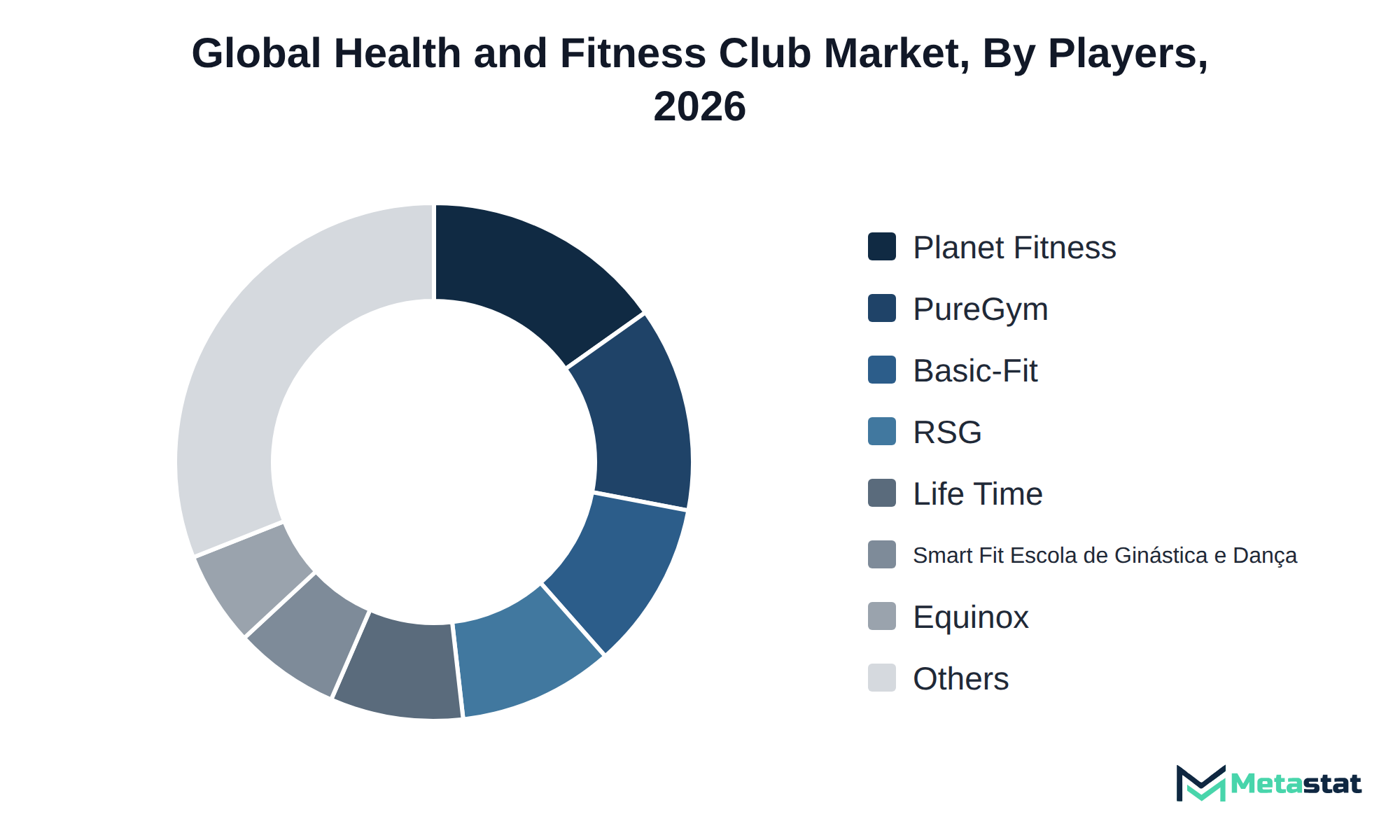
Competition within the Health and Fitness Club market is marked by various strategies across different segments. Companies differentiate themselves based on service type, pricing, and customer engagement. General-purpose gyms, full-service health clubs, and boutique fitness studios cater to distinct consumer preferences, influencing purchasing decisions significantly.
In the market, open gym access remains popular due to its affordability, while instructor-led group training attracts customers seeking guided experiences. Notable players like Planet Fitness, Inc. emphasize low-cost memberships, appealing to individual residents, while Equinox Group focuses on premium offerings to attract higher-end clientele. Firms like RSG Group GmbH operate a variety of health clubs, providing a range of fitness options to appeal to diverse audiences.
Customization significantly influences consumer choices, with companies offering tailored training plans and community engagement. For instance, Xponential Fitness, Inc. provides multiple fitness formats, allowing members to select from various training styles. Crunch Fitness stands out by promoting a fitness community atmosphere, enhancing customer loyalty through group engagement and social interaction.
This growth hinges on several critical developments within the Health and Fitness Club market. Firstly, the expansion of general-purpose gyms will play an essential role, with significant investments expected to boost memberships and services. Secondly, the increasing popularity of instructor-led group training will drive engagement, with anticipated growth to USD 77.5 billion by 2033. This approach aligns with rising consumer preferences for community-driven fitness experiences. However, challenges including economic downturns could hinder growth. Decreased consumer spending affects memberships and service uptake across all segments, particularly in regions like Europe, where market share stands at 22.1%. Addressing these risks while maintaining a strong focus on innovation and customer retention will be crucial for the market to achieve its forecasted size. The relationship of these factors will shape the trajectory of the Health and Fitness Club market through 2033.
By Service Type: Open Gym Access, Instructor-Led Group Training, One-to-One Personal Training
By Payment Model: Membership Subscriptions, Prepaid Session Packages, Single-Visit Purchases
By Customer Type: Individual Residents, Domestic Visitors, International Visitors, Organizational Accounts
The report strategically identifies and profiles the key market players and analyses their core competencies in each sub-segment of the Health and Fitness Club market.
Report Attributes | Details |
Study Period | 2021-2033 |
Base Year | 2025 |
Estimated Year | 2026 |
Forecast Period | 2026-2033 |
Historical Period | 2021-2025 |
Growth Rate | CAGR 9.4% from 2026 to 2033 |
Revenue Unit | USD billion |
Segmentation | By Facility Format, Service Type, Payment Model, Customer Type, and Region |
By Region | North America (By Facility Format, Service Type, Payment Model, Customer Type, and Country)
|
Europe (By Facility Format, Service Type, Payment Model, Customer Type, and Country)
| |
Asia Pacific (By Facility Format, Service Type, Payment Model, Customer Type, and Country)
| |
South America (By Facility Format, Service Type, Payment Model, Customer Type, and Country)
| |
Middle East and Africa (By Facility Format, Service Type, Payment Model, Customer Type, and Country)
|
Find answers to common questions about this report
The Health and Fitness Club market size was valued at USD 122.6 billion in 2025.
The market is projected to grow at a CAGR of 9.4% during the forecast period from 2026 to 2033.
The North America Health and Fitness Club market size is estimated to reach USD 100 billion by 2033.
The leading segment in the Health and Fitness Club market is Membership Subscriptions, with a projected value of USD 201.4 billion by 2033. This segment demonstrates significant growth potential, driven by increasing consumer engagement and demand for fitness services.
Increased consumer awareness surrounding health and wellness drives higher spending on fitness memberships. Innovations in fitness technology significantly impact consumer engagement, enhancing user experience and supporting higher membership retention rates.
North America holds the dominant share of the Health and Fitness Club market, with a projected value of USD 100 billion in 2033, representing 42.4 percent of the total market. This region significantly outpaces others in terms of market share.
Price sensitivity significantly impacts membership uptake, leading to slower adoption rates in segments with higher fees. Rising costs associated with hiring skilled trainers and fitness professionals present a challenge, as clubs struggle to balance competitive compensation with maintaining profitability.
Increased consumer awareness of health and wellness drives higher spending on fitness memberships. The rising preference for instructor-led group training presents significant growth opportunities, with this segment projected to reach USD 77.5 billion by 2033. These factors contribute to stronger adoption rates within the Health and Fitness Club market.
The Health and Fitness Club market is estimated to reach a valuation of USD 252.3 billion by 2033.
Key players operating in the Health and Fitness Club market include Planet Fitness, Inc., Purpose Brands, Smart Fit Escola de Ginástica e Dança S.A., Basic-Fit N.V., RSG Group GmbH, PureGym Group, and Life Time Group Holdings, Inc.
The analysts below cover Healthcare research at Metastat Insights.
LEAD ANALYST
Utkarsh Khirodkar is a Lead Market Research Analyst at MetaStat Insight, specializing in market intelligence, technology sector assessments, and competitive strategy.

LEAD PRINCIPAL ANALYST, PHARMA AND HEALTHCARE
Food and Beverages · Healthcare · Healthcare IT · Medical Devices
Ajay Devgire is the Lead Healthcare Analyst at MetaStat Insight, leading strategic research and market intelligence initiatives across the global healthcare domain.
Tracking ceramic matrix composite adoption in high-bypass aero engines requires strict attention to material qualification cycles and FAA airworthiness testing milestones. The MetaStat Insight team provided a detailed timeline of silicon carbide fiber manufacturing capacity and commercial foundry lead times. Having clear visibility into upstream thermal barrier coating supply helped us stress-test our long-term component procurement strategy.
Transitioning ultra-class mining haul trucks to alternative power requires concrete data on remote hydrogen refueling infrastructure economics. The report evaluated megawatt-scale electrolyzer installation expenses, onsite storage safety mandates, and heavy-duty fuel cell stack degradation under continuous duty cycles. That technical rigor helped our engineers benchmark realistic total operating cost horizons for off-highway fleet decarbonization.
Enterprise zero-trust network rollouts are often slowed down by multi-cloud transit latency and proprietary hardware retirement schedules. This study provided realistic total cost of ownership models comparing cloud-delivered security edge solutions against traditional hardware refreshes. The analysis of contract renewal lengths and software maintenance fees gave us clear visibility into enterprise replacement cycles over the next three to five years.
Explore related market intelligence reports worth reading alongside this one.