
LEAD ANALYST
Utkarsh Khirodkar is a Lead Market Research Analyst at MetaStat Insight, specializing in market intelligence, technology sector assessments, and competitive strategy.

Global Spa Services Market Size, Share, By Spa Type (Hotel and Resort Spas, Day and Salon Spas, Destination Spas, Medical Spas, Thermal and Mineral Spring Spas), By Service Type (Massage and Body Treatments, Facials and Skin Care, Salon Services, Hydrotherapy and Thermal Services, Medical and Aesthetic Treatments), By Booking Channel (On-Site and Walk-in Bookings, Online and Mobile App Bookings, Phone and Concierge Bookings), By End Use (Women, Men, Couples, Family and Group Customers), Industry Analysis, Growth, Trends, and Forecast, 2026-2033
Report ID
MSI-5719
Published
November, 2026
Pages
277 Pages
Format
Historical
Base year
Forecast
Forecast period
Report Details
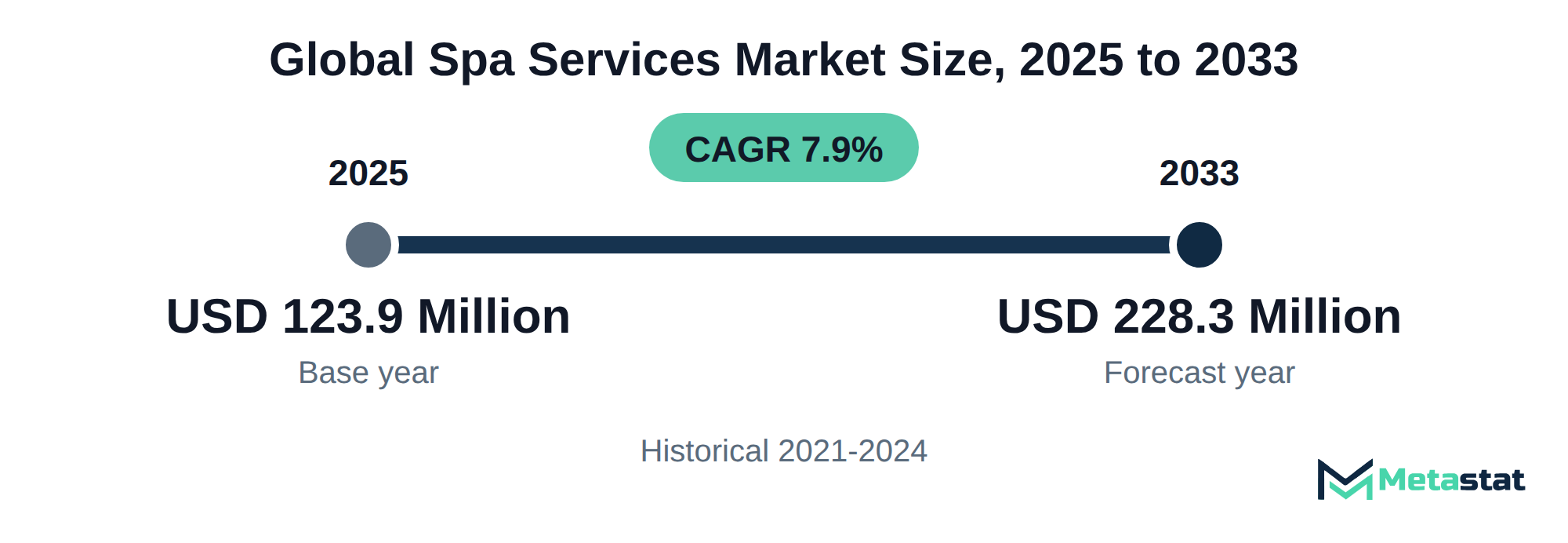
Market Valuation: Valued at $123.9 Million in 2025, projected to reach $228.3 Million by 2033 at a 7.9% CAGR.
Dominant Segment: The Hotel and Resort Spas segment leads the market, driven by a strong consumer preference for luxurious wellness experiences and comprehensive health solutions.
Geographic Lead: North America is the leading region, with the US expected to maintain its dominance due to a robust tourism infrastructure and high consumer spending on spa services.
What's Inside: The report provides a detailed analysis of market dynamics, competitive landscape, and forecasts from 2026 to 2033, covering various segments, service types, and booking channels.
Emerging Trends: The rise of online and mobile app bookings is projected to grow significantly, reflecting a shift towards convenience and instant access to spa services, appealing particularly to younger demographics.
Consumer Insights: Increased spending among women on spa services highlights a growing trend towards self-care and wellness, with projected growth from USD 72.8 million to USD 119.1 million by 2033.
Choose Your License
Global Spa Services Market
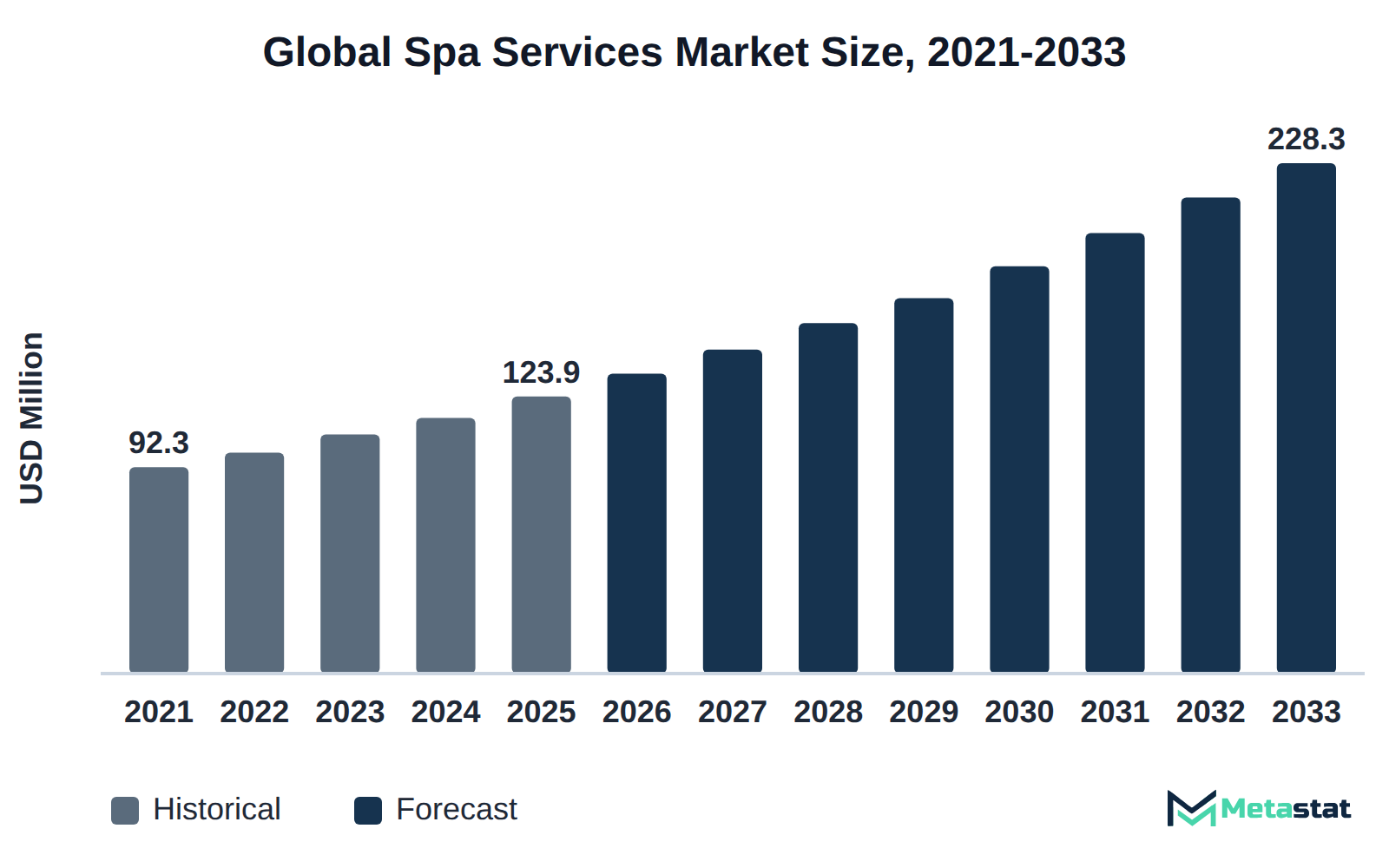
The global Spa Services market was valued at USD 123.9 million in 2025 and is projected to reach USD 228.3 million by 2033, growing at a CAGR of 7.9% over the forecast period.
The Spa Services market encompasses a range of relaxation and wellness offerings, including massages, facials, and body treatments. Buyers invest in these services primarily due to the growing emphasis on health, wellness, and self-care. Consumers seek rejuvenation and stress relief, driving demand across various demographics, particularly among women and couples.
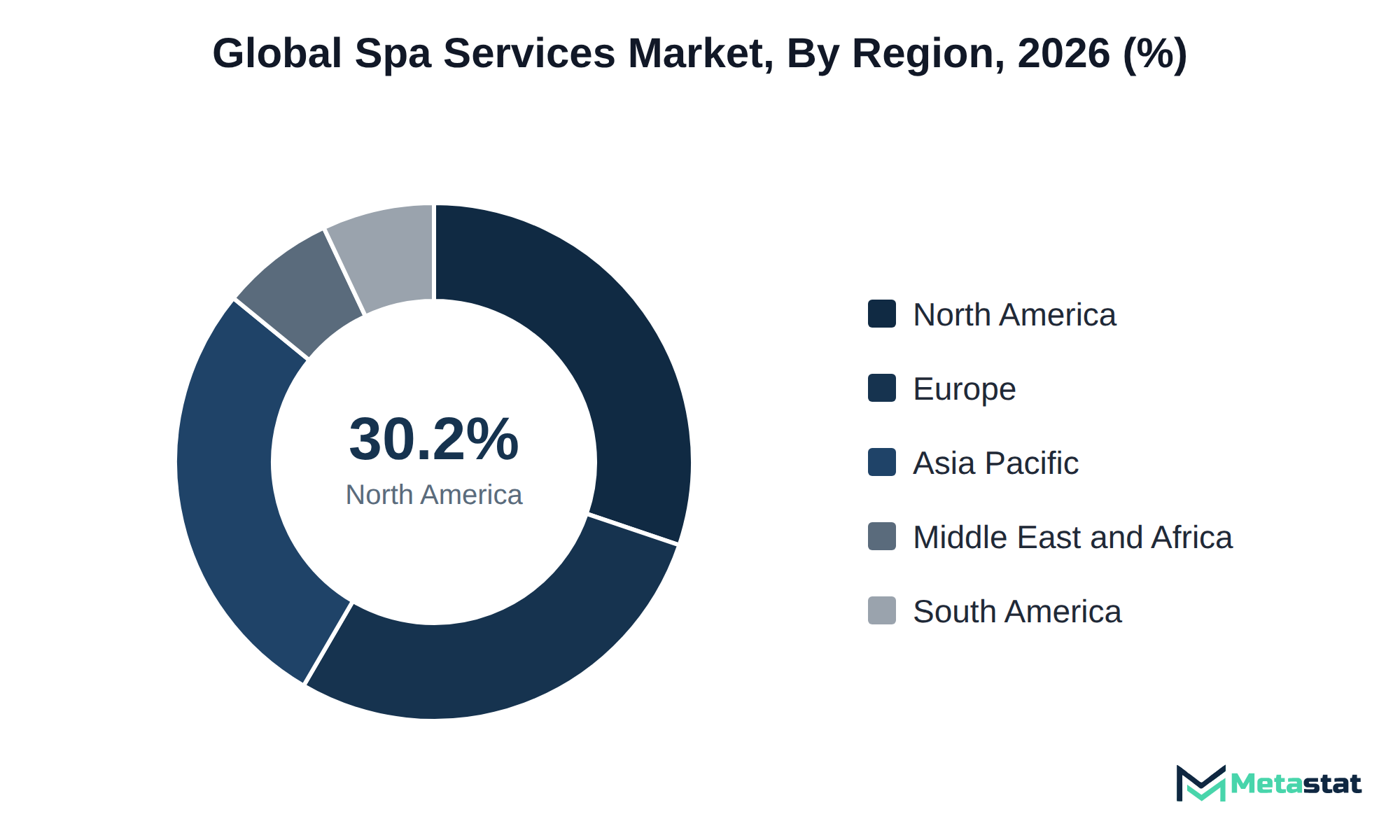
Growth in the market stems from several factors, including increased disposable income and a greater focus on well-being. The segment of Hotel and Resort Spas dominates in value, reflecting the popularity of relaxation and luxury vacations. North America holds 30.2% of the market in 2025, with the US leading in 2026. This region benefits from a strong tourism infrastructure and a high standard of living, encouraging significant spending on spa services.
Another growth driver is the expansion of online booking channels, which makes spa services easier to access. This shift in consumer behavior facilitates increased bookings and enhances customer engagement. The market adapts to changing consumer preferences, including a priority on convenience and personalized experiences.
The Spa Services market serves a diverse clientele seeking relaxation, rejuvenation, and wellness through various treatments. Buyers invest in these services due to rising health awareness and the growing emphasis on mental well-being. The sector offers massages, facials, and body treatments, catering to both individual preferences and the need for social interaction during group visits.
Driving factors for growth include an increase in disposable income and a shift towards wellness-oriented lifestyles. Among the segments, Hotel and Resort Spas hold the largest value, reflecting a preference for luxurious experiences. This region's strong presence stems from the considerable number of high-end establishments and a well-developed tourism infrastructure.
The segment of Online and Mobile App Bookings is expected to experience the highest growth due to the increasing convenience of digital platforms. Consumers appreciate the ability to book appointments at their convenience, significantly influencing their choice of service providers. The expansion of technology in this market supports broader access to Spa Services, enhancing customer engagement and retention.
Investments in hotel and resort spas have begun to transform premium wellness experiences, reflecting a growing consumer preference for comprehensive health solutions. This trend is particularly evident in the Hotel and Resort Spas segment, which is projected to reach USD 67.3 million by 2033, growing at a compound annual growth rate (CAGR) of 8.1% from 2026. The increasing demand for high-quality wellness services has led hotels and resorts to integrate smart hospitality technologies into their spa offerings. Features including personalized wellness programs, artificial intelligence-driven consultations, and enhanced relaxation amenities improve the consumer experience.
These innovations attract discerning clientele and differentiate establishments in a competitive market. The spa services market benefits from a shift towards tailored experiences, appealing to both existing customers and new segments. Enhanced offerings support higher price points, thus improving revenue potential for spa operators. With the global focus on health and wellness, investments in advanced spa technology position hotels and resorts as leaders in the wellness tourism sector, driving increased occupancy rates and guest satisfaction.
The spa services market experiences significant growth in medical and aesthetic treatments, which influences buyers' purchasing and payment strategies. The introduction of more specialized services has led to a shift in pricing models, particularly for medical spas. Pricing for these services reflects the advanced training and expertise required, with significant price variations depending on the treatment type and provider.
Medical spas will see a compound annual growth rate (CAGR) of 9.9%. This growth correlates with increased demand for treatments that deliver both wellness and aesthetic enhancements. Buyers, including individuals seeking personal treatments and corporate clients looking for wellness packages, face tiered pricing structures that include consultations, treatment packages, and follow-up services.
The evolving pricing models encourage buyers to seek value-driven options while balancing quality and cost. Providers in the market adapt their pricing strategies to offer competitive packages, enhancing customer satisfaction. Diversified service offerings increase revenue and strengthen the position of medical spas within the broader spa services market.
The rise of mobile booking platforms influences customer access to day spas significantly. This shift aligns with the increasing consumer preference for convenience and instant access to services. In the Spa Services market, online and mobile app bookings are projected to reach USD 59.1 million by 2033, reflecting a compound annual growth rate of 12.1%. This trend demonstrates a clear move towards digital solutions that appeal particularly to younger demographics, including millennials and Generation Z, who prioritize ease of booking and immediate service availability.
Membership models further shape the spa services market by promoting customer loyalty and repeat visits. These models typically offer benefits including discounted rates and exclusive access to services, appealing to frequent users looking for value. The Spa Services market has seen a notable increase in membership-driven business strategies, with operators recognizing that consumers increasingly seek personalized experiences. By offering tailored packages through membership, spas enhance customer satisfaction and secure a steady revenue stream.
Ayurvedic and personalized treatments are transforming the Spa Services market by offering tailored wellness experiences that appeal to consumers seeking comprehensive health solutions. The increasing demand for individualized health care prompts spas to incorporate traditional practices alongside modern therapies. For instance, the Medical Spa segment, which emphasizes personalized treatments, demonstrates significant growth, projected to expand at a compound annual growth rate (CAGR) of 9.9%. This growth reflects a shift in consumer preferences toward customized wellness offerings that address specific health concerns.
The market's expansion in Ayurvedic treatments aligns with a broader trend of integrating comprehensive methods into mainstream wellness practices. Clients increasingly seek therapies that relax the body and enhance overall well-being. This inclination toward personalized experiences supports higher customer retention and encourages upselling of services, ultimately contributing to increased revenue for spa operators. By investing in unique Ayurvedic and personalized treatment options, spas position themselves to meet evolving consumer demands and differentiate their offerings in the competitive environment.
Women represent a significant demographic in the Spa Services market, driving demand for various treatments. A noticeable shift toward self-care and wellness among women has led to increased spending on spa services. This change reflects a growing recognition of the importance of mental and physical well-being. The desire for relaxation and rejuvenation has prompted women to prioritize spa visits, resulting in higher service volumes and revenues. From 2026 to 2033, spending by women on spa services is expected to grow from USD 72.8 million to USD 119.1 million, reflecting a compound annual growth rate of 7.3%. This trend highlights the market's responsiveness to evolving consumer preferences, particularly in the area of personal wellness. The increased focus on health and beauty among women strengthens overall market growth.
Increased male participation in wellness is driving market expansion. Men increasingly seek spa services, contributing to market growth. The evolving perceptions of masculinity and self-care encourage men to pursue various treatments, which supports overall growth. The Spa Services market benefits from this growing acceptance among men, with spending projected to reach USD 61.3 million by 2033, driven by an annual growth rate of 8.4%. This trend illustrates how the market adapts to changing consumer behaviors and preferences, further enhancing demand. The widening scope of services appeals to a broader range of clients, enhancing market potential.
Technological advancements in spa services improve efficiency and customer satisfaction. Innovations including automated booking systems and mobile applications streamline service delivery, facilitating easier access for clients. Enhanced equipment for facial and body treatments increases effectiveness and shortens treatment times, attracting a wider clientele. The growing adoption of virtual reality experiences and wellness technologies provides immersive relaxation options, appealing to tech-savvy consumers seeking unique experiences.
These technologies lead to enhanced operational workflows, benefiting both service providers and clients. The Spa Services market experiences an increase in consumer adoption due to improved service quality and accessibility driven by these innovations. In this competitive market, service providers that use technology to optimize operations gain an edge and capture a larger market share. Such developments show why providers should integrate emerging technologies to meet changing customer preferences and demands.
Price sensitivity among consumer segments presents a significant restraint affecting demand for spa services. Many individuals prioritize budget considerations when selecting wellness treatments, leading to slower adoption rates, especially among families and group customers. Allocating spending towards essentials often results in reduced frequency of visits or smaller service packages, impacting overall revenue for providers. High service costs deter potential customers seeking affordable alternatives, ultimately influencing competitive dynamics within the market.
Particularly, younger demographics exhibit greater price sensitivity, impacting their willingness to spend on premium spa experiences. This trend promotes a growing interest in discount offerings and promotional deals among service providers, which could dilute pricing structures. The market faces challenges in maintaining profitability while addressing the diverse needs of cost-conscious consumers.
Talent shortages represent a significant challenge affecting operational efficiency in the Spa Services market. Rising demand for skilled therapists and wellness professionals strains the supply chain, leading to increased labor costs. Many spas face difficulties in hiring and retaining qualified staff, impacting service delivery and customer satisfaction. Suppliers respond by investing in training programs to enhance the skills of existing employees, ensuring a more competent workforce. Several establishments explore partnerships with educational institutions to create a pipeline of trained professionals. The emphasis on employee retention strategies, including improved compensation packages and benefits, aims to mitigate staff turnover rates. By addressing talent shortages, companies aim to improve service quality and support growth across the industry.
Online and mobile app bookings represent a significant growth opportunity within the Spa Services market, exhibiting a compound annual growth rate of 12.1%. The shift toward digital platforms aligns with changing consumer behavior, particularly among tech-savvy individuals seeking convenience in scheduling spa services. This segment's anticipated value of USD 59.1 million by 2033 reflects the increasing reliance on technology for service accessibility and consumer engagement.
Focusing on enhancing online booking experiences allows businesses to capitalize on a demand surge driven by consumers preferring instant access and flexibility. This approach meets changing client expectations and can increase revenue. Growth in this segment highlights the importance of integrating user-friendly interfaces and promotional strategies that appeal to a digitally inclined audience, ultimately strengthening market positioning in a competitive environment.
The Global Spa Services market is segmented based on Spa Type, Service Type, Booking Channel, and End Use.
This segment serves luxury travelers and wellness enthusiasts seeking high-quality, immersive experiences that combine relaxation, beauty, and wellness. The growing trend toward comprehensive health solutions significantly influences demand, particularly among affluent consumers who prioritize wellness during their travels. Compared to other segments, Hotel and Resort Spas exhibit a higher growth rate, reflecting a robust consumer preference for premium services. In contrast, Day and Salon Spas, while popular, grow at a slower rate of 7.3%. The emphasis on creating exclusive environments within luxury hotels and resorts sets this segment apart, offering unique amenities and personalized services that appeal to discerning clients.
Day and Salon Spas segment is estimated to reach USD 69 million by 2033, at a CAGR of 7.3% during the forecast period. This segment primarily serves individuals seeking quick and accessible wellness treatments, fitting seamlessly into busy lifestyles. The drive towards self-care and convenience fuels increasing demand, particularly among women who prioritize wellness and relaxation. In comparison to Hotel and Resort Spas, Day and Salon Spas typically offer lower-priced services, appealing to a broader audience. This segment stands out with its agility in service delivery, capitalizing on the trend of online and mobile app bookings, which is projected to grow at a CAGR of 12.1%. The emphasis on affordability and accessibility positions Day and Salon Spas as a vital component of the Spa Services market, contributing significantly to overall market expansion.
Destination Spas segment is expected to reach USD 29.5 million by 2033. This segment focuses on providing immersive wellness experiences in tranquil locations, attracting individuals seeking relaxation and rejuvenation away from their daily routines. The growing recognition of wellness tourism drives demand, with travelers increasingly prioritizing health-focused getaways. Compared to other spa types, Destination Spas typically feature higher prices due to their unique offerings and serene environments. This segment's growth rate outpaces that of Day and Salon Spas, with a compound annual growth rate (CAGR) reflecting the rising trend in personalized wellness experiences and health solutions. Increased investments in luxury amenities and tailored wellness programs cater to affluent clientele, further enhancing its appeal. The market continues to evolve, reflecting changing consumer preferences toward comprehensive wellness experiences, differentiating it from the other segments in the Spa Services market.
Medical Spas are projected to grow at a CAGR of 9.9% during the forecast period. These establishments offer a combination of medical and spa treatments, attracting clients seeking relaxation and medical benefits. Typically, individuals with specific health concerns or those desiring aesthetic improvements frequent these spas. The growing awareness of wellness and preventive healthcare drives demand for medical spa services. This segment stands out with its higher price point compared to traditional spa offerings, appealing to a more affluent clientele. The integration of advanced technologies and personalized treatments enhances the appeal of medical spas, differentiating them from other segments in the market. Increasing consumer interest in health-oriented services fuels this growth, allowing medical spas to carve a significant niche in the overall Spa Services market.
Thermal and Mineral Spring Spas provide natural thermal waters and mineral-rich environments to deliver therapeutic experiences. These spas attract clients seeking health benefits through hydrotherapy and relaxation. Consumers often include wellness enthusiasts and individuals recovering from physical ailments. The segment benefits from growing awareness of health and wellness, influencing more consumers to seek out these specialized services. Compared to other segments, this sub-segment often commands higher prices due to the unique nature of its offerings. While the market demonstrates robust demand for a variety of spa experiences, the focus on therapeutic benefits distinguishes it from segments including Day and Salon Spas, which typically cater to more general relaxation needs. The emphasis on natural elements and therapeutic practices reflects a growing trend toward integrative health solutions.
Club and Cruise Spas offer unique experiences, often combining relaxation treatments with leisure activities in a social environment. Typically catering to travelers and guests on cruise ships, these spas provide a variety of services aimed at rejuvenation and wellness. The increasing trend of wellness and the growing popularity of cruise travel drive demand for these services, as vacationers seek to enhance their experiences. This segment distinguishes itself from other spa types due to its focus on leisure and enjoyment, often featuring amenities like pools and fitness classes that complement traditional spa offerings. Unlike hotel and resort spas, which emphasize luxury accommodations, Club and Cruise Spas prioritize accessibility and social engagement, creating a different customer experience that appeals to diverse groups, including families and young couples.
Massage and Body Treatments segment is valued at USD 51.3 million in 2026 and is projected to reach USD 83.5 million by 2033, at a CAGR of 7.2% during the forecast period. This segment primarily serves individuals seeking relaxation, stress relief, and therapeutic benefits, appealing to both men and women. Increasing awareness of health and wellness contributes to the segment's growth. Rising interest in health approaches drives demand for massage techniques that alleviate physical discomfort and enhance mental well-being. Compared to the Facials and Skin Care segment, which has a higher projected CAGR of 8.2%, Massage and Body Treatments exhibit a more gradual growth trajectory. The affordability of massages and body treatments makes them accessible to a broader customer base, supporting sustained demand in the Spa Services market.
Facials and Skin Care segment is estimated to reach USD 45.3 million by 2033, at a CAGR of 8.2% during the forecast period. This segment focuses on enhancing personal appearance and skin health through various treatments, appealing primarily to individuals seeking rejuvenation and skincare solutions. Rising consumer awareness of skincare benefits and increasing demand for beauty treatments drive this segment, attracting a diverse clientele, including both men and women. Compared to other service types, Facials and Skin Care enjoys faster growth, with a CAGR of 8.2%, indicating a strong trend among consumers prioritizing self-care and aesthetic enhancement. Innovations in skincare products and techniques further support the segment's growth, leading to enhanced treatment effectiveness and consumer satisfaction. This trend differentiates it from other services, including Massage and Body Treatments, which show a lower CAGR of 7.2%. The dynamic nature of the Facials and Skin Care segment contributes significantly to the overall performance of the market.
Salon Services segment is expected to reach USD 24.6 million by 2033. This segment encompasses a range of beauty salon treatments, including haircuts, coloring, and styling, catering primarily to individuals seeking personal grooming and aesthetic enhancements. Demand for salon services reflects trends in consumer preferences for self-care and appearance, influencing growth. A strong driver within this segment is the increasing focus on personal grooming among both men and women, with men’s participation projected to grow at a CAGR of 8.4%. In comparison, Salon Services exhibit slower growth relative to Massage and Body Treatments, which is expected to reach USD 83.5 million by 2033, growing at a CAGR of 7.2%. This slower trajectory indicates distinct consumer behaviors and preferences, emphasizing the role of personalized grooming experiences in shaping market dynamics.
Hydrotherapy and Thermal Services segment is projected to grow at a CAGR of 7.4% during the forecast period. This segment focuses on water-based treatments for therapeutic benefits and relaxation, appealing primarily to individuals seeking wellness and stress relief. Increasing health consciousness among consumers drives demand for these services, especially among wellness tourists looking for comprehensive experiences. Unlike other service types, Hydrotherapy and Thermal Services often command higher prices due to their specialized nature and unique offerings. The segment's growth is influenced by rising disposable incomes and a shift towards preventive health measures, distinguishing it from more traditional services that grow at a slower pace. Target demographics include women and health-conscious individuals, contributing to the sustained expansion of the spa services market.
Medical and Aesthetic Treatments involve various aesthetic procedures aimed at enhancing physical appearance and addressing specific health concerns. Individuals seeking these treatments include those focused on anti-aging, skin rejuvenation, and cosmetic enhancements. The segment experiences growth driven by increasing awareness of personal wellness and aesthetics. Rising consumer interest in non-invasive procedures increases demand for medical spas, which offer specialized treatments including injectables, laser therapies, and skin resurfacing. Compared to other segments in the market, this area benefits from a higher price point attributed to advanced technology and specialized expertise. The preference for personalized and effective treatments distinguishes this segment, positioning it uniquely within the broader Spa Services market.
Mindfulness and Fitness Sessions focus on overall well-being, incorporating practices that promote mental clarity and physical health. These offerings attract individuals seeking relaxation and stress relief, appealing to health-conscious consumers interested in enhancing their overall quality of life. The increasing awareness of mental health’s importance drives demand for these services, reflecting a broader trend toward wellness and self-care. This segment differentiates itself from traditional services by emphasizing mental well-being and lifestyle improvements rather than just physical treatments. The growing interest in personal health and fitness, particularly among younger demographics, supports the expansion of this segment, positioning it uniquely within the market. Emphasizing personalized wellness experiences enhances its appeal, contributing to a competitive edge compared to more conventional spa offerings.
On-Site and Walk-in Bookings segment is valued at USD 93.4 million in 2026 and is projected to reach USD 146.7 million by 2033, at a CAGR of 6.7% during the forecast period. This segment primarily serves customers seeking immediate access to spa services without prior reservations, appealing predominantly to spontaneous clientele and tourists. Factors driving growth in this segment include increasing consumer interest in wellness and relaxation experiences, which fuels demand for flexible booking options. The segment differs from Online and Mobile App Bookings, which is expected to grow at a faster rate of 12.1% during the same period, indicating a shift in consumer preferences toward digital solutions. In contrast, On-Site and Walk-in Bookings provide an immediate, personal experience, catering to customers who prioritize convenience and direct interaction with service providers, contributing to the overall growth of the market.
This segment primarily facilitates the booking of spa services through digital platforms, catering to tech-savvy consumers seeking convenience and efficiency. The increasing adoption of smartphones and internet access among various demographics drives demand for online booking options. This segment distinguishes itself by exhibiting a higher growth rate compared to traditional booking methods, including on-site and walk-in bookings, which are growing at a CAGR of 6.7%. The shift towards online and mobile app bookings aligns with broader consumer trends emphasizing instant access and user-friendly interfaces, enhancing overall customer satisfaction in the market.
Phone and Concierge Bookings segment is expected to reach USD 15.8 million by 2033. This segment serves customers seeking personalized assistance for booking spa services, appealing to individuals preferring direct communication. Growth in this segment is influenced by demand for tailored experiences in the spa services market, particularly among older demographics who favor traditional booking methods. Unlike segments including Online and Mobile App Bookings, which grow rapidly at a CAGR of 12.1%, Phone and Concierge Bookings exhibit a slower growth pattern, driven by a CAGR of 6.5%. The difference in growth rates reflects a distinct preference shift, where a younger clientele increasingly opts for convenience through digital channels, while older customers remain dedicated to personal interaction.
Others (Membership and Corporate Bookings) segment is projected to grow at a CAGR of 6.5% during the forecast period. This segment serves businesses and organizations looking to provide wellness benefits for employees or members through spa services. The increasing focus on employee wellness and stress reduction drives demand, contributing to its growth. Corporate clients often seek package deals and membership options, allowing for bulk purchases, which differ from individual consumer spending habits. Compared to other booking channels, this segment experiences more stable demand, with contracts and memberships providing a consistent revenue stream. In contrast, the On-Site and Walk-in Bookings segment experiences fluctuations based on consumer traffic. The increasing emphasis on health and wellness within corporate environments supports the expansion of this segment, creating opportunities for spa service providers to tap into a steady clientele.
Valued at USD 72.8 million in 2026, this segment is projected to reach USD 119.1 million by 2033, at a CAGR of 7.3% during the forecast period. Women seek spa services primarily for relaxation, stress relief, and personal care. Demand is driven by increasing awareness of wellness and self-care trends, along with rising disposable incomes that allow for spending on personal grooming and pampering services. This segment exhibits a growth rate slower than the Medical Spas segment, which has a projected CAGR of 9.9%. Women often seek a more extensive range of services, including specialty treatments, compared to other segments, illustrating a distinct focus on comprehensive wellness experiences. The Spa Services market continues to evolve, with women driving consumer demand and highlighting their critical role in shaping the market direction.
Men segment is estimated to reach USD 61.3 million by 2033, at a CAGR of 8.4% during the forecast period. This segment focuses on providing spa services tailored to male clients, including treatments specifically designed for their needs and preferences. Increased awareness of personal grooming and wellness among men drives demand for these services. Compared to other segments, including Women, this sub-segment experiences significant growth but remains lower in overall value. Higher acceptance of spa treatments among men contributes to the expansion of this segment, emphasizing a unique approach to wellness and relaxation. In the Spa Services market, the increasing trend toward self-care and grooming continues to support the segment's growth trajectory.
Valued at USD 21.6 million by 2033, the Couples sub-segment caters to couples seeking shared wellness experiences through various spa services. This segment attracts couples looking for relaxation, bonding, and rejuvenation during special occasions or getaways. Key drivers of growth include increasing awareness of wellness benefits and the rising trend of experiential spending among couples. Compared to other segments, Couples experiences often command higher prices due to the tailored nature of services offered, including couples massages and private spa suites. This segment is projected to grow at a significant rate, supported by evolving consumer preferences prioritizing shared experiences over conventional individual treatments. The market reflects a shift towards personalized offerings that enhance customer satisfaction and loyalty, contributing to the overall expansion of the Spa Services market.
Family and Group Customers segment is projected to grow at a CAGR of 11% during the forecast period. This segment targets clients seeking shared relaxation experiences, often including family gatherings, celebrations, or group outings. The demand for quality time spent together during wellness treatments drives this segment's growth. Customized packages tailored for families and groups attract larger bookings, enhancing the overall experience. Increased interest in wellness tourism acts as a catalyst, pushing this segment forward. Compared to other end-use categories, Family and Group Customers demonstrate a higher growth rate. The appeal of shared experiences contributes to this segment's unique positioning within the Spa Services market.
This sub-segment comprises services provided through corporate and medical referrals, catering to a specific clientele that includes employees receiving wellness benefits and patients seeking therapeutic treatments. These services often target health improvement and stress reduction, aligning with organizational initiatives that promote employee wellness or medical recommendations for recovery. One driving force for this segment includes the increasing emphasis on workplace wellness programs, driven by businesses recognizing the advantages of investing in employee health. Referrals from medical professionals enhance credibility, influencing consumer choices. This segment typically experiences slower growth compared to others in the market, reflecting a more niche audience focused on specific health needs rather than broader wellness trends. While other segments, including salon services, appeal to a wider demographic, this segment remains distinct due to its focused approach and specialized service offerings.
Based on geography, the Global Spa Services market is divided into North America, Europe, Asia-Pacific, South America, Middle East, and Africa.
North America is a significant player in the Spa Services market, projected to reach USD 65.2 million by the end of 2033. The region's demand is driven primarily by a focus on wellness and self-care among consumers in the United States, Canada, and Mexico. Urban areas in these countries often feature a high concentration of luxury resorts and day spas, catering to a clientele seeking relaxation and rejuvenation. The increasing popularity of wellness tourism supports growth within the hospitality sector, with hotels and resorts incorporating spa services as essential offerings to attract visitors. Infrastructure improvements in urban centers facilitate access to these services, enhancing consumer convenience.
The European market for spa services ranks as one of the most significant segments globally, accounting for 28.2% of the share in 2025. High consumer demand drives growth in the region, especially in countries like Germany, France, and the UK, where wellness experiences remain popular. Increasing awareness of health and wellness, along with enhanced disposable income levels, supports investment in spa facilities. Several consumers prioritize luxurious experiences, which increases the popularity of hotel and resort spas. The rise in online and mobile app bookings has transformed how clients schedule appointments, further boosting accessibility. The market experiences rapid expansion in the facial and skin care segment, driven by an aging population seeking preventive treatments. Emerging trends in wellness and personalized services contribute to the evolving landscape of the spa services market.
Demand for spa services in Asia-Pacific is driven by a growing interest in wellness and self-care among consumers, especially in countries like China, Japan, and India. Increasing disposable incomes in these nations contribute to higher spending on leisure activities, including spa treatments. The rise of wellness tourism attracts both international tourists and local clientele. Infrastructure developments in hospitality, particularly in hotel and resort spas, enhance the accessibility and appeal of spa services. The market in this region is projected to account for 27.5% of the global spa services market in 2025, reflecting a strong growth trajectory supported by evolving consumer preferences toward health and wellness.
Brazil and Argentina drive significant demand in the Spa Services market. Growing consumer awareness regarding wellness and self-care influences this trend. The region benefits from an expanding middle class, willing to invest in leisure and relaxation experiences. The presence of both international and local spa brands enhances options available to consumers. Infrastructure development, particularly in urban areas, supports access to spa services. The market share for South America stands at 7.0% in 2025, reflecting ongoing growth potential. Investment in marketing strategies targeting health-conscious individuals plays a critical role in promoting spa services, with consumers increasingly prioritizing personal well-being.
The Middle East and Africa region accounts for a 7.1% share of the global Spa Services market in 2025. Factors influencing demand include the increasing consumer focus on wellness and luxury experiences, particularly in countries like Saudi Arabia and the UAE. The growing middle class in these nations drives demand for high-quality spa services. South Africa contributes significantly, with a rising interest in wellness tourism leading to the expansion of local spa facilities. The market benefits from a robust tourism infrastructure, particularly in urban areas. Increasing disposable income among consumers in these countries supports growth, allowing for more frequent spa visits and an interest in premium services. The growth outlook for the region is positive, with wellness trends continuing to integrate into consumer lifestyles.
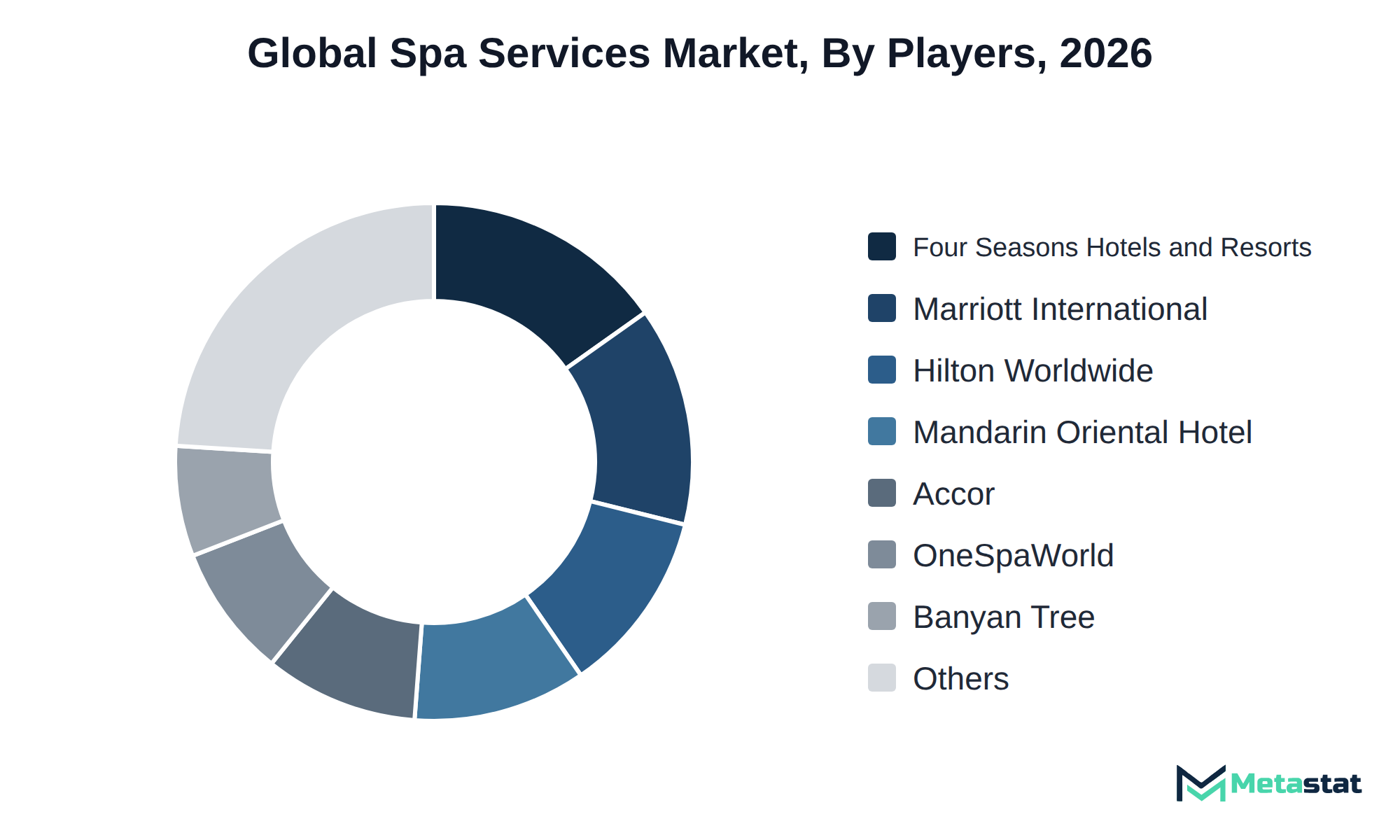
Companies in the Spa Services market adopt various strategies to differentiate their offerings. Many focus on enhancing customer experiences through luxurious service environments, wellness programs, and personalized treatments. For instance, Four Seasons Hotels and Resorts emphasizes high service quality, creating unique spa experiences that align with its luxury brand image. In contrast, Massage Envy targets a more value-oriented segment with affordable spa services and convenient accessibility, appealing to customers seeking regular treatments without premium pricing.
Buyers in the market prioritize factors including price, quality of service, and the range of available treatments when selecting a spa. High-end customers gravitate towards establishments like Mandarin Oriental Hotel Group and Six Senses Hotels Resorts Spas, which offer premium experiences and wellness solutions. Meanwhile, those seeking more practical options choose providers like Hand & Stone Massage and Facial Spa for their budget-friendly services and localized offerings. The competitive environment encourages companies to innovate and adapt to evolving consumer demand.
Increasing consumer preference for accessible booking options drives this trend, particularly among younger demographics in North America and Europe.
This segment thrives due to rising disposable incomes and a growing focus on wellness tourism, especially in Asia Pacific and North America.
However, potential economic downturns or shifting consumer priorities hinder growth in the Spa Services market. A decline in discretionary spending could lead to reduced visits to spas, particularly affecting segments including medical spas, which rely heavily on clientele seeking aesthetic treatments.
By Spa Type: Hotel and Resort Spas, Day and Salon Spas, Destination Spas, Medical Spas, Thermal and Mineral Spring Spas, Others (Club and Cruise Spas)
By Service Type: Massage and Body Treatments, Facials and Skin Care, Salon Services, Hydrotherapy and Thermal Services, Medical and Aesthetic Treatments, Others (Mindfulness and Fitness Sessions)
By Booking Channel: On-Site and Walk-in Bookings, Online and Mobile App Bookings, Phone and Concierge Bookings, Others (Membership and Corporate Bookings)
By End Use: Women, Men, Couples, Family and Group Customers, Others (Corporate and Medical Referrals)
The report strategically identifies and profiles the key market players and analyses their core competencies in each sub-segment of the Spa Services market.
Report Attributes | Details |
Study Period | 2021-2033 |
Base Year | 2025 |
Estimated Year | 2026 |
Forecast Period | 2026-2033 |
Historical Period | 2021-2025 |
Growth Rate | CAGR 7.9% from 2026 to 2033 |
Revenue Unit | USD million |
Segmentation | By Spa Type, Service Type, Booking Channel, End Use, and Region |
By Region | North America (By Spa Type, Service Type, Booking Channel, End Use, and Country)
|
Europe (By Spa Type, Service Type, Booking Channel, End Use, and Country)
| |
Asia Pacific (By Spa Type, Service Type, Booking Channel, End Use, and Country)
| |
South America (By Spa Type, Service Type, Booking Channel, End Use, and Country)
| |
Middle East and Africa (By Spa Type, Service Type, Booking Channel, End Use, and Country)
|
Find answers to common questions about this report
The Spa Services market size was valued at USD 123.9 million in 2025.
The market is projected to grow at a CAGR of 7.9% during the forecast period from 2026 to 2033.
The North America Spa Services market size is estimated to reach USD 65.2 million by 2033.
Medical Spas lead the Spa Services market with a compound annual growth rate of 9.9%. This segment's growth reflects increasing consumer interest in wellness and health-focused treatments.
Increased spending on spa services by women reflects a growing recognition of the importance of mental and physical well-being. The rising participation of men in wellness activities contributes to market expansion, driven by evolving perceptions of masculinity and self-care.
North America holds the dominant share of the Spa Services market, with a projected value of USD 65.2 million in 2033, representing 30.2 percent of the total market. This region leads in market share compared to Europe and Asia Pacific, which follow with shares of 28.2 percent and 27.5 percent, respectively.
Price sensitivity among consumer segments presents a significant restraint, as many individuals prioritize budget considerations when selecting wellness treatments. Talent shortages represent a challenge, straining the supply chain and leading to increased labor costs, which impacts service delivery and customer satisfaction.
The adoption of online and mobile app bookings significantly drives growth in the Spa Services market, expected to reach USD 59.1 million by 2033. This trend aligns with consumer preferences for convenience, highlighting the importance of integrating digital platforms to enhance service accessibility and engagement.
The Spa Services market is estimated to reach a valuation of USD 228.3 million by 2033.
Key players operating in the Spa Services market include Spa Ceylon Ayurveda Wellness, Four Seasons Hotels and Resorts, Marriott International, Inc., Mandarin Oriental Hotel Group, Hilton Worldwide Holdings Inc., and Rosewood Hotel Group.
The analysts below cover Healthcare research at Metastat Insights.
LEAD ANALYST
Utkarsh Khirodkar is a Lead Market Research Analyst at MetaStat Insight, specializing in market intelligence, technology sector assessments, and competitive strategy.

LEAD PRINCIPAL ANALYST, PHARMA AND HEALTHCARE
Food and Beverages · Healthcare · Healthcare IT · Medical Devices
Ajay Devgire is the Lead Healthcare Analyst at MetaStat Insight, leading strategic research and market intelligence initiatives across the global healthcare domain.
Decarbonizing industrial thermal processes hinges on refrigerant regulations and compressor efficiency limits. Metastat Insights delivered a thorough market analysis that evaluated natural refrigerants like CO2 and hydrocarbons against synthetic low-GWP alternatives. The breakdown of utility incentives and grid capacity constraints across key European manufacturing hubs offered valuable perspective. The follow-up conversation with their sector analysts addressed our specific questions on mechanical vapor recompression systems efficiently.
Assessing 200mm wafer transition schedules and substrate supply bottlenecks requires precise technical intelligence. MetaStat Insight supplied an actionable breakdown comparing planar and trench MOSFET architectures across automotive and industrial drive markets. The regional capacity estimates for Asia-Pacific foundries helped clarify lead-time uncertainties during our strategic planning session. When we needed additional clarification on high-purity raw material sourcing, their analyst team responded with helpful context within twenty-four hours.
Tracking maintenance cycle demand for secondary flight display units and terrain collision avoidance systems across regional jet fleets involves complex aftermarket dynamics. MetaStat Insight provided practical analysis separating airline retrofit programs from OEM forward-fit production schedules in North America and Southeast Asia. The supplier matrix highlighted component obsolescence timelines without resorting to vague generalizations. The dataset served as a dependable reference during our annual program review meetings.
Explore related market intelligence reports worth reading alongside this one.