
LEAD ANALYST
Utkarsh Khirodkar is a Lead Market Research Analyst at MetaStat Insight, specializing in market intelligence, technology sector assessments, and competitive strategy.

Middle East & Africa Teleradiology Services Market Size, Share, By Imaging Modality (X-Ray, Computed Tomography, Magnetic Resonance Imaging, Ultrasound, Mammography, Nuclear Medicine and PET-CT), By Service Delivery Model (Onshore, Offshore, Hybrid), By End User (Hospitals, Diagnostic Imaging Centers, Specialty Clinics, Ambulatory Care Centers), By Region (Saudi Arabia, United Arab Emirates, Egypt, South Africa, Nigeria, Rest of Middle East & Africa), Industry Analysis, Growth, Trends, and Forecast, 2026-2033
Report ID
MSI-5832
Published
November, 2026
Pages
306 Pages
Format
Historical
Base year
Forecast
Forecast period
Report Details
Market Valuation: Valued at $896.7 Million in 2025, projected to reach $6,225 Million by 2033 at a 27.4% CAGR.
Dominant Segment: The offshore service delivery model leads the market, driven by its cost-effectiveness and ability to provide services across geographical boundaries.
Geographic Lead: Saudi Arabia holds the largest regional share, supported by robust healthcare infrastructure and government initiatives to enhance medical services.
What's Inside: The report provides comprehensive competitive coverage, detailed analyses of market dynamics, and a forecast window extending to 2033.
Emerging Technologies: Advancements in imaging modalities, particularly AI integration, are enhancing diagnostic accuracy and operational efficiency, driving market growth.
X-Ray Modality Growth: The X-Ray segment is projected to grow significantly, reflecting the increasing demand for efficient imaging solutions in healthcare facilities.
Choose Your License
Middle East & Africa Teleradiology Services Market
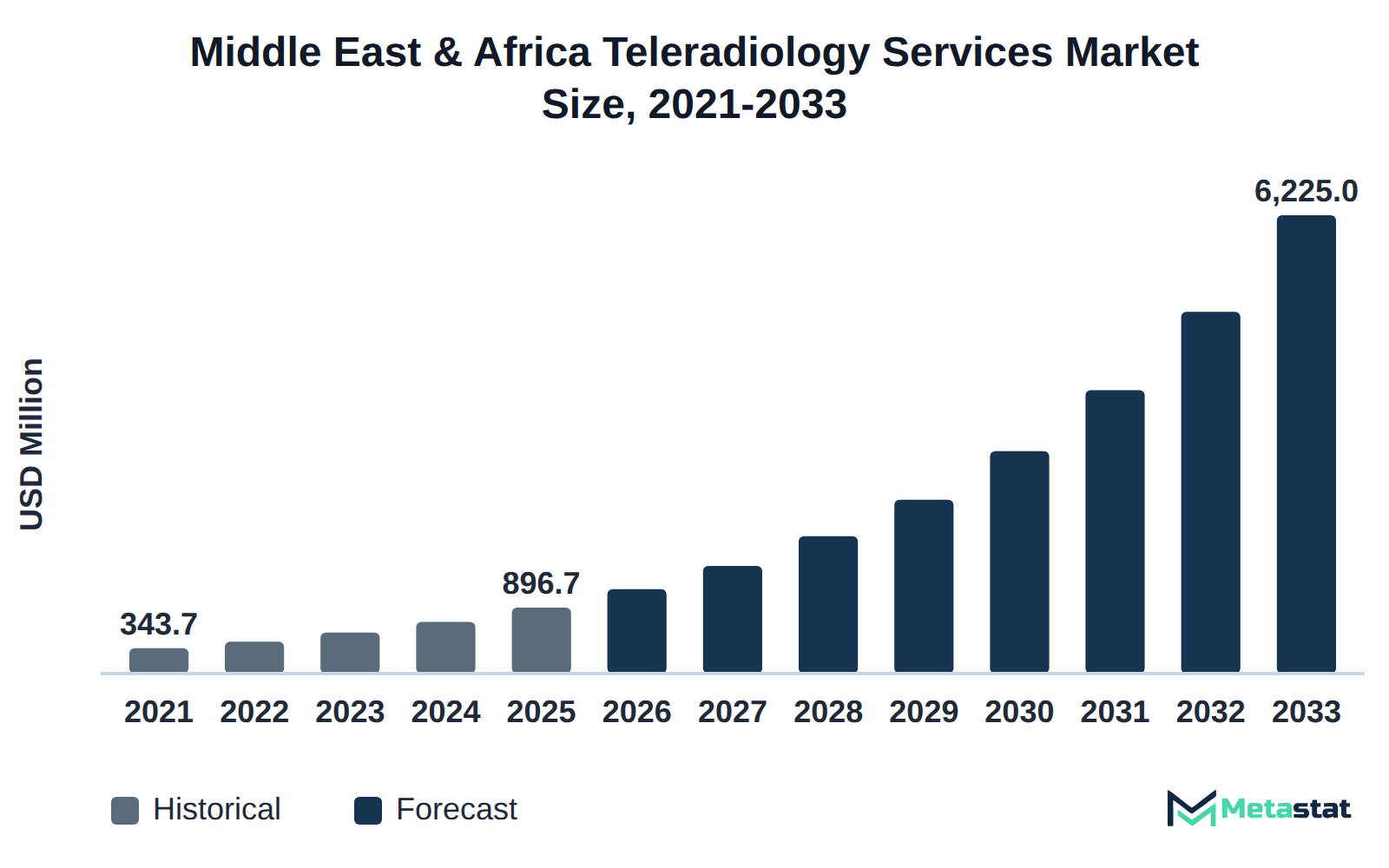
The Middle East & Africa Teleradiology Services market was valued at USD 896.7 million in 2025 and is projected to reach USD 6,225 million by 2033, growing at a CAGR of 27.4% over the forecast period.
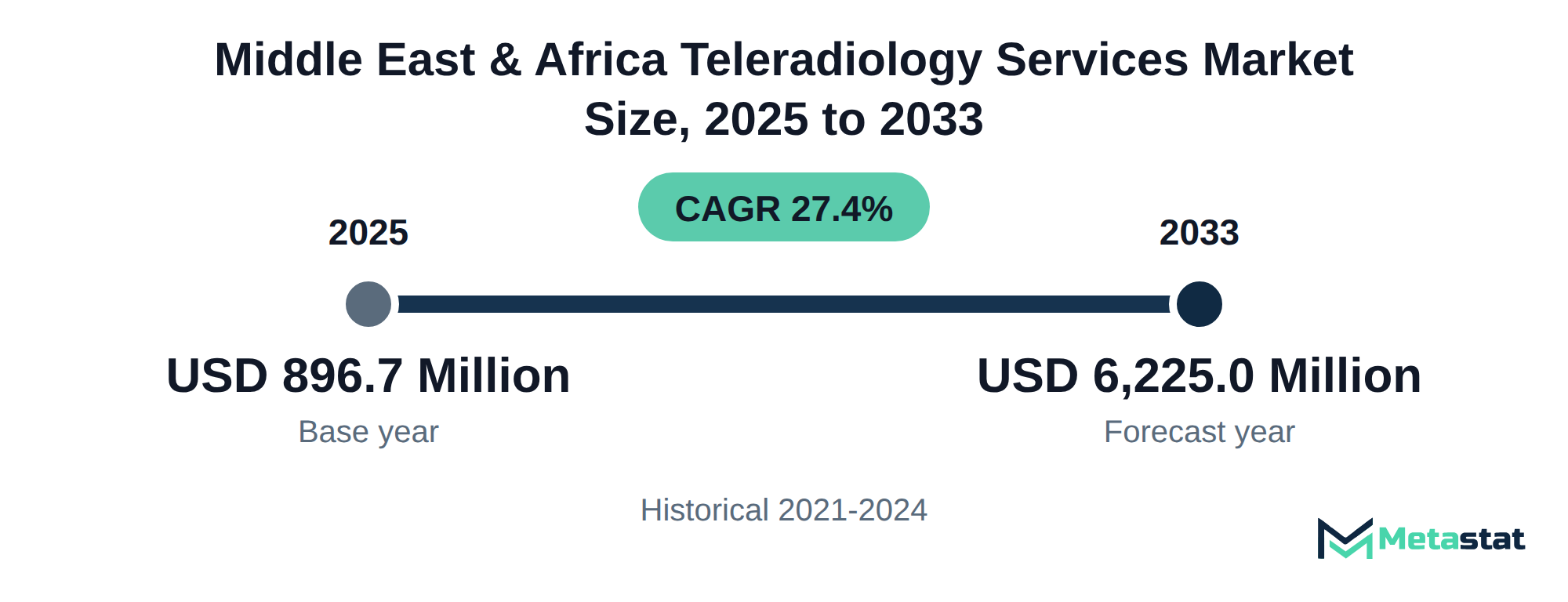
The Middle East & Africa Teleradiology Services market encompasses a range of diagnostic imaging services delivered remotely, facilitating timely and accurate medical assessments. Healthcare providers invest in these services to enhance patient care, reduce operational costs, and improve accessibility to specialized radiological expertise. The demand for efficient healthcare solutions drives expenditure in this sector, reflecting a broader trend towards digital health innovations.
Growth in the market is fueled by advancements in imaging modalities and the increasing prevalence of chronic diseases that require regular monitoring. Among the various segments, the offshore service delivery model stands out, demonstrating significant value due to its cost-effectiveness and ability to provide services across geographical boundaries. Saudi Arabia holds the largest regional share, driven by strong healthcare infrastructure and government initiatives aimed at enhancing medical services.
The rising adoption of artificial intelligence in radiology acts as a key growth driver, enabling improved diagnostic accuracy and efficiency. This technological integration supports healthcare professionals in managing large volumes of imaging data, ultimately enhancing patient outcomes. The Middle East & Africa Teleradiology Services market is projected to grow substantially as these trends in healthcare delivery continue.
The market encompasses a variety of services aimed at delivering remote diagnostic imaging, which supports healthcare providers in enhancing patient care and operational efficiency. Investment in these services reflects the urgency for rapid access to imaging evaluations, crucial in environments with limited access to specialized radiologists. The growing reliance on teleradiology aligns with advancements in telecommunications and healthcare technology, allowing institutions to manage patient loads effectively while maintaining high diagnostic standards.
Among the segments, the service delivery model of hybrid teleradiology services stands out with the highest revenue generation potential. This approach combines onshore and offshore capabilities, maximizing resource utilization and facilitating quicker turnaround times for image interpretation. The United Arab Emirates commands the largest share of the market, driven by a robust healthcare infrastructure and increasing adoption of digital health solutions across the region.
The primary driver for market growth is the increasing prevalence of chronic diseases, which necessitates continuous monitoring and timely diagnosis. Evolving healthcare systems accommodate a higher volume of patients, leading to rising demand for efficient teleradiology services. The market expansion is supported by the ongoing integration of artificial intelligence in imaging processes, enhancing diagnostic accuracy and operational workflows.
AI-assisted teleradiology is changing diagnostic practice across the Middle East & Africa Teleradiology Services market. This approach uses machine learning algorithms to improve the accuracy and efficiency of image analysis. The integration of AI enables radiologists to process images with increased speed, significantly improving patient care outcomes. A notable example within this sector is the growing preference for offshore service delivery models, projected to reach USD 2,188.7 million by 2033, reflecting a compound annual growth rate of 29.7%. This shift highlights the increasing reliance on advanced technologies to optimize service delivery in the teleradiology sector.
The application of artificial intelligence in subspecialty reporting allows for more precise interpretations of complex imaging studies, including those encountered in computed tomography (CT) and magnetic resonance imaging (MRI). With the market anticipated to see substantial growth in these modalities, AI tools provide critical support in diagnosing conditions that demand specialized knowledge. Healthcare providers are therefore better equipped to meet rising demand for accurate diagnostics. This technology extends radiologist capabilities and meets the need for timely, reliable diagnostic services, giving providers a competitive advantage.
Hospital outsourcing within the Middle East & Africa Teleradiology Services market is gaining traction, driven by rising demand for efficient and cost-effective solutions. Hospitals are projected to increase their reliance on outsourced services, with the segment expected to grow from USD 507.3 million in 2026 to USD 2,568.4 million by 2033, representing a compound annual growth rate of 26.1%. This shift reflects a broader trend where healthcare facilities seek to enhance radiology services while managing operational costs.
The contract models for purchasing remote radiology services encompass various pricing structures. Hospitals engage in either fee-for-service agreements or bundled payment models, where a single price covers multiple services over a specific period. This flexibility allows hospitals to align expenditures with patient volume and service demand effectively, optimizing financial management. Remote radiology providers frequently offer tiered pricing based on the complexity of cases handled, further tailoring services to meet the diverse needs of healthcare providers.
With the increasing emphasis on 24/7 remote radiology coverage, hospitals benefit from improved patient outcomes and operational efficiency. The strategic shift towards outsourcing enhances access to specialized expertise and mitigates the burden of healthcare staffing challenges faced by many institutions. As dependence on outsourced radiology services grows, hospitals in the Middle East & Africa Teleradiology Services market adjust operational strategies to improve care delivery.
The growing trend of cross-border teleradiology services addresses specific needs among diagnostic imaging centers, particularly in the Middle East & Africa Teleradiology Services market. These centers increasingly require streamlined access to specialized radiology expertise that may not be available locally. In 2026, the market segment for Diagnostic Imaging Centers is projected to reach USD 2,003.2 million, highlighting the substantial investment directed towards enhancing imaging capabilities.
Licensing and regulatory concerns present challenges in cross-border telemedicine operations. Diagnostic imaging centers navigate varying regulations across different countries, impacting their ability to effectively collaborate with international radiology providers. Ensuring compliance with local laws and data privacy regulations adds complexity to operational processes. International partnerships often become necessary to facilitate a smooth workflow, with firms striving to maintain diagnostic data security while delivering high-quality services to patients.
For diagnostic imaging centers engaged in cross-border teleradiology, investment in advanced technology and secure data-sharing platforms is vital. This investment enables centers to provide timely and accurate diagnoses while safeguarding sensitive patient information. Accessing a wider pool of radiology experts ultimately enhances the quality of care, improves patient outcomes, and strengthens the competitive position of these centers in the market.
Teleradiology significantly expands access to radiology services across the Middle East & Africa Teleradiology Services market by enhancing diagnostic capabilities in remote and underserved regions. The market recorded a base value of USD 896.7 million in 2025, reflecting growing reliance on telemedicine solutions. This shift towards teleradiology enables healthcare providers to connect with specialists regardless of geographical barriers, addressing the shortage of qualified radiologists in many areas.
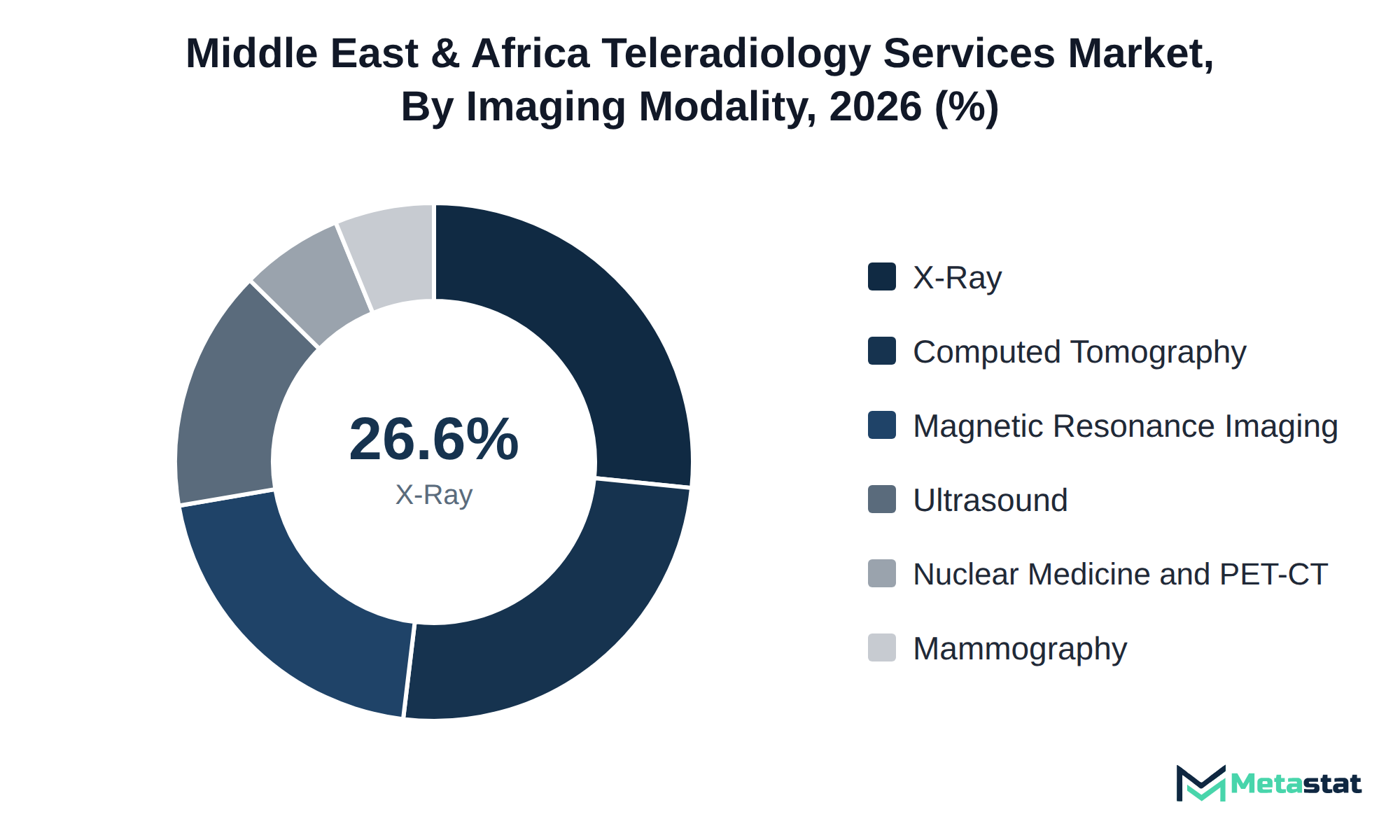
The demand for imaging modalities, particularly X-Ray, highlights this trend. The X-Ray segment is projected to grow from USD 299.1 million in 2026 to USD 1,397.5 million by 2033, exhibiting a compound annual growth rate of 24.6%. This growth emphasizes the increasing need for diagnostic imaging services in regions with limited access to traditional radiology services.
The expansion of teleradiology improves patient outcomes through timely and accurate diagnoses and offers healthcare providers an opportunity to enhance operational efficiency. By using remote expertise, healthcare facilities allocate resources more efficiently, reduce wait times for diagnostic imaging, and improve overall service delivery.
The escalating focus on enhancing healthcare infrastructure drives demand for teleradiology services in the region. Hospitals and diagnostic imaging centers expand their capabilities to improve patient outcomes and operational efficiency. Significant investments in technology enable providers to adopt advanced diagnostic imaging solutions, facilitating quicker and more accurate diagnoses. This shift occurs alongside a growing emphasis on remote consultations and telemedicine, influencing healthcare expenditure. The Middle East & Africa Teleradiology Services market benefits from this trend, with healthcare facilities increasingly recognizing the value of remote services in meeting patient demands and managing operational costs. Strong healthcare infrastructure supports sustained growth in teleradiology services.
Expansion of telemedicine adoption
The rise in telemedicine adoption significantly influences the demand for teleradiology services throughout the region. Healthcare providers increasingly integrate teleradiology into their telemedicine frameworks to enhance patient care by enabling remote access to diagnostic imaging. This trend particularly affects hospitals and outpatient facilities, which seek to offer comprehensive care without geographical limitations. Teleradiology contributes to improving patient outcomes while optimizing operational efficiencies. With the market projected to grow from USD 896.7 million in 2025 to USD 6,225 million by 2033, this expansion reflects the growing importance of remote diagnostic capabilities in modern healthcare systems. This demand shift allows providers in the Middle East & Africa Teleradiology Services market to deliver timely and effective medical assessments.
Technological advancements significantly influence the growth of the Middle East & Africa Teleradiology Services market. Enhanced imaging modalities, including advanced X-Ray and Computed Tomography techniques, improve diagnostic accuracy and speed, leading to increased adoption among healthcare providers. These innovations drive demand from hospitals and diagnostic imaging centers seeking to optimize service delivery and improve patient outcomes.
The integration of cloud-based services enables efficient data sharing and communication between radiologists and healthcare institutions, facilitating rapid consultations and improving workflow efficiency. The market benefits from these technologies aligning with the growing need for remote access to medical imaging in underserved and rural areas, enhancing healthcare delivery in the region.
Increased reliance on sophisticated imaging technologies supports market growth by attracting investments from private and public sectors. Innovation is shaping service offerings and expanding the reach of teleradiology services across the Middle East & Africa region.
Price sensitivity among healthcare providers significantly restricts adoption rates of teleradiology services in the Middle East & Africa Teleradiology Services market. The high cost associated with advanced imaging modalities, including computed tomography and magnetic resonance imaging, creates a barrier for smaller healthcare facilities, particularly diagnostic imaging centers and specialty clinics. These buyers face budget constraints, leading to slower uptake of teleradiology solutions and smaller orders, which impacts their ability to integrate new technologies into their services. The financial burden associated with maintaining and updating existing systems delays the replacement cycle for aging diagnostic imaging equipment, hindering overall market growth. The need for affordable solutions prompts buyers to explore alternatives, including using existing resources or partnering to share costs, which limits the immediate impact of teleradiology services on diagnostic capabilities.
In the Middle East & Africa Teleradiology Services market, talent costs present a significant challenge for providers. The demand for skilled radiologists and technicians continues to rise, resulting in increased wages and operational expenses. This escalation in talent costs pressures operational margins, complicating profitability for service providers.
In response, many suppliers seek to optimize workforce management by adopting telecommuting and flexible scheduling. These strategies enhance efficiency while mitigating the burden of talent-related expenses. Several firms invest in continuous training programs to improve staff retention and skill levels, which supports enhanced service delivery.
Collaborations with educational institutions have emerged as a proactive measure to address talent shortages in the sector. Such partnerships facilitate the flow of newly qualified professionals into the industry, reinforcing the workforce and alleviating pressure from existing staff. Managing talent cost pressures remains essential to sustained success in the market.
The X-Ray segment within the Middle East & Africa Teleradiology Services market presents a notable opportunity for expansion. Factors contributing to this growth include increasing demand for efficient imaging solutions in healthcare facilities and rising prevalence of chronic diseases that require diagnostic imaging.
Healthcare providers focus on adopting X-Ray technology due to its cost-effectiveness and speed in delivering results. Increased investment in digital solutions and enhanced connectivity allows remote access to imaging services, addressing gaps in patient care, particularly in underserved areas. Overall, expanding adoption of X-Ray services is expected to strengthen the market's growth trajectory, driving both operational efficiency and improved patient outcomes in the region.
The Middle East & Africa Teleradiology Services market is segmented based on Imaging Modality, Service Delivery Model, End User, and Region.
X-Ray diagnostic imaging comprises a vital component of the healthcare landscape in the region, valued at USD 299.1 million in 2026 and projected to reach USD 1,397.5 million by 2033, at a CAGR of 24.6% during the forecast period. This imaging modality serves various healthcare facilities, including hospitals and diagnostic imaging centers, facilitating timely assessments of patients' conditions. Rising prevalence of chronic diseases and the need for rapid diagnostics drive demand for X-Ray services. Compared to other modalities, X-Ray stands out with lower operational costs and widespread application, leading to broader adoption among healthcare providers. Its growth trajectory is supported by advancements in radiology technology and increasing investments in healthcare infrastructure across the region. The X-Ray segment illustrates significant potential and opportunity for service providers in the Middle East & Africa Teleradiology Services market.
Computed Tomography segment is estimated to reach USD 1,627.8 million by 2033, at a CAGR of 27.9% during the forecast period. This imaging modality serves an essential role in diagnosing various medical conditions, particularly in emergency and critical care settings. Hospitals and diagnostic imaging centers use computed tomography for its ability to provide detailed cross-sectional images of the body, facilitating accurate assessments. Strong demand in this segment derives from ongoing advancements in imaging technology and an increasing focus on early disease detection. Compared to other modalities, including X-Ray, which has a CAGR of 24.6%, the computed tomography segment experiences faster growth driven by superior diagnostic capabilities. This growth reflects the ongoing expansion of healthcare infrastructure and the need for high-quality diagnostic services in the market.
Magnetic Resonance Imaging segment is expected to reach USD 1,391.9 million by 2033. This imaging modality is crucial for visualizing detailed internal structures and diagnosing various medical conditions, serving primarily hospitals and diagnostic imaging centers. Demand for this segment increases due to the rising prevalence of chronic diseases, which requires advanced diagnostic capabilities. The growth of this segment surpasses other modalities, including X-Ray, which is projected to achieve a CAGR of 24.6%. With a CAGR of 27.9%, Magnetic Resonance Imaging stands out due to its complex technology and higher operational costs, resulting in a different pricing structure compared to other imaging modalities. The combination of technological advancements in imaging techniques and the increasing number of MRI machines across healthcare facilities further drives growth in the segment.
Ultrasound services, projected to grow at a CAGR of 27.7% during the forecast period, play a significant role in non-invasive diagnostic imaging. This modality is widely used in obstetrics, cardiology, and other medical fields to monitor and assess patient conditions. Demand for ultrasound services in the Middle East & Africa Teleradiology Services market is driven by the increasing prevalence of chronic diseases and the growing emphasis on preventive healthcare. Hospitals and diagnostic imaging centers primarily adopt ultrasound technology, distinguishing it from other imaging modalities including X-Ray and Computed Tomography. While the X-Ray segment experiences a CAGR of 24.6%, ultrasound's demand grows faster due to lower operational costs and versatility in applications. Enhanced capabilities of ultrasound systems contribute to rising adoption among healthcare providers, advancing patient care and overall operational efficiency.
Mammography serves as a critical diagnostic tool primarily for breast cancer screening and detection. Healthcare providers, including hospitals and diagnostic imaging centers, employ mammography services to enhance patient outcomes through early detection of breast abnormalities. The segment experiences increased demand driven by rising awareness of breast health and the importance of regular screenings. Compared to other imaging modalities, mammography exhibits slower growth due to stringent regulatory requirements and ongoing advancements in competing technologies. Nevertheless, its essential role in preventive healthcare contributes to sustained interest from healthcare facilities, ensuring ongoing investments in this vital service.
Nuclear Medicine and PET-CT involve advanced imaging techniques crucial for the diagnosis and treatment of various diseases. These modalities enable healthcare providers to visualize physiological processes in the body, assisting in the early detection of conditions including cancer and heart disease. Key consumers of these services include hospitals and specialized diagnostic imaging centers, which rely on accurate and timely interpretations of scans to guide treatment plans. Demand growth in this segment is driven by increasing awareness of the benefits of early diagnosis and advancements in imaging technology. This segment differs from others, including X-Ray and Computed Tomography, due to its higher complexity and cost, which typically results in a more specialized buyer profile. While other imaging modalities experience varied growth rates, Nuclear Medicine and PET-CT often serve niche markets that emphasize precision and detail in diagnostic imaging.
Onshore segment is valued at USD 424.8 million in 2026 and is projected to reach USD 1,553.1 million by 2033, at a CAGR of 20.3% during the forecast period. This segment finds extensive application in hospitals and diagnostic imaging centers, enhancing their ability to deliver timely radiology services. Factors driving growth in this segment include increasing demand for localized services and the need for quick turnaround times in diagnostics. Compared to offshore and hybrid models, the onshore segment typically experiences slower growth due to higher operational costs. However, it offers advantages including improved quality control and communication, which attract medical institutions prioritizing patient care. The Middle East & Africa Teleradiology Services market continues to evolve, reflecting shifting dynamics in healthcare delivery and technology integration.
This segment typically serves healthcare providers and facilities seeking cost-effective solutions for diagnostic imaging services. Demand for offshore teleradiology is driven by the increasing need for rapid and accurate radiology reporting, especially in regions with limited access to specialized radiologists. Compared to other service delivery models, the offshore segment exhibits faster growth due to its ability to leverage global talent pools and provide round-the-clock services. This distinctive characteristic positions it favorably against onshore and hybrid models, which experience slower growth rates of 20.3% and variable pricing, respectively. The market's competitive landscape benefits from rising adoption of advanced imaging technologies that enhance service delivery efficiency.
Hybrid service delivery in teleradiology facilitates a blend of onshore and offshore services, increasing flexibility and efficiency for healthcare organizations. This model allows hospitals and diagnostic imaging centers to leverage local resources while accessing global expertise, enhancing service availability and response times. Hybrid models attract specific demand due to their cost-effectiveness along with improved access to specialized radiological services. With a projected growth to USD 2,483.2 million by 2033, the hybrid segment is positioned for development, benefiting from a compound annual growth rate of 20.3%. This growth is driven by increasing patient volumes and the rising demand for timely diagnostic services in the Middle East & Africa Teleradiology Services market. Compared to purely onshore or offshore models, the hybrid approach provides a competitive edge, combining the strengths of both and addressing gaps in service provision. Hybrid solutions therefore meet diverse needs across the healthcare sector.
Hospitals employ teleradiology services to enhance diagnostic capabilities and improve patient care, addressing the increasing demand for timely and accurate imaging results. The rapid digitization of healthcare, driven by the need for efficient medical processes, significantly boosts this segment. Compared to Diagnostic Imaging Centers, which exhibit a CAGR of 28.7%, the Hospitals segment experiences slightly slower growth. However, hospitals typically engage in higher volume imaging and possess greater financial resources, allowing them to invest more in advanced teleradiology solutions. This dynamic creates a competitive environment within the Middle East & Africa Teleradiology Services market, where hospitals strive to optimize service delivery while ensuring high-quality patient outcomes.
Diagnostic Imaging Centers segment is estimated to reach USD 2,003.2 million by 2033, at a CAGR of 28.7% during the forecast period. These centers specialize in providing diagnostic imaging services and play an essential role in the healthcare system, primarily used by hospitals, outpatient facilities, and specialty clinics for accurate diagnosis and treatment planning. Strong growth in this segment results from increasing demand for image-based diagnostics and rising awareness regarding early disease detection. Compared to other segments, Diagnostic Imaging Centers exhibit faster growth, driven by advancements in imaging technologies and enhanced healthcare access in the region. Unlike other end users, they often face fewer price sensitivity challenges, allowing for greater investment in sophisticated imaging technologies that enhance diagnostic accuracy and patient outcomes. This contributes significantly to the overall expansion of the Middle East & Africa Teleradiology Services market.
Specialty Clinics segment is expected to reach USD 1,009.7 million by 2033. These facilities focus on specific medical specialties, offering targeted diagnostic and therapeutic services. Specialty clinics employ teleradiology services primarily for accurate and timely imaging interpretations, facilitating better patient outcomes through specialized care. Demand within this segment is driven by the increasing prevalence of chronic diseases that necessitate specialized diagnostic procedures. Compared to other segments, specialty clinics typically experience faster growth, reflected in a higher CAGR of 28.7% during the forecast period. This pace contrasts with hospitals, which, while significant, grow at a comparatively lower rate of 26.1%. The unique requirements and focused nature of specialty clinics create distinct purchasing patterns, often leading to higher investments in advanced imaging technologies, differentiating them within the market.
Ambulatory Care Centers segment is projected to grow at a CAGR of 27.2% during the forecast period. These facilities provide outpatient services, allowing patients to receive diagnostic imaging and other healthcare services without being admitted to a hospital. This segment primarily serves patients seeking timely and efficient care, driven by the increasing preference for outpatient services over inpatient care. Rising demand for convenient healthcare solutions fuels growth in this segment, distinguishing it from others in the End User group. Compared to hospitals, which are projected to reach USD 2,568.4 million by 2033, Ambulatory Care Centers emphasize a lower-cost model while providing specialized services, attracting a diverse patient base. This focus on outpatient care allows for quicker turnover of patients, enhancing operational efficiency. Increased emphasis on preventative care and early diagnosis positions this segment favorably within the Middle East & Africa Teleradiology Services market.
Saudi Arabia segment is valued at USD 285.6 million in 2026 and is projected to reach USD 1,506.5 million by 2033, at a CAGR of 26.8% during the forecast period. This segment serves hospitals and diagnostic imaging centers requiring timely and accurate radiology interpretations. The growth in telehealth initiatives significantly drives demand, reflecting a broader trend toward digital healthcare solutions. Saudi Arabia's emphasis on enhancing healthcare infrastructure strengthens the segment's performance compared to others, including the offshore service delivery model, which experiences a higher CAGR of 29.7%. The combination of a rising population and increased healthcare spending positions this segment favorably within the Middle East & Africa Teleradiology Services market, highlighting its potential for sustained growth.
United Arab Emirates segment is estimated to reach USD 1,089.4 million by 2033, at a CAGR of 26.8% during the forecast period. This segment benefits from increasing demand for telehealth services, driven by a rise in chronic diseases and a growing emphasis on remote patient care. Hospitals and diagnostic imaging centers constitute the primary users of these services, facilitating efficient diagnostics and consultations. The segment experiences significant growth due to advancements in imaging technology and a supportive regulatory framework that promotes digital health initiatives. This segment exhibits faster growth than the onshore model, reflecting increasing reliance on offshore solutions. The affordability and accessibility of teleradiology services enhance overall healthcare delivery in the region.
Egypt segment is expected to reach USD 940 million by 2033. This segment provides diagnostic services to hospitals and outpatient facilities across the country. The growing demand for efficient diagnostic imaging solutions drives this segment, with hospitals increasingly adopting teleradiology services to enhance patient care and streamline operations. In particular, the increasing prevalence of chronic diseases fuels the requirement for rapid and accurate diagnoses. Compared to other segments including the United Arab Emirates and Saudi Arabia, Egypt presents a unique market dynamic due to its distinct regulatory environment and healthcare infrastructure challenges, which impact growth rates. The market is evolving with advancements in technology, aiming to close the gap with international standards while meeting rising expectations of healthcare providers.
South Africa segment is projected to grow at a CAGR of 27.1% during the forecast period. This region experiences increasing demand for teleradiology services, primarily driven by hospitals seeking efficient diagnostic solutions to enhance patient care. The expanding healthcare infrastructure supports this trend, allowing for advanced imaging technologies to gain wider adoption. South Africa's growth rate remains robust, reflecting significant investment in healthcare modernization. Increased access to diagnostic imaging services is expected to reduce wait times for patients, improving overall service delivery. The rise in telemedicine and remote consultations further strengthens the demand for teleradiology, positioning South Africa as an important contributor to the Middle East & Africa Teleradiology Services market.
Nigeria is a developing market within the Middle East & Africa Teleradiology Services sector. This region experiences increasing adoption of teleradiology, driven by the growing demand for advanced diagnostic imaging in healthcare settings. Hospitals and diagnostic imaging centers increasingly adopt teleradiology services to enhance patient care and streamline operations. The significant rise in healthcare spending influences market growth, prompting investments in technologies and infrastructure. Compared to other regions, Nigeria exhibits slower growth due to infrastructural challenges and limited access to advanced technologies, which hinder rapid expansion. Ongoing efforts to improve healthcare facilities and integrate digital health solutions demonstrate potential for future advancements in this sector. The market in Nigeria presents unique dynamics, differentiating it from neighboring regions through distinct challenges and growth opportunities.
The Rest of Middle East & Africa segment consists of various countries that contribute to the teleradiology services landscape, focusing on meeting the diagnostic needs of healthcare facilities and patients. This segment encompasses numerous buyers, including hospitals and diagnostic centers, each seeking to enhance their imaging capabilities. Demand for teleradiology services rises due to the increasing prevalence of chronic diseases and the need for timely diagnoses. The market's growth is driven by technological advancements and the push for improved healthcare accessibility in less urbanized regions. Unlike other segments, this area experiences varied growth rates resulting from economic disparities and differences in healthcare infrastructure among countries. Providers face challenges related to standardization and integration of services across various healthcare systems, impacting overall efficiency in service delivery.
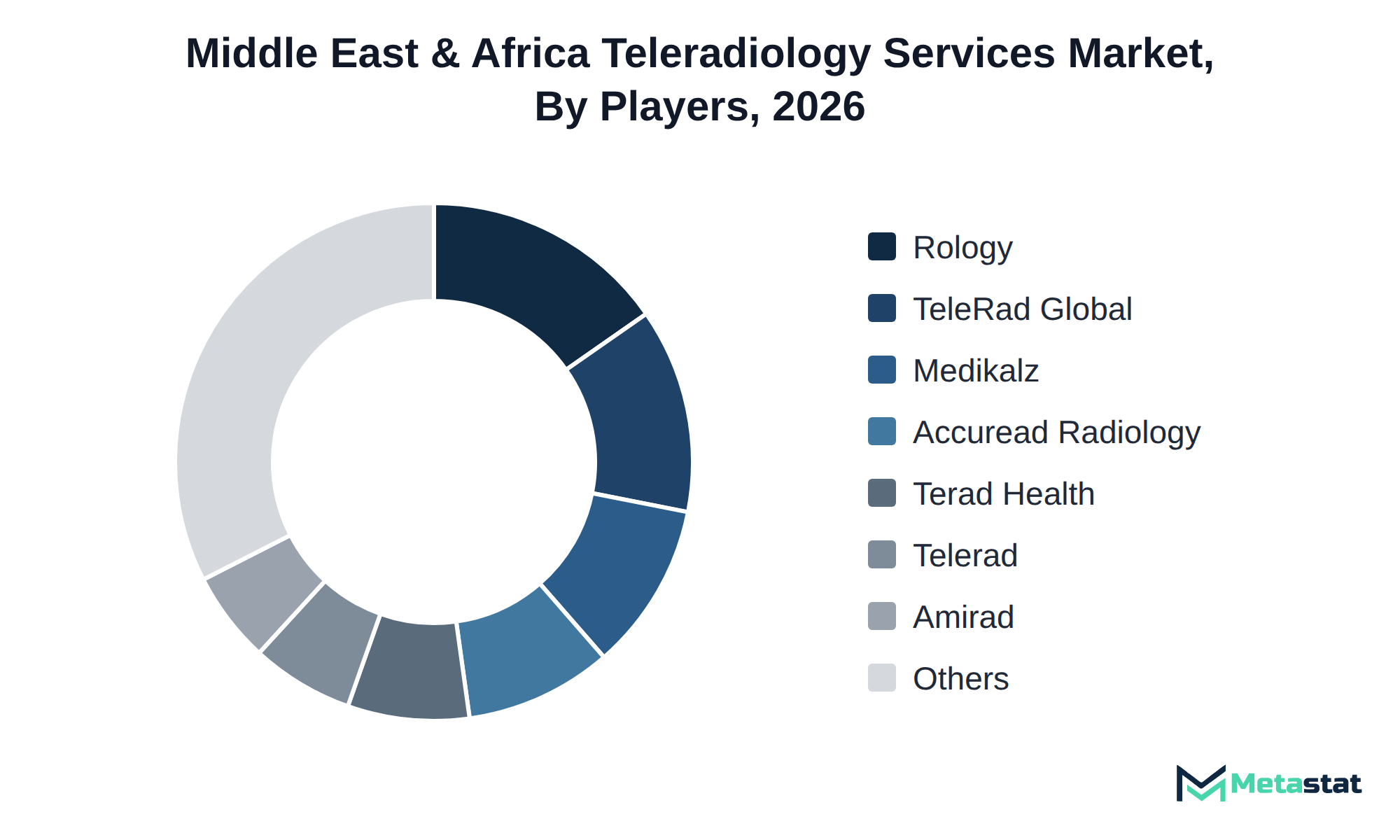
The Middle East & Africa Teleradiology Services market features numerous players with distinct strategic focuses. Companies emphasize factors including price, service quality, and certification to appeal to buyers. The diversity in service delivery models, including onshore, offshore, and hybrid approaches, influences buyer decisions. Organizations prioritize customized solutions that align with operational needs and regulatory requirements.
Medikalz concentrates on providing comprehensive teleradiology solutions, leveraging advanced technology to enhance service delivery. Rology emphasizes rapid turnaround times and high-quality imaging, catering to hospitals and diagnostic imaging centers. TeleRad Global focuses on expanding its reach through partnerships and advanced imaging modalities, enhancing service offerings to meet the demands of a growing market.
Achieving this growth relies on several key developments. A significant driver involves increasing adoption of teleradiology services within hospitals, anticipated to expand from USD 507.3 million in 2026 to USD 2,568.4 million by 2033, reflecting a CAGR of 26.1%. The enhancement of imaging modalities, particularly in computed tomography, is vital, with projections indicating a potential growth to USD 1,627.8 million by 2033. This trend directly correlates with the demand for advanced diagnostic capabilities in regions including Saudi Arabia and the United Arab Emirates, where expansions in healthcare infrastructure support service delivery. Risks including regulatory challenges and concerns about data security hinder growth. These factors create barriers for providers and end users, particularly among offshore service delivery models, which are set to experience a CAGR of 29.7%. Addressing these risks will be essential for the Middle East & Africa Teleradiology Services market to realize its full potential, ensuring a consistent growth trajectory through the forecast period.
By Imaging Modality: X-Ray, Computed Tomography, Magnetic Resonance Imaging, Ultrasound, Mammography, Nuclear Medicine and PET-CT
By Service Delivery Model: Onshore, Offshore, Hybrid
By End User: Hospitals, Diagnostic Imaging Centers, Specialty Clinics, Ambulatory Care Centers
By Region: Saudi Arabia, United Arab Emirates, Egypt, South Africa, Nigeria, Rest of Middle East & Africa
The report strategically identifies and profiles the key market players and analyses their core competencies in each sub-segment of the Teleradiology Services market.
Report Attributes | Details |
Study Period | 2021-2033 |
Base Year | 2025 |
Estimated Year | 2026 |
Forecast Period | 2026-2033 |
Historical Period | 2021-2025 |
Growth Rate | CAGR 27.4% from 2026 to 2033 |
Revenue Unit | USD million |
Segmentation | By Imaging Modality, Service Delivery Model, End User, Region, and Region |
Find answers to common questions about this report
The Teleradiology Services market size was valued at USD 896.7 million in 2025.
The market is projected to grow at a CAGR of 27.4% during the forecast period from 2026 to 2033.
The leading segment in the Teleradiology Services market is the Offshore service delivery model, with a projected value of USD 2,188.7 million by 2033. This segment surpasses others in terms of growth potential and revenue generation.
The escalating focus on enhancing healthcare infrastructure drives demand for teleradiology services in the region. The rise in telemedicine adoption significantly influences the demand for these services, enabling remote access to diagnostic imaging and improving patient care.
Price sensitivity among healthcare providers significantly restricts adoption rates of teleradiology services. increasing talent costs pressure operational margins, complicating profitability for service providers in the region.
The integration of advanced imaging modalities, particularly X-Ray technology, significantly influences adoption in the Middle East & Africa Teleradiology Services market. The rising demand for efficient imaging solutions and the increasing prevalence of chronic diseases drive healthcare providers to embrace these cost-effective and rapid diagnostic capabilities.
The Teleradiology Services market is estimated to reach a valuation of USD 6,225 million by 2033.
Key players operating in the Teleradiology Services market include Medikalz, Rology, TeleRad Global, Accuread Radiology, Terad Health, Amirad, and AK Telerad.
The X-Ray segment is projected to grow from USD 299.1 million in 2026 to USD 1,397.5 million by 2033, reflecting a compound annual growth rate of 24.6 percent.
Saudi Arabia demonstrates significant growth, with the market expected to expand from USD 285.6 million in 2026 to USD 1,506.5 million by 2033, achieving a CAGR of 26.8 percent.
The analysts below cover Healthcare research at Metastat Insights.
LEAD ANALYST
Utkarsh Khirodkar is a Lead Market Research Analyst at MetaStat Insight, specializing in market intelligence, technology sector assessments, and competitive strategy.

LEAD PRINCIPAL ANALYST, PHARMA AND HEALTHCARE
Food and Beverages · Healthcare · Healthcare IT · Medical Devices
Ajay Devgire is the Lead Healthcare Analyst at MetaStat Insight, leading strategic research and market intelligence initiatives across the global healthcare domain.
Tracking maintenance cycle demand for secondary flight display units and terrain collision avoidance systems across regional jet fleets involves complex aftermarket dynamics. MetaStat Insight provided practical analysis separating airline retrofit programs from OEM forward-fit production schedules in North America and Southeast Asia. The supplier matrix highlighted component obsolescence timelines without resorting to vague generalizations. The dataset served as a dependable reference during our annual program review meetings.
Evaluating secondary resin quality across post-consumer packaging streams requires reliable technical segmentation. MetaStat Insight delivered an objective assessment that distinguished between extrusion-grade flake pricing and optical sorting throughput limitations across Western Europe. The competitive positioning breakdown for licensed depolymerization technology providers answered several questions during our feedstock feasibility audit. Their team clarified regional trade restrictions on mixed plastic scrap quickly when our team submitted follow-up requests.
Evaluating sovereign cloud deployments for core banking platforms demands a clear view of data residency regulations and migration exit strategies. MetaStat Insight delivered an exhaustive review of regional latency tolerances, mainframe decommission milestones, and third-party vendor concentration risk. The regulatory compliance mapping across European and Asian financial jurisdictions gave our team a dependable baseline for multi-cloud infrastructure discussions.
Explore related market intelligence reports worth reading alongside this one.