
LEAD ANALYST
Utkarsh Khirodkar is a Lead Market Research Analyst at MetaStat Insight, specializing in market intelligence, technology sector assessments, and competitive strategy.

India Cancer Treatment Facilities Market Size, Share, By Treatment Type (Chemotherapy, Radiation Therapy, Cancer Surgery, Immunotherapy, Hormone Therapy, Bone Marrow Transplantation, Palliative and Supportive Cancer Care, Targeted Therapy), By Cancer Type (Breast Cancer, Lung Cancer, Head and Neck Cancer, Gastrointestinal Cancer, Blood Cancer (Leukemia, Lymphoma and Myeloma), Gynecological Cancer, Prostate and Other Urological Cancers, Others (Bone, Skin, Brain Cancers)), By Facility Type (Dedicated Cancer Hospitals, Comprehensive Cancer Centres, Oncology Departments in Multispecialty Hospitals, Day-Care Chemotherapy and Infusion Centres, Standalone Radiation Oncology Centres, Others (Specialized Diagnostic and Palliative Cancer Centres)), By Ownership Model (Government and Academic Institutions, Private Hospital Chains, Standalone Private Cancer Care Providers, Charitable and Trust-Managed Cancer Hospitals), Industry Analysis, Growth, Trends, and Forecast, 2026-2033
Report ID
MSI-5799
Published
November, 2026
Pages
271 Pages
Format
Historical
Base year
Forecast
Forecast period
Report Details
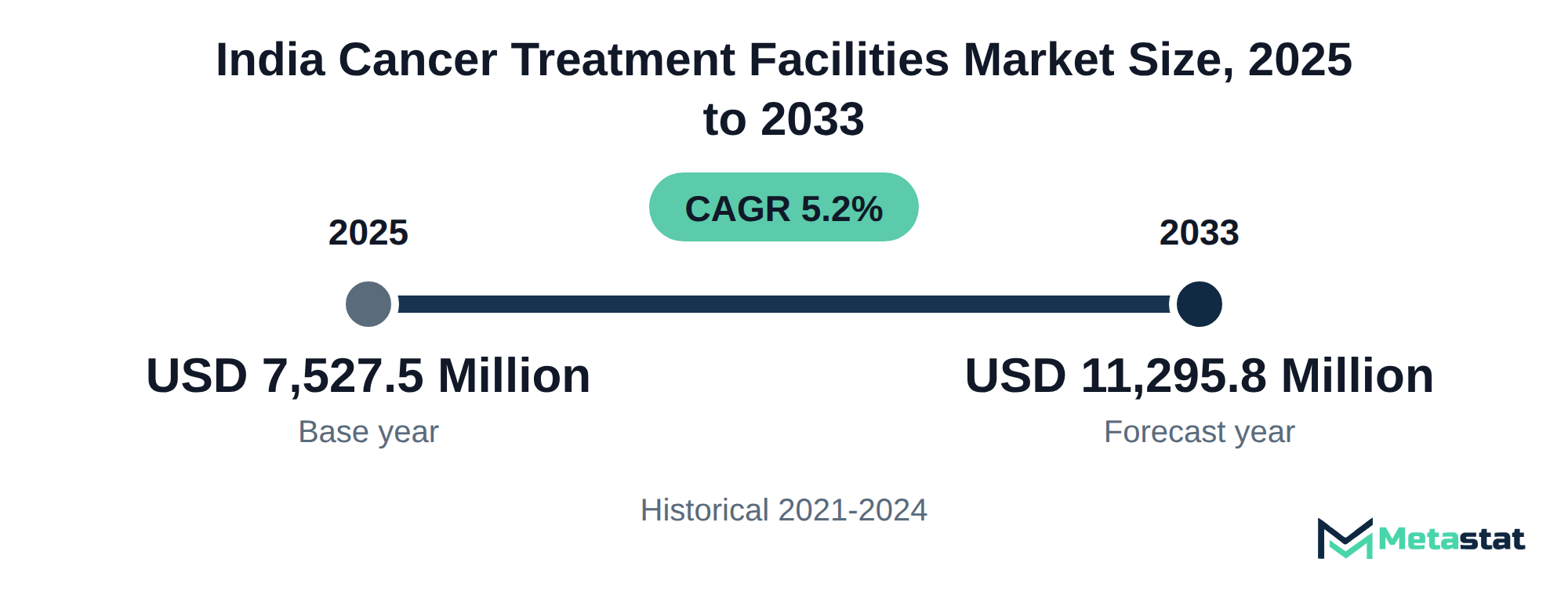
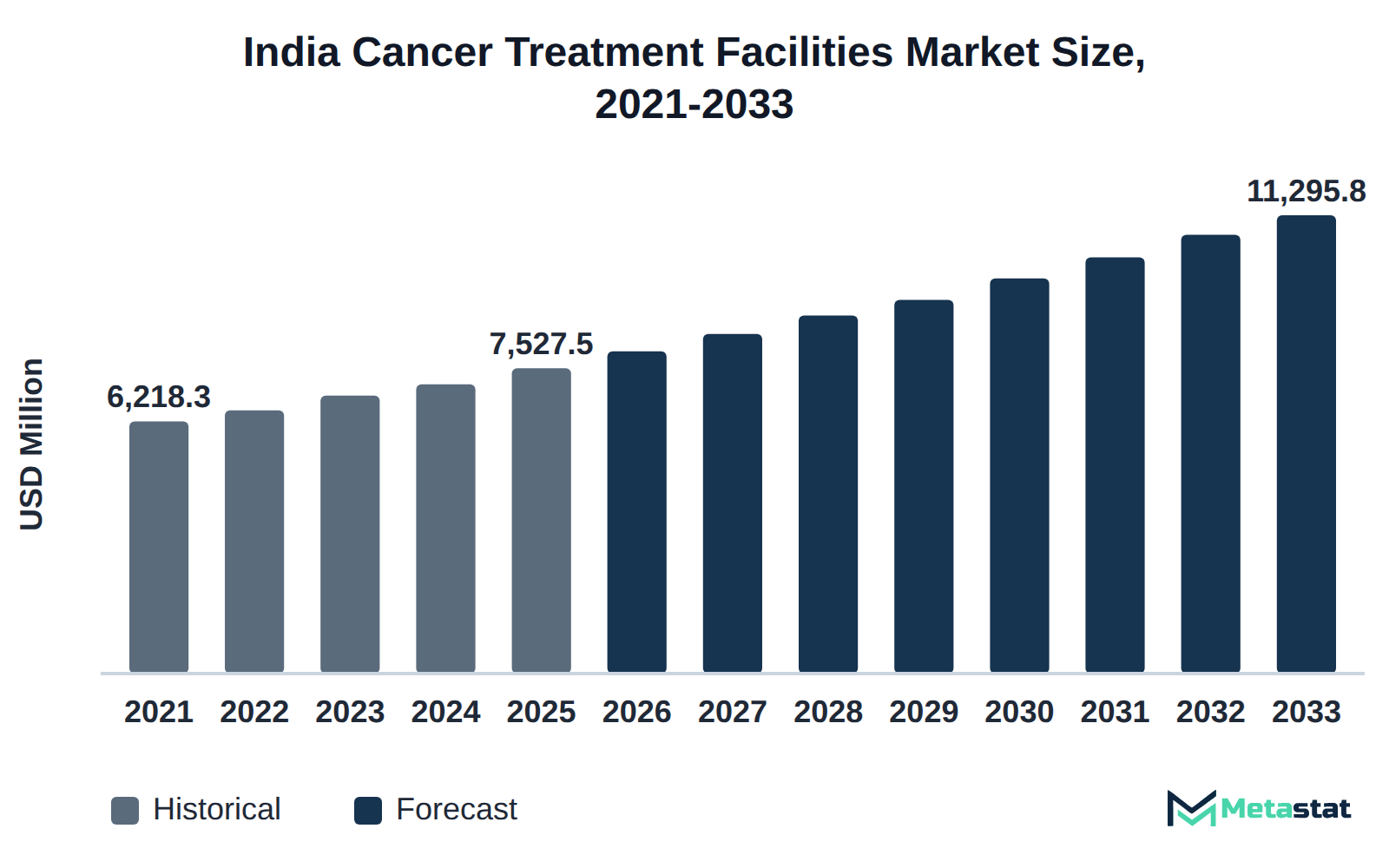
Market Valuation: Valued at $7,527.5 Million in 2025, projected to reach $11,295.8 Million by 2033 at a 5.2% CAGR.
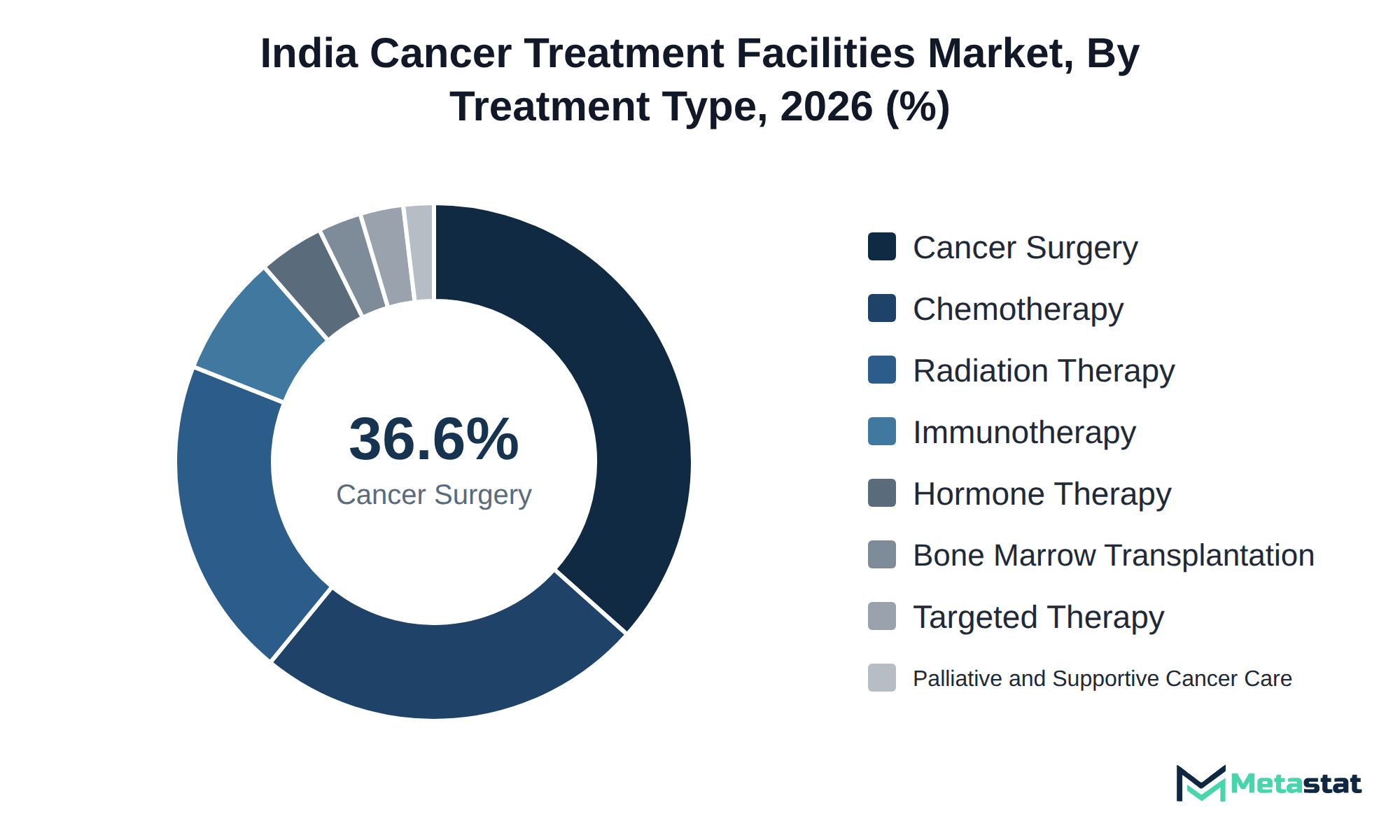
Dominant Segment: Cancer surgery leads the India Cancer Treatment Facilities market, driven by the critical need for surgical interventions in cancer care, with a projected market value of USD 3,921.9 million by 2033.
Geographic Lead: The market experiences significant growth from dedicated cancer hospitals, which provide comprehensive care tailored to patient needs, enhancing access to specialized cancer treatments.
What's Inside: The report includes detailed analyses of treatment types, cancer types, facility types, and ownership models, along with competitive coverage and forecasts through 2033.
Emerging Treatment Trends: Immunotherapy is rapidly growing, with a CAGR of 8.3%, reflecting a shift towards personalized treatment approaches that improve patient outcomes.
Investment in Infrastructure: Investment in radiation oncology infrastructure is increasing, with projected revenue in radiation therapy expected to reach USD 2,197 million by 2033, driven by technological advancements.
Choose Your License
India Cancer Treatment Facilities Market
The India Cancer Treatment Facilities market was valued at USD 7,527.5 million in 2025 and is projected to reach USD 11,295.8 million by 2033, growing at a CAGR of 5.2% over the forecast period.
The India Cancer Treatment Facilities market encompasses a wide range of services designed to address various cancer types, including breast, lung, and head and neck cancers. Buyers invest in these facilities to access specialized treatments and therapies that improve patient outcomes and quality of life. The rising prevalence of cancer across the country drives demand for advanced treatment options, compelling healthcare providers to enhance their service offerings and infrastructure.
Growth in the market is significantly influenced by the increasing incidence of cancer and rising awareness regarding early diagnosis and treatment. Among the treatment types, cancer surgery holds the highest value, reflecting the critical need for surgical interventions in cancer care. The market experiences expansion due to ongoing advancements in medical technology and treatment protocols, enabling better patient management and outcomes.
In terms of regional dynamics, the market experiences the largest growth share from dedicated cancer hospitals, which offer comprehensive care tailored to patients’ needs. The emphasis on specialized facilities contributes to the rising demand for high-quality cancer treatment services. Investments in healthcare infrastructure and government initiatives support market development, ensuring broader access to essential cancer care services.
The India Cancer Treatment Facilities market includes diverse treatment modalities including chemotherapy, radiation therapy, and surgical interventions aimed at addressing the growing prevalence of cancer. Investment in this market stems from the increasing incidence of cancer in the population and rising awareness regarding early detection and treatment options. This creates a compelling need for comprehensive cancer care facilities that provide specialized services tailored to the unique requirements of patients.
Growth in the market predominantly arises from the increasing demand for dedicated cancer hospitals, which serve as primary centers for advanced treatment. Among the segments, cancer surgery holds the largest value, reflecting the significant role it plays in patient management. The market is expected to see substantial expansion driven by advancements in medical technology and treatment methodologies, enhancing effectiveness and patient outcomes in cancer care.
Among the various regions, North America represents the largest share of the market, driven by strong healthcare infrastructure and high expenditure on cancer treatment. Continuous investment in research and development, coupled with a robust healthcare system, enhances the capabilities of treatment facilities within this region. The focus on improving patient care through innovative treatment options positions the market for sustained growth through the forecast period.
Recent advancements in precision oncology significantly enhance patient care within the India Cancer Treatment Facilities market. Emerging technologies including targeted therapies and immunotherapies improve treatment approaches for various cancer types, ensuring personalized treatment plans that prioritize patient outcomes. For instance, the segment of immunotherapy demonstrates a compound annual growth rate (CAGR) of 8.3%, reflecting a robust adoption trend driven by successful clinical outcomes and increasing awareness among healthcare providers and patients.
The introduction of advanced diagnostic tools supports these treatment modalities, allowing for more accurate cancer staging and treatment customization. Comprehensive Cancer Centres play a crucial role in integrating these technologies into clinical practice, ensuring that more patients receive timely and effective care. The demand for specialized services aligns with the projected revenue growth in the Dedicated Cancer Hospitals segment, which is anticipated to expand from USD 1,995.6 million in 2026 to USD 2,722.3 million in 2033, indicating rising investment in advanced treatment facilities.
The shift towards precision cancer therapies enhances competition among healthcare providers, compelling them to invest in the latest technologies and improve service offerings. This dynamic positions the India Cancer Treatment Facilities market for substantial growth, driven by healthcare systems prioritizing innovative approaches to cancer care, ultimately benefiting patient outcomes and healthcare efficiency.
Pricing strategies within the India Cancer Treatment Facilities market reflect a growing emphasis on value-based care. Private hospital chains and dedicated cancer centres increasingly adopt contract models focused on patient outcomes, shifting away from traditional fee-for-service approaches. This transition aligns with broader healthcare reforms aimed at improving the quality of oncology care while controlling costs.
This growth highlights the rising demand for specialized oncology services and the increased focus on comprehensive care delivery. By implementing tiered pricing models and bundled payments, healthcare providers enhance patient access to high-quality treatment while optimizing resource allocation.
This evolving pricing framework supports market participants in navigating the complexities of healthcare financing, ultimately driving improved patient outcomes and satisfaction. The competitive landscape will see private hospital chains leverage these pricing strategies to capture market share, emphasizing their commitment to patient-centric care across the India Cancer Treatment Facilities market.
Investment in radiation oncology infrastructure is increasing significantly within the India Cancer Treatment Facilities market. This growth aligns with an anticipated revenue increase in radiation therapy, projected to reach USD 2,197 million by 2033, reflecting a compound annual growth rate (CAGR) of 4.7%. The rise in demand for advanced radiation services is driven by the increasing incidence of various cancers, coupled with advancements in technology that enhance treatment efficacy.
Robotic surgery integration within cancer treatment facilities introduces significant operational efficiencies and improved patient outcomes. The adoption of robotic-assisted surgical techniques facilitates precise interventions, particularly for complex cancers. This technological shift positions facilities to cater to the growing preference for minimally invasive options. The prevalence of robotic surgery means facilities that invest in this technology will likely experience heightened patient trust and increased market share.
Day-care cancer treatment centers are emerging as a preferred option for patients seeking outpatient care. The increasing trend towards outpatient services reflects changing patient preferences, focusing on convenience and reduced hospital stays. Facilities that develop day-care chemotherapy and infusion centers benefit from this shift, enhancing their service portfolio. The ongoing demand for such centers contributes to the overall growth of the India Cancer Treatment Facilities market.
Rising cancer incidence significantly impacts demand for specialized treatment facilities in India. The country experiences an increase in cancer cases, particularly notable in breast cancer, which is projected to grow from USD 2,185.7 million in 2026 to USD 3,174.1 million by 2033, representing a compound annual growth rate (CAGR) of 5.5%. This surge in breast cancer cases drives healthcare providers to expand their capacity and enhance treatment offerings within the India Cancer Treatment Facilities market.
Healthcare institutions are responding to this upward trend by investing in advanced technologies and specialized training for medical personnel. The growth in breast cancer treatments reflects a broader shift towards tailored cancer therapies and comprehensive care solutions. Demand for dedicated cancer hospitals, which are expected to grow from USD 1,995.6 million in 2026 to USD 2,722.3 million by 2033, illustrates a strategic move by healthcare providers to establish facilities that cater specifically to the needs of cancer patients.
The increase in cancer incidence not only compels healthcare providers to enhance their facility offerings but encourages collaboration among various stakeholders in the India Cancer Treatment Facilities market. Partnerships among private hospital chains, government institutions, and charitable organizations aim to expand access to cancer care resources. This collaborative environment drives innovation and ultimately contributes to improved patient outcomes and survival rates.
Growing awareness of cancer screening drives increased investment in treatment facilities, particularly among private hospital chains and dedicated cancer hospitals. Shifts in consumer behavior, influenced by rising cancer rates and healthcare campaigns, result in more individuals seeking preventive care and early diagnosis, contributing to higher demand for specialized services. The focus on early detection enhances treatment outcomes, prompting facilities to expand their capacities and service offerings. This trend significantly influences the India Cancer Treatment Facilities market, creating opportunities for providers to enhance their service delivery and establish competitive advantages in an evolving healthcare environment.
Investment in advanced cancer technologies drives significant growth within the India Cancer Treatment Facilities market. Innovative treatment modalities, including immunotherapy and targeted therapy, serve as critical components of oncology care, appealing to various patient demographics. The increasing adoption of these technologies enhances treatment efficacy and patient outcomes, attracting investment from both public and private sectors. Technological advancements in cancer diagnostics lead to improved treatment personalization, allowing healthcare providers to tailor therapies based on individual patient profiles. This precision in treatment planning results in greater patient satisfaction and loyalty. The competition among treatment facilities intensifies as providers incorporate these advanced technologies into their offerings, aiming to enhance their market position. Overall market expansion is projected with a compound annual growth rate of 5.2% through 2033. The ongoing evolution and integration of advanced cancer technologies align with the broader goals of improving cancer care accessibility and effectiveness across India.
High treatment costs create barriers for patients seeking cancer care, particularly among lower-income populations. This situation results in slower uptake of available services, driven by financial constraints that hinder access to necessary treatments. Government and academic institutions often face challenges in funding and resources, leading to delays in service expansion. In the India Cancer Treatment Facilities market, patients with limited financial means delay seeking treatment or opt for lower-cost alternatives, impacting the overall demand for advanced care options. The high cost of advanced cancer technologies forces healthcare providers to pass on expenses to patients, further restricting access and adoption across various facility types. This phenomenon limits the growth potential of dedicated cancer hospitals and comprehensive cancer centres that could otherwise benefit from increased patient volumes and improved service offerings. The resulting financial strain contributes to a less competitive environment, ultimately affecting the evolution of cancer care services in the market.
Rising operational costs significantly challenge profitability for suppliers in the India Cancer Treatment Facilities market. Increased expenses related to healthcare services, staffing, and technology implementation exert pressure on profit margins. Higher talent costs, driven by competition for skilled healthcare professionals, impact service delivery efficiency. In response, many suppliers implement cost-containment strategies, including optimizing workforce management and enhancing operational efficiencies. Facilities leverage technological investments, focusing on automation and digital solutions to streamline processes and reduce overheads. These measures support better financial performance while maintaining high-quality care delivery. While the industry evolves, suppliers continually seek innovative approaches to balance cost pressures against the demand for advanced cancer treatment services.
The immunotherapy segment presents a significant growth opportunity within the India Cancer Treatment Facilities market. This segment is projected to achieve a compound annual growth rate (CAGR) of 8.3% during the forecast period from 2026 to 2033. Increasing research and development efforts, along with the introduction of novel therapies, drive demand for immunotherapy treatments among cancer patients. This segment specifically addresses the growing prevalence of cancers that require more targeted and effective treatment options. Enhanced patient outcomes and reduced side effects compared to traditional therapies contribute to the appeal of immunotherapy. Healthcare providers are integrating these advanced treatment modalities into their service offerings to meet patient demand. The expansion of this segment is expected to enhance overall market revenue, reflecting the shift towards personalized medicine and advanced cancer care solutions. Investment in immunotherapy is anticipated to change cancer treatment pathways, influencing competitive dynamics in the market.
The India Cancer Treatment Facilities market is segmented based on Treatment Type, Cancer Type, Facility Type, and Ownership Model.
Chemotherapy segment is valued at USD 1,922.8 million in 2026 and is projected to reach USD 2,580 million by 2033, at a CAGR of 4.3% during the forecast period. This treatment modality is primarily used by hospitals and cancer care centers to target cancerous cells through powerful drugs. Growth in this segment is driven by increasing cancer prevalence, particularly breast cancer, which is expected to generate significant demand. Comparatively, the chemotherapy segment experiences slower growth relative to immunotherapy, which has a CAGR of 8.3%. Such dynamics highlight the distinct market positioning of chemotherapy due to patient needs and treatment advancements.
This treatment modality is applied for various cancer types, providing targeted radiation to kill or inhibit the growth of cancer cells. Patients undergoing radiation therapy include those with breast, lung, and gastrointestinal cancers, among others. One significant force driving this segment is the increasing incidence of cancer, leading to greater demand for effective treatment options. Compared to other treatment types, radiation therapy exhibits moderate growth relative to chemotherapy, which is expected to grow at a CAGR of 4.3%. The market's focus on enhancing radiation oncology technology, including advanced imaging and precision targeting, distinguishes it from other segments that do not experience the same level of technological innovation.
Cancer Surgery segment is expected to reach USD 3,921.9 million by 2033. This segment is essential in treating patients diagnosed with various forms of cancer by removing tumors and affected tissues. Several factors drive growth in this segment, including the increasing adoption of innovative surgical techniques and growing demand for minimally invasive procedures. Compared to other treatment types like chemotherapy and radiation therapy, Cancer Surgery demonstrates a steady growth trajectory, with a Compound Annual Growth Rate (CAGR) of 5.5% anticipated during the forecast period. This differentiates it from the Immunotherapy segment, which has a higher CAGR of 8.3% but focuses on a more targeted patient population. Ongoing investment in surgical technologies and the development of specialized surgical facilities contribute significantly to the overall expansion of the India Cancer Treatment Facilities market.
Immunotherapy segment is projected to grow at a CAGR of 8.3% during the forecast period. This treatment modality enhances the immune system's ability to target and eliminate cancer cells, making it a vital option for patients with various cancer types. Oncology departments and specialized cancer treatment facilities increasingly adopt immunotherapy due to its effectiveness and personalized approach. Driving factors include rising investments in research and development, leading to new immunotherapeutic agents entering the market. This segment differentiates itself from others through its faster growth compared to traditional treatments like chemotherapy and radiation therapy, with those segments reflecting lower CAGRs of 4.3% and 4.7%, respectively. The growing emphasis on precision medicine, along with increasing patient demand for innovative treatments, supports this growth, strengthening long-term demand for the India Cancer Treatment Facilities market.
Hormone therapy involves the use of medications to manipulate hormone levels in the treatment of certain cancers, primarily hormone-sensitive cancers including breast and prostate cancer. This treatment is widely used by oncology departments in comprehensive cancer centers and specialized hormone therapy clinics. An increasing prevalence of hormone-related cancers drives demand for this segment, particularly among older populations. Growth in this segment is influenced by the rising understanding of cancer biology, which emphasizes the role of hormones in tumor growth. Compared to chemotherapy and radiation, hormone therapy typically presents a less aggressive treatment option, appealing to patients seeking targeted therapies with potentially fewer side effects. This segment's distinctive approach and growing recognition among healthcare providers position it uniquely within the India Cancer Treatment Facilities market.
Bone Marrow Transplantation involves a medical procedure that replaces damaged or diseased bone marrow with healthy stem cells. This treatment primarily serves patients suffering from various types of blood cancers, including leukemia and lymphoma. The segment experiences growth driven by increasing cancer incidences and advancements in transplant technologies, leading to improved patient outcomes. Compared to other treatment types, Bone Marrow Transplantation requires specialized facilities and expert personnel, potentially making it more costly and time-consuming. Investment in training and advanced medical equipment remains critical for maintaining high standards in this area. The rising prevalence of blood cancers highlights the segment's significance within the India Cancer Treatment Facilities market, positioning it as a critical component of comprehensive cancer care.
Palliative and Supportive Cancer Care involves specialized medical services aimed at improving the quality of life and alleviating the symptoms of cancer patients. This segment primarily serves individuals undergoing various forms of cancer treatment, focusing on symptom management and emotional support. A significant demand driver for this segment includes the increasing recognition of the importance of comprehensive care in cancer treatment, resulting in a rise in supportive services. Compared to other treatment types, this segment experiences a slower growth trajectory due to its reliance on established care models and integration into existing treatment pathways. While dedicated services for both curative and supportive care exist, the pricing dynamics differ, with palliative care often perceived as essential yet underfunded relative to more aggressive treatment modalities in the market. This segment enhances patient experiences and ensures comprehensive cancer care.
Targeted therapy focuses on using specific agents to target cancer cells while minimizing damage to normal cells. This treatment approach is increasingly applied for various cancer types, particularly those with known genetic markers. Patients seeking targeted therapy typically include those with personalized treatment plans based on tumor profiling. The segment experiences growth driven by advancements in genetic testing, which allow for more precise treatment options tailored to individual patients. Unlike other treatment modalities that have broader applications, targeted therapy often commands higher costs due to the advanced technology and research associated with its development. This results in distinct pricing dynamics compared to traditional treatments, positioning targeted therapy as a premium offering in the India Cancer Treatment Facilities market.
This segment primarily focuses on providing specialized treatment options for individuals diagnosed with breast cancer, widely used by patients seeking targeted therapies. An increase in awareness and early detection of breast cancer significantly influences growth in this segment, promoting investments in innovative treatment modalities. Compared to other segments, including Lung Cancer, which is expected to reach USD 1,524.9 million by 2033 at a CAGR of 5.4%, Breast Cancer demonstrates a slightly faster growth trajectory. The market sees a substantial push towards advancements in breast cancer therapies, driven by ongoing research and development efforts tailored to enhance patient outcomes.
This segment involves various treatment modalities used specifically for managing lung cancer, including surgery, chemotherapy, and radiation therapy. Healthcare providers targeting lung cancer patients include specialized cancer hospitals and oncology departments within multispecialty hospitals. The increasing incidence of lung cancer, driven by factors including smoking and environmental pollutants, supports growth in this segment. The segment experiences stronger growth compared to several others, reflecting rising demand for effective treatment options. In contrast, the Immunotherapy segment shows a higher CAGR of 8.3%, indicating a more rapid adoption of newer treatment technologies. Investment in innovative therapies and enhanced patient care will continue to influence the market dynamics.
Head and Neck Cancer segment is expected to reach USD 1,389.4 million by 2033. This segment focuses on the diagnosis and treatment of cancers affecting the oral cavity, pharynx, larynx, and surrounding regions, primarily used by oncologists and specialized cancer care facilities. Factors influencing this segment include increasing prevalence rates and growing awareness of treatment options among patients. Compared to other cancer types, Head and Neck Cancer experiences a moderate growth rate within the India Cancer Treatment Facilities market, with specific challenges tied to access and affordability for patients. By 2033, the segment is projected to achieve significant revenue growth driven by advancements in treatment protocols and technologies, catering to a diverse range of buyers seeking effective care solutions.
Gastrointestinal Cancer segment is projected to grow at a CAGR of 4.9% during the forecast period. This segment addresses various cancers affecting the gastrointestinal tract, primarily serving patients diagnosed with conditions including colorectal cancer. The increasing prevalence of gastrointestinal cancers drives demand for targeted treatment options, particularly among older adult populations. Competition among healthcare providers influences pricing and service availability, creating a landscape where pricing strategies and treatment advancements significantly affect patient choices. Compared to other segments, including Breast Cancer with a CAGR of 5.5%, the Gastrointestinal Cancer segment exhibits relatively slower growth, reflecting the unique challenges and treatment complexities associated with this type of cancer. The need for specialized care facilities focusing on gastrointestinal cancers enhances the segment's importance within the India Cancer Treatment Facilities market.
Blood Cancer (Leukemia, Lymphoma and Myeloma) encompasses a group of cancers affecting the blood and bone marrow, requiring specialized treatment approaches tailored to patient needs. Treatment typically involves various medical interventions, including chemotherapy, targeted therapies, and immunotherapy. Demand for blood cancer treatment has surged due to increasing awareness and early detection of these conditions, driven by advancements in diagnostic technologies. Patients often seek treatment from specialized cancer centers and comprehensive care facilities focused on hematologic malignancies. Compared to other cancer types, this segment experiences unique challenges, including high therapy costs and the necessity for ongoing research and development. The dynamics of the India Cancer Treatment Facilities market reflect the importance of innovative therapies and improved access to specialized care for blood cancer patients.
Gynecological cancer encompasses various malignancies affecting the female reproductive system, including ovarian, cervical, and uterine cancers. This segment caters primarily to women diagnosed with these specific cancers, employing treatments including chemotherapy, radiation therapy, and surgery. The increasing prevalence of gynecological cancers, driven by changing lifestyles and reproductive health challenges, significantly influences demand in this segment. Compared to other cancer types, gynecological cancers experience distinct challenges, including societal stigma and late-stage diagnosis, which impact treatment accessibility. These dynamics contribute to the unique positioning of this segment within the India Cancer Treatment Facilities market, supported by growing awareness of women's health issues and advancements in treatment modalities.
Prostate and Other Urological Cancers encompass various malignancies affecting the prostate gland and other urinary system components. This segment primarily serves male patients, often requiring specialized treatment options including surgery, radiation therapy, and hormonal therapies. A significant driver of this segment involves the rising incidence of prostate cancer among aging populations, prompting increased demand for targeted treatment solutions. Differentiating factors include a focus on advanced diagnostics and minimally invasive procedures, which attract higher investment due to their potential for better patient outcomes. Compared to other cancer types, this segment maintains unique treatment pathways and patient demographics, influencing its growth trajectory within the India Cancer Treatment Facilities market.
This segment encompasses various malignancies including bone, skin, and brain cancers, which require specialized treatment modalities. Patients diagnosed with these types of cancers engage with diverse treatment options tailored to their specific condition. The demand for treatment in this segment aligns with increasing awareness and advancements in diagnostic technologies, leading to earlier detection and intervention. While overall market trends indicate growth across different cancer types, this segment experiences a slower pace compared to others, primarily due to the smaller patient population and unique treatment requirements. The India Cancer Treatment Facilities market reflects evolving treatment protocols and innovations that enhance patient outcomes, contributing to a heightened emphasis on comprehensive care strategies tailored to these less common cancers.
These facilities focus on providing specialized care for cancer patients, including diagnosis, treatment, and supportive services. Patients and families often choose dedicated cancer hospitals for their comprehensive approach and expertise in oncology. Rising cancer incidence rates, particularly in urban areas, drive this segment's growth. In comparison to comprehensive cancer centres, which show a CAGR of 5.4%, dedicated cancer hospitals exhibit a more moderate expansion, reflecting their targeted nature and specialized offerings. While comprehensive cancer centres cater to a broader range of medical needs, dedicated cancer hospitals concentrate solely on oncology, offering a more focused and personalized treatment experience. This specialization enables dedicated cancer hospitals to fulfill the specific requirements of patients navigating complex cancer care journeys.
Comprehensive Cancer Centres segment is estimated to reach USD 2,558.5 million by 2033, at a CAGR of 5.4% during the forecast period. These centres provide specialized treatment and support for patients battling various types of cancer, particularly employing advanced technology and multidisciplinary approaches. Demand for Comprehensive Cancer Centres is driven by the increasing prevalence of cancer and a growing emphasis on personalized treatment plans. The segment exhibits a strong growth trajectory, differentiating itself from other facility types including Dedicated Cancer Hospitals, which experience slower growth rates due to operational constraints. Comprehensive Cancer Centres typically cater to patients requiring extensive care and support, appealing to both private and public healthcare sectors. In the market, the emphasis on advanced treatment methodologies and comprehensive patient care enhances the demand for this segment, reinforcing its position in the broader India Cancer Treatment Facilities market.
Oncology Departments in Multispecialty Hospitals segment is expected to reach USD 3,168.5 million by 2033. These departments integrate specialized cancer care within larger healthcare facilities, providing a thorough approach to cancer treatment. Patients benefit from a spectrum of services, including diagnosis, treatment, and follow-up care. Factors driving demand for this segment include increased incidence of cancer and a growing preference for integrated care. With a projected CAGR of 5.4%, this segment exhibits steady growth, differentiating itself from others like Dedicated Cancer Hospitals, which are anticipated to grow at a CAGR of 4.5%. The hybrid model allows for cost-effective treatment options and enhanced patient accessibility, positioning this segment favorably in the India Cancer Treatment Facilities market compared to standalone facilities.
Day-Care Chemotherapy and Infusion Centres segment is projected to grow at a CAGR of 7.5% during the forecast period. This segment focuses on providing outpatient chemotherapy services, allowing patients to receive treatment without the necessity for overnight hospitalization. Typically used by patients requiring regular chemotherapy sessions, these centres offer a cost-effective and flexible solution for cancer treatment. The high demand for such services stems from the increasing prevalence of cancer and a growing preference for less invasive treatment options. Compared to other facility types, Day-Care Chemotherapy and Infusion Centres exhibit a faster growth trajectory, reflecting a shift towards outpatient care models. In 2026, the segment is valued at USD 1,995.6 million and is expected to expand significantly, driven by overall growth in the India Cancer Treatment Facilities market.
Standalone Radiation Oncology Centres focus on providing specialized radiation treatment for cancer patients. This treatment modality targets and destroys cancer cells while sparing healthy tissues. The segment attracts patients seeking advanced treatment options, driven by an increasing prevalence of cancer and the demand for effective therapies. The rising incidence of cancer cases stimulates growth in this segment, with healthcare providers seeking to enhance treatment offerings. Compared to other facility types, Standalone Radiation Oncology Centres experience slower adoption rates due to higher initial investment requirements and the need for specialized equipment. However, the increasing focus on personalized medicine and technological advancements in radiation therapy techniques supports evolving adoption trends. The India Cancer Treatment Facilities market reflects a shift toward more dedicated treatment facilities, highlighting the significance of Standalone Radiation Oncology Centres in the broader healthcare ecosystem.
Specialized Diagnostic and Palliative Cancer Centres offer essential care services focused on addressing the complex needs of patients experiencing advanced stages of cancer. These centres cater to individuals requiring both diagnostic services and palliative support, ensuring comprehensive care. Demand for this segment is driven by the increasing recognition of the importance of symptom management and quality of life for cancer patients. The facilities provide an integrated approach to care compared to other types of treatment facilities, which focus primarily on curative therapies. A growing emphasis on patient-centric care further fuels the expansion of this segment, with stakeholders seeking to enhance patient experiences and outcomes. This segment differs from others in its dual role of diagnostics and palliative support, appealing to a distinct patient demographic that prioritizes quality of life along with treatment.
Valued at USD 3,321.5 million in 2026, this segment is projected to reach USD 4,501.4 million by 2033, at a CAGR of 4.4% during the forecast period. Government and Academic Institutions provide essential cancer treatment services across various facilities, primarily serving patients who require advanced medical care and research-based treatment options. The increasing prevalence of cancer in India drives growth in this segment, with public institutions prioritizing accessibility and affordability for patients. In contrast to private providers, this segment emphasizes comprehensive treatment approaches that integrate research, education, and patient care. While private hospital chains project a higher CAGR of 6%, the Government and Academic Institutions segment remains critical in ensuring equitable access to cancer therapies, thus contributing significantly to the overall dynamics of the India Cancer Treatment Facilities market.
Private Hospital Chains segment is estimated to reach USD 4,269.8 million by 2033, at a CAGR of 6% during the forecast period. These facilities provide essential cancer treatment services, catering primarily to patients seeking advanced medical care and specialized therapies. The growth of this segment is driven by the increasing incidence of cancer and the rising demand for quality healthcare services. Patients often prefer private hospitals due to shorter waiting times and access to advanced technologies. Compared to other ownership models, including government institutions, Private Hospital Chains exhibit a higher growth rate, reflecting a shift toward privatized healthcare in the India Cancer Treatment Facilities market. These hospitals frequently offer a broader range of treatment options, including personalized care, which attracts a diverse patient demographic willing to invest in superior healthcare solutions.
Standalone Private Cancer Care Providers segment is expected to reach USD 1,406.3 million by 2033. This sub-segment focuses on delivering specialized cancer treatment in a private setting, primarily catering to patients seeking personalized care and advanced treatment options. The growing prevalence of cancer in India drives demand for these facilities, attracting patients who prefer tailored approaches over general hospital settings. Due to the high-quality services offered, this segment usually commands higher pricing compared to government or academic institutions. The segment's growth rate reflects a CAGR of 6% during the forecast period, indicating robust demand driven by increasing awareness of cancer treatments. In contrast, the government and academic institutions segment experiences a slower growth trajectory, achieving a CAGR of 4.4%. This divergence highlights the preference among patients for private care options in the India Cancer Treatment Facilities market.
Valued at USD 1,406.3 million by 2033, the Charitable and Trust-Managed Cancer Hospitals segment is projected to grow at a CAGR of 4.8% during the forecast period. These facilities provide affordable cancer treatment options to underserved populations, often offering services funded by donations or government support. Growth in this segment is driven by increasing awareness of cancer treatment accessibility, particularly among lower-income groups. Unlike Private Hospital Chains, which typically focus on profit-driven models, charitable hospitals emphasize community service and humanitarian objectives. This model attracts patients seeking cost-effective treatment alternatives, differentiating it from other ownership models. The commitment to serve those in need contributes to steady demand for these facilities, aligning with broader trends in the India Cancer Treatment Facilities market.
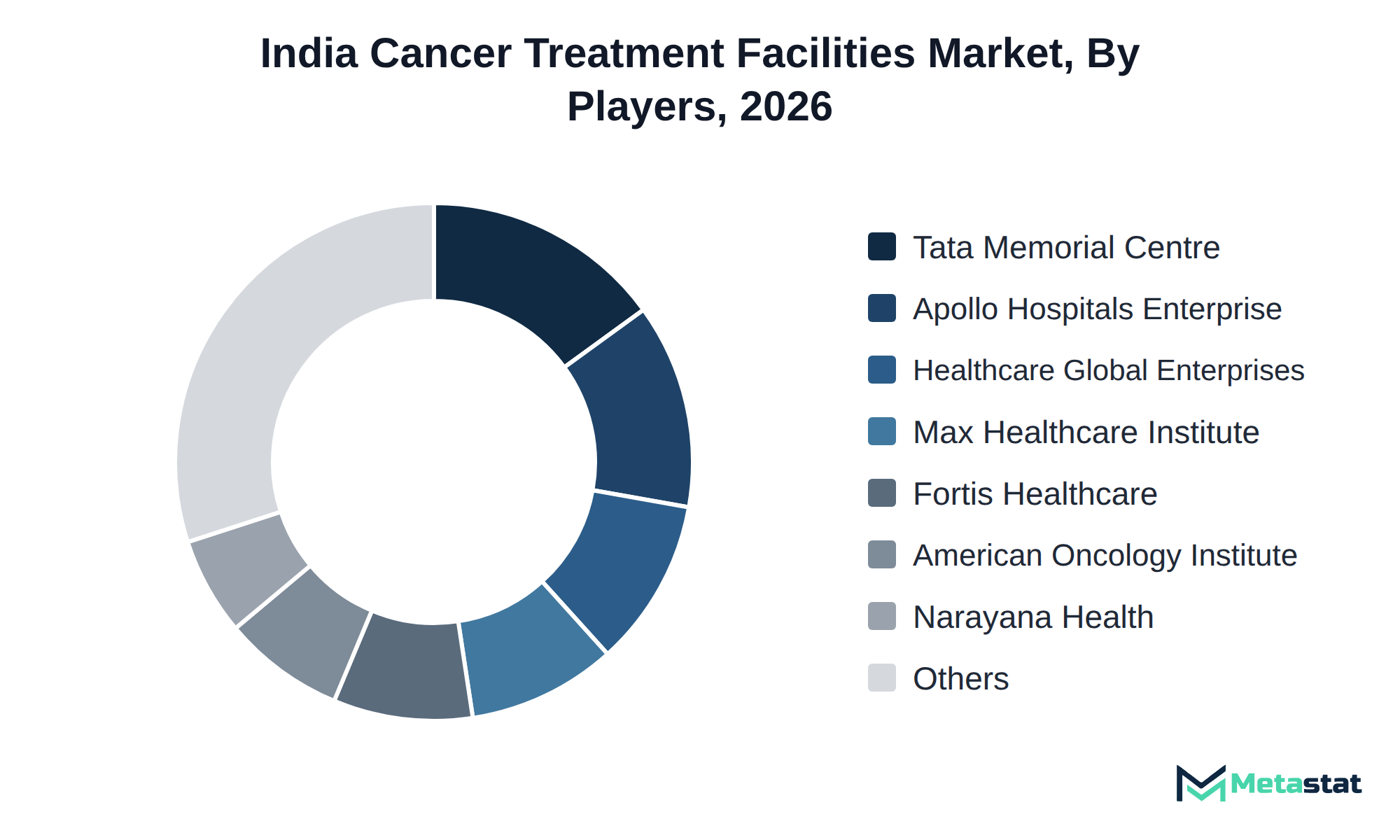
Competition in the India Cancer Treatment Facilities market revolves around various treatment types, facility types, and ownership models. Companies differentiate themselves through factors including pricing, service quality, and specialized treatment offerings. Dedicated Cancer Hospitals emphasize comprehensive cancer care, while Comprehensive Cancer Centres focus on multidisciplinary approaches to treatment.
MOC Cancer Care & Research Centre operates in providing a broad range of oncology treatments, emphasizing patient-centric care. Tata Memorial Centre attracts patients seeking advanced therapies due to its research and treatment capabilities. Healthcare Global Enterprises Limited operates a network of facilities that cater to diverse cancer treatment needs, leveraging its extensive ecosystem to enhance patient care.
Achieving this growth relies on several key developments within the India Cancer Treatment Facilities market. Second, advancements in immunotherapy, projected to grow significantly, enhance treatment options and efficacy, attracting a broader patient base. Third, the rise in government and academic institutions, increasing from USD 3,321.5 million in 2026 to USD 4,501.4 million by 2033, supports robust investment in cancer care infrastructure. However, potential risks exist, including fluctuating healthcare funding and economic instability, which could hinder investment in cancer treatment facilities. These factors restrict the growth of the market, impacting the effectiveness of planned expansions. Continuous assessment of these developments and risks will be essential for stakeholders navigating the evolving environment of cancer treatment provision in India.
By Treatment Type: Chemotherapy, Radiation Therapy, Cancer Surgery, Immunotherapy, Hormone Therapy, Bone Marrow Transplantation, Palliative and Supportive Cancer Care, Targeted Therapy
By Cancer Type: Breast Cancer, Lung Cancer, Head and Neck Cancer, Gastrointestinal Cancer, Blood Cancer (Leukemia, Lymphoma and Myeloma), Gynecological Cancer, Prostate and Other Urological Cancers, Others (Bone, Skin, Brain Cancers)
By Facility Type: Dedicated Cancer Hospitals, Comprehensive Cancer Centres, Oncology Departments in Multispecialty Hospitals, Day-Care Chemotherapy and Infusion Centres, Standalone Radiation Oncology Centres, Others (Specialized Diagnostic and Palliative Cancer Centres)
By Ownership Model: Government and Academic Institutions, Private Hospital Chains, Standalone Private Cancer Care Providers, Charitable and Trust-Managed Cancer Hospitals
The report strategically identifies and profiles the key market players and analyses their core competencies in each sub-segment of the Cancer Treatment Facilities market.
Report Attributes | Details |
Study Period | 2021-2033 |
Base Year | 2025 |
Estimated Year | 2026 |
Forecast Period | 2026-2033 |
Historical Period | 2021-2025 |
Growth Rate | CAGR 5.2% from 2026 to 2033 |
Revenue Unit | USD million |
Segmentation | By Treatment Type, Cancer Type, Facility Type, Ownership Model, and Region |
Find answers to common questions about this report
The Cancer Treatment Facilities market size was valued at USD 7,527.5 million in 2025.
The market is projected to grow at a CAGR of 5.2% during the forecast period from 2026 to 2033.
Cancer Surgery leads the market with a projected value of USD 3,921.9 million by 2033, surpassing other treatment types in revenue potential.
Growing awareness of cancer screening drives increased investment in treatment facilities, particularly among private hospital chains and dedicated cancer hospitals. Investment in advanced cancer technologies enhances treatment efficacy and patient outcomes, attracting investment from both public and private sectors.
High treatment costs create barriers for patients seeking care, particularly among lower-income populations, leading to slower uptake of available services. Rising operational costs challenge profitability for suppliers, exerting pressure on profit margins and impacting service delivery efficiency.
Investment in advanced cancer technologies and innovative treatment modalities, including immunotherapy, drives adoption in the India Cancer Treatment Facilities market. The integration of these technologies enhances treatment efficacy and patient outcomes, attracting both public and private sector investment.
The Cancer Treatment Facilities market is estimated to reach a valuation of USD 11,295.8 million by 2033.
Key players operating in the Cancer Treatment Facilities market include MOC Cancer Care & Research Centre, Tata Memorial Centre, Healthcare Global Enterprises Limited, Apollo Hospitals Enterprise Limited, American Oncology Institute, and Max Healthcare Institute Limited. Other notable participants are Fortis Healthcare Limited, Narayana Health, Manipal Health Enterprises Private Limited, Medanta-The Medicity, Aster Hospitals, Inc., Gleneagles Hospitals, Kokilaben Dhirubhai Ambani Hospital, Artemis Hospitals, Yashoda Hospitals, Krishna Institute of Medical Sciences Limited, CARE Hospitals, Paras Health, Omega Hospitals, Mahatma Gandhi Cancer Hospital & Research Institute, Basavatarakam Indo American Cancer Hospital & Research Institute, Rajiv Gandhi Cancer Institute & Research Centre, Bhagwan Mahaveer Cancer Hospital & Research Centre, and Gujarat Cancer & Research Institute.
The immunotherapy segment is expected to witness a compound annual growth rate of 8.3 percent during the forecast period from 2026 to 2033.
The Private Hospital Chains ownership model is anticipated to reach USD 4,269.8 million by 2033, reflecting a compound annual growth rate of 6 percent.
The analysts below cover Healthcare research at Metastat Insights.
LEAD ANALYST
Utkarsh Khirodkar is a Lead Market Research Analyst at MetaStat Insight, specializing in market intelligence, technology sector assessments, and competitive strategy.

LEAD PRINCIPAL ANALYST, PHARMA AND HEALTHCARE
Food and Beverages · Healthcare · Healthcare IT · Medical Devices
Ajay Devgire is the Lead Healthcare Analyst at MetaStat Insight, leading strategic research and market intelligence initiatives across the global healthcare domain.
Standard industry briefs frequently blur the operational distinctions between isobaric pressure exchangers and centrifugal turbines. In this study, MetaStat Insight categorized mega-scale desalination tenders across the GCC and Mediterranean basins by membrane replacement frequencies and salinity tolerances. Their primary research helped us evaluate local content requirements in Saudi Arabia and the UAE without relying on marketing literature. We found the segment-level equipment replacement estimates grounded and well-reasoned throughout.
The technical breakdown of ISO 20022 migration readiness across correspondent banking corridors was remarkably thorough. Rather than treating cross-border corporate payments as a single block, the report drew a useful distinction between multilateral netting platforms and domestic instant payment rails across ASEAN economies. MetaStat Insight highlighted regulatory constraints on foreign exchange liquidity management that many publications gloss over. The research material offered practical clarity for our platform development roadmap.
Our group needed clearer visibility into out-of-autoclave processing timelines for high-temperature thermoplastic composites. MetaStat Insight delivered an objective assessment that contrasted automated fiber placement scrap rates with traditional thermoset prepreg layup cycles. The supplier landscape mapped out primary resin suppliers and tape slitting capacity across France, Germany, and Japan with solid technical accuracy. Their analyst handled our questions on precursor supply risks during an unscheduled inquiry call, providing clear, unembellished context.
Explore related market intelligence reports worth reading alongside this one.