
LEAD ANALYST
Utkarsh Khirodkar is a Lead Market Research Analyst at MetaStat Insight, specializing in market intelligence, technology sector assessments, and competitive strategy.

Global Glioblastoma Treatment Market Size, Share, By Therapeutic Modality (Surgical Resection and Local Chemotherapy, Radiotherapy, Systemic Chemotherapy, Tumor Treating Fields, Targeted Therapy, Immunotherapy, Oncolytic Virus Therapy, Gene and Cell Therapy, Drug Delivery Technologies), By Disease Setting (Newly Diagnosed Glioblastoma, Recurrent Glioblastoma, Progressive Glioblastoma), By Therapeutic Approach (Alkylating Agents, Anti-Angiogenic Therapies, Immune Checkpoint Inhibitors, Cancer Vaccines, CAR-T Cell Therapies, Oncolytic Virus Therapies, Others), By End User (Hospitals, Specialty Cancer Centers, Academic and Research Hospitals, Ambulatory Surgical Centers, Clinical Research Organizations), Industry Analysis, Growth, Trends, and Forecast, 2026-2033
Report ID
MSI-5840
Published
November, 2026
Pages
271 Pages
Format
Historical
Base year
Forecast
Forecast period
Report Details
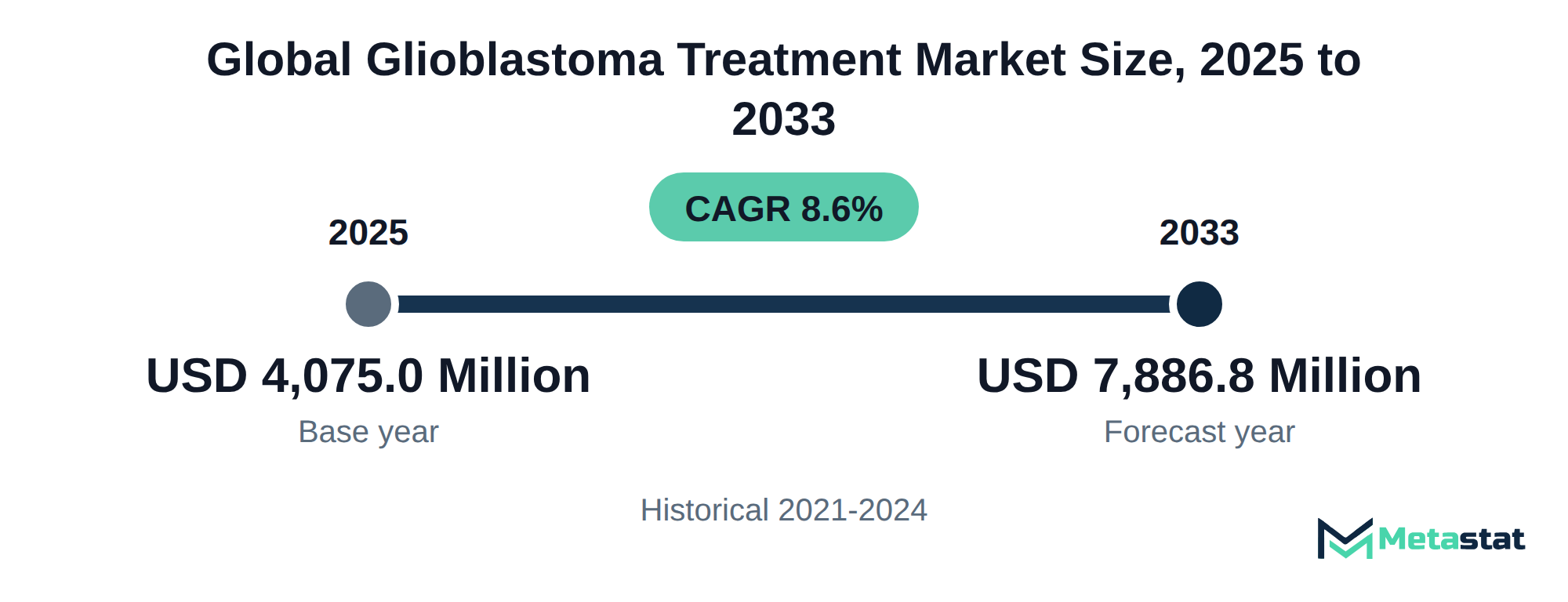
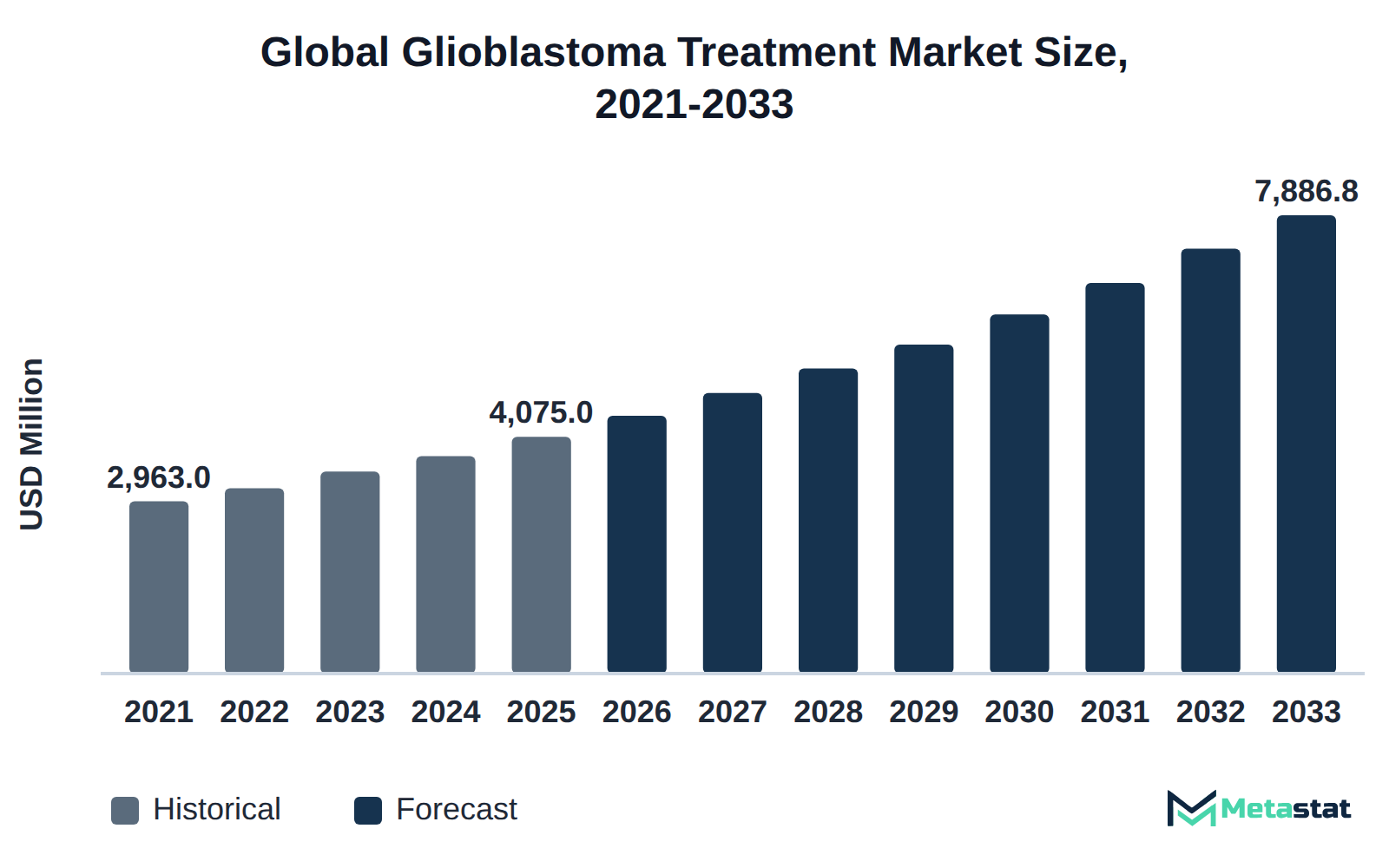
Market Valuation: Valued at $4,075 Million in 2025, projected to reach $7,886.8 Million by 2033 at a 8.6% CAGR.
Dominant Segment: The newly diagnosed glioblastoma segment leads the market, driven by the urgent demand for effective treatments and advancements in early detection technologies.
Geographic Lead: North America holds the largest market share, with the US projected to maintain its leadership due to its robust healthcare infrastructure and significant investment in cancer research.
What's Inside: The report provides comprehensive coverage of therapeutic modalities, disease settings, and end-user segments, along with detailed competitive analysis and growth forecasts from 2026 to 2033.
Emerging Trends: Innovative treatment approaches, including Tumor Treating Fields and CAR-T cell therapies, are reshaping the landscape, emphasizing personalized medicine and improved patient outcomes.
Market Dynamics: Increasing incidences of glioblastoma and advancements in treatment options are driving market growth, while pricing pressures and margin constraints challenge provider access to therapies.
Choose Your License
Global Glioblastoma Treatment Market
The global Glioblastoma Treatment market was valued at USD 4,075 million in 2025 and is projected to reach USD 7,886.8 million by 2033, growing at a CAGR of 8.6% over the forecast period.
The Glioblastoma Treatment market encompasses various therapeutic modalities aimed at addressing this aggressive form of brain cancer, a condition that also falls within the wider field of central nervous system therapeutics. Buyers invest in these treatments to improve patient outcomes and extend survival rates. Factors driving spending include the increasing prevalence of glioblastoma and advancements in treatment options, which enhance efficacy and tolerability. Hospitals, specialty cancer centers, and academic institutions represent the primary purchasers within this market.
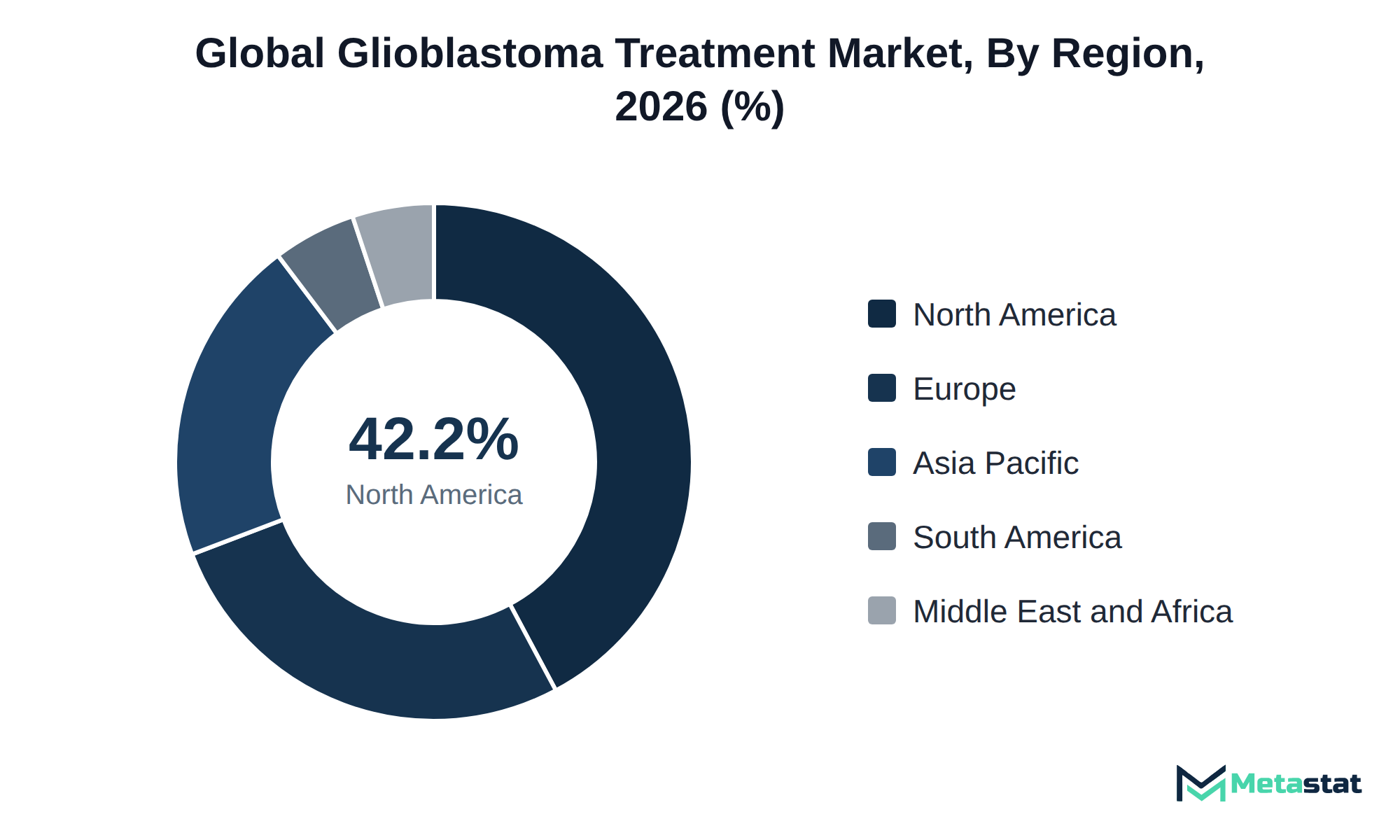
A significant growth driver in the market stems from the rising number of newly diagnosed glioblastoma cases. The segment of newly diagnosed glioblastoma commands the highest value, reflecting urgent medical needs and the demand for effective treatments. North America holds 42.2% of the market in 2025, with the US leading in 2026. This region's strong share is attributed to well-established healthcare infrastructure and high investment in cancer research and therapeutic development.
The ongoing evolution of treatment strategies, including the integration of immunotherapies and targeted therapies, continues to drive market growth. Increasing awareness and early detection of glioblastoma contribute to improved treatment outcomes and, consequently, higher market demand. Innovative solutions and personalized medicine are expected to support further growth in the Glioblastoma Treatment market.
Investment in the Glioblastoma Treatment market reflects the urgent demand for effective therapies to combat this challenging condition. The market includes a range of treatment modalities, including surgical resection, chemotherapy, and radiotherapy, which cater to varying patient needs. Buyers, primarily healthcare providers and institutions, allocate budgets towards innovative therapies that demonstrate improved outcomes and extended survival rates for patients diagnosed with glioblastoma.
Growth in this market is driven by increasing incidences of newly diagnosed glioblastoma cases globally, necessitating advanced treatment options. The segment with the highest value is the Alkylating Agents, which is important in treatment protocols. North America benefits from strong healthcare infrastructure and high levels of investment in cancer research and treatment development.
While the demand for personalized medicine rises, the market is poised for further expansion. The emphasis on targeted therapies and immunotherapies highlights the industry's shift towards more effective and tailored treatment strategies. Efforts by various stakeholders in the healthcare ecosystem to enhance patient outcomes contribute to the projected growth trajectory of the Glioblastoma Treatment market.
The introduction of Tumor-Treating Fields (TTFields) is transforming treatment protocols within the Glioblastoma Treatment market. This novel technology employs electric fields to disrupt cancer cell division, enhancing the efficacy of concurrent therapies. By 2033, the segment for Tumor Treating Fields is projected to expand significantly, reflecting strong industry interest and investment in this alternative modality.
TTFields operate independently and complement traditional therapies including chemotherapy and radiotherapy. The technology's increasing acceptance among healthcare providers signals a shift towards more integrative treatment approaches for glioblastoma. This acceptance aligns with evolving insights into precision oncology, where tailored therapies gain traction. Precision oncology strategies are anticipated to improve patient outcomes by targeting individual tumor characteristics, which reinforces the potential of TTFields within the treatment framework.
The anticipated growth in the Tumor Treating Fields segment, which is expected to achieve a compound annual growth rate (CAGR) of 11% during the forecast period, reflects rising demand for innovative solutions in the market. This growth emphasizes the efficacy of TTFields and represents a significant opportunity for stakeholders invested in glioblastoma therapies. Integrating such technologies widens the treatment options available to patients and supports market expansion.
The ongoing clinical development of immunotherapies, particularly CAR-T cell therapies, influences purchasing and payment models in the Glioblastoma Treatment market. Innovative therapies, including CAR-T and other T cell therapies, require significant investment from healthcare providers, prompting a shift in reimbursement strategies. Payers increasingly assess the value of these advanced therapies through outcomes-based agreements that tie reimbursement rates to the effectiveness of the treatment.
By 2033, the market for Alkylating Agents, which includes CAR-T cell therapies, is projected to reach USD 4,323.6 million, reflecting robust demand for novel treatment options. Payers and providers collaborate to establish contracts that emphasize long-term outcomes, addressing concerns regarding the high upfront costs of these therapies. This evolving approach to pricing drives competition among manufacturers to demonstrate clinical effectiveness and provide evidence for value-based pricing models.
The emphasis on innovative reimbursement mechanisms enables healthcare providers to offer CAR-T cell therapies while managing costs effectively. This transition improves patient access to advanced treatments and supports growth in the Glioblastoma Treatment market.
The growing prevalence of recurrent glioblastoma significantly influences the demand for innovative drug delivery systems and combination treatment strategies within the Glioblastoma Treatment market. Recurrent glioblastoma presents unique treatment challenges due to its aggressive nature and resistance to standard therapies. By 2033, the market for recurrent glioblastoma treatments is projected to achieve a value of USD 2,179.1 million, highlighting the critical need for effective interventions that address this complex condition.
Research and development efforts increasingly focus on combination therapies, which integrate multiple treatment modalities to enhance efficacy and overcome resistance. Strategies including combining systemic chemotherapy with radiotherapy show promise in extending survival rates and improving quality of life for patients. The emphasis on innovative delivery methods, including localized treatments and personalized medicine, reflects the evolving landscape of glioblastoma management. These advancements fulfill the specific requirements of healthcare providers and patients facing recurrent glioblastoma.
While the market continues to expand, stakeholders including hospitals and specialty cancer centers seek to adopt these novel strategies that address the intricate nature of recurrent glioblastoma. Successful implementation of improved treatment options enhances clinical outcomes and drives revenue growth within the market.
Innovative therapeutic approaches significantly enhance treatment outcomes for glioblastoma patients. The introduction of Tumor Treating Fields (TTFields) therapy has shown promising potential in extending survival rates and improving quality of life. This modality functions by delivering alternating electric fields to disrupt cancer cell division, contributing to a more effective treatment regime. The glioblastoma treatment market is anticipated to grow at a compound annual growth rate (CAGR) of 11% for this segment, reflecting the increasing acceptance and integration of TTFields into standard treatment protocols.
Advances in targeted therapies and immunotherapies continue to reshape treatment paradigms. For instance, alkylating agents, which had a market value of USD 2,665.6 million in 2026, are projected to grow to USD 4,323.6 million by 2033, driven by their efficacy in addressing tumor resistance. Such therapeutic advancements improve patient outcomes and stimulate competition among providers, which increases investment in research and development. The ongoing evolution of treatment options within the glioblastoma treatment market positions it for significant growth, catering to the unmet needs of patients and healthcare facilities alike.
The rising incidence of newly diagnosed glioblastoma significantly influences spending patterns among healthcare providers. Increased awareness of the disease, backed by advancements in diagnostic technologies, including diagnostic imaging equipment, has resulted in higher detection rates. This shift leads hospitals and specialty cancer centers to expand their treatment capabilities to address the growing patient population. Consequently, spending on therapeutic modalities, including surgical resection and local chemotherapy, reflects this trend. Projected value increases from USD 3,045 million in 2026 to USD 5,191.1 million by 2033, a compound annual growth rate of 7.9%. This heightened focus on early diagnosis and treatment drives further investment in innovative therapies and improves patient outcomes.
The increasing focus on targeted therapies significantly enhances treatment outcomes in the Glioblastoma Treatment market. Innovations in this area drive the development of drugs that specifically target cancer cells while sparing healthy tissue, improving patient safety and efficacy. New formulations of alkylating agents and anti-angiogenic therapies exemplify this trend, resulting in better treatment regimens for patients suffering from glioblastoma.
The integration of biomarker-driven approaches and clinical genetic testing services in clinical settings facilitates personalized treatment strategies. This evolution allows for tailored therapies based on individual patient profiles, ensuring optimal drug efficacy. The market is expected to experience a sustained increase in the adoption of these targeted therapies, particularly within specialty cancer centers focused on delivering advanced treatment options. Better patient outcomes and fewer side effects raise demand for targeted therapies and change treatment paradigms in glioblastoma management.
High treatment costs create significant barriers for healthcare providers in the Glioblastoma Treatment market. Hospitals and specialty cancer centers face constraints due to tight budgets and reimbursement challenges. These financial pressures result in slower uptake of advanced therapies, leading to smaller order volumes and delayed implementation of innovative treatment options. Many healthcare facilities prioritize essential services, often relegating glioblastoma treatments to secondary status, thereby impacting patient access to critical therapies.
The market experiences a ripple effect, where limited budgets restrict the adoption of advanced treatment modalities, including immunotherapies and targeted therapies. Limited budgets restrict newly diagnosed patients from receiving optimal care due to financial constraints faced by their healthcare providers. Consequently, the overall growth potential of the market remains hindered, emphasizing the need for strategies addressing these pricing barriers to enhance accessibility and treatment adoption.
The Glioblastoma Treatment market faces significant margin pressure, affecting the overall profitability of suppliers. Rising costs for raw materials and production processes impact expenses, with suppliers striving to maintain competitive pricing in an increasingly saturated market. This challenge leads to a need for suppliers to enhance operational efficiencies and optimize resource allocation to sustain margins.
In response, several suppliers invest in technology upgrades and process improvements aimed at reducing production costs. Streamlining operations and implementing cost-effective manufacturing techniques enables suppliers to maintain competitiveness while addressing market demands. Collaborative partnerships with research institutions facilitate innovation and the development of advanced therapeutic modalities. These strategies enhance product offerings, ultimately driving growth in the market while preserving profitability.
The segment focusing on newly diagnosed glioblastoma presents a significant opportunity within the Glioblastoma Treatment market. The increase in demand for effective therapies in this category stems from rising incidence rates and a growing emphasis on targeted treatment approaches. New advancements in therapeutic modalities tailored for newly diagnosed patients enhance clinical outcomes and support market expansion. Healthcare providers recognize the importance of addressing this patient population with innovative therapies, driving competitive dynamics among suppliers. The focus on improving survival rates creates a favorable environment for investment in research and development aimed at novel treatment protocols. This segment's growth potential aligns with the overall trend of seeking more effective and personalized treatments for glioblastoma, enhancing the market's attractiveness for stakeholders.
The Global Glioblastoma Treatment market is segmented based on Therapeutic Modality, Disease Setting, Therapeutic Approach, and End User.
Surgical Resection and Local Chemotherapy segment is valued at USD 980 million in 2026 and is projected to reach USD 1,565.5 million by 2033, at a CAGR of 6.9% during the forecast period. This approach primarily targets glioblastoma treatment through the surgical removal of tumors followed by localized chemotherapy to enhance therapeutic efficacy. Hospitals and specialty cancer centers frequently adopt this method due to its direct impact on tumor reduction and improved patient outcomes. Increasing awareness regarding advancements in neurosurgery and enhanced chemotherapy techniques drives growth in this segment. Compared to other approaches, including Systemic Chemotherapy, this modality offers a more targeted intervention, resulting in a lower incidence of systemic side effects. The segment's growth rate stands out, with a CAGR of 6.9%, positioning it as a stable and essential component of the market, appealing particularly to healthcare providers prioritizing effective treatment strategies.
Radiotherapy segment is estimated to reach USD 1,334.5 million by 2033, at a CAGR of 7.7% during the forecast period. This modality treats glioblastoma by delivering targeted radiation that destroys cancer cells. Primarily used by hospitals and specialty cancer centers, this treatment approach offers significant benefits for patients diagnosed with this aggressive form of brain cancer. The increasing focus on improving treatment outcomes drives demand for radiotherapy, supported by ongoing advancements in technology. Compared to other therapeutic modalities, radiotherapy experiences a moderate growth rate, influenced by its established place in treatment protocols and the evolving landscape of novel therapies. This contrasts with the faster growth observed in segments like Tumor Treating Fields, which present alternative treatment options, reflecting a diversification in approaches to combat glioblastoma. Over time, the market for radiotherapy is expected to adapt to new technologies and methodologies to enhance efficacy and patient outcomes.
Systemic Chemotherapy segment is expected to reach USD 1,691.7 million by 2033. This therapeutic modality involves the use of drugs that circulate throughout the body to target cancer cells, often used in conjunction with other treatment approaches. Hospitals and specialty cancer centers primarily administer systemic chemotherapy to treat patients with glioblastoma. Increasing incidence rates of this aggressive cancer significantly drive the demand for systemic chemotherapy, with a projected compound annual growth rate (CAGR) of 8.6%. Compared to Surgical Resection and Local Chemotherapy, which has a CAGR of 6.9%, systemic chemotherapy exhibits stronger growth potential. Enhanced drug formulations and delivery mechanisms contribute to its rising adoption, positioning this segment as a crucial component in treatment regimens for glioblastoma patients.
Tumor Treating Fields segment is projected to grow at a CAGR of 11% during the forecast period. This innovative approach employs electric fields to disrupt cancer cell division, targeting glioblastoma cells specifically. Hospitals and specialty cancer centers frequently adopt this modality due to its non-invasive nature and ability to complement existing treatments. The segment stands out due to its unique mechanism of action compared to conventional therapies, which typically focus on chemical or radiation methods. Increasing clinical evidence supporting its efficacy contributes to rising adoption rates, particularly among newly diagnosed patients. The availability of favorable reimbursement policies enhances accessibility, driving growth within the market.
Targeted therapy employs specific agents designed to target cancer cells while minimizing damage to surrounding healthy tissues. This approach is primarily used by hospitals and specialty cancer centers, focusing on personalized medicine strategies that improve patient outcomes. Strong demand stems from the increasing prevalence of glioblastoma and the necessity for more precise treatment options, particularly among patients with limited responses to traditional therapies. The segment distinguishes itself from others through its emphasis on innovative drug mechanisms, often resulting in higher price points and the potential for better efficacy. Compared to surgical resection or systemic chemotherapy, targeted therapy often requires less invasive procedures and offers differentiated treatment pathways, appealing to a broader range of healthcare providers within the market.
Immunotherapy focuses on targeting and destroying glioblastoma cells through the body's immune response. This therapeutic approach is applied primarily in specialized cancer centers and hospitals equipped to deliver advanced treatment options. Demand for immunotherapy is driven by the increasing incidence of glioblastoma and the need for effective alternatives to traditional therapies, including chemotherapy and radiotherapy. Immunotherapy differs from other modalities through its application of biopharmaceutical agents, which often results in a higher treatment cost compared to conventional options. With an emphasis on innovative therapeutic methods, this segment supports market growth while addressing the complexities associated with glioblastoma treatments.
Oncolytic Virus Therapy employs genetically modified viruses to selectively infect and destroy cancer cells, representing an innovative approach in oncological treatment. This modality serves oncologists and researchers focused on finding effective therapies for glioblastoma patients, particularly those with limited treatment options. The segment experiences growth driven by advancements in genetic engineering and rising interest in personalized medicine. Regulatory support for novel therapies enhances the environment for development, leading to quicker approvals for innovative solutions. Compared to traditional modalities like chemotherapy and radiotherapy, Oncolytic Virus Therapy offers a unique mechanism of action, addressing the need for more effective and less toxic treatment alternatives. While other therapeutic modalities cater to broad patient demographics, this therapy targets specific tumor characteristics, appealing to a niche market segment that seeks advanced treatment developments. Ongoing clinical trials and research initiatives continue to shape its trajectory within the broader Glioblastoma Treatment market.
Gene and Cell Therapy involves innovative treatments aimed at modifying genetic material or applying living cells to combat glioblastoma. This therapeutic modality targets cancer cells more precisely, offering potential advantages in efficacy and reduced side effects. Hospitals and specialty cancer centers frequently employ these treatments, focusing on advanced cases where traditional therapies have limited effectiveness. Driving factors include rapid advancements in genomic research and increasing investment in cell-based therapies, reflecting a broader shift toward personalized medicine. Compared to other modalities, Gene and Cell Therapy experiences slower adoption due to regulatory hurdles and the complexity surrounding clinical approvals. However, this segment distinguishes itself with a higher price point, appealing to institutions focused on advanced treatment options that promise better patient outcomes.
Drug Delivery Technologies involve innovative methods for delivering therapeutic agents directly to glioblastoma cells. This approach enhances the efficacy of treatments by improving drug absorption and reducing systemic exposure, which is crucial for maximizing therapeutic outcomes. Hospitals and specialty cancer centers frequently adopt these technologies to improve patient outcomes in the challenging landscape of glioblastoma treatment. Key forces driving this segment include the increasing demand for precision medicine and advancements in nanotechnology, which enable targeted delivery of therapies. Compared to other therapeutic modalities, Drug Delivery Technologies focus more on refining administration methods, resulting in diverse pricing structures and potentially higher costs for advanced delivery systems. This segment's unique characteristics differentiate it from conventional treatments, highlighting its relevance in the evolving glioblastoma treatment market.
The Newly Diagnosed Glioblastoma segment is valued at USD 3,045 million in 2026 and is projected to reach USD 5,191.1 million by 2033, at a CAGR of 7.9% during the forecast period. This segment primarily involves treatments targeting patients who receive a new diagnosis of glioblastoma, facilitating timely intervention and management. Hospitals and specialty cancer centers mainly apply these treatments to enhance patient outcomes and survival rates. The increase in early detection and advancements in diagnostic methodologies drive significant growth in this segment. Compared to other segments including Recurrent Glioblastoma, which is projected to grow at a CAGR of 10.2%, this segment exhibits comparatively moderate growth, reflecting a growing focus on tailored therapies for newly diagnosed patients. Overall demand in the Glioblastoma Treatment market reflects an urgency to address this aggressive cancer type effectively while improving quality of care.
Recurrent Glioblastoma segment is estimated to reach USD 2,179.1 million by 2033, at a CAGR of 10.2% during the forecast period. This segment targets patients experiencing the return of glioblastoma after initial treatment, playing a critical role in ongoing patient management. Hospitals and specialty cancer centers primarily apply treatments for recurrent glioblastoma, seeking effective solutions to combat this aggressive cancer. A significant driver for this segment includes the urgent demand for therapies that address treatment-resistant tumors, demonstrating higher growth potential compared to other disease settings. The 10.2% CAGR reflects the increasing focus on innovative therapies specifically designed for recurrent cases. Compared to newly diagnosed glioblastoma, which sees a CAGR of 7.9%, the recurrent glioblastoma segment experiences faster growth, emphasizing the urgent need for effective intervention strategies in the market.
Progressive Glioblastoma segment is expected to reach USD 516.6 million by 2033. This segment targets patients with glioblastoma that has progressed despite treatment, often requiring specialized therapeutic approaches. Hospitals and specialty cancer centers frequently apply these treatments, driven by the increasing prevalence of recurrent cases. The CAGR for this segment stands at 10.2%, indicating a higher growth rate compared to other sub-segments. Factors influencing this segment include advancements in treatment modalities and ongoing demand for innovative therapeutic options. Continued investments in research and development aim to enhance treatment effectiveness, addressing the complexities associated with progressive cases. The market exhibits a distinct focus on targeted therapies that aim to improve patient outcomes in challenging scenarios, differentiating this segment from others that address earlier disease stages.
This therapeutic approach primarily targets glioblastoma cells by adding alkyl groups to DNA, leading to cell death. Hospitals and specialty cancer centers apply this treatment modality extensively, relying on its established efficacy. The increasing prevalence of glioblastoma fuels demand for Alkylating Agents, resulting in growth for suppliers. This segment exhibits slower growth compared to others, including Tumor Treating Fields, which achieves a CAGR of 11%. Alkylating Agents face competition from newer therapies; however, their long-standing presence in treatment protocols supports continued adoption and innovation in formulation.
Anti-Angiogenic Therapies segment is estimated to reach USD 1,414.1 million by 2033, at a CAGR of 9% during the forecast period. This treatment approach targets the blood vessels that supply tumors, thereby inhibiting their growth and spread. Healthcare providers, including hospitals and specialty cancer centers, apply these therapies to enhance patient outcomes. The increasing demand for innovative treatments drives growth in this segment, particularly due to rising incidences of glioblastoma. Compared to Surgical Resection and Local Chemotherapy, which show a CAGR of 6.9%, Anti-Angiogenic Therapies exhibit a higher growth rate. This difference highlights a shift toward less invasive treatment options that align with evolving patient care standards. The focus on improving patient quality of life further cements the significance of this segment in the Glioblastoma Treatment market.
Immune Checkpoint Inhibitors segment is expected to reach USD 810.8 million by 2033. This therapeutic approach targets specific proteins on immune cells to enhance the body's immune response against glioblastoma cells. Hospitals and specialty cancer centers apply these inhibitors to improve treatment outcomes for patients with various forms of glioblastoma. The growth of this segment is driven by increasing research and development investments in immunotherapy, reflecting a broader trend toward personalized medicine. With a projected CAGR of 9%, Immune Checkpoint Inhibitors exhibit stronger growth compared to other therapeutic approaches, including Alkylating Agents, which have a CAGR of 7.2%. This growth trajectory highlights the evolving treatment landscape, while healthcare providers seek advanced solutions for treating glioblastoma more effectively. Innovations in therapeutic modalities are valued in the market, positioning this segment favorably in the competitive environment.
Cancer Vaccines segment is projected to grow at a CAGR of 11.2% during the forecast period. This segment focuses on developing therapeutic vaccines designed to stimulate the immune system to recognize and attack glioblastoma cells. Utilization occurs primarily in specialized cancer treatment facilities and academic research hospitals. Factors driving this segment include increasing research initiatives targeting immunotherapy and the rising prevalence of glioblastoma cases globally. Compared to other approaches within the therapeutic modalities, Cancer Vaccines offer a distinct avenue for treatment, reflecting a higher growth trajectory than segments including Systemic Chemotherapy and Radiotherapy, both of which face more established competition. With an estimated market size projected at USD 810.8 million by 2033, the segment represents a strong opportunity for innovation and investment in the Glioblastoma Treatment market.
CAR-T Cell Therapies involve a novel approach to treating glioblastoma through genetically engineered T cells that target tumor cells. This strategy finds application primarily in specialty cancer centers and academic research hospitals, where advanced therapies are pursued for patients with limited treatment options. Demand for CAR-T Cell Therapies expands due to ongoing advancements in genetic engineering and immunotherapy, driving innovation in treatment protocols. Compared to traditional therapies, CAR-T Cell Therapies offer a potential for more targeted and effective outcomes, though they typically come at a higher price point. This segment distinguishes itself through its alignment with innovative research and personalized medicine, setting it apart from other therapeutic approaches that follow more conventional treatment methodologies. Adoption faces challenges related to regulatory requirements and the need for specialized cell therapy manufacturing capabilities, influencing overall dynamics in the Glioblastoma Treatment market.
Oncolytic Virus Therapies employ genetically altered viruses to selectively infect and target glioblastoma cells, presenting a novel strategy in the treatment landscape. This segment appeals to oncologists and specialized treatment centers focused on innovative approaches for glioblastoma patients. Demand is expected to increase due to the growing emphasis on personalized medicine and advancements in viral therapy techniques. Compared to other therapeutic approaches, Oncolytic Virus Therapies demonstrate significant potential for rapid growth, driven by ongoing clinical trials and expanding research supporting their efficacy. This differentiation from traditional methods stems from established practices and regulatory complexities that slow their adoption rates. The Glioblastoma Treatment market benefits from the integration of these therapies, reflecting a shift in treatment paradigms toward more targeted and effective solutions.
This segment encompasses innovative approaches using gene and cell therapies to address glioblastoma. These treatments focus on modifying genetic material or employing living cells to combat tumor growth, often targeting the underlying mechanisms of cancer. Hospitals and specialty cancer centers apply these therapies to provide customized treatment options for patients. A significant driver for this segment includes increasing research and development investments aimed at enhancing the efficacy of these therapies. Regulatory advancements enable quicker approvals for innovative treatment options. Compared to other therapeutic approaches, gene and cell therapies often carry higher price points due to their complexity and development costs, which limit accessibility for certain patient populations. The Glioblastoma Treatment market is expected to evolve, with this segment representing a critical area for future advancements and patient care.
Hospitals segment is valued at USD 2,556.4 million in 2026 and is projected to reach USD 4,323.6 million by 2033, at a CAGR of 7.8% during the forecast period. This segment primarily caters to patients requiring advanced treatment for glioblastoma, with hospitals providing comprehensive care through surgical interventions, chemotherapy, and radiotherapy. The increasing incidence of glioblastoma fuels demand for effective therapies within hospitals, enhancing treatment access for patients. Hospitals serve as research and training centers, enabling the integration of innovative treatment modalities. Compared to other end users, hospitals maintain a significant market share due to their capacity to offer multidisciplinary treatment options and resources. Market growth reflects a shift towards personalized treatment plans and the adoption of new technologies in hospital settings.
Specialty Cancer Centers segment is estimated to reach USD 1,851.8 million by 2033, at a CAGR of 9.8% during the forecast period. These centers provide specialized treatment for patients with complex oncological conditions, including glioblastoma. Facilities focus on delivering tailored treatment plans that combine advanced therapeutic modalities, benefiting patients requiring personalized care. Demand for services provided by these centers is driven by increasing incidences of glioblastoma and the growing need for specialized expertise in treatment approaches. This segment experiences faster growth compared to traditional hospitals, reflecting a shift toward more specialized care and innovative treatment options. The attention on advanced therapies, including immunotherapy and targeted treatments, further enhances the attractiveness of these centers within the glioblastoma treatment market. With a projected CAGR of 9.8%, the segment stands out for its capacity to offer advanced solutions, positioning it favorably within the competitive landscape.
Academic and Research Hospitals segment is expected to reach USD 1,046.6 million by 2033. This segment serves crucial roles in advancing glioblastoma treatment through clinical research, innovative therapies, and the integration of new findings into practice. These hospitals cater to a diverse patient base, including those involved in clinical trials and those receiving standard care. A significant driver for this segment includes the increasing emphasis on research initiatives aimed at discovering novel treatment modalities, enhancing the overall market. With a projected CAGR of 7.8% from 2026 to 2033, this segment experiences slower growth compared to others, reflecting a more measured approach to adoption. In contrast, the Specialty Cancer Centers segment anticipates a higher growth rate of 9.8%, driven by their focus on specialized treatments and advanced technologies. The unique position of Academic and Research Hospitals highlights their contributions to both patient care and the broader landscape of glioblastoma treatment, bridging the gap between research and clinical application.
Ambulatory Surgical Centers segment is projected to grow at a CAGR of 8.9% during the forecast period. These centers provide outpatient surgical services, catering to patients requiring glioblastoma treatments. The demand for minimally invasive procedures drives growth in this segment, with these centers offering efficiency and reduced recovery times for patients. Rising patient preference for outpatient care contributes to increased adoption. This segment experiences higher growth compared to traditional hospital settings, where surgical procedures occur less frequently. The emphasis on cost-effective treatments in the Glioblastoma Treatment market further enhances the appeal of Ambulatory Surgical Centers, allowing them to serve as a viable option for both patients and healthcare providers.
Clinical Research Organizations focus on the development and management of clinical trials for glioblastoma treatments. These organizations play a crucial role in evaluating the efficacy and safety of new therapies through structured research protocols. Hospitals, specialty cancer centers, and academic institutions often collaborate with these organizations to ensure rigorous testing and regulatory compliance. Increasing demand for innovative treatments drives growth in this sub-segment, with a focus on advancing clinical trial methodologies and regulatory frameworks. Compared to other end users, Clinical Research Organizations typically emphasize research funding and patient recruitment strategies, which distinguishes their operational dynamics. The evolving landscape of glioblastoma treatment necessitates ongoing investment in clinical research, reflecting an urgent need for effective therapies. This segment supports the overall progress in the market for glioblastoma treatment, contributing to the development of novel therapeutic options.
Based on geography, the Global Glioblastoma Treatment market is divided into North America, Europe, Asia-Pacific, South America, Middle East, and Africa.
North America exhibits significant growth in the Glioblastoma Treatment market, driven by advanced healthcare infrastructure and high investments in cancer research. The presence of numerous hospitals and specialty cancer centers supports rapid adoption of innovative treatment modalities, particularly in the United States, Canada, and Mexico. Regulatory support for new therapies, alongside escalating healthcare expenditure, enhances the demand for effective glioblastoma treatments. By 2033, North America is projected to reach USD 3,176.8 million. With a market share of 42.2% in 2025, this region remains a key player in the global landscape, emphasizing its commitment to addressing the unique needs of glioblastoma patients through targeted therapies and robust clinical practices. The market expansion aligns with the increasing prevalence of glioblastoma and the urgent need for advanced treatment options.
The European Glioblastoma Treatment market holds a share of 27.00% in 2025, driven by strong demand from hospitals and specialty cancer centers. Germany, France, the UK, Italy, and Spain rank among the leading countries contributing to the growth in this market. Regulatory frameworks across these nations support advanced treatment modalities, driving innovation in therapeutic approaches. Investments in research and development facilitate the introduction of novel therapies, enhancing treatment options for patients. The market concentrates on effective solutions for both newly diagnosed and recurrent glioblastoma, highlighting a robust pipeline of therapies. This region demonstrates a commitment to addressing glioblastoma, ensuring that patients have access to the latest advancements in treatment. The Glioblastoma Treatment market remains poised for expansion, with a focus on improving patient outcomes and increasing survival rates.
Asia Pacific holds a 20.5% share of the Glioblastoma Treatment market in 2025. This region comprises key countries including China, Japan, India, South Korea, and Australia, which drive demand through a combination of growing healthcare infrastructure and increasing disease awareness. An increasing number of specialty cancer centers in urban areas enhances access to advanced treatment options, fueling market growth. Emerging immunotherapy approaches, particularly in major economies, facilitate adoption among healthcare providers. Market expansion in this region is driven by the need for innovative treatment modalities and improved patient outcomes, with stakeholders continually exploring novel therapeutic avenues for glioblastoma management. The market in Asia Pacific is positioned for notable growth, reflecting the regional commitment to addressing this challenging disease.
Brazil and Argentina represent key players in the Glioblastoma Treatment market within South America. The healthcare sector in this region faces challenges related to limited access to advanced treatments, impacting patient outcomes. Investment in healthcare infrastructure remains critical, with ongoing initiatives aimed at improving treatment access and quality. Regional players focus on enhancing awareness and availability of therapies for glioblastoma, addressing a substantial medical need. The market share for South America reflects a growing recognition of glioblastoma treatment options in the region. Trends indicate increasing demand for innovative therapies, driven by rising incidence of glioblastoma and an emphasis on developing effective treatment protocols.
The Middle East and Africa represent a developing segment of the Glioblastoma Treatment market. Saudi Arabia and the UAE display increasing investments in healthcare infrastructure, which enhances access to advanced treatment protocols. South Africa demonstrates a growing awareness of glioblastoma, leading to rising demand for innovative therapies. The significant cost of treatments poses challenges for healthcare providers, influencing purchasing decisions. Regulatory landscapes within these countries focus on improving treatment availability, driving the market forward. Stakeholders are adapting to these dynamics, positioning themselves for growth opportunities within this emerging region.
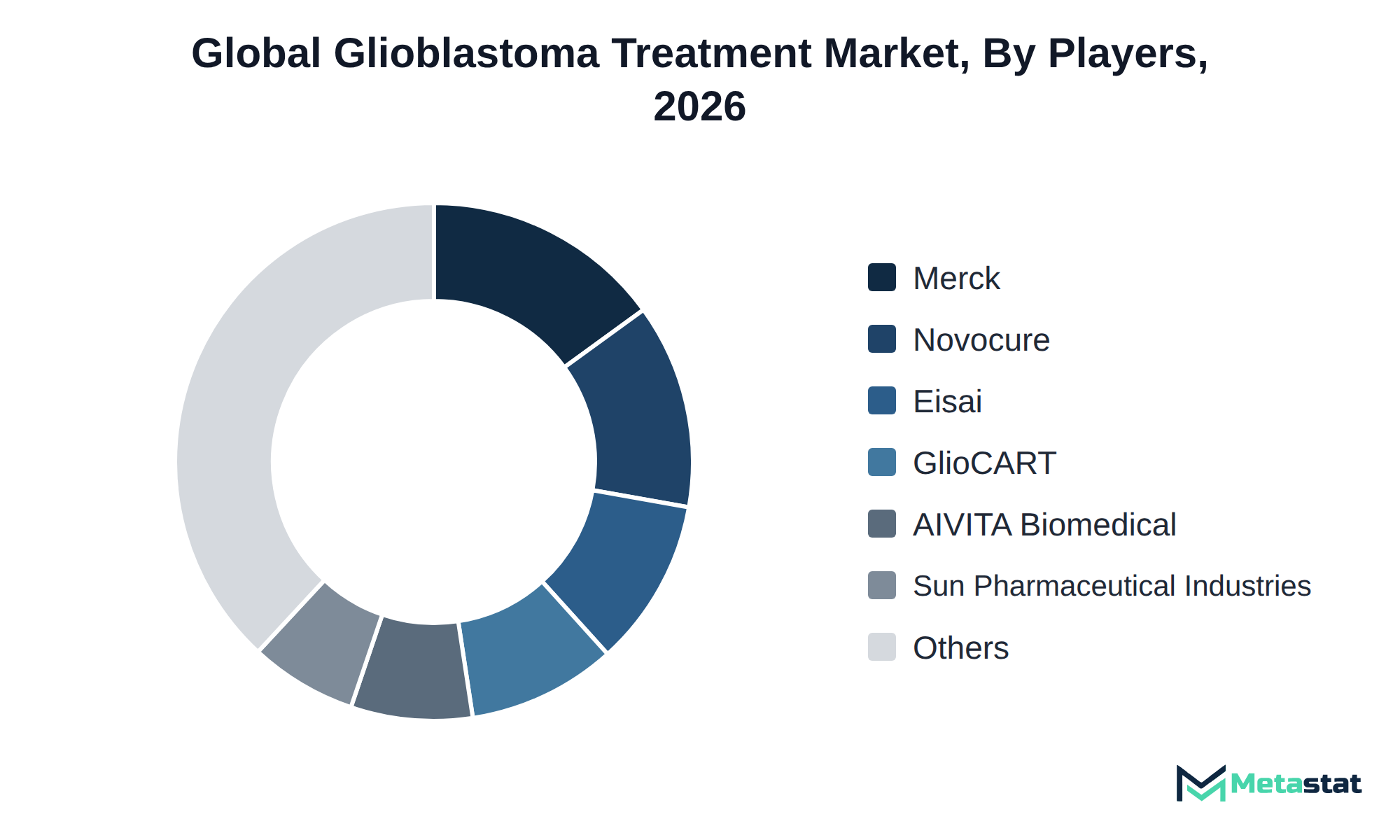
The Glioblastoma Treatment market includes companies that compete through various therapeutic modalities and approaches. Key players focus on distinct segments including surgical resection, local chemotherapy, and radiotherapy, offering choices that reflect differences in treatment strategies and patient needs.
Buyers typically evaluate options based on factors including price, efficacy, and the availability of specialized treatments. GlioCART GmbH emphasizes innovative therapies to enhance treatment outcomes, while Merck & Co., Inc. uses extensive research capabilities to develop advanced drug formulations. Novocure Ltd. focuses on Tumor Treating Fields technology, an emerging therapeutic approach within the market.
Companies in the Glioblastoma Treatment market differentiate through their therapeutic approaches and intended end-users. AIVITA Biomedical, Inc. concentrates on personalized medicine solutions, catering to the unique needs of patients, while Immunomic Therapeutics, Inc. engages in the development of immune-based therapies, addressing demand for novel treatment options. This strategic focus enhances market positioning and aligns with ongoing advancements in glioblastoma therapies.
The market expansion relies on key developments, including advancements in therapeutic modalities and increasing adoption of innovative treatment approaches. In the segment of Surgical Resection and Local Chemotherapy, achieving a value of USD 1,565.5 million by 2033 reflects a strong focus on surgical interventions combined with localized therapies, driven by improved patient outcomes. The rise in demand for Anti-Angiogenic Therapies, projected to reach USD 1,414.1 million by 2033, reflects the shift toward targeted treatment options that enhance therapeutic effectiveness. Potential risks affecting growth include economic uncertainties and healthcare budget constraints, particularly in North America, which holds the largest share at 42.2% of the market. Regional healthcare policies and funding availability significantly influence treatment accessibility and investment in innovative therapies. Achieving the projected growth in the Glioblastoma Treatment market depends on continuous innovation and effective resource allocation across different segments.
By Therapeutic Modality: Surgical Resection and Local Chemotherapy, Radiotherapy, Systemic Chemotherapy, Tumor Treating Fields, Targeted Therapy, Immunotherapy, Oncolytic Virus Therapy, Gene and Cell Therapy, Drug Delivery Technologies
By Disease Setting: Newly Diagnosed Glioblastoma, Recurrent Glioblastoma, Progressive Glioblastoma
By Therapeutic Approach: Alkylating Agents, Anti-Angiogenic Therapies, Immune Checkpoint Inhibitors, Cancer Vaccines, CAR-T Cell Therapies, Oncolytic Virus Therapies, Others (Gene and Cell Therapies)
By End User: Hospitals, Specialty Cancer Centers, Academic and Research Hospitals, Ambulatory Surgical Centers, Clinical Research Organizations
The report strategically identifies and profiles the key market players and analyses their core competencies in each sub-segment of the Glioblastoma Treatment market.
Report Attributes | Details |
Study Period | 2021-2033 |
Base Year | 2025 |
Estimated Year | 2026 |
Forecast Period | 2026-2033 |
Historical Period | 2021-2025 |
Growth Rate | CAGR 8.6% from 2026 to 2033 |
Revenue Unit | USD million |
Segmentation | By Therapeutic Modality, Disease Setting, Therapeutic Approach, End User, and Region |
By Region | North America (By Therapeutic Modality, Disease Setting, Therapeutic Approach, End User, and Country)
|
Europe (By Therapeutic Modality, Disease Setting, Therapeutic Approach, End User, and Country)
| |
Asia Pacific (By Therapeutic Modality, Disease Setting, Therapeutic Approach, End User, and Country)
| |
South America (By Therapeutic Modality, Disease Setting, Therapeutic Approach, End User, and Country)
| |
Middle East and Africa (By Therapeutic Modality, Disease Setting, Therapeutic Approach, End User, and Country)
|
Find answers to common questions about this report
The Glioblastoma Treatment market size was valued at USD 4,075 million in 2025.
The market is projected to grow at a CAGR of 8.6% during the forecast period from 2026 to 2033.
The North America Glioblastoma Treatment market size is estimated to reach USD 3,176.8 million by 2033.
The leading segment in the Glioblastoma Treatment market is "Newly Diagnosed Glioblastoma," with a projected value of USD 5,191.1 million by 2033. This segment surpasses others in terms of revenue potential during the forecast period.
Rising incidence rates of newly diagnosed glioblastoma drive demand for effective therapies, leading to increased spending on treatment modalities. The growing emphasis on targeted treatment approaches enhances clinical outcomes, further supporting market expansion.
North America holds the dominant share of the Glioblastoma Treatment market, with a projected value of USD 3,176.8 million in 2033, representing 42.2 percent of the total market. This figure significantly exceeds the shares of other regions.
High treatment costs create significant barriers for healthcare providers, resulting in slower uptake of advanced therapies. Tight budgets and reimbursement challenges lead to smaller order volumes and delayed implementation of innovative treatment options.
Several factors favor adoption in the Glioblastoma Treatment market, including the rising incidence of newly diagnosed cases and advancements in targeted therapies. Increased awareness and improved diagnostic technologies enhance treatment capabilities, driving demand for innovative therapies that improve clinical outcomes.
The Glioblastoma Treatment market is estimated to reach a valuation of USD 7,886.8 million by 2033.
Key players operating in the Glioblastoma Treatment market include GlioCART GmbH, Merck & Co., Inc., Novocure Ltd., AIVITA Biomedical, Inc., Eisai Co., Ltd., Immunomic Therapeutics, Inc., Accord Healthcare Ltd., and Sun Pharmaceutical Industries Ltd.
The analysts below cover Healthcare research at Metastat Insights.
LEAD ANALYST
Utkarsh Khirodkar is a Lead Market Research Analyst at MetaStat Insight, specializing in market intelligence, technology sector assessments, and competitive strategy.

LEAD PRINCIPAL ANALYST, PHARMA AND HEALTHCARE
Food and Beverages · Healthcare · Healthcare IT · Medical Devices
Ajay Devgire is the Lead Healthcare Analyst at MetaStat Insight, leading strategic research and market intelligence initiatives across the global healthcare domain.
Floating offshore wind feasibility relies heavily on specialized installation vessel availability and port crane limits, which most broad renewable energy forecasts ignore. The report delivered a thorough analysis of dry dock capacity, mooring chain supply constraints, and raw material pricing trends for deepwater anchor installations. It served as a solid independent sanity check for our offshore project capital expenditure assumptions.
Assessing commercial microgrid software adoption requires looking past top-level installation numbers and examining utility interconnection queues. The research provided verifiable data on average permitting timelines, tariff structures, and battery storage integration costs across regional utility territories. That grounded perspective was valuable for our team when building five-year demand projections for industrial microgrid controllers.
Ambulatory surgical centers have very different purchasing cycles for robotic-assisted surgery platforms than major hospital networks. The MetaStat Insight study focused squarely on capital expenditure depreciation, procedural reimbursement pathways, and surgeon training overhead. That operational clarity made it much simpler to validate multi-year procedure growth forecasts against actual ambulatory center adoption patterns.
Explore related market intelligence reports worth reading alongside this one.