
LEAD ANALYST
Utkarsh Khirodkar is a Lead Market Research Analyst at MetaStat Insight, specializing in market intelligence, technology sector assessments, and competitive strategy.

Global Clinical Genetic Testing Services Market Size, Share, By Test Type (Hereditary Cancer Testing, Carrier Screening, Non-Invasive Prenatal Testing (NIPT), Prenatal Diagnostic Genetic Testing, Rare Disease and Mendelian Disorder Testing, Pharmacogenetic Testing, Somatic Cancer Genomic Testing, Chromosomal Abnormality Testing, Predictive and Presymptomatic Genetic Testing and Preimplantation Genetic Testing), By Technology (Next-Generation Sequencing (NGS), Polymerase Chain Reaction (PCR), Sanger Sequencing, Chromosomal Microarray Analysis, Fluorescence In Situ Hybridization (FISH), Conventional Cytogenetics, MLPA and Digital PCR), By Application (Oncology, Reproductive Health and Prenatal Care, Pediatrics and Rare Genetic Disorders, Cardiology, Neurology, Pharmacogenomics and Medication Management, Hematology, Immunology and Metabolic and Endocrine Disorders), By End User (Hospitals and Health Systems, Independent Clinical Diagnostic Laboratories, Physician Offices and Specialty Clinics, Academic Medical Centers, Direct-to-Consumer and At-Home Testing Customers and Government Screening Programs), Industry Analysis, Growth, Trends, and Forecast, 2026-2033
Report ID
MSI-5464
Published
October, 2026
Pages
286 Pages
Format
Historical
Base year
Forecast
Forecast period
Report Details
Market Valuation: Valued at $20.8 Billion in 2025, projected to reach $44.2 Billion by 2033 at a 9.9% CAGR.
Dominant Segment: Oncology leads the Clinical Genetic Testing Services market, driven by the rising demand for targeted therapies and precision medicine in cancer treatment.
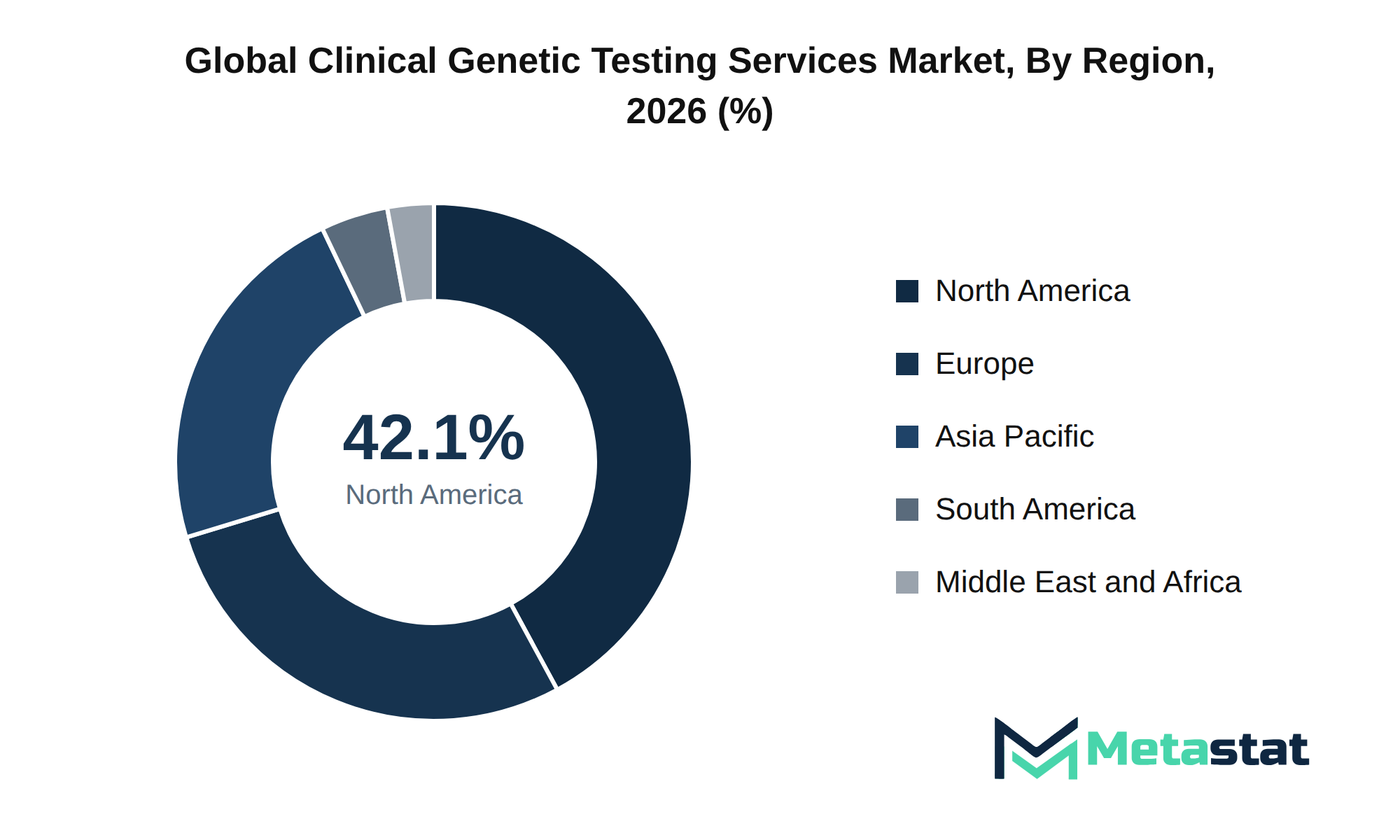
Geographic Lead: North America is the leading region, accounting for 42.1% of the market in 2025, supported by a robust healthcare infrastructure and significant investments in research and development.
What's Inside: The report provides comprehensive competitive coverage, detailed analyses of market dynamics, and a forecast window extending from 2026 to 2033.
Emerging Opportunities: Hereditary cancer testing presents significant growth opportunities, fueled by increasing awareness and advancements in genetic testing technologies.
Technological Advancements: Next-Generation Sequencing (NGS) is transforming the market, expected to reach USD 21.3 billion by 2033, with a CAGR of 12.6%, enhancing diagnostic accuracy and efficiency.
Choose Your License
Global Clinical Genetic Testing Services Market
The global Clinical Genetic Testing Services market was valued at USD 20.8 billion in 2025 and is projected to reach USD 44.2 billion by 2033, growing at a CAGR of 9.9% over the forecast period. In clinical care pathways, genetic profiling is routinely combined with diagnostic imaging equipment examinations to correlate anatomical findings with underlying germline or somatic variations. This expansion mirrors broad demand patterns across healthcare analytical testing services as regulatory bodies emphasize comprehensive assay validation and quality control.
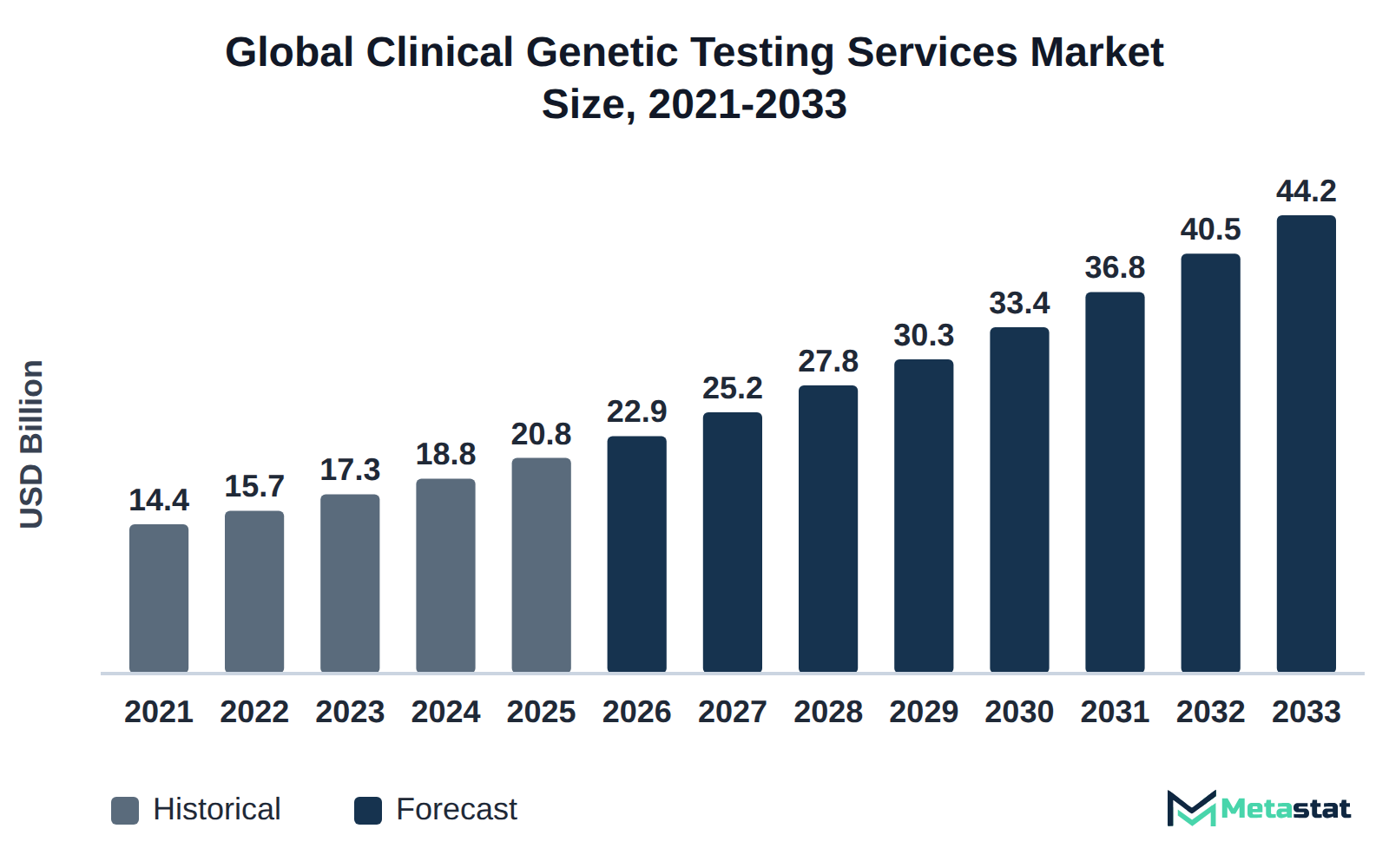
The Clinical Genetic Testing Services market encompasses a variety of genetic testing procedures that assist in the diagnosis and management of genetic disorders. Buyers invest in these services due to the increasing prevalence of genetic conditions and the growing emphasis on personalized medicine. The services provided within this market contribute to improved patient outcomes and enable healthcare providers to tailor treatment plans based on genetic information.
Key growth drivers include advancements in technology, particularly in Next-Generation Sequencing (NGS), which enhances the accuracy and efficiency of genetic testing. Oncology represents the segment with the highest value within the market, reflecting the rising demand for targeted therapies and precision medicine in cancer treatment. North America holds 42.1% of the market in 2025, with the US leading in 2026. This region benefits from a well-established healthcare infrastructure and significant investments in research and development.
Ongoing collaboration among research institutions, healthcare providers, and technology companies drives innovation and expands the range of genetic testing services available. The increasing awareness of genetic testing's benefits among healthcare professionals and patients fuels demand across various applications, driving overall market expansion. Continuous improvements in testing methodologies and the availability of comprehensive genetic panels further support the market growth trajectory.
The Clinical Genetic Testing Services market addresses the increasing demand for accurate and timely genetic testing. Buyers invest in these services to enhance patient care, improve diagnosis accuracy, and enable personalized treatment options. Significant expenditure is driven by factors including the rising prevalence of genetic disorders and the growing awareness of genetic testing benefits among healthcare providers and patients. The market encompasses various testing types, technologies, applications, and end users, each contributing to its expansion.
Growth in the market is influenced primarily by advancements in technology, particularly the rise of Next-Generation Sequencing (NGS) techniques. NGS has transformed genetic testing by providing greater accuracy and efficiency, making it the most valuable segment within the market. In comparison, Europe and Asia Pacific follow with shares of 28.2% and 22.6%, respectively, highlighting a diverse geographical landscape for genetic testing services.
The increasing incidence of hereditary cancers and other genetic conditions drives demand for hereditary cancer testing. Hospitals and health systems represent the largest end-user segment, reflecting a strong focus on integrating genetic testing into routine clinical practice. This emphasis on genetic testing aligns with broader trends in personalized medicine, improving patient outcomes and driving substantial growth in the Clinical Genetic Testing Services market.
Next-Generation Sequencing (NGS) is changing the Clinical Genetic Testing Services market by enabling rapid and cost-effective genetic analysis. By 2033, the NGS segment is projected to reach USD 21.3 billion, reflecting a compound annual growth rate (CAGR) of 12.6%. This technology allows for comprehensive analysis of genetic variants, supporting more accurate diagnostics and personalized treatment plans. Widespread adoption of NGS is driven by its ability to process multiple genes simultaneously, reducing the time and resources required compared to traditional methods.
Artificial intelligence (AI) plays a critical role in enhancing the interpretation of genomic data obtained from NGS. AI-driven algorithms analyze vast amounts of genetic information, identifying patterns that indicate specific conditions or predispositions. This advancement not only streamlines the diagnostic process but improves the accuracy of identifying rare genetic disorders. Consequently, integration of AI in genomic analysis contributes to the growing demand for advanced clinical genetic testing solutions.
The emergence of NGS, complemented by AI-driven interpretation, positions the Clinical Genetic Testing Services market for significant growth. Enhanced diagnostic capabilities translate into better patient outcomes and increased efficiency in healthcare delivery. This transformation in genetic diagnostics signifies a major shift in how healthcare providers approach genetic testing, ultimately influencing investment strategies within the sector.
Investment in hereditary cancer screening and precision oncology testing enhances patient care and treatment outcomes. The Clinical Genetic Testing Services market reflects a growing emphasis on these areas, particularly in oncology, where the segment is projected to expand from USD 7.5 billion in 2026 to USD 15.1 billion by 2033, representing a compound annual growth rate of 10.4%. Financial arrangements including value-based payment models and bundled payment options are becoming common methods for healthcare providers purchasing these services.
In many cases, healthcare systems negotiate contracts with laboratories that focus on hereditary cancer testing, often integrating these services within existing oncology treatment pathways. Such arrangements frequently include price flexibility and performance incentives linked to patient outcomes. The growing adoption of these models indicates a shift towards more sustainable and accountable healthcare spending in the Clinical Genetic Testing Services market.
Healthcare providers increasingly consider pricing structures that support comprehensive genetic testing services. This trend enables greater access for patients and promotes the integration of genetic tests into routine clinical practice. Enhanced financial viability for service providers emerges, positioning them favorably amid evolving healthcare reimbursement landscapes.
Reimbursement policies play a critical role in the clinical adoption of genetic testing services, particularly for independent clinical diagnostic laboratories. These entities require clear and consistent reimbursement guidelines to facilitate the integration of genetic testing into routine practice.
Independent clinical diagnostic laboratories contribute to a substantial portion of revenue within the market, with projected growth rates anticipated at 11% through 2033. This segment’s expansion hinges on the ability of laboratories to secure reimbursement for a wider array of genetic tests, which supports the financial viability of these services. Laboratories that navigate the complexities of reimbursement policies effectively enhance their competitive edge in the market.
Clear communication between insurers, laboratories, and healthcare providers regarding the benefits and costs associated with genetic testing is essential. This collaboration increases awareness and acceptance of genetic testing services, ultimately driving higher adoption rates among healthcare practitioners and patients alike. The evolving reimbursement landscape directly correlates with the growth trajectory of the Clinical Genetic Testing Services market, influencing overall market dynamics.
Non-invasive prenatal testing (NIPT) transforms prenatal care by providing reliable genetic screening without the risks associated with invasive procedures. The segment is expected to reach USD 7.9 billion by 2033, illustrating significant growth potential in the Clinical Genetic Testing Services market. This increase reflects heightened awareness among expectant parents regarding genetic conditions and the desire for safer testing options.
Rare disease genomics is another area reshaping the market, serving as a critical tool for diagnosing and managing genetic disorders. The rising incidence of rare diseases increases the demand for specialized tests tailored to these conditions. The market for rare disease genomics is expanding due to advancements in technology and an increasing focus on personalized medicine. This trend enhances the precision of diagnoses, allowing healthcare providers to offer targeted treatment options that improve patient outcomes.
The intersection of NIPT and rare disease genomics drives innovation within the market, encouraging collaborations among healthcare providers, laboratories, and technology firms. Companies operating in the Clinical Genetic Testing Services market invest in R&D to develop innovative solutions, ultimately accelerating the adoption of genetic testing in routine clinical practice.
Demand for hereditary cancer testing has surged within the Clinical Genetic Testing Services market, reflecting a shift in buyer behavior toward advanced diagnostic options. Hospitals and health systems increasingly prioritize precise genetic insights to enhance patient care and treatment outcomes. This transition is driven by greater awareness of genetic risks among patients and healthcare providers, leading to higher testing volumes. The hereditary cancer testing segment is projected to grow from USD 4.2 billion in 2026 to USD 7.6 billion by 2033, translating to a compound annual growth rate of 8.9%. The growing emphasis on personalized medicine and precision oncology further fuels this trend, with healthcare practitioners leveraging genetic information to tailor therapies and interventions. A corresponding increase in laboratory capabilities supports this expansion, enabling more extensive screening and diagnostic options in the market.
Polymerase Chain Reaction (PCR) technology drives significant growth within the Clinical Genetic Testing Services market by enhancing the efficiency and accuracy of genetic testing. This technology allows for the amplification of specific DNA sequences, enabling the detection of genetic anomalies with high sensitivity. The increasing prevalence of genetic disorders and the need for rapid diagnostics in various clinical settings fuel demand for PCR-based tests. Adoption among independent clinical diagnostic laboratories and hospitals accelerates due to the technology's cost-effectiveness and ease of use. Advancements in PCR methodologies, including digital PCR and multiplex PCR, expand testing capabilities and improve turnaround times. These developments position PCR as a fundamental element of genetic testing, influencing operational strategies and investment in clinical services. Consequently, the integration of PCR technology into clinical workflows improves overall diagnostic accuracy and supports growth in the market over the forecast period.
Regulatory complexities associated with genetic testing impact adoption patterns in the Clinical Genetic Testing Services market. Many healthcare providers face challenges in navigating the intricate landscape of regulations, leading to slower uptake of innovative testing methods. Independent clinical diagnostic laboratories, in particular, experience delays in bringing new tests to market, which affects their ability to meet growing demand. Intricate approval processes often result in extended timelines for test validation and reimbursement negotiations, ultimately leading to smaller orders and reduced investment in novel testing technologies.
Healthcare systems prioritize established testing solutions over newer, unverified options, further constraining growth opportunities. Hesitation surrounding compliance with regulatory guidelines discourages several providers from expanding their service offerings. Consequently, the market experiences a dampening effect on overall growth potential, impacting revenue generation across various segments and delaying advancements critical to improving patient outcomes.
One significant challenge affecting the profitability of the Clinical Genetic Testing Services market involves increasing talent acquisition pressures. Demand for skilled professionals in genetic testing laboratories has surged due to advancements in technology and testing capabilities. This competition for talent results in higher wages and a limited pool of qualified candidates, straining operational budgets for suppliers. Many organizations address this challenge by investing in training programs and enhancing employee benefits to attract and retain skilled personnel. Several companies pursue partnerships with educational institutions to develop talent pipelines. Such strategies are essential for maintaining operational efficiency and ensuring the delivery of high-quality services. While the market evolves and expands, a capable workforce remains crucial for sustaining growth and meeting the rising expectations of healthcare providers and patients alike. The emphasis on talent management influences the market's ability to innovate and respond to emerging medical needs.
Hereditary cancer testing represents a significant growth opportunity within the market, driven by increasing awareness and demand for personalized medicine. Factors influencing this expansion include advancements in genetic testing technologies and rising incidences of hereditary cancer worldwide. Hospitals and health systems, alongside independent clinical diagnostic laboratories, serve primary buyers looking to integrate these tests into their clinical offerings for improved patient outcomes. The market's focus on hereditary cancer testing enhances diagnostic accuracy and supports earlier interventions, positioning healthcare providers to better manage treatment pathways. This trend indicates a shift towards more proactive healthcare, aligning with broader healthcare systems' goals to deliver precision medicine effectively.
The Global Clinical Genetic Testing Services market is segmented based on Test Type, Technology, Application, and End User.
This testing is performed primarily to identify genetic mutations associated with various forms of cancer, enabling early detection and personalized treatment options for patients. Hospitals and health systems, alongside independent clinical diagnostic laboratories, frequently employ these tests to offer tailored care. The segment benefits from increasing awareness of genetic predisposition to cancer and advances in testing technologies. Compared to other segments, including Non-Invasive Prenatal Testing, which aims for a broader patient base, Hereditary Cancer Testing focuses on a narrower yet highly targeted patient group, leading to a significant growth rate of 8.9% during the forecast period. Demand for advanced testing options drives the expansion of this segment, reflecting the market's overall trend toward precision medicine.
Carrier Screening segment is estimated to reach USD 4.2 billion by 2033, at a CAGR of 9% during the forecast period. This testing identifies carriers of genetic conditions, allowing for informed reproductive choices. Healthcare providers, including obstetricians and genetic counselors, apply this testing to guide prospective parents through genetic risks associated with inherited disorders. Growing awareness of genetic conditions and the desire for informed family planning drives demand in this segment. Compared to other segments, Carrier Screening experiences moderate growth, primarily due to rising adoption among expectant parents seeking to assess risks for their children. This segment differentiates itself by focusing on prevention and risk assessment rather than diagnosis, which aligns closely with the increasing emphasis on personalized healthcare solutions, enhancing its overall appeal in the market.
Non-Invasive Prenatal Testing (NIPT) segment is expected to reach USD 7.9 billion by 2033. This testing is widely used for early detection of genetic abnormalities in fetuses, serving expectant parents seeking reassurance regarding their unborn child's health. Key drivers for this segment include increasing awareness of prenatal genetic risks and advancements in testing technology that enhance accuracy and reliability. The shift towards non-invasive methods significantly reduces risks associated with traditional invasive procedures, drawing interest from both patients and healthcare providers. Compared to other segments, NIPT exhibits faster growth, supported by a compound annual growth rate (CAGR) of 8.9%, indicating a strong trend toward adoption. This growth reflects an evolving environment where expectant parents prioritize safe and effective testing options, contributing to the overall expansion of the Clinical Genetic Testing Services market.
Projected to grow at a CAGR of 8.5% during the forecast period, Prenatal Diagnostic Genetic Testing focuses on identifying genetic conditions in fetuses and is instrumental for expecting parents. Healthcare professionals conduct this testing to assess risks of genetic disorders, enabling informed decision-making regarding pregnancy management. Factors driving this segment include increasing awareness of genetic conditions and advancements in testing technologies. This segment differentiates itself from others, including Carrier Screening and Hereditary Cancer Testing, through its specific application in prenatal care and its targeted audience of expectant parents and healthcare providers. While Carrier Screening is anticipated to reach USD 4.2 billion by 2033, Prenatal Diagnostic Genetic Testing reflects a strong growth trajectory, emphasizing the market's shift toward integrating genetic testing into standard prenatal care practices.
Rare Disease and Mendelian Disorder Testing focuses on identifying genetic disorders that are inherited through familial lines. Healthcare providers use this testing to diagnose conditions including cystic fibrosis, sickle cell anemia, and muscular dystrophy, enabling timely interventions that improve patient outcomes. The segment experiences growth driven by increasing awareness of genetic disorders and advancements in testing technologies. Compared to other segments, including Hereditary Cancer Testing, which is projected to grow at a CAGR of 8.9%, Rare Disease and Mendelian Disorder Testing exhibits slower growth due to the more specialized nature of the disorders it addresses. This niche focus often results in higher testing costs, deterring broader adoption and limiting market penetration. The market emphasizes the importance of precise genetic information, creating a need for ongoing investment in research and development to enhance testing methodologies.
Pharmacogenetic testing evaluates how an individual's genetic makeup affects their response to medications. Healthcare providers apply this testing to tailor drug prescriptions, enabling personalized treatment plans that optimize therapeutic outcomes. Increasing demand for precision medicine drives growth in this segment, with more patients and healthcare professionals recognizing the benefits of customized medication regimens. The rise of pharmacogenetic testing stands in contrast to other segments, including hereditary cancer testing, which experiences a higher growth rate with a projected CAGR of 8.9%. While both segments focus on genetic insights, pharmacogenetic testing addresses medication efficacy, thereby attracting a distinct group of buyers, including physicians and specialized clinics, who prioritize tailored therapies based on genetic profiles. This focus on individualized treatment distinguishes it from broader genetic testing applications within the market.
Somatic cancer genomic testing focuses on analyzing the genetic mutations present in tumors, aiding in the development of personalized treatment plans for patients with cancer. This testing finds application primarily in oncology, where healthcare providers apply the results to tailor therapies that target specific genetic alterations. Increasing investment in precision oncology fuels demand for this segment, reflecting a broader trend toward personalized medicine in the healthcare industry. The segment's growth trajectory differs from others in the market due to its higher emphasis on advanced technology, including next-generation sequencing, which enhances testing accuracy and efficiency. The need for innovative and effective cancer treatment options drives adoption among hospitals and specialized oncology clinics, further distinguishing this segment from others offering broader genetic testing services. The focus on targeted therapies reinforces somatic cancer genomic testing's critical role in advancing cancer care.
Chromosomal Abnormality Testing identifies genetic variations linked to chromosomal disorders, providing critical insights for affected individuals and families. This testing serves physicians and specialists in diagnosing conditions including Down syndrome, Turner syndrome, and other chromosomal abnormalities, enhancing patient management strategies. Increased awareness of genetic disorders fuels demand in this segment, driving growth within the Clinical Genetic Testing Services market. Technological advancements in testing methodologies, including Next-Generation Sequencing (NGS), enhance the accuracy and efficiency of Chromosomal Abnormality Testing, distinguishing it from other test types including Carrier Screening and Non-Invasive Prenatal Testing. While other segments including Hereditary Cancer Testing experience rapid growth, Chromosomal Abnormality Testing maintains steady relevance due to its essential role in early diagnosis and intervention.
Predictive and presymptomatic genetic testing identifies individuals at risk for genetic conditions before symptoms appear. Healthcare providers apply this testing to inform patients about potential health risks, enabling proactive management and preventive measures. The growing emphasis on early diagnosis and personalized healthcare drives demand for this segment. Increasing awareness of genetic predispositions to diseases influences buyer behavior, particularly among patients with a family history of genetic disorders. Different from other segments, predictive testing caters to a distinct buyer base focused on preventive healthcare, resulting in varied pricing and growth trajectories. The market for predictive and presymptomatic genetic testing distinguishes itself through its focus on risk assessment and health management, rather than solely on diagnosis, enhancing its relevance in the evolving Clinical Genetic Testing Services market.
Preimplantation genetic testing and newborn genetic screening focus on identifying genetic conditions at critical early stages of development. This segment serves healthcare professionals involved in reproductive health and pediatrics, providing essential insights for families considering genetic risks associated with their offspring. Clinical advancements in genetic testing technologies enhance the appeal of these services, driven by rising awareness of genetic disorders. Demand intensifies for accurate early diagnosis, shaping the willingness of healthcare providers to adopt these tests. Compared to other test types, this segment experiences varied growth due to its specialized application and targeted audience, which influences pricing dynamics and accessibility. The growing emphasis on preventive healthcare fuels interest in these testing options, positioning them as vital components of the overall Clinical Genetic Testing Services market.
This technology is significant in genomic research and clinical applications, primarily used by hospitals, academic institutions, and independent laboratories for a variety of genetic tests. The increasing prevalence of genetic disorders and the growing demand for personalized medicine drive the expansion of this segment. Compared to Polymerase Chain Reaction (PCR) technology, which has a lower growth rate of 7.7%, NGS experiences faster growth due to its ability to analyze multiple genes simultaneously, offering comprehensive insights into genetic conditions. The high throughput and cost-effectiveness of NGS further enhance its appeal, positioning it as a preferred choice for advanced genetic testing solutions in the Clinical Genetic Testing Services market.
Polymerase Chain Reaction (PCR) segment is estimated to reach USD 7.6 billion by 2033, at a CAGR of 7.7% during the forecast period. Frequently used in various genetic applications, PCR is essential for increasing DNA sequences for analysis. This segment serves hospitals, independent clinical diagnostic laboratories, and academic medical centers in the detection of genetic disorders, infectious diseases, and for research purposes. Key drivers impacting this segment include the growing prevalence of genetic diseases and the rising demand for rapid diagnostic tests. Compared to other technology segments, PCR experiences slower growth but remains essential due to its established reliability and cost-effectiveness, positioning it as a key technology in the market.
Sanger Sequencing is projected to reach USD 3.7 billion by 2033. This technology is essential in the analysis of DNA sequences, primarily used for applications in research, clinical diagnostics, and personalized medicine. The segment is widely used by research institutions, hospitals, and diagnostic laboratories that focus on identifying genetic variations associated with various health conditions. Demand for Sanger Sequencing is driven by the growing need for accurate and reliable genetic testing methods, particularly in oncology and rare disease diagnostics. Compared to Next-Generation Sequencing, which is expected to reach USD 21.3 billion by 2033 at a CAGR of 12.6%, Sanger Sequencing exhibits slower growth, reflecting its more traditional use in specific applications rather than broad-scale genomic studies. This segment's adoption depends on the complexity of the tests required and the cost-effectiveness of the technology, maintaining competitive pricing in a changing environment of genetic testing services.
Chromosomal Microarray Analysis segment is projected to grow at a CAGR of 8.1% during the forecast period. This technology identifies variations in chromosome structure, providing crucial insights for diagnosing genetic disorders. Hospitals and health systems, along with independent clinical diagnostic laboratories, apply this analysis to support patient care and management. The rising prevalence of genetic disorders drives demand for this technology, owing to its ability to detect subtle chromosomal changes that traditional methods miss. Compared to other technologies, Chromosomal Microarray Analysis offers a higher resolution, allowing for more detailed genetic information, thus attracting a specialized segment of buyers focused on precision diagnostics. In contrast, other segments, including Next-Generation Sequencing, experience faster growth rates. The market will continue to evolve as advancements in technology and increased patient awareness contribute to the demand for comprehensive genetic testing solutions.
Fluorescence In Situ Hybridization (FISH) is a powerful technique for detecting and localizing specific DNA sequences within cells. Primarily used in oncology and genetic disorders, this method allows for the identification of chromosomal abnormalities, contributing to diagnosis and treatment planning. Hospitals and health systems, along with independent clinical diagnostic laboratories, apply FISH for its precision in genetic analysis. Growth in this segment is driven by increasing demand for accurate diagnostics and ongoing advancements in genetic testing technologies. Compared to other segments, FISH offers distinct advantages in specific applications, particularly in identifying chromosomal rearrangements, which cannot be effectively addressed by alternative testing methods. This specialized focus supports its relevance within the broader Clinical Genetic Testing Services market, ensuring it remains a vital component of genetic diagnostics.
Conventional Cytogenetics involves the study of chromosomes to detect genetic abnormalities and diagnose various genetic disorders. This technology holds significance in prenatal testing, cancer diagnostics, and genetic counseling, particularly among healthcare providers, hospitals, and specialized laboratories. Demand for Conventional Cytogenetics is driven by the increasing prevalence of genetic disorders and the growing awareness of genetic testing's role in personalized medicine. Compared to other technologies like Next-Generation Sequencing, which experiences a higher growth rate, Conventional Cytogenetics supports essential applications in diagnosing chromosomal abnormalities, using more traditional methodologies. This segment's operational characteristics appeal to a distinct clientele, emphasizing its importance in addressing specific medical needs while complementing the broader Clinical Genetic Testing Services market.
MLPA and Other Targeted Copy Number Analysis focuses on analyzing specific genetic variations that involve changes in the number of copies of particular genes or genomic regions. This segment is essential in identifying genetic disorders related to copy number variations, which significantly impact patient health. Healthcare providers, including hospitals and independent clinical diagnostic laboratories, apply this technology to support diagnostic processes and treatment decisions. Demand for this segment is driven by the increasing prevalence of genetic disorders and the growing need for accurate diagnostics. The segment differentiates itself from others through its specialized applications, appealing primarily to healthcare settings that require precise genetic insights. Compared to Next-Generation Sequencing, which shows a higher growth trajectory, MLPA and Other Targeted Copy Number Analysis experiences slower growth due to its more focused application scope and specific user base. The market is expected to evolve, reflecting ongoing advancements in genetic analysis technologies.
Digital PCR and Mass Spectrometry-Based Genotyping represent advanced methodologies in genetic testing. These techniques focus on precise quantification of nucleic acids and the identification of genetic variants, respectively. Clinical laboratories apply these methods to enhance the accuracy of genetic analyses, particularly in oncology and rare disease diagnostics. The increasing demand for high-throughput testing and the need for precise biomarker detection drive the adoption of these technologies. Unlike conventional methods, these techniques provide superior sensitivity and specificity, appealing to specialized clinical settings. Their integration into existing workflows offers cost efficiencies and improved patient outcomes, distinguishing them from other technologies within the market. This segment plays a critical role in meeting the evolving needs of healthcare providers and patients alike, contributing to the overall growth of the market.
This segment focuses on identifying genetic mutations associated with various cancers, thereby enabling personalized treatment approaches for patients. Healthcare professionals, including oncologists and genetic counselors, employ these testing services to tailor therapies based on individual genetic profiles. Demand for this segment is driven by increasing cancer incidence worldwide and advancements in genetic testing technologies, which improve diagnostic capabilities. Compared to other segments, oncology shows a higher growth rate due to the growing emphasis on precision medicine and targeted therapies that enhance treatment outcomes for cancer patients. Ongoing investments in research and development within the Clinical Genetic Testing Services market support the expansion of innovative testing methodologies that cater specifically to oncology applications.
Reproductive Health and Prenatal Care segment is estimated to reach USD 9.6 billion by 2033, at a CAGR of 8.5% during the forecast period. This segment is essential in identifying genetic conditions that could affect pregnancies and newborns, aiding healthcare providers in making informed decisions regarding patient care. Obstetricians, gynecologists, and genetic counselors use these services to offer expectant parents insights into potential genetic disorders. Demand for prenatal testing is driven by increased awareness of genetic conditions and advancements in testing technologies, enhancing accuracy and reducing risks associated with invasive procedures. Compared to other segments, this segment presents moderate growth, positioned slower than the Oncology segment, which is projected to grow at a CAGR of 10.4%. The emphasis on early detection and preventive healthcare supports the expansion of the market, reflecting a significant shift toward personalized family planning and reproductive health strategies.
Pediatrics and Rare Genetic Disorders segment is expected to reach USD 6.8 billion by 2033. This segment focuses on diagnosing genetic conditions in children and managing rare genetic disorders, ensuring timely intervention and treatment. Healthcare providers, including pediatricians and genetic specialists, apply these tests for early detection and personalized treatment strategies. The segment experiences growth due to increasing awareness of genetic disorders and advancements in diagnostic technologies. With an expected CAGR of 8.6%, this segment exhibits a higher growth rate compared to others, driven by the pressing demand for comprehensive genetic evaluations in pediatric healthcare. This focus on early diagnosis and personalized care distinguishes it from other segments, reflecting a specific need for targeted testing solutions that cater to younger populations. The Clinical Genetic Testing Services market is expected to evolve, adapting to emerging needs in the field of pediatric healthcare.
Cardiology segment is projected to grow at a CAGR of 8.6% during the forecast period. This segment focuses on genetic testing related to cardiovascular diseases, aiding in the identification of hereditary conditions that impact heart health. Healthcare providers apply these tests for early diagnosis and tailored treatment plans for patients. Increasing awareness of genetic predispositions and advancements in testing technologies drive demand for cardiology genetic tests. This segment exhibits slower growth compared to others in the application category, including oncology, which experiences higher growth rates due to its expanding role in personalized medicine. The total valuation for the cardiology segment is expected to increase significantly, reflecting growing commitment to preventative healthcare measures.
Neurology involves the study of genetic conditions that affect the nervous system, including neurodegenerative diseases and genetic disorders. Medical professionals apply genetic testing in this segment to diagnose and manage conditions including Alzheimer’s disease, Parkinson’s disease, and epilepsy. Demand for genetic testing in neurology is increasing due to the rising prevalence of neurological disorders and advancements in genetic technology. The segment experiences growth driven by the need for personalized treatment options and the integration of genetic insights into clinical practice. Neurology differs from other segments in the market by focusing on a specific set of disorders that require detailed genetic analysis to inform treatment decisions. This specialized approach enhances the segment's value and importance in the broader Clinical Genetic Testing Services market.
Pharmacogenomics and Medication Management encompasses the study of how an individual's genetic makeup affects their response to medications. This segment plays a critical role in tailoring treatments for patients, particularly in areas including oncology and psychiatry, where drug efficacy and safety vary significantly. Adoption of pharmacogenomic testing is driven by the increasing emphasis on personalized medicine and the growing awareness among healthcare providers regarding its benefits. Unlike other segments, this application faces distinct challenges, including regulatory hurdles and varying levels of acceptance among practitioners, which influence its growth trajectory. While segments like Oncology exhibit higher growth rates, pharmacogenomics is projected to grow steadily as healthcare systems focus on improving patient outcomes through more precise medication management. The Clinical Genetic Testing Services market continues to evolve, with this segment contributing to enhanced treatment strategies and patient safety.
Hematology involves the study of blood-related conditions and genetic disorders affecting the hematologic system. This segment serves healthcare providers in diagnosing and managing various blood disorders, including hemophilia, sickle cell disease, and leukemias. A notable driver for growth in this segment stems from the rising prevalence of blood-related disorders globally, prompting increased demand for genetic testing services that aid in accurate diagnosis and personalized treatment plans. Technological advancements in testing methodologies enhance the accuracy and accessibility of hematology testing, differentiating it from other applications within the Clinical Genetic Testing Services market. Unlike the oncology segment, where growth is driven by cancer prevalence, hematology focuses on a diverse range of blood conditions, influencing its unique market dynamics. The ongoing development of novel therapeutic approaches in hematology further supports the need for advanced genetic testing solutions, enhancing patient care and management strategies.
Immunology focuses on the study of the immune system and its role in disease prevention and treatment. This segment serves practitioners and specialists in diagnosing autoimmune diseases, infectious diseases, and immunodeficiencies. Increasing demand for precise diagnostic tools drives growth in this area, directly affecting hospitals and clinics that perform these tests. The segment experiences unique challenges, including the complexity of tests and the need for specialized knowledge, which limits adoption compared to other application segments. Compared to areas including oncology, which experiences faster growth rates, immunology maintains a steady pace, with healthcare providers increasingly seeking comprehensive solutions to manage patient care effectively. The growth of the Clinical Genetic Testing Services market supports sustained interest in immunology, driven by advancements in technology that lead to improved diagnostic accuracy and treatment options.
Metabolic and Endocrine Disorders involve genetic testing focused on conditions that affect metabolism and hormone regulation. These tests help diagnose disorders including diabetes, thyroid dysfunction, and various metabolic syndromes. Healthcare professionals, including endocrinologists and pediatricians, use these services to tailor treatment plans for patients. Key factors influencing this segment include increased awareness of metabolic disorders and advancements in genetic testing technologies. The market demonstrates slower growth compared to other applications; however, its significance remains high due to the rising prevalence of metabolic conditions. The Clinical Genetic Testing Services market is expected to evolve, with innovations providing healthcare providers with better tools for diagnosis and management of these complex disorders.
Nephrology and Ophthalmology encompass a vital area of genetic testing focusing on kidney and eye diseases, respectively. These applications serve various healthcare providers, including hospitals and specialized clinics, to identify genetic predispositions and manage conditions effectively. The increasing prevalence of genetic disorders related to these areas drives demand for testing, with advancements in technologies including Next-Generation Sequencing (NGS) enhancing diagnostic capabilities. Unlike segments focused on oncology or reproductive health, this sub-segment appeals to a narrower audience that includes nephrologists and ophthalmologists. The market sees growing interest in personalized medicine, which significantly influences testing strategies within these specialties. Regulatory support for genetic testing across various applications promotes further adoption, enhancing overall market growth.
Hospitals and Health Systems segment is valued at USD 8 billion in 2026 and is projected to reach USD 14.7 billion by 2033, at a CAGR of 9% during the forecast period. This segment primarily serves healthcare facilities that provide clinical genetic testing services to patients for various applications, including hereditary conditions and disease predisposition. A significant driver for growth in this segment includes the increasing focus on personalized medicine and preventive healthcare, resulting in higher testing rates among patients. This segment stands out compared to others due to its extensive integration within healthcare systems, influencing adoption rates and pricing strategies. Hospitals and health systems possess unique purchasing dynamics, emphasizing bundled diagnostic services and comprehensive patient care, which differentiates them from independent laboratories and specialty clinics in the market.
Independent Clinical Diagnostic Laboratories segment is estimated to reach USD 13.6 billion by 2033, at a CAGR of 11% during the forecast period. This segment provides genetic testing services for various medical conditions, including hereditary diseases and prenatal testing. Healthcare providers rely on independent laboratories to offer specialized tests that complement traditional medical diagnostics. The rise in demand for genetic testing, driven by increasing awareness and advancements in technology, supports the growth of independent clinical diagnostic laboratories. Compared to other segments, this area experiences faster growth, reflecting a trend toward personalized medicine and early disease detection. The market is expected to see significant investments in technology and infrastructure to support this demand, enhancing testing capabilities and accessibility for healthcare providers.
Physician Offices and Specialty Clinics segment is expected to reach USD 6.8 billion by 2033. This segment is essential in providing genetic testing services for patients seeking personalized healthcare solutions. Physicians in these offices conduct genetic tests to inform treatment decisions, particularly in oncology and reproductive health. The rising demand for individualized patient care drives growth in this segment, with increasing awareness of genetic conditions prompting more patients to seek testing services. The segment exhibits a moderate growth trajectory compared to others in the End User category, with a CAGR of 9% during the forecast period. This growth is supported by advancements in testing technologies that enhance accuracy and efficiency, positioning physician offices as essential providers in the Clinical Genetic Testing Services market.
Academic Medical Centers segment is projected to grow at a CAGR of 8.8% during the forecast period. This segment is essential in conducting advanced genetic testing for various applications, primarily benefiting patients seeking specialized care for complex genetic conditions. These centers are typically affiliated with universities and are equipped with advanced technology and research capabilities. The demand for genetic testing in this segment is driven by the increasing prevalence of hereditary diseases and the push for personalized medicine. Compared to other segments, including Independent Clinical Diagnostic Laboratories, Academic Medical Centers focus more on research and development, often leading to higher costs and a different buyer demographic. This segment's unique position encourages innovation, setting it apart from traditional testing facilities.
Direct-to-Consumer and At-Home Testing Customers represent a growing segment focused on providing genetic testing services directly to consumers without the need for a healthcare provider's intervention. This segment appeals to individuals seeking insights into their genetic predispositions, health risks, and ancestry information. Increased consumer awareness of health and wellness drives demand in this segment, contributing to its expansion. The convenience of at-home testing kits, along with advancements in technology, facilitates accessibility and encourages uptake among diverse populations. Compared to other segments, this category often experiences lower costs and a more personalized user experience, distinguishing it from traditional laboratory-based services. Factors influencing growth include the rising emphasis on preventive healthcare and the desire for personalized medicine solutions. In contrast to institutional buyers, direct-to-consumer customers prioritize immediate results and user-friendly testing processes, shaping the competitive landscape in the Clinical Genetic Testing Services market.
This sub-segment includes government screening programs and public health laboratories that provide essential genetic testing services to identify genetic disorders and hereditary conditions in populations. These services are provided by governmental agencies and public health organizations to enhance early detection and prevention strategies. Growing awareness of genetic disorders and the importance of early intervention drives demand for these services. Public health initiatives aimed at improving health outcomes stimulate investments in genetic testing technologies. Compared to other sub-segments, this area often experiences slower growth due to regulatory constraints and the need for extensive validation processes for testing methodologies. The Clinical Genetic Testing Services market benefits from strong governmental support, which is crucial for expanding testing capabilities and ensuring equitable access to genetic testing across diverse populations.
Based on geography, the Global Clinical Genetic Testing Services market is divided into North America, Europe, Asia-Pacific, South America, Middle East, and Africa.
The landscape of the Clinical Genetic Testing Services market in North America reflects significant growth potential, with a projected value of USD 17.3 billion by the end of 2033. The United States, Canada, and Mexico play important roles in driving demand. Key buyer groups include hospitals and health systems, which are increasingly adopting genetic testing to enhance patient care. The integration of advanced technologies, including Next-Generation Sequencing, contributes to increased efficiency and accuracy in genetic testing procedures. Regulatory frameworks support innovation while ensuring patient safety, creating a favorable environment for market expansion. The region holds a 42.1% share of the global market for Clinical Genetic Testing Services in 2025, underscoring its importance in the industry.
The growing demand for genetic testing within Europe reflects advancements in precision medicine and rising awareness of hereditary conditions. Countries including Germany, France, and the UK demonstrate strong adoption rates, driven by investments in healthcare infrastructure and innovations in testing technologies. The regulatory environment supports the Clinical Genetic Testing Services market, promoting access to advanced testing options for patients. By 2025, Europe is expected to account for 28.2% of the global market, indicating significant regional growth potential. The region's emphasis on oncology testing will further enhance market dynamics, with increased focus on hereditary cancer testing, particularly in advanced healthcare systems. This growing interest contributes to the ongoing evolution of genetic testing services across various applications, fulfilling the demand for personalized healthcare solutions.
In the Asia-Pacific region, the Clinical Genetic Testing Services market demonstrates significant growth potential, driven by increasing investments in healthcare infrastructure and advanced technologies. Countries like China and India exhibit strong demand for hereditary cancer testing and non-invasive prenatal testing, reflecting growing awareness of genetic disorders. Japan, known for its robust healthcare system, emphasizes the integration of genetic testing services in clinical practices. The rising prevalence of genetic diseases and a focus on personalized medicine further support market expansion. With a projected share of 22.6% of the global market in 2025, this region significantly influences the overall dynamics of the Clinical Genetic Testing Services market. Enhanced collaboration among stakeholders, including academic institutions and healthcare providers, strengthens the environment for innovation and accessibility in genetic testing.
Brazil and Argentina drive significant demand for the Clinical Genetic Testing Services market in South America, reflecting a growing awareness of genetic disorders and the importance of early detection. The region's healthcare infrastructure is evolving, with increased investment in genetic testing technologies and a rising number of independent laboratories offering specialized services. The share of the global market in 2025 for South America indicates rising interest in genetic testing solutions. Challenges related to regulatory standards and varying healthcare policies across countries impact the adoption of advanced testing methods. Continuous education and outreach programs play a crucial role in promoting awareness and encouraging patients to seek genetic testing services, contributing to the market growth potential in this region.
The Clinical Genetic Testing Services market in the Middle East and Africa experiences unique dynamics, characterized by a growing emphasis on hereditary health conditions. Countries including Saudi Arabia and the UAE invest in advanced healthcare initiatives, promoting the adoption of genetic testing technologies. Increased awareness among healthcare professionals and patients regarding genetic disorders fuels demand for testing services. Infrastructure development remains vital, particularly in urban areas, enhancing access to these services. South Africa's focus on genetic testing for rare diseases aligns with regional health priorities, while the Rest of Middle East and Africa benefits from initiatives aimed at improving diagnostic capabilities. The market share in this region accounts for 2.9% of the global market in 2025.
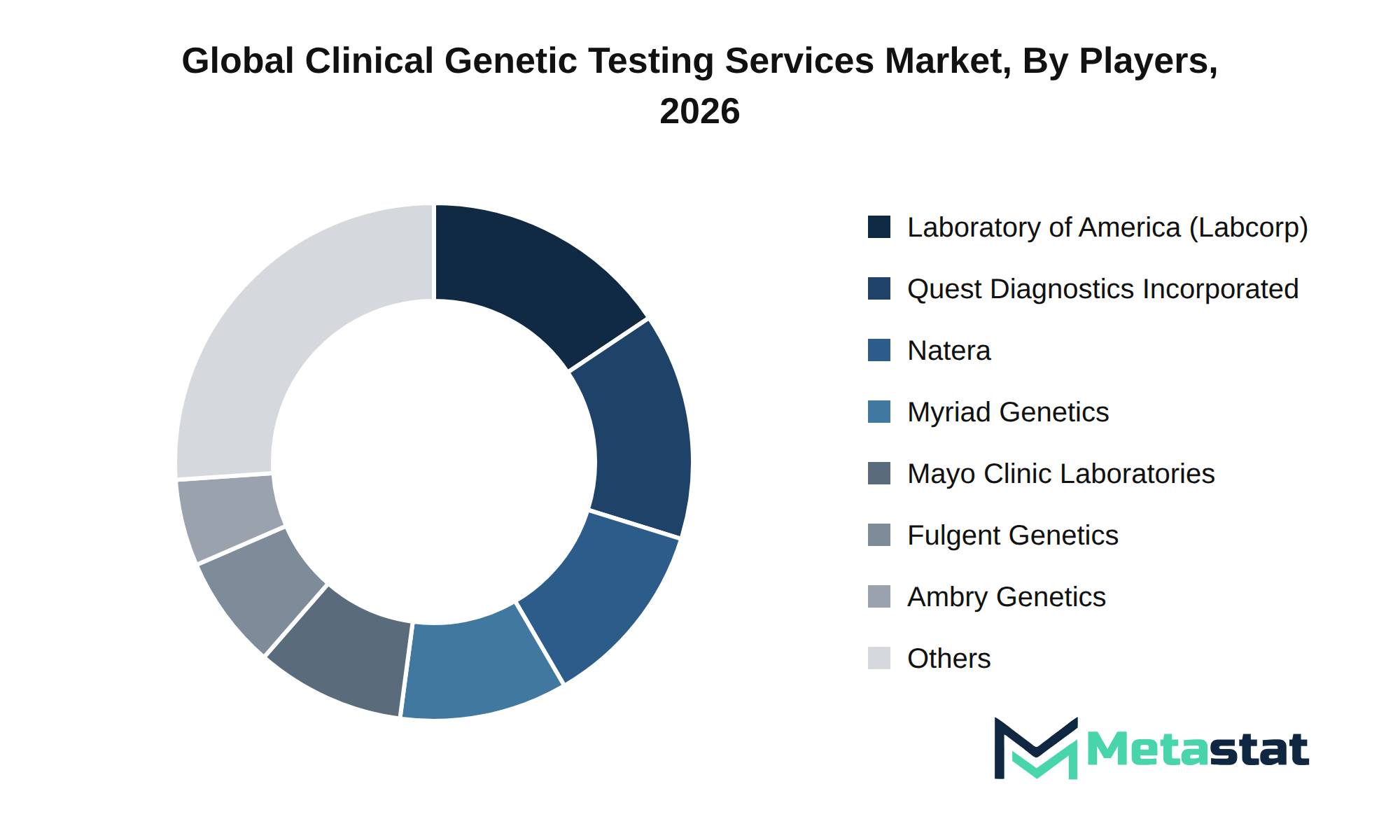
The Clinical Genetic Testing Services market features a range of companies competing through diverse strategies and specialties. Players in the market distinguish themselves based on test types, technologies, and applications offered, allowing buyers to select providers based on specific needs including pricing, certification, and service quality.
Quest Diagnostics Incorporated and Laboratory Corporation of America Holdings (Labcorp) emphasize hereditary cancer testing and carrier screening, attracting buyers through extensive test offerings and established reputations. Natera, Inc focuses on non-invasive prenatal testing, appealing to expectant parents seeking reliable genetic insights. Myriad Genetics, Inc combines various test types with advanced technologies, enhancing customer choice in a competitive environment.
Emerging companies like GeneDx Holdings Corp and Ambry Genetics Corporation prioritize specialized testing for rare genetic disorders, supporting demand among healthcare providers seeking comprehensive solutions. Fulgent Genetics, Inc and Mayo Clinic Laboratories leverage advanced sequencing technologies to enhance diagnostic accuracy, addressing the growing need for precision in genetic testing.
This growth relies on several critical developments within the clinical genetic testing services market. The expansion of Next-Generation Sequencing (NGS) technology is anticipated to drive demand significantly, with a projected rise from USD 9.3 billion in 2026 to USD 21.3 billion by 2033, reflecting a CAGR of 12.6%. A key risk looms over the market’s trajectory, particularly regarding regulatory hurdles that could delay the adoption of innovative testing methods. The North America region, with a substantial market share of 42.1%, faces significant challenges if regulatory frameworks become more stringent. Overall, achieving the projected USD 44.2 billion market size hinges on advancements in technology and application areas, while addressing regulatory uncertainties remains essential for maintaining growth momentum.
By Test Type: Hereditary Cancer Testing, Carrier Screening, Non-Invasive Prenatal Testing (NIPT), Prenatal Diagnostic Genetic Testing, Rare Disease and Mendelian Disorder Testing, Pharmacogenetic Testing, Somatic Cancer Genomic Testing, Chromosomal Abnormality Testing, Predictive and Presymptomatic Genetic Testing, Others (Preimplantation Genetic Testing, Newborn Genetic Screening)
By Technology: Next-Generation Sequencing (NGS), Polymerase Chain Reaction (PCR), Sanger Sequencing, Chromosomal Microarray Analysis, Fluorescence In Situ Hybridization (FISH), Conventional Cytogenetics, MLPA and Other Targeted Copy Number Analysis, Others (Digital PCR, Mass Spectrometry-Based Genotyping)
By Application: Oncology, Reproductive Health and Prenatal Care, Pediatrics and Rare Genetic Disorders, Cardiology, Neurology, Pharmacogenomics and Medication Management, Hematology, Immunology, Metabolic and Endocrine Disorders, Others (Nephrology, Ophthalmology)
By End User: Hospitals and Health Systems, Independent Clinical Diagnostic Laboratories, Physician Offices and Specialty Clinics, Academic Medical Centers, Direct-to-Consumer and At-Home Testing Customers, Others (Government Screening Programs, Public Health Laboratories)
The report strategically identifies and profiles the key market players and analyses their core competencies in each sub-segment of the Clinical Genetic Testing Services market.
|
Report Attributes |
Details |
|
Study Period |
2021-2033 |
|
Base Year |
2025 |
|
Estimated Year |
2026 |
|
Forecast Period |
2026-2033 |
|
Historical Period |
2021-2025 |
|
Growth Rate |
CAGR 9.9% from 2026 to 2033 |
|
Revenue Unit |
USD billion |
|
Segmentation |
By Test Type, Technology, Application, End User, and Region |
|
By Region |
North America (By Test Type, Technology, Application, End User, and Country)
|
|
Europe (By Test Type, Technology, Application, End User, and Country)
|
|
|
Asia Pacific (By Test Type, Technology, Application, End User, and Country)
|
|
|
South America (By Test Type, Technology, Application, End User, and Country)
|
|
|
Middle East and Africa (By Test Type, Technology, Application, End User, and Country)
|
Find answers to common questions about this report
The Clinical Genetic Testing Services market size was valued at USD 20.8 billion in 2025.
The market is projected to grow at a CAGR of 9.9% during the forecast period from 2026 to 2033.
The North America Clinical Genetic Testing Services market size is estimated to reach USD 17.3 billion by 2033.
The leading segment in the Clinical Genetic Testing Services market is Next-Generation Sequencing (NGS), with a projected value of USD 21.3 billion by 2033. This segment demonstrates the highest growth potential, driven by a compound annual growth rate of 12.6 percent.
Increasing demand for hereditary cancer testing drives growth in the market, reflecting a shift toward personalized medicine. Advancements in PCR technology enhance the efficiency and accuracy of genetic testing, further supporting market expansion.
North America holds the dominant share of the Clinical Genetic Testing Services market, with a value of USD 17.3 billion in 2033, representing 42.1 percent of the total market. This region significantly outpaces others, including Europe and Asia Pacific.
Regulatory complexities associated with genetic testing impact adoption patterns, leading to slower uptake of innovative testing methods. Increasing talent acquisition pressures strain operational budgets for suppliers, resulting in higher wages and a limited pool of qualified candidates.
Increasing awareness of genetic risks and advancements in genetic testing technologies favor adoption in the Clinical Genetic Testing Services market. The growing emphasis on personalized medicine and precision oncology drives demand for hereditary cancer testing, enabling healthcare providers to enhance patient care and treatment outcomes.
The Clinical Genetic Testing Services market is estimated to reach a valuation of USD 44.2 billion by 2033.
Key players operating in the Clinical Genetic Testing Services market include Quest Diagnostics Incorporated, Laboratory Corporation of America Holdings (Labcorp), Natera, Inc, Myriad Genetics, Inc, GeneDx Holdings Corp, Ambry Genetics Corporation, and Fulgent Genetics, Inc.
The analysts below cover Healthcare research at Metastat Insights.
LEAD ANALYST
Utkarsh Khirodkar is a Lead Market Research Analyst at MetaStat Insight, specializing in market intelligence, technology sector assessments, and competitive strategy.

LEAD PRINCIPAL ANALYST, PHARMA AND HEALTHCARE
Food and Beverages · Healthcare · Healthcare IT · Medical Devices
Ajay Devgire is the Lead Healthcare Analyst at MetaStat Insight, leading strategic research and market intelligence initiatives across the global healthcare domain.
Our team was tracking whether regional recycling infrastructure could realistically absorb the growing volume of lithium iron phosphate batteries over the next decade. The report did a solid job separating announced hydrometallurgical plant capacity from active, permitted operational throughput. That distinction made the feedstock availability projections and regional recovery rate models far more credible than standard commercial overviews.
Tracking capacity expansion in single-use bioprocessing requires dependable data on raw material availability and cleanroom-grade polymer supply chains. The competitive landscape chapter gave a grounded evaluation of secondary component suppliers across North America and Asia-Pacific rather than simply reprinting press releases. Having that level of supplier benchmarking helped clarify dual-sourcing considerations for our clinical pipeline planning.
When evaluating distributed energy resource management systems, standard research summaries tend to gloss over the operational differences between front-of-the-meter utility deployments and behind-the-meter industrial sites. The MetaStat Insight report addressed those distinctions directly, especially regarding software interoperability standards and grid interconnection backlogs. The five-year market sizing across regional transmission organizations provided actionable context for our grid modernization strategy.
Explore related market intelligence reports worth reading alongside this one.