
LEAD ANALYST
Utkarsh Khirodkar is a Lead Market Research Analyst at MetaStat Insight, specializing in market intelligence, technology sector assessments, and competitive strategy.

U.S. Medicare Supplement (Medigap) Insurance Market Size, Share, By Plan Type (Plan A, Plan B, Plan C, Plan D, Plan F, Plan G, Plan K, Plan L, Plan M and Plan N), By Premium Rating Method (Attained-Age-Rated, Issue-Age-Rated and Community-Rated), By Distribution Channel (Agents and Brokers, Direct Sales, Online Channels and Telephone Sales), By Enrollment Type (Open Enrollment Period Enrollment, Guaranteed-Issue Enrollment and Medically Underwritten Enrollment), Industry Analysis, Growth, Trends, and Forecast, 2026-2033
Report ID
MSI-5388
Published
September, 2026
Pages
283 Pages
Format
Historical
Base year
Forecast
Forecast period
Report Details
Market Valuation: Valued at $41.8 Billion in 2025, projected to reach $62.3 Billion by 2033 at a 5.1% CAGR.
Dominant Segment: Plan G leads the U.S. Medicare Supplement Insurance market, driven by its comprehensive coverage options that appeal to an aging population seeking additional financial protection against healthcare expenses.
Geographic Lead: The U.S. market is experiencing significant growth due to the increasing aging population, particularly as Baby Boomers reach retirement age, leading to higher enrollment rates in Medicare Supplement plans.
What's Inside: This report provides a detailed analysis of the U.S. Medicare Supplement Insurance market, covering competitive dynamics, market segmentation by plan type, premium rating methods, and distribution channels, along with a forecast window extending to 2033.
Shifting Demographics: Changing demographics, particularly the aging population, are driving market growth as more individuals seek supplemental insurance to cover gaps in Medicare, resulting in higher enrollment rates.
Technological Integration: The integration of advanced technologies is enhancing market efficiency, allowing insurers to streamline operations and improve customer satisfaction through automated processes and digital platforms.
Choose Your License
U.S. Medicare Supplement Insurance Market
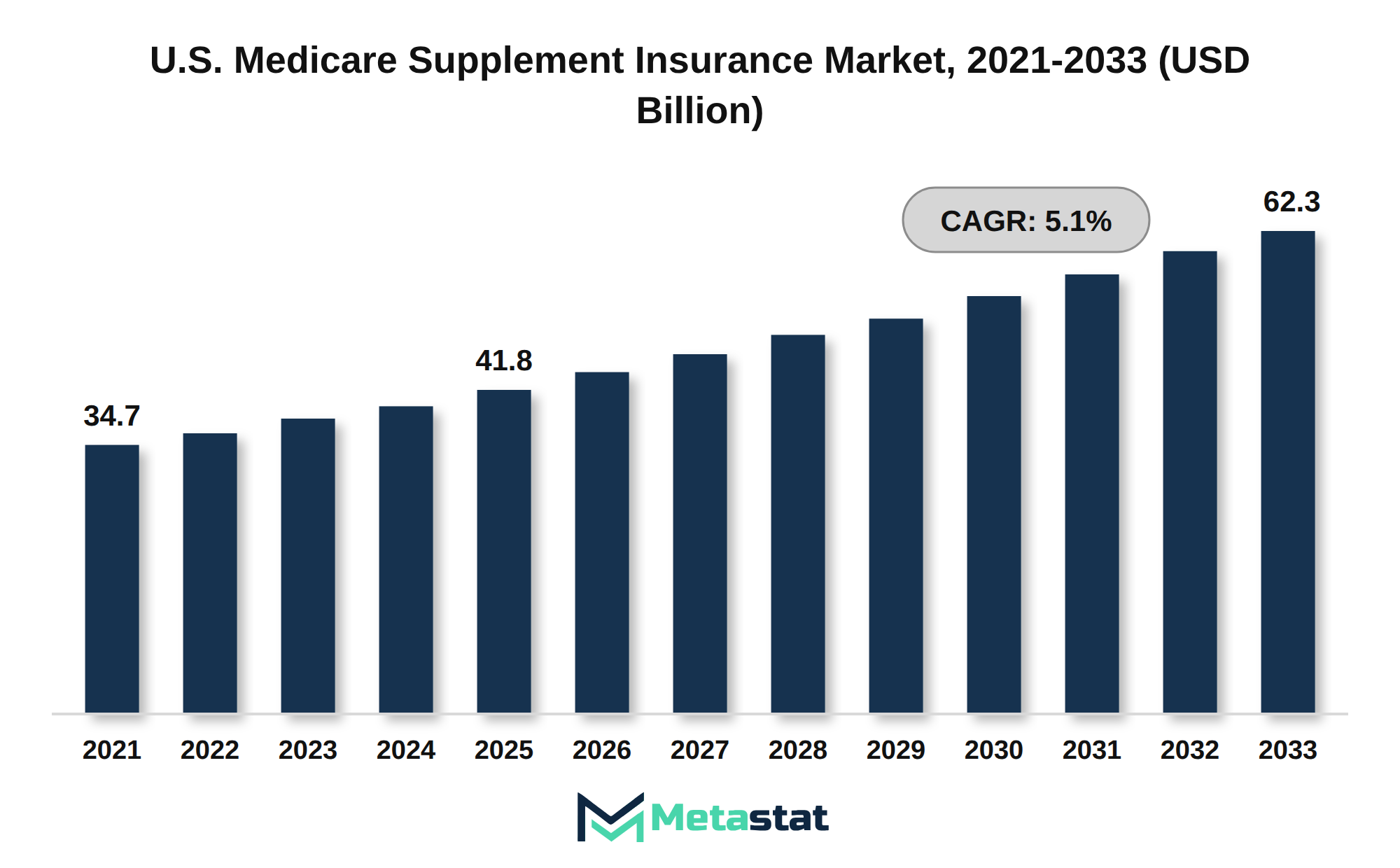
The U.S. Medicare Supplement Insurance market was valued at USD 41.8 billion in 2025 and is projected to reach USD 62.3 billion by 2033, growing at a CAGR of 5.1% over the forecast period.
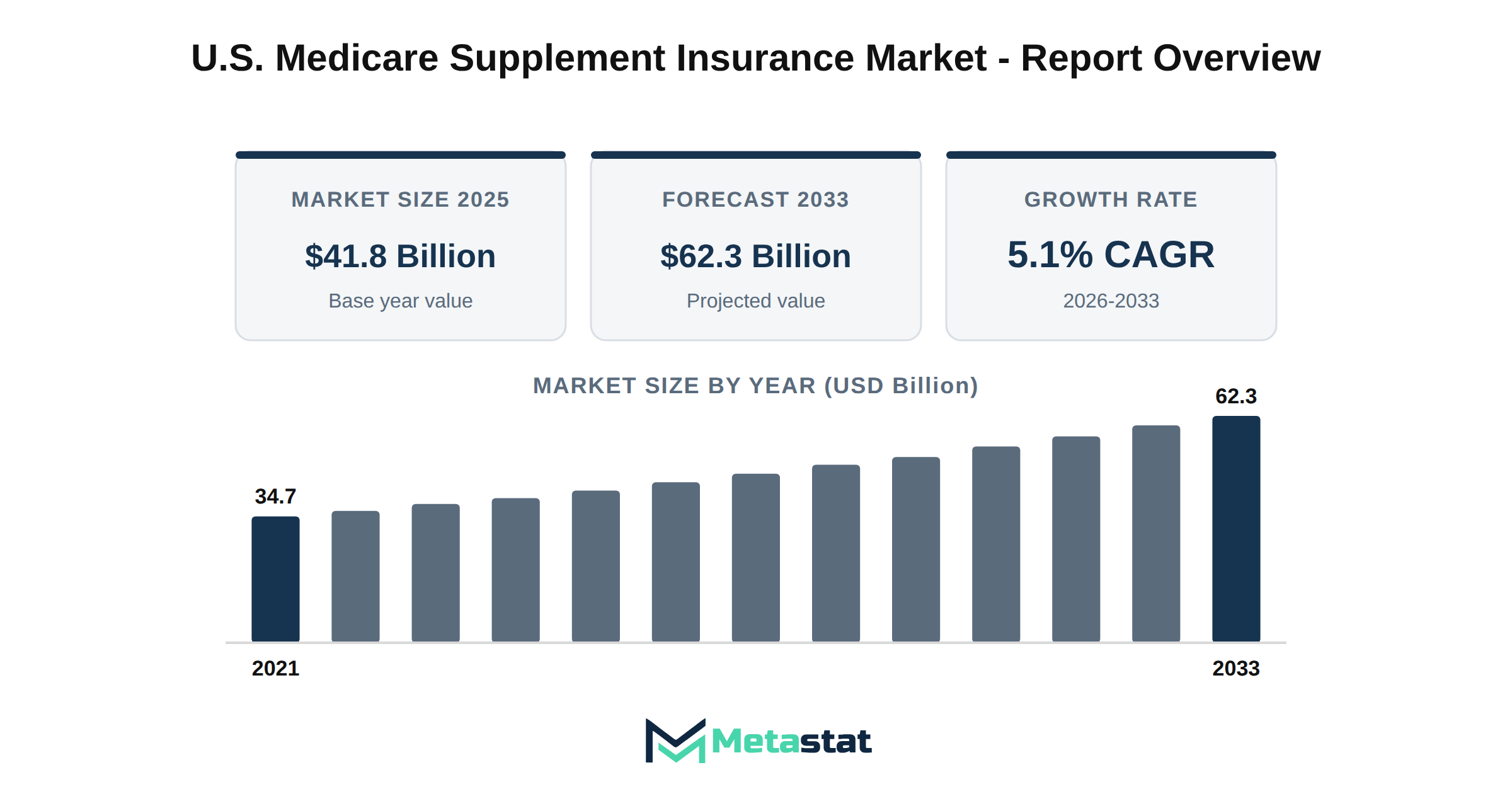
The U.S. Medicare Supplement Insurance market shows significant growth potential, driven by several factors including an aging population and rising healthcare costs. The base value of the market for 2025 stands at USD 41.8 billion, with a projected increase to USD 62.3 billion by 2033, reflecting a compound annual growth rate (CAGR) of 5.1 percent.
Enrollment trends in Medicare Supplement plans indicate a growing interest in specific plan types, particularly Plan G and Plan N. These plans have gained traction among consumers seeking comprehensive coverage. The increasing demand for these plans aligns with the general trend of individuals prioritizing enhanced healthcare security amid rising medical expenses.
Premium pricing within the market has experienced a consistent upward trajectory, influenced by factors including healthcare inflation and changing regulatory landscapes. Rate increases impact consumer decisions, leading to potential shifts in enrollment patterns because beneficiaries evaluate their options for affordability and coverage adequacy.
Open enrollment periods and guaranteed-issue dynamics play a crucial role in shaping consumer behavior. During these times, beneficiaries have the opportunity to enroll in Medicare Supplement plans without medical underwriting, driving heightened interest and participation. This aspect of the market enhances accessibility for individuals seeking coverage during critical transition phases.
Consumer switching behavior reflects an active market where individuals reassess their Medicare Supplement plans based on factors including pricing, benefits, and provider networks. This trend influences overall market dynamics, prompting insurers to adapt and enhance their offerings to retain customers and attract new ones.
The competitive landscape among insurers reveals a diverse range of strategies aimed at capturing market share. Key players are engaged in various tactics, including product differentiation and targeted marketing efforts, to address the evolving needs of consumers in the U.S. Medicare Supplement Insurance market.
Changes in Medicare policy significantly impact demand for Medigap coverage. Regulatory adjustments and policy reforms create opportunities and challenges for insurers and beneficiaries alike, necessitating continuous adaptation to maintain alignment with the market's needs.
Underwriting practices and eligibility criteria for Medicare Supplement plans vary, affecting consumer access to coverage. Insurers continually evaluate these factors to ensure competitiveness while maintaining the financial viability of their offerings.
Enrollment trends in the Medicare Supplement Insurance market indicate a consistent increase in participation among eligible seniors. The aging population drives demand for supplemental coverage, with projections indicating significant growth in enrollment figures through 2033. This trend highlights the importance of comprehensive insurance options, reflecting individuals' efforts to manage their healthcare costs effectively.
Demand for Medicare Supplement Plan G and Plan N exhibits substantial growth, attributed to their extensive coverage benefits and competitive pricing structures. These plans appeal to a broad audience, including those looking for lower out-of-pocket expenses and comprehensive healthcare solutions. The preference for these plans signifies a shift in consumer behavior towards seeking value in their insurance choices.
Medigap premium pricing and rate increases reflect broader healthcare cost trends, influencing consumer decisions and market dynamics. Insurers adjust pricing models in response to rising medical expenses, impacting policyholder retention and new sales. Transparency in premium changes remains critical for maintaining consumer trust and satisfaction within the market.
The dynamics surrounding open enrollment and guaranteed-issue periods play a significant role in shaping Medicare Supplement enrollment patterns. These timeframes offer critical opportunities for beneficiaries to secure coverage without medical underwriting, enhancing access to necessary healthcare services. Understanding these dynamics helps insurers tailor their messaging and outreach strategies effectively.
Consumer switching and plan migration trends highlight the fluid nature of the Medicare Supplement landscape. Beneficiaries often reassess their coverage options, seeking plans that align better with their evolving healthcare needs and financial situations. This trend emphasizes the need for insurers to remain agile in their offerings and maintain competitive advantages.
Competitive dynamics among Medicare Supplement insurers significantly influence market positioning and customer acquisition strategies. Key players leverage various distribution channels, including agents, brokers, and digital platforms, to enhance their market reach. The ability to differentiate through customer service and product offerings is crucial for sustained growth.
Recent Medicare policy changes impact demand for Medigap products, with adjustments to eligibility and coverage options influencing consumer choices. These policy shifts necessitate ongoing adaptation from insurers to align with regulatory updates while ensuring their products remain attractive to potential policyholders.
Trends in underwriting and eligibility for Medicare Supplement plans reflect shifts in market practices and consumer expectations. Insurers increasingly adopt streamlined processes to improve access for beneficiaries, particularly among those with pre-existing conditions. This approach creates a more inclusive environment within the market.
The growth of direct-to-consumer distribution channels reshapes how Medicare Supplement products reach potential policyholders. Insurers invest in online platforms and marketing strategies to attract tech-savvy seniors, enhancing accessibility and convenience for consumers. This trend signals a transformation in traditional sales methods, emphasizing the importance of a digital presence.
Agents and brokers continue to play an important role in Medicare Supplement sales, offering personalized guidance and expertise to consumers navigating their options. Their influence remains significant, particularly among those seeking tailored solutions to meet their healthcare needs. Building strong relationships with these intermediaries enhances market penetration.
Digital enrollment trends in the Medicare Supplement Insurance market indicate a shift toward online processes, reflecting broader consumer preferences for convenience and accessibility. This transition highlights the importance of user-friendly digital platforms that facilitate effective enrollment experiences for new policyholders.
Premium rating method trends highlight evolving practices within the market, with attained-age-rated models gaining traction. This approach aligns premiums with the beneficiary's age, ensuring a fair assessment of risk and coverage costs. Insurers adapt their pricing structures to remain competitive while meeting the needs of diverse consumer segments.
State-level regulations introduce variations in Medigap pricing and coverage options, affecting market dynamics across different regions. Insurers navigate these regulatory landscapes to remain compliant while optimizing their product offerings for local markets. This complexity necessitates a strategic approach to market entry and expansion.
Consolidation within the Medicare Supplement Insurance market, driven by mergers and acquisitions, reshapes competitive dynamics. Major players seek to enhance their market share and product portfolios through strategic partnerships, impacting consumer choices and market accessibility. This trend emphasizes the importance of adaptability in a rapidly changing environment.
The aging population significantly influences demand for Medicare Supplement products, with increasing numbers of seniors seeking supplemental coverage. Demographic shifts necessitate a proactive approach from insurers to cater to this growing consumer base, ensuring relevant product offerings are available to meet their healthcare needs.
Rising healthcare costs drive demand for Medigap coverage, reflecting individuals' need for financial protection against unexpected medical expenses. Insurers face the challenge of balancing premium pricing with the need for comprehensive coverage, ensuring their products remain competitive in the market. This dynamic highlights the critical role of Medicare Supplement plans in the overall healthcare landscape.
Competition between Medicare Advantage and Medicare Supplement plans shapes consumer preferences and market dynamics. Beneficiaries evaluate the merits of each option, leading to shifts in enrollment patterns because they seek the most suitable coverage for their needs. Understanding these competitive factors is essential for insurers aiming to capture market share.
Consumer preference shifts across Medigap plan types reveal evolving attitudes toward coverage options, with beneficiaries increasingly valuing flexibility and comprehensive benefits. Insurers recognize these trends and adjust their offerings to align with consumer expectations, ensuring relevance in a competitive marketplace.
Customer retention and persistency trends within the Medicare Supplement Insurance market highlight the importance of maintaining strong relationships with policyholders. Insurers that prioritize customer satisfaction and offer value-added services experience higher retention rates, contributing to long-term stability and growth in the market.
Future growth opportunities in the U.S. Medicare Supplement Insurance market arise from demographic shifts, technological advancements, and evolving consumer preferences. Insurers that proactively identify and capitalize on these opportunities position themselves for success in an increasingly competitive environment.
Changing demographics significantly influence the U.S. Medicare Supplement Insurance market. An increasing aging population requires enhanced healthcare coverage options, leading to heightened demand for Medicare Supplement plans. The Baby Boomer generation, entering retirement age, contributes to a larger number of individuals seeking supplemental insurance to cover gaps in Medicare. This demographic shift results in higher enrollment rates and a robust market growth trajectory.
Evolving consumer behaviors reflect preferences for comprehensive healthcare solutions. Older adults prioritize access to quality healthcare, prompting a shift towards more personalized insurance products that address specific needs. The growing focus on preventative care and wellness among seniors drives demand for Medicare Supplement plans, which offer additional services beyond standard Medicare coverage.
While the population ages and consumer expectations evolve, the market is projected to expand, creating opportunities for insurers to innovate and diversify their offerings. Insurers that align their products with the needs and preferences of this demographic gain a competitive advantage, enhancing their market position and driving growth in the U.S. Medicare Supplement Insurance market.
Integration of advanced technologies drives significant improvements in the U.S. Medicare Supplement Insurance market. Automation and artificial intelligence streamline processes, resulting in reduced operational costs and enhanced service delivery. Insurance providers leverage these technologies to automate claims processing and customer service interactions, which contributes to higher customer satisfaction and retention. Enhanced software solutions facilitate better risk assessment and underwriting, allowing companies to offer tailored plans that meet the needs of diverse consumers.
Data analytics is essential in understanding consumer behavior, enabling insurers to adapt their offerings effectively. The adoption of digital platforms improves accessibility and convenience for policyholders, supporting the overall growth of the market. While more individuals seek digital experiences, companies that invest in these technological advancements position themselves favorably in a competitive landscape.
Investment in technology not only improves efficiency but enhances compliance with evolving regulations and standards. Companies that embrace technological integration are better equipped to navigate the shifting regulatory environment while maintaining operational productivity. This strategic focus on technology positions the U.S. Medicare Supplement Insurance market for sustained growth, driven by firms that continue to innovate and respond to the changing needs of consumers.
Increasing regulatory complexities present significant challenges within the U.S. Medicare Supplement Insurance market. Compliance hurdles consume substantial resources, particularly for smaller providers with limited operational capabilities. These obstacles contribute to escalating operational costs, ultimately hampering competitive positioning.
Macroeconomic headwinds, including inflationary pressures, create an adverse environment for market participants. Rising costs for healthcare services result in decreased disposable income for potential beneficiaries, leading to a slowdown in enrollment rates. Geopolitical instability disrupts the stability of healthcare policies, creating uncertainties that complicate market dynamics.
Resource scarcity and technological obsolescence restrict innovation and limit product offerings. Providers face challenges in maintaining competitive advantages while balancing investment in new technologies and complying with existing regulations. This situation influences the growth trajectory of the market, resulting from organizations prioritizing stability over expansion.
Market fragmentation complicates the environment, with numerous players vying for market share. This fragmentation inhibits clear communication of benefits to potential customers, diluting marketing effectiveness and increasing customer acquisition costs. Overall, these factors collectively restrain growth within the U.S. Medicare Supplement Insurance market, necessitating strategic adaptations from providers to navigate the evolving environment.
The U.S. Medicare Supplement Insurance market faces considerable challenges stemming from geopolitical factors that influence stability, trade relations, and economic growth. Fragmentation in global politics results in trade deficits and tariff friction that disrupt markets and complicate cross-border transactions. Such conditions create a climate of uncertainty for stakeholders in the Medicare Supplement Insurance sector, affecting pricing strategies and profitability.
Technological disruptions further compound these challenges, because rapid advancements in technology demand constant adaptation from insurers. Companies encounter difficulties integrating new technologies with existing systems, leading to interoperability friction that complicates operations. This results in increased compliance overhead, placing additional financial burdens on firms operating in the market.
Rising input costs and margin pressures significantly impact operational efficiency. Companies within the U.S. Medicare Supplement Insurance market navigate a landscape of escalating operational expenses, necessitating strategic adjustments to maintain competitiveness. Talent retention pressures and workforce skill gaps challenge firms, because attracting and developing skilled employees becomes increasingly difficult in a competitive labor market.
Geopolitical factors, technological disruptions, and rising costs create a complex environment for the U.S. Medicare Supplement Insurance market. Stakeholders navigate these challenges to achieve sustained growth and operational efficiency.
The U.S. Medicare Supplement Insurance market experiences significant growth opportunities owing to emerging regional demands and evolving consumer preferences. Increased awareness of the benefits associated with Medicare Supplement Insurance drives consumers to seek better coverage options, particularly among aging populations. This trend is supported by the growing number of individuals reaching retirement age, requiring supplemental insurance to address the gaps in Medicare coverage.
Infrastructure modernization and the development of new distribution channels enable improved access to Medicare Supplement Insurance products. The transition to digital platforms facilitates the purchasing process, allowing consumers to compare plans and select options that best meet their needs. Agents and brokers play a critical role in this distribution landscape, with agents and brokers projected to increase from USD 25.3 billion in 2026 to USD 32.2 billion by 2033.
Technological disruptions continue to reshape how insurers interact with customers, leading to enhanced service delivery and operational efficiency. Digital transformation initiatives within the market allow for streamlined processes and improved customer experiences. Insurers adopting innovative technologies expect a competitive advantage, fueling market growth and improving customer satisfaction.
Geographical expansion remains a key opportunity for insurers to tap into underserved markets. Strategic consolidation through mergers and acquisitions will enhance market reach, enabling companies to offer a broader range of products and services. This approach aligns with evolving buying behaviors, driven by consumers increasingly prioritizing personalized solutions that address their specific healthcare needs.
The integration of next-generation innovations into product offerings becomes essential for meeting consumer demands. Insurers focusing on sustainability imperatives and ESG-driven alignments enhance their brand reputation and attract socially conscious customers. The U.S. Medicare Supplement Insurance market stands to benefit from these trends, ultimately driving growth and innovation across the sector.
The U.S. Medicare Supplement Insurance Market is segmented based on Plan Type, Premium Rating Method, Distribution Channel, and Enrollment Type.
Valued at USD 1.5 billion in 2026, the Plan A segment is projected to decrease to USD 1.3 billion by 2033, reflecting a CAGR of -3% throughout the forecast period. This decline results from shifting consumer preferences toward alternative plan options that offer expanded coverage and benefits. The aging population often opts for plans that align more closely with evolving healthcare needs, thus reducing the demand for Plan A. Consequently, insurers' strategic focus on developing more attractive offerings that cater to consumer demands within the broader U.S. Medicare Supplement Insurance market is evident.
The Plan A segment's performance is influenced by various factors, including competitive pricing and marketing strategies employed by insurers. With the current landscape, many providers position themselves to capture a larger share of the market by emphasizing supplementary offerings that appeal better to prospective policyholders. The importance of comprehensive and flexible coverage continues to drive consumer choice, highlighting the necessity for insurers to adapt their product offerings accordingly within the market.
Factors driving demand for Plan B within the U.S. Medicare Supplement Insurance market include a growing awareness of healthcare costs among consumers and an increasing number of individuals reaching retirement age. This segment is particularly appealing for those seeking basic coverage with lower premiums while still obtaining essential benefits. The adoption of Plan B is expected to expand gradually due to the overall increase in Medicare enrollment and the desire for more cost-effective insurance options.
Plan B is projected to reach USD 0.8 billion by 2033, at a CAGR of 2.2% during the forecast period. Competitive pricing strategies among insurers influence the market, prompting companies to optimize their offerings to attract cost-sensitive consumers. Regulatory compliance standards contribute to shaping the pricing dynamics, because insurers adapt their plans to meet requirements while remaining competitive.
Technological advancements have begun to impact the marketing strategies employed by insurers offering Plan B, leading to more personalized customer engagement and easier access to information. This evolution enhances consumer understanding of available options, ultimately stimulating demand. Downstream applications in healthcare services reinforce the need for comprehensive insurance coverage, encouraging individuals to consider Medicare Supplement Insurance plans, including Plan B.
Cost structures within this segment remain a critical factor, because affordability continues to be top of mind for potential enrollees. Insurers are focusing on maintaining operational efficiencies and cost controls to sustain profitability while providing competitive premiums. The Plan B segment within the U.S. Medicare Supplement Insurance market presents a stable growth trajectory fueled by demographic changes and evolving consumer preferences.
Growth in the Plan C segment of the U.S. Medicare Supplement Insurance market correlates with increasing awareness of healthcare expenses among seniors. The aging population demonstrates heightened demand for comprehensive coverage that addresses gaps not covered by Medicare, creating a favorable environment for this segment. Plan C is projected to reach USD 1.2 billion by 2033, reflecting a strong adoption trajectory driven by consumer preferences for enhanced healthcare security.
Technological advancements contribute to simplifying the enrollment process for Plan C, enhancing customer experience. Insurers leverage digital platforms to facilitate access to information and coverage options, which boosts interest among potential policyholders. Increasing competition among insurance providers incentivizes innovation and improved service offerings. This evolving environment enables the market to better meet consumer demands, promoting further growth in the segment.
Regulatory changes affecting the U.S. Medicare Supplement Insurance market influence consumer choices regarding Plan C. Adjustments in policy standards and compliance requirements encourage insurers to adapt their offerings and pricing strategies. Such developments create opportunities for expansion while ensuring that the segment remains attractive to consumers. Consequently, companies investing in compliance-oriented products and services position themselves favorably within the market.
The Plan C segment benefits from a confluence of demographic shifts, technological evolution, and regulatory dynamics. These factors collectively drive growth and define the competitive environment, ultimately influencing the future trajectory of the U.S. Medicare Supplement Insurance market.
Projected growth in the Plan D segment occurs at a CAGR of 1.3% during the forecast period. This growth is driven by increasing awareness of Medicare Supplement Insurance and the need for comprehensive healthcare coverage among seniors. More individuals seek to enhance their Medicare coverage, resulting in increased demand for Plan D specifically. Rising healthcare costs encourage individuals to invest in supplementary plans that offer broader protection against out-of-pocket expenses.
Regulatory factors contribute to the expanding interest in this segment. Implementation of policies that promote consumer education and transparent information regarding Medicare options enables seniors to make informed decisions regarding their coverage. Demographic shifts, particularly the aging population, significantly influence the rise in enrollment for Plan D within the U.S. Medicare Supplement Insurance market.
While the market grows, competition among providers intensifies. Insurers enhance their offerings, improving service delivery and benefit structures tailored to customer preferences. This dynamic environment drives innovation in product design, ensuring that coverage options remain relevant and attractive to consumers. By 2033, Plan D is projected to play a significant role in the U.S. Medicare Supplement Insurance market, contributing to overall market growth and diversification of coverage options.
Significant demand for Plan F in the U.S. Medicare Supplement Insurance market arises from its comprehensive coverage, appealing to seniors seeking to minimize out-of-pocket expenses. The plan offers extensive benefits that include coverage for skilled nursing facility care, foreign travel emergency care, and excess charges for Medicare services. Such features attract individuals looking for peace of mind regarding their healthcare expenses. A rising aging population intensifies the drive for substantial healthcare solutions, supporting adoption rates within this segment.
Plan F faces a competitive landscape driven by various plans vying for consumer attention. The availability of alternatives, including plans with lower premiums but limited coverage, influences consumer choices. However, the established reputation of Plan F for its extensive benefits provides it with a strong foothold in the market. The insurance product landscape continues to evolve, with ongoing adjustments to policy features and competitive pricing strategies enhancing the attractiveness of Plan F.
Technological advancements play a crucial role in the marketing and distribution of Plan F. Digital tools streamline the enrollment process, making it simpler for potential customers to compare and select suitable plans. This ease of access enhances overall market efficiency and encourages informed decision-making among consumers. Regulatory compliance remains a vital aspect, with insurers adapting to ensure alignment with federal and state guidelines, thereby building trust and reliability in their offerings.
While pricing volatility presents challenges, effective cost management strategies among insurers mitigate these impacts. Insurers actively monitor market conditions to adjust their pricing structures, balancing competitiveness with profitability. This approach seeks to maintain market share while addressing the financial realities faced by policyholders. The U.S. Medicare Supplement Insurance market reflects these dynamics, with Plan F positioned because a key option for those valuing extensive coverage in their healthcare plans.
Demand for Plan G within the U.S. Medicare Supplement Insurance market derives primarily from its comprehensive coverage options, which appeal to an aging population seeking additional financial protection against healthcare expenses. Increased awareness about healthcare costs among consumers fuels interest in supplementary plans that offer expansive benefits, including coverage for deductibles and copayments. The growing prevalence of chronic illnesses among seniors further drives demand for Plan G, because beneficiaries seek more robust financial solutions to manage their healthcare needs.
Adoption of Plan G experiences support from improved marketing strategies by providers, effectively communicating the benefits and value of this plan type. Enhanced consumer education initiatives contribute to a more informed population, leading to increased enrollment rates. The segment expansion is driven by the continued evolution of healthcare policies, which promote the need for supplemental coverage among Medicare beneficiaries.
Regulatory compliance standards significantly impact the Plan G segment, requiring insurers to align their offerings with federal guidelines while maintaining competitive pricing. This dynamic environment necessitates constant adaptation by insurance providers, influencing pricing structures and profit margins. The competitive landscape within the U.S. Medicare Supplement Insurance market continues to evolve, with providers seeking innovative solutions and enhancements to attract new customers.
Strategic opportunity windows arise from the growing emphasis on preventative care and wellness programs, aligning with the preferences of a health-conscious demographic. The implementation of next-generation upgrades in plan offerings, including telehealth services and wellness incentives, positions Plan G because a compelling choice for prospective enrollees. While the market matures, ongoing investment and development of new products will further define the competitive advantage held by insurers offering Plan G.
Consumer interest in Plan K within the U.S. Medicare Supplement Insurance market reflects a gradual shift towards enhanced coverage options. This segment appeals primarily to individuals seeking lower premiums while maintaining essential benefits. While awareness of the importance of supplemental insurance grows, more consumers consider Plan K a viable choice for cost-effective coverage. The ongoing evolution of health care policies significantly impacts enrollment patterns, with many potential beneficiaries recognizing the value of supplemental plans during open enrollment periods. Demographic trends indicate an increasing population of retirees, driving demand for various Medicare Supplement plans, including Plan K.
Competition within the market drives innovation and product differentiation among insurers. Insurers actively promote the benefits of Plan K, emphasizing its attractive pricing structure compared to other plans. The strategic focus on affordability aligns with broader market trends, reflecting consumers' increasing pursuit of financial security in their health care options. Regulatory compliance remains critical, influencing the development and marketing of Plan K. Insurers adapt to ensure alignment with evolving regulations, enhancing consumer confidence in the plan's benefits.
Overall, Plan K's positioning within the U.S. Medicare Supplement Insurance market illustrates a balance between cost efficiency and essential health care coverage. This segment is set to expand significantly, driven by demographic shifts, regulatory developments, and a growing understanding of the importance of supplemental insurance among older adults. While more individuals explore their options, the appeal of Plan K will likely continue to rise, contributing to the segment's growth in the years ahead.
Plan L within the U.S. Medicare Supplement Insurance market reflects specific consumer preferences and coverage dynamics. Demand for this plan arises primarily from individuals seeking comprehensive coverage that complements their Medicare benefits. Factors influencing adoption include a growing awareness of health care costs and the increasing prevalence of chronic conditions among the aging population.
Segment expansion catalysts focus on the rising need for tailored insurance products that cater to specific health care needs. Technological maturation plays a significant role in enhancing the distribution and accessibility of Plan L. This influences product evolution, with insurers developing more customized offerings to meet the unique requirements of beneficiaries.
Downstream applications of Plan L show a significant impact on end-use dynamics, with policyholders using their coverage for various medical services and treatments. Regulatory compliance standards shape the operating environment, ensuring that products meet essential coverage criteria while providing consumer protections.
Pricing volatility impacts the market, driven by fluctuations in healthcare costs that lead to adjustments in premium rates. Margin pressures from rising operational costs challenge insurers, compelling them to streamline their offerings while maintaining competitive pricing. Strategic opportunity windows continue to emerge for insurers that innovate and adapt their plans to meet changing consumer demands.
Overall, Plan L represents a critical segment within the U.S. Medicare Supplement Insurance market, responding to both consumer needs and external market pressures. Capital investment outlooks highlight the importance of ongoing development and improvement within this segment, ensuring its relevance in a competitive environment.
A growing interest in Medicare Supplement Insurance among older adults drives demand for Plan M. This segment attracts consumers seeking comprehensive coverage and flexibility with their healthcare options. Adoption of Plan M stems from its appealing features, which cater to the distinct needs of policyholders, especially those managing chronic conditions or requiring frequent medical care.
Factors influencing expansion include the increasing number of retirees and heightened awareness of available healthcare options. Educational initiatives by insurance providers contribute to informed decision-making among potential buyers. This growing knowledge base supports the market's overall expansion, with many individuals recognizing the benefits of supplemental insurance to cover gaps in traditional Medicare plans.
Technological advancements, including online quoting tools and easy-to-navigate policy comparison platforms, enhance the purchasing process for consumers. Streamlined enrollment procedures allow for a more user-friendly experience, encouraging greater participation in the U.S. Medicare Supplement Insurance market. Digital solutions face intensified competition from traditional sales channels.
Regulatory compliance remains critical for Plan M and the broader market. Insurance providers adhere to guidelines that protect consumers while promoting transparency. Continuous changes in regulations often prompt insurers to adapt their offerings, ensuring alignment with industry standards and maintaining competitive positioning.
The U.S. Medicare Supplement Insurance market continues to evolve, with Plan M representing a strategic opportunity for insurers seeking to capture a segment of the growing senior demographic. By focusing on the unique needs of this group, companies generate potential revenue streams while enhancing customer satisfaction through tailored solutions.
Demand for Plan N within the U.S. Medicare Supplement Insurance market stems from several critical factors, including the preference for lower premium options combined with comprehensive coverage. This segment specifically appeals to beneficiaries seeking to manage out-of-pocket healthcare costs effectively. The adoption of Plan N reflects a demographic trend where consumers prioritize affordable pricing alongside adequate coverage benefits.
Factors influencing expansion within this segment include increasing awareness about the advantages of Medicare Supplement Insurance. Educational initiatives regarding Plan N's features contribute to higher enrollment rates. The rising prevalence of chronic illnesses among the senior population drives individuals toward plans that provide additional coverage for outpatient services and reduced copayments.
Technological advancements in the healthcare sector enhance the appeal of Plan N. Digital tools that streamline enrollment processes and improve customer service experiences are significant. The market for Plan N functions alongside broader trends in telehealth and electronic health records, making it increasingly attractive to beneficiaries who value convenience and accessibility in their healthcare management.
Shifts in consumer behavior indicate a preference for flexibility in healthcare options. Plan N allows beneficiaries to select providers without the limitations often seen in more restrictive plans, promoting a sense of autonomy in healthcare decisions. This autonomy encourages higher adoption rates among beneficiaries who seek personalized healthcare experiences.
Regulatory compliance remains a constant consideration within the U.S. Medicare Supplement Insurance market. Ongoing adjustments to Medicare policies influence product offerings, including Plan N. Insurers adapt their strategies to align with regulatory changes while maintaining competitive pricing structures that appeal to a growing consumer base.
Strategic opportunity windows have emerged within the Plan N segment, driven by shifting consumer preferences and an expanding market. Insurers focusing on this sub-segment have the potential to capture an increasing share of the growing demand for Medicare Supplement Insurance. An emphasis on tailored marketing strategies and value-added services will likely enhance competitive positioning, reflecting the market's evolution.
Valued at USD 28.1 billion in 2026, the Attained-Age-Rated segment is projected to reach USD 38.2 billion by 2033, at a CAGR of 4.5% during the forecast period. This growth reflects an increasing preference among consumers for policies that adjust premiums based on the policyholder's age at enrollment. The market experiences heightened interest in this segment due to the clarity it offers regarding costs over time, appealing to a demographic that prioritizes budget predictability.
Several factors underpin the expansion of the Attained-Age-Rated segment within the U.S. Medicare Supplement Insurance market. The aging population, particularly those aged 65 and older, represents a primary demand driver, attributed to this group increasingly turning to Medicare Supplement Insurance to cover gaps in Medicare coverage. The stability of health care costs in comparison to other segments increases the attractiveness of Attained-Age-Rated plans for insurers and consumers alike, leading to further market penetration.
Technological advancements in underwriting and claims processing enhance the appeal of this segment. Improved data analytics tools allow insurers to more accurately assess risk, streamline operations, and offer competitive pricing structures. Health care technologies evolve, and insurers provide greater value through enhanced service offerings, including telehealth consultations and personalized wellness programs, strengthening customer retention in the market.
Regulatory compliance and policy headwinds shape the landscape for Attained-Age-Rated plans. Ongoing adjustments to Medicare regulations influence how insurers price these plans, creating both challenges and opportunities for market players. Insurers remain agile to accommodate evolving regulations while addressing consumer needs effectively. Growth within this segment reflects a strategic opportunity for insurers to capture a larger share of the U.S. Medicare Supplement Insurance market by adapting their offerings to align with demographic trends and consumer preferences.
Valued at USD 14.3 billion by 2033, the Issue-Age-Rated segment experiences a CAGR of 5.8% during the forecast period. Primary demand drivers for this segment include the growing number of seniors seeking supplemental health coverage and increasing awareness of healthcare costs among older adults. Adoption of Issue-Age-Rated policies is facilitated by the advantages these plans offer, including stable premiums adjusted based on the age of the insured at the time of policy issuance, appealing to a demographic focused on long-term healthcare planning.
Segment expansion catalysts involve the rising prevalence of chronic health conditions requiring ongoing care, leading to higher demand for comprehensive Medicare Supplement Insurance options. Technological advancements in telehealth and healthcare management tools enhance the overall customer experience. Consumption shifts towards more personalized insurance plans align with increasing expectations of insured individuals, prompting insurance companies to innovate within the market.
Regulatory compliance standards impact this segment, with insurers adapting to changes in healthcare policies that influence coverage options and pricing strategies. Cost structures within the Issue-Age-Rated segment reflect the balance between premium pricing and claims management, necessitating careful oversight to maintain profitability. Pricing volatility driven by demographic shifts and healthcare costs challenges insurers to develop competitive yet sustainable pricing models.
Strategic opportunity windows appear for insurers focusing on targeted marketing efforts and improved customer engagement. Capital investment outlooks for the segment reflect a commitment to enhancing product offerings and expanding distribution channels to meet the evolving needs of the aging population. Overall, the Issue-Age-Rated segment within the U.S. Medicare Supplement Insurance market is positioned for growth, driven by increasing demand for security in healthcare coverage among older adults.
With a projected value of USD 9.8 billion by 2033, the Community-Rated (No-Age-Rated) sub-segment demonstrates growth potential within the U.S. Medicare Supplement Insurance market. Increasing consumer preference for equitable pricing structures that do not discriminate based on age drives demand for this segment. The absence of age-related pricing appeals to a broad base of consumers, particularly those seeking affordable healthcare options during retirement.
Several factors contribute to the expansion of the Community-Rated (No-Age-Rated) segment. Enhanced awareness of healthcare choices among older adults influences decisions, prompting increased enrollment in plans that offer consistent premiums regardless of age. Regulatory frameworks promoting transparency in healthcare costs support the adoption of community-rated plans, positioning them favorably in the market. Consumer expectations for predictable and manageable healthcare expenses encourage interest in this pricing model.
While the U.S. Medicare Supplement Insurance market evolves, investment in the Community-Rated (No-Age-Rated) segment attracts attention from insurance providers. Companies aiming to capture the growing market share focus on offering comprehensive benefits alongside competitive pricing. This strategic approach aligns with shifting consumption patterns, where clients prioritize affordability and value in insurance products.
The market for community-rated plans is expected to benefit from technological advancements that streamline enrollment processes and enhance customer engagement. Digital platforms facilitating easy access to information on plan options contribute to informed decision-making among consumers. This technological maturation supports the segment's potential to attract new clients, further enhancing its position within the overall market.
Valued at USD 25.3 billion in 2026, the Agents and Brokers segment is projected to reach USD 32.2 billion by 2033, at a CAGR of 3.5% during the forecast period. This growth reflects rising demand for personalized service in navigating Medicare Supplement Insurance options. Factors contributing to this expansion include an increasing aging population seeking comprehensive healthcare coverage and a growing emphasis on insurance education among consumers. Agents and brokers play a significant role in facilitating the enrollment process, ensuring customers select plans that best fit their needs. This dynamic enhances customer satisfaction and retention in the market.
The shift towards digital platforms in the insurance landscape influences Agents and Brokers, driven by technology adoption that enables improved efficiency in customer interactions. Strategies that incorporate technological tools not only enhance service delivery but streamline processes, aligning with consumer preferences for convenience. Regulatory compliance remains a critical aspect, with agents and brokers navigating increasingly complex frameworks while ensuring adherence to standards. Overall, the segment's growth trajectory reflects a blend of evolving consumer expectations and technological advancements within the U.S. Medicare Supplement Insurance market.
Direct Sales within the U.S. Medicare Supplement Insurance market is expected to reach USD 11.8 billion by 2033, at a CAGR of 6.1% during the forecast period. The increasing preference for direct engagement between insurers and consumers supports this growth. This trend reflects a shift in consumer behavior, with more individuals seeking personalized communication and tailored insurance solutions, particularly among seniors navigating complex healthcare options.
Adoption of digital platforms is transforming how direct sales occur, allowing insurers to reach a broader audience efficiently. Evolving technology enhances customer experience by enabling online quotes, plan comparisons, and streamlined application processes. This technological maturation encourages more individuals to purchase Medicare Supplement plans directly from providers, bypassing traditional intermediaries.
Cost structures in the direct sales channel remain competitive due to reduced overhead costs associated with eliminating intermediaries. This advantage enables insurers to offer more attractive premiums or benefits, further appealing to potential enrollees. Regulatory compliance within the direct sales framework builds trust among consumers, leading to increased enrollment rates.
The Direct Sales segment's projected growth aligns with the overall expansion of the U.S. Medicare Supplement Insurance market, underpinned by shifting consumer preferences, technological advancements, and competitive pricing strategies.
In the U.S. Medicare Supplement Insurance market, Online Channels exhibit a compelling trajectory for growth, reaching USD 12.9 billion by 2033. A shift towards digital engagement and online platforms has transformed how consumers seek and purchase insurance products. This trend aligns with broader technological maturation across industries, where convenience and accessibility play essential roles in consumer decision-making. Increased adoption of online channels reflects a significant consumption shift, driven by younger demographics becoming more involved in Medicare Supplement Insurance decisions.
Technological advancements enable insurers to enhance their online offerings, providing streamlined applications and personalized experiences that cater to the evolving needs of customers. This evolution in product delivery enhances consumer engagement and loyalty, creating a stronger connection between insurers and policyholders. The competitive landscape focuses on optimizing digital marketing strategies to attract potential clients, positioning online channels because a vital aspect of overall distribution strategies.
Investment in digital infrastructure and analytics platforms supports growth within this segment, allowing insurers to target specific demographics more effectively and improve customer experiences. The advancement of telehealth and virtual consultations further complements the shift towards online interactions, ensuring that policyholders receive comprehensive support and guidance through digital means. In an environment where traditional sales methods face increasing scrutiny, the prominence of online channels in the U.S. Medicare Supplement Insurance market continues to grow.
Investment in the Telephone Sales segment reflects a shift toward personalized service in the U.S. Medicare Supplement Insurance market. This segment is projected to grow at a CAGR of 1.9% during the forecast period. Increased consumer comfort with telephonic interactions drives demand for assistance in navigating various insurance options. Enhanced data analytics tools enable companies to understand consumer preferences better, optimizing sales strategies and improving customer experience.
The market shows an increasing trend toward technology to streamline the purchasing process, making it easier for customers to enroll in plans. Regulatory compliance remains a critical factor impacting the Telephone Sales segment, driven by firms adhering to various standards to ensure consumer protection. This focus on compliance enhances trust, which translates to higher conversion rates during sales calls.
Competition among providers intensifies, prompting firms to invest in training sales representatives. Well-trained agents enhance the effectiveness of sales calls, increasing the likelihood of conversions. A robust infrastructure supporting telephone sales, combined with regulatory adherence, strengthens the segment's resilience in the market. Overall, the Telephone Sales segment contributes to expanding access to Medicare Supplement Insurance for older adults, contributing to the broader growth of the market.
Valued at USD 24.4 billion in 2026, the Open Enrollment Period Enrollment segment is projected to reach USD 36 billion by 2033, at a CAGR of 5.7% during the forecast period. Increased awareness of Medicare Supplement Insurance among consumers drives demand for this segment, particularly owing to the aging population. Accessibility to open enrollment periods allows individuals to enroll without medical underwriting, significantly influencing adoption rates. The preference for guaranteed coverage contributes to consistent growth in this segment, highlighting its importance within the U.S. Medicare Supplement Insurance market.
Regulatory compliance standards play a crucial role in shaping the market landscape. Increased scrutiny on health insurance products has prompted insurers to enhance offerings, creating a more competitive environment among providers. This segment's evolution reflects the evolving needs of consumers, emphasizing flexibility and affordability, which strengthens its position in the U.S. Medicare Supplement Insurance market. Strategic opportunities arise from the increasing prevalence of chronic conditions, further boosting enrollment during open periods.
Interest in Guaranteed-Issue Enrollment continues to grow, driven by an increasing number of older adults who require health coverage without restrictive underwriting processes. This segment offers crucial access for individuals with pre-existing conditions, aligning with the broader trends in the U.S. Medicare Supplement Insurance market, which prioritizes inclusive healthcare solutions. The enrollment reflects a significant shift in consumer behavior toward more accessible insurance options, enhancing its appeal.
Guaranteed-Issue Enrollment segment is estimated to reach USD 12.9 billion by 2033, at a CAGR of 6.4% during the forecast period. This growth emerges from heightened regulatory support and a growing number of healthcare initiatives aimed at expanding access for vulnerable populations. The evolving landscape highlights increasing awareness among consumers regarding their rights and options under Medicare, further driving demand.
The segment's expansion is supported by ongoing policy developments that encourage insurers to provide more equitable coverage. Insurance providers that adapt to these changing regulations will likely capture a larger share of the market. This proactive approach enhances the competitive positioning of companies within the U.S. Medicare Supplement Insurance market, driven by increased responsiveness to consumer needs and preferences.
Investment in technology facilitates streamlined enrollment processes, appealing to consumers seeking efficiency and clarity. Companies that leverage digital platforms to simplify the enrollment experience will likely see increased participation in the Guaranteed-Issue segment. The intersection of technology and evolving consumer expectations presents strategic opportunity windows for insurers, driving growth in this essential market segment.
Interest in the Medically Underwritten Enrollment segment within the U.S. Medicare Supplement Insurance market is projected to reach USD 13.4 billion by 2033. Factors driving this segment include an aging population requiring tailored insurance solutions and increased awareness of health insurance options. The segment benefits from strong demand driven by consumers seeking comprehensive coverage that aligns with their unique medical histories and needs.
Growth in this segment derives from advancements in underwriting practices that allow insurers to assess risk more accurately, enhancing the attractiveness of policies. A rise in regulatory support for Medically Underwritten Enrollment fuels market dynamics, permitting more consumers to access suitable coverage. Innovations in technology and data analytics facilitate better risk assessment, leading to enhanced product offerings and consumer confidence.
The Medically Underwritten Enrollment segment represents a significant part of the overall market, reflecting broader trends in personalized health insurance solutions. While the healthcare landscape evolves, heightened consumer expectations around coverage options and pricing will drive competitive strategies among providers in the U.S. Medicare Supplement Insurance market.
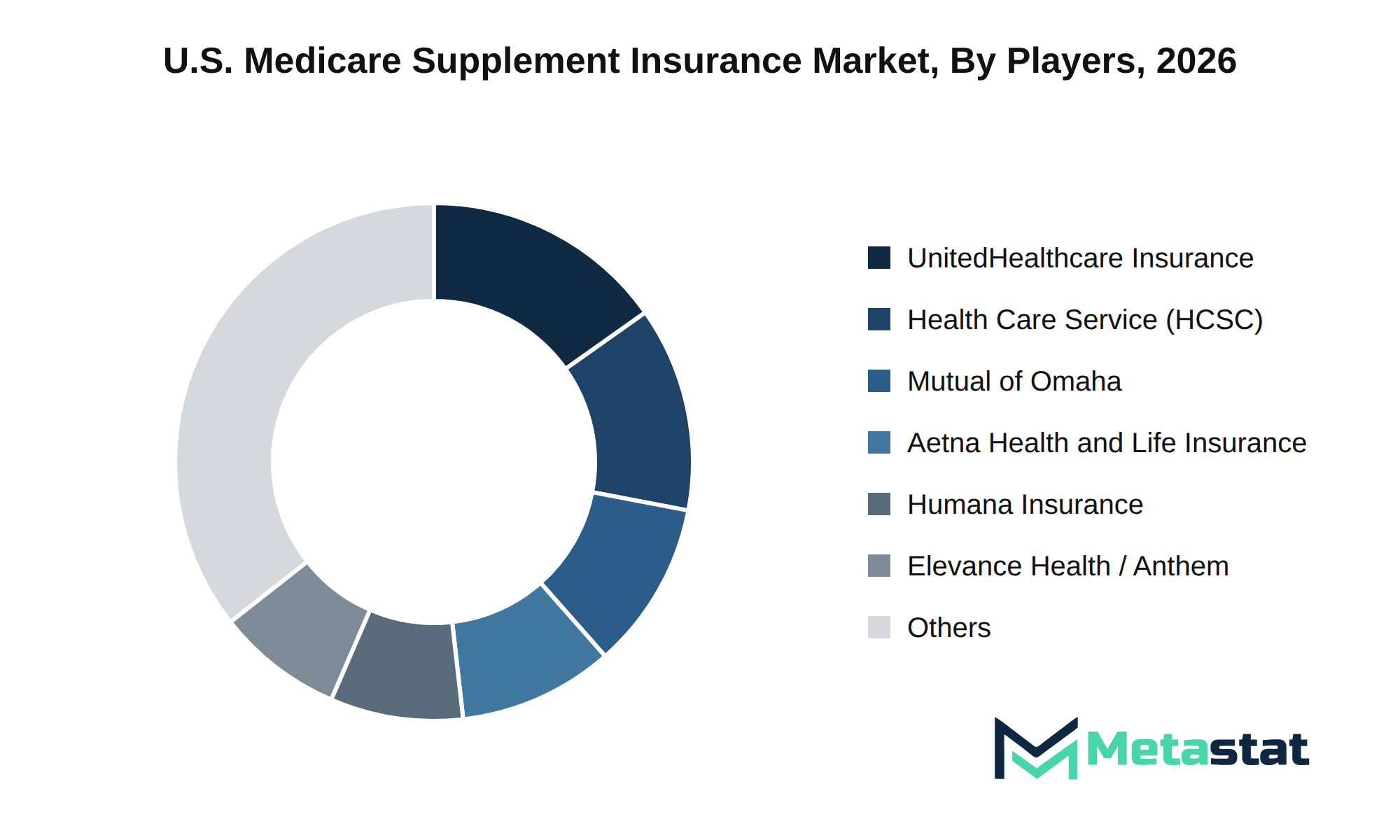
The U.S. Medicare Supplement Insurance market features a diverse array of companies that engage in strategic consolidation and various go-to-market strategies. Leading players like Health Care Service Corporation (HCSC), UnitedHealthcare Insurance Company, and Mutual of Omaha focus on product differentiation and customer retention strategies, enhancing their appeal among consumers.
Pricing architectures reflect competition among established insurers, including Humana Insurance Company and Aetna Health and Life Insurance Company, which leverage procurement leverage and value chain integration to optimize costs. Their strategies include engaging in strategic alliances and joint ventures, further strengthening their market positions.
New entrants face substantial barriers, with established firms benefiting from brand equity dynamics and significant market share. Companies like Elevance Health / Anthem and USAA demonstrate the effectiveness of robust intellectual property portfolios and technological defensibility, reflecting critical competitive factors in the market.
The future competitive outlook indicates ongoing innovation and strategic growth vectors, particularly driven by firms like State Farm Mutual Automobile Insurance Company and Florida Blue because they adapt to evolving consumer needs. Overall, the U.S. Medicare Supplement Insurance market remains dynamic, fueled by competitive strategies that prioritize customer engagement and operational efficiency.
Market size is forecast to rise from USD 41.8 billion in 2025 to over USD 62.3 billion by 2033. The base case reflects a steady growth trajectory with a compound annual growth rate (CAGR) of 5.1%. This growth is propelled by several macroeconomic factors, including demographic shifts, regulatory changes, and advancements in technology that benefit the U.S. Medicare Supplement Insurance market.
The bull case envisions accelerated growth driven by increased consumer awareness and robust healthcare policies that enhance access to Medicare Supplement Insurance. Conversely, the bear case considers potential economic downturns, which could limit discretionary spending on supplemental insurance products, affecting market expansion. Nevertheless, fundamental demand for supplemental coverage presents a strong foundation for resilience against economic fluctuations.
Strategic capital allocation, including infrastructure commitments and targeted investments, influences future market dynamics. Industry players are expected to focus on next-generation technology integrations and research and development (R&D) commercialization timelines, aiming to enhance product offerings and operational efficiencies. This ongoing innovation aligns with evolving consumer expectations, increasing adoption rates for Medicare Supplement Insurance.
Overall, the U.S. Medicare Supplement Insurance market is anticipated to navigate through various structural shifts and regulatory evolutions while leveraging emerging opportunities to maintain its growth trajectory. The combination of these elements establishes a comprehensive outlook for sustained market advancements over the forecast period.
The report strategically identifies and profiles the key market players and analyses their core competencies in each sub-segment of the Medicare Supplement Insurance Market.
Report Attributes | Details |
Study Period | 2021-2033 |
Base Year | 2025 |
Estimated Year | 2026 |
Forecast Period | 2026-2033 |
Historical Period | 2021-2025 |
Growth Rate | CAGR 5.1% from 2026 to 2033 |
Revenue Unit | USD billion |
Segmentation | By Plan Type, Premium Rating Method, Distribution Channel, Enrollment Type, and Region |
Find answers to common questions about this report
The Medicare Supplement Insurance Market size was valued at USD 41.8 billion in 2025.
The Medicare Supplement Insurance Market is projected to grow at a CAGR of 5.1% during the forecast period from 2026 to 2033.
Plan G leads the U.S. Medicare Supplement Insurance market with a share of 43.5% in 2025. This segment surpasses all other plan types in terms of market presence.
Key drivers for the U.S. Medicare Supplement Insurance market include changing demographics, particularly the aging population, which increases demand for comprehensive healthcare coverage. Evolving consumer behaviors emphasize personalized insurance products and preventative care, further propelling market growth. technological advancements enhance operational efficiency and service delivery, contributing to market expansion.
Increasing regulatory complexities and compliance hurdles consume substantial resources, particularly for smaller providers, hampering competitive positioning. macroeconomic headwinds, including inflation and rising healthcare costs, lead to decreased disposable income for potential beneficiaries, resulting in slower enrollment rates. These factors collectively restrain growth within the U.S. Medicare Supplement Insurance market.
Changing demographics and evolving consumer behaviors significantly favor product adoption in the U.S. Medicare Supplement Insurance market. An aging population prioritizes comprehensive healthcare solutions, while the growing focus on preventative care drives demand for supplemental insurance options that address specific needs.
The Medicare Supplement Insurance Market is estimated to reach a valuation of USD 62.3 billion by 2033.
Key players in the U.S. Medicare Supplement Insurance market include UnitedHealthcare Insurance Company, Mutual of Omaha, Humana Insurance Company, Aetna Health and Life Insurance Company, Elevance Health / Anthem, and Florida Blue.
Plan F holds a significant market share of 19%, making it one of the most popular options among Medicare beneficiaries.
The aging population drives demand for Medicare Supplement plans, because more individuals seek coverage to fill gaps in standard Medicare, resulting in higher enrollment rates.
The analysts below cover Healthcare research at Metastat Insights.
LEAD ANALYST
Utkarsh Khirodkar is a Lead Market Research Analyst at MetaStat Insight, specializing in market intelligence, technology sector assessments, and competitive strategy.

LEAD PRINCIPAL ANALYST, PHARMA AND HEALTHCARE
Food and Beverages · Healthcare · Healthcare IT · Medical Devices
Ajay Devgire is the Lead Healthcare Analyst at MetaStat Insight, leading strategic research and market intelligence initiatives across the global healthcare domain.
Ambulatory surgical centers have very different purchasing cycles for robotic-assisted surgery platforms than major hospital networks. The MetaStat Insight study focused squarely on capital expenditure depreciation, procedural reimbursement pathways, and surgeon training overhead. That operational clarity made it much simpler to validate multi-year procedure growth forecasts against actual ambulatory center adoption patterns.
When planning edge sensor rollouts across refinery environments, generic IoT reports typically miss the harsh-environment certification bottlenecks. MetaStat Insight gave an objective evaluation of ATEX and Class 1 Division 2 hardware availability, along with realistic five-year maintenance cycle cost projections. The comparison of wireless mesh versus private cellular backhaul helped our team pressure-test network reliability models for remote processing facilities.
In the biological seed treatment space, registration timelines vary drastically between the European Union, Brazil, and North America. The MetaStat Insight research handled these cross-border regulatory barriers with genuine nuance, mapping commercialization pathways alongside historical field adoption rates. The segmentation between microbial strains and biochemical active ingredients was particularly well structured.
Explore related market intelligence reports worth reading alongside this one.
Starting from
$2950