
LEAD ANALYST
Utkarsh Khirodkar is a Lead Market Research Analyst at MetaStat Insight, specializing in market intelligence, technology sector assessments, and competitive strategy.

USA Integrative Health and Medical Wellness Services Market Size, Share, By Service Type (Functional and Integrative Medicine Consultations, Diagnostic and Biomarker Testing, Nutrition and Lifestyle Medicine, Medical Weight and Metabolic Management, Hormone and Sexual Health Optimization, IV Nutrient and Injectable Wellness Therapy, Hyperbaric Oxygen Therapy, Photobiomodulation and Laser Therapy, Recovery and Regenerative Therapies), By Care Delivery Model (Facility-Based/In-Clinic Care, Hybrid In-Person and Virtual Care, Virtual/Telehealth Care, At-Home/Mobile Care, Destination/Residential Wellness Care), By Provider Setting (Independent Integrative/Functional Medicine Clinics, Multi-Site Medical Wellness Networks, Longevity and Precision Health Centers, Concierge and Executive Health Practices, Hospital/Health-System Integrative Centers, Medical Spas and Recovery Centers, Destination Wellness Resorts), By Application (Preventive Health and Longevity, Weight and Metabolic Health, Hormonal and Sexual Wellness, Pain and Inflammation Management, Energy and Fatigue Optimization, Immune Support, Digestive and Gut Health, Stress, Sleep and Cognitive Wellness, Sports Performance and Recovery), Industry Analysis, Growth, Trends, and Forecast, 2026-2033
Report ID
MSI-5236
Published
September, 2026
Pages
305 Pages
Format
Historical
Base year
Forecast
Forecast period
Report Details
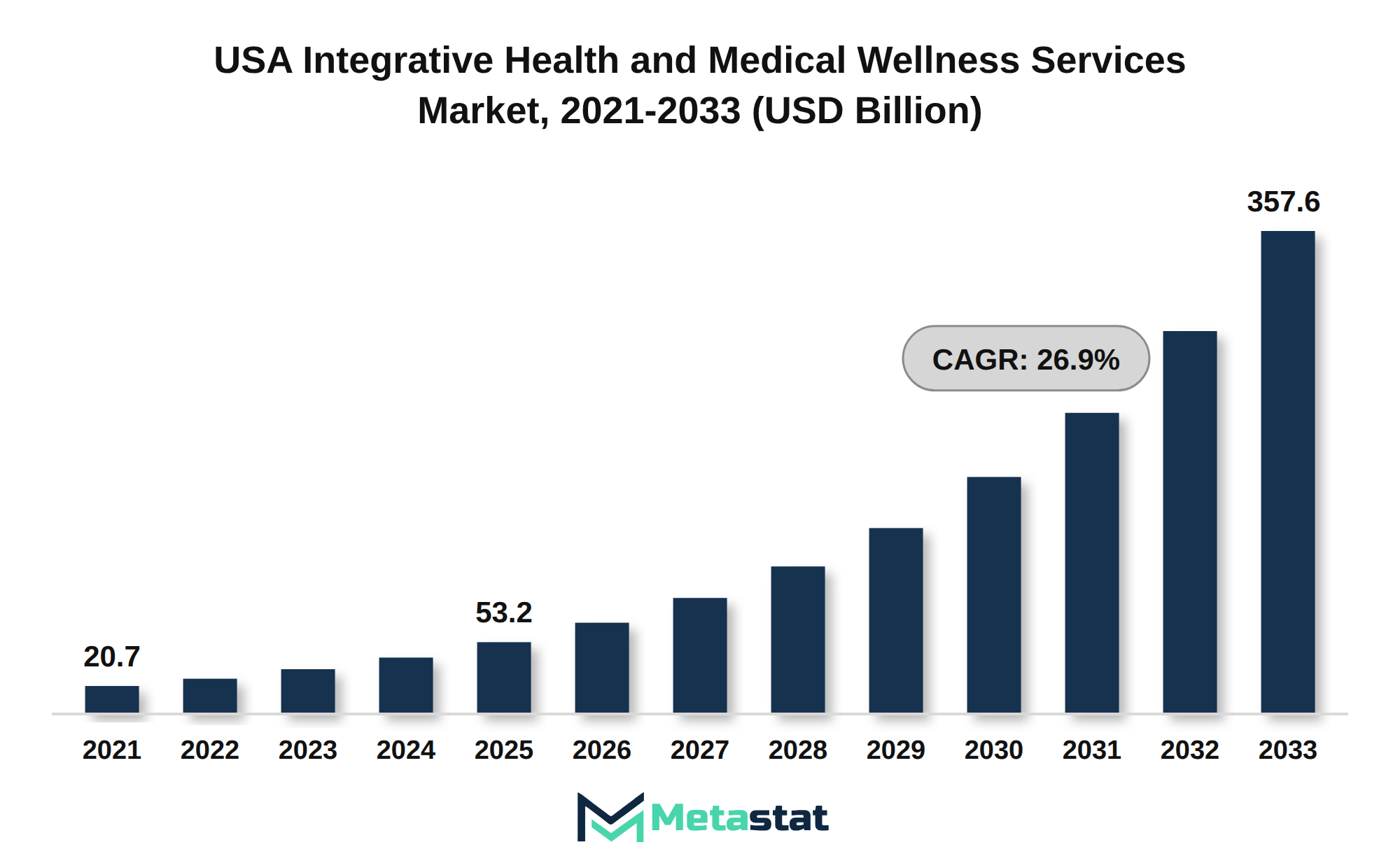
Market Valuation: Valued at $53.2 Billion in 2025, projected to reach $357.6 Billion by 2033 at a 26.9% CAGR.
Dominant Segment: Functional & Integrative Medicine Consultations lead the market, driven by increasing consumer awareness and demand for personalized healthcare solutions. This segment is projected to grow significantly, reflecting a shift towards alternatives to traditional medical therapies.
Geographic Lead: The USA is the leading region in the Integrative Health and Medical Wellness Services market, with urbanization trends and an aging population driving demand for accessible wellness services.
What's Inside: The report provides a comprehensive analysis of market dynamics, including competitive coverage, growth trends, and forecasts from 2026 to 2033 across various service types and care delivery models.
Emerging Opportunities: Technological advancements in digital health platforms and telehealth solutions are reshaping service delivery, enhancing access to care, and driving consumer adoption of integrative health services.
Choose Your License
USA Integrative Health and Medical Wellness Services Market
The USA Integrative Health and Medical Wellness Services market was valued at USD 53.2 billion in 2025 and is projected to reach USD 357.6 billion by 2033, growing at a CAGR of 26.9% over the forecast period.
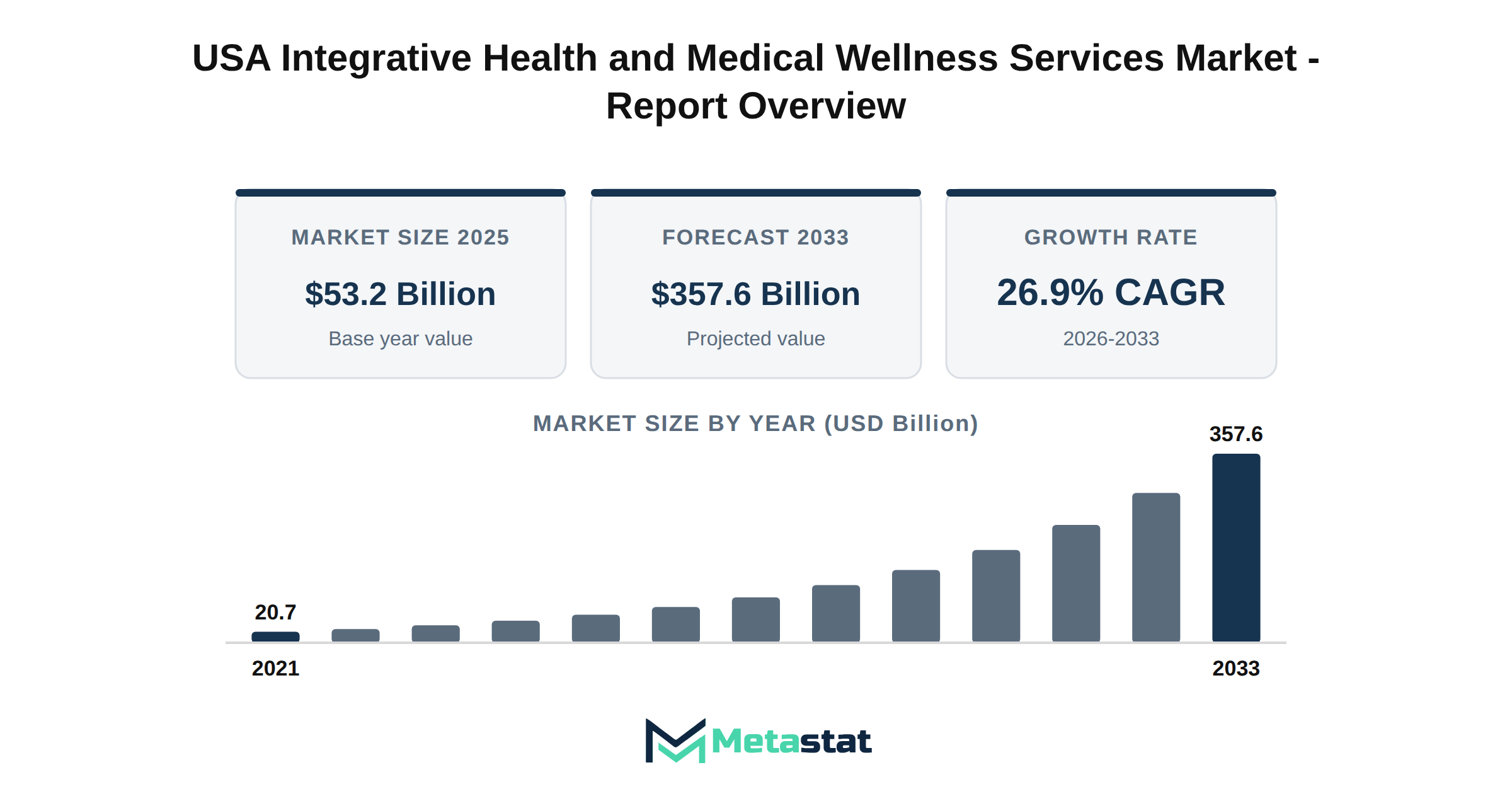
The USA Integrative Health and Medical Wellness Services market is projected to grow from USD 53.2 billion in 2025 to USD 357.6 billion by 2033, reflecting a compound annual growth rate (CAGR) of 26.9%. The market's expansion is driven by increasing consumer interest in comprehensive approaches to health and wellness, alongside a growing recognition of preventative care's value.
Key demand drivers for this market include a rising consumer focus on preventative healthcare and comprehensive care solutions, with many individuals seeking alternatives to traditional medical practices. This trend enhances the appeal of integrative health services, particularly among populations seeking to manage chronic conditions and improve overall well-being.
Challenges persist within the market, particularly relating to reimbursement structures and regulatory compliance. These challenges influence the growth of integrative medicine, affecting how services are delivered and compensated. The ongoing shift towards value-based care models complicates the reimbursement landscape, prompting providers to adapt their approaches to meet evolving standards.
High-growth segments within the market focus on functional medicine, regenerative therapies, and acupuncture. These areas attract significant consumer investment, driven by the increasing demand for personalized and effective treatment options. The rising interest in these services indicates a broader acceptance of integrative approaches within mainstream healthcare.
Consumer expenditure on medical wellness continues to rise, with out-of-pocket spending trends reflecting a willingness to invest in comprehensive health services. This financial commitment signals a shift in consumer priorities towards wellness and prevention, presenting opportunities for providers in the integrative health space.
Technological advancements, particularly in AI and digital health platforms, enhance the delivery of integrative care. The adoption of telewellness services further facilitates access to healthcare, allowing consumers to engage with providers remotely. This trend highlights the importance of innovative solutions in meeting the needs of a diverse patient population.
Mergers and acquisitions, alongside private equity inflows, are reshaping the competitive landscape of the USA Integrative Health and Medical Wellness Services market. Strategic partnerships among key players drive growth and expand service offerings, positioning firms to capture a larger share of the expanding market.
The USA Integrative Health and Medical Wellness Services market experiences significant growth driven by various factors. Increased consumer awareness regarding preventive healthcare and comprehensive care has led to a shift in focus toward integrative approaches. This transition aligns with the growing demand for personalized wellness solutions, particularly among aging populations and individuals managing chronic diseases. Rising consumer expenditure and out-of-pocket spending trends indicate a willingness to invest in health and wellness services, supporting market expansion.
However, several challenges impact the growth trajectory. Reimbursement issues and varying state licensure regulations create hurdles for providers of integrative medicine. Compliance with FDA guidelines and standards remains crucial for wellness providers, influencing operational capabilities and market entry strategies. The shift toward value-based care in outpatient settings emphasizes the importance of outcome-driven approaches to healthcare delivery, affecting provider strategies.
High-growth service segments, particularly in functional medicine, acupuncture, and regenerative therapies, present emerging opportunities within the market. The adoption of AI, digital health platforms, and telewellness enhances care delivery models, allowing for more accessible and efficient services. This technological integration facilitates better patient engagement and outcomes, which are crucial for sustaining market momentum.
Strategic partnerships and M&A dynamics shape the competitive landscape. Private equity inflows into wellness sectors drive innovation and expansion, creating a robust environment for new entrants and established players alike. The market's fragmentation presents opportunities for consolidation, allowing for enhanced service offerings and operational efficiencies across the sector.
Demographic shifts, particularly among aging populations, necessitate tailored wellness programs. Corporate wellness initiatives and employer-sponsored integrative health solutions gain traction, reflecting a growing recognition of the benefits of employee well-being. Regional market concentration highlights untapped opportunities across major U.S. metropolitan areas, suggesting areas for strategic investment and growth.
The long-term forecast for the market through 2033 indicates a trajectory of sustained growth, with emerging investment opportunities lying in next-generation innovations and sustainable transformations. The evolving landscape of integrative health and wellness continues to adapt to consumer demands, regulatory frameworks, and technological advancements, positioning the market for substantial future expansion.
The USA Integrative Health and Medical Wellness Services market experiences significant growth fueled by shifting demographic patterns. An aging population increasingly seeks integrative health solutions tailored to their unique wellness needs. This demographic shift highlights a rising preference for personalized healthcare approaches, enhancing the market's appeal among older adults who prioritize preventive health and wellness initiatives.
Urbanization trends further contribute to market growth, driven by city-dwelling consumers showing heightened interest in accessible wellness services that align with their busy lifestyles. The evolving consumer behavior reflects a collective shift toward comprehensive health practices, including nutrition, lifestyle medicine, and mental wellness, driving demand across segments within the market.
Technological advancements support these demographic changes, facilitating the delivery of integrative services through digital platforms. This integration enhances access and convenience for consumers, leading to increased engagement with wellness services. While the market adapts to these demographic trends, it positions itself for sustained growth, supported by the demands of a diverse consumer base seeking innovative health solutions.
Investment in infrastructure development significantly influences the USA Integrative Health and Medical Wellness Services market. Upgrading digital capabilities and physical facilities enhances service delivery, ensuring organizations meet evolving consumer expectations. Increased capital investment in technology, including automation and artificial intelligence, optimizes operational efficiency, leading to improved patient outcomes and satisfaction. Enhanced infrastructure enables better integration of services, supporting an improved patient experience.
Rising demand for comprehensive health and wellness solutions drives infrastructure improvements, attracting more consumers to the market. Investment in modernized facilities allows providers to expand their service offerings, catering to the diverse needs of individuals seeking integrative health solutions. Greater accessibility to advanced services strengthens competition among providers, further enhancing market dynamics.
Overall, investment in infrastructure development establishes a solid foundation for the USA Integrative Health and Medical Wellness Services market. This investment supports sector growth, enabling providers to enhance their capabilities and respond effectively to the increasing demand for integrative health solutions.
Increasing regulatory compliance requirements present significant challenges within the USA Integrative Health and Medical Wellness Services market. Adherence to evolving regulations necessitates substantial investment in training and operational adjustments, impacting overall profitability. Aligning services with these regulations restricts market agility and adaptability. Compliance hurdles deter smaller players from entering the market, leading to further consolidation among established providers.
Economic pressures, including inflation and macroeconomic headwinds, create additional constraints on spending within the market. Rising costs associated with service delivery hinder consumer access to integrative health solutions. These financial pressures contribute to a cautious approach among consumers, slowing demand for wellness services. Consumers prioritize essential expenditures; discretionary services, including those offered in the integrative health sector, experience reduced demand.
Supply chain disruptions further complicate operations, affecting the availability of essential resources and materials required for integrative health services. Geopolitical instability exacerbates these disruptions, leading to unpredictable fluctuations in costs and service delivery capabilities. Consequently, market players face intensified challenges in maintaining consistent service quality and availability.
High capital investment requirements limit the ability of new entrants to establish themselves within the market. The necessity for significant upfront investment in facilities, technology, and staff contributes to a barrier that restricts competition. Existing providers with established infrastructures benefit from economies of scale. New players struggle to gain market share.
Technological obsolescence presents risks for providers that fail to adapt to emerging trends and innovations in wellness services. This risk affects service offerings and overall market competitiveness. Fragmentation across the sector complicates efforts to provide standardized care and distribution of services, creating varying consumer experiences that deter potential customers from seeking integrative health solutions.
Geopolitical fragmentation presents challenges for the USA Integrative Health and Medical Wellness Services market, influencing both supply chain dynamics and consumer confidence. Trade deficits and tariff friction create additional cost pressures on imported components, complicating operational strategies for market players. Technological disruptions in healthcare further exacerbate these issues, generating a need for complex research and development integrations to maintain competitiveness. Interoperability friction limits the effective implementation of new solutions within existing systems, hindering overall market efficiency.
Logistical disruptions and supply chain instability impact the availability of critical resources, contributing to rising input costs. These pressures compel companies to navigate an environment characterized by heightened pricing compression and margin pressures. Workforce skill gaps and talent retention challenges complicate operational capacities, limiting the ability of organizations to respond effectively to evolving market conditions. This combination of factors creates a situation where businesses within the market adopt innovative strategies to sustain competitiveness and ensure sustainability.
Increased environmental lifecycle footprints and the need for decarbonization mandates introduce additional complexities for companies in the USA Integrative Health and Medical Wellness Services market. Compliance overhead linked to tightening regional regulatory standards adds financial burdens, restricting investments in growth initiatives. This environment emphasizes the necessity for organizations to develop robust compliance strategies while striving for operational efficiency, ultimately influencing their market positioning.
Technological disruptions significantly reshape the USA Integrative Health and Medical Wellness Services market. Innovations in digital health platforms, telehealth solutions, and personalized health technologies drive increased adoption among consumers. These advancements enhance service delivery, streamline operations, and improve access to care, particularly across remote and underserved regions.
Emerging demands for preventative and comprehensive health solutions align with technological capabilities, enabling providers to offer integrated services tailored to individual needs. The market experiences strong growth, fueled by consumer awareness of health-related technologies and a rising preference for personalized health experiences. This trend positions the market because a key player in the broader healthcare landscape.
Strategic consolidation through cross-industry mergers enhances competitive positioning within the USA Integrative Health and Medical Wellness Services market. Firms recognize the importance of integrating diverse capabilities, resulting in comprehensive service offerings that meet evolving consumer expectations. The merger of health and technology sectors facilitates the development of innovative solutions that improve patient engagement and outcomes.
Efforts toward sustainability and eco-friendly practices connect with consumers, driving demand for services aligned with these values. Companies adopting green transformations effectively position themselves to capture market share within the growing environmentally-conscious consumer segment. This alignment builds loyalty and enhances brand reputation.
Investment in next-generation innovations, including artificial intelligence and data analytics, enables providers to optimize service delivery and operational efficiencies. Automation of administrative processes reduces costs and enhances service quality, reflecting a trend toward improving operational yield. These factors collectively contribute to a dynamic market environment characterized by significant growth opportunities.
The USA Integrative Health and Medical Wellness Services market is segmented based on Service Type, Care Delivery Model, Provider Setting, and Application.
Increasing consumer awareness of health approaches drives demand for Functional & Integrative Medicine Consultations within the USA Integrative Health and Medical Wellness Services market. This segment, valued at USD 12.4 billion in 2026, is projected to reach USD 61.2 billion by 2033, reflecting a CAGR of 25.6% during the forecast period. The growing inclination towards personalized healthcare solutions encourages adoption among patients seeking alternatives to traditional medical therapies.
Segment expansion stems from advancements in technology and the integration of evidence-based practices. Enhanced diagnostic tools, alongside innovative treatment methodologies, create a more comprehensive approach to patient care. This evolution in service delivery creates a favorable environment for practitioners, ensuring that services meet diverse patient needs effectively.
The segment benefits from a shift in consumption patterns, with more individuals opting for preventive health measures rather than reactive treatments. This trend emphasizes the importance of lifestyle modifications and integrative practices in achieving overall wellness. Regulatory compliance surrounding healthcare practices supports the credibility of Functional & Integrative Medicine Consultations, enhancing consumer trust and engagement.
Increased collaboration among healthcare providers and wellness practitioners facilitates a more streamlined service delivery model. This collaboration enhances patient access to integrative health services, allowing for treatment plans tailored to individual health challenges. The overall market continues to expand, driven by evolving consumer expectations and the desire for comprehensive health solutions.
Growth in the Diagnostic & Biomarker Testing segment stems from increasing awareness about preventive healthcare and the importance of early disease detection. Healthcare providers, patients, and insurers prioritize accurate diagnostics, driving demand for advanced testing methodologies. The rising prevalence of chronic diseases heightens the necessity for effective monitoring and management, fueling growth in this segment. Technological advancements in testing methods enhance accuracy and efficiency, leading to wider adoption among healthcare facilities and practitioners.
Investment in next-generation upgrades, including genetic testing and personalized medicine, expands the capabilities of diagnostic services, attracting consumers seeking tailored health solutions. Regulatory compliance standards, including certifications for quality and safety, influence market dynamics, compelling providers to adopt state-of-the-art technologies. The competitive landscape benefits from the diversification of applications, including predictive analytics and real-time monitoring, which cater to shifting consumer preferences toward proactive health management.
Pricing volatility and margin pressures challenge providers within the market, necessitating strategic efforts to maintain profitability while delivering high-quality services. Innovations in biomarker testing, including liquid biopsies and advanced imaging techniques, represent significant opportunity windows for capital investment. The market for Diagnostic & Biomarker Testing is projected to reach USD 53.6 billion by 2033, reflecting a CAGR of 27.8% during the forecast period.
Growing awareness of the importance of nutrition and lifestyle choices drives demand within the Nutrition & Lifestyle Medicine segment. Consumers increasingly seek personalized approaches to health, leading to a surge in tailored programs and interventions. This shift reflects a broader trend toward preventive health care, where individuals prioritize maintaining health rather than merely treating illness. The emphasis on overall health encourages collaboration among various health professionals, enabling comprehensive strategies that take into account dietary habits, physical activity, and mental well-being.
Investment in technology and data analytics enhances service delivery in this segment, allowing for more effective tracking of patient progress and outcomes. Providers increasingly leverage telehealth solutions to reach a wider audience, accommodating the growing preference for virtual consultations among consumers. The Nutrition & Lifestyle Medicine segment is projected to reach USD 46.5 billion by 2033, reflecting strong market growth driven by rising health consciousness and access to personalized health solutions.
Regulatory changes and certifications related to health and wellness practices create both challenges and opportunities. Compliance with new health regulations encourages providers to adopt best practices, enhancing service credibility and attracting more clients. The market for Nutrition & Lifestyle Medicine continues to evolve, with ongoing innovations and improved consumer education supporting sustained growth in this dynamic sector.
Interest in weight management and metabolic health consistently influences the demand for services within the USA Integrative Health and Medical Wellness Services market. Growing obesity rates, increased prevalence of metabolic disorders, and heightened consumer focus on wellness contribute to this growth. The Medical Weight & Metabolic Management segment is projected to grow at a CAGR of 29.8% during the forecast period, reflecting a shift towards integrative and personalized health solutions.
Investment in advanced technologies and methodologies for weight and metabolic management enhances service delivery. Incorporation of tailored nutritional plans, fitness regimens, and hormonal evaluations supports more effective outcomes for patients. This evolution ensures that service providers align with consumer expectations for comprehensive care, building loyalty and long-term engagement.
Improved outcomes in metabolic health result from a blend of traditional and innovative practices. The market observes a shift towards collaborative care models that integrate lifestyle medicine and functional approaches, connecting with patients seeking complete solutions. These developments position providers favorably within a competitive landscape, enabling them to capture significant market share.
Regulatory standards governing weight management practices emphasize the importance of evidence-based approaches. Compliance with these regulations enhances credibility and cultivates trust among consumers. Market players focusing on certifications and adherence to policies benefit from sustained demand and potential reimbursement opportunities.
Overall, the Medical Weight & Metabolic Management segment embodies a dynamic area within the USA Integrative Health and Medical Wellness Services market, driven by consumer trends, innovative solutions, and regulatory support. The continuous evolution of this segment presents substantial opportunities for stakeholders actively engaged in enhancing health outcomes and expanding service offerings.
Growing interest in Hormone & Sexual Health Optimization reflects a broader shift toward comprehensive health solutions. Factors including increasing awareness about hormonal imbalances and their impact on overall wellness drive consumer demand. Patients increasingly seek alternatives to conventional treatments, actively pursuing integrative approaches that emphasize balance and optimization of hormonal levels. This trend influences healthcare providers to expand offerings in this segment, creating an environment conducive to growth within the USA Integrative Health and Medical Wellness Services market.
Technological maturation advances hormone and sexual health services. Innovations in diagnostic tools and therapeutic options enhance treatment accuracy and effectiveness, appealing to a tech-savvy consumer base. Next-generation upgrades in hormone therapy, including bioidentical hormones and personalized treatments, further attract consumers seeking tailored solutions for their unique health needs. Increased access to information enables individuals to explore these options, enhancing their engagement in personal health management.
End-use dynamics shift toward preventive health strategies, positioning Hormone & Sexual Health Optimization because a key component of wellness solutions. The emphasis on prevention encourages consumers to address hormonal health proactively, reducing the incidence of related health issues. Regulatory compliance standards evolve, prompting healthcare providers to adopt best practices in hormone therapy administration and patient care. These developments cultivate trust among consumers, leading to higher adoption rates and sustained growth in the market.
Pricing volatility in the segment affects consumer decisions, because affordability remains a critical factor in accessing hormone optimization services. Competitive pricing strategies, combined with transparent cost structures, enhance market accessibility for a wider audience. Strategic opportunity windows arise because healthcare providers develop innovative service packages that integrate hormone optimization with other wellness offerings. This comprehensive approach to health creates a compelling value proposition, driving further investment and expansion within the USA Integrative Health and Medical Wellness Services market.
Growing interest in IV Nutrient & Injectable Wellness Therapy reflects a broader shift towards personalized healthcare solutions. This segment attracts consumers seeking improved health and vitality, emphasizing the need for targeted nutritional support. Increasing awareness of the benefits of intravenous therapies contributes to heightened consumer demand and adoption rates.
Technological advancements in injection techniques and formulations accelerate segment growth. Next-generation therapies focus on delivering essential nutrients directly into the bloodstream, enhancing bioavailability and effectiveness. The emergence of innovative products caters to diverse health concerns, including fatigue, immune support, and recovery from illness or stress.
Regulatory compliance plays a critical role in shaping the market landscape. Stringent standards govern the safety and efficacy of intravenous therapies, influencing production processes and provider practices. Establishing certification protocols builds consumer confidence and promotes responsible business practices within the segment.
Cost structures and pricing strategies remain essential considerations for providers in this market. Fluctuations in raw material sourcing impact operational costs. Consequently, strategic pricing initiatives support profitability while ensuring accessibility for consumers seeking these therapeutic options.
Significant investment in research and development strengthens the competitive environment, driving product evolution and enabling providers to meet changing consumer preferences. Identifying strategic opportunity windows facilitates market penetration and supports growth in the USA Integrative Health and Medical Wellness Services market.
Growing recognition of the therapeutic benefits of Hyperbaric Oxygen Therapy contributes to its increasing demand within the USA Integrative Health and Medical Wellness Services market. Patients seek treatment for conditions including chronic wounds, traumatic brain injuries, and sports injuries, further driving adoption. This segment benefits from a trend toward more comprehensive and integrative health solutions, where patients prioritize effective approaches to wellness.
Technological advancements enhance Hyperbaric Oxygen Therapy, leading to improved treatment outcomes and patient experiences. Innovations in chamber design and monitoring systems increase the efficiency and safety of treatments, attracting more providers to incorporate this therapy into their offerings. Expansion of service options, including portable hyperbaric chambers, allows greater accessibility for patients, further stimulating market growth.
Regulatory compliance continues to shape the market of Hyperbaric Oxygen Therapy. Adherence to safety standards and guidelines ensures the therapy's credibility and effectiveness, influencing provider investments and operational strategies. The market experiences pressure related to pricing volatility, which affects profitability for providers while ensuring competitive access for patients.
Shifts in consumption patterns indicate a growing preference for preventive health measures. Patients increasingly view Hyperbaric Oxygen Therapy not only because a treatment modality but because a proactive approach to maintain overall health and wellness. This trend aligns with the broader shift toward personalized and patient-centered care models within the market.
Strategic opportunity windows arise for companies to innovate and differentiate their offerings within the Hyperbaric Oxygen Therapy segment. Investment in research and development will likely yield next-generation products and services, enhancing treatment efficacy and patient satisfaction. Capital investment will play a significant role in supporting the growth and expansion of Hyperbaric Oxygen Therapy services across various healthcare settings.
Consumer demand for Photobiomodulation & Laser Therapy aligns with the increasing focus on non-invasive treatment options within the USA Integrative Health and Medical Wellness Services market. Improved understanding of the therapeutic benefits of light-based therapies drives interest among both consumers and healthcare providers. This segment benefits from ongoing advancements in technology, leading to enhanced device capabilities and greater efficacy of treatment protocols.
Adoption of Photobiomodulation & Laser Therapy expands due to the growing emphasis on preventative care and wellness approaches, aligning with broader trends in health management. Evidence supporting the effectiveness of these therapies for pain management, wound healing, and skin rejuvenation encourages healthcare practitioners to integrate these solutions into their offerings.
Regulatory compliance and certification standards significantly influence market dynamics, impacting the acceptance and integration of Photobiomodulation & Laser Therapy into established medical practices. This segment features a strong emphasis on clinical research to validate the safety and effectiveness of treatments, contributing to consumer confidence.
Investment in education and training for healthcare providers enhances the skills necessary for implementing Photobiomodulation & Laser Therapy, further facilitating adoption. The emergence of strategic partnerships among technology developers, healthcare providers, and wellness centers fuels innovation and market growth, creating opportunities for companies operating within this space.
Consumer preferences shift toward comprehensive health management, positioning Photobiomodulation & Laser Therapy to benefit significantly. Enhanced marketing efforts that communicate the advantages of these therapies will likely spur further growth in the USA Integrative Health and Medical Wellness Services market.
Increasing interest in Recovery & Regenerative Therapies reflects heightened demand for innovative treatment options among consumers seeking comprehensive health solutions. Factors influencing this growth include growing recognition of the benefits of regenerative approaches to health and wellness, which emphasize the body's natural healing processes. These therapies encompass a range of methods including stem cell treatments, platelet-rich plasma therapy, and other regenerative techniques that appeal to individuals aiming to enhance recovery from injuries or chronic conditions. The shift toward a more personalized healthcare experience drives the adoption of these therapies within the USA Integrative Health and Medical Wellness Services market.
Technological advancements in regenerative medicine play a crucial role in expanding this segment. Continuous research and development efforts lead to improved treatment efficacy and safety, attracting both practitioners and patients. Increased availability of training and resources for healthcare providers enhances the application of Recovery & Regenerative Therapies, creating a more robust offering in the market. Consumer education around the benefits of these therapies contributes to greater acceptance and demand, setting the stage for further advancements and integration into mainstream health practices.
Regulatory compliance standards shaped to ensure safety and efficacy create a framework that supports the growth of Recovery & Regenerative Therapies. These regulations drive innovations that align with emerging scientific understandings, encouraging confidence among patients. While initial costs for these therapies influence pricing strategies, the long-term value derived from improved health outcomes justifies the investment for consumers, supporting market expansion. Overall, Recovery & Regenerative Therapies represent a dynamic area within the USA Integrative Health and Medical Wellness Services market, characterized by evolving technologies, consumer interest, and regulatory frameworks that contribute to growth and innovation.
Consumer interest in alternative therapies significantly influences the Others segment, which encompasses acupuncture, sauna/hydrotherapy, and mind-body services. Increased demand for comprehensive health solutions drives adoption, with individuals seeking integrative approaches that emphasize mental and physical well-being. This segment benefits from a growing consumer shift toward preventive health measures and proactive wellness strategies.
Integration of mind-body practices enhances consumer experiences, creating stronger connections between mental states and physical health outcomes. Providers continually adapt offerings to meet evolving consumer preferences, encouraging engagement through personalized care and tailored wellness plans. The USA Integrative Health and Medical Wellness Services market reflects this trend, presenting opportunities for service providers to innovate and expand their service offerings.
Regulatory compliance continues to shape operational frameworks within the market. Adherence to established standards enhances credibility and safety for practitioners, promoting acceptance among a broader audience. Ongoing education and certifications for practitioners establish a foundation of trust, which is vital for sustaining growth in this segment.
Technological advancements increasingly impact the delivery of mind-body services. Digital platforms enable consumers to access wellness resources, including guided meditation and virtual therapy sessions. This accessibility encourages engagement and supports consistent use of integrative health services. The market is projected to experience further technology-driven enhancements in service delivery, which will improve consumer satisfaction and retention.
Investments in research and development play a crucial role in evolving service offerings within this segment. Exploring the efficacy of alternative therapies generates insights that inform best practices and enhance treatment protocols. This evidence-based approach strengthens the segment's position within the broader USA Integrative Health and Medical Wellness Services market, ensuring alignment with consumer expectations and industry standards.
Facility-Based/In-Clinic Care segment is valued at USD 31.5 billion in 2026 and is projected to reach USD 146.6 billion by 2033, at a CAGR of 24.6% during the forecast period. A significant driver for this segment includes the increasing consumer preference for personalized, face-to-face consultations with healthcare professionals. Growing recognition of the importance of comprehensive treatment plans that integrate traditional and integrative health approaches fuels this demand.
Expansion catalysts for Facility-Based/In-Clinic Care involve advancements in diagnostic and therapeutic techniques, which enhance service efficiency and effectiveness. Technological maturation in this area enables healthcare providers to offer more precise treatments and better patient outcomes, further encouraging adoption. Next-gen upgrades, including telehealth integration and digital monitoring tools, enhance the traditional in-clinic experience, appealing to the modern consumer's expectations.
End-use dynamics indicate a shift towards preventive care, with consumers prioritizing health and wellness management over reactive medical interventions. This trend increases demand within the USA Integrative Health and Medical Wellness Services market, especially within the Facility-Based/In-Clinic Care segment. Regulatory compliance and certification standards ensure that facilities maintain a high level of care, building trust and reliability among consumers.
Cost structures and pricing volatility present considerations for providers operating in this segment. Adapting to fluctuating healthcare costs while maintaining competitive pricing remains essential for sustaining margins. The growing willingness of consumers to invest in their health supports the pricing strategies of providers, enabling continued growth in this competitive landscape. Overall, the dynamics of Facility-Based/In-Clinic Care will significantly influence the broader USA Integrative Health and Medical Wellness Services market throughout the forecast period.
Consumer preferences increasingly shift towards a blend of in-person and virtual care solutions, driving the demand for the Hybrid In-Person + Virtual Care segment. This segment is expected to reach USD 100.1 billion by 2033, with a CAGR of 29.7% during the forecast period. The integration of technology into health services enhances patient accessibility and convenience, making healthcare more responsive to individual needs. With the rise of digital platforms, healthcare providers expand their reach, allowing for a combination of face-to-face consultations and online support. This flexibility improves patient engagement and adherence to treatment plans, positively impacting overall health outcomes.
The growth of this segment aligns with broader trends within the USA Integrative Health and Medical Wellness Services market, where a focus on comprehensive approaches complements traditional care models. Adoption rates of virtual care technologies reflect a growing acceptance among consumers seeking personalized and accessible health solutions. The evolving landscape of healthcare delivery models drives innovation, leading to next-generation upgrades that enhance service offerings. While the market matures, regulatory frameworks adapt to accommodate blended care strategies, further supporting segment expansion.
Rapid advancements in technology significantly enhance the functionality and accessibility of virtual healthcare services within the USA Integrative Health and Medical Wellness Services market. Increased consumer demand for convenient and flexible healthcare solutions fuels the growth of the Virtual/Telehealth Care segment. This model supports interaction between patients and healthcare professionals through digital platforms, providing an alternative to traditional in-person visits.
The segment is projected to reach USD 57.2 billion by 2033, reflecting a substantial shift towards telehealth solutions, especially in preventive health and chronic disease management. Consumers increasingly favor remote consultations due to their time-saving nature and the ability to access specialized care without geographical limitations. This demand aligns with broader trends of health optimization and personalized wellness.
Technological maturation drives segment expansion. Enhanced digital infrastructure and the proliferation of user-friendly applications facilitate effective communication, which enhances patient engagement. Emerging innovations like artificial intelligence and data analytics further optimize the delivery of personalized care, enabling healthcare providers to tailor services effectively.
Regulatory compliance remains vital, ensuring that virtual care meets healthcare standards while safeguarding patient data. Adherence to these standards builds trust among consumers, which is essential for sustained growth in the market. Strategic partnerships among healthcare providers, technology firms, and regulatory agencies are likely to strengthen the ecosystem, supporting ongoing investment and innovation within the segment.
Overall, the rising prevalence of chronic health conditions and an aging population contribute to sustained demand for virtual care solutions. The segment's growth trajectory indicates a significant shift in healthcare delivery models, emphasizing the importance of virtual/telehealth services within the broader USA Integrative Health and Medical Wellness Services market.
Consumer preferences increasingly trend towards convenient healthcare solutions, significantly impacting the At-Home/Mobile Care segment of the USA Integrative Health and Medical Wellness Services market. This segment is projected to grow at a CAGR of 27.6% during the forecast period. The rising adoption of remote health services aligns with the need for flexibility and accessibility in healthcare delivery. Factors including technological advancements in telehealth platforms and increasing consumer comfort with virtual consultations drive this trend.
The aging population and a growing prevalence of chronic conditions create substantial demand for home-based healthcare services. Patients prioritize convenience, prompting healthcare providers to innovate and expand their offerings to meet these evolving needs. The ongoing evolution of mobile health applications enhances patient engagement and facilitates remote monitoring, aligning with the broader market's growth trajectory.
Investment in this segment reflects a strategic opportunity window, driven by stakeholders recognizing the potential of at-home care solutions to enhance patient outcomes while reducing healthcare costs. The competitive landscape incorporates a mix of established healthcare providers and emerging startups, all vying for a share of the expanding market. This dynamic encourages innovation and service diversification, broadening the range of available options for consumers.
At-Home/Mobile Care represents a critical and rapidly expanding segment within the USA Integrative Health and Medical Wellness Services market, driven by changing consumer preferences, technological advancements, and increased demand for personalized healthcare options.
Consumer inclination towards comprehensive wellness experiences drives demand for Destination/Residential Wellness Care within the USA Integrative Health and Medical Wellness Services market. This segment caters to individuals seeking immersive health retreats that combine luxury and therapeutic offerings, aligning with the increasing focus on preventive care and overall well-being.
Segments focusing on residential wellness centers often emphasize personalized care plans and tailored experiences, facilitating deeper connections between clients and providers. The growth of this segment reflects a broader trend towards integrated health solutions, where consumers seek services that address physical, mental, and emotional health needs.
Accommodations that offer wellness-focused amenities, including fitness centers, spa treatments, and nutrition programs, enhance the appeal of Destination/Residential Wellness Care. These facilities attract health-conscious individuals looking for comprehensive approaches to recovery, rejuvenation, and overall health improvement. The market benefits from consumers re-evaluating their health priorities, leading to a heightened interest in services that support long-term wellness.
While organizations invest in advanced wellness solutions, technological advancements play an important role in enhancing the consumer experience. Innovations in digital health and telehealth augment traditional service offerings, allowing for personalized care and engagement. This evolution contributes to the overall growth of the market, reflecting an increasing acceptance of wellness services driven by essential components of a healthy lifestyle.
The Destination/Residential Wellness Care segment experiences significant growth, driven by changing consumer preferences and a focus on comprehensive health. The alignment of services with contemporary health trends positions this segment favorably within the broader USA Integrative Health and Medical Wellness Services market.
Valued at USD 17.8 billion in 2026, the Independent Integrative/Functional Medicine Clinics segment is projected to reach USD 83.2 billion by 2033, achieving a CAGR of 24.6% during the forecast period. Demand for integrative health services arises from increasing consumer preference for personalized healthcare solutions that address a range of physical, emotional, and lifestyle needs. The segment leverages advancements in technology and comprehensive treatment approaches to provide care, attracting patients seeking alternatives to conventional medicine.
Technological maturation in telemedicine and digital health tools enhances accessibility to integrative health services, supporting segment expansion. Hybrid models that combine in-person consultations with virtual care options allow clinics to cater to diverse patient preferences, driving adoption. Regulatory compliance and evolving healthcare policies support the legitimacy and recognition of integrative practices, contributing to market growth.
Rising healthcare costs drive patients to pursue integrative clinics for more cost-effective prevention and treatment strategies, shifting consumption patterns towards preventive health services. The USA Integrative Health and Medical Wellness Services market reflects this shift, emphasizing the importance of value-driven healthcare options. Capital investment in independent clinics encourages innovation and the introduction of next-generation service offerings, creating strategic opportunity windows for growth.
Growth in the Multi-Site Medical Wellness Networks segment is driven by increasing consumer demand for comprehensive healthcare solutions that integrate various wellness services. The focus on personalized treatment plans enhances patient engagement, contributing to the segment's expansion. With a projected value of USD 75.1 billion by 2033, this segment exhibits a robust CAGR of 29.1% throughout the forecast period.
Market players recognize the importance of technological advancements, implementing next-gen upgrades to improve service delivery and patient outcomes. The rise of hybrid care models, combining in-person and virtual consultations, reflects shifts in consumer behavior, emphasizing convenience and accessibility. Transformations within the USA Integrative Health and Medical Wellness Services market attract investments aimed at enhancing service offerings.
Regulatory compliance and certifications remain critical in establishing credibility and trust within the Multi-Site Medical Wellness Networks segment. Adherence to industry standards meets consumer expectations and aligns with broader market dynamics focused on safety and effective treatment modalities. This focus on compliance strengthens the competitive position of firms operating in this segment.
While market dynamics evolve, the demand for integrated health solutions continues to surge, providing strategic opportunities for businesses within the Multi-Site Medical Wellness Networks segment. The emphasis on comprehensive health approaches positions this segment favorably for sustained growth. An increasing consumer inclination towards multi-faceted wellness services significantly shapes the trajectory of the USA Integrative Health and Medical Wellness Services market.
Interest in personalized health solutions significantly drives the Longevity & Precision Health Centers segment within the USA Integrative Health and Medical Wellness Services market. This segment targets consumers increasingly focused on tailored approaches to health and wellness, which increases demand for specialized services. The projected market value is expected to reach USD 53.6 billion by 2033, reflecting a strong trajectory stimulated by advancements in personalized medicine and technology.
Growing awareness of the importance of preventive health drives adoption of services within this segment. Consumers actively seek strategies to manage their longevity and overall well-being, leading to a surge in demand for precision health offerings. This shift supports the expansion of facilities dedicated to longevity and precision health, further enhancing the segment's growth potential. The market experiences continuous evolution in service offerings, driven by technological maturation and the integration of advanced health assessments.
Next-generation upgrades in diagnostics and health monitoring technologies enhance service delivery, creating opportunities for providers to offer more effective and personalized interventions. The engagement of health consumers with innovative health solutions encourages facilities to develop comprehensive programs that address both preventive and therapeutic needs. This emphasis on individualized care within the Longevity & Precision Health Centers segment reinforces its role in the evolving environment of the USA Integrative Health and Medical Wellness Services market.
Increased demand for personalized healthcare solutions drives growth in the Concierge & Executive Health Practices segment. This segment is projected to grow at a CAGR of 28.2% during the forecast period. The emphasis on preventive health and individualized care attracts affluent consumers who seek tailored medical services. An expanding awareness of wellness and lifestyle management enhances interest in these services, propelling market growth.
The market experiences a significant shift towards integrated health offerings, with consumers valuing comprehensive wellness journeys that encompass various health aspects. This evolution creates a competitive environment, prompting providers to innovate their service portfolios continuously. The integration of technology into these practices enhances service delivery and patient engagement, allowing for improved health outcomes.
Regulatory compliance standards influence operational dynamics within this segment, driven by providers aligning their services with industry regulations to ensure quality and safety. The ongoing evolution of certifications for health practices further contributes to market credibility and consumer trust. Overall, the Concierge & Executive Health Practices segment represents a vital component of the USA Integrative Health and Medical Wellness Services market, reflecting broader trends in health and wellness.
Increasing adoption of Hospital/Health-System Integrative Centers reflects a significant trend toward patient-centered care that blends traditional medical practices with integrative health approaches. This demand arises from consumers seeking comprehensive healthcare solutions that address both physical and mental well-being. Enhanced focus on preventive care drives hospitals and health systems to incorporate integrative services, resulting in improved patient outcomes and satisfaction. The integration of complementary therapies with conventional medicine facilitates treatment plans tailored to individual needs, strengthening patient engagement and adherence to treatment.
Technological maturation in medical devices and diagnostic tools supports the expansion of these centers, enabling healthcare providers to offer innovative, evidence-based therapies alongside traditional services. The evolution of health technology drives the development of new treatment modalities that prioritize patient wellness and recovery. Regulatory compliance standards increasingly endorse integrative health practices, encouraging hospitals to adapt and incorporate these services into their offerings. This transformation aligns with a broader shift toward value-based care, enhancing the overall efficacy and efficiency of healthcare delivery.
Capital investments in Hospital/Health-System Integrative Centers reflect the rising recognition of the value these services provide in enhancing patient care. Funding directed toward training healthcare professionals in integrative techniques contributes to building a robust workforce capable of delivering comprehensive care. This investment supports the growth of the centers and positions them strategically within the USA Integrative Health and Medical Wellness Services market, ensuring they meet evolving consumer expectations and regulatory requirements.
While patient preferences evolve, the integration of medical and wellness services represents a significant shift in consumption patterns, with consumers increasingly opting for healthcare solutions that promote overall well-being. This dynamic environment presents strategic opportunity windows for healthcare providers to innovate and expand their service offerings, strengthening their positions in the competitive landscape of the market.
Growing interest in wellness and recovery therapies drives expansion in Medical Spas & Recovery Centers. These facilities deliver a range of services focused on rejuvenation, rehabilitation, and overall wellness, meeting the demand for comprehensive health solutions. Increasing consumer awareness of the benefits of integrative health approaches fuels the desire for personalized and comprehensive treatment options.
Technological advancements contribute to the evolution of offerings in Medical Spas & Recovery Centers. Innovations including advanced therapeutic techniques and state-of-the-art equipment enhance service quality, appealing to a broad consumer base. This segment plays a critical role in the USA Integrative Health and Medical Wellness Services market, reflecting its adaptability to changing consumer preferences and emerging health trends.
Regulatory compliance and certification standards influence operational practices within this segment. Adherence to health and safety regulations ensures consumer trust and satisfaction, building loyalty among clients. In this context, effective management of cost structures and pricing strategies directly impacts profitability, making it essential for providers to balance quality services with competitive pricing.
Market dynamics indicate a shift in consumption patterns, with a growing preference for wellness services that integrate traditional and modern therapies. This trend reflects broader societal changes prioritizing preventive care and overall health, positioning Medical Spas & Recovery Centers favorably within the evolving landscape of the USA Integrative Health and Medical Wellness Services market.
In an evolving wellness landscape, Destination Wellness Resorts play a crucial role in shaping the USA Integrative Health and Medical Wellness Services market. These facilities cater to consumers seeking immersive experiences that combine relaxation, rejuvenation, and health practices. The increasing focus on preventive health and wellness optimization drives demand for these resorts, promoting their adoption among health-conscious individuals.
Strategic expansion of Destination Wellness Resorts reflects heightened interest in tailored wellness experiences. These resorts offer a range of services, including nutritional programs, fitness regimes, and wellness consultations, creating an integrated approach to health. Consumers prioritize personalized experiences that address individual health concerns, creating deeper connections between wellness and lifestyle choices.
Technological advancements significantly enhance the services offered at Destination Wellness Resorts. Innovative solutions, including wellness apps and biometric monitoring, allow for real-time health assessments and personalized wellness plans. This technological maturation facilitates improved guest experiences, streamlining service delivery and enhancing overall satisfaction within the market.
With a growing emphasis on mental health and stress management, resorts evolve to include wellness retreats that offer mindfulness practices, meditation, and stress reduction therapies. This evolution aligns with broader trends in consumer preference towards health solutions, reflecting significant shifts in societal attitudes towards wellness.
Regulatory compliance and certification standards play an essential role in shaping operational practices within Destination Wellness Resorts. Adherence to health and safety regulations builds trust among consumers, ensuring a secure environment that prioritizes well-being. This commitment to compliance enhances the resort's reputation and strengthens credibility in the competitive landscape.
In the context of the USA Integrative Health and Medical Wellness Services market, Destination Wellness Resorts represent a strategic opportunity window. By responding to consumer demand for comprehensive wellness solutions, these resorts position themselves favorably against traditional healthcare settings, enhancing their competitive edge and market presence.
Increased focus on employee wellness significantly impacts the Others segment, where employer-sponsored wellness clinics and specialty wellness practices flourish. Businesses recognize the value of investing in employee health, leading to enhanced productivity and reduced healthcare costs. These clinics offer tailored wellness programs, addressing specific health concerns and promoting preventive care, thus attracting more clients. Demand arises from companies seeking to create a healthier workforce, which translates into improved company culture and employee satisfaction. Accessibility to these services through workplace initiatives supports broader participation, driving further interest in integrative health solutions.
The USA Integrative Health and Medical Wellness Services market benefits from innovations in wellness practices, allowing for a variety of services that cater to the unique needs of employees. Technological progress enhances the delivery of care, making it easier for employers to implement and manage wellness programs. Clinics focused on specialized wellness services serve diverse health needs, positioning themselves because critical components of workplace health strategies. By supporting employee health, organizations contribute to long-term well-being, positioning the market for sustained growth.
Valued at USD 13.3 billion in 2026, the Preventive Health & Longevity segment is projected to reach USD 75.8 billion by 2033, achieving a CAGR of 28.2% during the forecast period. The rising emphasis on preventive care and longevity solutions reflects a significant shift in consumer behavior, prioritizing health optimization over reactive treatments. This transformation stems from increased awareness of chronic diseases and a growing preference for proactive health management solutions.
Various factors drive this segment's expansion, including advancements in technology and an evolving healthcare landscape that promotes integrative approaches. The adoption of personalized medicine and wellness strategies reinforces demand, aligning with the overall trends in the USA Integrative Health and Medical Wellness Services market. Heightened interest in longevity and wellness solutions drives investments and innovation within this sub-segment, leading to enhanced service offerings.
Increasing availability of advanced diagnostic tools and biomarker testing enhances the effectiveness of preventive health measures. These developments enable healthcare providers to deliver tailored interventions, addressing individual health needs more effectively. Regulatory compliance standards and certifications that ensure quality and safety in health services enhance consumer confidence, supporting segment growth.
Overall, the Preventive Health & Longevity segment stands because a significant contributor to the USA Integrative Health and Medical Wellness Services market, driven by evolving consumer preferences and the integration of advanced technologies into health solutions. This dynamic environment creates opportunities for growth, encouraging stakeholders to invest in innovative offerings that meet the demands of a health-conscious population.
Increasing awareness of weight management and metabolic health drives demand within the USA Integrative Health and Medical Wellness Services market. This segment is estimated to reach USD 67.9 billion by 2033, at a CAGR of 29.3% during the forecast period. Advancements in personalized health services, including tailored nutritional plans and metabolic assessments, contribute significantly to segment expansion. Providers increasingly rely on innovative technologies, enabling efficient tracking of health metrics and progress, thus enhancing the overall consumer experience.
Growing lifestyle-related health issues, including obesity and metabolic disorders, drive adoption among various demographics. Consumers increasingly seek comprehensive approaches that encompass physical, nutritional, and psychological aspects of health, thereby influencing their choice of services. Enhanced product offerings in the Weight & Metabolic Health segment reflect this shift, with organizations focusing on integrative solutions that address long-term wellness rather than short-term fixes.
Regulatory compliance standards ensure the quality and effectiveness of services delivered within this segment, influencing operational practices and enhancing consumer trust. Pricing volatility related to raw materials and service delivery impacts the cost structures of service providers, requiring them to adopt strategies that maintain profitability while ensuring affordable access for consumers. This strategic balance plays a critical role in sustaining competitive advantage within the market.
Investment in marketing initiatives further supports awareness and education regarding weight and metabolic health solutions, increasing consumer engagement. Companies focusing on innovative service delivery models, including telehealth and hybrid-care approaches, enhance their positioning to capitalize on emerging opportunities. The segment's evolution reflects the dynamic relationship of consumer demands, technological advancements, and market expansion strategies.
Expanding interest in wellness solutions continues to shape the landscape of the USA Integrative Health and Medical Wellness Services market. Increasing awareness surrounding the importance of hormonal balance and sexual health drives demand for services that cater to these specific needs. The segment is expected to reach USD 39.3 billion by 2033, driven by consumer trends that prioritize individualized approaches to health and wellness.
The rise of personalized healthcare solutions creates opportunities for providers to expand service offerings tailored to hormonal and sexual wellness. Innovations in treatment options, including bioidentical hormone replacement therapy and sexual enhancement therapies, enhance the segment's appeal. Technological developments play a significant role in product evolution, enabling practitioners to deliver more effective and targeted care.
Shifts in consumption patterns underline the importance of integrating hormonal and sexual wellness services into broader health strategies. Clients increasingly seek comprehensive wellness plans that address various aspects of their health, including hormonal balance. Regulatory standards continue to evolve, influencing certification processes and compliance measures within the segment. These dynamics impact pricing strategies and margin pressures faced by providers.
Strategic opportunities arise from the market adapting to the evolving needs of consumers, creating a resilient supply chain that supports service delivery. The integration of hormonal and sexual wellness services into broader wellness offerings reflects a growing recognition of their significance in overall health. With sustained capital investment, the segment is projected to thrive within the USA Integrative Health and Medical Wellness Services market.
Growing awareness of pain management therapies drives demand in the Pain & Inflammation Management segment within the USA Integrative Health and Medical Wellness Services market. This segment is projected to grow at a CAGR of 24.1% during the forecast period. Increasing incidences of chronic pain and inflammation-related conditions lead to higher consumer interest in integrative approaches that encompass both traditional and alternative therapies. The shift towards personalized healthcare solutions enhances engagement with treatment options that address individual needs and preferences.
Regulatory trends promoting integrative health practices contribute to the expansion of this segment. Increased acceptance of alternative therapies by healthcare providers encourages more patients to explore innovative solutions for pain relief. Enhanced research supporting the effectiveness of integrative therapies establishes their place within conventional treatment paradigms. Pricing strategies that reflect the value of comprehensive pain management solutions support market growth, while advancements in therapeutic techniques evolve to meet the increasing expectations of consumers.
Investment in education and awareness initiatives by providers and stakeholders creates greater understanding of the benefits associated with integrative approaches to pain management. The segment's expansion reflects broader shifts towards comprehensive health solutions that prioritize long-term well-being. While the market evolves, stakeholders recognize opportunities presented by innovative technologies and approaches that address pain management, further establishing the Pain & Inflammation Management segment's importance within the USA Integrative Health and Medical Wellness Services market.
Enhanced focus on energy optimization and fatigue management increasingly influences consumer behavior. Awareness of the impact of energy levels on productivity and overall well-being drives the adoption of solutions within this segment. Innovations in dietary supplements, exercise regimes, and wellness programs significantly contribute to the evolution of energy and fatigue optimization strategies.
Growing interest in comprehensive approaches to health creates downstream applications in various industries, including fitness and nutrition. Consumers actively seek solutions that integrate physical activity with diet and lifestyle modifications, driving demand for wellness offerings. Regulatory compliance and quality certifications for products in this sub-segment enhance consumer trust and market credibility.
The USA Integrative Health and Medical Wellness Services market reflects a shift toward evidence-based practices, focusing on personalized care. Key participants in the market invest in research and development to explore innovative methods to optimize energy levels and combat fatigue. This strategic investment aims to meet the rising demand for tailored health solutions that align with consumer expectations.
Growing emphasis on immune health contributes to the expansion of the Immune Support segment within the USA Integrative Health and Medical Wellness Services market. Increased public awareness of the benefits of immune support products leads to a surge in consumer interest, reflecting broader health trends focused on overall well-being. This heightened demand is met by a variety of offerings, including supplements, dietary adjustments, and lifestyle modifications aimed at enhancing immune function.
The segment experiences significant growth driven by technological advancements in product formulation and delivery methods, enabling more effective solutions tailored to individual health needs. Innovations in ingredient sourcing and product development further enhance offerings, aligning with consumer preferences for natural and organic components. Healthcare consumers become more discerning, and the shift towards preventive care fuels interest in immune support services.
Regulatory compliance remains a crucial factor shaping the market, owing to businesses navigating evolving standards related to health claims and ingredient safety. Ensuring adherence to these regulations builds consumer trust and loyalty, crucial elements for sustained growth in the segment. Competitive dynamics within the market drive continual product evolution, with companies working to differentiate their offerings through unique formulations and marketing strategies.
Investment in health and wellness continues to rise. Opportunities for strategic partnerships and collaborations emerge, providing companies with avenues to enhance their market presence. This collaborative approach broadens distribution channels and promotes innovative solutions that appeal to health-conscious consumers. With mounting evidence supporting the link between immune health and overall wellness, the Immune Support segment positions itself because a vital aspect of the USA Integrative Health and Medical Wellness Services market.
Increased interest in digestive health solutions significantly influences growth in the Digestive & Gut Health segment within the USA Integrative Health and Medical Wellness Services market. Awareness of the role of gut health in overall wellness drives demand for services focusing on digestive system optimization. Consumers increasingly seek solutions that address digestive discomfort, enhance gut microbiome health, and promote overall well-being.
Technological advancements in diagnostic tools and treatment options enhance therapeutic offerings for digestive health. The market sees a rise in innovative therapies integrating traditional approaches with modern science, catering to a diverse range of consumer preferences. The growing acceptance of integrative health practices supports the adoption of digestive health services.
Regulatory compliance standards and certifications play a vital role in ensuring the safety and efficacy of digestive health products and services. Organizations in the market adhere to stringent guidelines, promoting consumer trust and driving up the adoption rates of these services. Enhanced consumer education regarding gut health benefits continues to shape consumption patterns, leading to increased utilization of digestive health services.
Strategic opportunity windows emerge for providers specializing in digestive health due to awareness of lifestyle choices and their impact on gut health expanding. The market supports innovation through research and development, leading to the evolution of products and services tailored to meet the specific needs of consumers. This evolution creates a competitive landscape, encouraging players to enhance their offerings within the digestive health sector.
Increasing recognition of the importance of mental well-being drives demand for Stress, Sleep & Cognitive Wellness solutions. Many consumers seek comprehensive approaches to improve their mental health, which fuels the expansion of this segment within the USA Integrative Health and Medical Wellness Services market. The integration of evidence-based practices and innovative therapies enhances the appeal of services targeting stress reduction, sleep enhancement, and cognitive function optimization.
Technological advancements in wearable health devices and mobile applications support consumers in tracking their sleep patterns and stress levels, creating a more data-driven approach to health management. This shift towards technology integration encourages a deeper understanding of personal health, prompting individuals to explore therapeutic options available in the market. The focus on preventive health strategies aligns with broader societal shifts toward proactive wellness management.
Growing interest in mindfulness practices and mental resilience strategies contributes to the development of specialized programs and therapies within the market. Such programs incorporate elements including yoga, meditation, and cognitive-behavioral approaches, enhancing their effectiveness in addressing stress and cognitive challenges. This evolving trend attracts a diverse consumer base, including individuals seeking non-pharmaceutical interventions for mental health issues.
Regulatory evolution supports integrative health solutions, presenting practitioners in this segment with opportunities for certifications and compliance with emerging standards. These developments enhance credibility and signal a commitment to quality and safety for practitioners and their clients. The combination of evidence-based therapies, technological integration, and regulatory support positions the Stress, Sleep & Cognitive Wellness segment for notable growth within the broader USA Integrative Health and Medical Wellness Services market.
Recognition of the importance of sports performance and recovery therapies influences the dynamics of the USA Integrative Health and Medical Wellness Services market. Increasing participation in fitness activities and sports fuels demand for effective recovery solutions. Athletes and fitness enthusiasts seek methods to enhance performance and optimize recovery times, driving sector growth.
Technological advancements in recovery modalities, including cryotherapy, infrared therapy, and advanced nutritional support, promote segment expansion. Enhanced product efficacy through innovation leads to heightened consumer trust and adoption. The demand for effective approaches to performance recovery aligns with broader trends in integrative health, attracting consumers looking for comprehensive solutions.
Changing consumption patterns emphasize preventative strategies over reactive measures. Individuals prioritize maintaining peak performance and minimizing downtime through proactive recovery practices. This focus on long-term health outcomes aligns with the overall trajectory of the market, positioning the Sports Performance and Recovery segment because integral to consumer health strategies.
Regulatory compliance and certification standards surrounding wellness practices are critical for ensuring consumer safety and satisfaction. Establishing quality benchmarks enhances trust and facilitates market entry for new products and services. Continuous evaluation of these standards influences the competitive landscape, impacting how providers align their offerings with consumer expectations.
Investment in research and development remains vital for driving innovation within the segment. Companies invest capital into exploring new recovery technologies and methods, creating a competitive edge in the market. This emphasis on strategic opportunity windows highlights the potential for growth and differentiation within the broader USA Integrative Health and Medical Wellness Services market.
Rising consumer interest in natural health approaches significantly drives demand within the Others segment, encompassing detoxification and aesthetic wellness services. The desire for natural and alternative therapies grows stronger, reflecting evolving consumer preferences towards non-invasive treatments for health and beauty. This increasing focus on self-care and aesthetic enhancement leads to heightened demand for services that promote detoxification and overall wellness.
Adoption of these services is influenced by a blend of societal trends and technological advancements. Innovative detoxification methods and aesthetic treatments expand consumer options, increasing interest and engagement in the market. Enhanced educational resources on the benefits of detoxification contribute to informed decision-making among consumers, further driving segment growth.
Consumer willingness to invest in preventive and alternative health solutions reinforces this trend within the USA Integrative Health and Medical Wellness Services market. The stigma surrounding detoxification therapies steadily dissipates, leading to wider acceptance and integration into mainstream wellness practices. This transition opens strategic opportunities for providers to develop specialized programs that cater to the growing demand for detoxification and aesthetic wellness.
Regulatory compliance and certifications play a crucial role in establishing trust and credibility in this segment. Adherence to safety and efficacy standards ensures consumer confidence, encouraging broader adoption of detoxification and aesthetic wellness services. Market players focusing on compliance and quality assurance gain a competitive edge, positioning themselves favorably within the evolving landscape.
Overall, the interaction of consumer preferences, technological advancements, and regulatory frameworks shapes the trajectory of the Others segment within the market. This dynamic environment presents substantial growth potential, driven by providers innovating and adapting to meet the evolving needs of health-conscious consumers.
The USA Integrative Health and Medical Wellness Services market experiences significant competitive dynamics driven by various factors, including mergers, acquisitions, and strategic partnerships. Key players including Forum Health, Parsley Health, and Restore Hyper Wellness engage in strategic consolidation to expand market reach and enhance service offerings.
Companies adopt diverse go-to-market strategies, focusing on product differentiation and proprietary technology. Lifeforce and Cenegenics leverage robust R&D pipelines to develop innovative solutions, while others like Wild Health and Fountain Life emphasize customer retention strategies that build brand loyalty and repeat business.
Barriers to entry in the market remain high due to established brand equity and significant investment in intellectual property. New entrants face challenges competing against recognized leaders including HealthGAINS and Upgrade Labs, which enjoy strong market positions and procurement leverage within the value chain. The continued focus on enhancing service delivery models, including hybrid care options, strengthens the competitive environment.
The future competitive outlook in the USA Integrative Health and Medical Wellness Services market hinges on strategic growth vectors and ongoing innovations. Companies like Next Health and iCRYO explore joint ventures and cross-industry partnerships to enhance service capabilities and expand customer bases. Such strategies are crucial for navigating the evolving market and maintaining competitive advantage.
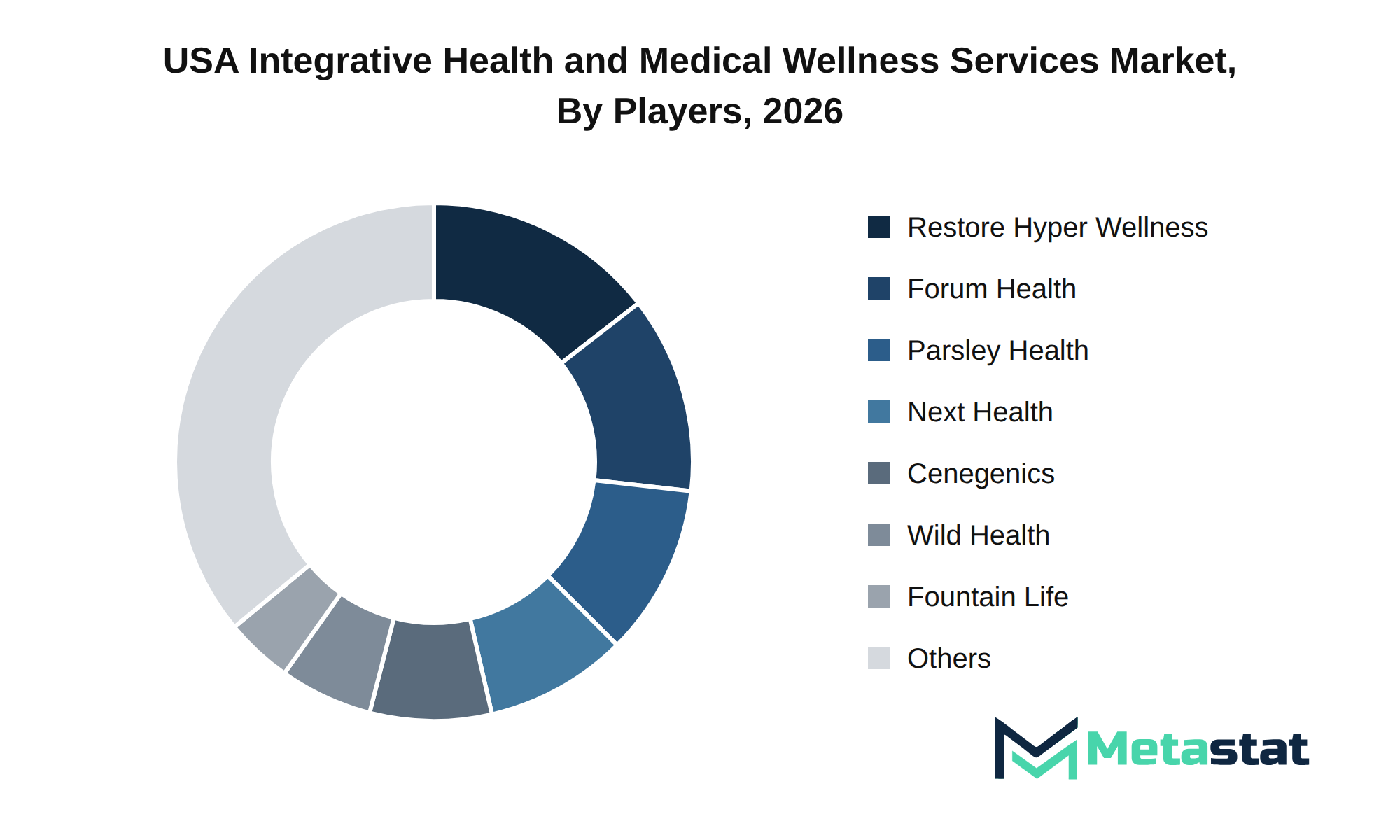
Market size is forecast to rise from USD 53.2 billion in 2025 to over USD 357.6 billion by 2033. This growth reflects a compound annual growth rate (CAGR) of 26.9%. The base case projects a stable increase in demand driven by rising consumer awareness regarding integrative health and wellness practices. Increasing adoption of preventive health measures and personalized wellness strategies supports this trend.
In a bullish scenario, heightened investment in next-generation technologies and successful commercialization of research and development (R&D) initiatives will further drive market expansion. Factors including regulatory evolution and compliance milestones create opportunities for enhanced service offerings and innovation within the USA Integrative Health and Medical Wellness Services market.
Conversely, a bearish outlook could stem from economic fluctuations and geopolitical realignments impacting consumer spending. Challenges in regulatory frameworks and compliance slow growth. However, even in such a scenario, the market is expected to exhibit resilience, driven by structural consumption shifts towards health optimization and wellness.
Strategic capital allocation and infrastructure commitments play crucial roles in navigating these market dynamics. By focusing on emerging white-space opportunities and unmet enterprise needs, stakeholders position themselves for future growth. The emphasis on integrative health solutions remains a priority, ensuring continued demand for innovative approaches in the USA Integrative Health and Medical Wellness Services market.
The report strategically identifies and profiles the key market players and analyses their core competencies in each sub-segment of the Integrative Health and Medical Wellness Services market.
Report Attributes | Details |
Study Period | 2021-2033 |
Base Year | 2025 |
Estimated Year | 2026 |
Forecast Period | 2026-2033 |
Historical Period | 2021-2025 |
Growth Rate | CAGR 26.9% from 2026 to 2033 |
Revenue Unit | USD billion |
Segmentation | By Service Type, Care Delivery Model, Provider Setting, Application, and Region |
Find answers to common questions about this report
The USA Integrative Health and Medical Wellness Services market size was valued at USD 53.2 billion in 2025.
The USA Integrative Health and Medical Wellness Services market is projected to grow at a CAGR of 26.9% during the forecast period from 2026 to 2033.
Functional and Integrative Medicine Consultations lead the USA Integrative Health and Medical Wellness Services market, with a projected value of USD 61.2 billion by 2033. This segment represents the largest share based on service type.
Key drivers for the USA Integrative Health and Medical Wellness Services market include an aging population seeking personalized health solutions and urbanization trends that increase demand for accessible wellness services. Technological advancements further enhance service delivery, improving consumer engagement and convenience in accessing integrative health options.
Increasing regulatory compliance requirements and economic pressures, including inflation, significantly restrain the USA Integrative Health and Medical Wellness Services market growth. These factors necessitate substantial investment in training and operational adjustments, impacting profitability and consumer access to wellness services. supply chain disruptions exacerbate these challenges, hindering service delivery capabilities.
Significant factors favoring product adoption in the USA Integrative Health and Medical Wellness Services market include an aging population seeking personalized health solutions and urbanization trends that drive demand for accessible wellness services. Technological advancements further enhance service delivery, improving consumer engagement and satisfaction.
The Integrative Health and Medical Wellness Services market is estimated to reach a valuation of USD 357.6 billion by 2033.
Key players in the USA Integrative Health and Medical Wellness Services market include Forum Health, Parsley Health, Restore Hyper Wellness, Next Health, Fountain Life, Wild Health, and Cenegenics.
The USA Integrative Health and Medical Wellness Services market is projected to grow at a compound annual growth rate (CAGR) of 26.9% from 2026 to 2033.
Key applications driving the market include Preventive Health & Longevity, Weight & Metabolic Health, and Hormonal & Sexual Wellness, with significant growth anticipated in these areas.
The analysts below cover Healthcare research at Metastat Insights.
LEAD ANALYST
Utkarsh Khirodkar is a Lead Market Research Analyst at MetaStat Insight, specializing in market intelligence, technology sector assessments, and competitive strategy.

LEAD PRINCIPAL ANALYST, PHARMA AND HEALTHCARE
Food and Beverages · Healthcare · Healthcare IT · Medical Devices
Ajay Devgire is the Lead Healthcare Analyst at MetaStat Insight, leading strategic research and market intelligence initiatives across the global healthcare domain.
When planning edge sensor rollouts across refinery environments, generic IoT reports typically miss the harsh-environment certification bottlenecks. MetaStat Insight gave an objective evaluation of ATEX and Class 1 Division 2 hardware availability, along with realistic five-year maintenance cycle cost projections. The comparison of wireless mesh versus private cellular backhaul helped our team pressure-test network reliability models for remote processing facilities.
In the biological seed treatment space, registration timelines vary drastically between the European Union, Brazil, and North America. The MetaStat Insight research handled these cross-border regulatory barriers with genuine nuance, mapping commercialization pathways alongside historical field adoption rates. The segmentation between microbial strains and biochemical active ingredients was particularly well structured.
Our team was tracking whether regional recycling infrastructure could realistically absorb the growing volume of lithium iron phosphate batteries over the next decade. The report did a solid job separating announced hydrometallurgical plant capacity from active, permitted operational throughput. That distinction made the feedstock availability projections and regional recovery rate models far more credible than standard commercial overviews.
Explore related market intelligence reports worth reading alongside this one.