
LEAD ANALYST
Utkarsh Khirodkar is a Lead Market Research Analyst at MetaStat Insight, specializing in market intelligence, technology sector assessments, and competitive strategy.

Europe and Middle East Luxury Spa Market Size, Share, By Spa Type (Luxury Hotel and Resort Spas, Destination Spas and Wellness Resorts, Luxury Day and Urban Spas, Medical Spas and Longevity Clinics, Thermal and Mineral Spring Spas, Cruise and Yacht Spas), By Service Type (Massage and Body Treatments, Facial and Skincare Treatments, Beauty and Aesthetic Treatments, Hydrotherapy and Thermal Treatments, Fitness and Mind-Body Wellness, Medical Wellness and Longevity Programs), By Gender (Men, Women), By Region (UAE, Saudi Arabia, France, Germany, Italy, Rest of Europe and Middle East), Industry Analysis, Growth, Trends, and Forecast, 2026-2033
Report ID
MSI-5120
Published
September, 2026
Pages
309 Pages
Format
Historical
Base year
Forecast
Forecast period
Report Details
Choose Your License
Europe and Middle East Luxury Spa Market
The Europe and Middle East Luxury Spa market was valued at USD 27.5 billion in 2025 and is projected to reach USD 46.9 billion by 2033, growing at a CAGR of 6.9% over the forecast period.
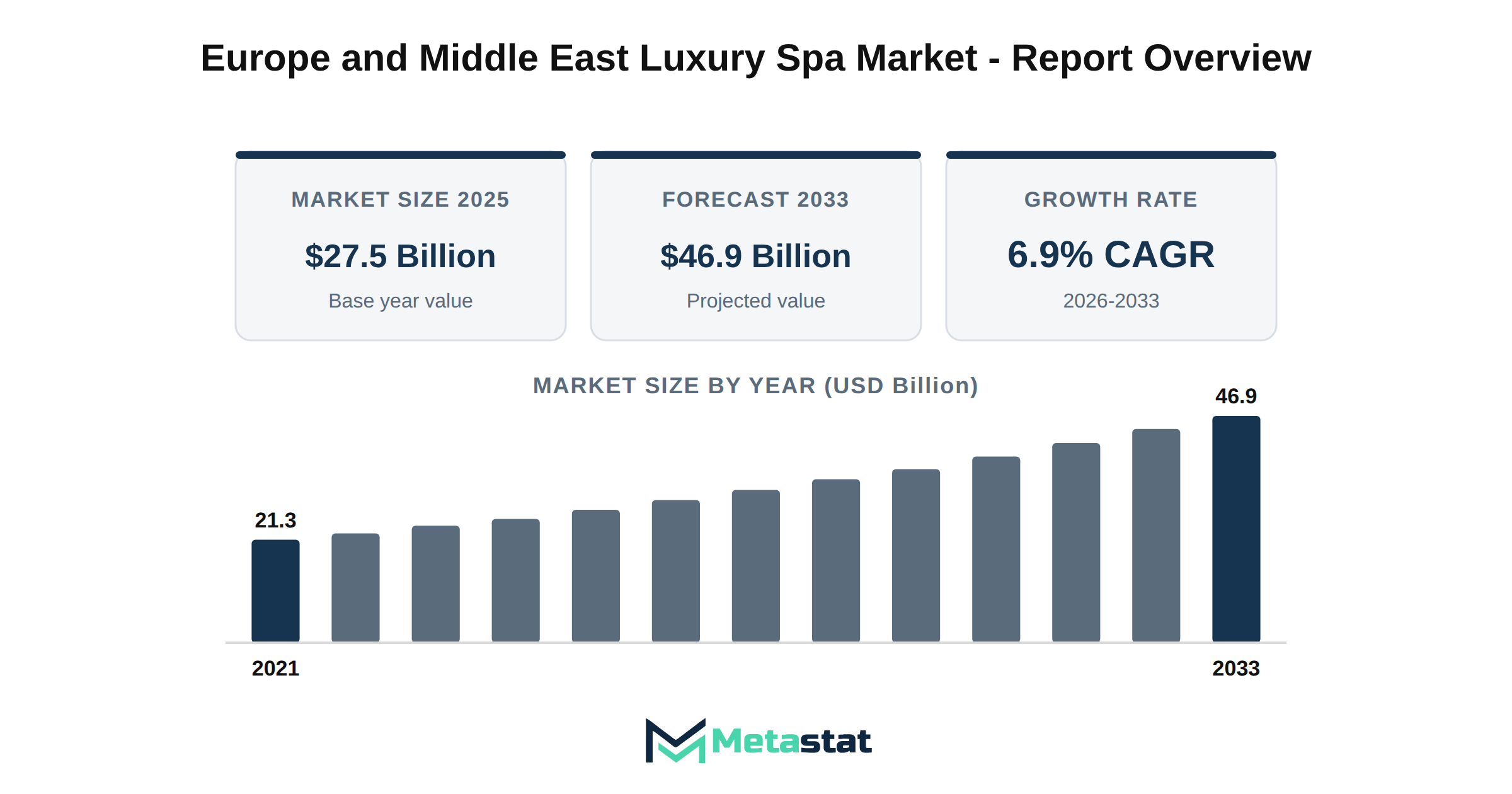
The Europe and Middle East Luxury Spa market reached a valuation of USD 27.5 billion in 2025, demonstrating a steady growth trajectory from USD 21.3 billion in 2021. This upward trend reflects a compound annual growth rate (CAGR) of 6.9% from 2025 to 2033, with projections indicating an anticipated market size of USD 46.9 billion by 2033.
Key segments within the market include Luxury Hotel & Resort Spas, which account for 38.2% of the total market share, followed by Destination Spas & Wellness Resorts at 16.1%. Other notable segments include Luxury Day & Urban Spas (15.3%), Medical Spas & Longevity Clinics (11.4%), and Thermal & Mineral Spring Spas (11.9%). The market distribution indicates a diversified landscape, catering to various consumer preferences and wellness needs.
Growth in the market is influenced by an increasing consumer focus on health and wellness. The demand for high-quality spa experiences drives investment in luxury facilities and services, enhancing the overall appeal of the Europe and Middle East Luxury Spa market. Rising disposable incomes, coupled with a growing awareness of mental and physical well-being, support this trend.
The competitive environment features several key players, including Four Seasons Hotels and Resorts, Mandarin Oriental Hotel Group, and Marriott International, Inc. These organizations invest in expanding their service offerings and enhancing customer experiences. Strategies focus on innovative services and luxurious amenities, strengthening their competitive position.
Regulatory compliance and standards play a crucial role in shaping the Europe and Middle East Luxury Spa market. Adherence to health and safety regulations, alongside quality assurance standards, influences operational procedures across spa establishments. This focus on compliance enhances customer trust and satisfaction, strengthening brand loyalty while promoting overall industry growth.
Geopolitical risk frameworks impact the strategic decisions of spa operators, particularly in regions with fluctuating political stability. Operators assess risks associated with regional regulations and international trade tensions, which affect supply chains and operational costs. Understanding these dynamics allows businesses to adapt and mitigate potential disruptions.
Research and development trajectories focus on innovative service offerings and advanced spa technologies. Investment in R&D drives next-generation innovations, including personalized wellness programs and advanced treatment methodologies. This emphasis on innovation enhances competitive positioning within the market, catering to the evolving preferences of health-conscious consumers.
Sustainable transformation continues to gain importance within the market, influencing operational practices and consumer expectations. The move towards decarbonization and circular economy dynamics drives spa operators to adopt eco-friendly practices, including using sustainable materials and implementing waste reduction strategies. This shift not only addresses environmental concerns but attracts a growing segment of eco-conscious clientele.
The supply chain landscape remains complex, characterized by varied sourcing strategies and logistical considerations. Effective procurement practices and supplier relationships contribute to operational efficiency, ensuring high-quality service delivery. This interdependence between suppliers and operators facilitates a streamlined customer journey, enhancing overall consumer experience.
Market fragmentation presents both challenges and opportunities within the industry. A diverse range of service providers allows for varied consumer options, yet competition intensifies among operators striving for market share. Strategic mergers and acquisitions facilitate consolidation, enabling firms to enhance their service offerings and expand geographical reach.
Looking ahead, capital allocation and infrastructure investments will significantly shape the future strategic outlook of the Europe and Middle East Luxury Spa market. Operators prioritizing investment in state-of-the-art facilities and technology-driven services position themselves for sustainable growth. Navigating inflationary pressures and currency volatility necessitates agile financial strategies and robust risk management practices.
Corporate imperatives focus on aligning business objectives with evolving consumer demands. High-value recommendations include enhancing customer engagement through personalized experiences and leveraging data analytics to understand consumer behavior. These strategies support ongoing market expansion, ensuring that operators remain competitive in an increasingly dynamic environment.
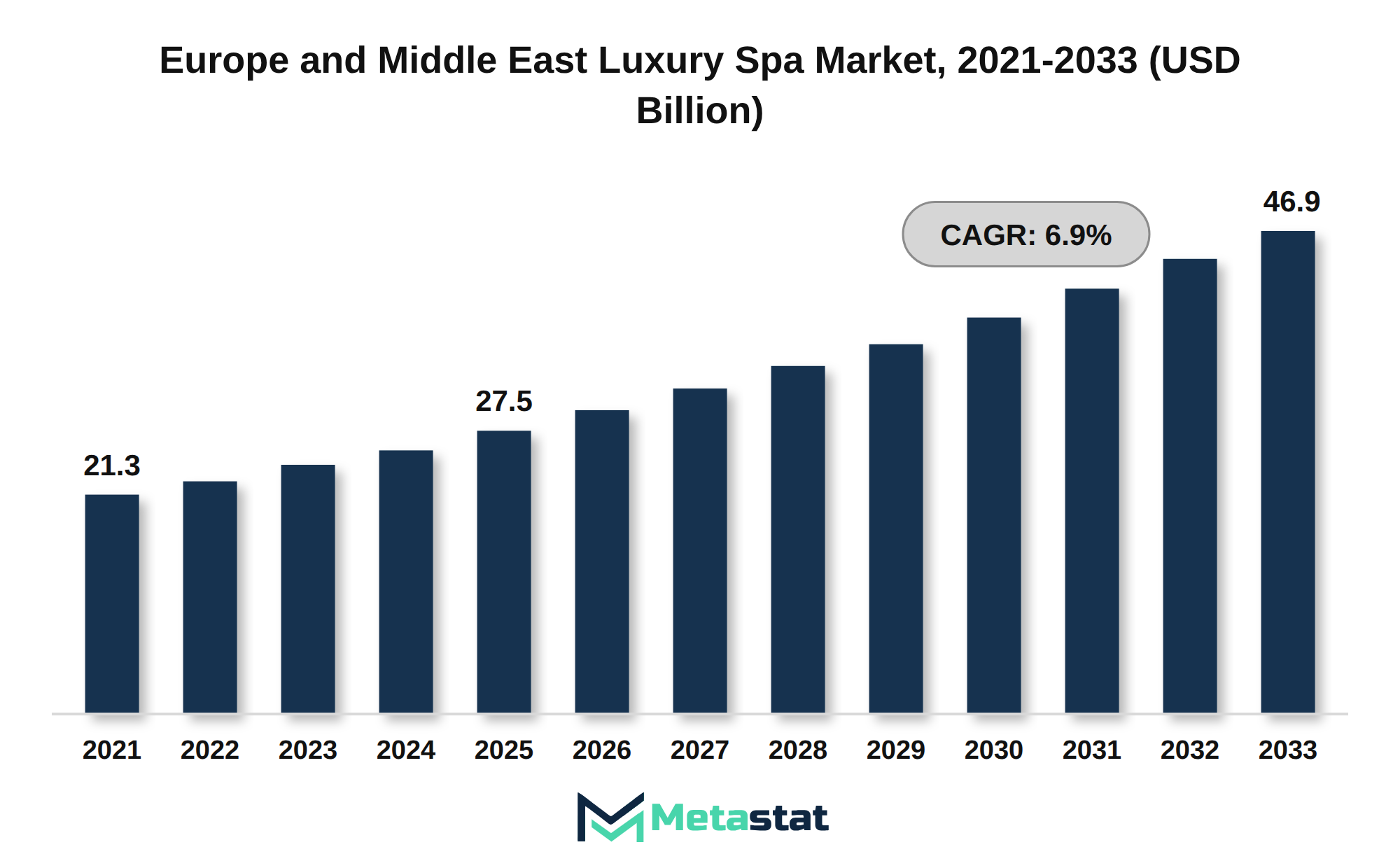
The Europe and Middle East Luxury Spa market experiences significant growth driven by shifting consumer preferences towards wellness and luxury experiences. Increasing awareness حول health and well-being influences consumers to seek out spa and wellness services, leading to a notable rise in demand. Factors including aging populations and urbanization contribute to evolving lifestyles, prompting consumers to prioritize relaxation and rejuvenation options.
The trend towards comprehensive wellness impacts various segments within the market, including Luxury Hotel & Resort Spas and Destination Spas & Wellness Resorts, which benefit from heightened demand. While consumers focus on self-care, investments in spa facilities and services expand, enhancing the overall consumer experience. This shift leads to increased capital investment in innovative wellness offerings and personalized services.
Health-conscious consumers emphasize the importance of stress management and mental well-being, propelling spa utilization rates across demographics. The market anticipates continuous growth driven by evolving consumer behaviors that influence demand for high-quality, luxurious spa experiences, positioning the Europe and Middle East Luxury Spa market for robust development in the coming years.
The growth of the Europe and Middle East Luxury Spa market is closely linked to increased investment in wellness tourism. This sector benefits from rising consumer awareness about health and well-being, leading to higher spending on spa services and treatments. Enhanced capital investment environments support the development of luxury spa facilities, often integrated within high-end hotels and resorts, which attract wealthy tourists seeking wellness experiences. The emphasis on wellness tourism influences the strategies of players in the market, driving them to expand their offerings and invest in innovative treatments and services.
The aging population within the region contributes significantly to this trend, driven by older consumers actively seeking wellness solutions to maintain health and vitality. This demographic shift creates a robust market for luxury spas, which cater to the specific needs of aging individuals. Operators respond by incorporating advanced treatment options that address longevity and overall wellness, thereby enhancing customer satisfaction and loyalty.
Technological integration supports the sector's growth. Automation and improved software systems streamline operations and enhance customer experiences. Investments in digital transformation, alongside the adoption of advanced technologies, enable spas to personalize offerings and improve service delivery. Consequently, this innovation attracts a broader customer base and increases the appeal of the Europe and Middle East Luxury Spa market.
Regulatory tightening in the Europe and Middle East Luxury Spa market presents significant challenges for operators. Compliance hurdles associated with health, safety, and environmental standards require substantial investments and resources, diverting funds from other growth initiatives. These compliance costs inhibit smaller operators from entering or expanding within the market, thus limiting competition.
Macroeconomic headwinds, including inflationary pressures and rising operating costs, constrain profitability for market players. Increased costs for labor, utilities, and raw materials create challenges for maintaining competitive pricing without sacrificing quality. Escalating capital investment requirements further complicate the financial landscape, especially for new entrants seeking to establish their presence in the luxury segment.
Supply chain disruptions, influenced by geopolitical instability, affect the availability of essential products and services. Such disruptions delay project timelines and inflate costs, which poses a risk to profitability. Resource scarcity for specific luxury spa materials impacts operational capabilities, forcing businesses to adjust their offerings or seek alternative suppliers.
Skilled labor deficiencies and talent gaps contribute to operational inefficiencies, particularly in specialized service areas including medical treatments. The Europe and Middle East Luxury Spa market requires a high level of expertise to deliver premium services, and the current shortage of trained professionals deters growth. Coupled with rising workforce overhead, this situation places additional strain on profitability.
Data security vulnerabilities and privacy concerns present ongoing risks for operators in the market. The increasing reliance on technology for customer management and service delivery requires robust cybersecurity measures, which entail significant investments. Failure to address these vulnerabilities results in reputational damage and loss of customer trust.
Market fragmentation complicates strategic planning for operators. The presence of numerous small and mid-sized players results in a highly competitive environment where differentiation becomes challenging. Cultural barriers and regional adoption resistors further complicate efforts to achieve uniform growth across diverse markets within the region.
Overall, these market constraints create a complex environment for growth in the Europe and Middle East Luxury Spa market. Addressing these challenges requires strategic investment, continuous innovation, and a commitment to maintaining high standards of service delivery.
The Europe and Middle East Luxury Spa market faces significant challenges stemming from geopolitical fragmentation and trade deficits. Increasing tariff friction between nations has created uncertainties for suppliers and service providers, impacting operational costs and pricing strategies. These conditions hinder investment and expansion efforts, because businesses grapple with fluctuating regulations and compliance overhead.
Technological disruptions present additional complexities within the market, particularly regarding interoperability among different systems and platforms. Market players confront challenges integrating new technologies into existing frameworks, leading to operational inefficiencies and increased costs. Ongoing cybersecurity risks and data vulnerabilities pose threats to consumer trust, complicating market dynamics.
Rising input costs, coupled with tightening regulatory standards, exert pressure on profit margins. The need for sustainable practices has heightened operational expenses, compelling businesses to innovate while managing environmental lifecycle footprints. Demand for high-quality services increases, while workforce skill gaps emerge, leading to talent retention pressures that hinder growth potential in the Europe and Middle East Luxury Spa market.
Logistical challenges, including supply chain instability and infrastructure gaps, disrupt the timely delivery of services and products. Implementation bottlenecks exacerbate these issues, creating barriers to entry for new players. Market saturation and evolving consumer demands add another layer of pressure, necessitating differentiation strategies among established and emerging brands. These factors collectively shape the competitive landscape, influencing the overall trajectory of the market.
The Europe and Middle East Luxury Spa market experiences notable opportunities driven by emerging regional demands and evolving consumer behaviors. Increased interest in wellness and overall health encourages service diversification, with a growing emphasis on premium offerings including medical and longevity clinics. This shift aligns with heightened expectations for wellness experiences, prompting investments in luxury facilities and services that cater to affluent clientele.
Infrastructure modernization plays a critical role in enhancing market capacity and service delivery. Luxury establishments increasingly invest in advanced technologies that improve customer experiences and provide personalized services. Enhanced digital transformation efforts enable better engagement with clients through online platforms and mobile applications, facilitating easy booking and tailored wellness programs.
Geographical expansion continues to reshape the competitive environment. Countries in the Middle East, particularly the UAE and Saudi Arabia, experience significant growth in luxury spa establishments, driven by an influx of international tourism and investment in high-end accommodations. These regions capitalize on their unique cultural heritage and natural resources to attract wellness tourism, creating a strong market presence.
Technological disruptions, including process automation and value-chain optimization, enable operators to maximize operational yields while minimizing costs. Integrating innovative solutions enhances service efficiency and customer satisfaction, supporting long-term growth in the market. The focus on sustainable practices aligns with evolving consumer expectations for eco-friendly options, providing a pathway for businesses to differentiate themselves in a competitive environment.
Strategic consolidation through cross-industry mergers and acquisitions strengthens competitive positioning among key players. By expanding portfolios and enhancing service offerings, companies effectively respond to changing market dynamics, ensuring long-term viability. The growing interest in niche applications, including wellness programs tailored for men and specialized treatments, further diversifies market opportunities.
The combination of these factors positions the Europe and Middle East Luxury Spa market for significant growth. With a projected value of USD 46.9 billion by 2033, the market is set to benefit from increasing consumer investments in wellness, advanced technological integrations, and strategic partnerships that drive innovation and sustainability.
The Europe and Middle East Luxury Spa market is segmented based on Spa Type, Service Type, Gender, and Region.
Valued at USD 11.2 billion in 2026, the Luxury Hotel & Resort Spas segment is projected to reach USD 16.4 billion by 2033, with a CAGR of 5.6% during the forecast period. Growth drivers for this segment include increasing emphasis on wellness tourism and luxury experiences among consumers. Rising disposable incomes in Europe and the Middle East, coupled with growing awareness of health and wellness, significantly influence demand for luxury spa services.
Investment in innovative spa technologies and personalized services enhances the appeal of luxury hotel and resort spas. While competition intensifies, facilities offering unique and high-quality experiences attract a broader clientele. Wellness integration into hospitality offerings creates strategic opportunities, enabling hotels to differentiate themselves in the market.
Consumption shifts towards comprehensive wellness experiences reflect changing customer preferences, with increasing focus on mental and physical well-being. This trend encourages luxury spas to diversify service offerings, including comprehensive and medical wellness treatments, which cater to evolving expectations of guests. Regulatory compliance surrounding health and safety standards further emphasizes the importance of maintaining high-quality service and hygiene protocols.
Pricing strategies within the segment exhibit volatility, influenced by economic conditions and consumer spending patterns. Fluctuations in raw material costs for spa products impact pricing structures. However, effective management of operational costs and value-added services helps mitigate margin pressures. Ultimately, the Luxury Hotel & Resort Spas segment remains a vital component of the broader Europe and Middle East Luxury Spa market, with strong growth potential driven by evolving consumer behaviors and preferences.
Consumer interest in health and wellness has driven demand for Destination Spas & Wellness Resorts. This segment attracts clientele seeking comprehensive health experiences, luxury accommodations, and specialized wellness programs. The rising awareness of mental health and stress management fuels interest in relaxation and rejuvenation services. Facilities that offer personalized wellness journeys, including fitness, nutrition, and beauty, enhance their appeal.
Destination Spas & Wellness Resorts segment is estimated to reach USD 7.9 billion by 2033, at a CAGR of 7.5% during the forecast period. This growth is supported by an increasing trend toward preventive healthcare, with consumers investing in wellness to enhance quality of life. The market demonstrates strong potential, particularly in regions with robust tourism infrastructure and affluent clientele.
Expansion opportunities arise through partnerships with luxury hotel brands and wellness influencers. Collaborations enhance marketing reach and service offerings, allowing resorts to attract diverse customer bases. Upscale resorts integrating innovative technologies into their services enhance customer experiences, further driving engagement and loyalty. The incorporation of data analytics enables tailored offerings, promoting repeat business and higher customer satisfaction.
Strong competition characterizes this segment, with various players striving for differentiation through unique health and wellness experiences. Pricing strategies remain essential, because customers assess value against the premium offerings available. Regulatory compliance regarding health and safety standards significantly influences operational costs, impacting pricing structures. Effective management of cost structures and service quality remains crucial for sustained profitability in the market.
Growth in the Luxury Day & Urban Spas segment aligns with increasing consumer interest in wellness and self-care. This trend reflects a societal shift towards prioritizing mental and physical well-being, with urban dwellers particularly seeking convenient spa services that fit their busy lifestyles. Factors contributing to this demand include heightened awareness of health benefits associated with spa services and the integration of wellness into everyday routines.
Investment in modern facilities and advanced treatment options acts because a catalyst for segment expansion. Operators focus on enhancing the consumer experience through innovative services and technologies, appealing to a diverse clientele. The introduction of next-generation upgrades, including personalized treatments and eco-friendly practices, significantly influences customer retention and satisfaction.
Luxury Day & Urban Spas benefit from evolving regulatory compliance standards that promote safety and service quality. This environment encourages businesses to adopt best practices in hygiene and service delivery, enhancing customer trust and loyalty in the market.
Pricing strategies play a critical role in segment performance. Operators adapt to consumer preferences by offering tiered pricing models that cater to various budgets while maintaining premium service quality. This approach supports margin preservation and sustains competitive positioning because the market expands.
Global trends in urbanization contribute to a growing customer base for luxury spas. With more individuals residing in metropolitan areas, the demand for accessible luxury services rises, leading to an increased market value. The Luxury Day & Urban Spas segment is expected to reach USD 6.6 billion by 2033, representing a growth trajectory influenced by shifting consumer behaviors and expanding service offerings.
Strong consumer interest in health and wellness fuels demand for Medical Spas & Longevity Clinics within the Europe and Middle East Luxury Spa market. This segment is projected to grow at a CAGR of 11% during the forecast period. Increased awareness of preventive healthcare and anti-aging treatments drives adoption, supported by technological advancements in spa services and therapies. The emergence of advanced treatments enhances the attractiveness of medical spas, appealing to clients seeking comprehensive health solutions.
Investment in training and certification for practitioners ensures high service quality, contributing to consumer trust and satisfaction. Partnerships with healthcare providers strengthen the credibility of medical spas, enhancing their appeal. Shifts in consumer behavior towards more personalized wellness experiences increase demand for tailored services, including aesthetic treatments and wellness programs.
Regulatory compliance and industry certifications enhance operational credibility and build consumer confidence, promoting a favorable environment for growth. The integration of innovative technologies, including telemedicine and advanced diagnostic tools, positions medical spas to better meet evolving consumer expectations. Such developments create strategic opportunity windows for capital investment, stimulating market expansion.
While the industry evolves, continuous innovation in products and services remains essential to maintain competitive advantage. This segment's growth aligns with broader trends in the Europe and Middle East Luxury Spa market, reflecting a shift towards integrated wellness solutions that prioritize health, aesthetics, and longevity.
Interest in Thermal & Mineral Spring Spas drives demand in the Europe and Middle East Luxury Spa market. These spas focus on natural mineral waters known for their therapeutic properties, appealing to consumers seeking natural wellness solutions. Consumers' increasing emphasis on health and well-being supports the segment's growth, leading to higher footfalls and enhanced revenue streams.
Several factors influence the expansion of Thermal & Mineral Spring Spas, including technological advancements in spa treatments that enhance the customer experience. Unique offerings including specialized treatments that use mineral-rich waters set these spas apart from traditional options. This differentiation creates a competitive environment, encouraging further investment in facilities and services.
Regulatory compliance in the sector mandates rigorous health and safety standards, which highlights the importance of maintaining high-quality service. Certifications related to water quality and treatment processes enhance consumer trust and brand reputation, contributing to sustained patronage. Compliance with these standards ensures operational longevity and mitigates potential liabilities.
Pricing strategies remain crucial in managing consumer perceptions and maintaining profitability for Thermal & Mineral Spring Spas. Competitive pricing combined with premium service offerings allows for a balanced approach, catering to a diverse clientele. This dynamic enhances the segment's overall attractiveness within the market.
With rising consumer awareness about wellness, Thermal & Mineral Spring Spas capitalize on shifts in consumption that prioritize natural and sustainable experiences. This trend encourages the exploration of raw material sourcing and supply chain resilience, ensuring a steady and reliable flow of quality resources for spa operations.
The Europe and Middle East Luxury Spa market reflects a strategic opportunity window for stakeholders aiming to innovate and adapt. By focusing on the evolving preferences of health-conscious consumers and integrating next-gen upgrades into service offerings, businesses strengthen their positions within this growing segment.
Consumer preference for unique and personalized wellness experiences drives interest in Cruise & Yacht Spas. These spas, located on luxury vessels, offer relaxation and rejuvenation to travelers seeking indulgence during voyages. The integration of wellness services into cruise itineraries aligns with a broader trend where passengers prioritize health and leisure activities while traveling. This focus on enhanced customer experiences encourages spas to innovate and expand service offerings.
Technological advancements play an essential role in facilitating the evolution of treatments provided within Cruise & Yacht Spas. Innovations in wellness technologies, including personalized skincare systems and advanced massage therapies, attract discerning clients who value high-quality services. The market benefits from collaborations with renowned spa brands, increasing the status and appeal of these onboard facilities.
Shifts in consumer behavior indicate a growing demand for wellness-focused travel. Passengers increasingly seek opportunities to unwind and rejuvenate during their journeys, emphasizing the importance of integrating wellness options into cruise experiences. This focus on well-being encourages operators to enhance their spa offerings, ensuring alignment with evolving consumer expectations in the Europe and Middle East Luxury Spa market.
Strategic investments in Cruise & Yacht Spas will likely focus on next-generation upgrades, enhancing overall customer satisfaction and retention. Operators explore opportunities to incorporate innovative wellness programs, including fitness classes and wellness workshops, further appealing to health-conscious travelers. These enhancements contribute to a competitive edge in the market, positioning cruise lines because leaders in wellness travel.
Demand for the Others (Club Spas, Airport Spas) segment is driven by the increasing need for convenience and accessibility among travelers seeking relaxation. This segment experiences growth through its strategic positioning within high-traffic areas, including airports and recreational clubs, where consumers prioritize wellness services during their travels or leisure activities. The segment's expansion is influenced by emerging trends in wellness tourism, where travelers increasingly seek spa services within their overall travel experience.
Technological advancements contribute to segment growth through the introduction of booking apps and digital experiences that facilitate customer engagement. The integration of next-gen upgrades, including mobile apps for on-the-go bookings, enhances customer convenience and satisfaction. Consumer shifts toward health-centric lifestyles encourage investment in unique and specialized spa services tailored to meet the diverse needs of travelers.
Regulatory compliance standards and certifications play a role in shaping service quality within this segment, ensuring that spas adhere to health and safety regulations. Financial dynamics, including cost structures and pricing volatility, influence operational strategies. Competitive pricing strategies and promotional offers attract potential clients, significantly impacting market share. Supply chain resilience becomes vital for ensuring the availability of premium products and services, which are necessary for maintaining high standards in the market.
Investment in this segment presents strategic opportunity windows, with an emphasis on enhancing customer experiences through personalized offerings. Continuous evolution in service types leads to increased consumer interest, positioning the Others (Club Spas, Airport Spas) segment because a noteworthy contributor to the wider Europe and Middle East Luxury Spa market.
Increasing focus on wellness and self-care drives growth in the Massage & Body Treatments segment of the Europe and Middle East Luxury Spa market. Valued at USD 8.4 billion in 2026, this segment is projected to reach USD 12.2 billion by 2033, at a CAGR of 5.5% during the forecast period. Rising demand for relaxation and therapeutic services fuels the adoption of various massage techniques, appealing to a diverse clientele seeking tailored experiences.
Technological innovations enhance service offerings in the segment, enabling providers to incorporate advanced techniques and equipment. Consumers exhibit a growing preference for therapies that address both physical and mental well-being, prompting service providers to expand their treatment menus. Strategic partnerships within the industry facilitate the introduction of novel massage therapies, aligning with emerging consumer trends.
This segment is characterized by a diverse range of providers, including luxury hotels, wellness resorts, and specialized spa facilities. Competition contributes to innovative pricing strategies and promotional offers, attracting a broader customer base. Increasing integration of wellness retreats within luxury hotel offerings supports segment expansion, enabling providers to reach new markets.
While regulatory standards evolve, compliance with health and safety protocols remains essential for service providers. Maintaining high-quality standards enhances the consumer experience and builds brand loyalty, which is crucial for sustaining competitive advantage in the market. Growing awareness of mental health and stress management highlights the importance of massage and body treatments, reinforcing this segment's role within the broader luxury spa market.
Facial & Skincare Treatments segment is estimated to reach USD 8.5 billion by 2033, at a CAGR of 5.6% during the forecast period. Increasing consumer awareness regarding skincare routines and the importance of maintaining healthy skin drives demand within the Europe and Middle East Luxury Spa market. A growing focus on high-quality products and personalized services influences expansion within this segment. The influence of social media and beauty influencers shapes consumer preferences, propelling demand for innovative facial and skincare solutions.
Technological advancements in treatment techniques and product formulations support segment growth. The rise of non-invasive and minimally invasive procedures attracts consumers seeking effective yet gentle options for skincare. While the market progresses, consumers increasingly favor services that integrate natural approaches, driving innovation in the industry.
A surge in disposable income across the region and a shift towards self-care and wellness lifestyle choices create favorable conditions for market expansion. Increased investment in luxury spa facilities and partnerships among key players enhance service offerings, allowing for a more comprehensive experience. The competitive landscape of the Europe and Middle East Luxury Spa market emphasizes the need for differentiation, encouraging companies to develop unique treatment protocols and high-end products.
With the growth of the segment, providers face challenges related to pricing volatility and margin pressures. Sourcing high-quality raw materials while maintaining competitive pricing remains crucial for businesses. Addressing these factors will impact profitability and long-term sustainability within the market.
Increasing consumer awareness regarding beauty and aesthetic treatments significantly influences the Europe and Middle East Luxury Spa market. Demand for high-quality skincare and beauty services drives growth within this segment, particularly in urban areas where beauty standards remain high. The segment is projected to reach USD 7 billion by 2033.
Technological advancements in beauty treatments, including non-invasive procedures and the incorporation of advanced skincare products, attract a diverse clientele. Enhanced service offerings, including personalized experiences and comprehensive approaches, contribute to segment expansion. The growing trend toward self-care and wellness reinforces consumer investment in beauty and aesthetic treatments.
Pricing pressures and fluctuations in raw material costs impact service pricing and profitability. Competition among service providers promotes innovation and customer engagement strategies, while regulatory compliance remains essential for maintaining high service standards. The overall landscape indicates a strong trajectory for growth within the beauty and aesthetic treatments segment of the market.
Growing awareness surrounding the benefits of hydrotherapy drives interest in this segment, with treatments offering therapeutic effects that appeal to a health-conscious clientele. The segment accommodates various applications, including relaxation, rehabilitation, and wellness enhancement, ensuring relevance across demographics and settings. Clients increasingly seek experiences that promote overall well-being, driving demand for hydrotherapy and thermal treatments within the Europe and Middle East Luxury Spa market.
Hydrotherapy & Thermal Treatments segment is projected to grow at a CAGR of 5.7% during the forecast period. This expansion reflects broader trends toward wellness and self-care, encouraging operators to innovate and diversify service offerings. Enhanced marketing of the benefits of hydrotherapy contributes to broader acceptance, attracting a wider audience and enhancing client retention rates within the market.
Investment in state-of-the-art facilities and amenities supports segment growth, ensuring that providers deliver premium experiences. Evolving consumer preferences towards natural and organic treatments further influence the development of offerings in hydrotherapy. The segment's resilience against economic fluctuations stems from its appeal, attributed to a luxury experience, effectively positioning it for sustained growth in the competitive environment of the Europe and Middle East Luxury Spa market.
Growing interest in comprehensive well-being has substantially increased demand for Fitness & Mind-Body Wellness services within the Europe and Middle East Luxury Spa market. This segment draws consumers seeking a balanced lifestyle, integrating physical fitness with mental wellness practices. The rising prevalence of stress-related health issues further drives the adoption of mind-body techniques, including yoga and meditation, alongside traditional fitness regimes.
Consumers exhibit a preference for customized wellness solutions, prompting spas to enhance service offerings. This trend pushes facilities to incorporate diverse fitness modalities and mind-body programs that align with individual health goals. Industry players recognize the importance of providing a complete wellness experience that encompasses exercise, mindfulness, and relaxation techniques.
Technological advancements play a critical role in segment expansion, with digital tools facilitating personalized fitness plans and virtual classes. This evolution not only attracts tech-savvy clients but ensures accessibility to wellness resources. The market faces competitive pressure to innovate, urging providers to adopt next-generation technologies that enhance customer experiences and operational efficiencies.
In navigating regulatory compliance, spas prioritize certifications that validate their wellness programs. This focus on quality assurance builds consumer trust and promotes a positive perception of the industry. The connection between consumer expectations, regulatory standards, and service innovation shapes the segment's strategic opportunities, ensuring alignment with market trends and facilitating capital investments in growth initiatives.
Overall, the Fitness & Mind-Body Wellness sector stands because a vital component of the Europe and Middle East Luxury Spa market, reinforcing the significance of integrated health approaches in attracting and retaining a discerning clientele.
Growing emphasis on health and longevity significantly influences the demand for Medical Wellness & Longevity Programs within the Europe and Middle East Luxury Spa market. This segment benefits from an increasing consumer focus on preventive healthcare and personalized wellness solutions, driving clientele to seek out specialized treatments aimed at enhancing overall well-being and extending quality of life.
Technological maturation plays an important role in the expansion of this segment. Innovations in treatment methodologies, equipment, and wellness technologies enhance service offerings and improve consumer experiences. Integration of next-generation upgrades, including advanced diagnostic tools and personalized health assessments, encourages deeper engagement among clients seeking tailored wellness solutions.
Consumption shifts reflect changing lifestyles, with consumers prioritizing approaches to health that encompass multiple aspects. This trend encourages providers to develop comprehensive Medical Wellness & Longevity Programs that incorporate fitness, nutrition, and mental well-being. The segment's evolution aligns with contemporary societal values, where wellness is increasingly seen because essential to quality living.
Regulatory compliance standards and certifications contribute to market integrity and consumer trust. Facilities that adhere to high standards of care and possess relevant certifications attract discerning clients willing to invest in their health. Market players face pressures related to cost structures and pricing volatility, making it essential for them to navigate these challenges while maintaining service quality.
Strategic opportunity windows arise because the market expands, particularly in regions experiencing rapid economic growth. Investment in marketing and outreach initiatives targeting health-conscious consumers will further strengthen market presence. Identifying and addressing gaps in service delivery enhances competitive advantage, ensuring sustained growth and relevance in the evolving Europe and Middle East Luxury Spa market.
Consumer demand for alternative wellness therapies drives the Others segment, which includes Hammam, Halotherapy, Floatation, and Specialized Therapies. Increased interest in unique and comprehensive wellness experiences supports expansion within the Europe and Middle East Luxury Spa market. This segment aligns with overall shifts towards more personalized and culturally rich health treatments, enhancing the appeal of offerings that focus on traditional and modern therapeutic practices.
An increased emphasis on self-care and relaxation attracts consumers seeking diverse methods to enhance their well-being. The integration of specialized treatments into spa offerings creates opportunities for spas to differentiate themselves in a competitive market. Regulatory compliance and certification requirements for these specialized therapies add credibility, influencing consumer trust and adoption.
Growth potential in this segment stems from its alignment with broader wellness trends, highlighting the importance of alternative therapy options in the overall service mix. Strategic investments in marketing these unique treatments create avenues for spas to capture a larger share of the market. Continued innovation and adaptation to changing consumer preferences strengthen the position of this segment within the larger landscape of the Europe and Middle East Luxury Spa market.
Growing interest in wellness and self-care significantly influences the Men segment within the Europe and Middle East Luxury Spa market. Valued at USD 10.3 billion in 2026, this segment is projected to reach USD 17.8 billion by 2033, reflecting a CAGR of 8.1% during the forecast period. Increased participation of men in wellness activities drives demand for tailored spa services, focusing on relaxation, rejuvenation, and fitness. Targeted marketing strategies aimed at men encourage a shift in traditional perceptions surrounding spa visits, which were historically female-dominated. This evolving landscape creates opportunities for spas to introduce specialized treatments and packages catering to male clients, thereby enhancing customer engagement and satisfaction. The growth of the Men segment signals broader acceptance of wellness practices among men, reflecting changing societal norms and a commitment to health and personal care.
Growing engagement of women in wellness and self-care activities enhances the Europe and Middle East Luxury Spa market. Women increasingly seek tailored experiences that enhance relaxation and beauty, highlighting the importance of personal well-being. By 2033, the segment is projected to reach USD 29.2 billion, at a CAGR of 6.2% during the forecast period. A dynamic shift toward comprehensive health and beauty solutions encourages spa operators to innovate their service offerings to capture this expanding consumer base. The influence of social media and wellness trends significantly impacts purchasing decisions, driving demand for unique and luxurious spa experiences among women. Factors including the rise of medical spas and longevity clinics contribute to the segment's growth potential, creating opportunities for targeted marketing and service diversification. This strategic focus on the women's segment not only contributes to market expansion but enhances overall profitability within the spa industry.
Valued at USD 3.4 billion in 2026, the UAE segment is projected to reach USD 6.3 billion by 2033, reflecting a CAGR of 9.1% throughout the forecast period. This growth stems from a combination of rising disposable incomes, increasing travel activities, and greater awareness of health and wellness. Young affluent consumers within the region increasingly seek luxury experiences, contributing to market acceleration. The demand for high-end spa services in the UAE continues to strengthen, driven by the influx of international tourists and the expansion of luxury hotel brands.
Investment in state-of-the-art facilities and innovative service offerings positions the UAE favorably within the Europe and Middle East Luxury Spa market. A growing number of luxury hotels and resorts incorporate wellness amenities, enhancing their appeal. Competition among service providers fuels the introduction of next-generation treatments and personalized spa experiences. The integration of technology into service delivery, including booking systems and wellness apps, facilitates customer engagement and satisfaction.
Emerging trends, including the increasing popularity of medical spas and longevity clinics, indicate a shift in consumer behavior towards more specialized wellness solutions. This evolution aligns with heightened consumer awareness regarding health and preventive care. While regulatory standards strengthen, businesses prioritize compliance, thereby enhancing service quality and operational efficiency. The UAE's growing prominence because a luxury destination strengthens its position within the broader market, allowing for significant capital investment and further segment expansion.
Saudi Arabia's luxury spa segment continues to gain traction, driven by an increasing focus on wellness tourism and the rise of affluent consumers seeking high-end relaxation experiences. A significant push towards health and wellness initiatives by the government contributes to this growth, attracting both local and international investments in luxury spa facilities. This trend aligns with global consumption shifts favoring premium experiences in the Europe and Middle East Luxury Spa market.
By 2033, the Saudi Arabia segment is estimated to reach USD 5.4 billion, at a CAGR of 11.3% during the forecast period. The market benefits from innovations in technology and service offerings, which enhance the overall customer experience. For instance, the incorporation of advanced wellness treatments and personalized services directly appeals to a growing customer base looking for tailored spa experiences.
Market expansion emerges from the increased number of luxury hotels and resorts integrating spa services into their offerings, further increasing the demand for high-quality wellness experiences. The combination of luxury accommodations and spa facilities positions Saudi Arabia because a competitive player in the global luxury spa industry. The market attracts both international tourists and local patrons, driven by rising disposable incomes and a heightened awareness of wellness practices.
Overall, Saudi Arabia represents a significant opportunity within the Europe and Middle East Luxury Spa market, reflecting broader regional trends and consumer behavior changes towards luxurious health and wellness experiences.
Valued at USD 6.1 billion by 2033, the France segment experiences significant growth driven by rising demand for luxurious wellness experiences and high-quality spa services. Increased consumer interest in health and well-being, along with a growing trend toward personalized treatments, fuels expansion within the market. The influence of luxury tourism and a strong hospitality sector in France contributes to the preference for high-end spa offerings, attracting both domestic and international clientele.
Technological advancements in spa services, including innovative treatment options and enhanced customer experiences, support growth in this segment. Integration of digital solutions for booking and personalized services further enhances the overall consumer experience, reinforcing France's position in the Europe and Middle East Luxury Spa market. The segment's commitment to maintaining high service standards, along with the introduction of new wellness trends, positions it favorably for continued investment and expansion.
Germany experiences growth in the luxury spa market, projected to expand at a CAGR of 5.9% during the forecast period. This growth reflects rising consumer interest in wellness and self-care, significantly impacting demand dynamics. In the context of the Europe and Middle East Luxury Spa market, preferences for high-quality treatments and luxurious experiences drive consumers towards upscale spas. The region's strong tourism sector further contributes to this trend, attracting visitors seeking relaxation and rejuvenation.
Investment in innovative service offerings enhances competitiveness among operators. The introduction of advanced treatments and therapies aligns with evolving consumer expectations, driving market engagement. Operators that effectively incorporate technology into their offerings enhance the customer experience, leading to increased customer loyalty. Focusing on differentiating services, the market experiences a shift towards personalized wellness solutions, appealing to a broader customer base.
In addition to service enhancements, the regulatory landscape influences operational strategies in Germany. Strict compliance with health and safety standards shapes service delivery. Spa operators prioritize maintaining high standards, ensuring customer safety and satisfaction. This commitment to quality directly impacts pricing structures, with premium positioning supporting higher price points in the market.
Germany’s luxury spa segment represents a strategic opportunity for investment, appealing to both domestic and international players. The increasing focus on overall well-being positions the market for sustained growth, with operators actively seeking to expand their footprint. The penetration of luxury hotel chains and wellness resorts indicates strong momentum for the market, creating an active ecosystem that caters to diverse consumer needs.
Rising interest in luxury wellness experiences drives expansion in the luxury spa segment within Italy. Consumers increasingly seek premium spa services that align with their health and relaxation needs, significantly contributing to market dynamics. The focus on personalized wellness programs enhances consumer engagement, strengthening brand loyalty among high-end spa operators. Technological advancements facilitate the introduction of innovative treatments, further attracting clientele seeking unique experiences.
Consumer preferences continue to shift toward overall well-being, prompting spas to adapt their offerings. The integration of wellness tourism into the luxury spa experience enhances attractiveness to both local and international visitors. Regulatory compliance regarding health and safety standards shapes operational practices, ensuring consumer trust in spa services. These dynamics position Italy because a key player in the Europe and Middle East Luxury Spa market.
Rising interest in luxury spa offerings contributes to growth in the Rest of Europe and Middle East segment. Consumers increasingly prioritize wellness experiences that combine relaxation and rejuvenation. This shift highlights the significance of innovative spa concepts that address evolving consumer preferences, which is expected to strengthen long-term demand.
Luxury spas in the region emphasize personalized services and unique treatments, catering to a diverse clientele. The adoption of sustainable practices and eco-friendly products enhances the appeal of these establishments, aligning with consumer demand for environmentally conscious options, thereby expanding the addressable base.
Technological advancements support product evolution, enabling spas to implement modern equipment and techniques that enhance service delivery. This integration of next-generation upgrades creates opportunities for differentiation and competitive advantage within the market, influencing investment across the value chain.
Consumer behavior reflects a growing inclination toward well-being, prompting spas to diversify their service offerings. Incorporating wellness programs, fitness classes, and nutrition counseling expands the scope of services available, appealing to health-conscious individuals seeking comprehensive wellness solutions, which is anticipated to increase market penetration.
Regulatory compliance standards shape operational practices within the market, influencing service delivery and customer safety. Adhering to these guidelines ensures spas maintain high-quality standards, building consumer trust and loyalty, which is essential for sustaining growth.
Pricing volatility continues to impact the market, with fluctuations in operational costs requiring careful pricing strategies. Spas navigate these challenges while delivering high-quality experiences, balancing affordability and value perception, which is crucial for maintaining competitive positioning.
Investment in marketing strategies enhances attracting target demographics within the luxury spa sector. Leveraging social media, influencer partnerships, and targeted promotions boosts visibility and drives consumer engagement in the Europe and Middle East Luxury Spa market, supporting market expansion.
The Europe and Middle East Luxury Spa market experiences a range of strategic behaviors among key players, including mergers, acquisitions, and strategic consolidations. Companies including Four Seasons Hotels and Resorts and Mandarin Oriental Hotel Group leverage these strategies to enhance their market presence and consolidate resources, establishing a more formidable position within the industry.
Pricing architectures and commercial models play a significant role in shaping competitive dynamics. Marriott International, Inc. and Hilton Worldwide Holdings Inc. focus on offering premium services at competitive prices, attracting a diverse clientele. This approach enhances brand equity and retains customer loyalty, particularly in luxury segments.
Product differentiation through unique service offerings is essential for capturing market share. Accor S.A. and Hyatt Hotels Corporation emphasize spa experiences tailored to specific customer preferences, enhancing their appeal in the market. Partnerships with Kerzner International Holdings Limited and Jumeirah Group facilitate cross-industry collaborations that expand service capabilities and introduce innovative wellness solutions.
Barriers to entry in the market remain high, driven by established brand loyalty and significant investment requirements. The threat of new entrants is moderated by these factors, enabling dominant players like InterContinental Hotels Group PLC - IHG Hotels & Resorts and Aman Group to maintain their competitive edge. A continued focus on customer retention strategies and value chain integration secures long-term growth in the competitive landscape.
The future competitive outlook for the Europe and Middle East Luxury Spa market indicates a sustained emphasis on technological advancements and proprietary treatment modalities. Companies including Dior Spa and Rosewood Hotel Group invest in research and development to enhance their service offerings, thereby fortifying their market position.
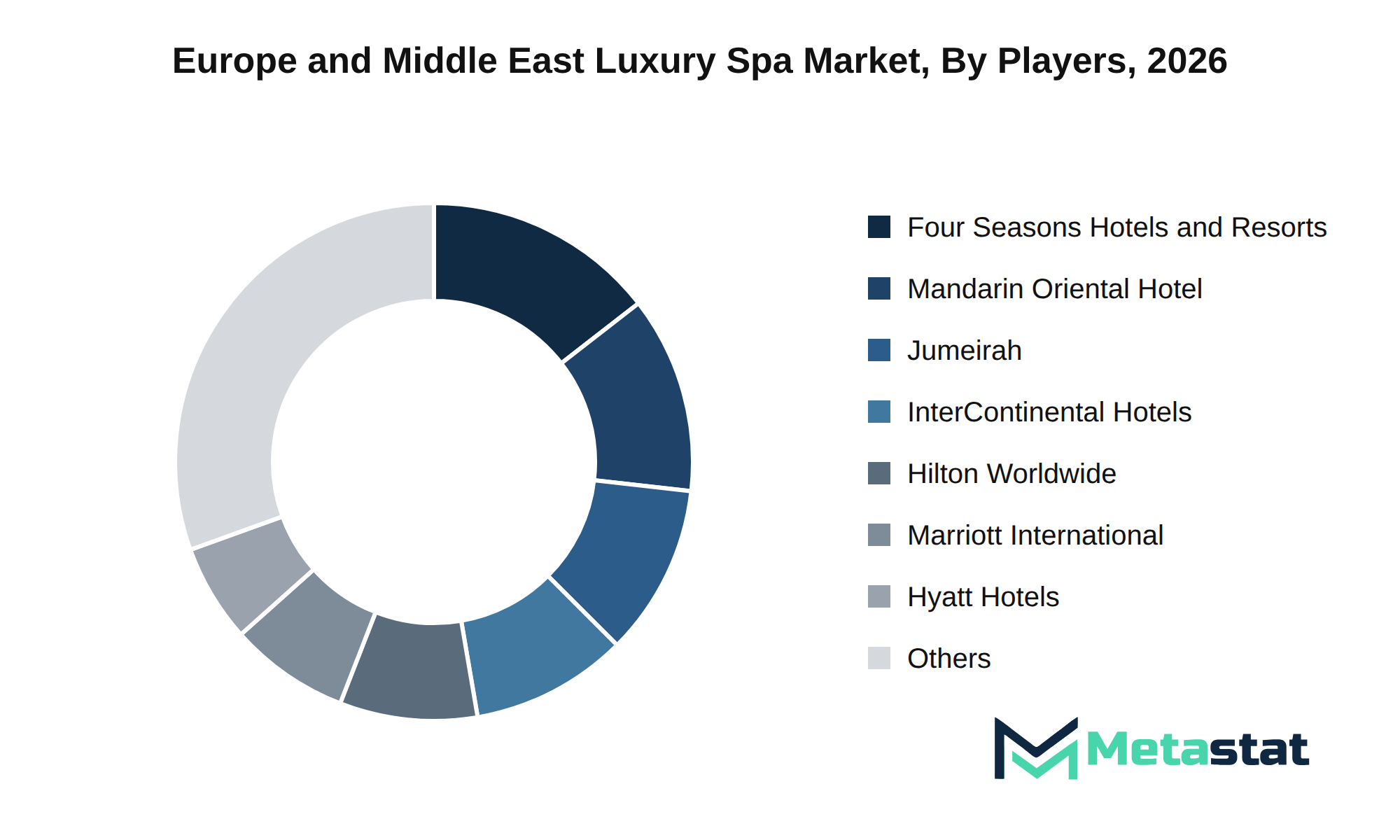
Market size is forecast to rise from USD 27.5 billion in 2025 to over USD 46.9 billion by 2033. This upward trajectory results from several interrelated factors influencing the Europe and Middle East Luxury Spa market.
Macroeconomic conditions create varying demand dynamics within the luxury spa sector. Economic growth, rising disposable incomes, and increased consumer awareness about wellness contribute significantly. Fluctuations in economic cycles pose challenges, leading to potential shifts in consumer spending patterns, particularly during downturns. The maturation of core industries supporting luxury spa services enhances competition, driving innovation and improving service offerings.
Rapid integration of next-generation technologies, including AI-driven customer experiences and personalized wellness solutions, enhances operational efficiency and client satisfaction. Continued investment in R&D facilitates the commercialization of innovative spa treatments and services, catering to evolving consumer expectations. Regulatory evolution impacts the market landscape by establishing compliance milestones that influence operational practices, necessitating ongoing adjustments to meet new standards.
Geopolitical shifts and evolving trade corridors reshape regional supply chains, affecting sourcing and logistics for luxury spa operators. Strategic capital allocations and infrastructure commitments support expansion initiatives, enhancing service offerings and market penetration. Identifying emerging white-space opportunities that address unmet consumer needs remains crucial for growth. High-growth pockets are expected to emerge in regions marked by tourism expansion or increased health and wellness trends.
Executive-level strategic imperatives guide investments toward developing unique service propositions that enhance brand differentiation. Defensibility roadmaps outline strategies to withstand competitive pressures while capitalizing on market opportunities. The forecast period presents a dynamic environment characterized by both challenges and substantial growth potential, positioning the Europe and Middle East Luxury Spa market favorably for stakeholders engaged in this sector.
The report strategically identifies and profiles the key market players and analyses their core competencies in each sub-segment of the Luxury Spa market.
Report Attributes | Details |
Study Period | 2021-2033 |
Base Year | 2025 |
Estimated Year | 2026 |
Forecast Period | 2026-2033 |
Historical Period | 2021-2025 |
Growth Rate | CAGR 6.9% from 2026 to 2033 |
Revenue Unit | USD billion |
Segmentation | By Spa Type, Service Type, Gender, Region, and Region |
Find answers to common questions about this report
The Luxury Spa market size in Europe and the Middle East was valued at USD 27.5 billion in 2025.
The Luxury Spa market is projected to grow at a CAGR of 6.9% during the forecast period from 2026 to 2033.
Luxury Hotel & Resort Spas lead the Europe and Middle East Luxury Spa market, with a projected value of USD 16.4 billion by 2033, representing the largest share among the various spa types.
Key drivers for the Europe and Middle East Luxury Spa market include shifting consumer preferences towards wellness experiences and increasing awareness of health and well-being. The aging population and urbanization further contribute to demand for relaxation and rejuvenation options, leading to significant growth in the sector.
The Europe and Middle East Luxury Spa market faces challenges from regulatory tightening, compliance costs, and macroeconomic pressures, including inflation and rising operating costs. These factors inhibit profitability and limit competition, particularly for smaller operators, while geopolitical instability and supply chain disruptions further complicate the market landscape.
Factors favoring product adoption in the Europe and Middle East Luxury Spa market include increasing consumer awareness of health and well-being, leading to heightened demand for spa services. the aging population actively seeks wellness solutions, prompting operators to enhance their offerings and incorporate advanced treatment options tailored to this demographic.
The Luxury Spa market is estimated to reach a valuation of USD 46.9 billion by 2033.
Key players in the Europe and Middle East Luxury Spa market include Four Seasons Hotels and Resorts, Mandarin Oriental Hotel Group, Marriott International, Inc., Hilton Worldwide Holdings Inc., InterContinental Hotels Group PLC - IHG Hotels & Resorts, and Accor S.A.
The UAE exhibits the highest growth in the luxury spa market, with a projected CAGR of 9.1% through 2033.
Luxury hotel and resort spas account for 38.2% of the total revenue in the Europe and Middle East luxury spa market.
The analysts below cover Consumer Goods research at Metastat Insights.
LEAD ANALYST
Utkarsh Khirodkar is a Lead Market Research Analyst at MetaStat Insight, specializing in market intelligence, technology sector assessments, and competitive strategy.
Decarbonizing industrial thermal processes hinges on refrigerant regulations and compressor efficiency limits. Metastat Insights delivered a thorough market analysis that evaluated natural refrigerants like CO2 and hydrocarbons against synthetic low-GWP alternatives. The breakdown of utility incentives and grid capacity constraints across key European manufacturing hubs offered valuable perspective. The follow-up conversation with their sector analysts addressed our specific questions on mechanical vapor recompression systems efficiently.
Assessing 200mm wafer transition schedules and substrate supply bottlenecks requires precise technical intelligence. MetaStat Insight supplied an actionable breakdown comparing planar and trench MOSFET architectures across automotive and industrial drive markets. The regional capacity estimates for Asia-Pacific foundries helped clarify lead-time uncertainties during our strategic planning session. When we needed additional clarification on high-purity raw material sourcing, their analyst team responded with helpful context within twenty-four hours.
Tracking maintenance cycle demand for secondary flight display units and terrain collision avoidance systems across regional jet fleets involves complex aftermarket dynamics. MetaStat Insight provided practical analysis separating airline retrofit programs from OEM forward-fit production schedules in North America and Southeast Asia. The supplier matrix highlighted component obsolescence timelines without resorting to vague generalizations. The dataset served as a dependable reference during our annual program review meetings.
Explore related market intelligence reports worth reading alongside this one.