
LEAD ANALYST
Utkarsh Khirodkar is a Lead Market Research Analyst at MetaStat Insight, specializing in market intelligence, technology sector assessments, and competitive strategy.

Global Oncology Drugs Market Size, Share, By Drug Class (Targeted Therapy, Immunotherapy, Chemotherapy, Hormonal Therapy, Radiopharmaceuticals, Cell and Gene Therapy), By Cancer Type (Breast Cancer, Lung Cancer, Colorectal Cancer, Prostate Cancer, Hematologic Malignancies, Gastrointestinal Cancers, Gynecological Cancers), By Route of Administration (Injectable, Oral), By Distribution Channel (Hospital Pharmacies, Specialty Pharmacies, Retail Pharmacies, Online Pharmacies, Direct-to-Provider Distribution), Industry Analysis, Growth, Trends, and Forecast, 2026-2033
Report ID
MSI-5745
Published
November, 2026
Pages
252 Pages
Format
Historical
Base year
Forecast
Forecast period
Report Details
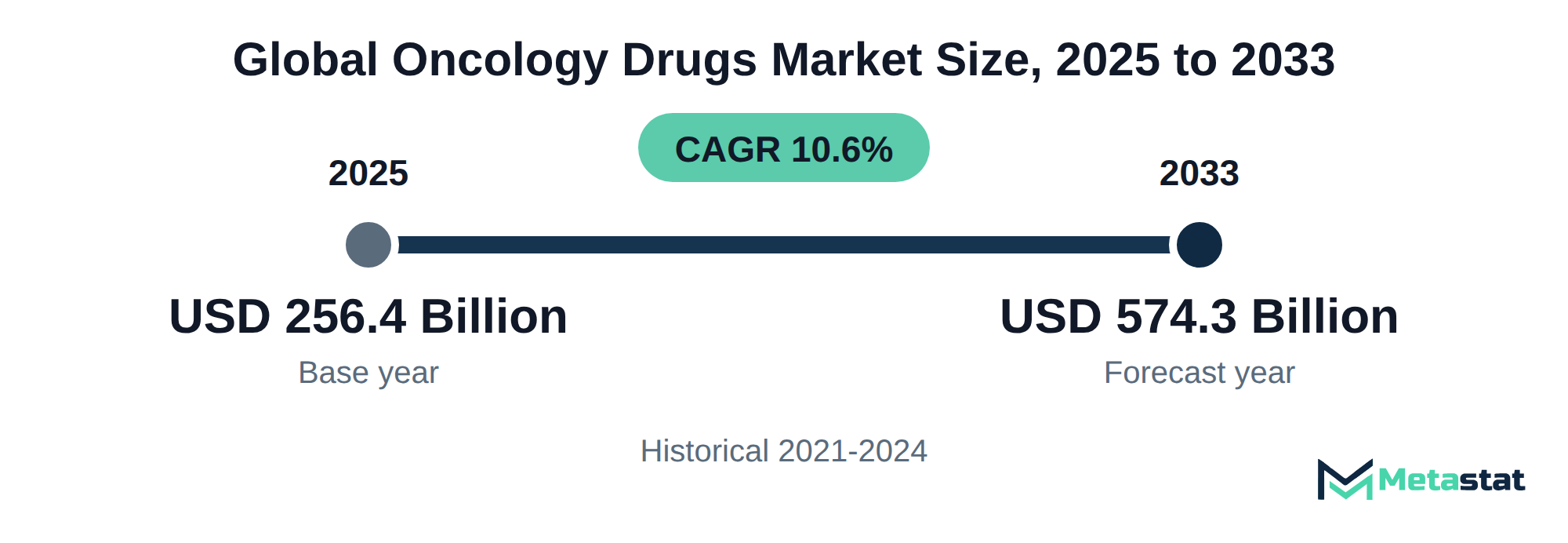
Market Valuation: Valued at $256.4 Billion in 2025, projected to reach $574.3 Billion by 2033 at a 10.6% CAGR.
Dominant Segment: Targeted therapy leads the Oncology Drugs market, driven by its effectiveness in treating specific cancer types and a growing emphasis on personalized medicine.
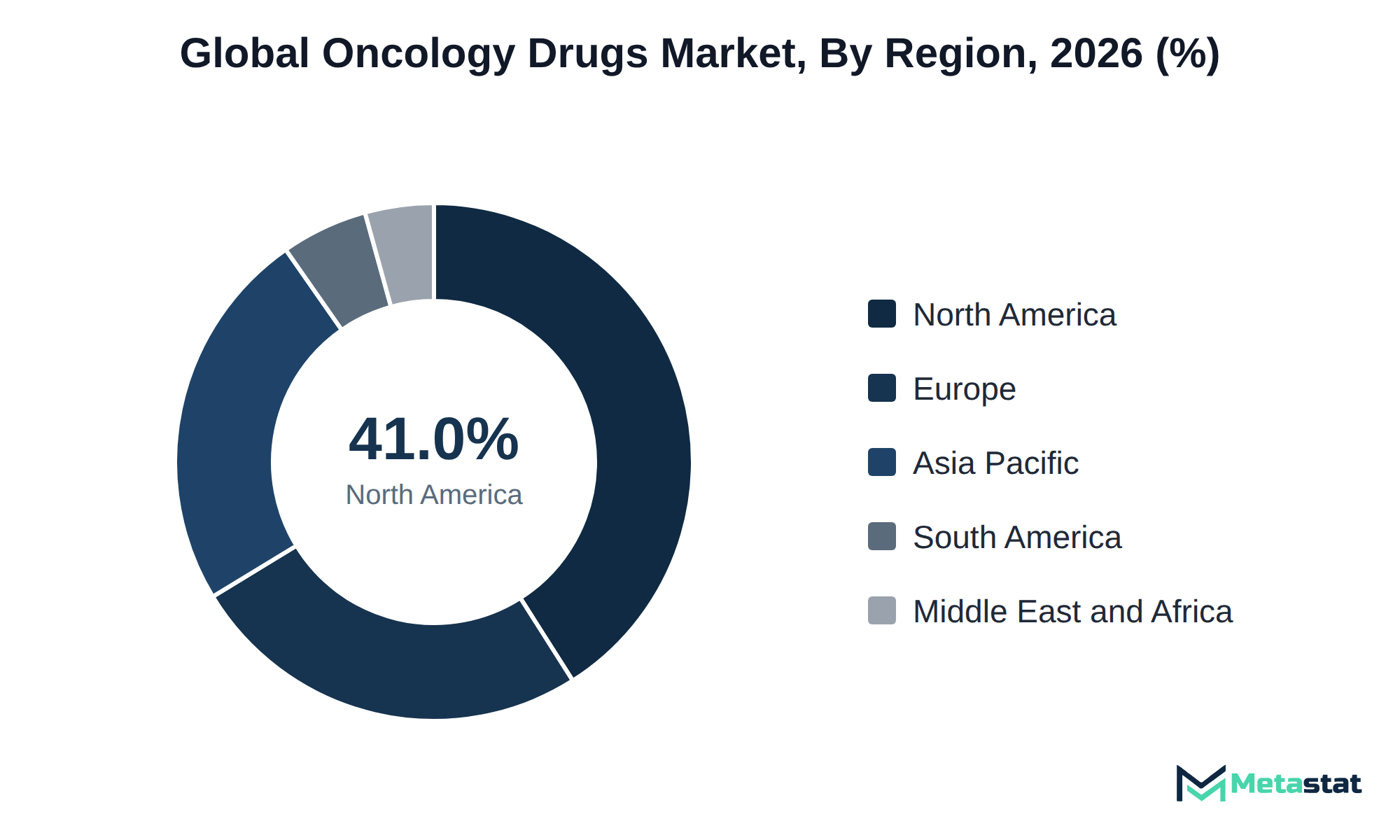
Geographic Lead: North America holds the largest market share at 41.0% in 2025, supported by a robust healthcare infrastructure and significant investments in research and development.
What's Inside: The report provides comprehensive coverage of the competitive landscape, detailed analyses of market dynamics, and forecasts from 2026 to 2033.
Emerging Trends: The shift towards immunotherapy and targeted therapies is reshaping treatment protocols, emphasizing the need for innovative solutions in cancer care.
Market Drivers: The increasing prevalence of cancer globally, along with advancements in drug development, significantly fuels market growth.
Choose Your License
Global Oncology Drugs Market
The global Oncology Drugs market was valued at USD 256.4 billion in 2025 and is projected to reach USD 574.3 billion by 2033, growing at a CAGR of 10.6% over the forecast period.
The Oncology Drugs market covers pharmaceutical products designed for the prevention, treatment, and management of various cancers. Buyers invest in these drugs primarily to improve patient outcomes and enhance the quality of life for individuals diagnosed with cancer. The growing prevalence of cancer globally drives spending, with healthcare providers and insurers fueling demand for effective treatment options that deliver positive clinical results.
Significant growth in the market results from advancements in drug development, particularly in targeted therapies and immunotherapies. Among the different segments, targeted therapy holds the highest value, reflecting its effectiveness in treating specific cancer types. North America holds 41.0% of the market in 2025, with the US leading in 2026. This region's well-developed healthcare infrastructure and high levels of investment in research and development contribute to its dominant position in the market.
Continuous innovation in oncology treatments, along with increasing investment in research, drives market expansion. The rising incidence of cancer worldwide emphasizes the urgent demand for new and effective medications. Stakeholders, including pharmaceutical companies and healthcare providers, focus on developing advanced therapies to meet the growing needs of patients and healthcare systems.
Investments in oncology drugs stem from the increasing prevalence of cancer globally, prompting healthcare providers to seek effective treatment options. The market addresses a variety of cancers, including breast, lung, and colorectal types. Buyers prioritize innovative therapies that offer improved outcomes, leading to significant expenditure on both targeted and immunotherapies, which represent the most valuable drug classes in terms of revenue generation.
North America holds 41.0% of the market in 2025, while Europe follows with a share of 25.3%, and Asia Pacific captures 24.0%. The growth of the oncology drugs market is primarily driven by advancements in technology that enhance drug development and delivery methods. Targeted therapies, in particular, demonstrate substantial growth potential, with a compound annual growth rate of 10.9% projected through 2033.
Pharmaceutical companies invest heavily in research and development to introduce novel therapies that address unmet medical needs. Contract research organization services form part of the clinical development value chain for these therapies. This focus on innovation supports the market's expansion while encouraging competition among key players. Stakeholder commitment to improving cancer treatment outcomes supports continued growth in the oncology drugs market.
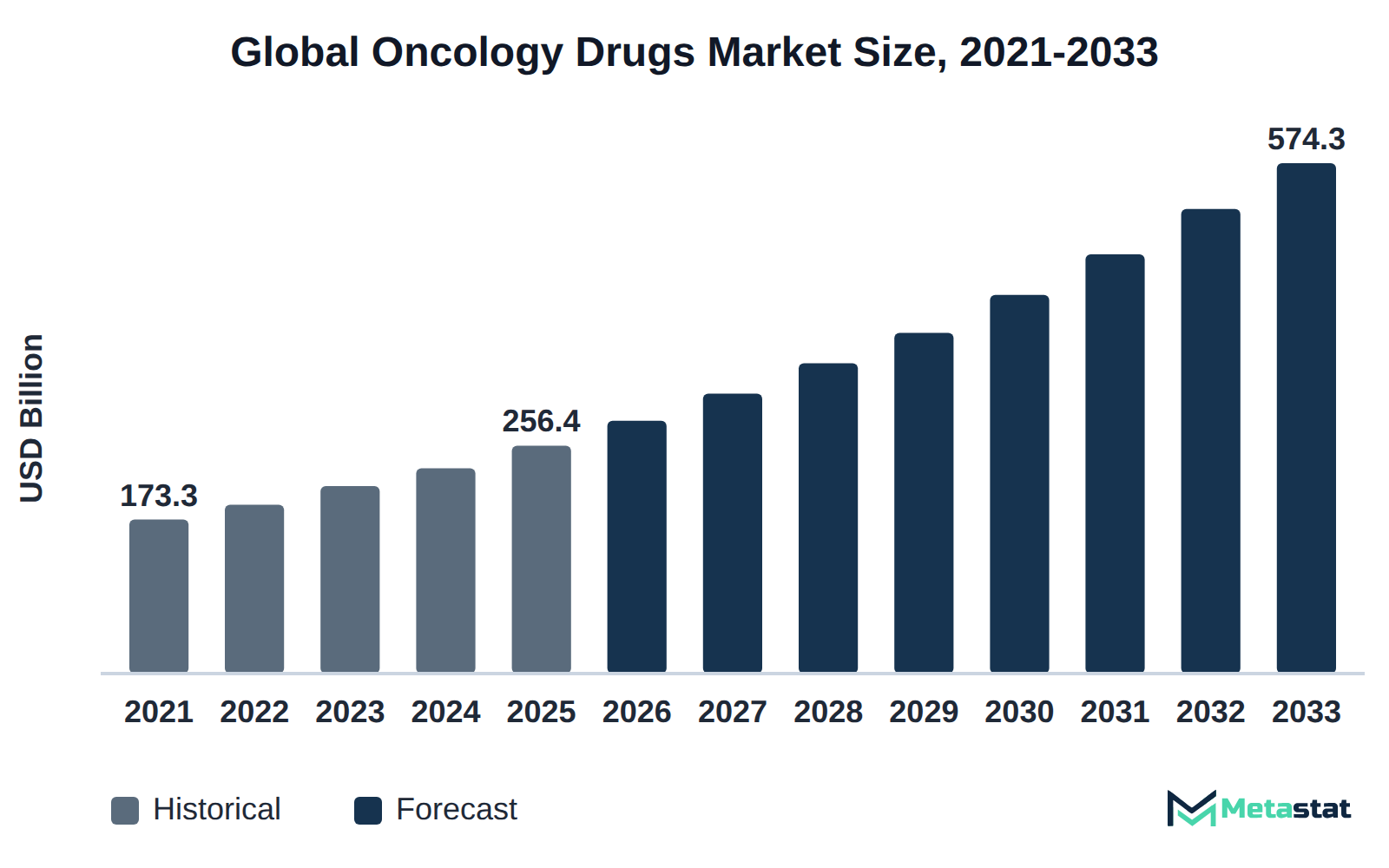
The shift towards targeted therapies and immuno-oncology has significantly transformed treatment protocols within the Oncology Drugs market. This evolution reflects advancements in understanding the molecular and genetic profiles of cancers, leading to more personalized treatment options. Clinical genetic testing services help identify these profiles in individual patients. By 2033, targeted therapies are projected to achieve a market value of USD 208.5 billion, highlighting the increasing reliance on these innovative approaches.
Immunotherapy, with an anticipated value of USD 157.1 billion by the same year, enables the immune system to detect and combat cancer cells effectively. This shift towards therapies that use the body's own defenses is driven by ongoing research and clinical trials that validate their efficacy. The commercial consequence of this shift includes enhanced patient outcomes, reduced healthcare costs related to hospitalizations for advanced disease management, and a growing market for biopharmaceutical companies dedicated to these advanced treatments.
While the market embraces targeted therapies and immuno-oncology, established players within the industry adapt their strategies to maintain competitiveness. The integration of these therapies into standard treatment regimens is expected to shape future investments, partnerships, and research initiatives aimed at expanding the therapeutic landscape for cancer care.
Antibody-drug conjugates (ADCs) and radioligand therapies enhance precision oncology with tailored treatment options for cancer patients. The pricing dynamics for these specialized therapies vary significantly due to their complex development processes and the value they provide to healthcare systems. Targeted therapy is projected to grow from USD 100.9 billion in 2026 to USD 208.5 billion by 2033, reflecting a compound annual growth rate of 10.9%. This growth indicates a shift towards more personalized treatment regimens, where healthcare providers invest in therapies that offer improved efficacy and reduced side effects.
Purchasing processes for these therapies typically involve negotiations between pharmaceutical companies and healthcare providers, focusing on value-based pricing models. Such models align the cost of therapies with patient outcomes, potentially improving access to these advanced treatments. Hospitals and specialty pharmacies often establish contracts that include risk-sharing agreements, ensuring that patient benefits justify the financial expenditures. These arrangements incentivize the adoption of innovative therapies, impacting overall market dynamics in the Oncology Drugs market.
Competition intensifies within the market, pushing pricing strategies to balance cost-effectiveness and accessibility, which in turn drives further investment in research and development. This evolution enhances the availability of advanced therapies, supporting growth in precision oncology and expanding treatment options for patients across various cancer types.
Hospital oncology channels significantly influence the demand for injectable cancer medicines. This buying group requires immediate access to effective treatment options for patients undergoing chemotherapy, targeted therapies, and immunotherapies. In 2026, the injectable drug class is projected to generate USD 153.6 billion, with growth expected to reach USD 307.7 billion by 2033, reflecting a compound annual growth rate of 10.4%. Continuous advancement of treatment protocols and the increase in cancer prevalence drive hospitals to prioritize injectable formulations.
Hospital pharmacies provide critical distribution points, ensuring that oncologists have timely access to these essential therapies. The unique needs of hospitals include managing complex treatment regimens and maintaining adequate inventories of high-demand injectable treatments. Pharmaceutical logistics services support this inventory management by moving these therapies from manufacturers to hospital pharmacies. The emphasis on high-quality, efficacious drugs aligns with the operational goals of hospital systems that aim to improve patient outcomes while controlling costs.
The growth of the oncology drugs market, particularly within hospital channels, highlights the strategic importance of investment in injectable medications. Hospitals expand their oncology departments and treatment options, while suppliers focusing on injectable therapies strengthen their position within the market.
Targeted therapy and immunotherapy are gaining significant commercial momentum within the Oncology Drugs market. This strong performance is driven by advancements in precision medicine, enabling more effective treatment options tailored to specific cancer types and patient profiles. The increased focus on personalized medicine has led healthcare providers to favor targeted therapies, enhancing their market presence.
Immunotherapy stands out, with an anticipated value of USD 157.1 billion by 2033. The commercial success of immunotherapy stems from its ability to enhance the body’s immune response against cancer cells, offering a promising alternative to conventional approaches. Increasing patient awareness about treatment options and growing acceptance among healthcare professionals contribute to this segment's expansion. The significant growth of both targeted therapy and immunotherapy shapes the competitive landscape of the Oncology Drugs market, driving investment opportunities and influencing the strategic direction of pharmaceutical companies.
The increase in the aging population significantly influences spending on oncology drugs. Older adults typically exhibit a higher incidence of cancer, leading healthcare providers to adjust treatment approaches. This demographic shift drives demand, prompting a greater focus on effective therapeutic solutions. With advancements in oncology drug development, effective treatment options become available, attracting both healthcare providers and patients seeking innovative therapies. By 2033, the market is projected to reach USD 574.3 billion, reflecting the increase in demand among older populations. Consequently, this growing demographic directly impacts the volume of oncology drugs consumed and promotes competitive pricing in the market.
Changes in treatment practice create opportunities for innovative drug development. The market experiences a notable increase in spending due to the heightened focus on personalized medicine, enabling tailored treatment approaches for patients based on genetic makeup. This personalized approach enhances treatment efficacy and influences investment trends in oncology.
The development of novel therapeutic agents drives significant growth within the Oncology Drugs market. Innovative treatments, including personalized medicine and cell-based therapies, enhance the efficacy of cancer management by targeting specific molecular pathways involved in tumor growth. These advancements enable healthcare providers to offer tailored therapies that improve patient outcomes and reduce adverse effects.
Oncology drugs that focus on specific cancer types or genetic mutations highlight the shift towards precision medicine, attracting increased investment from pharmaceutical companies. The emergence of such agents increases competition, compelling existing players to enhance their product portfolios and accelerate research into new treatments. This competitive landscape encourages collaborations among industry stakeholders, including academic institutions and biotechnology firms, driving innovation and the rapid development of effective oncology drugs. By addressing unmet medical needs, these advancements are expected to support market expansion and increase accessibility to advanced cancer therapies.
Pricing pressures significantly hinder adoption among healthcare providers in the Oncology Drugs market. Escalating costs associated with advanced therapies lead to slower uptake among hospitals and clinics facing budget constraints. Smaller healthcare facilities experience extended decision-making processes, often delaying the acquisition of essential drug classes. These financial burdens impact the ability to invest in innovative treatments, limiting access for patients requiring timely interventions. The market's reliance on high-cost therapies presents challenges in achieving widespread acceptance, particularly in regions with tighter healthcare budgets. As a result, providers hesitate to commit to high-priced oncology drugs under increasing scrutiny of healthcare expenditures, which slows market growth.
Rising input costs present a significant challenge for suppliers in the Oncology Drugs market. Increasing prices of raw materials and active pharmaceutical ingredients raise operational costs, directly impacting profit margins. Suppliers address these challenges through strategic procurement practices and adopt cost-efficient manufacturing processes. Establishing long-term contracts and diversifying sourcing strategies helps mitigate the effects of volatile raw material prices. Investing in technology and automation enhances production efficiency, reducing per-unit costs. Managing input costs in this way helps suppliers stay competitive and protect profitability within the market. Continuous innovation and cost management remain essential for suppliers to sustain operations and meet the growing demand for effective oncology drugs.
The breast cancer segment of the Oncology Drugs market presents a significant growth opportunity, projected to reach USD 102.2 billion by 2033, reflecting a compound annual growth rate (CAGR) of 10.9%. This growth stems from rising demand for targeted therapies, which offer more effective treatment options for patients. The increasing prevalence of breast cancer globally drives healthcare providers to seek innovative solutions tailored to individual patient needs. Investments in research and development focus on expanding the portfolio of targeted agents specifically designed for breast cancer, enhancing treatment efficacy and improving patient outcomes. These advancements support a pipeline of new therapies entering the market and address unmet needs in breast cancer treatment. The combination of improved treatment options and heightened awareness significantly influences market dynamics, supporting sustained growth in the coming years.
The Global Oncology Drugs market is segmented based on Drug Class, Cancer Type, Route of Administration, and Distribution Channel.
The targeted therapy segment focuses on treatments that act on cancer cells with minimal impact on normal cells, enhancing effectiveness while reducing side effects. Healthcare providers rely on targeted therapies due to their precision, making them popular among patients with specific genetic markers. Key drivers influencing this segment include the growing emphasis on personalized medicine and the increasing number of approvals for novel therapies. Compared to other classes, targeted therapy experiences faster growth, outpacing chemotherapy and hormonal therapy segments, primarily reflecting the shift toward more tailored cancer treatments. By 2033, targeted therapy is projected to reach USD 208.5 billion, reflecting its importance in cancer treatment.
The immunotherapy segment is estimated to reach USD 157.1 billion by 2033, at a CAGR of 11.3% during the forecast period. Immunotherapy uses the body's immune system to fight cancer and offers treatment options for various cancer types, including lung and breast cancers. Healthcare providers increasingly adopt these therapies due to their effectiveness and evolving clinical evidence supporting their use. The growing focus on personalized medicine further drives this segment, making it distinct from others, including chemotherapy, which typically experiences slower growth. Enhanced understanding of immune responses to cancer drives innovation and investment in immunotherapy, establishing a competitive edge in the market. With a projected CAGR of 11.3%, immunotherapy outpaces the growth of traditional therapies, indicating strong demand dynamics and interest among healthcare professionals.
Chemotherapy segment is projected to reach USD 101.4 billion by 2033. This treatment class is central to managing various types of cancer, particularly aggressive forms. Providers frequently apply chemotherapy as a frontline treatment option for patients facing conditions including breast and lung cancer. The segment experiences strong demand due to the rising incidence of cancer diagnoses worldwide, alongside advancements in drug formulations. Chemotherapy demonstrates slower growth compared to immunotherapy, which holds a CAGR of 11.3%. Pricing pressures and the need for innovative therapies drive a competitive landscape, impacting market dynamics. While other segments focus on personalized medicine, chemotherapy remains foundational due to its broad application across multiple cancer types, reinforcing its significance in the Oncology Drugs market.
Hormonal therapy is projected to grow at a CAGR of 9.4% during the forecast period. This segment focuses on the treatment of hormone-sensitive cancers, including breast and prostate cancer, with agents that alter hormonal levels to inhibit cancer growth. Primary users include oncologists and healthcare providers who seek effective management strategies for patients with these specific cancer types. Rising awareness of hormone-related cancers contributes to demand growth, driven by increased screenings and improved diagnostic methods. Compared to other drug classes, hormonal therapy typically presents lower price points, resulting in broader accessibility for patients. This distinct pricing dynamic allows it to reach a diverse demographic, unlike more costly areas including immunotherapy and targeted therapy, which are projected to grow at CAGRs of 11.3% and 10.9%, respectively.
Radiopharmaceuticals use radioactive isotopes to diagnose and treat cancer, supporting the management of various malignancies. These agents target specific cancer cells, allowing for precise localization and therapeutic action, which is essential for improving patient outcomes. Healthcare providers, including oncologists and nuclear medicine specialists, use these products primarily for their ability to deliver targeted radiation therapy directly to tumor sites. Demand in this segment experiences momentum driven by advancements in radiologic imaging technologies and the growing prevalence of cancer. Compared to other drug classes, radiopharmaceuticals differentiate themselves through their specialized applications and typically higher pricing structures. This segment's unique characteristics contribute to its distinct position within the broader market, catering to a specific patient population that requires advanced therapeutic options.
Cell and gene therapy involves innovative techniques that harness the body's own cells to treat and manage cancer. This approach targets specific cancer cells, employing genetic modifications to enhance the immune response or directly inhibit tumor growth. T cell therapy is one example of this approach. Healthcare providers employ these therapies for various malignancies, including hematologic cancers, solid tumors, and rare cancers. The demand for cell and gene therapy experiences strong momentum due to advances in biotechnology and a growing understanding of genetic factors in cancer progression. Compared to traditional chemotherapy and targeted therapies, cell and gene therapies often command higher prices, reflecting their complexity and the extensive research and development involved. This sub-segment differentiates itself with its potential for curative outcomes, positioning it as a sought-after option in the oncology drugs market.
The segment encompasses innovative treatment options involving oncolytic viruses and supportive anticancer agents, which target cancer cells while sparing healthy tissues. These therapeutic approaches address various cancer types and are employed primarily by oncologists in clinical settings. A significant force driving interest in this sub-segment arises from increased research into novel viral therapies that exploit the cancer cell's vulnerabilities. A growing emphasis on supportive care strategies enhances the appeal of these agents, aiming to improve patient quality of life during treatment. Compared to traditional therapies, this sub-segment benefits from a niche market positioning, attracting attention for its unique mechanisms of action and potential to address unmet medical needs. Different from chemotherapy and immunotherapy, the pricing dynamics and buyer profiles vary, reflecting the distinct therapeutic objectives and patient outcomes associated with oncolytic viruses and supportive agents within the oncology drugs market.
This segment primarily serves patients diagnosed with breast cancer, employing therapies designed to target cancer cells specifically. Increasing awareness and early detection significantly drive demand for these therapies, contributing to growth in the market. The segment differentiates itself from others through its rapid expansion rate, supported by advancements in targeted therapies and immunotherapies. The emphasis on personalized medicine enhances treatment efficacy while minimizing side effects, attracting a diverse range of patients. In comparison to other cancer types, including lung cancer, which has a projected CAGR of 10.9%, breast cancer therapies exhibit a unique growth trajectory fueled by continuous innovation and research investments, positioning the segment favorably in the Oncology Drugs market.
Lung Cancer segment is estimated to reach USD 93.7 billion by 2033, at a CAGR of 10.9% during the forecast period. This segment targets therapies specifically for lung cancer patients, addressing a critical healthcare need. Healthcare providers, including hospitals and specialty clinics, use these drugs to treat various lung cancer types, enhancing patient outcomes. The increasing prevalence of lung cancer globally drives this segment, influenced by factors including smoking rates and air pollution. Compared to other segments, lung cancer therapies experience significant growth, outpacing segments like colorectal cancer, which has slower growth dynamics. The market remains competitive, with a range of therapies available, reflecting ongoing innovation and research in this vital area of oncology.
Colorectal Cancer segment is expected to reach USD 57.5 billion by 2033. This segment focuses on the treatment of colorectal cancer, primarily used by oncologists and healthcare providers for managing this prevalent cancer type. A notable demand driver stems from the increasing incidence of colorectal cancer, influenced by lifestyle factors and an aging population. Compared to other segments, this segment experiences moderate growth, characterized by a CAGR of 10.9%, aligning closely with the growth rates of breast and lung cancer therapies. The availability of novel therapies and targeted treatments enhances market dynamics, increasing competition among pharmaceutical companies. The growing focus on personalized medicine and advancements in drug formulations contribute to the evolving landscape, influencing treatment choices and patient outcomes. The oncology drugs market continues to evolve, with colorectal cancer therapies gaining significant attention from both patients and healthcare systems.
Prostate Cancer is projected to grow at a CAGR of 9.8% during the forecast period. This segment includes treatment options specifically designed for patients diagnosed with prostate cancer, which predominantly affects older men. Increasing awareness of prostate cancer screening and advancements in targeted therapies drive growth in this segment. The demand for effective treatment solutions from healthcare providers influences market dynamics significantly. Compared to other segments, including breast cancer, which is projected to reach USD 102.2 billion by 2033, the Prostate Cancer segment experiences slower growth. While both segments address serious health concerns, the unique biological characteristics of prostate cancer and its treatment protocols distinguish this segment from others. Overall, the Prostate Cancer segment contributes significantly to the broader Oncology Drugs market, reflecting evolving treatment paradigms and patient needs.
Hematologic malignancies encompass a range of blood cancers, including leukemia, lymphoma, and myeloma, necessitating specialized therapeutic approaches. Healthcare providers apply a combination of chemotherapy, targeted therapy, and immunotherapy to treat patients diagnosed with these conditions. The demand for innovative treatments arises from advancements in genomic profiling and personalized medicine, enhancing patient outcomes and survival rates. Compared to other cancer types, hematologic malignancies experience faster treatment response times due to the unique characteristics of blood cancers, which often require rapid intervention. The rising prevalence of these malignancies among younger populations drives changes in treatment protocols, supporting the development of novel therapies. This segment stands out within the Oncology Drugs market, reflecting a market driven by significant research and development activities aimed at improving patient care.
Gastrointestinal cancers encompass various malignancies affecting the digestive system, including cancers of the stomach, liver, pancreas, and intestines. Treatments within this segment primarily target patients seeking effective therapies to manage symptoms and improve survival rates. A significant demand driver arises from the increasing prevalence of gastrointestinal cancers worldwide, propelled by lifestyle factors including diet and obesity. This segment differs from others like breast and lung cancer due to its slower growth trajectory, highlighting unique treatment challenges associated with its diverse cancer types. The Oncology Drugs market is evolving, with ongoing research driving innovation in treatment modalities aimed at enhancing patient outcomes.
Gynecological cancers encompass a range of malignancies affecting female reproductive organs, including ovarian, cervical, and uterine cancers. These cancers necessitate targeted therapeutic approaches tailored to the specific malignancy and the patient’s clinical profile. Key drivers in this segment involve increasing awareness and early detection efforts, which fuel demand for innovative treatment options. Healthcare providers and patients require effective therapies to manage symptoms and improve survival rates. Compared to other cancer types, this segment experiences slower growth due to high treatment costs and varying access to therapies across regions. Regulatory approvals and advancements in personalized medicine play significant roles in shaping the treatment landscape, driving developments that enhance therapeutic efficacy and patient outcomes. The oncology drugs market continues to evolve, reflecting the growing needs of patients with gynecological cancers.
The segment comprises various cancer types, including skin, kidney, thyroid, and head and neck cancers. Skin cancer diagnostics form an early step in the care pathway that can lead to drug therapy. These malignancies require targeted therapeutic approaches to address their unique characteristics and treatment challenges. Oncologists and healthcare providers apply specialized oncology drugs to manage these conditions effectively, reflecting an increasing prevalence of these cancers in the population. One key factor influencing this segment involves advancements in treatment options, which enhance therapeutic efficacy and patient outcomes. This segment differs from larger categories, including breast or lung cancer, by typically exhibiting slower growth rates and potentially lower pricing strategies. Continuous research and development efforts further drive innovation in treatment modalities tailored for these specific cancer types.
This segment primarily serves patients who require effective and immediate treatments for various cancers. Rising prevalence of cancer cases drives demand in this segment, with healthcare providers increasingly favoring injectable therapies due to faster absorption rates and targeted effects. Comparatively, the injectable segment demonstrates a higher growth rate than segments focused on oral administration, which typically grow at a CAGR of 11%. The market for injectable oncology drugs benefits from advancements in formulation technologies and injectable drug delivery systems, enhancing efficacy and patient compliance while providing assistance to healthcare professionals in monitoring and managing treatment outcomes. Increasing investments in research and development further enhance this segment's potential, contributing to the overall growth of the market.
Oral segment is estimated to reach USD 204.2 billion by 2033, at a CAGR of 11% during the forecast period. This segment includes drugs administered through the mouth, offering a convenient option for patients. Commonly used for various cancer types, oral therapies cater to patients seeking less invasive treatment alternatives. The growing preference for self-administration and flexibility in dosing drives demand. Competitive pricing and the availability of generic options enhance accessibility, contributing to market expansion. Compared to injectable therapies, the oral segment experiences faster growth due to its ease of use and patient compliance. The Oncology Drugs market anticipates increasing investments in research and development, resulting in innovative oral formulations that improve treatment outcomes.
Others (Topical, Intravesical, Intratumoral) segment is expected to reach USD 62.4 billion by 2033. This segment includes innovative delivery methods targeting localized treatments for various cancers, with applications often found in skin cancer therapies and for bladder cancer through intravesical administration. The rise of precision medicine drives demand for these therapies, attracting healthcare providers focusing on personalized treatment options. Compared to traditional methods, this segment supports lower systemic exposure to drugs, minimizing side effects and enhancing treatment efficacy. The growth rate for this segment aligns with the emphasis on patient-centered care and advances in drug formulation technology, positioning it favorably in the evolving Oncology Drugs market. The market anticipates significant uptake due to these factors, driving expansion in this specific route of administration.
Hospital Pharmacies segment is valued at USD 180.3 billion in 2026 and is projected to reach USD 356.9 billion by 2033, at a CAGR of 10.2% during the forecast period. These pharmacies play a critical role in dispensing oncology drugs to patients receiving treatment in hospitals, particularly those requiring specialized medications. Demand for this segment is driven by the increasing prevalence of cancer and the growing complexity of treatment regimens that necessitate professional oversight. Compared to other distribution channels, Hospital Pharmacies offer a higher level of patient care, resulting in a strong preference among healthcare providers and patients for medications dispensed in a controlled hospital environment. The market dynamics surrounding Hospital Pharmacies differ from retail options, where competition, pricing strategies, and accessibility play a more significant role than in institutional settings.
Specialty Pharmacies segment is estimated to reach USD 107.7 billion by 2033, at a CAGR of 11.4% during the forecast period. This segment focuses on providing specialized medications for complex and chronic conditions, including various types of cancer. Patients requiring targeted therapies or immunotherapies often turn to these pharmacies due to their tailored services and expertise. Growth in this segment stems from the increasing prevalence of cancer and the rising demand for personalized treatment options. Compared to hospital and retail pharmacies, Specialty Pharmacies generally offer higher-priced medications, reflecting the advanced nature of the therapies. The 11.4% CAGR indicates a stronger growth trajectory than many other segments in the distribution channel, highlighting the evolving dynamics of treatment access and delivery in the Oncology Drugs market.
Retail Pharmacies segment is expected to reach USD 64.3 billion by 2033. This segment plays a critical role in distributing oncology medications directly to patients, facilitating access for individuals seeking treatment. Patients rely on retail pharmacies for prescriptions, including various oncology drugs tailored to their specific cancer types. The growing prevalence of cancer diagnoses drives demand for accessible treatment options, supporting market expansion. With a CAGR of 12.8%, online pharmacies significantly influence the retail sector, enhancing accessibility and convenience for consumers. Retail pharmacies differ from other distribution channels, including hospital pharmacies, which primarily serve institutional needs. Hospital pharmacies cater to more specialized treatments, while retail pharmacies address the daily medication needs of patients, offering a wide range of oncology drugs tailored for home administration. The Oncology Drugs market reflects this dynamic, with retail pharmacies adapting to consumer preferences and evolving treatment landscapes.
Online Pharmacies segment is projected to grow at a CAGR of 12.8% during the forecast period. This segment provides a convenient platform for patients to obtain oncology drugs, offering an alternative to traditional retail and hospital pharmacies. Patients, particularly those managing chronic conditions or requiring specialty medications, increasingly access online pharmacies for their ease of access and potential cost savings. Rapid adoption of digital health solutions and growing demand for home delivery services of medications drive this segment's growth. Compared to other distribution channels, online pharmacies typically offer more competitive pricing and flexible purchasing options, appealing to price-sensitive consumers. Emphasis on digital health technologies and telemedicine further supports the expansion of online pharmacies, distinguishing this channel from traditional pharmacy outlets within the oncology drugs market.
Direct-to-Provider Distribution involves a specific method where oncology drugs reach healthcare providers directly, bypassing traditional retail channels. This segment is utilized primarily by healthcare providers and hospitals seeking timely access to specialized therapies. Factors influencing this segment include the growing emphasis on tailored healthcare solutions and the increasing complexity of oncology treatment regimens. Compared to other distribution channels, including Hospital and Specialty Pharmacies, Direct-to-Provider Distribution features higher pricing structures, reflecting the specialized nature of the products offered. This approach facilitates more efficient delivery of critical therapies, enhancing patient outcomes while ensuring that healthcare providers have direct access to necessary medications. Within the Oncology Drugs market, this segment highlights a shift toward more personalized treatment strategies.
Based on geography, the Global Oncology Drugs market is divided into North America, Europe, Asia-Pacific, South America, Middle East, and Africa.
The oncology drugs sector in North America experiences significant growth, driven by advancements in cancer therapies and an expanding patient population. The United States, Canada, and Mexico lead in demand, influenced by a robust healthcare infrastructure and increasing investment in research and development. Government initiatives aimed at improving cancer care access strengthen market dynamics, particularly in the United States. North America holds a 41.00% share of the global market in 2025, highlighting its important role in the oncology drugs market. Projections indicate the region is expected to reach USD 222.6 billion by the end of 2033, reflecting an ongoing commitment to innovative treatment solutions.
The European market exhibits significant growth potential, driven primarily by the rising incidence of various cancer types, including breast and lung cancers. Key countries including Germany, France, and the UK feature advanced healthcare infrastructures, enhancing access to innovative treatments. Regulatory frameworks in Europe support the approval of new therapies through streamlined processes, promoting swift market entry for novel oncology drugs. The market's share of 25.3% in 2025 highlights its importance within the global landscape. Specialty pharmacies play a crucial role in distributing advanced therapies, reflecting a trend toward personalized medicine. Competitive dynamics within the region emphasize the need for pharmaceutical companies to innovate and adapt to evolving treatment modalities, ensuring sustained market engagement.
Significant growth in the Asia-Pacific region drives the Oncology Drugs market, fueled by increasing cancer incidence rates and a growing aging population. China, Japan, and India represent key countries contributing to this demand, supported by expanding healthcare infrastructure and rising disposable incomes. The region's focus on targeted therapies and immunotherapies reflects a shift toward precision medicine, enhancing treatment outcomes. Regulatory frameworks in these countries promote accelerated drug approvals and facilitate market entry for innovative therapies. This environment encourages investment and collaboration between pharmaceutical companies and research institutions, streamlining the development of oncology drugs. By 2025, the market share in Asia-Pacific is projected to reach 24%, with projections indicating substantial growth in subsequent years.
Demand for the Oncology Drugs market in South America is driven by increasing cancer awareness and enhanced healthcare infrastructure, particularly in Brazil and Argentina. The growing prevalence of breast and lung cancer significantly influences market dynamics, prompting investments in innovative treatment options. Regulatory frameworks in these countries support the adoption of advanced therapies, contributing to overall market growth. Hospital pharmacies play a critical role in drug distribution, driven by their capacity to offer specialized oncology medications tailored to patient needs. The market share for South America in 2025 stands at 5.4%, reflecting a developing landscape with potential for future expansion and investment in oncology solutions. Continuous efforts to improve healthcare access enhance patient outcomes and treatments, impacting the growth trajectory of the market.
The oncology drugs market in the Middle East and Africa experiences a unique demand landscape driven by rising healthcare expenditures and increasing awareness of cancer treatments. Countries including Saudi Arabia and the UAE invest significantly in healthcare infrastructure, facilitating the availability of advanced oncology therapies. South Africa demonstrates a growing market presence due to an increasing cancer prevalence rate and government initiatives to enhance access to medications. The region's share of the global market stands at 4.3% in 2025, indicating potential for growth within the oncology drugs sector. Continuous improvements in healthcare policies and increased collaboration between pharmaceutical companies and healthcare providers enhance the market's capacity to meet patient needs in this diverse and evolving region.
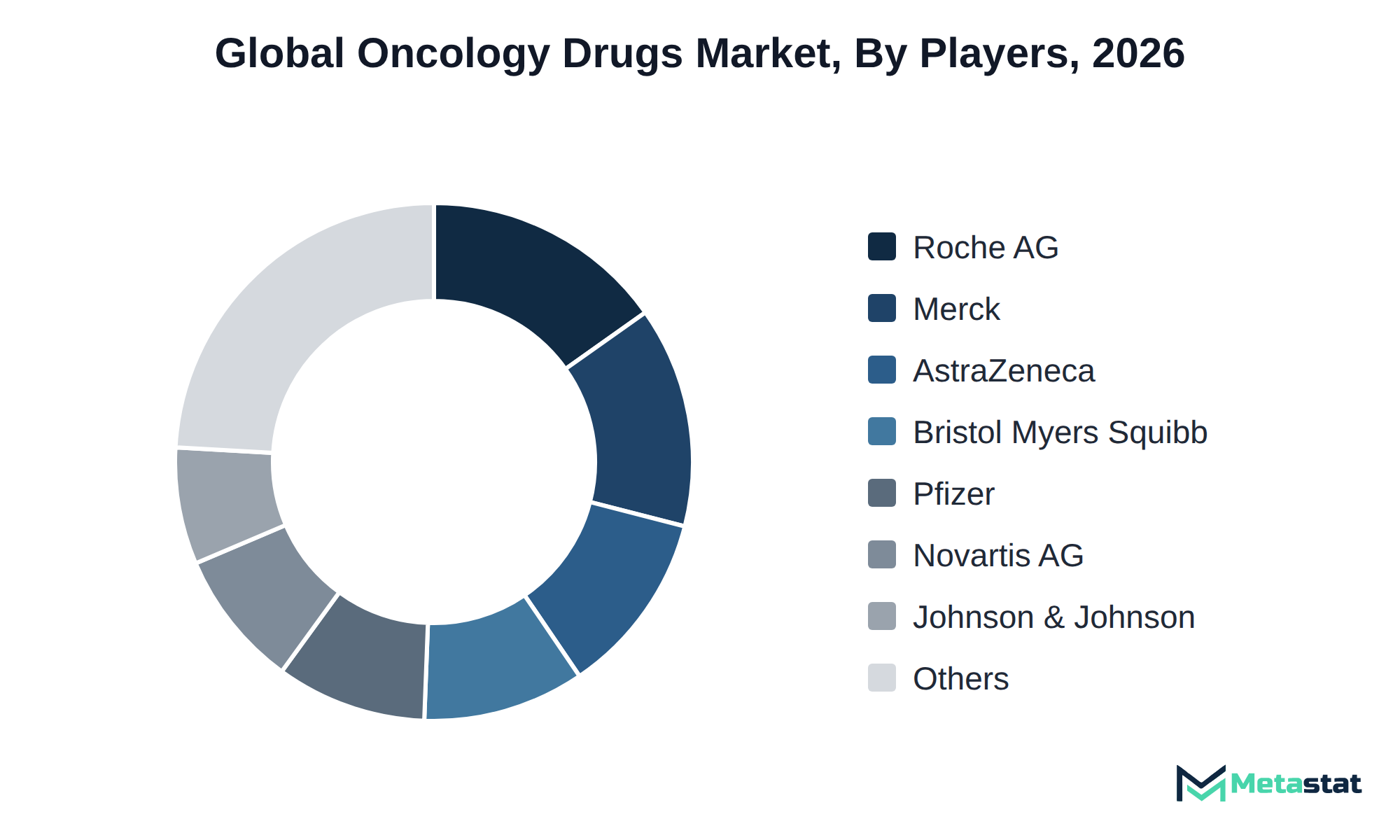
Companies in the Oncology Drugs market employ various strategies to differentiate their offerings. Segmentation occurs primarily through drug class, with targeted therapies, immunotherapies, and chemotherapy being prominent categories. Buyers prioritize effectiveness, safety, and price when selecting treatments. The need for strong clinical evidence drives demand for innovative solutions that demonstrate a clear therapeutic benefit.
Roche Holding AG emphasizes targeted therapy and immunotherapy in its portfolio, presenting options that address specific cancer types. Merck & Co., Inc. focuses on immunotherapy, particularly in lung cancer treatments, while AstraZeneca PLC concentrates on a diverse range of cancer therapeutics, including hormonal therapy. This strategic positioning among key players shapes the competitive dynamics of the market.
The growth of the Oncology Drugs market hinges on several key developments. First, an increase in the adoption of targeted therapy, expected to expand from USD 100.9 billion in 2026 to USD 208.5 billion by 2033, will significantly contribute to market growth. This segment is driven by advancements in precision medicine that facilitate more effective treatments for specific cancer types. Second, the rise of immunotherapy, projected to reach USD 157.1 billion by 2033, is fueled by ongoing research and development initiatives. This segment addresses unmet medical needs, particularly in lung and breast cancer cases. However, potential risks including regulatory hurdles impede market growth. Stricter regulations could delay product approvals, particularly for innovative therapies in the pipeline, thereby affecting overall market dynamics. Regional disparities play a role, with North America expected to dominate the market, accounting for 41% of the total share in 2033. Addressing these developments and risks will be crucial to achieving the projected market size.
By Drug Class: Targeted Therapy, Immunotherapy, Chemotherapy, Hormonal Therapy, Radiopharmaceuticals, Cell and Gene Therapy, Others (Oncolytic Viruses, Supportive Anticancer Agents)
By Cancer Type: Breast Cancer, Lung Cancer, Colorectal Cancer, Prostate Cancer, Hematologic Malignancies, Gastrointestinal Cancers, Gynecological Cancers, Others (Skin, Kidney, Thyroid, Head and Neck Cancers)
By Route of Administration: Injectable, Oral, Others (Topical, Intravesical, Intratumoral)
By Distribution Channel: Hospital Pharmacies, Specialty Pharmacies, Retail Pharmacies, Online Pharmacies, Direct-to-Provider Distribution
The report strategically identifies and profiles the key market players and analyses their core competencies in each sub-segment of the Oncology Drugs market.
Report Attributes | Details |
Study Period | 2021-2033 |
Base Year | 2025 |
Estimated Year | 2026 |
Forecast Period | 2026-2033 |
Historical Period | 2021-2025 |
Growth Rate | CAGR 10.6% from 2026 to 2033 |
Revenue Unit | USD billion |
Segmentation | By Drug Class, Cancer Type, Route of Administration, Distribution Channel, and Region |
By Region | North America (By Drug Class, Cancer Type, Route of Administration, Distribution Channel, and Country)
|
Europe (By Drug Class, Cancer Type, Route of Administration, Distribution Channel, and Country)
| |
Asia Pacific (By Drug Class, Cancer Type, Route of Administration, Distribution Channel, and Country)
| |
South America (By Drug Class, Cancer Type, Route of Administration, Distribution Channel, and Country)
| |
Middle East and Africa (By Drug Class, Cancer Type, Route of Administration, Distribution Channel, and Country)
|
Find answers to common questions about this report
The Oncology Drugs market size was valued at USD 256.4 billion in 2025.
The market is projected to grow at a CAGR of 10.6% during the forecast period from 2026 to 2033.
The North America Oncology Drugs market size is estimated to reach USD 222.6 billion by 2033.
Targeted Therapy leads the Oncology Drugs market with a value of USD 100.9 billion in 2026. This segment demonstrates the highest growth potential, with a projected value of USD 208.5 billion by 2033, reflecting a compound annual growth rate of 10.9%.
Key drivers for the Oncology Drugs market include the increase in the aging population, which leads to higher cancer incidence among older adults. The emergence of innovative therapeutic agents, including personalized medicine and targeted therapies, enhances treatment efficacy and stimulates competition, further driving market growth.
North America holds the dominant share of the Oncology Drugs market, with a value of USD 222.6 billion projected for 2033, representing 41 percent of the total market.
Pricing pressures significantly hinder growth in the Oncology Drugs market. Escalating costs associated with advanced therapies lead to slower uptake among hospitals and clinics facing budget constraints. These financial burdens limit access to essential treatments, impacting overall market expansion.
The increasing prevalence of breast cancer and the demand for targeted therapies drive adoption in the Oncology Drugs market. Investments in research and development focus on innovative solutions tailored to individual patient needs, enhancing treatment efficacy and improving patient outcomes.
The Oncology Drugs market is estimated to reach a valuation of USD 574.3 billion by 2033.
Key players operating in the Oncology Drugs market include Roche Holding AG, Merck & Co., Inc., AstraZeneca PLC, Bristol Myers Squibb, Pfizer Inc., and Novartis AG.
The analysts below cover Healthcare research at Metastat Insights.
LEAD ANALYST
Utkarsh Khirodkar is a Lead Market Research Analyst at MetaStat Insight, specializing in market intelligence, technology sector assessments, and competitive strategy.

LEAD PRINCIPAL ANALYST, PHARMA AND HEALTHCARE
Food and Beverages · Healthcare · Healthcare IT · Medical Devices
Ajay Devgire is the Lead Healthcare Analyst at MetaStat Insight, leading strategic research and market intelligence initiatives across the global healthcare domain.
The technical breakdown of ISO 20022 migration readiness across correspondent banking corridors was remarkably thorough. Rather than treating cross-border corporate payments as a single block, the report drew a useful distinction between multilateral netting platforms and domestic instant payment rails across ASEAN economies. MetaStat Insight highlighted regulatory constraints on foreign exchange liquidity management that many publications gloss over. The research material offered practical clarity for our platform development roadmap.
Our group needed clearer visibility into out-of-autoclave processing timelines for high-temperature thermoplastic composites. MetaStat Insight delivered an objective assessment that contrasted automated fiber placement scrap rates with traditional thermoset prepreg layup cycles. The supplier landscape mapped out primary resin suppliers and tape slitting capacity across France, Germany, and Japan with solid technical accuracy. Their analyst handled our questions on precursor supply risks during an unscheduled inquiry call, providing clear, unembellished context.
Evaluating sensor fusion reliability across harsh operating environments can be tricky without field-validated data. The study on agricultural autonomous guidance systems clearly separated stereo vision setups from automotive-grade solid-state LiDAR. We appreciated the regional infrastructure analysis, specifically around RTK network density across North America and South America. During our follow-up consultation, the MetaStat Insight team walked through tier-two perception software partnerships, giving our engineering leads a practical basis for vendor shortlisting.
Explore related market intelligence reports worth reading alongside this one.