
LEAD ANALYST
Utkarsh Khirodkar is a Lead Market Research Analyst at MetaStat Insight, specializing in market intelligence, technology sector assessments, and competitive strategy.

USA Boutique Fitness Market Size, Share, By Business Model (Franchise Model and Independently Owned), By Fitness Studio Type (Yoga Studios, Pilates Studios, CrossFit Boxes, Spin and Cycling Studios, HIIT Studios, Dance Studios, Barre Studios, and Boxing and Kickboxing Studios), By Demographics (Women's Only Studios, Men's Only Studios, Co-Ed Studios, and Kids and Family Studios), By Fitness Level (Beginner Studios, Intermediate/Advanced Studios, and Specialized Studios), Industry Analysis, Growth, Trends, and Forecast, 2026-2033
Report ID
MSI-5191
Published
September, 2026
Pages
272 Pages
Format
Historical
Base year
Forecast
Forecast period
Report Details
Choose Your License
USA Boutique Fitness Market
The USA Boutique Fitness market was valued at USD 5,415.1 million in 2025 and is projected to reach USD 14,871.2 million by 2033, growing at a CAGR of 13.6% over the forecast period.
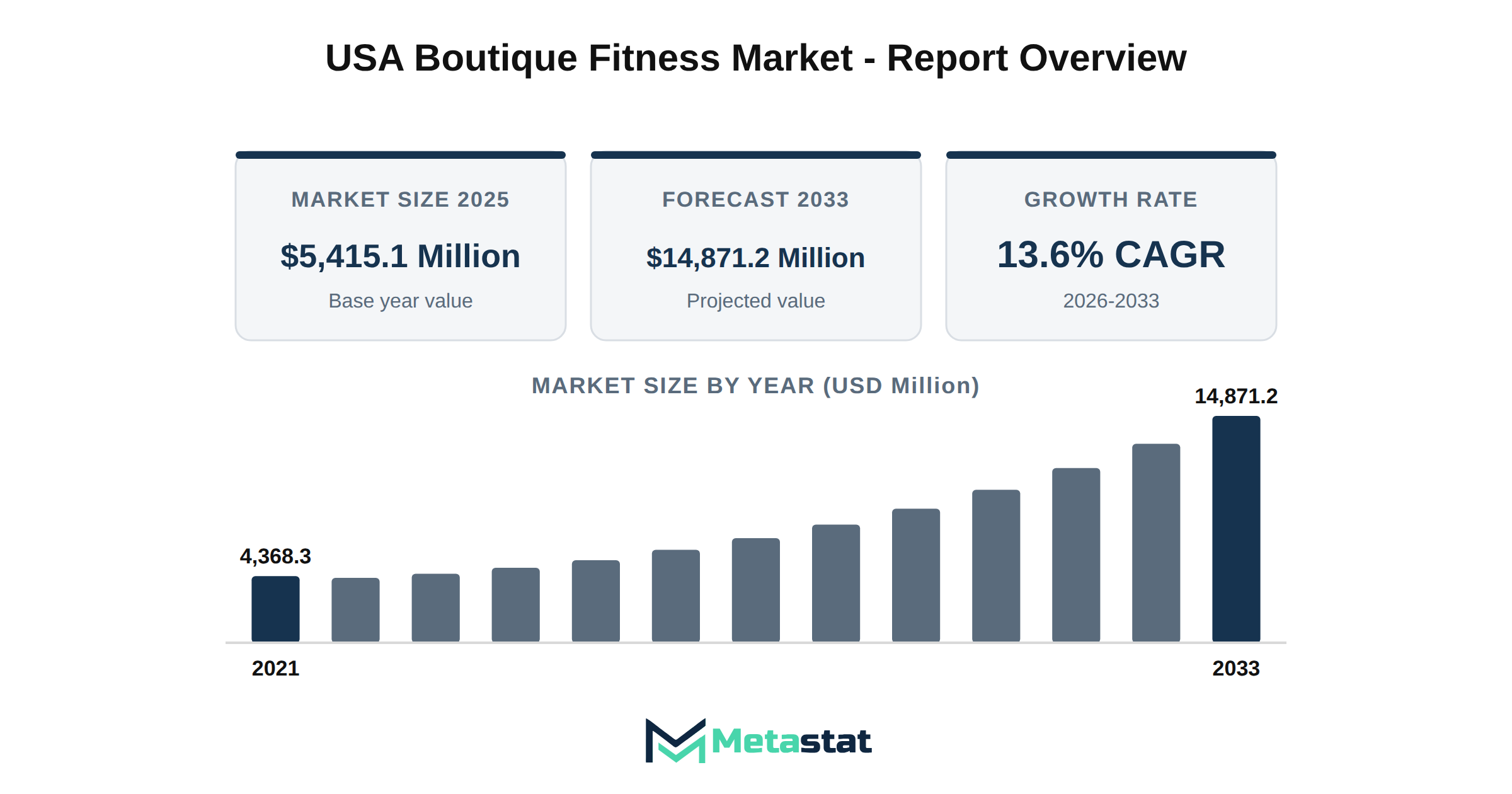
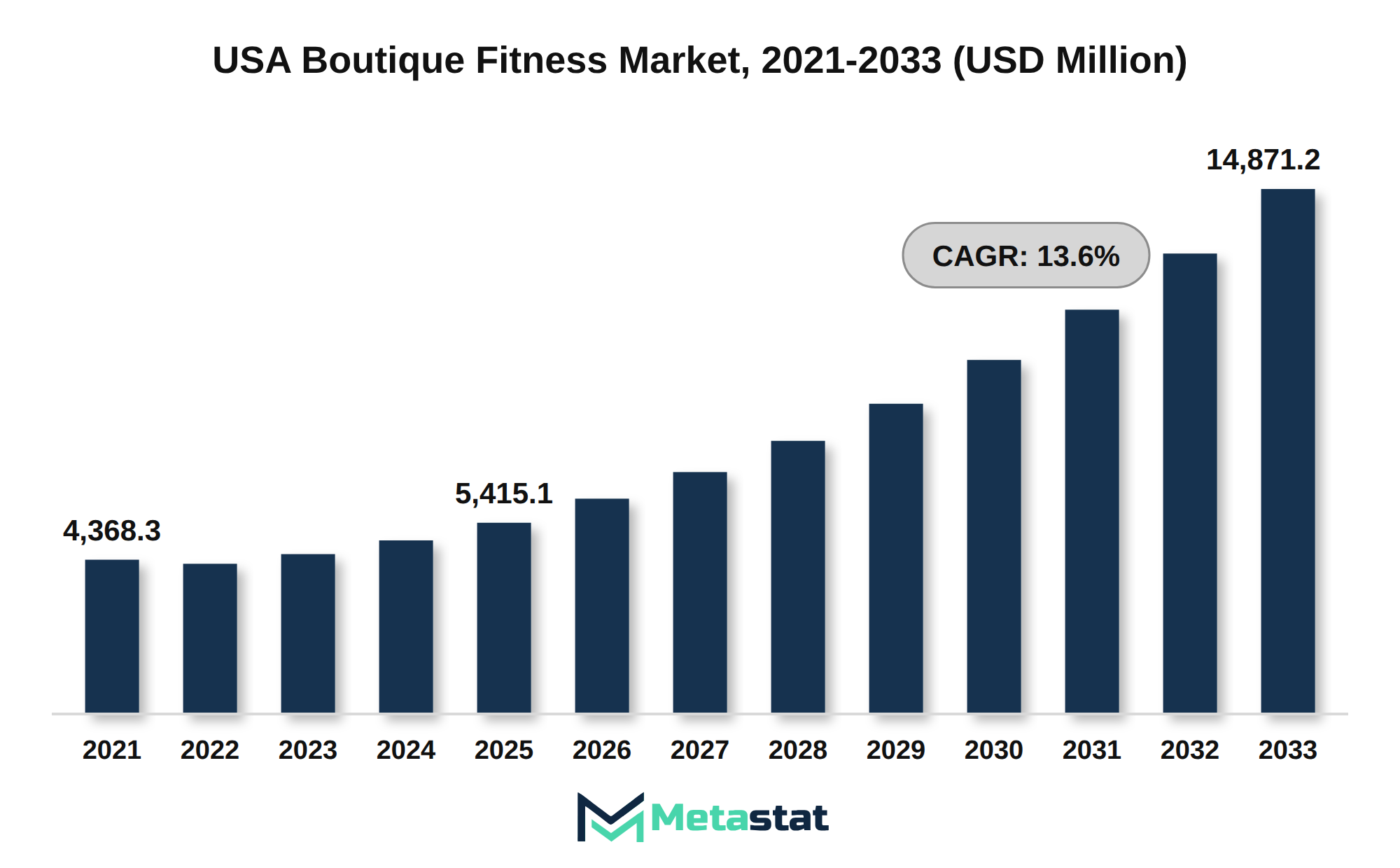
The USA Boutique Fitness market exhibited significant growth from USD 4,368.3 million in 2021 to USD 5,415.1 million in 2025. This increasing trend reflects a compound annual growth rate (CAGR) of 13.6% projected to continue through 2033, when the market is anticipated to reach USD 14,871.2 million. Rising consumer interest in fitness and wellness strongly influences this growth, with various fitness modalities gaining traction among diverse demographic groups.
Franchise models dominate the market, accounting for 59.7% of the total share, while independently owned studios represent the remaining 40.3%. The franchise segment is projected to expand from USD 3,629.7 million in 2026 to USD 8,621.3 million by 2033, reflecting a CAGR of 13.2%. Independently owned studios are expected to achieve a value of USD 6,249.9 million by 2033, with a CAGR of 14.2%. This data indicates a strong trend towards franchise opportunities, driven by established brand recognition and consumer loyalty, while independently owned facilities continue to carve out their niche.
In terms of fitness studio types, yoga studios display potential for significant growth, expanding from USD 1,373.4 million in 2026 to USD 3,302.3 million by 2033, with a CAGR of 13.4%. Pilates studios, projected to reach USD 1,996.2 million in the same year, demonstrate similar growth patterns. CrossFit boxes and spin and cycling studios represent additional segments poised for growth, reflecting broader consumer preferences towards varied fitness experiences.
Demographically, women's only studios will grow from USD 1,440.5 million in 2026 to USD 3,411.3 million by 2033, achieving a CAGR of 13.1%. Men's only studios, projected to reach USD 1,911.2 million by 2033, highlight the increasing interest in gender-specific fitness environments. Co-ed studios dominate the market, with an anticipated value of USD 8,595.8 million by the end of the forecast period, aligning with trends towards inclusivity and diverse fitness offerings.
Market dynamics will continue to evolve, leveraging advancements in technology and integration of omnichannel strategies. Aggregator platforms and booking solutions play a crucial role in enhancing customer convenience, thereby influencing pricing models. The integration of physical and digital experiences supports recovery strategies post-pandemic, allowing studios to reach a broader audience and adapt to changing consumer preferences.
Geographic strategies emphasize the importance of location in establishing a successful fitness studio. The market's growth is concentrated in urban areas, where real estate strategies focus on maximizing visibility and accessibility to potential clients. This trend highlights the necessity of aligning studio locations with demographic trends to optimize market penetration and operational efficiency.
The USA Boutique Fitness market shows a strong emphasis on studio unit economics, with operating margins varying significantly by business model. Franchise models exhibit higher margins due to established brand recognition and operational efficiencies. Independently owned studios often experience tighter margins, influenced by factors including location and local market competition. These variances in profitability highlight the importance of strategic location selection and operational management for maximizing financial performance.
Within the modality lifecycle, trends including the increasing popularity of high-intensity interval training (HIIT) and mindfulness practices like yoga indicate a shift in consumer preferences. Fitness modalities that adapt quickly to evolving trends capture higher market shares. The USA Boutique Fitness market reflects an ongoing evolution, with studios diversifying offerings to include hybrid classes that blend different training styles, catering to a broader demographic.
Aggregator and booking platform dynamics significantly influence the market landscape. The rise of digital platforms for class bookings enhances customer accessibility and convenience. Fitness studios collaborating with these platforms achieve higher visibility and increased class attendance. Competitive pricing strategies are essential for attracting and retaining members, especially in densely populated urban areas.
The integration of omnichannel strategies into the USA Boutique Fitness market supports recovery efforts post-pandemic. Studios that offer both in-person and virtual classes enhance customer engagement and retention. This hybrid approach addresses diverse consumer preferences and expands market reach, contributing to overall revenue growth.
Geographic footprint and real estate strategy play critical roles in the success of fitness studios. Urban areas with high foot traffic provide advantageous locations, facilitating access to a larger customer base. Market players increasingly consider demographic trends and local competition when selecting new sites, ensuring alignment with target audience needs and preferences.
Increasing consumer interest in health and wellness significantly influences the USA Boutique Fitness market. A growing emphasis on personal fitness and overall well-being leads to a shift toward specialized fitness experiences that attract diverse demographics. Fitness enthusiasts seek tailored offerings, resulting in higher demand for niche studios focused on unique training methodologies, including yoga and Pilates. This trend reflects broader lifestyle changes, including urbanization and the aging population's focus on maintaining active lifestyles.
The evolving buying preferences of consumers drive innovation in service offerings, pushing fitness providers to enhance their value propositions. Establishments that adapt to these preferences through personalized training programs and community-building initiatives gain competitive advantages. Consequently, this consumer-centric approach supports sustained growth across the market.
Increased participation in boutique fitness classes indicates a strong market response to consumer demands. The market's growth trajectory aligns with rising disposable incomes and increased health awareness, creating opportunities for studios to expand their customer bases. This dynamic environment enhances investment prospects and contributes to the overall financial performance of fitness businesses.
Investment in infrastructure development significantly boosts the USA Boutique Fitness market. Enhanced physical facilities and digital capacities allow fitness studios to cater to a broader clientele, creating more engaging and efficient environments. Upgrading equipment and expanding service offerings strengthens customer loyalty and attracts new members, directly influencing revenue growth.
A focus on modernizing facilities aligns with the increasing demand for advanced technological solutions. Automation and software adoption streamline operations, improve member experiences, and enhance engagement through digital platforms. These advancements enhance operational productivity, resulting in lower overhead costs and improved profit margins.
Investment in infrastructure and technology generates a competitive advantage for fitness studios. By creating appealing environments and leveraging innovative solutions, businesses adapt to shifting consumer preferences and capture market share. This strategic capital investment supports continued growth within the USA Boutique Fitness market, positioning studios for sustained success in a dynamic environment.
The USA Boutique Fitness market faces challenges due to regulatory compliance and legal mandates impacting operational flexibility. Increasing scrutiny on health and safety standards, coupled with evolving consumer protection laws, imposes additional burdens on fitness providers. These compliance hurdles require significant investment in technology and training, diverting resources from growth initiatives.
Macroeconomic headwinds, including inflationary pressures, contribute to escalating operating costs. Rising prices for equipment and services affect profitability, creating a challenging environment for both franchise and independently owned studios. Higher capital investment requirements strain financial resources, hindering expansion efforts within the market.
Supply chain disruptions create further complications for fitness businesses. Delays in the procurement of equipment and materials reduce operational efficiency, leading to potential revenue loss. Geopolitical instability increases these risks, affecting the availability of resources necessary for maintaining competitive offerings in the USA Boutique Fitness market.
Market fragmentation poses additional challenges, with diverse player strategies complicating competitive dynamics. A lack of standardization in service offerings contributes to consumer confusion, potentially slowing market adoption rates. This complexity creates barriers for new entrants, limiting overall market expansion opportunities.
Data security vulnerabilities and privacy concerns increasingly demand attention from fitness providers. With the growing reliance on technology for customer engagement and service delivery, ensuring robust cybersecurity measures is crucial for maintaining consumer trust. Addressing these vulnerabilities prevents reputational damage and financial penalties, further constraining market growth.
The USA Boutique Fitness market encounters challenges due to geopolitical fragmentation, leading to trade deficits and tariff friction. This fragmentation complicates international supply chains, affecting the procurement of equipment and materials essential for fitness studios. Increased tariffs on imported goods raise operational costs, impacting pricing strategies and profit margins across the market.
Technological disruptions further challenge the market by creating interoperability friction among various fitness technologies. Studios depend on integrated systems for operations, member engagement, and performance tracking. Incompatibilities among platforms hinder the efficient exchange of data, complicating customer experience and operational efficiency.
Workforce skill gaps present a critical concern for the market. The need for qualified trainers and staff emphasizes the importance of specialized training programs. Insufficient availability of skilled professionals restricts growth opportunities and affects service delivery in fitness establishments.
Rising input cost structures, coupled with pricing compression, pose additional challenges. The market faces pressures from escalating costs of raw materials, affecting profit margins. These financial strains compel fitness studios to reassess pricing models while striving to maintain service quality.
The evolving legal landscape introduces complexities related to compliance overhead and liabilities. Studios navigate various regulations concerning health and safety, complicating operations. These regulations demand resources for compliance, diverting attention from core business activities and impacting growth prospects.
The combination of these challenges creates a landscape of uncertainty for the USA Boutique Fitness market. Addressing these issues requires strategic planning and adaptation to maintain competitive advantage and ensure sustained growth in a rapidly changing environment.
The USA Boutique Fitness market experiences substantial opportunities through emerging trends that reshape consumer preferences and business models. A shift toward health-conscious lifestyles contributes to a surge in demand for specialized fitness services, attracting diverse demographic segments. This heightened interest aligns with the rise of digital fitness platforms that enhance accessibility to boutique fitness experiences, encouraging increased participation among various consumer groups.
Geographical expansion is significant, with boutique fitness studios penetrating urban and suburban areas, addressing the growing demand for localized fitness solutions. Regions previously underserved by traditional gyms benefit from the introduction of boutique concepts, leading to enhanced market penetration. The increasing integration of technology within fitness offerings facilitates personalized experiences, further engaging consumers and driving membership growth.
Strategic consolidation within the industry positions players for competitive advantage, allowing for the pooling of resources and expertise. Mergers and acquisitions provide access to innovative fitness technologies and a broader range of services, appealing to evolving consumer expectations. The focus on sustainability and eco-friendly practices connects with consumers, prompting studios to adopt green transformations that enhance brand appeal.
Digital procurement shifts streamline operational processes, optimizing supply chains for boutique fitness providers. These advancements improve overall efficiency and reduce costs, enabling studios to deliver superior customer experiences. The USA Boutique Fitness market presents robust potential for continued growth, fueled by these dynamic trends and strategic initiatives that align with consumer demands.
The USA Boutique Fitness market is segmented based on Business Model, Fitness Studio Type, Demographics, and Fitness Level.
Valued at USD 3,629.7 million in 2026, the Franchise Model segment is projected to reach USD 8,621.3 million by 2033, reflecting a CAGR of 13.2% during the forecast period. This growth results from a combination of solid consumer demand for personalized fitness experiences and the scalability of franchise operations, which enable rapid market entry for new brands. Franchisees benefit from established business models, comprehensive training programs, and brand recognition, which enhance customer trust and retention.
Adoption of the franchise model within the USA Boutique Fitness market is driven by the increasing popularity of fitness because a lifestyle choice among diverse demographics. The ability of franchise brands to offer unique fitness concepts, including specialized studio formats and community-focused environments, supports consumer engagement and loyalty. The model encourages collaboration among franchisees, promoting shared best practices and innovation in service offerings.
Market expansion catalysts include the growing prevalence of health-conscious consumers and the rising emphasis on wellness-oriented lifestyles. Franchise operators actively adapt to evolving consumer preferences by integrating technology in their services, including fitness tracking applications and virtual class offerings. This technological maturation enhances customer experience and engagement, ultimately attracting a broader client base.
Downstream applications of the franchise model extend to collaboration with nutrition and wellness brands, enhancing overall client offerings and increasing revenue streams. The influx of investment into franchise fitness concepts further supports growth, because new entrants and established players seek to capitalize on emerging trends. Cost structures remain competitive, driven by economies of scale and streamlined operations, allowing franchisees to maintain healthy profit margins.
The Franchise Model segment significantly contributes to the USA Boutique Fitness market, demonstrating growth potential driven by consumer demand, innovative service offerings, and effective operational strategies. The projected trajectory highlights the importance of this segment in shaping the future of the fitness industry.
Growth in the Independently Owned segment reflects a shift in consumer preferences towards personalized and unique fitness experiences within the USA Boutique Fitness market. This trend arises from a rising demand for tailored training options and a growing emphasis on community-oriented fitness environments. Operators in this segment benefit from the flexibility to adapt offerings quickly in response to localized market conditions and customer feedback.
Estimates indicate the Independently Owned segment is projected to reach USD 6,249.9 million by 2033, at a CAGR of 14.2% during the forecast period. Growth derives from increasing interest among fitness enthusiasts for specialized workouts that cater to specific demographics and fitness levels. The focus on community-building within independently owned studios enhances customer loyalty, driving repeat memberships and referrals.
Investment in innovative fitness concepts and technological enhancements serves because a catalyst for expansion within the segment. The integration of advanced fitness tracking technologies and personalized training programs attracts a broader audience, including beginners and specialized groups. These advancements contribute to the overall appeal of independently owned studios, positioning them favorably against traditional gym models.
Competitive dynamics within the market spur independently owned studios to differentiate their offerings further. Unique programming and specialized training methods, including yoga, Pilates, and kids’ fitness classes, provide avenues for growth and diversification. This adaptation supports sustained interest and engagement among diverse customer bases, enhancing the segment's position within the broader USA Boutique Fitness market.
While consumer preferences evolve, the Independently Owned segment remains well-positioned to capitalize on emerging trends, including an increasing focus on mental health and wellness. This alignment with contemporary health priorities enhances the segment’s relevance and attractiveness, allowing it to thrive amid competitive pressures and market fluctuations.
Significant growth characterizes the Yoga Studios segment within the USA Boutique Fitness market. Valued at USD 1,373.4 million in 2026, this segment is projected to reach USD 3,302.3 million by 2033, at a CAGR of 13.4% during the forecast period. The increasing popularity of yoga for its physical and mental benefits fuels demand among diverse demographics, particularly among women and individuals seeking wellness solutions. This rising consumer interest supports the expansion of studios offering various yoga styles, catering to distinct preferences and skill levels.
While studios evolve, technological advancements play a crucial role in enhancing the customer experience. Digital class offerings, virtual training options, and app integrations facilitate accessibility and engagement, appealing to a broader audience. The focus on creating welcoming and inclusive environments attracts new practitioners and encourages long-term memberships, contributing to steady revenue streams.
Competitive dynamics within the market lead to strategic partnerships and collaborations among studios, enhancing brand visibility and customer acquisition. The shift towards mindfulness and health aligns with broader trends, positioning yoga studios favorably within the USA Boutique Fitness market. Continuous adaptation to consumer preferences and market trends drives sustained growth in the segment.
Growth in the Pilates Studios segment reflects a shift toward specialized fitness offerings, with a strong demand for low-impact, strength-building workouts. Increasing awareness of the benefits of Pilates, including improved flexibility, core strength, and rehabilitation support, fuels interest among health-conscious consumers. The segment is projected to reach USD 1,996.2 million by 2033, at a CAGR of 13.4% during the forecast period.
Innovations in equipment and workout methods enhance the appeal of Pilates Studios, contributing to their expansion. Emerging trends, including the integration of technology in classes and tailored sessions for diverse demographics, drive consumer engagement and retention. This focus on personalization creates a favorable environment for growth within the USA Boutique Fitness market.
Competition within the market intensifies owing to new entrants emerging, alongside established brands enhancing their offerings. Strategic partnerships and collaborations among fitness brands and wellness influencers play a significant role in attracting new clientele. An increasing number of wellness-focused consumers seeks comprehensive fitness experiences, prompting Pilates Studios to expand their service offerings.
Continued investment in marketing and community outreach strengthens brand visibility, encouraging customer loyalty. Demand for Pilates Studios aligns with broader fitness trends emphasizing overall wellness and functional fitness, positioning this segment favorably within the larger USA Boutique Fitness market.
Growth in the CrossFit Boxes segment reflects increasing consumer demand for high-intensity training options. The popularity of fitness programs that promote community engagement and competition drives this demand, appealing to a diverse demographic of fitness enthusiasts. Rising health awareness influences individuals to seek effective workout regimes that align with their fitness goals, propelling CrossFit's appeal.
The CrossFit Boxes segment is expected to reach USD 1,637.6 million by 2033. This growth results from the segment's unique business model, which emphasizes community and accountability among members. The continuous evolution of training methodologies and equipment enhances the attractiveness of these facilities, encouraging new member sign-ups.
Technological advancements play a vital role in shaping CrossFit's growth trajectory. Innovations in fitness tracking, app integration, and virtual training options add value to the member experience, creating opportunities for engagement beyond the gym. This trend enables CrossFit Boxes to differentiate themselves in a competitive market, catering to a tech-savvy clientele.
Regulatory compliance standards influence operational practices within the segment. Adherence to health and safety guidelines ensures a safe environment for members, building trust and long-term loyalty. The focus on maintaining high standards aligns with consumer expectations, further enhancing the segment's reputation in the broader USA Boutique Fitness market.
CrossFit Boxes exhibit resilience in supply chain management and raw material sourcing, which supports consistent equipment availability and facility maintenance. Strategic planning around these factors minimizes disruptions and enhances operational efficiency, contributing to sustained growth in the segment.
Strong demand for fitness solutions drives growth in the Spin and Cycling Studios segment of the USA Boutique Fitness market. This segment is projected to grow at a CAGR of 13.8% during the forecast period. Factors contributing to this expansion include increased awareness of fitness and wellness, coupled with the popularity of group cycling classes. The shift towards engaging, community-driven workout environments enhances member retention and attracts new clientele. Rising urbanization and busy lifestyles prompt individuals to seek efficient workout options, which these studios effectively provide.
Technological advancements within the spin and cycling segment enhance customer experience, driven by studios increasingly adopting interactive cycling equipment and virtual classes that offer engaging workouts. This evolution supports the segment's appeal to a diverse demographic, attracting both fitness enthusiasts and newcomers alike. The market benefits from strategic partnerships and collaborations with fitness influencers and brands, increasing visibility and attracting a broader audience.
Competition within the market intensifies, prompting studios to differentiate their offerings through innovative class formats and tailored fitness experiences. Pricing strategies significantly influence consumer choices, influenced by studios balancing affordability with premium offerings. The ability to adapt to changing consumer preferences and maintain quality service proves essential for success within the segment.
Investment in marketing and community engagement initiatives is essential for maintaining customer loyalty and driving growth. Positive endorsements from satisfied clients further enhance the studios' reputation, encouraging word-of-mouth referrals. While the USA Boutique Fitness market evolves, the Spin and Cycling Studios segment stands ready to capitalize on these trends, reinforcing its position in the fitness industry.
Growing interest in high-intensity interval training (HIIT) significantly shapes the USA Boutique Fitness market. The segment attracts fitness enthusiasts seeking efficient workouts that maximize health benefits in shorter durations. This demand is driven by lifestyle changes, with individuals increasingly prioritizing fitness solutions that align with busy schedules. HIIT studios emphasize community engagement and motivation, appealing to consumers who prefer group workout settings.
Technological advancements play a crucial role in this segment, facilitating the integration of wearable fitness technology and mobile applications that enhance training effectiveness. The rise of fitness tracking devices supports consumer engagement, enabling users to monitor progress and achieve fitness goals. This technological maturation enhances the overall experience within HIIT studios, encouraging member retention and attracting new participants.
Market expansion opportunities arise from shifting consumer preferences toward functional fitness, supported by awareness campaigns highlighting the health benefits of HIIT. More individuals recognize the importance of physical activity in maintaining overall well-being. Studios focusing on HIIT capitalize on this trend, enhancing offerings to attract a broader demographic. The demand for diverse workout options, including specialized classes within the HIIT framework, provides a strategic opportunity for studios to differentiate themselves in a competitive market.
Pricing dynamics within the segment reflect the premium nature of HIIT classes, often commanding higher fees compared to traditional fitness offerings. This pricing structure reflects the value perceived by consumers who seek effective and engaging workout experiences. Competition within the market encourages innovation and enhanced service offerings, driving studios to adopt unique training methodologies and community-building initiatives.
Continued interest in fitness solutions supports consistent growth within the HIIT studio segment. Emerging trends, including the incorporation of nutrition guidance and mental wellness programs, align with the preferences many consumers now favor in their fitness journeys. The USA Boutique Fitness market stands ready to adapt to these evolving consumer demands, with HIIT studios well-positioned to capitalize on this momentum.
Consumer preferences shift toward Dance Studios within the USA Boutique Fitness market, driven by a growing appreciation for diverse forms of physical expression and fitness. Increased interest in dance-based workouts reflects broader trends in health approaches that prioritize enjoyment in fitness routines. This segment appeals to various demographics, enhancing participation rates and creating a lively community environment.
The expansion of Dance Studios aligns with trends toward experiential fitness, where individuals seek not only physical benefits but engaging social interactions and creative outlets. This evolution in consumer expectations drives innovation in class offerings and studio environments, pushing operators to enhance service delivery and member experience.
Technological advancements shape the operations of Dance Studios, with digital platforms facilitating class bookings, community engagement, and tailored fitness experiences. These developments enable studios to adapt to consumer needs swiftly and improve retention rates, contributing to overall market growth. Integration of technology into the fitness experience aligns with the broader digital transformation seen across the USA Boutique Fitness market.
While competition intensifies within the segment, Dance Studios differentiate through unique offerings and distinctive branding strategies. The emergence of boutique-style studios that focus on specialized dance forms creates a niche market, attracting enthusiasts who seek dedicated environments that reflect their interests and preferences.
Consumer preferences increasingly lean towards specialized fitness experiences, positioning barre studios because a desirable option within the USA Boutique Fitness market. These establishments cater to individuals seeking low-impact, high-energy workouts that promote flexibility and strength. The growing popularity of barre workouts generates substantial interest, particularly among demographics prioritizing fitness and wellness.
Expansion in the barre studios segment benefits from a variety of factors, including rising consumer health consciousness and shifts in workout preferences. The market sees significant adoption driven by an increasing number of fitness enthusiasts looking for engaging and community-driven experiences. This trend enhances the appeal of barre classes, which often emphasize a strong sense of community and personalized instruction.
Technological advancements play a critical role in the evolution of barre studios, with many establishments integrating digital platforms for class scheduling and virtual sessions. This technological maturation allows studios to reach a broader audience and improve customer engagement, ultimately enhancing their position in the market. Innovations in workout methodologies, equipment, and class formats further enhance the attractiveness of barre studios to potential clients.
The expansion of barre studios aligns with broader consumption shifts in the fitness industry, where individuals seek innovative and varied workout options. This segment benefits from strategic opportunity windows that arise from evolving fitness trends, presenting a promising avenue for future growth. Key players in the USA Boutique Fitness market recognize the importance of investing in barre offerings, which contributes positively to overall market dynamics.
Barre studios face unique cost structures and pricing challenges that influence their profitability and operational strategies. Maintaining a balance between competitive pricing and quality service remains essential. This segment's ability to adapt to market changes ensures resilience in the face of economic pressures, thereby reinforcing its place within the USA Boutique Fitness market.
Increasing interest in fitness-related activities drives demand for Boxing and Kickboxing Studios, contributing to the expansion of the USA Boutique Fitness market. The appeal of boxing workouts stems from their effectiveness in enhancing physical strength, conditioning, and self-defense skills, attracting a diverse clientele.
Adoption of this fitness type accelerates due to its accessibility and the growing trend towards varied workout routines. Fitness enthusiasts increasingly seek dynamic and engaging sessions, reflecting a shift towards high-energy environments that Boxing and Kickboxing Studios provide. This segment effectively caters to individuals desiring both fitness and an engaging, competitive experience.
Segment expansion gains momentum from advancements in training techniques and equipment. Innovative training methodologies, including technology for performance tracking and personalized coaching, enhance the overall experience for participants. This evolution allows Boxing and Kickboxing Studios to differentiate themselves in the market and attract a wider audience.
While more consumers prioritize health and fitness, the demand for unique and effective workout options fuels growth within this segment. The market benefits from a demographic shift, with individuals seeking varied fitness experiences beyond traditional gym offerings. This trend positions Boxing and Kickboxing Studios favorably to capture the attention of a broader consumer base.
Increased awareness of health benefits associated with boxing and kickboxing further supports segment growth. These activities not only improve physical fitness but contribute to mental well-being, appealing to consumers focused on comprehensive health approaches. The growing emphasis on mental wellness reinforces the attractiveness of Boxing and Kickboxing Studios within the USA Boutique Fitness market.
Valued at USD 1,440.5 million in 2026, the Women's Only Studios segment is projected to reach USD 3,411.3 million by 2033, at a CAGR of 13.1% during the forecast period. The increasing recognition of women-specific fitness needs drives demand for dedicated spaces, creating a sense of community and safety. This segment benefits from evolving consumer preferences, with women seeking environments tailored to their unique fitness goals and challenges. Lifestyle changes that emphasize wellness position studios catering exclusively to women to capture a growing market share. The USA Boutique Fitness market reflects a broader trend toward inclusive fitness solutions, where targeted offerings enhance customer engagement and loyalty.
The expansion of Women's Only Studios aligns with demographic shifts that highlight the importance of tailored fitness experiences. Growing awareness of health and wellness among women contributes to rising participation in fitness activities. Marketing strategies focusing on empowerment and inclusivity play a crucial role in attracting new members. The segment's growth trajectory indicates robust potential within the USA Boutique Fitness market, driven by a combination of social dynamics and an increasing emphasis on personalized fitness solutions. Franchise models within this segment show particular promise, expanding access to women-focused fitness options across diverse regions.
Valued at USD 1,911.2 million by 2033, the Men's Only Studios segment experiences a robust CAGR of 13% during the forecast period. This segment attracts male clients seeking tailored fitness experiences, aligning with the growing demand for specialized services within the USA Boutique Fitness market. Increased awareness around health and wellness drives more men to engage in fitness activities that cater to their needs, promoting growth in this segment.
Expansion catalysts for Men's Only Studios include the rise of community-focused environments that encourage camaraderie among male participants. These studios provide unique programming, including strength training and conditioning, enticing men who have previously felt uncomfortable in traditional co-ed settings. This trend illustrates a shift in consumer preferences towards inclusive spaces that address specific demographic needs.
Technological maturation enhances operational efficiencies and training methodologies within this segment. Innovations in fitness technology, including wearable devices and interactive platforms, provide clients with personalized insights into their performance and progress. These advancements improve the user experience, promoting loyalty and encouraging ongoing patronage.
Men's Only Studios benefit from supportive marketing strategies that connect with the target demographic, effectively addressing their preferences and lifestyle. Such strategies promote strength, resilience, and fitness goals, appealing directly to male clients. This targeted approach enhances engagement and retention rates, further reinforcing the segment’s position within the broader market.
The Men's Only Studios segment in the USA Boutique Fitness market presents considerable growth potential driven by evolving consumer preferences, innovative technologies, and targeted marketing efforts. This alignment of factors contributes to a promising outlook for the segment through 2033.
Growing interest in inclusive fitness options drives expansion within the Co-Ed Studios segment, targeting diverse clientele seeking a communal exercise experience. This segment's appeal lies in its ability to cater to various demographics, allowing for a broader customer base. Valued at USD 8,595.8 million by 2033, the segment reflects consistent demand for fitness solutions that accommodate individuals of all genders and backgrounds. The USA Boutique Fitness market recognizes the significance of co-ed environments in fostering community and collaboration among fitness enthusiasts.
Increased accessibility to fitness facilities enhances participation rates, particularly among individuals seeking a supportive workout atmosphere. The rise in co-ed studios aligns with shifting consumer preferences towards environments that promote inclusivity and social interaction. Evolving fitness trends highlight co-ed studios because an essential component of the USA Boutique Fitness market, contributing to the overall growth and diversification of fitness offerings available to consumers.
Growth projections for Kids and Family Studios within the USA Boutique Fitness market indicate a CAGR of 14% during the forecast period. This segment benefits from increasing parental prioritization of children's health and wellness, which drives demand for tailored fitness programs. Facilities focusing on family-oriented activities enhance community engagement, appealing to modern family dynamics. Adoption of innovative fitness solutions, including interactive classes and technology-enhanced experiences, supports segment expansion. Investment in specialized programs addresses the rising interest in comprehensive development for children, promoting a healthier lifestyle from a young age.
By 2033, the segment is expected to contribute significantly to the overall market, with estimates highlighting its role in shaping fitness trends for younger demographics. The market responds to shifting consumer preferences, balancing education and fitness. Establishments that provide an inclusive atmosphere for both kids and families strengthen brand loyalty and expand market reach, which enhances competitive positioning in the USA Boutique Fitness market.
Valued at USD 1,883 million in 2026, the Beginner Studios segment is projected to reach USD 4,367.3 million by 2033, at a CAGR of 12.8% during the forecast period. Growing interest in beginner-level fitness activities drives demand for tailored offerings within this segment. New entrants and existing players in the USA Boutique Fitness market continuously develop programs that cater to individuals seeking introductory fitness experiences. Increased focus on health and wellness has led to a surge in participation rates among those new to fitness, with studios providing supportive environments that encourage engagement.
Technological advancements in fitness tracking and personalized coaching enhance the appeal of Beginner Studios. Integration of digital platforms allows for effective access to resources, enabling participants to track their progress effectively. The rise of community-driven fitness models builds social connections among beginners and promotes retention rates, leading to enhanced membership growth. This segment benefits from strategic partnerships with health organizations that support beginner fitness initiatives, further driving participation.
Attention to cost structures and pricing strategies in this segment ensures accessibility for a broader audience. Competitive pricing models and promotional offers attract individuals wary of commitment, encouraging trial memberships. While the segment evolves, it presents significant opportunities for growth, creating a foundation for investment in innovative fitness solutions. The focus on providing a welcoming and inclusive atmosphere positions Beginner Studios because a vital component of the USA Boutique Fitness market.
Growing interest in advanced fitness experiences drives expansion within the Intermediate/Advanced Studios segment. This segment focuses on individuals seeking higher levels of fitness training, catering to those who have progressed beyond beginner stages. The increasing popularity of specialized training programs contributes to heightened consumer engagement and retention. Intermediate/Advanced Studios provide an opportunity for fitness enthusiasts to enhance their skills and achieve their fitness goals in a structured environment.
Intermediate/Advanced Studios segment is estimated to reach USD 7,485.5 million by 2033, at a CAGR of 13.8% during the forecast period. The market benefits from various factors, including an increasing demand for high-quality fitness instruction and personalized training experiences. Technological advancements in fitness equipment and training methods support the evolution of service offerings in this segment, allowing studios to attract a diverse clientele.
Growing awareness of health and wellness further fuels the demand for Intermediate/Advanced Studios. Consumers increasingly seek fitness options that align with their lifestyle choices, emphasizing the importance of quality and expertise in fitness instruction. This trend positions the Intermediate/Advanced Studios segment because a significant contributor to the overall growth of the USA Boutique Fitness market.
Increasing interest in tailored fitness experiences drives growth in the Specialized Studios segment. This segment, which targets specific fitness niches, offers unique training programs that appeal to diverse consumer needs. The USA Boutique Fitness market has experienced a surge in demand for such studios, reflecting a broader trend toward personalization in fitness offerings.
Market participants are expanding their offerings to include specialized classes that cater to distinct demographics and fitness levels. The focus on unique training modalities, including aerial yoga and high-intensity boxing, enhances customer engagement and retention. Specialized Studios are projected to reach USD 3,018.4 million by 2033, illustrating their significance in the market.
Consumer preferences increasingly favor specialized training, leading to strong competition among fitness providers. This dynamic environment encourages innovation in training methodologies and class formats. Enhanced marketing strategies targeting specific lifestyle choices contribute to segment growth within the USA Boutique Fitness market.
Strategic investments in specialized equipment and training programs further strengthen market presence. Providers are exploring partnerships with fitness technology firms to incorporate next-generation upgrades, including virtual classes and personalized training apps. These advancements cater to the growing demand for convenience and accessibility in fitness regimes.
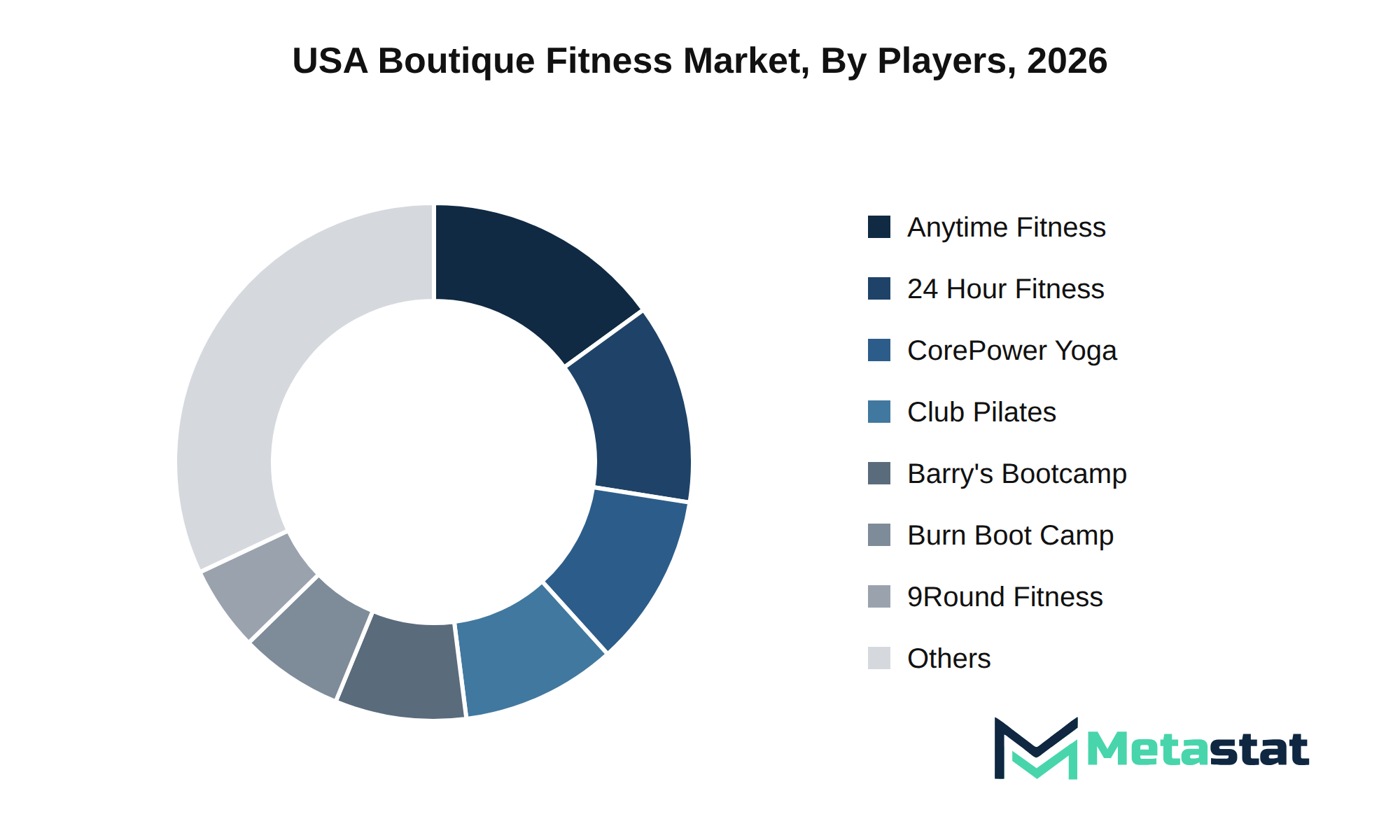
The USA Boutique Fitness market features a diverse array of players employing various strategies to maintain and enhance market position. Companies including 24 Hour Fitness, Anytime Fitness, and Orangetheory Fitness implement aggressive go-to-market strategies, focusing on brand differentiation and customer engagement to drive retention and loyalty. These companies apply advanced marketing techniques and targeted campaigns to attract diverse demographic segments.
Franchise models dominate the competitive landscape, with firms including Club Pilates and Barry's Bootcamp leveraging this structure to expand across North America. Independently owned studios, including CorePower Yoga and YogaSix, generate significant interest by focusing on niche markets and specialized fitness offerings, catering to specific consumer preferences. This segmentation creates a dynamic environment, with new entrants disrupting traditional business models and creating opportunities for innovation and adaptation.
Strategic alliances and partnerships enhance the competitive stance of various players. Companies like Equinox Group and Peloton engage in collaborations that extend their reach and integrate complementary services. The emphasis on proprietary technology and digital offerings provides a competitive advantage, allowing firms to differentiate themselves in a crowded market. The future competitive outlook indicates ongoing growth driven by evolving consumer preferences, technological advancements, and changing fitness trends.
Market size is forecast to rise from USD 5,415.1 million in 2025 to over USD 14,871.2 million by 2033. The base case indicates a growth trajectory from USD 5,415.1 million in 2025 to USD 14,871.2 million by 2033 at a 13.6% CAGR. Potential scenarios include a bull case, where accelerated demand driven by evolving consumer preferences and increased participation in fitness activities could lead to even higher growth rates. Conversely, a bear case, influenced by economic downturns or regulatory challenges, restricts market expansion.
Structural changes in consumer behavior, influenced by macroeconomic conditions, will impact downstream demand across the USA Boutique Fitness market. Increased health consciousness and a shift towards personalized fitness solutions drive growth, while competition from traditional gyms and budget fitness options poses challenges. The integration of next-generation technology, including wearable fitness trackers and virtual fitness classes, enhances user experience and expands engagement, leading to higher retention rates.
Investment in infrastructure and strategic capital allocations support growth in the market. Regulatory evolution, including compliance with health and safety standards, shapes operational frameworks. Geopolitical realignments and shifting trade corridors could alter supply chain dynamics, creating opportunities for localized fitness studios to thrive. Executive-level strategic imperatives focusing on innovation and consumer engagement guide future growth recommendations.
The report strategically identifies and profiles the key market players and analyses their core competencies in each sub-segment of the Boutique Fitness market.
|
Report Attributes |
Details |
|
Study Period |
2021-2033 |
|
Base Year |
2025 |
|
Estimated Year |
2026 |
|
Forecast Period |
2026-2033 |
|
Historical Period |
2021-2025 |
|
Growth Rate |
CAGR 13.6% from 2026 to 2033 |
|
Revenue Unit |
USD million |
|
Segmentation |
By Business Model, Fitness Studio Type, Demographics, Fitness Level, and Region |
Find answers to common questions about this report
The Boutique Fitness market size in the USA was valued at USD 5,415.1 million in 2025.
The Boutique Fitness market is projected to grow at a CAGR of 13.6% during the forecast period from 2026 to 2033.
The Co-Ed Studios segment leads the USA Boutique Fitness market, with a projected value of USD 8,595.8 million by 2033. This figure surpasses other demographic segments, indicating strong demand in this category.
Increasing consumer interest in health and wellness drives the USA Boutique Fitness market. The shift towards specialized fitness experiences attracts diverse demographics, while rising disposable incomes and health awareness create opportunities for studios to expand their customer bases. Enhanced infrastructure and technology investments further support growth by improving operational efficiency and member experiences.
The USA Boutique Fitness market growth faces several restraints, including regulatory compliance challenges and increasing operational costs driven by inflation. Supply chain disruptions and geopolitical fragmentation further complicate equipment procurement and operational efficiency, while workforce skill gaps limit service delivery capabilities. These factors collectively hinder expansion opportunities within the market.
Increasing consumer interest in health and wellness drives product adoption in the USA Boutique Fitness market. The emphasis on personalized fitness experiences and overall well-being attracts diverse demographics, while rising disposable incomes and health awareness create opportunities for studios to expand their customer bases.
The Boutique Fitness market is estimated to reach a valuation of USD 14,871.2 million by 2033.
Key players in the USA Boutique Fitness market include 24 Hour Fitness, Anytime Fitness, Barry's Bootcamp, Club Pilates, Equinox Group, Orangetheory Fitness, and Peloton.
North America leads the USA Boutique Fitness market, capturing a significant share due to its established fitness culture and a large number of boutique studios.
Opportunities in the USA Boutique Fitness market include expanding offerings in specialized fitness formats and enhancing digital engagement strategies to attract diverse demographics.
The analysts below cover Consumer Goods research at Metastat Insights.
LEAD ANALYST
Utkarsh Khirodkar is a Lead Market Research Analyst at MetaStat Insight, specializing in market intelligence, technology sector assessments, and competitive strategy.
The technical breakdown of ISO 20022 migration readiness across correspondent banking corridors was remarkably thorough. Rather than treating cross-border corporate payments as a single block, the report drew a useful distinction between multilateral netting platforms and domestic instant payment rails across ASEAN economies. MetaStat Insight highlighted regulatory constraints on foreign exchange liquidity management that many publications gloss over. The research material offered practical clarity for our platform development roadmap.
Our group needed clearer visibility into out-of-autoclave processing timelines for high-temperature thermoplastic composites. MetaStat Insight delivered an objective assessment that contrasted automated fiber placement scrap rates with traditional thermoset prepreg layup cycles. The supplier landscape mapped out primary resin suppliers and tape slitting capacity across France, Germany, and Japan with solid technical accuracy. Their analyst handled our questions on precursor supply risks during an unscheduled inquiry call, providing clear, unembellished context.
Evaluating sensor fusion reliability across harsh operating environments can be tricky without field-validated data. The study on agricultural autonomous guidance systems clearly separated stereo vision setups from automotive-grade solid-state LiDAR. We appreciated the regional infrastructure analysis, specifically around RTK network density across North America and South America. During our follow-up consultation, the MetaStat Insight team walked through tier-two perception software partnerships, giving our engineering leads a practical basis for vendor shortlisting.
Explore related market intelligence reports worth reading alongside this one.