
Discover seven critical questions buyers should ask when evaluating image sensor suppliers to enhance procurement decisions effectively.
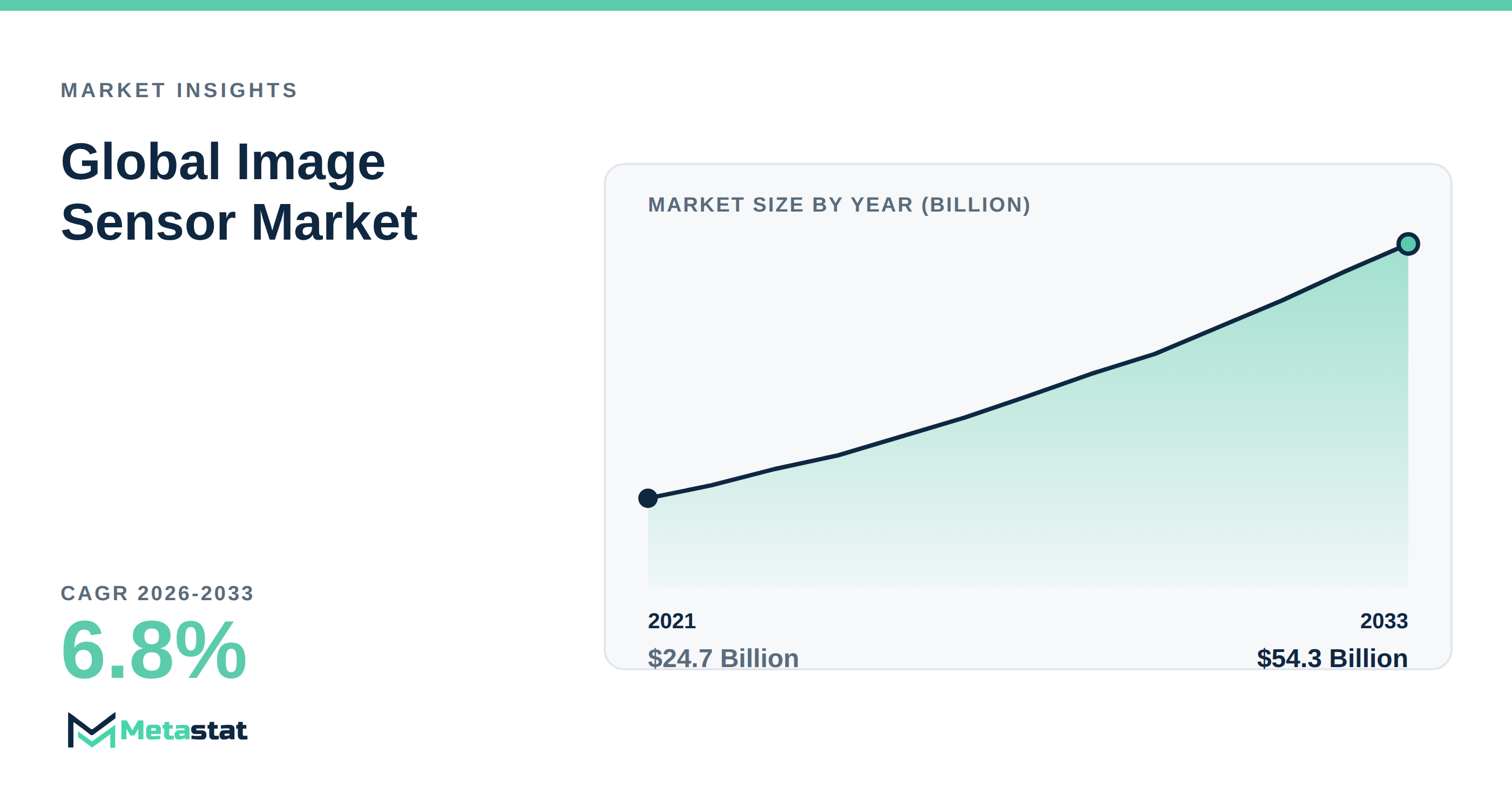
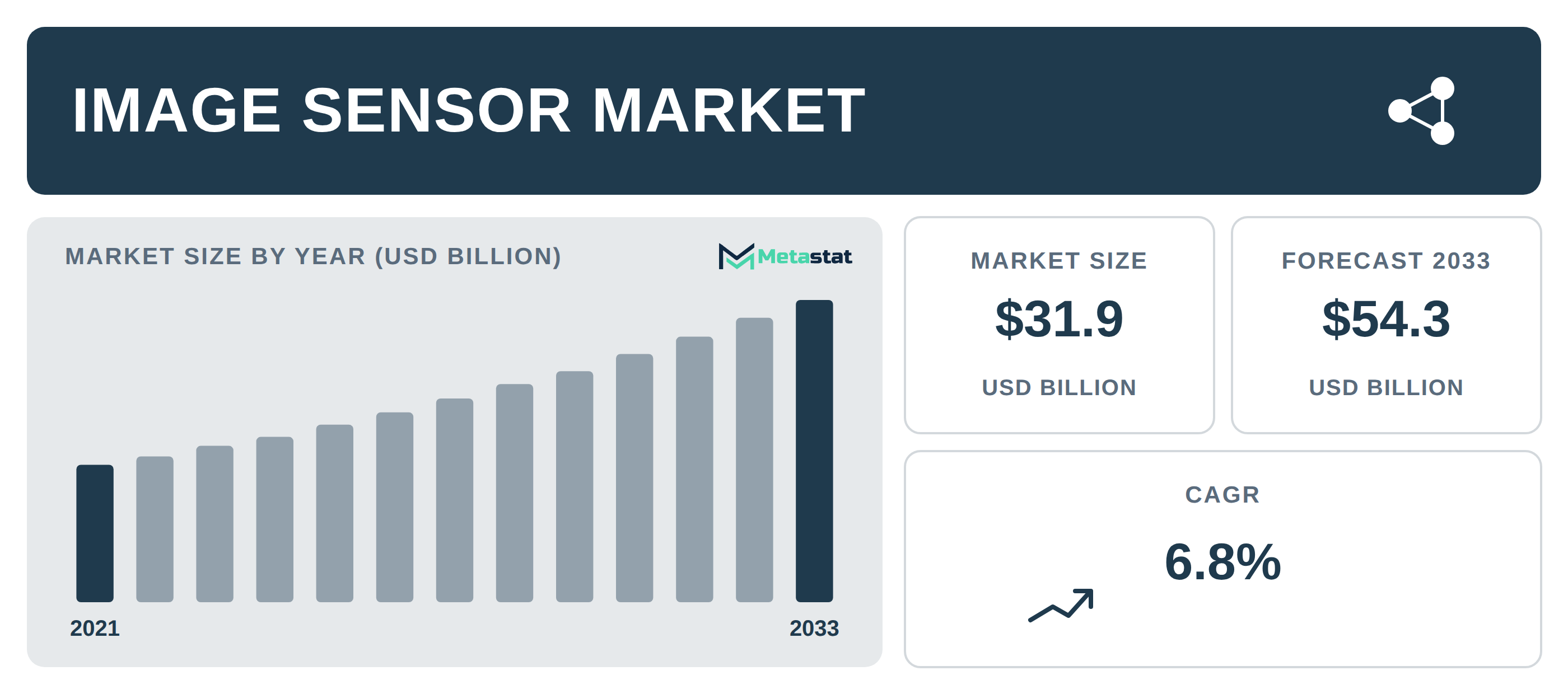
In the evolving field of imaging technology, buyers seeking image sensor solutions engage suppliers with a strategic mindset. Understanding the specific capabilities and advancements that suppliers offer is crucial. Are seven essential questions to consider when evaluating Image Sensor suppliers. The full figures are in our Image Sensor market size and forecast report.
1. What advancements do your image sensors offer in low-light conditions?
Low-light performance significantly impacts applications, especially in consumer electronics and the automotive sector. Buyers should inquire about how suppliers enhance their sensors' ability to capture clear images in dim settings. Suppliers should detail their use of technologies, including stacked CMOS or advanced processing techniques that optimize image quality. This understanding influences purchasing decisions, particularly for sectors prioritizing safety and usability in various environments.
2. How does your technology integrate with current devices?
Compatibility with existing systems holds importance for manufacturers. Buyers should explore how image sensor solutions integrate smoothly with the latest consumer electronics or automotive technologies. Suppliers should provide insights into their sensors' adaptability, particularly for advanced driver-assistance systems (ADAS). Grasping compatibility not only affects operational efficiency but informs long-term investment strategies.
3. Can you share your roadmap for future technology developments?
Market dynamics shift continuously, and innovation is vital for maintaining a competitive edge. Buyers should request a clear overview of the supplier's technology roadmap, including upcoming features and improvements. Suppliers prioritizing research and development signal a commitment to evolving industry demands. This foresight remains essential for buyers planning future product releases and technology integrations.
4. What pricing models do you offer for bulk purchases?
Pricing structures significantly impact budget planning and procurement strategies. Buyers should investigate suppliers' pricing models, focusing on bulk orders. Many suppliers provide tiered pricing based on order volume or long-term contracts for a consistent supply. Understanding how these models align with budgetary constraints informs purchasing power and negotiation strategies.
5. How do you ensure the longevity and reliability of your image sensors?
Durability and performance over time are vital considerations for buyers. Inquire about the testing and quality assurance processes suppliers employ to ensure their image sensors withstand various operating conditions. Suppliers should explain their methodologies for ensuring longevity, particularly relevant in automotive and industrial applications where reliability is critical.
6. What support do you provide for integration and troubleshooting?
Effectively integrating image sensors into devices often confronts technical challenges. Buyers should inquire about the level of support and resources suppliers offer for integration and troubleshooting. This includes documentation, technical assistance, and training. Suppliers that provide comprehensive support enhance customer satisfaction and product functionality, ultimately impacting brand loyalty.
7. What are your strategies for managing supply chain disruptions?
Supply chain stability remains a concern in the current global economy. Understanding how suppliers address potential disruptions informs buyers' risk management strategies. Suppliers should discuss their inventory management practices, sourcing strategies, and contingency plans. This transparency builds confidence in the supplier's reliability and adaptability during uncertain times.
Engaging thoughtfully with Image Sensor suppliers significantly enhances the buyer's capability to procure high-quality solutions that meet operational needs. Each question helps clarify the supplier's commitment to quality, innovation, and customer service, critical factors in today’s competitive environment.
Tags
About the Authors

LEAD ANALYST
Utkarsh Khirodkar is a Lead Market Research Analyst at MetaStat Insight, specializing in market intelligence, technology sector assessments, and competitive strategy.

PRINCIPAL CONSULTANT - ENTERPRISE AI & EMERGING TECHNOLOGIES
Banking & Finance · Electronics and Semiconductor · Energy and Power · Healthcare IT · Information & Technology · Professional Services
Vijay Gunti is a Principal Consultant at MetaStat Insight, bringing over two decades of experience across enterprise digital transformation, technology strategy, and intelligent systems.

PRINCIPAL CONSULTANT - QUALITY SYSTEMS & COMPLIANCE
Electronics and Semiconductor · Machinery & Equipment · Professional Services
Omkar Phadtare is an Industry Consultant at MetaStat Insight, specializing in quality systems, regulatory compliance, and standards benchmarking to drive data-driven market intelligence and strategic industry research.

ENERGY & INFRASTRUCTURE INDUSTRY CONSULTANT
Automotive and Transportation · Electronics and Semiconductor · Energy and Power · Machinery & Equipment
Saurabh Vasant Ganvir consults for Energy & Infrastructure Industry at MetaStat Insight, specializing in renewable energy, solar EPC, and electric vehicle (EV) infrastructure markets.

LEAD CONSULTANT - COMMUNICATION, TELECOM, AND IT
Electronics and Semiconductor · Information & Technology · Machinery & Equipment · Professional Services
Ravindra Sathe Consultants for Communication, Telecom, and IT at MetaStat Insight. He leads the firm's industry research initiatives across telecommunications infrastructure, digital connectivity, enterprise networking, and emerging information technology domains.