
Navigating the Food Testing Analytical Instrumentation landscape? Here are key questions to consider when evaluating suppliers for optimal compliance and safety.
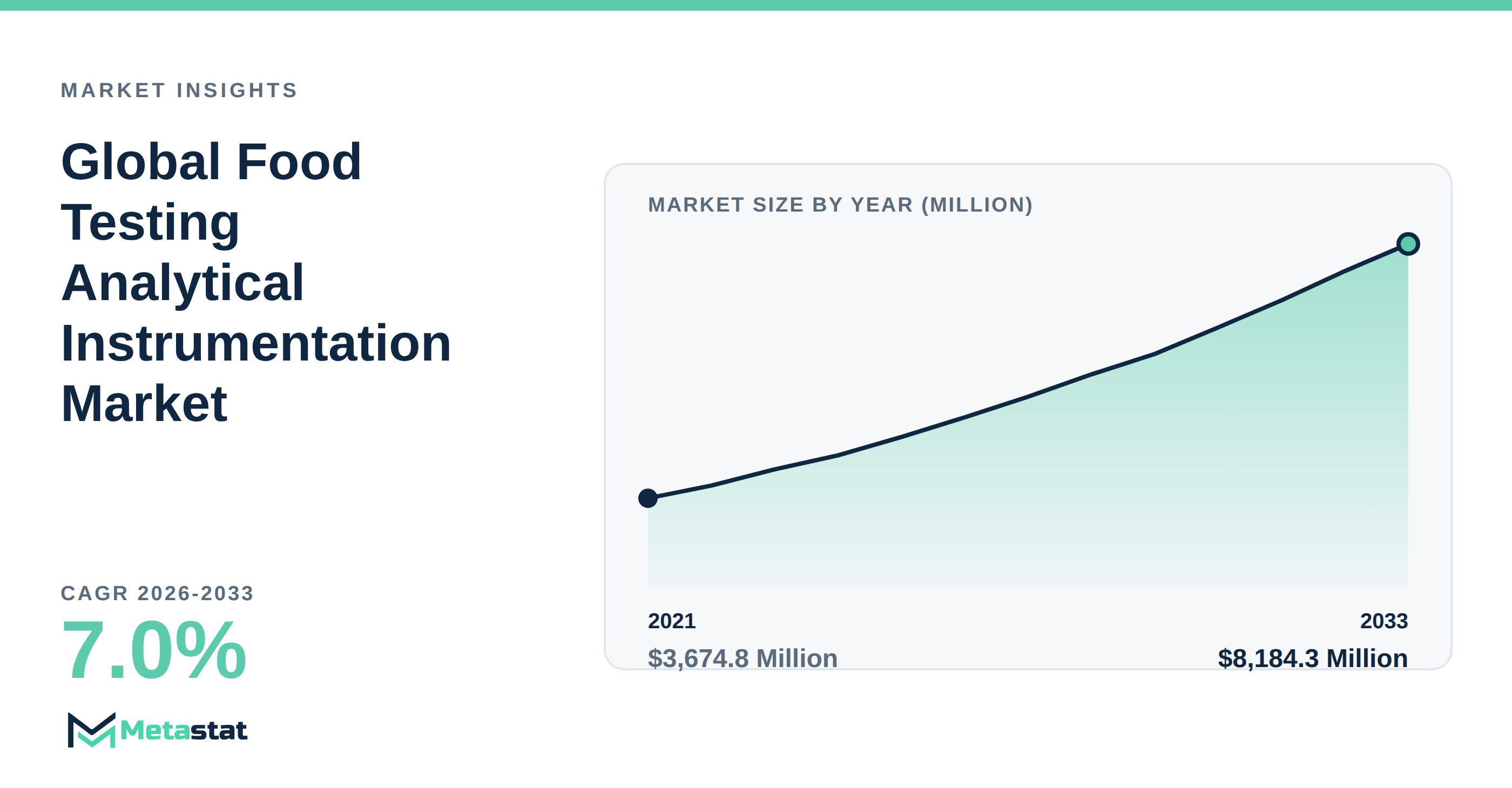
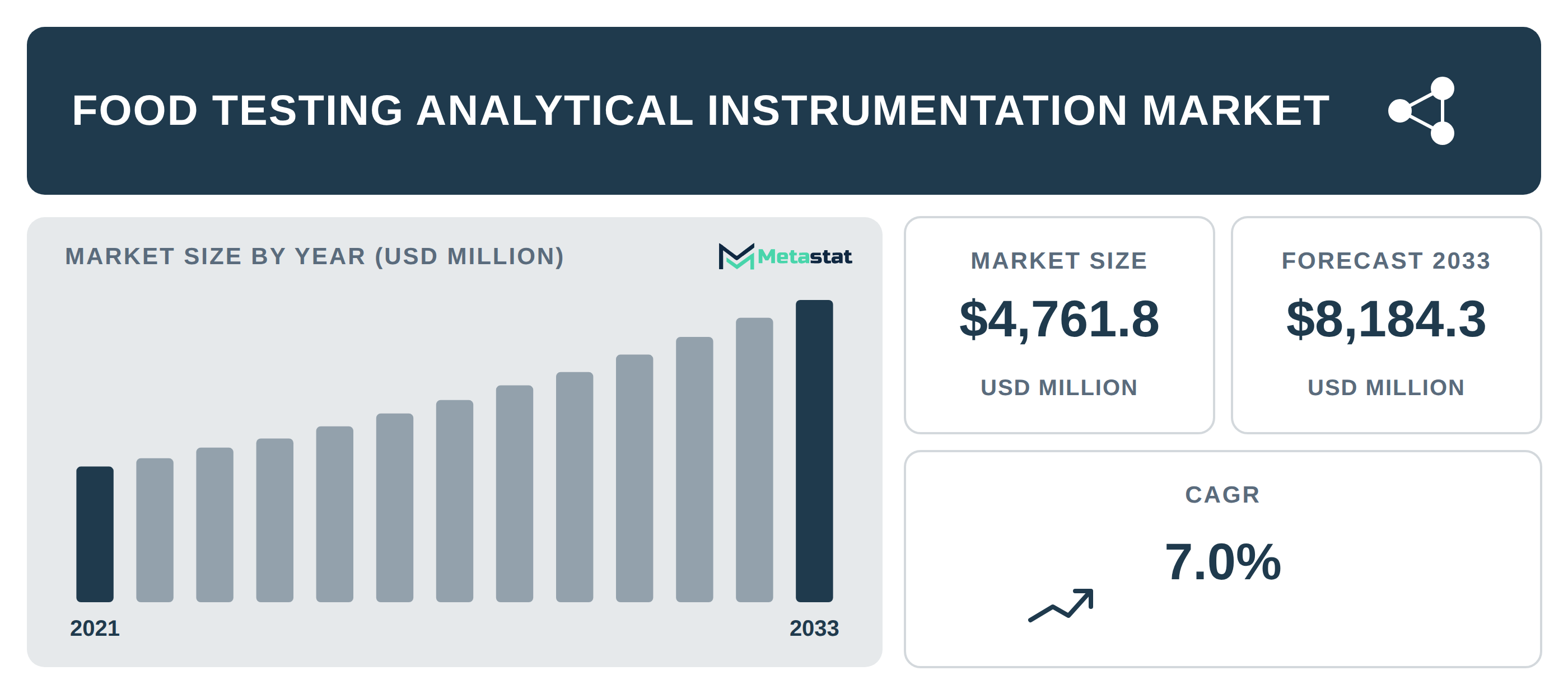
The market for Food Testing Analytical Instrumentation is evolving rapidly, and buyers are equipped with the right questions to ask suppliers. Understanding the intricacies of instrumentation is crucial for ensuring compliance, safety, and quality in food products. Seven important questions that buyers should consider when evaluating potential suppliers are detailed below. The full figures are in our Food Testing Analytical Instrumentation market size and forecast report.
1. What technologies do you specialize in for food safety testing?
Suppliers should clearly outline the technologies they employ, including chromatography, spectroscopy, and molecular analysis. Each technology serves specific purposes; for instance, chromatography is essential for detecting chemical contaminants while spectroscopy aids in rapid quality assessments. Understanding these distinctions allows buyers to choose the right supplier based on their specific testing needs, ensuring that the products meet regulatory standards.
2. How do you ensure compliance with regulatory standards?
Given the stringent regulations surrounding food safety, buyers should seek suppliers who demonstrate a solid understanding of compliance protocols. Suppliers should explain their methods for adhering to local and international regulations, including validation of testing methodologies. This knowledge signifies the supplier’s commitment to product integrity and consumer safety, which is increasingly important in the current market landscape.
3. What support services do you offer alongside instrumentation?
Buyers should inquire about the range of support services provided, including maintenance, calibration, and training. Comprehensive service agreements enhance operational efficiency and ensure that instruments function optimally. Suppliers who offer extensive support establish long-term relationships, reducing downtime and ensuring compliance with evolving standards.
4. Can you provide examples of successful implementations?
Successful case studies or references highlight a supplier’s capability in delivering effective solutions. Buyers should ask for specific examples where the supplier’s instruments significantly enhanced testing accuracy or compliance for previous clients. These insights demonstrate the supplier's reliability and can influence the buyer's decision-making process, ensuring they choose a partner with proven experience.
5. How do you address the evolving demands for food safety?
In a climate of heightened awareness around food safety, suppliers demonstrate their adaptability to changing regulations and consumer expectations. Buyers should understand how suppliers invest in research and development to improve their products and services. Suppliers committed to ongoing advancements are likely to provide instrumentation that meets future regulatory challenges effectively.
6. What is your pricing model, and how does it provide value?
Understanding the pricing model is crucial for assessing long-term investment viability. Suppliers should clearly outline their pricing structures, including any service agreements. Buyers evaluate the cost-effectiveness of the offerings, considering the potential return on investment through improved safety and compliance. This transparency allows buyers to compare options and select suppliers that align with their budgetary constraints.
7. How do you handle technological upgrades and obsolescence?
As technology evolves, buyers should inquire how suppliers manage upgrades and ensure their instrumentation remains relevant. Suppliers that actively integrate the latest technologies better support compliance and efficiency in food testing. Understanding the supplier’s approach to obsolescence will help buyers avoid potential disruptions in testing processes and ensure that their operations remain competitive.
By asking these essential questions, buyers engage more effectively with Food Testing Analytical Instrumentation suppliers, ensuring they make informed decisions that prioritize safety and quality in food products.
Tags
About the Authors

LEAD ANALYST
Utkarsh Khirodkar is a Lead Market Research Analyst at MetaStat Insight, specializing in market intelligence, technology sector assessments, and competitive strategy.

LEAD PRINCIPAL ANALYST, PHARMA AND HEALTHCARE
Food and Beverages · Healthcare · Healthcare IT · Medical Devices
Ajay Devgire is the Lead Healthcare Analyst at MetaStat Insight, leading strategic research and market intelligence initiatives across the global healthcare domain.

SENIOR RESEARCH ANALYST
Biotechnology · Food and Beverages · Medical Devices · Packaging
Snehal Pasalkar is a Research Analyst at MetaStat Insight, operating at the intersection of life sciences research, competitive strategy, and market intelligence.