
Explore the latest trends in the India E-bike market, revealing how eco-conscious choices and technological advancements are transforming consumer behavior.
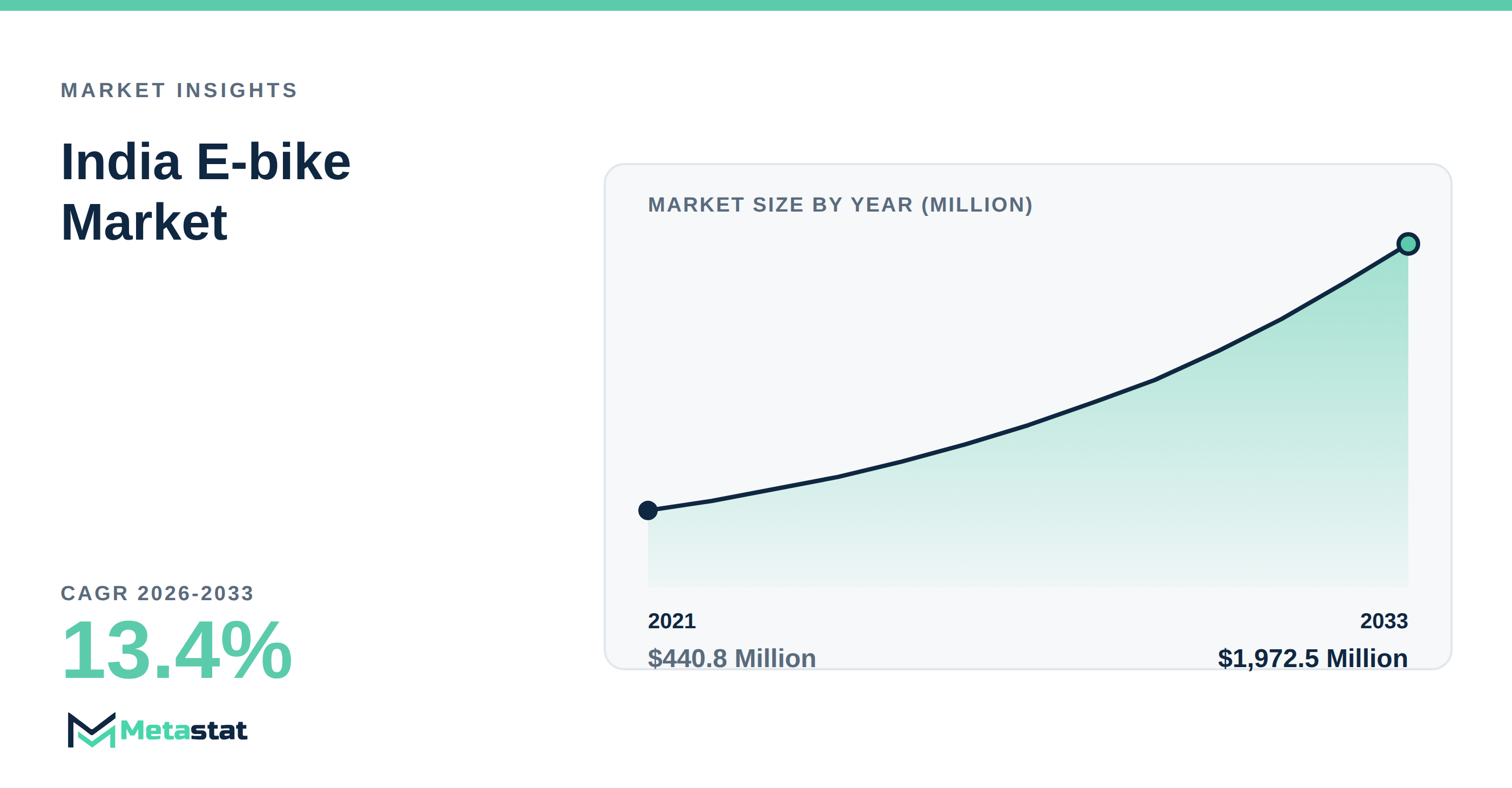
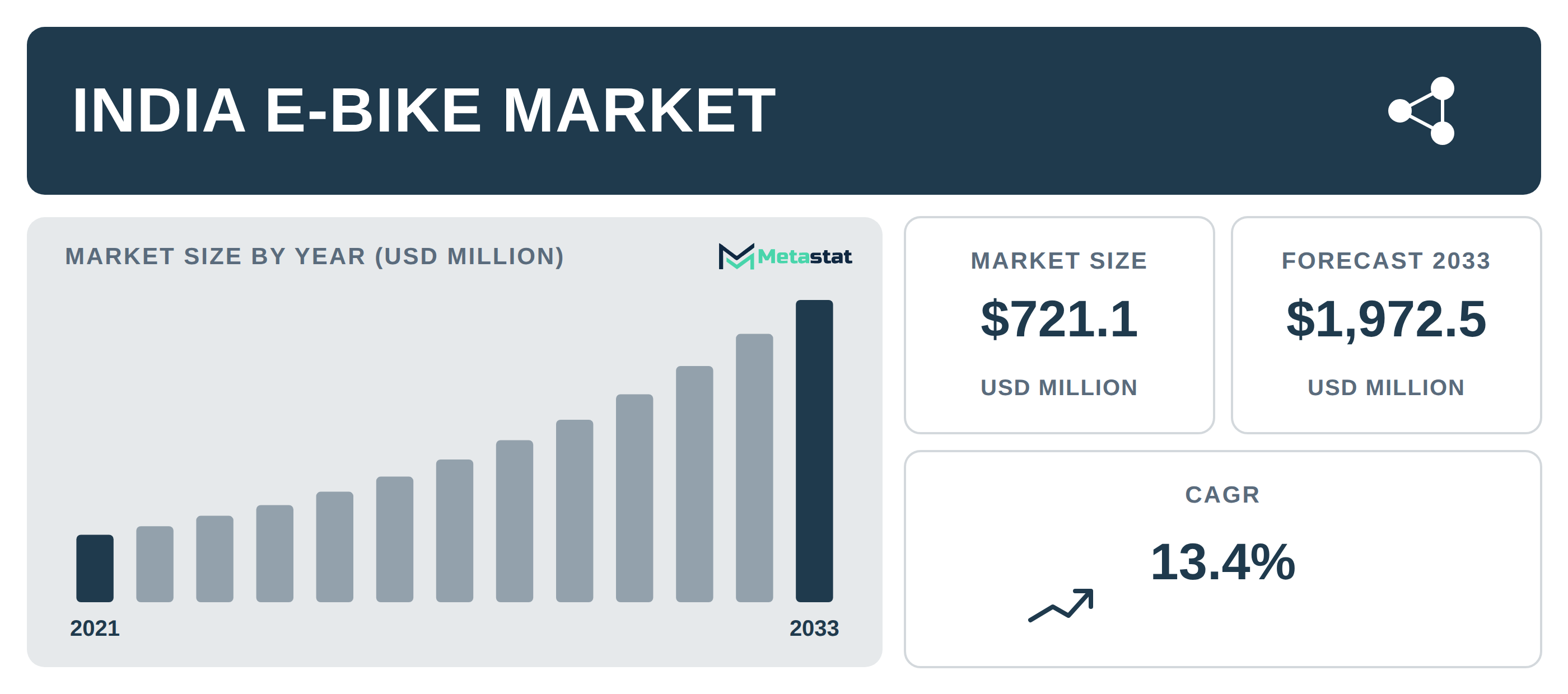
The market for India E-bike is experiencing significant shifts, driven by various trends that impact consumer preferences and operational strategies. Understanding these trends is essential for businesses and potential buyers navigating this evolving landscape. Are seven key trends reshaping the India E-bike sector. The full figures are in our India E-bike market size and forecast report.
1. Growing Emphasis on Eco-Friendly Transportation
Increasing awareness of environmental issues drives consumers towards sustainable transport options. Demand for India E-bikes rises as buyers seek alternatives to traditional vehicles, fueled by concerns over air pollution and urban congestion. This trend encourages manufacturers to innovate and enhance product offerings, reflecting a shift towards greener commuting solutions. Companies that prioritize sustainability are likely to attract environmentally conscious consumers, strengthening their competitive positions.
2. Rise of Pedal-Assisted E-bikes
Pedal-assisted e-bikes are gaining traction among health-conscious consumers and urban commuters. This segment combines traditional cycling with electric support, appealing to a diverse demographic. A notable aspect of this trend is the projected growth rate of 15% for pedal-assisted e-bikes, indicating their potential to dominate the sector. Manufacturers focusing on this segment cater to the growing consumer preference for fitness-oriented, eco-friendly options, effectively meeting evolving demands.
3. Advancements in Battery Technology
Developments in battery technology significantly influence adoption rates. With lithium-ion batteries evolving to provide better performance, riders benefit from longer ranges and faster charging times. This progress attracts buyers seeking high-quality, efficient solutions. Manufacturers investing in battery innovation differentiate themselves, as improved energy density and longevity contribute to a superior riding experience. Businesses prioritizing battery advancements are well-positioned to attract a broader customer base.
4. Cost Considerations and Ownership Expenses
The overall expenses associated with owning an E-bike play a critical role in consumer decisions. Factors including initial purchase prices, maintenance, and battery replacement costs shape buyer choices. Lithium-ion batteries, although more expensive initially, offer long-term savings due to lower maintenance needs. Understanding these ownership dynamics is essential for manufacturers and retailers, as addressing affordability through various financing options enhances customer acquisition strategies and drives sales.
5. Increased Adoption of Cargo E-bikes
Growing demand for efficient last-mile delivery solutions drives the adoption of cargo E-bikes. Urban logistics providers increasingly seek cost-effective alternatives to traditional delivery vehicles. This trend aligns with environmental policies and consumer preferences for greener transport options. Companies providing flexible financing and leasing options for cargo E-bikes enhance fleet efficiency while minimizing upfront costs. This shift presents opportunities for suppliers to tailor offerings, reinforcing their positions in the logistics sector.
6. Demand for Customization and Personalization
Consumers increasingly seek customized E-bike options that reflect their personal preferences. This trend enhances buyer engagement and satisfaction. Manufacturers able to offer tailored solutions, including color choices, accessories, and performance features, are likely to see increased sales. This push for customization encourages companies to innovate and adapt their product lines, creating a more tailored shopping experience for customers.
7. Evolving Financing and Leasing Models
New financial models are emerging to support E-bike adoption. Flexible financing options, including leasing and subscription services, allow consumers to access the latest technology without heavy upfront investments. This financial flexibility enhances affordability, making E-bikes more accessible to a broader audience. Companies offering innovative financing solutions are well-positioned to capture a larger share of the growing demand for sustainable transport.
These trends reflect the dynamic nature of the India E-bike sector, providing critical insights for decision-makers and stakeholders. Understanding these influences supports strategic planning and operational effectiveness as demand for sustainable transportation solutions continues to rise. For comprehensive insights, refer to the India E-bike market size and forecast report.
Tags
About the Authors

LEAD ANALYST
Utkarsh Khirodkar is a Lead Market Research Analyst at MetaStat Insight, specializing in market intelligence, technology sector assessments, and competitive strategy.

ENERGY & INFRASTRUCTURE INDUSTRY CONSULTANT
Automotive and Transportation · Electronics and Semiconductor · Energy and Power · Machinery & Equipment
Saurabh Vasant Ganvir consults for Energy & Infrastructure Industry at MetaStat Insight, specializing in renewable energy, solar EPC, and electric vehicle (EV) infrastructure markets.