
Discover the essential factors transforming the Luxury Experiential Travel market, focusing on consumer preferences, technology, sustainability, and market dynamics.
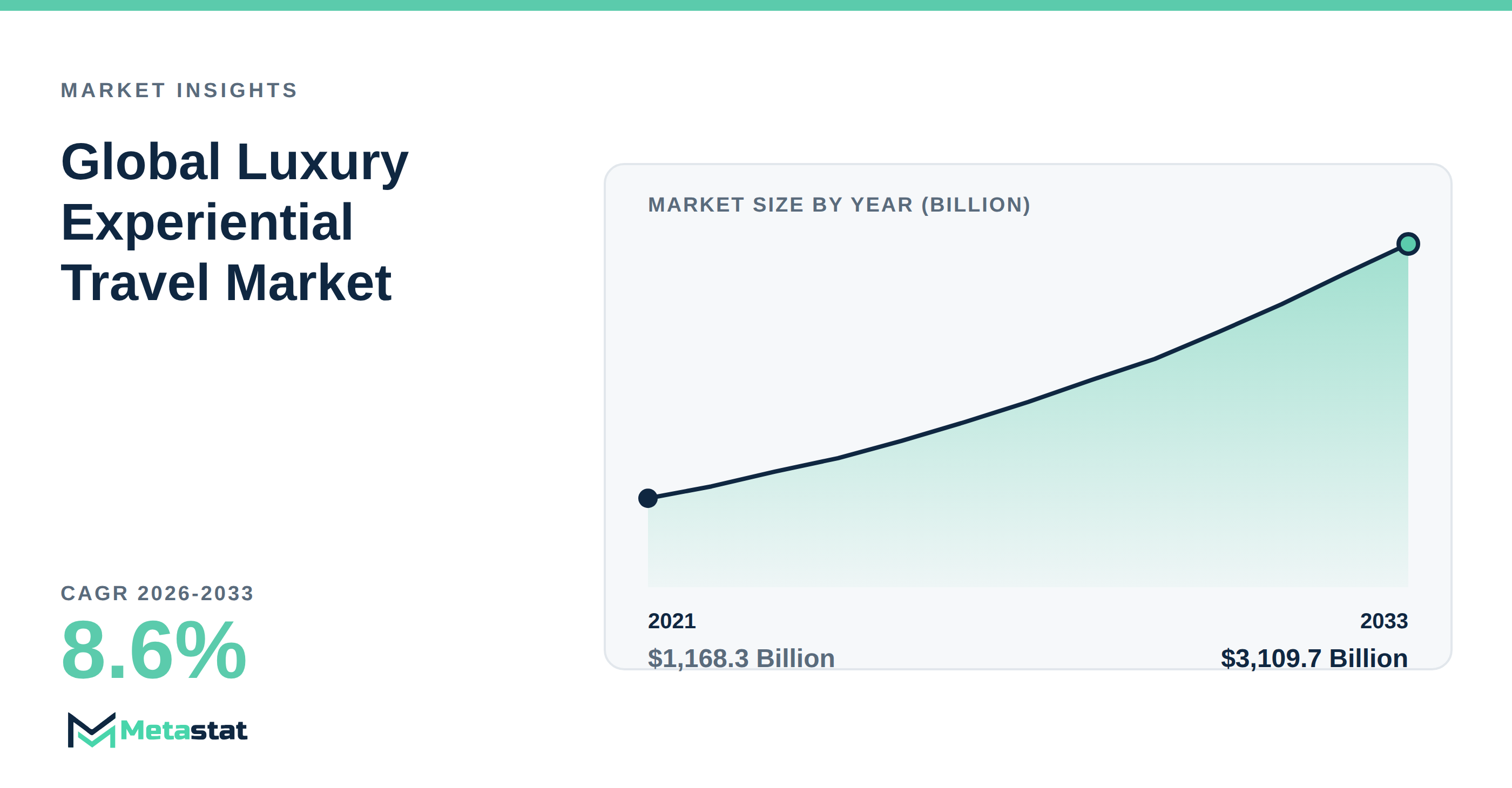
The Luxury Experiential Travel market is undergoing significant changes driven by evolving consumer preferences and technological advancements. Buyers and operators in this space should be aware of the trends impacting demand and shaping the future of luxury travel. Understanding these trends aids in strategic planning and enhances service offerings.
1. Demand for personalized experiences is rising
Recent shifts in consumer behavior highlight a strong preference for tailored travel experiences among affluent individuals. Travelers now prioritize unique and immersive adventures that transcend traditional luxury offerings. This shift drives demand for bespoke itineraries, exclusive access to cultural events, and tailored accommodations. Companies investing in understanding and catering to these preferences enjoy enhanced customer loyalty and satisfaction, ultimately boosting revenue in the Luxury Experiential Travel market.
2. Technological advancements enhance customer engagement
Technological innovation is central to reshaping the Luxury Experiential Travel market. Tools including artificial intelligence and data analytics enable travel providers to create personalized experiences. By leveraging technology, companies streamline booking processes and improve customer interactions. The focus on enhancing digital strategies simplifies travel planning for consumers and allows brands to optimize their offerings based on user preferences. This evolution attracts high-net-worth travelers seeking customized travel experiences.
3. Sustainability is becoming a priority for travelers
An increasing number of consumers demand eco-friendly practices from luxury travel providers. Awareness of environmental issues grows, prompting companies in the Luxury Experiential Travel market to adopt sustainable practices that align with consumer values. This trend includes promoting responsible tourism and implementing eco-friendly policies. Brands prioritizing sustainability meet consumer expectations and improve their market reputations, positioning themselves favorably among environmentally conscious travelers.
4. Growth in luxury accommodations drives market expansion
Investment in luxury hotels and resorts plays a critical role in market growth, with this segment set to increase its valuation to USD 1,026.2 billion by 2033. High-net-worth individuals increasingly seek accommodations that offer personalized services and unique experiences, making this segment a vital focus for operators. Companies enhancing service quality and investing in high-end amenities cater to the evolving expectations of today's affluent travelers, leading to increased market share and revenue.
5. Direct supplier channels are gaining prominence
The shift towards direct supplier channels signifies an important change in consumer booking behavior. This segment is expected to grow at a compound annual growth rate (CAGR) of 9.6%, driven by the demand for personalized travel experiences. Consumers increasingly prefer direct interactions with suppliers, which strengthens relationships and improves service delivery. By optimizing booking processes and leveraging technology, operators enhance consumer experiences, providing tailored travel options that meet high expectations.
6. Emerging markets are expanding the luxury travel base
Economic growth in emerging markets contributes to an expanding customer base for luxury travel services. Rising disposable incomes in these regions enable more consumers to seek high-end travel experiences. Market players targeting these demographics find substantial revenue opportunities due to increasing global travel demand. Successful strategies involve adapting offerings to align with diverse cultural preferences and travel behaviors, ensuring relevance in a competitive landscape.
7. Geopolitical factors are influencing pricing strategies
Geopolitical instability and trade disruptions pose challenges for luxury travel providers, affecting pricing strategies and overall market dynamics. Increasing trade deficits and regulatory requirements lead to higher operational costs, complicating financial planning for service providers. Companies navigate these complexities to maintain profitability while striving to offer high-value experiences. Building strong relationships with customers becomes essential in mitigating the impacts of external challenges within the Luxury Experiential Travel market.
In conclusion, the Luxury Experiential Travel market is shaped by various trends, from the demand for personalized experiences and sustainability to technological advancements and emerging market growth. Awareness of these trends allows operators and buyers to adapt their strategies effectively, ensuring relevance and a competitive edge in this dynamic environment.
The full analysis is in Global Luxury Experiential Travel Market.
Tags
About the Author

LEAD ANALYST
Utkarsh Khirodkar is a Lead Market Research Analyst at MetaStat Insight, specializing in market intelligence, technology sector assessments, and competitive strategy.