
Explore key questions to optimize your supplier selection process in the Digital Water sector, ensuring efficient water management and compliance.
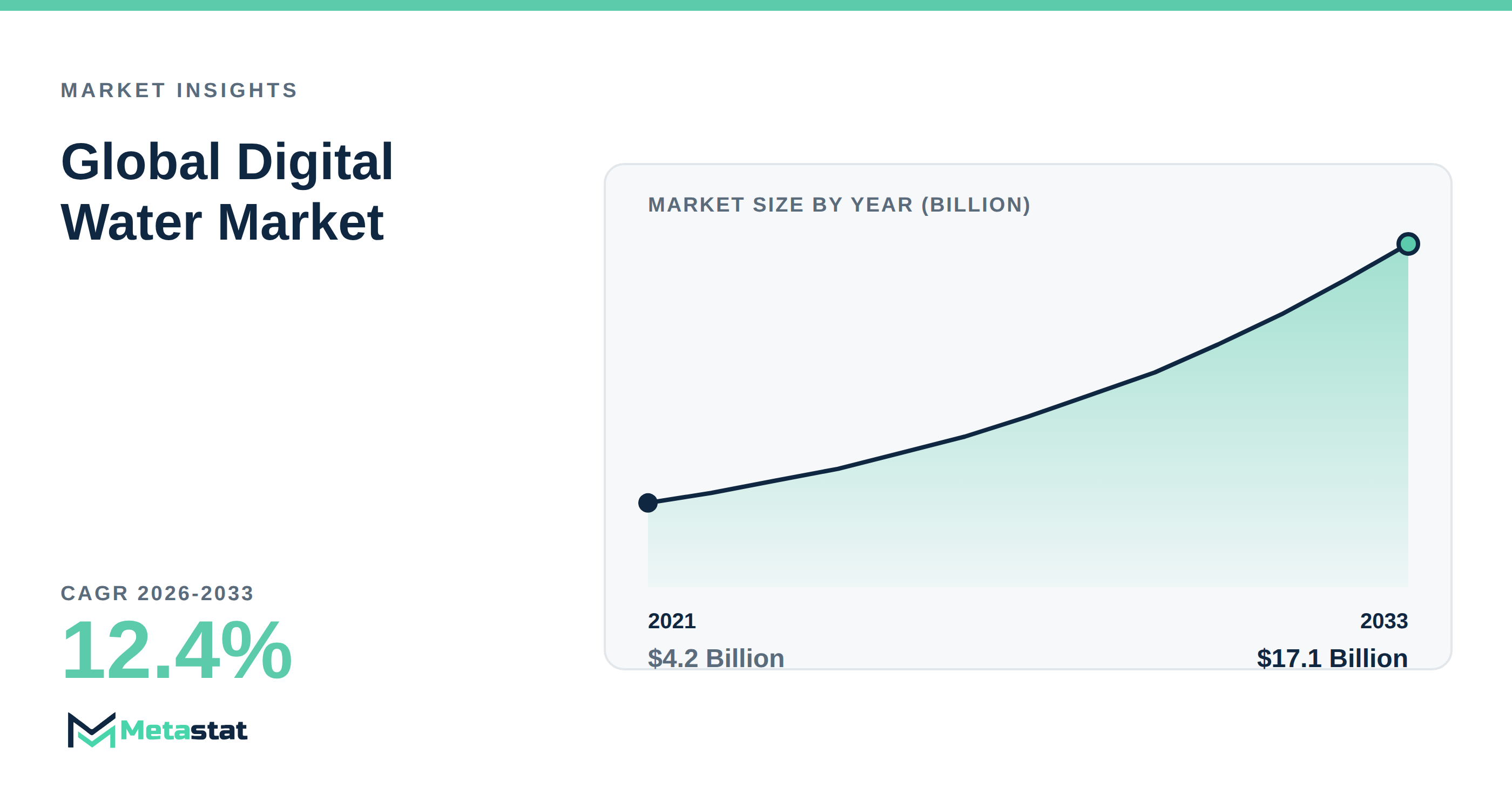
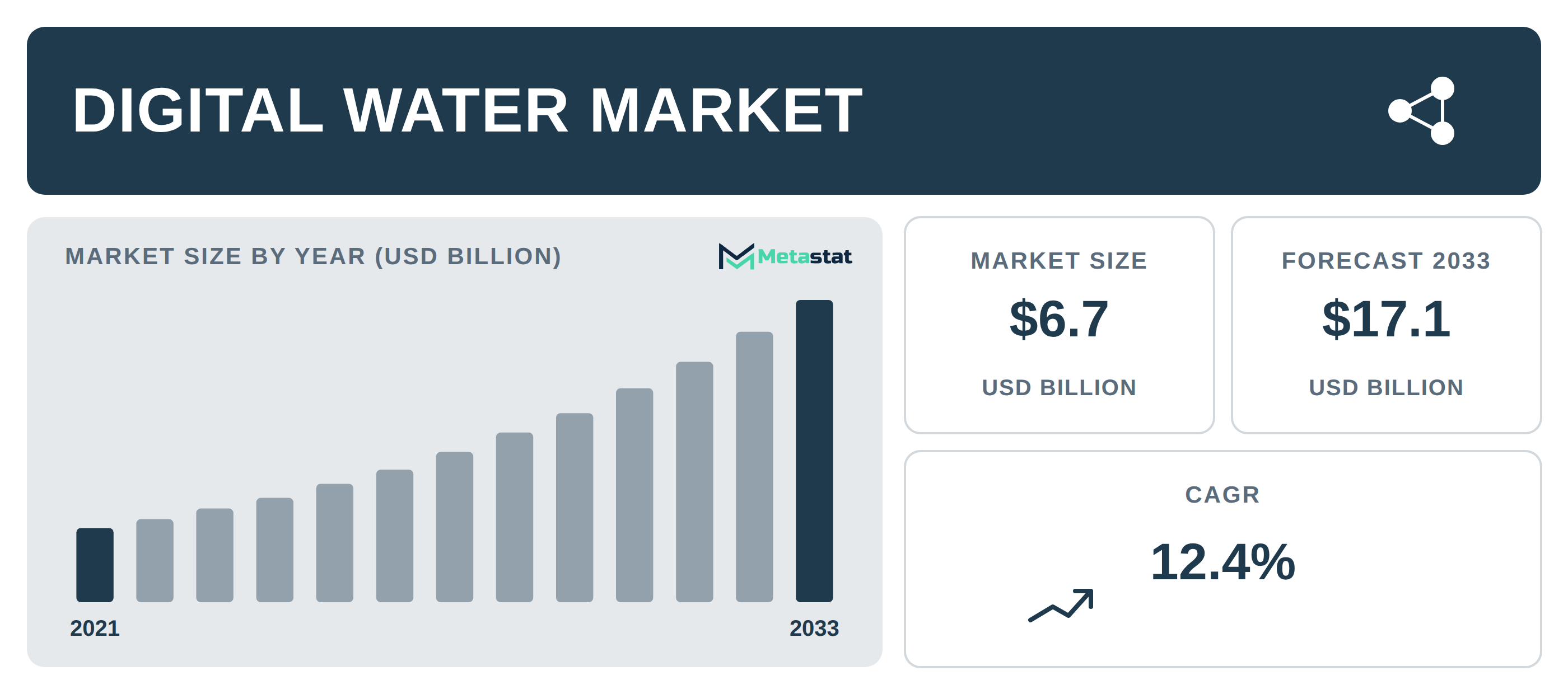
The market for Digital Water is evolving, and buyers ask the right questions to select the best suppliers. These inquiries help ensure that organizations choose technologies and solutions that enhance water management and regulatory compliance. Based on recent insights, are critical questions buyers should consider when evaluating Digital Water suppliers. The full figures are in our Digital Water market size and forecast report.
1. How do your solutions enhance operational efficiency?
Buyers should prioritize suppliers that demonstrate a clear understanding of how their technologies improve operational efficiency in water management. For example, software solutions in this space are expanding to deliver real-time monitoring and data analytics capabilities. Suppliers that invest in such innovations position themselves to help utilities respond promptly to leaks and other inefficiencies, ultimately driving overall resource conservation and reducing operational costs.
2. What features do your systems offer for regulatory compliance?
Given the increasing regulatory pressures faced by municipalities, understanding how a supplier's systems address compliance is vital. Solutions that provide streamlined reporting capabilities, accurate metering, and data analytics support facilities in adhering to environmental standards. A supplier that demonstrates successful integration of these features enhances their viability as a partner, giving buyers confidence in their ability to navigate complex regulatory landscapes.
3. How does your pricing structure accommodate diverse budgets?
Pricing strategies significantly influence buyer decisions. Many suppliers are adopting subscription-based models, allowing organizations to pay according to consumption. A flexible pricing structure provides buyers with access to advanced technologies without the burden of large upfront costs. Buyers should assess whether the supplier's pricing model fits their operational scale and budget constraints, as this flexibility enhances overall adoption rates across various sectors.
4. What advancements in digital solutions do you offer?
Understanding the technological advancements a supplier provides is essential. With the market's growth driven by innovations including cloud-based solutions, buyers should inquire about the latest technologies available. Suppliers that invest in IoT integration and digital twins, for instance, demonstrate a commitment to enhancing monitoring capabilities and maintenance schedules, improving overall operational reliability and asset lifespan.
5. How do you address water scarcity challenges?
Given the rising global concerns about water scarcity, buyers should engage suppliers on how their products contribute to sustainable management practices. Solutions that emphasize water reuse and allocation provide substantial value, especially for municipal water utilities. Suppliers who showcase effective strategies for optimizing resource utilization will be better positioned to meet the needs of environmentally conscious buyers seeking sustainable solutions.
6. What customer management capabilities do you provide?
Customer engagement is increasingly important in the Digital Water sector. Suppliers should offer solutions that enhance customer management and communication, particularly in metering and billing. By facilitating better customer interactions through advanced technologies, utilities improve service delivery and increase customer satisfaction. Buyers should evaluate how suppliers address customer management challenges and if they provide tools that enhance customer relationship management.
7. How do you ensure service reliability and support?
Finally, buyers should consider the level of support and reliability a supplier offers. This encompasses service agreements, response times, and training for operational staff. A supplier that prioritizes customer service ensures that utilities maintain high standards of service reliability, which is critical in water management. Evaluating the supplier's support framework significantlies impact long-term operational success and customer satisfaction.
These questions equip buyers in the Digital Water sector to make informed decisions when selecting suppliers. Understanding the importance of operational efficiency, regulatory compliance, pricing structures, technological advancements, and sustainability efforts will enhance investment outcomes and promote responsible water management practices.
Tags
About the Authors

LEAD ANALYST
Utkarsh Khirodkar is a Lead Market Research Analyst at MetaStat Insight, specializing in market intelligence, technology sector assessments, and competitive strategy.

PRINCIPAL CONSULTANT - ENTERPRISE AI & EMERGING TECHNOLOGIES
Banking & Finance · Electronics and Semiconductor · Energy and Power · Healthcare IT · Information & Technology · Professional Services
Vijay Gunti is a Principal Consultant at MetaStat Insight, bringing over two decades of experience across enterprise digital transformation, technology strategy, and intelligent systems.

ENERGY & INFRASTRUCTURE INDUSTRY CONSULTANT
Automotive and Transportation · Electronics and Semiconductor · Energy and Power · Machinery & Equipment
Saurabh Vasant Ganvir consults for Energy & Infrastructure Industry at MetaStat Insight, specializing in renewable energy, solar EPC, and electric vehicle (EV) infrastructure markets.