
Exploring the crucial aspects of activated carbon procurement, including material differences, sustainability influences, and regulatory impacts.
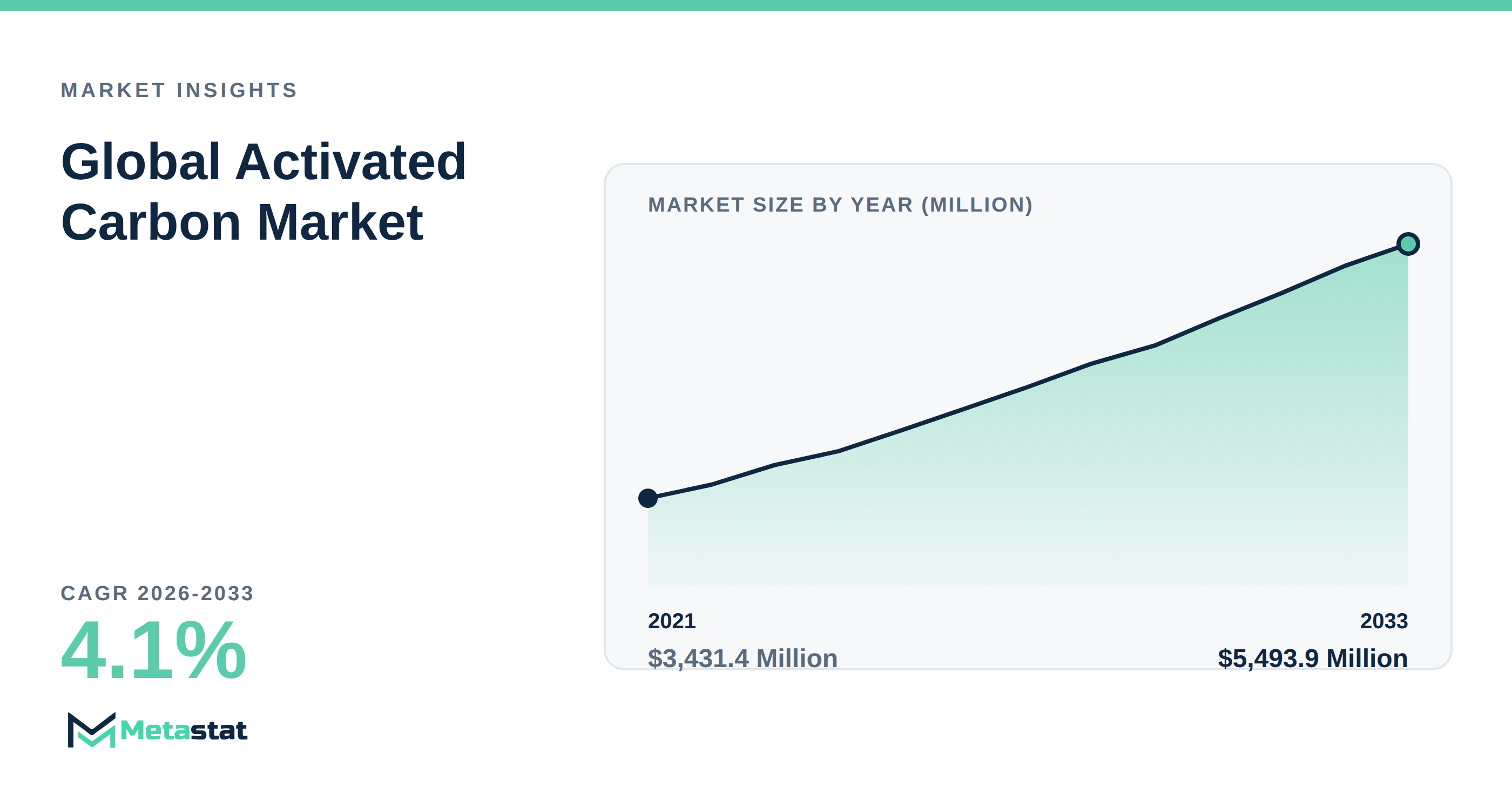
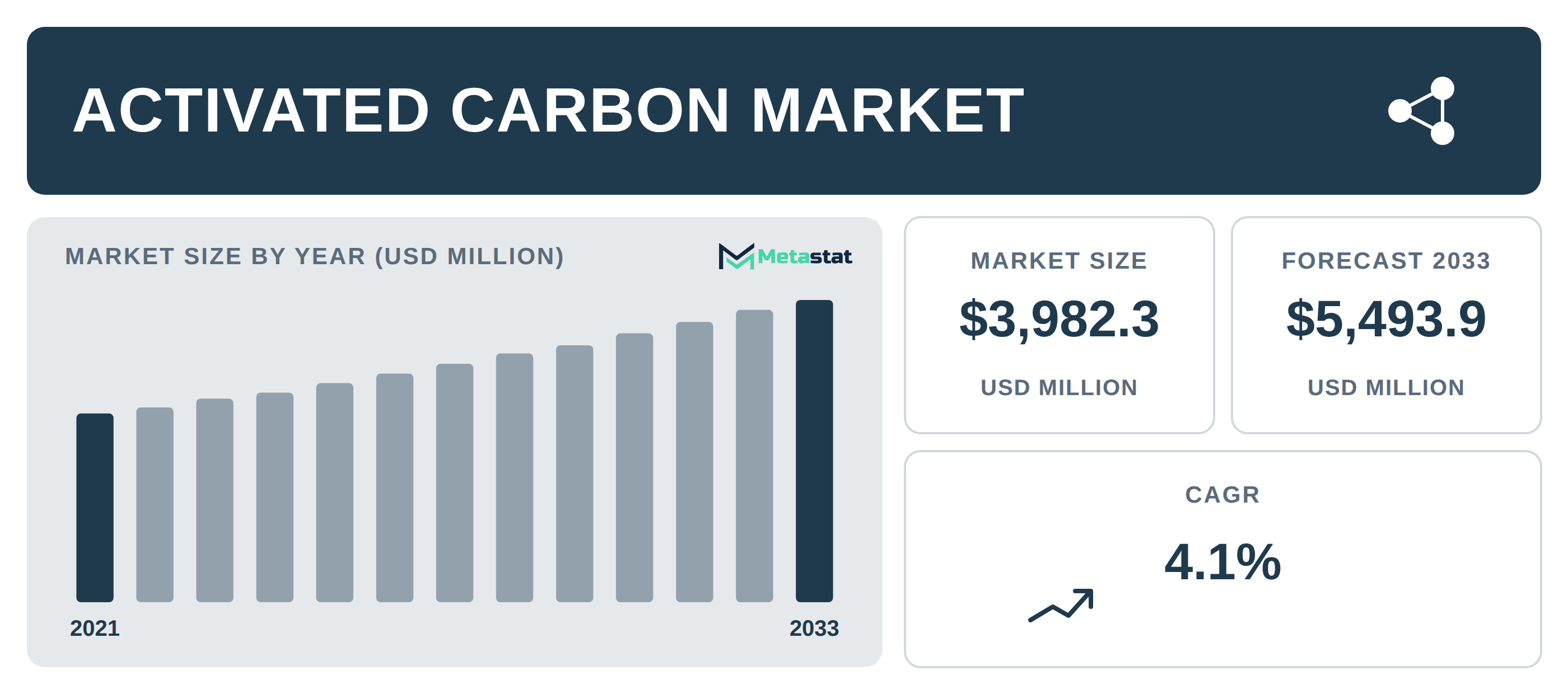
Decision-makers often overlook critical aspects when evaluating activated carbon solutions, leading to suboptimal procurement strategies. A close examination reveals that various forms of activated carbon - including granular activated carbon and powdered activated carbon - serve distinct purposes across multiple industries. Understanding these nuances becomes essential for those tasked with ensuring environmental compliance, enhancing operational efficiency, and responding to consumer demand for quality. For a deeper understanding, refer to the Activated Carbon market size and forecast report.
What are the key differences between granular and powdered activated carbon?
Granular activated carbon (GAC) and powdered activated carbon (PAC) have unique characteristics that influence purchasing decisions. GAC is preferred for larger-scale applications, especially in water treatment settings, due to its superior adsorption capabilities and ability to manage high flow rates effectively. Conversely, PAC is often utilized in rapid treatment scenarios, including the decolorization of beverages and swift remedial measures in water filtration.
The pricing structures for these two forms diverge significantly. GAC typically commands a higher price due to its longer operational lifespan and broader application range. Reports indicate that GAC is projected to achieve notable valuation growth in the coming years, highlighting its significant role in the activated carbon landscape.
How is sustainability influencing activated carbon sourcing?
Sustainability is reshaping the activated carbon landscape, with a noticeable shift towards coconut shell-based activated carbon. This renewable alternative to traditional coal-based products appeals to environmentally conscious buyers. The increasing focus on sustainable sourcing aligns with regulatory standards and consumer expectations for eco-friendly practices.
This trend is not merely about compliance; it fosters avenues for innovation and differentiation in product offerings. Companies that invest in sustainable practices frequently position themselves to capture a broader consumer base, particularly in regions with stringent environmental policies.
What role does activated carbon play in PFAS removal?
Activated carbon has become a crucial element in advanced water treatment technologies, particularly for the removal of per- and polyfluoroalkyl substances (PFAS). As awareness of PFAS contamination increases, utilities increasingly turn to activated carbon solutions for effective remediation.
This trend reflects broader environmental concerns and regulatory pressures aimed at enhancing water quality. The growing adoption of activated carbon in PFAS removal demonstrates its versatility and importance in addressing specific contaminant challenges, influencing procurement strategies for water treatment facilities.
What factors are affecting activated carbon pricing dynamics?
Several factors are shaping pricing dynamics in the activated carbon sector, particularly escalating raw material costs. The prices of coal and coconut shells have risen significantly, prompting buyers to reevaluate their procurement strategies. High raw material costs contribute to procurement delays and smaller order volumes as companies assess the cost-effectiveness of activated carbon solutions.
Simultaneously, advancements in production technologies help manufacturers alleviate some cost pressures. Suppliers who optimize their processes to reduce waste and enhance yield gain a competitive advantage, improving their market positioning. This balance between cost management and product quality is critical for buyers navigating the activated carbon landscape.
How does activated carbon address regulatory compliance?
Compliance with stringent environmental regulations drives activated carbon adoption, particularly in the water and wastewater utilities sector. Increasing pressure from regulatory bodies to enhance water quality necessitates effective filtration solutions. Activated carbon plays a vital role in these efforts, providing essential functions in contaminant removal.
While regulations evolve, the ability of activated carbon products to meet these standards will significantly influence their uptake. Buyers remain informed about regulatory changes to ensure their procurement strategies align with compliance requirements, enhancing public health and environmental sustainability outcomes.
Understanding the various elements affecting activated carbon procurement equips decision-makers with the knowledge necessary to make informed choices that align with operational goals and sustainability commitments. By focusing on the specific functionalities of different activated carbon types and navigating the dynamics involved, buyers optimize their procurement strategies to meet both regulatory and quality standards.
Tags
About the Authors

LEAD ANALYST
Utkarsh Khirodkar is a Lead Market Research Analyst at MetaStat Insight, specializing in market intelligence, technology sector assessments, and competitive strategy.

INDUSTRY CONSULTANT - CHEMICALS & ADVANCED MATERIALS
Chemicals and Materials · Machinery & Equipment · Packaging
Amit Gadhekar Consultant for Chemicals and Materials at MetaStat Insight, directing sector-specific intelligence, research, and strategic consulting across global chemical and processing markets.