
Explore vital insights into how airlines adapt their ancillary services to enhance customer loyalty and maximize revenue in a competitive market.
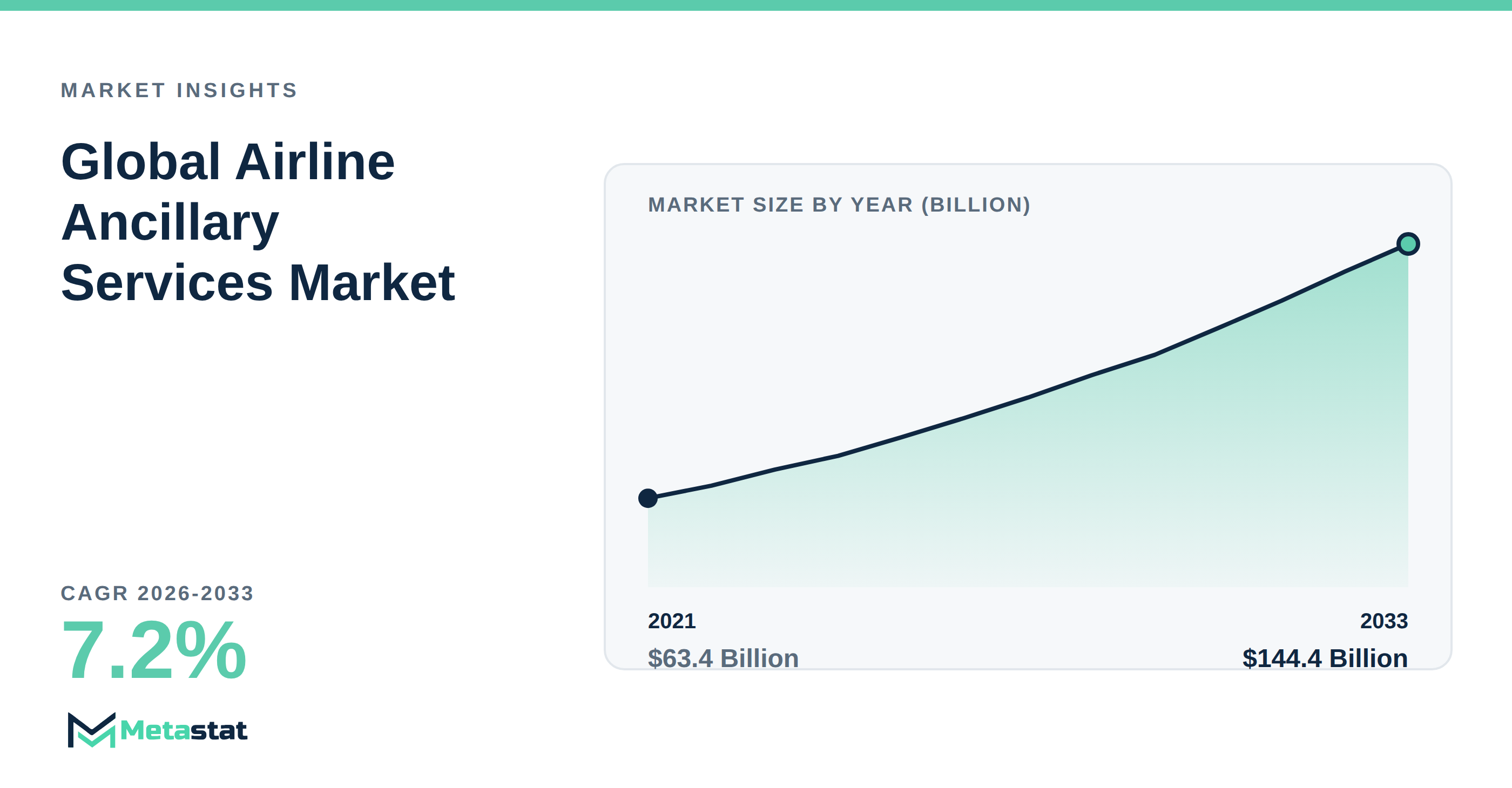
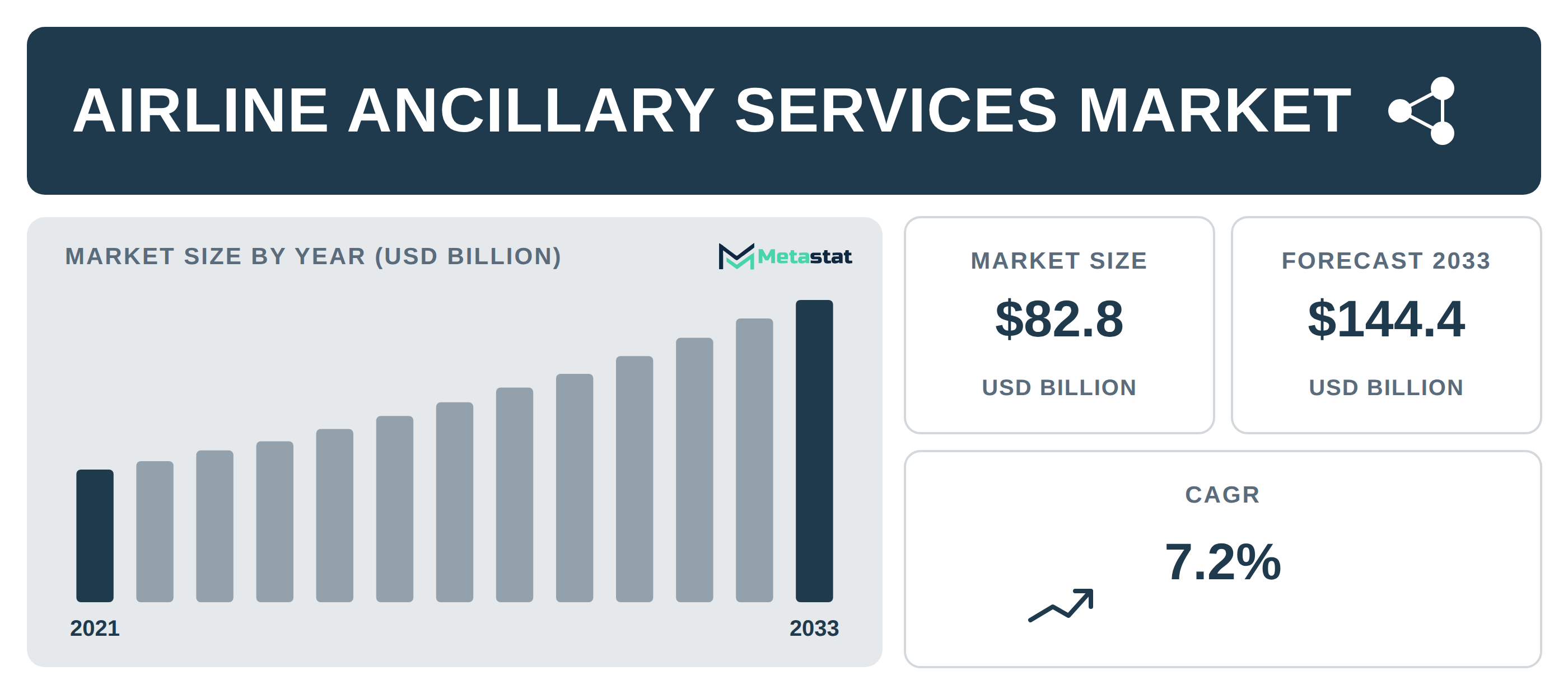
One common misconception about the market for Airline Ancillary Services is the belief that it primarily revolves around price and basic offerings. However, the reality is far more complex and nuanced. Airlines leverage ancillary services not just for generating additional revenue, but as a strategic tool to enhance customer loyalty and satisfaction. This shift reflects a broader trend in consumer behavior, emphasizing the growing importance of personalized travel experiences. The full figures are in our Airline Ancillary Services market size and forecast report.
How are airlines redefining ancillary services?
Airlines have started to integrate a variety of ancillary services into their overall offerings, moving beyond the traditional model of simply charging extra for baggage or seat selection. Loyalty programs, co-branded credit cards, and bundled services represent significant opportunities for airlines to deepen customer relationships. For instance, estimates indicate that revenue from loyalty and co-branded card offerings is expected to rise from USD 27.8 billion in 2026 to USD 43.7 billion by 2033. This projected growth highlights a strong consumer interest in rewards and benefits directly tied to travel.
What drives passenger spending on ancillary services?
Several factors influence passengers' willingness to invest in ancillary services. Increased disposable income and a rise in travel frequency significantly contribute to this trend. Travelers actively seek convenience, comfort, and personalized experiences while flying. As airlines enhance their service offerings, including priority services, in-flight entertainment, and food and beverage options, they align their strategies with evolving consumer preferences. The increasing prominence of low-cost carriers, which rely on ancillary services to maintain competitive ticket pricing, emphasizes the crucial role these offerings play in bolstering airline revenue.
Why are loyalty programs vital for airlines?
Loyalty programs play a fundamental role for airlines aiming to enhance ancillary revenue. Advanced loyalty initiatives, including tiered rewards and co-branded credit cards, not only support customer retention but encourage repeat business. Full-service carriers excel at leveraging these programs due to their resource availability. By investing in comprehensive loyalty strategies, airlines improve customer satisfaction and retention rates, ultimately leading to better revenue outcomes. The strong engagement seen through loyalty programs underscores their importance in the overall strategy for enhancing passenger experiences.
What challenges do airlines face with ancillary services?
Despite significant opportunities, airlines encounter challenges in maximizing ancillary revenue without alienating customers. Price sensitivity among travelers limits the uptake of many ancillary services. Passengers often prioritize low base fares, making it essential for airlines to balance their pricing strategies. High costs associated with service delivery complicate efforts to generate sustainable revenue from ancillary offerings. To address these challenges, airlines increasingly adopt technology solutions aimed at enhancing service efficiency while maintaining competitive pricing.
How airlineses improve ancillary service strategies?
Airlines refine their ancillary service strategies by focusing on technology integration and customer engagement. Mobile merchandising platforms provide avenues to market additional services beyond the initial booking phase. Revenue from airline websites and mobile applications is expected to experience substantial growth, indicating a shift toward digital solutions. By applying data analytics to customize offers for individual passenger preferences, airlines enhance both customer satisfaction and revenue streams. This proactive approach positions airlines to secure a greater share of the ancillary services market and reinforces their commitment to addressing passenger needs.
Understanding the complexities surrounding the market for Airline Ancillary Services reveals vital insights into how airlines adapt to a changing landscape. Rather than solely focusing on price, successful airlines recognize the potential of personalized services and loyalty strategies in cultivating lasting relationships with their customers. By addressing the challenges of pricing sensitivity while leveraging technology, airlines continue to evolve and thrive in this competitive environment.
Tags
About the Authors

LEAD ANALYST
Utkarsh Khirodkar is a Lead Market Research Analyst at MetaStat Insight, specializing in market intelligence, technology sector assessments, and competitive strategy.

ENERGY & INFRASTRUCTURE INDUSTRY CONSULTANT
Automotive and Transportation · Electronics and Semiconductor · Energy and Power · Machinery & Equipment
Saurabh Vasant Ganvir consults for Energy & Infrastructure Industry at MetaStat Insight, specializing in renewable energy, solar EPC, and electric vehicle (EV) infrastructure markets.