
Explore the distinct factors influencing the demand for Dry-Cleaning and Laundry Services in Asia-Pacific and North America, and learn how these regions differ.
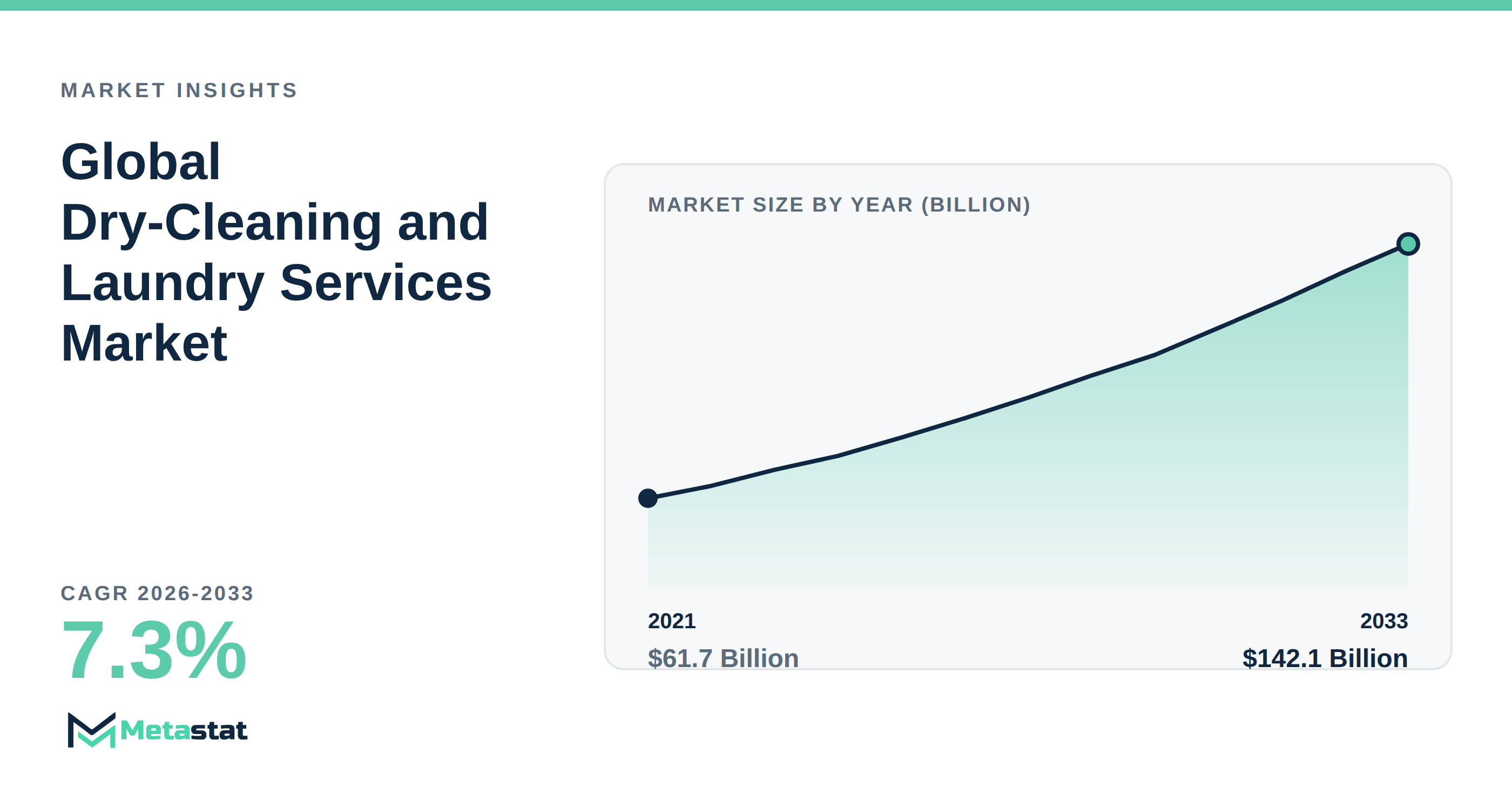
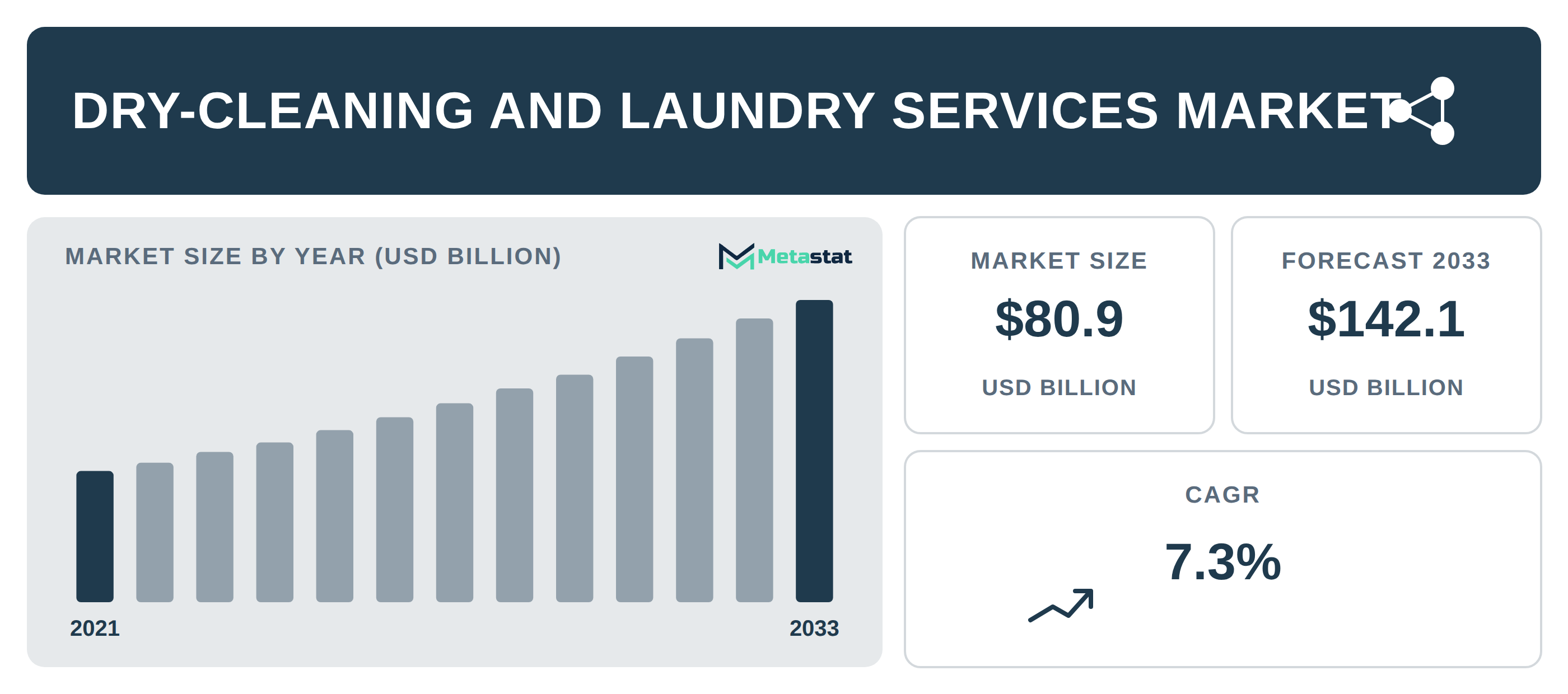
The divergence in regional demand for Dry-Cleaning and Laundry Services highlights significant differences between Asia-Pacific and North America. While both regions show promise for growth, understanding the underlying factors that influence their trajectories is crucial for stakeholders aiming to capitalize on these dynamics. The full figures are in our Dry-Cleaning and Laundry Services market size and forecast report.
What drives demand in Asia-Pacific?
Asia-Pacific stands out with a significant position, accounting for 35.6% of the global demand for Dry-Cleaning and Laundry Services. Rapid urbanization and rising disposable incomes serve as primary catalysts for this expansion. As urban populations grow, the need for convenient laundry solutions increases, especially among busy professionals and families.
The flourishing hospitality sector, particularly in countries like China and India, enhances the demand for comprehensive laundry services. The rise of luxury establishments necessitates the frequent laundering of bed linens and uniforms, prompting service providers to boost their operational capabilities. This trend reflects a broader shift in consumer expectations toward quality and efficiency.
What factors limit growth in North America?
In contrast, North America, holding a 31.6% share of global demand, encounters distinct challenges that hinder its growth potential. Price sensitivity among consumers poses a significant issue, as fluctuating costs related to service fees compel cautious purchasing decisions. This trend is especially prominent among economically vulnerable populations, leading to a slower adoption of premium services.
Rising labor costs create challenges for profitability in North America, forcing operators to revise their pricing strategies. The focus on skilled labor in the sector amplifies this pressure, creating a need for providers to balance maintaining service quality with controlling expenses. These economic factors contribute to a competitive environment that starkly contrasts with the more dynamic conditions in Asia-Pacific.
How are consumer preferences shaping these regions?
Consumer preferences in both regions are evolving but manifest differently. In Asia-Pacific, there is a noticeable shift toward specialized cleaning services, driven by an increasing demand for high-quality garment care and convenience. The trend of outsourcing laundry needs reflects changing lifestyles, particularly in urban areas where time-saving services are coveted.
Conversely, the North American consumer base shows a preference for cost-effective solutions. While the demand for high-quality cleaning persists, many consumers gravitate towards budget-friendly options, fostering a more competitive landscape among service providers. This divergence necessitates that companies within North America innovate and enhance their service offerings to align with rising consumer expectations.
What role does technology play in regional demand?
Technological advancements significantly influence demand patterns in both regions. In Asia-Pacific, the integration of app-based platforms and smart locker systems drives the growth of on-demand pickup and delivery solutions. These innovations cater to busy consumers, allowing them to efficiently schedule and manage their laundry needs.
In North America, although technology is progressing, the pace of integration has been slower. Nevertheless, the rise of on-demand services is beginning to transform consumer behavior, indicating untapped growth potential in this area. Companies that adopt these technological solutions position themselves advantageously, appealing to a consumer market increasingly driven by convenience and efficiency.
What does the future hold for these regions?
Both Asia-Pacific and North America are set for growth, albeit along distinct paths. The expanding urban markets in Asia-Pacific and evolving consumer behavior signal robust opportunities for service providers, particularly those emphasizing premium offerings. This contrasts with North America's focus on value-driven services, where operators navigate economic constraints while enhancing service quality.
For stakeholders in the Dry-Cleaning and Laundry Services sector, grasping these regional dynamics is essential for capitalizing on growth opportunities. Adapting service offerings, embracing technological innovations, and aligning with consumer preferences will be critical strategies in addressing the diverse demands of these markets.
Tags
About the Authors

LEAD ANALYST
Utkarsh Khirodkar is a Lead Market Research Analyst at MetaStat Insight, specializing in market intelligence, technology sector assessments, and competitive strategy.

PRINCIPAL CONSULTANT - ENTERPRISE AI & EMERGING TECHNOLOGIES
Banking & Finance · Electronics and Semiconductor · Energy and Power · Healthcare IT · Information & Technology · Professional Services
Vijay Gunti is a Principal Consultant at MetaStat Insight, bringing over two decades of experience across enterprise digital transformation, technology strategy, and intelligent systems.

PRINCIPAL CONSULTANT - QUALITY SYSTEMS & COMPLIANCE
Electronics and Semiconductor · Machinery & Equipment · Professional Services
Omkar Phadtare is an Industry Consultant at MetaStat Insight, specializing in quality systems, regulatory compliance, and standards benchmarking to drive data-driven market intelligence and strategic industry research.

LEAD CONSULTANT - COMMUNICATION, TELECOM, AND IT
Electronics and Semiconductor · Information & Technology · Machinery & Equipment · Professional Services
Ravindra Sathe Consultants for Communication, Telecom, and IT at MetaStat Insight. He leads the firm's industry research initiatives across telecommunications infrastructure, digital connectivity, enterprise networking, and emerging information technology domains.