
Explore the key factors driving regional divergence in the Infection Control market, focusing on the leading Asia Pacific region and the challenges faced by others.
The Infection Control market exhibits notable regional divergence, with varying growth rates and investment levels influencing its development. Understanding this divergence is essential for stakeholders looking to navigate the complexities and opportunities within the market.
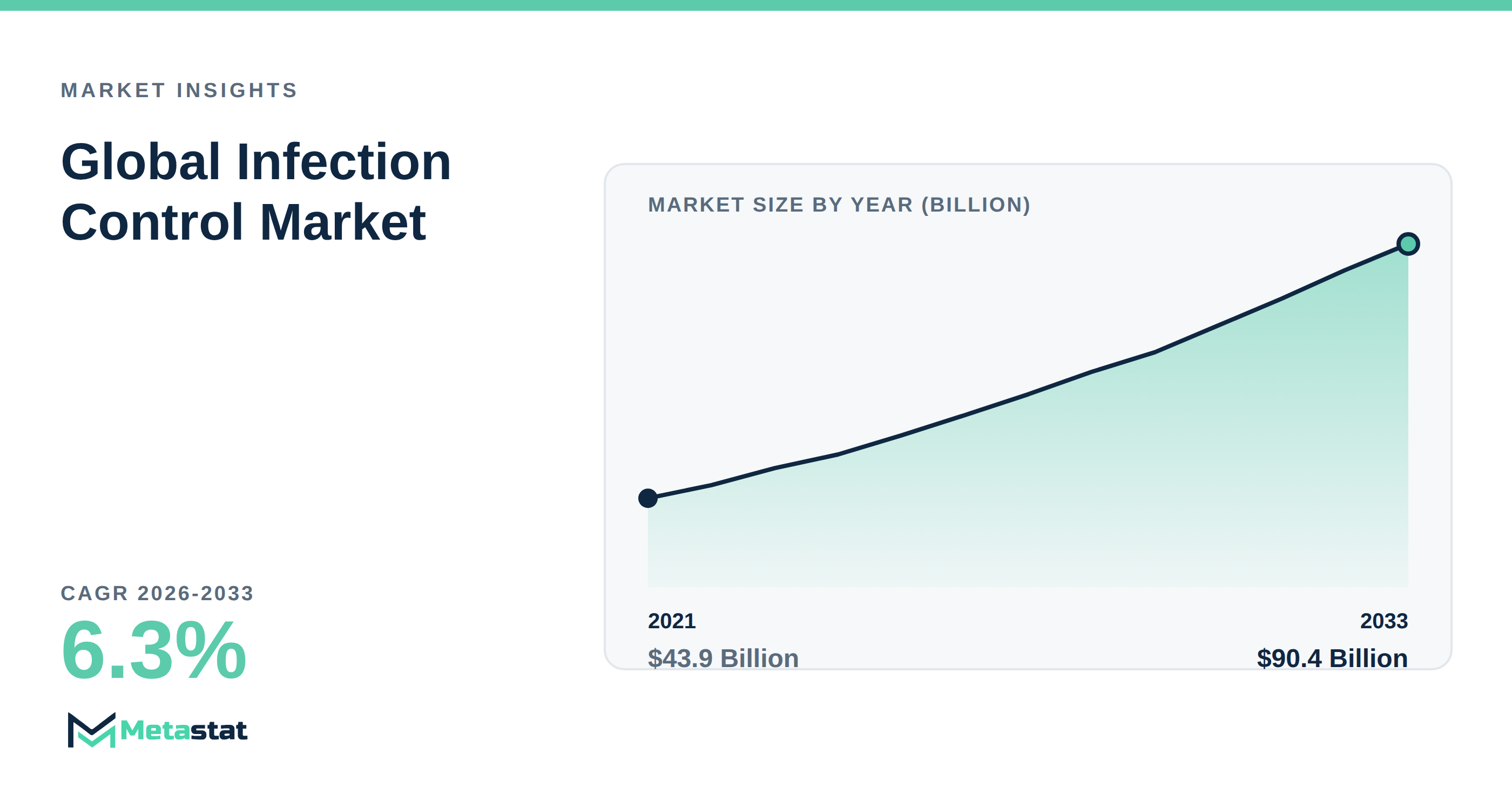
Which region leads in the Infection Control market?
The Asia Pacific region currently leads the Infection Control market, characterized by robust investments in healthcare infrastructure and a growing emphasis on hygiene practices. Rapid urbanization, coupled with rising healthcare expenditures from both public and private sectors, drives the market's expansion in this area. Countries like China and India invest significantly in modernizing their healthcare facilities and incorporating advanced technologies that enhance infection prevention measures. This growth is further supported by rising awareness among healthcare professionals regarding the importance of effective infection control protocols.
What accounts for the performance gap between regions?
Performance gaps between regions stem from several factors, including regulatory environments, technological adoption rates, and economic stability. Regions with stringent regulatory frameworks, including North America and Western Europe, often experience slower growth due to the complexities associated with compliance. Healthcare providers in these areas face higher operational costs linked to adhering to rigorous safety standards. In contrast, regions like Asia Pacific benefit from more flexible regulations, facilitating faster deployment of innovative infection control solutions.
The pace of technological adoption significantly influences regional performance. Advanced sterilization technologies and cleaning systems are more widely integrated into healthcare practices within leading regions, enhancing operational efficiencies and patient safety. Conversely, regions lagging in technological integration struggle with outdated practices, hindering their ability to compete effectively in the Infection Control market.
How do geopolitical factors influence market dynamics?
Geopolitical factors introduce significant complexities within the Infection Control market, impacting supply chains and market accessibility. Regions facing geopolitical instability frequently encounter disruptions in sourcing and logistics, leading to increased operational costs. Trade tensions and tariff impositions further complicate procurement strategies for manufacturers reliant on global supply chains for essential components and materials.
For example, fluctuations in trade policies affect the availability of infection control products, limiting market expansion in regions dependent on imports. This situation highlights the importance of establishing resilient supply chains and diversified sourcing strategies to maintain competitiveness in the market.
Investment trends across regions
Investment trends indicate a clear divergence between regions regarding the allocation of resources aimed at enhancing infection control measures. While Asia Pacific continues to see substantial capital influx aimed at modernizing healthcare facilities, regions like Europe and North America focus on upgrading existing systems to comply with evolving regulatory standards. Such investments are critical for maintaining patient safety and addressing the growing concerns surrounding healthcare-associated infections.
The Infection Control market observes investments directed toward digital transformation initiatives, particularly in regions leading in technological adoption. Automation and digital tracking systems enhance operational efficiencies, enabling healthcare providers to streamline workflows and improve compliance with infection control protocols.
What does the future hold for these regions?
While the Infection Control market evolves, regions will adapt their strategies to address emerging trends and shifting consumer demands. The North American and European markets benefit from investments in innovative technologies and improving supply chain resilience to remain competitive. Embracing sustainability initiatives will be crucial, driven by healthcare providers striving to meet regulatory requirements and align with growing consumer preferences for environmentally responsible practices.
In contrast, the Asia Pacific region is poised for continued growth, supported by ongoing investments in healthcare infrastructure and a strong focus on hygiene. Companies operating in this region should prioritize innovation and the development of next-generation infection control solutions to capitalize on the expanding opportunities within the market.
Understanding the factors contributing to divergent regional performance within the Infection Control market allows stakeholders to make informed decisions regarding investment and strategic planning. By aligning corporate imperatives with evolving trends, companies position themselves effectively in this rapidly changing environment.
For further details, refer to the Global Infection Control Market report.
Tags
About the Authors

LEAD ANALYST
Utkarsh Khirodkar is a Lead Market Research Analyst at MetaStat Insight, specializing in market intelligence, technology sector assessments, and competitive strategy.

LEAD PRINCIPAL ANALYST, PHARMA AND HEALTHCARE
Food and Beverages · Healthcare · Healthcare IT · Medical Devices
Ajay Devgire is the Lead Healthcare Analyst at MetaStat Insight, leading strategic research and market intelligence initiatives across the global healthcare domain.

SENIOR RESEARCH ANALYST
Biotechnology · Food and Beverages · Medical Devices · Packaging
Snehal Pasalkar is a Research Analyst at MetaStat Insight, operating at the intersection of life sciences research, competitive strategy, and market intelligence.