
Explore the diverging demands for athleisure in North America and Europe. Understand the factors driving this disparity and their implications for the industry.
The global landscape for athleisure exhibits significant divergence between regions, particularly between North America and Europe. Understanding the underlying reasons for these regional variations provides valuable insight into consumer behaviors and market trends. Several factors contribute to this separation, including cultural influences, retail strategies, and shifts in consumer preferences. For a detailed analysis, see the Athleisure market size and forecast report.
What drives North American athleisure demand?
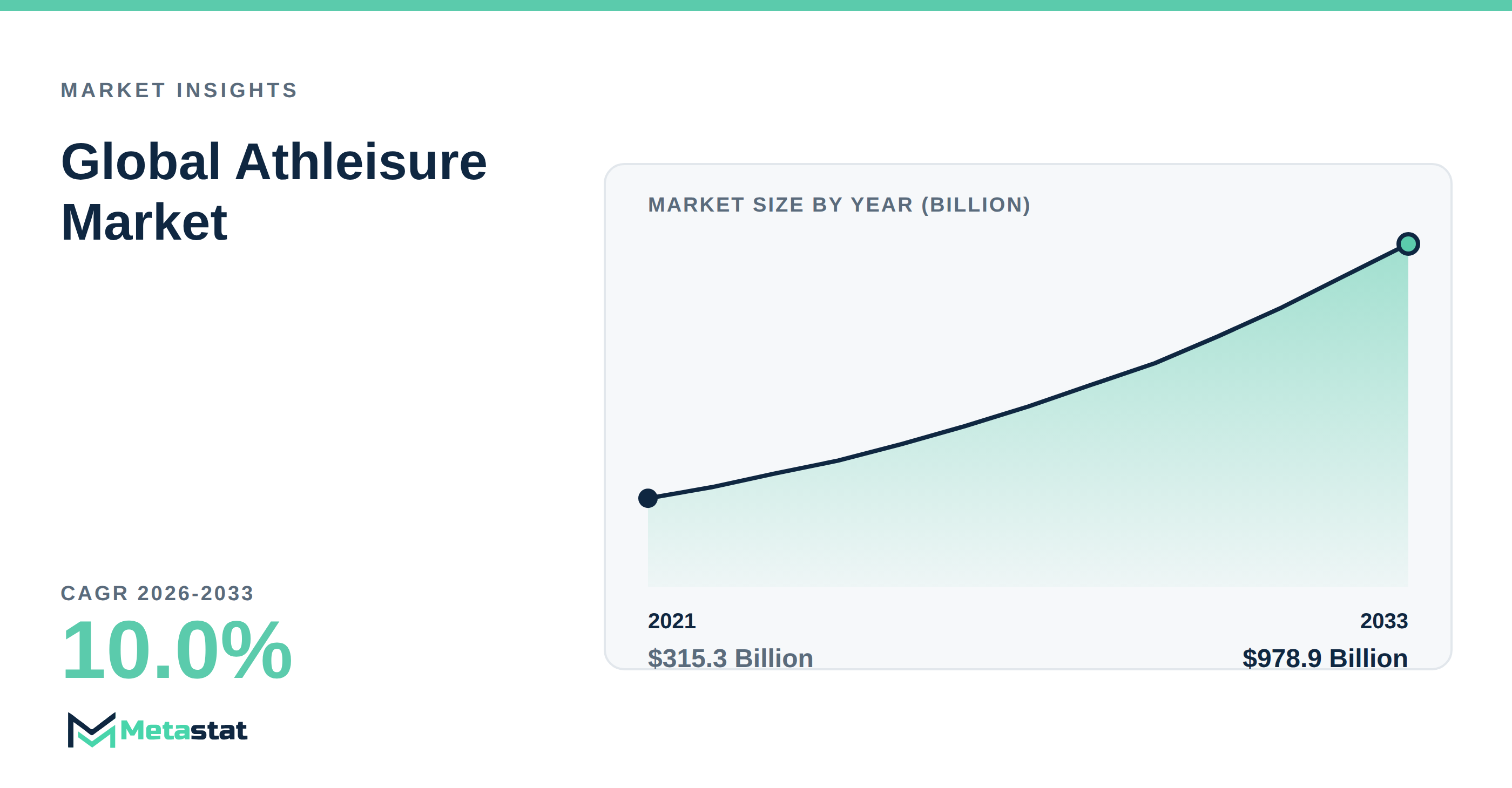
North America stands out as a leading region in the athleisure sector, accounting for 33.0% of global demand in 2025. This strong position is primarily fueled by a robust focus on health and fitness within the population. A cultural inclination towards active lifestyles, combined with an increasing number of fitness facilities and initiatives, cultivates an environment conducive to athleisure adoption. The versatility and comfort of athleisure clothing appeal to consumers who seek functional options suitable for both workouts and casual settings.
Retail strategies play a significant role in this landscape. North American brands emphasize a strong online presence, enhancing accessibility for consumers. Enhanced e-commerce platforms have transformed shopping habits, making it easier for consumers to experiment with athleisure styles. The shift towards premium offerings highlights evolving consumer expectations, as customers prioritize high-quality materials and innovative designs that deliver both performance and style.
How does Europe compare in athleisure consumption?
Europe, while equally invested in athleisure, reflects a different set of dynamics. The region accounted for 30.1% of the global athleisure demand in 2025, indicating a strong presence. However, the European approach to athleisure emphasizes sustainability and ethical production practices more significantly than North America. This shift has spurred the growth of premium and sustainable brands, catering to environmentally conscious consumers. European buyers are increasingly drawn toward products that align with their values, often opting for materials sourced from recycled textiles.
Furthermore, European consumers exhibit a strong preference for fashion-oriented athleisure. This trend influences product design and marketing strategies. As athleisure becomes a fashion statement, brands respond by collaborating with designers to create stylish yet functional pieces that appeal to fashion-conscious individuals. The influence of social media, particularly among younger demographics, drives these trends and stimulates demand for trendy athleisure apparel.
What impacts athleisure regional demand variations?
The divergence between North America and Europe in athleisure demand largelies be attributed to distinct cultural frameworks and lifestyle habits. North Americans frequently prioritize performance and versatility, driving demand for functional, high-quality products. In contrast, European consumers gravitate towards style and ethical considerations, leading to a focus on sustainable materials and innovative designs.
Pricing strategies further accentuate these differences. In North America, competitive pricing exists alongside premium offerings, appealing to a diverse consumer base. However, in Europe, consumers are more willing to invest in higher-priced items when they perceive added value in terms of sustainability and style. This willingness reflects a broader trend toward quality over quantity, as many European shoppers seek apparel that aligns with their lifestyle choices.
What does the future hold for athleisure in these regions?
The future of athleisure in both North America and Europe appears promising, but the routes to growth will likely differ. North American brands continue to capitalize on the growing health and fitness consciousness among consumers, driving innovations in product design and functionality. The online sales channel's expansion will boost accessibility, enhancing consumer engagement and loyalty.
In Europe, the focus on sustainability is expected to shape the landscape. Brands that embrace eco-friendly practices and materials will likely stand out in a competitive environment. The fusion of fashion and functionality will continue to resonate with consumers, driving strong demand for stylish athleisure choices.
Understanding these regional nuances will be crucial for stakeholders aiming to optimize their strategies and effectively cater to diverse consumer preferences. By concentrating on the unique demands and values of each market, brands position themselves advantageously and ensure sustained growth in the evolving sector for athleisure.
Tags
About the Author

LEAD ANALYST
Utkarsh Khirodkar is a Lead Market Research Analyst at MetaStat Insight, specializing in market intelligence, technology sector assessments, and competitive strategy.