
LEAD ANALYST
Utkarsh Khirodkar is a Lead Market Research Analyst at MetaStat Insight, specializing in market intelligence, technology sector assessments, and competitive strategy.

Global Athleisure Market Size, Share, By Product Type (T-Shirts and Tops, Hoodies and Sweatshirts, Leggings and Yoga Pants, Joggers and Sweatpants, Athletic Shorts, Sports Bras and Others), By Category (Mass Athleisure and Premium Athleisure), By End User (Women, Men and Children), By Distribution Channel (Offline and Online), Industry Analysis, Growth, Trends, and Forecast, 2026-2033
Report ID
MSI-5647
Published
October, 2026
Pages
295 Pages
Format
Historical
Base year
Forecast
Forecast period
Report Details
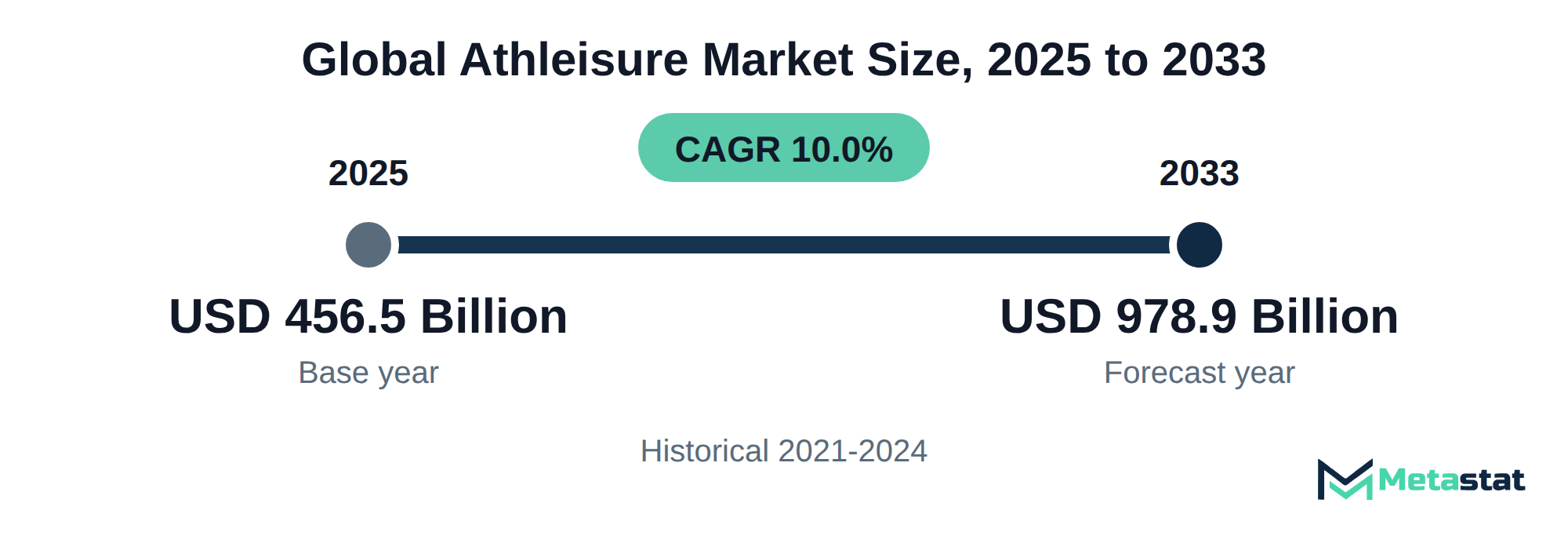
Market Valuation: Valued at $456.5 Billion in 2025, projected to reach $978.9 Billion by 2033 at a 10.0% CAGR.
Dominant Segment: The T-Shirts and Tops segment leads the Athleisure market, driven by consumer preference for versatile and stylish options suitable for both casual and athletic wear.
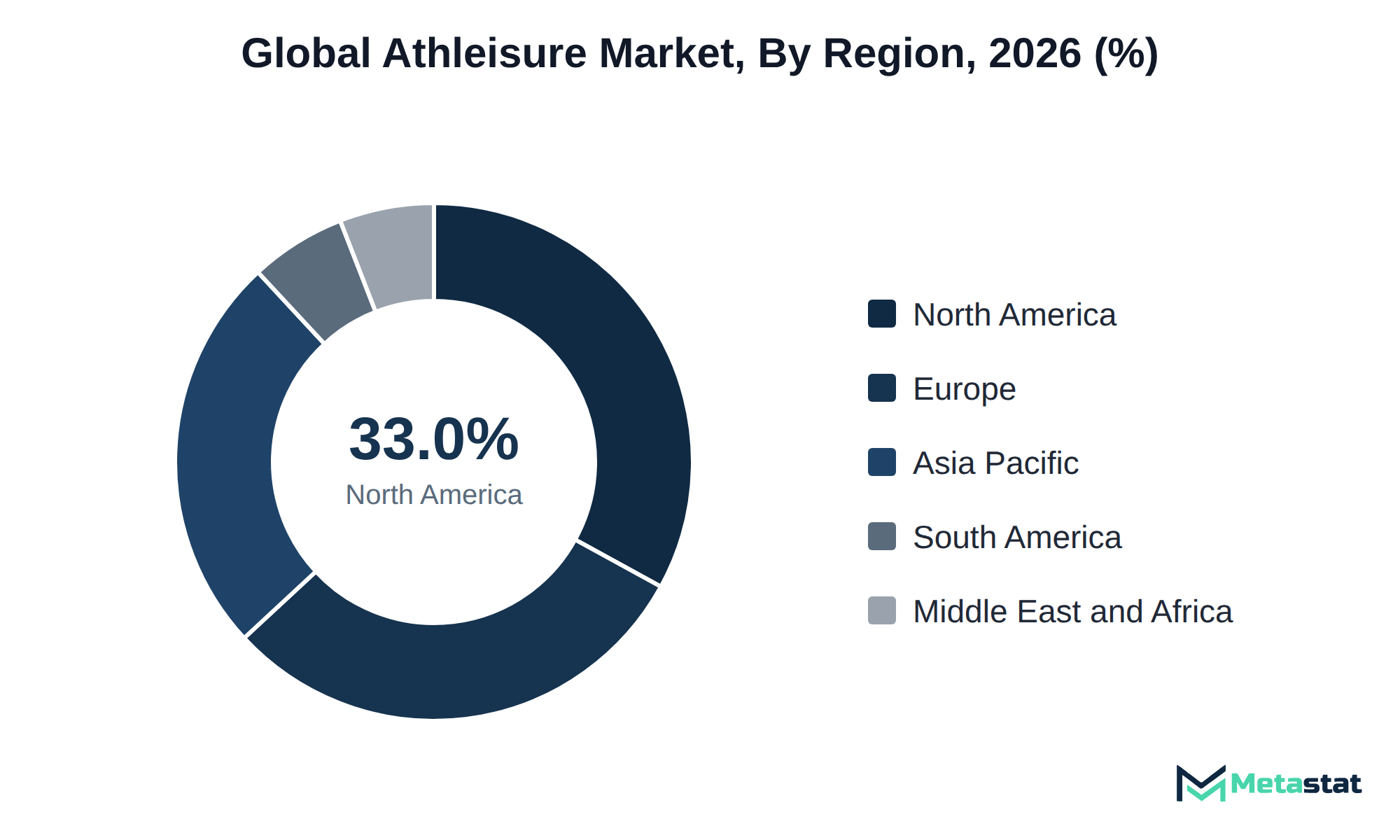
Geographic Lead: North America is the leading region in the Athleisure market, holding 33.0% of the market share in 2025, with the US expected to maintain its dominance through 2026 due to strong brand presence and innovation.
What's Inside: This report provides a comprehensive analysis of the Athleisure market, including detailed segmentation by product type, category, end user, and distribution channel, along with competitive coverage and market forecasts through 2033.
Emerging Opportunities: The online sales channel is projected to reach USD 374.6 billion by 2033, reflecting a growing consumer preference for the convenience of e-commerce and tailored shopping experiences.
Growing Interest in Fitness: The increasing focus on health and fitness among women is significantly driving market growth, with the women's segment expected to reach USD 401.1 billion by 2033.
Choose Your License
Global Athleisure Market
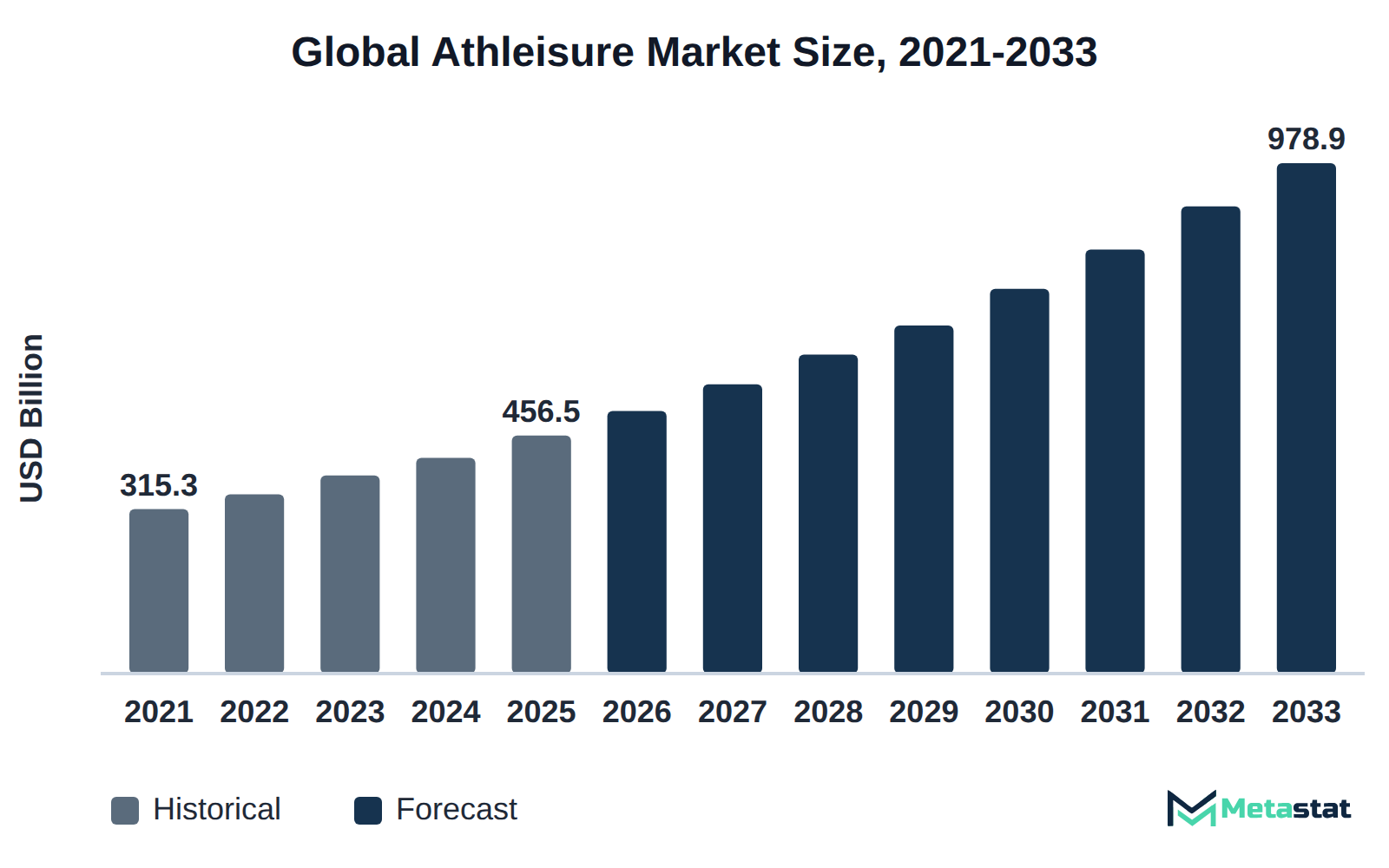
The global Athleisure market was valued at USD 456.5 billion in 2025 and is projected to reach USD 978.9 billion by 2033, growing at a CAGR of 10.0% over the forecast period.
The Athleisure market covers apparel designed for both athletic activities and casual wear. Buyers invest in such products due to their versatility, comfort, and the growing trend towards healthier lifestyles. This market appeals to various consumer groups, including fitness enthusiasts and individuals seeking comfortable everyday clothing. The demand for stylish yet functional attire drives significant spending in this sector.
Projected growth in the market stems from increasing health consciousness and the rise of athleisure as a fashion statement. Among the segments, T-Shirts and Tops generate the highest revenue, highlighting consumer preference for this category. North America holds 33.0% of the market in 2025, with the US leading in 2026. This region remains a focal point for innovation and brand presence, influencing global trends in athleisure apparel.
Expanding online retail channels further fuel growth by enhancing accessibility for consumers. The market's appeal lies in its ability to meet the demands of a diverse demographic, including women, men, and children. The shift towards premium athleisure options reflects changing consumer expectations for quality and performance-driven products, indicating a strong growth trajectory.
The Athleisure market includes segments such as T-shirts, leggings, and hoodies, catering to a diverse consumer base. Buyers prioritize comfort and versatility, prompting spending across demographics. The popularity of athleisure stems from its adaptability for both fitness and everyday scenarios, fulfilling the need for functional yet stylish apparel.
Mass Athleisure represents the segment with the highest value, driven by the rising trend of casualization in fashion and fitness. The region's strong purchasing power and cultural inclination towards active lifestyles contribute significantly to market dynamics.
Growth in the market is supported by increasing health consciousness among consumers, leading to higher participation in fitness activities. The online distribution channel is expanding strongly, driven by the convenience of e-commerce and changing shopping behaviors. This shift enhances accessibility and broadens the consumer reach for athleisure brands.
Leggings and matching sets dominate the Athleisure market, becoming staples for consumers seeking versatility between the gym and casual settings. The growing preference for comfort-driven apparel fuels demand for these products, allowing brands to capitalize on this trend effectively. The segment for Leggings and Yoga Pants is projected to reach USD 229.2 billion by 2033, reflecting a substantial increase in consumer interest and spending.
This rise in popularity stems from several factors, including the increasing focus on fitness and the broader health and wellness trend, alongside a shift in consumer attitudes towards fashion and functionality. Athleisure brands have recognized this opportunity and developed designs that move from workout to everyday wear. The emphasis on matching sets further enhances appeal, simplifying outfit choices for consumers while maximizing style and comfort.
This trend goes beyond aesthetic preferences and strongly influences purchasing decisions. Brands that prioritize the development of high-quality leggings and coordinated sets attract a dedicated customer base and build brand loyalty. This focus on consumer needs allows companies in the Athleisure market to enhance their competitive positioning while driving sustained revenue growth.
Pricing in the premium athleisure market relies heavily on fabric performance and fit consistency. Buyers prioritize high-quality materials that enhance comfort and durability, directly impacting their purchasing decisions. Premium athleisure products serve a functional purpose and also reflect a lifestyle choice that consumers embrace. The segment for premium athleisure is projected to reach USD 384.1 billion by 2033, reflecting a compound annual growth rate of 10.9%, driven by increasing demand for quality among consumers.
Contract models in the premium segment often involve longer-term agreements with suppliers to ensure consistent quality and performance. These contracts typically include clauses that guarantee the delivery of materials adhering to specific performance standards, including moisture-wicking capabilities and breathability. Brands prioritize securing relationships with manufacturers capable of providing consistent fabric quality, which in turn influences customer satisfaction and brand loyalty.
The ability to offer reliable pricing models based on fabric performance enhances competitive positioning within the athleisure market. Establishing clear expectations regarding pricing tied to fabric specifications promotes transparency and drives consumer trust. Buyers increasingly seek assurance that their investments yield high-quality products aligning with their lifestyle expectations.
Online fit guidance significantly enhances conversion rates for activewear purchases, addressing the unique challenges faced by consumers shopping in the athleisure market. With increasing online sales, the need for precise size and fit information becomes crucial, particularly for women, who represent a substantial portion of activewear buyers. Women's activewear revenue is expected to reach USD 401.1 billion by 2033, demonstrating the growing importance of catering to this demographic.
Providing virtual fitting tools and detailed size charts allows retailers to reduce uncertainties that often lead to cart abandonment. The rise of online shopping in this segment emphasizes the necessity for effective return policies. Retailers offering hassle-free returns experience increased consumer confidence, further driving sales. Investment in these areas meets the expectations of the target audience, strengthens brand loyalty, and contributes to overall market growth.
Recycled and bio-based fabrics significantly influence the design and production of everyday activewear, driving a transformation in the athleisure market. The demand for sustainable materials reflects a growing consumer preference for environmentally friendly products, which has increased the adoption of recycled textiles. In 2026, the market for women-focused athleisure products, including leggings and yoga pants, is projected to reach USD 205.2 billion, with expectations of rising to USD 401.1 billion by 2033. This trend highlights the importance of incorporating sustainable fabrics in product lines to meet evolving consumer preferences.
Brands that adopt recycled and bio-based textiles experience enhanced brand loyalty and customer satisfaction. The integration of sustainable practices aligns with consumer values and addresses regulatory pressures for eco-friendliness. Companies in the athleisure market that prioritize these materials gain a competitive edge, positioning themselves as industry players in sustainability.
The increasing focus on health and fitness among women drives significant growth in the Athleisure market. This demographic shift has led to heightened demand for stylish and functional activewear that caters to both exercise and everyday activities. The rise of influencer marketing, led by fitness-centric social media influencers, promotes active lifestyles, encouraging women to invest in athleisure apparel that complements their routines. In 2026, the segment targeting women will generate revenue of USD 205.2 billion, rising to USD 401.1 billion by 2033 at a compound annual growth rate (CAGR) of 10%. This surge in demand places pressure on manufacturers to innovate and provide versatile options that align with consumer preferences, ultimately improving market dynamics.
Growing participation in fitness-related activities contributes to expanding opportunities for brands focusing on this consumer group. This trend influences pricing strategies and product development, increasing competition among players aiming to capture market share.
Innovations in fabric technology significantly influence product offerings in the athleisure market. Advanced textile manufacturing techniques enable the creation of moisture-wicking, breathable, and lightweight performance fabrics that enhance comfort during physical activities. These improvements appeal to consumers seeking performance and functionality in their activewear while driving demand for new products. Sustainable practices, including the use of recycled materials, shape purchasing choices among environmentally conscious buyers. Enhanced durability and elasticity of fabrics contribute to longer-lasting apparel, supporting consumer perceptions of value. The expansion of customized fabric solutions for specific activities, including yoga or running, enables brands to differentiate themselves in a crowded market. This shift toward technologically advanced materials strengthens brand loyalty and encourages premium pricing strategies. The overall growth trajectory of the market is expected to align with these technological advancements, creating opportunities for companies to innovate and expand their product lines.
The rising costs of athleisure apparel restrict consumer adoption, particularly among budget-conscious segments. Price sensitivity manifests in slower uptake, leading to reduced orders and delayed purchases. Women, who represent a substantial portion of the buyer group, often prioritize affordability alongside quality. The increase in raw material prices contributes to higher retail prices, making it challenging for several consumers to justify higher expenditures on athleisure items.
The market experiences a balancing act, where consumers seek functional and stylish options without overspending. This dynamic results in cautious spending habits, particularly in the mass athleisure category. Affected buyers often opt for lower-priced alternatives or postpone purchases, which consequently impacts overall market growth. Addressing the issue of rising costs through alternative sourcing or value-driven marketing strategies could improve accessibility for various consumer segments, creating a more resilient market environment.
Suppliers face significant challenges due to increasing input costs, particularly for high-performance materials required in the athleisure market. Fluctuations in raw material prices impact manufacturers' ability to maintain profit margins while delivering quality products. This environment compels suppliers to adjust pricing strategies to reflect higher manufacturing costs, leading to reduced sales volume, particularly in price-sensitive segments. In response, several suppliers invest in cost-control measures, including optimizing production processes and sourcing alternative materials. This proactive approach enables companies to mitigate the impact of rising costs while maintaining a competitive edge in the market. By focusing on sustainable practices and innovative material sourcing, suppliers enhance their value propositions, catering to growing consumer demand for eco-friendly options without compromising quality or performance. Cost management remains essential for handling profitability challenges in the athleisure market.
Online sales channels represent a significant growth opportunity within the Athleisure market, driven by increasing consumer preference for convenience and accessibility. The segment is projected to reach USD 374.6 billion by 2033, with a compound annual growth rate (CAGR) of 11.2%. This shift toward online purchasing reflects changing consumer behaviors, particularly among younger demographics who prioritize digital shopping experiences. Enhanced online platforms enable brands to directly engage with consumers, offering tailored marketing and personalized shopping experiences that align with their preferences.
The rise of e-commerce facilitates broader market penetration for athleisure brands, allowing them to reach previously underserved markets. The focus on digital transformation enables companies to optimize their distribution strategies, thereby improving operational efficiencies. Brands that invest in strong online initiatives gain a competitive edge, reinforcing brand loyalty while expanding their customer base. These factors collectively suggest a dynamic growth trajectory for online sales in the athleisure sector, contributing to overall market expansion.
The Global Athleisure market is segmented based on Product Type, Category, End User, and Distribution Channel.
T-Shirts and Tops segment is valued at USD 151.5 billion in 2026 and is projected to reach USD 280.4 billion by 2033, at a CAGR of 9.2% during the forecast period. Primarily used for casual wear and athletic activities, this segment appeals to a broad audience including fitness enthusiasts and everyday consumers. The growing trend of casualization in fashion heavily influences demand, with consumers seeking comfortable yet stylish options for both gym and social settings. Compared to other segments, T-Shirts and Tops exhibit a strong growth trajectory, supported by continual innovations in fabric technology and design. This segment distinguishes itself through its accessibility and affordability, catering to diverse buyer preferences while enhancing the overall appeal of the athleisure market. With a focus on versatility, this segment captures the interests of both men and women, positioning itself strongly against higher-priced categories, including Premium Athleisure.
The Hoodies and Sweatshirts segment is estimated to reach USD 189.1 billion by 2033, at a CAGR of 9.5% during the forecast period. This category includes versatile apparel primarily designed for casual wear and athletic activities, appealing to a broad demographic, particularly among young adults and active consumers. The surge in demand for comfort and style in everyday clothing drives growth in this segment. Increased consumer interest in athleisure as a fashion statement influences purchasing patterns, differentiating this segment from others including T-shirts and leggings, which do not exhibit the same growth rate. While hoodies and sweatshirts maintain a steady price point, demand for premium options with enhanced fabric technology continues to rise. This segment's ability to blend functionality with fashion contributes to its robust performance in the market.
This category primarily serves consumers seeking comfortable and versatile apparel suitable for both workouts and casual wear. Women represent a significant portion of the buyer demographic, driving demand through a growing interest in fitness and wellness. In this segment, the introduction of advanced materials and technologies enhances performance features, thus supporting growth. With a projected CAGR of 9.8%, this segment experiences stronger growth compared to other product types, including Hoodies and Sweatshirts. Pricing strategies in leggings and yoga pants often differ from premium offerings, focusing on affordability and accessibility for a wider audience, which contributes to increased penetration across various consumer segments. The expansion of retail channels, both online and offline, facilitates greater market reach and consumer engagement.
Joggers and Sweatpants segment is projected to grow at a CAGR of 9.8% during the forecast period. This segment includes comfortable, versatile apparel primarily used for physical activities and leisure by individuals seeking a blend of style and functionality. The growing trend toward athleisure fashion among men and women drives demand, reflecting lifestyle shifts that prioritize comfort without sacrificing aesthetics. Compared to other segments, including T-Shirts and Tops, which have a CAGR of 9.2%, joggers and sweatpants offer a higher degree of versatility for various occasions, contributing to their increasing popularity. The higher comfort factor and the rising trend of casualization in work attire particularly appeal to consumers, enhancing the segment's growth trajectory. This shift in personal style preferences establishes joggers and sweatpants as essential wardrobe staples within the athleisure market.
Athletic shorts provide a versatile option within the broader activewear spectrum, delivering comfort and flexibility for a variety of activities. This segment appeals to diverse user groups, including athletes, fitness enthusiasts, and casual wearers seeking functionality and style. Key demand drivers include the rising popularity of outdoor sports and recreational activities, fueling interest among consumers seeking performance-oriented apparel. Athletic shorts generally feature lightweight, breathable materials, differentiating them from other product types within the market. Growth patterns indicate a steady increase, influenced by an expanding consumer base prioritizing comfort and mobility. In comparison to other segments, including hoodies and sweatshirts, athletic shorts experience a more dynamic demand trajectory, reflecting lifestyle trends that emphasize active engagements.
Sports bras are a critical component of activewear, designed to provide support during physical activities. Primarily used by women, these garments cater to diverse fitness routines, from yoga to high-impact sports. The growing emphasis on health and wellness contributes to increasing demand for this segment, reflecting broader lifestyle trends. The rising participation of women in fitness activities drives the segment's growth. Compared to other product types, sports bras carry a higher price point due to advanced materials and engineering required for effective support and comfort. This distinction positions sports bras uniquely within the market, as they prioritize functional performance alongside style.
Others (Athletic Dresses, Skorts, Unitards) includes versatile apparel designed for sports and activewear, appealing to those seeking stylish and functional options. This segment attracts women, who prioritize both aesthetics and performance in their clothing choices. The rising trend toward multi-functional garments, suitable for both workouts and casual outings, drives demand for these items. Unlike traditional athleisure offerings, this sub-segment emphasizes style alongside functionality, appealing to consumers who value creative designs. Segments including Hoodies and Sweatshirts and Leggings show strong growth. The emphasis on fashion within the Others segment creates a unique market position for fashion-conscious athletes seeking outfits that transition from exercise to everyday activities. This positioning contributes to its distinct consumer base in the overall athleisure market.
Mass Athleisure segment is valued at USD 317 billion in 2026 and is projected to reach USD 594.8 billion by 2033, at a CAGR of 9.4% during the forecast period. This segment primarily caters to budget-conscious consumers seeking stylish, comfortable, and functional activewear for both fitness activities and casual wear. The growing popularity of a health-focused lifestyle continues to drive demand in this segment, appealing particularly to women and men looking for versatile apparel. The Mass Athleisure category experiences a slightly slower growth rate compared to Premium Athleisure, reflecting a broader price range and diverse buyer base. While Premium Athleisure positions itself at higher price points, Mass Athleisure provides accessible options for a wider audience. Increasing consumer prioritization of value supports market expansion, with innovative designs and materials enhancing appeal across demographics.
This segment targets consumers seeking high-quality activewear that combines performance with style. Women, in particular, drive demand due to increasing participation in fitness activities and a preference for fashionable, functional clothing. The segment differentiates itself through superior materials and design, often at higher price points compared to mass athleisure. The appeal of premium offerings stems from brand loyalty and the perception of enhanced quality. Premium Athleisure occupies a unique position in the market, focusing on innovation in style and performance, thus attracting discerning buyers willing to invest more for added value.
Women actively seek athleisure products for both fitness activities and casual wear, contributing significantly to this segment's growth. Increasing participation in sports and fitness activities among women, combined with evolving fashion trends that blur the lines between athletic and casual wear, drives this segment's momentum. In comparison to the Premium Athleisure segment, which is expected to grow at a CAGR of 10.9%, the Women segment shows slightly slower growth. This dynamic reflects a broader consumer shift towards versatility in apparel, impacting purchasing decisions among women who prioritize comfort and style in their wardrobe choices. The market evolves to meet these changing preferences, highlighting the Women segment as a critical driver of overall growth.
The men segment is estimated to reach USD 326.3 billion by 2033, at a CAGR of 9.2% during the forecast period. This segment caters predominantly to male consumers seeking stylish and functional apparel for both athletic and casual occasions. The increasing emphasis on fitness and active lifestyles among men drives demand for athleisure products. Rising awareness of health benefits associated with physical activity influences purchasing decisions. Compared to women, men typically gravitate toward different styles and designs, resulting in distinct preferences for specific types of products. The market for men’s athleisure exhibits significant growth while remaining competitive against other segments, including women’s apparel, which experiences similar trends at varying rates. The emphasis on product innovation and comfort positions this segment for sustained expansion, contributing significantly to overall market growth.
The Children segment is expected to reach USD 194.7 billion by 2033. This segment caters to the growing demand for comfortable and stylish activewear for children, reflecting a shift in consumer preferences towards athleisure apparel for younger demographics. Parents increasingly seek high-quality, functional clothing that supports active lifestyles. The rising importance of fitness and wellness among families, including participation in youth sports, drives this segment's growth. Compared to other segments, the Children segment experiences a moderate growth rate, influenced by factors including affordability and brand loyalty. The Children segment's growth rate aligns with trends in the broader market, while its unique buyer demographic and focus on age-appropriate styles differentiate it from the other segments in this group. The market continues to adapt to these demands, ensuring that children receive apparel that balances fashion and functionality.
The Unisex Adults segment is projected to grow at a CAGR of 10.7% during the forecast period. This segment encompasses athleisure apparel tailored for adults regardless of gender, appealing to consumers seeking versatile and comfortable clothing options for both fitness and casual wear. The increasing trend of gender-neutral fashion significantly influences this segment, driving demand from consumers who prioritize comfort and style over traditional gender distinctions. Distinct from other segments, including Women and Men, the Unisex Adults segment caters to a broader audience, allowing brands to appeal to diverse consumer preferences. This segment's growth trajectory positions it favorably within the overall athleisure market, reflecting evolving societal norms and preferences that emphasize inclusivity and functionality in activewear.
Offline segment is valued at USD 325.7 billion in 2026 and is projected to reach USD 604.3 billion by 2033, at a CAGR of 9.2% during the forecast period. This distribution channel serves customers who prefer in-store shopping experiences, allowing them to physically try on products before purchasing. Key drivers of growth include the ongoing trend of fitness and wellness among consumers, alongside a rising interest in fashion-oriented activewear. Compared to the online segment, which experiences a higher growth rate, the offline channel appeals to a demographic seeking immediate gratification from their purchases. This dynamic influences strategic decisions for suppliers and retailers to optimize their in-store offerings and enhance consumer experiences.
This segment caters to consumers seeking convenient access to athleisure products, with a growing emphasis on digital shopping experiences. The rise in e-commerce adoption, driven by increasing smartphone penetration and improved internet connectivity, significantly influences this segment. Unlike offline channels, which are projected to grow at a CAGR of 9.2%, the online segment shows a stronger growth trajectory. This heightened demand aligns with the preferences of tech-savvy buyers prioritizing ease of shopping and product variety. The market benefits from this trend, reflecting an increasing shift toward digital platforms for athleisure purchases.
Based on geography, the Global Athleisure market is divided into North America, Europe, Asia-Pacific, South America, Middle East, and Africa.
Strong demand for the athleisure market in North America stems from a growing focus on health and fitness, particularly in the United States, Canada, and Mexico. Consumers prioritize comfort and versatility in their clothing choices, driving growth in this segment. Infrastructure improvements in retail and online platforms facilitate easier access to a wide range of products, enhancing consumer engagement. The market in this region is projected to reach USD 307.8 billion by the end of 2033. North America accounted for 33.0% of the global athleisure market, highlighting its importance as a key player in this industry. With the rising trend of casual and active lifestyles, the demand for athleisure products is expected to sustain its upward trajectory in this region.
In Europe, a strong emphasis on health and fitness drives demand within the athleisure market. Countries including Germany, France, and the UK exhibit a growing interest in active lifestyles, reflected in rising participation in sports and fitness activities. The increasing number of fitness centers and wellness programs supports this trend, enhancing consumer engagement with athleisure apparel. The market commands a 30.1% share of the global landscape in 2025, highlighting its importance in the broader context. Premium brands and sustainable fashion production practices stand out in this region, influencing purchasing decisions among environmentally conscious consumers. The development of e-commerce platforms enhances accessibility, enabling a wider audience to engage with athleisure products, further fueling market growth.
Demand within the Asia-Pacific region experiences strong growth, driven by rising fitness awareness and health consciousness among consumers. Key markets including China and India contribute significantly to the athleisure market due to increasing urbanization and a growing middle class. The demand for comfortable and stylish clothing among younger demographics fuels this trend, with many consumers incorporating athleisure into their daily wardrobes. Infrastructure improvements, including enhanced retail networks and online platforms, facilitate access to a wider range of products. The market captures a share of 25.0% of the global athleisure market in 2025, with strong potential for expansion through 2033, reflecting an evolving consumer landscape that prioritizes comfort and versatility.
In South America, demand for the athleisure market is fueled by a growing interest in fitness and wellness among consumers. Brazil and Argentina lead the charge in this region, with an increasing number of individuals prioritizing health-conscious lifestyles. The availability of local brands alongside international names enhances competition, allowing buyers to choose from a wide range of products. The market's share in South America is projected at 6.0% in 2025, indicating steady growth opportunities. Infrastructure improvements in retail channels support the distribution of athleisure products, enhancing accessibility for consumers across urban and rural areas. This evolving consumer mindset contributes to the overall expansion of the market, creating a strong environment for growth in the coming years.
The athleisure market in the Middle East and Africa exhibits specific dynamics influenced by the growing interest in health and fitness among consumers. Countries including Saudi Arabia and the UAE prioritize fitness initiatives and wellness programs, stimulating demand for athleisure products. South Africa shows a rising trend toward casual and active lifestyles, further enhancing market potential. The region accounts for 5.9% of the global market in 2025, demonstrating a significant, although smaller, share compared to other areas. Retail infrastructure improvements and increasing online shopping accessibility contribute to market growth. By focusing on the unique preferences of consumers in this region, brands tailor their offerings effectively to meet the demands of an evolving customer base. The market's trajectory reflects an expanding appetite for versatile activewear that aligns with both fitness and fashion sensibilities.
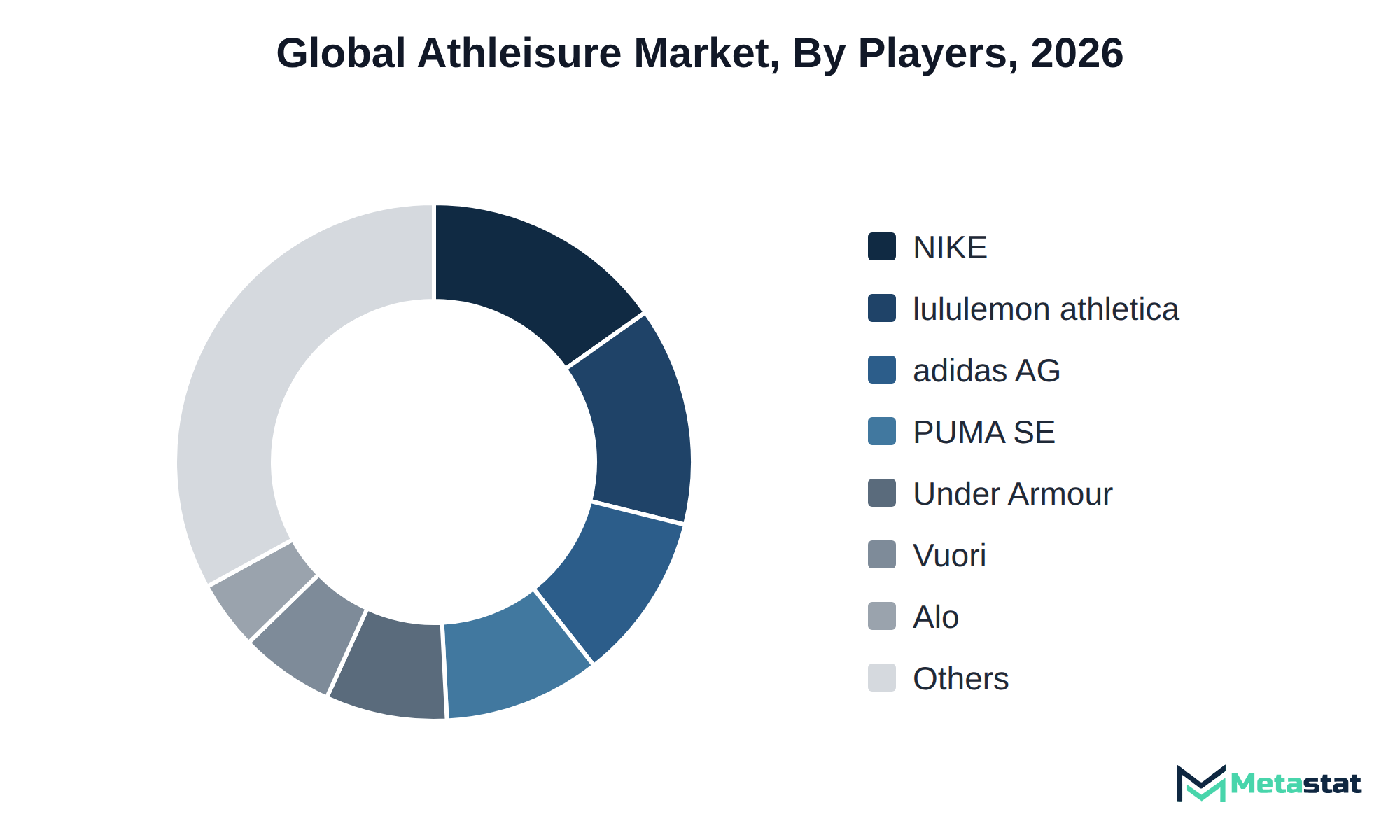
Competition in the Athleisure market is intense, driven by several key players focusing on diverse product offerings and strategic positioning. Companies including NIKE, Inc. and adidas AG emphasize brand recognition and innovation, appealing to consumers through performance-oriented designs and marketing campaigns. Others, including lululemon athletica inc. and Gymshark Limited, target specific demographics and lifestyle segments, encouraging community engagement and brand loyalty.
Buyers choose products based on factors including price, quality, design, and brand prestige. Premium Athleisure brands, including Alo, LLC and Fabletics, LLC, cater to consumers seeking high-quality materials and unique designs, while Mass Athleisure brands like Under Armour, Inc. and PUMA SE offer competitive pricing and broad accessibility. This segmentation drives different value propositions, influencing purchasing decisions in the market.
Achieving this growth relies on several key developments within the Athleisure market. The expansion of online distribution channels is crucial, with digital sales projected to experience significant growth, driven by evolving consumer preferences for convenience and accessibility. Premium Athleisure is anticipated to gain traction, appealing to the growing segment of health-conscious consumers willing to invest in higher-quality apparel. In addition, the increasing participation of women in sports and fitness activities signifies robust demand for products tailored to this demographic, particularly in categories including leggings and yoga pants. Potential risks could hinder this trajectory. Economic fluctuations disrupt consumer spending patterns, particularly in the premium segment. Supply chain challenges, including material shortages and higher freight forwarding costs, could impact product availability and pricing strategies across regions. These factors present challenges that stakeholders in the market face in achieving the projected growth by 2033.
By Product Type: T-Shirts and Tops, Hoodies and Sweatshirts, Leggings and Yoga Pants, Joggers and Sweatpants, Athletic Shorts, Sports Bras, Others (Athletic Dresses, Skorts, Unitards)
By Category: Mass Athleisure, Premium Athleisure
By End User: Women, Men, Children, Unisex Adults
By Distribution Channel: Offline, Online
The report strategically identifies and profiles the key market players and analyses their core competencies in each sub-segment of the Athleisure market.
Report Attributes | Details |
Study Period | 2021-2033 |
Base Year | 2025 |
Estimated Year | 2026 |
Forecast Period | 2026-2033 |
Historical Period | 2021-2025 |
Growth Rate | CAGR 10.0% from 2026 to 2033 |
Revenue Unit | USD billion |
Segmentation | By Product Type, Category, End User, Distribution Channel, and Region |
By Region | North America (By Product Type, Category, End User, Distribution Channel, and Country)
|
Europe (By Product Type, Category, End User, Distribution Channel, and Country)
| |
Asia Pacific (By Product Type, Category, End User, Distribution Channel, and Country)
| |
South America (By Product Type, Category, End User, Distribution Channel, and Country)
| |
Middle East and Africa (By Product Type, Category, End User, Distribution Channel, and Country)
|
Find answers to common questions about this report
The Athleisure market size was valued at USD 456.5 billion in 2025.
The market is projected to grow at a CAGR of 10.0% during the forecast period from 2026 to 2033.
The North America Athleisure market size is estimated to reach USD 307.8 billion by 2033.
The leading segment in the Athleisure market is Mass Athleisure, with a projected value of USD 594.8 billion by 2033. This segment surpasses Premium Athleisure, which is expected to reach USD 384.1 billion in the same year.
Key drivers for the Athleisure market include the increasing focus on health and fitness among women, which significantly boosts demand. Innovations in fabric technology enhance product offerings, attracting consumers seeking performance and functionality in activewear.
North America holds the dominant share of the Athleisure market, with a value of USD 307.8 billion projected for 2033, representing 33 percent of the total market.
Rising costs of athleisure apparel restrict consumer adoption, particularly among budget-conscious segments. Increasing input costs for high-performance materials challenge suppliers' ability to maintain profit margins while delivering quality products.
The increasing focus on health and fitness among women drives significant growth in the Athleisure market. Enhanced online sales channels and advancements in fabric technology further support adoption, allowing brands to offer stylish, functional options that cater to evolving consumer preferences.
The Athleisure market is estimated to reach a valuation of USD 978.9 billion by 2033.
Key players operating in the Athleisure market include lululemon athletica inc., NIKE, Inc., adidas AG, PUMA SE, Under Armour, Inc., and Gymshark Limited.
The analysts below cover Consumer Goods research at Metastat Insights.
LEAD ANALYST
Utkarsh Khirodkar is a Lead Market Research Analyst at MetaStat Insight, specializing in market intelligence, technology sector assessments, and competitive strategy.
Our team was tracking whether regional recycling infrastructure could realistically absorb the growing volume of lithium iron phosphate batteries over the next decade. The report did a solid job separating announced hydrometallurgical plant capacity from active, permitted operational throughput. That distinction made the feedstock availability projections and regional recovery rate models far more credible than standard commercial overviews.
Tracking capacity expansion in single-use bioprocessing requires dependable data on raw material availability and cleanroom-grade polymer supply chains. The competitive landscape chapter gave a grounded evaluation of secondary component suppliers across North America and Asia-Pacific rather than simply reprinting press releases. Having that level of supplier benchmarking helped clarify dual-sourcing considerations for our clinical pipeline planning.
When evaluating distributed energy resource management systems, standard research summaries tend to gloss over the operational differences between front-of-the-meter utility deployments and behind-the-meter industrial sites. The MetaStat Insight report addressed those distinctions directly, especially regarding software interoperability standards and grid interconnection backlogs. The five-year market sizing across regional transmission organizations provided actionable context for our grid modernization strategy.
Explore related market intelligence reports worth reading alongside this one.