
Explore the factors shaping audiobook consumer behavior, including subscription models and genre preferences, to understand the future of audiobook consumption.
Consumers frequently misinterpret the factors influencing their purchasing decisions in the audiobook industry. While many assume that the variety of titles and genres solely drive this market, the reality indicates that convenience, accessibility, and subscription models play a crucial role in shaping listener behavior. This article explores these complexities and what they mean for the future of audiobook consumption. For a detailed analysis, refer to the Audiobook market size and forecast report.
What drives consumer interest in audiobooks?
Convenience emerges as the primary driver of interest in audiobooks. Listeners value the ability to engage with content during daily activities, including commuting, exercising, or even performing household chores. The rise of smartphones has transformed how consumers access audiobooks, making them an integral part of modern life. The significant growth in smartphone ownership allows users to seamlessly integrate audiobooks into their routines, thereby enhancing overall consumption.
This cultural shift toward on-the-go media consumption reinforces the trend of audiobooks as a favored alternative to traditional reading. The increase in subscription models further enhances this trend by providing a vast selection of titles without the need for hefty individual purchases, enabling listeners to explore diverse genres without financial constraints.
How subscription models are reshaping audiobook purchases
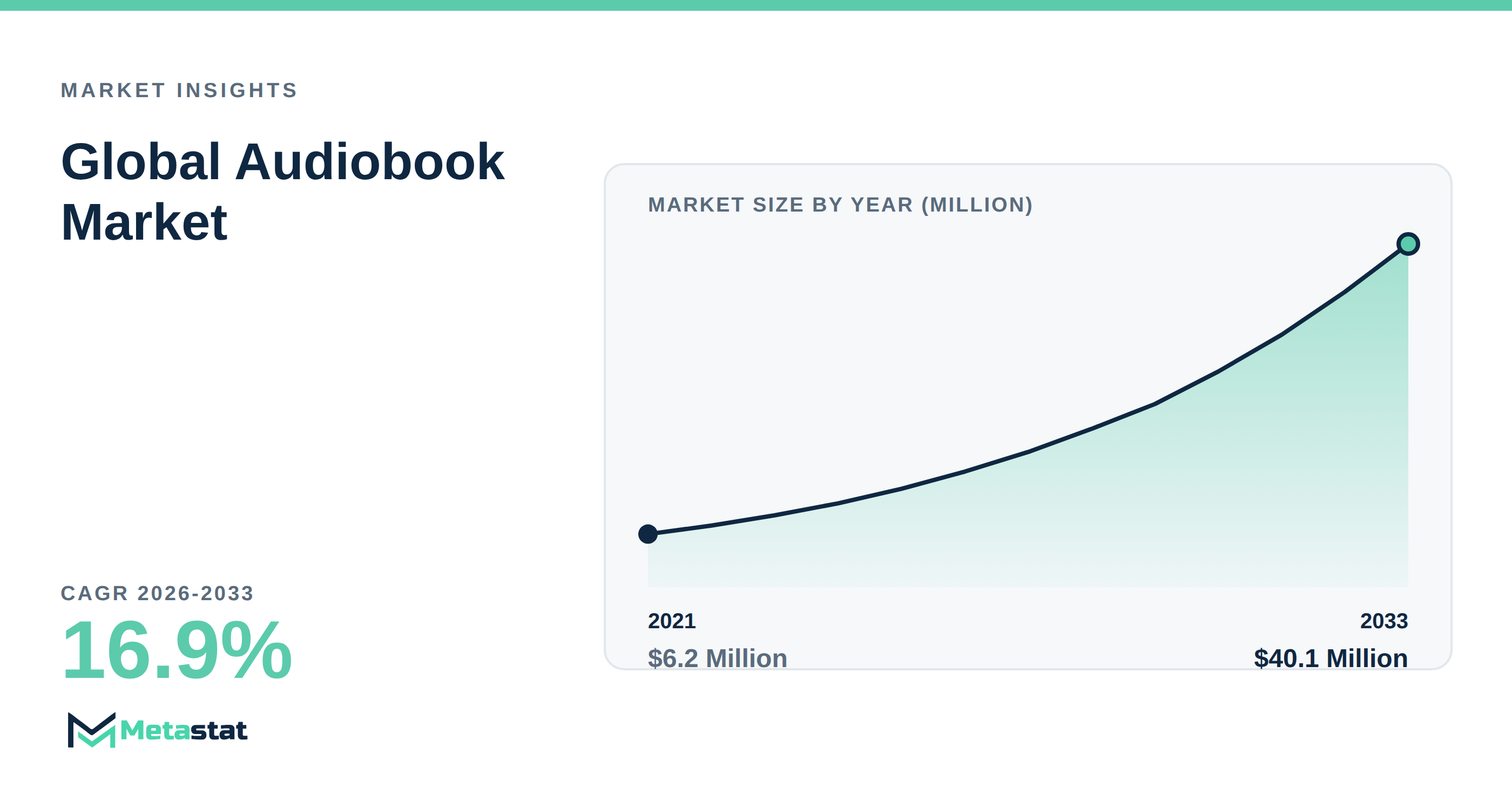
Subscription services have significantly changed how consumers interact with audiobooks. By offering access to a vast library of titles for a flat monthly fee, these services cater to a growing preference for flexibility in consumption. By 2033, subscription access is projected to generate USD 21.2 million, signaling a strong shift towards embracing subscription-based access instead of purchasing individual titles.
This model cultivates a more engaged listener base, motivating users to explore different genres and maximize their subscriptions. The ability to try various titles without additional costs increases customer loyalty and satisfaction, essential in a competitive environment.
What impact does genre preference have on audiobook consumption?
Fiction dominates consumer interest in audiobooks, highlighting the audience's desire for immersive storytelling experiences. The fiction segment is expected to grow significantly, from USD 8.5 million in 2026 to USD 25 million by 2033, reflecting its strong appeal among listeners. The captivating narratives and emotional connections offered by fiction create a compelling experience that continues to attract audiences.
In contrast, the nonfiction segment is anticipated to grow steadily, driven by increasing interest in self-improvement and educational content. Consumers navigating their personal and professional lives foster the demand for informative audiobooks, reinforcing the need for diverse content tailored to various audiences. Publishers who recognize this demand and adapt their catalogs are better positioned to thrive in this evolving landscape.
How does pricing impact audiobook accessibility?
While subscription models enhance accessibility, high prices for individual titles deter potential listeners, particularly among price-sensitive consumers. This pricing barrier limits the growth potential of the audiobook sector, especially in regions with lower disposable incomes. Offering a mix of subscription-based services and competitively priced individual titles broadens consumer access, thereby increasing overall engagement.
Addressing pricing challenges is essential for ensuring audiobooks appeal to a more diverse audience. Introducing advertising-supported access - allowing users to listen to audiobooks for free in exchange for ads - provides an innovative approach that significantlies expand the listener base.
Which demographic trends influence audiobook consumption?
Demographics play a vital role in shaping audiobook preferences. Adults represent the largest audience segment, primarily driven by their pursuit of education and entertainment. However, younger listeners, especially children and teenagers, emerge as a significant market force, fueled by the growing popularity of audiobooks in educational settings.
The revenue for the children and young adults segment is projected to reach USD 9.4 million by 2033, indicating a noticeable shift toward engaging younger audiences. Publishers adjust their offerings to align with the changing tastes and preferences of this demographic, further contributing to the broader evolution of the audiobook landscape.
Understanding the intricacies behind audiobook consumption reveals a market shaped by convenience, subscription models, and evolving consumer preferences. By tackling pricing, offering diverse genres, and catering to various demographics, companies successfully navigate the competitive field and secure lasting consumer loyalty.
Tags
About the Author

LEAD ANALYST
Utkarsh Khirodkar is a Lead Market Research Analyst at MetaStat Insight, specializing in market intelligence, technology sector assessments, and competitive strategy.