
Explore how technology, evolving consumer preferences, and competition will shape the future of Ride-Hailing services by 2033.
The landscape of transportation is set to experience significant changes as we approach 2033, particularly within the Ride-Hailing services. By examining the upcoming trends and factors driving this evolution, businesses, operators, and consumers better prepare for the transformations ahead.Ride-Hailing market size and forecast report
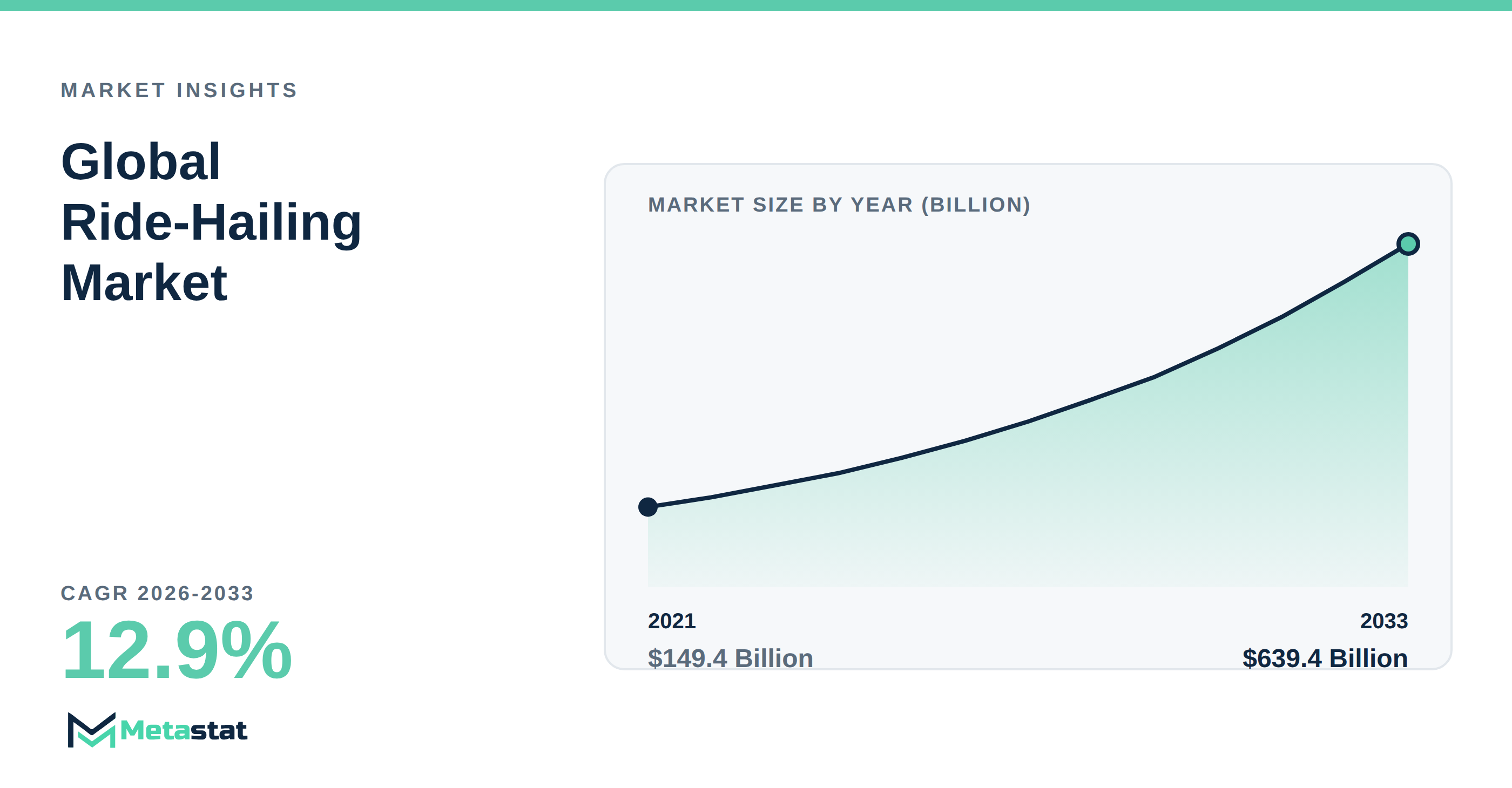
What technological advancements will shape the Ride-Hailing experience?
Technology is central to reshaping the Ride-Hailing experience, particularly through the integration of artificial intelligence (AI) and machine learning. These innovations enhance the efficiency of ride-matching algorithms, optimize routes, and improve overall user experiences. As advancements continue, users expect faster, more reliable services that prioritize convenience and safety.
With battery-electric vehicles (BEVs) gaining traction, the sector will likely see more eco-friendly options. Demand for sustainable travel solutions is increasing, with consumers leaning towards rides that minimize their carbon footprint. This shift aligns with global sustainability goals and compels operators to adapt their fleets accordingly.
How will consumer preferences evolve?
Consumer preferences will evolve significantly over the next decade. Growing urbanization will likely prompt a stronger inclination towards shared mobility. As people seek affordable and convenient transportation options, Ride-Hailing services that offer ride-sharing features will become increasingly appealing. This trend facilitates cost savings for users while maximizing vehicle occupancy.
Corporate accounts are projected to expand more rapidly than personal riders, reflecting a shift in buyer focus. Organizations increasingly recognize the value of efficient transportation solutions for employees as they seek reliable, cost-effective options for business-related travel. The rising adoption of structured payment models, including subscriptions, indicates a strong trend towards predictable transportation costs.
What challenges could impact growth?
Despite the promising outlook, several challenges loom on the horizon for the Ride-Hailing sector. Regulatory hurdles remain a significant barrier, with compliance to evolving local and national transportation regulations often causing operational delays and increased costs. These challenges disproportionately affect smaller operators, which limits their ability to compete effectively.
Profitability is under pressure from increasing operational expenses and pricing strategies driven by competition. Many companies are implementing technology solutions to streamline operations and optimize costs. The ability of businesses to adapt to these external pressures while maintaining service quality will play a critical role in their long-term success.
What will the competitive landscape look like?
Competition within the Ride-Hailing sector is anticipated to intensify as various players seek to differentiate their offerings. Companies like Uber Technologies, Inc. and Lyft, Inc. are expected to enhance their app functionality to ensure a smooth user experience while providing competitive pricing structures. Meanwhile, emerging players like Bolt Technology OÜ and Grab Holdings Limited focus on localized services that cater to regional preferences, enhancing customer loyalty.
Innovations will remain a central theme, with advancements in autonomous vehicle technologies expected to significantly alter the dynamics of the sector. The pursuit of safety, reliability, and convenience drives companies to prioritize investments in advanced safety features and autonomous capabilities, shaping the future of Ride-Hailing services.
How should stakeholders position themselves for success?
Stakeholders within the Ride-Hailing ecosystem should consider several strategies to maintain competitiveness throughout this transformative period. Investing in advanced technology solutions that enhance operational efficiency will be essential, allowing service providers to reduce costs while improving service delivery.
Embracing eco-friendly practices, including adopting battery-electric fleets, aligns with growing consumer preferences for sustainable travel. By promoting environmentally conscious choices, businesses position themselves favorably within the market, appealing to a consumer base that increasingly prioritizes sustainability.
In conclusion, the outlook for Ride-Hailing services through 2033 presents a mixture of opportunities and challenges. By leveraging technology, understanding evolving consumer preferences, and addressing regulatory hurdles, stakeholders navigate the ever-changing environment and enhance their service offerings.
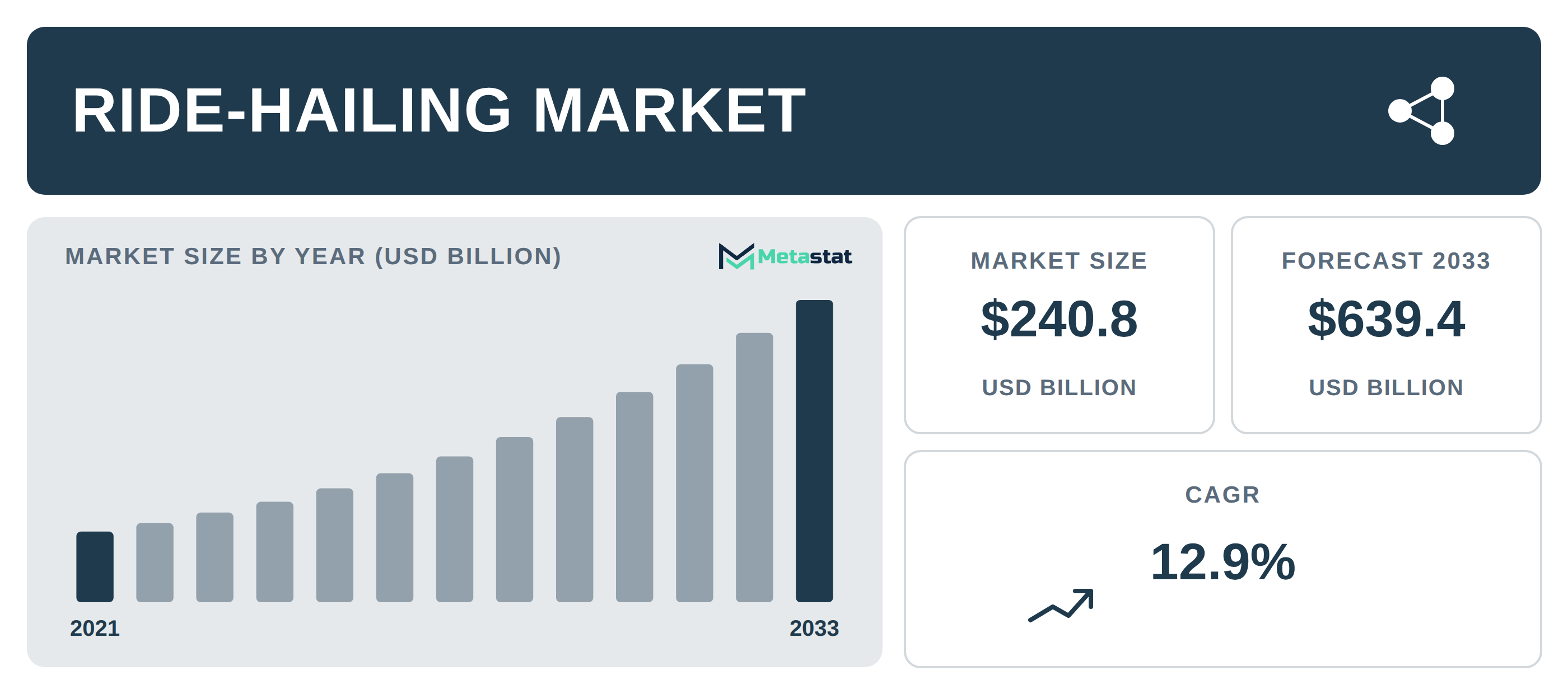
Tags
About the Authors

LEAD ANALYST
Utkarsh Khirodkar is a Lead Market Research Analyst at MetaStat Insight, specializing in market intelligence, technology sector assessments, and competitive strategy.

ENERGY & INFRASTRUCTURE INDUSTRY CONSULTANT
Automotive and Transportation · Electronics and Semiconductor · Energy and Power · Machinery & Equipment
Saurabh Vasant Ganvir consults for Energy & Infrastructure Industry at MetaStat Insight, specializing in renewable energy, solar EPC, and electric vehicle (EV) infrastructure markets.