
Explore the diverging demands for Utility Task Vehicles (UTVs) in North America and Europe, focusing on regional preferences and market implications.
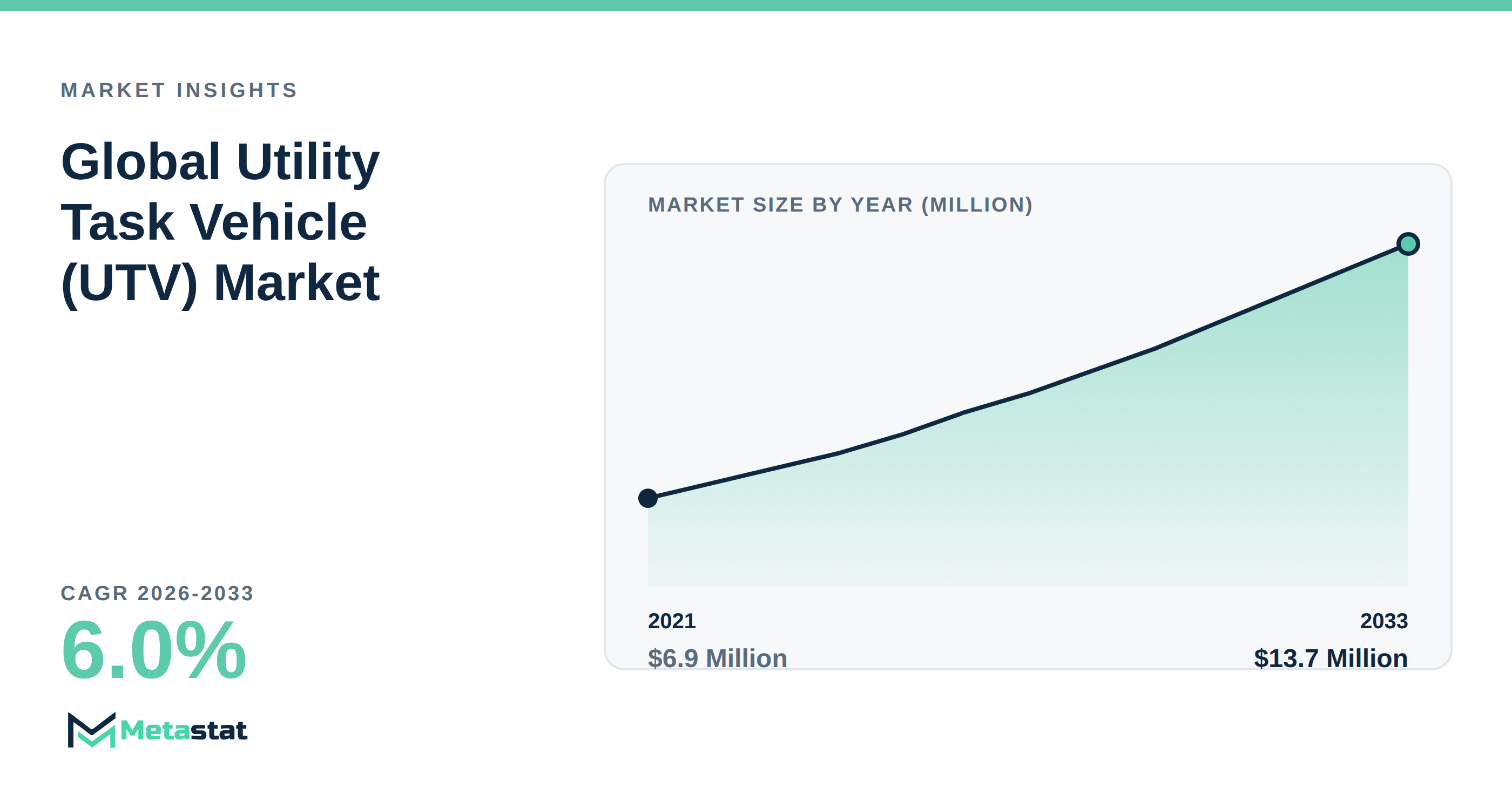
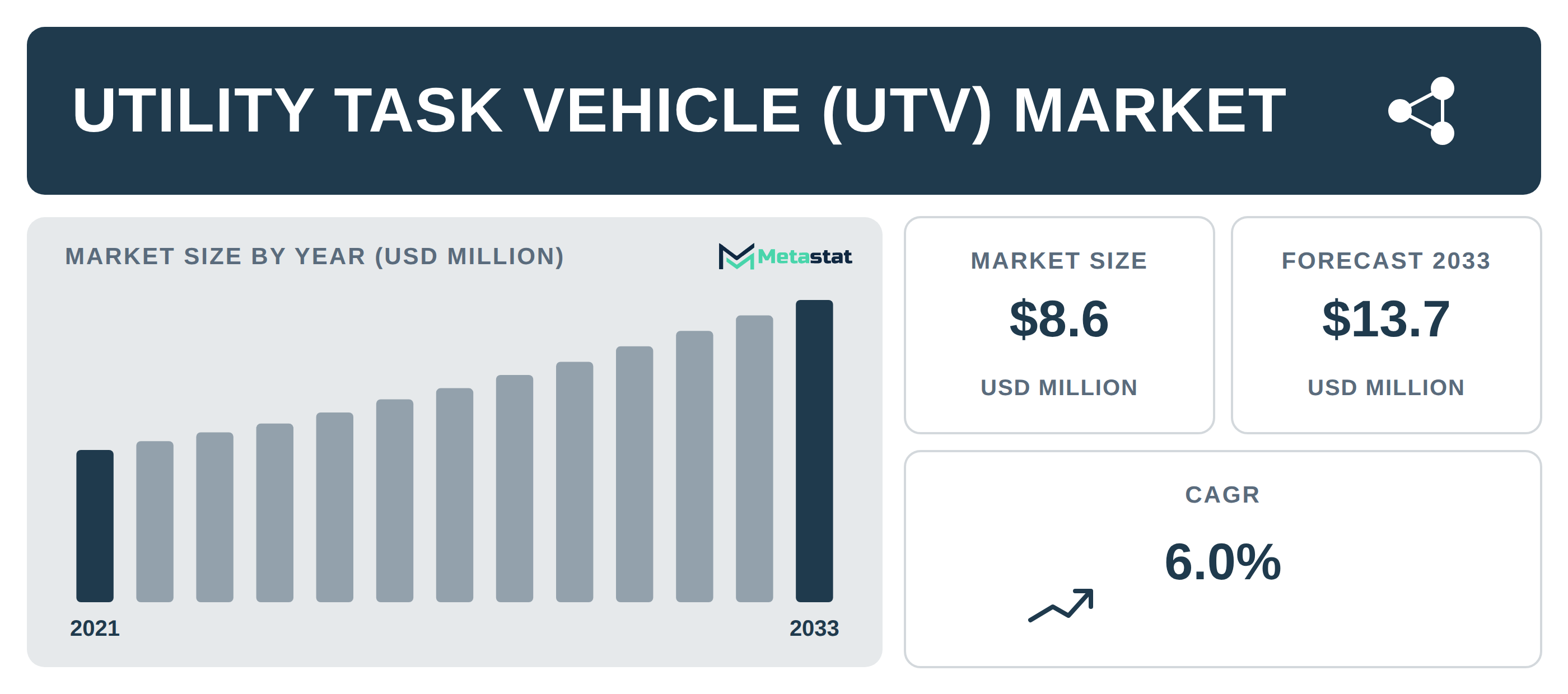
In the ongoing evolution of the Utility Task Vehicle (UTV) landscape, notable disparities exist between regional demands, particularly between North America and Europe. The recent findings from the Utility Task Vehicle (UTV) market size and forecast report indicate that while North America dominates the UTV sector, Europe is making strides that highlight distinct preferences and operational needs.
North America leads in UTV consumption, primarily due to its robust agricultural and recreational sectors. The region accounts for 78.8% of the UTV market in 2025, reflecting the integration of UTVs into daily operations across farms and outdoor activities. The availability of advanced infrastructure, coupled with a strong dealer network, ensures that consumers access a wide range of vehicles tailored to their needs. In contrast, the European market, while growing, reflects a share of 8.5% in 2025, influenced by different consumer priorities and regulatory environments.
What drives UTV demand in North America?
North America’s demand is largely attributed to diverse applications of UTVs, particularly in agriculture and construction. The agricultural sector requires vehicles that operate efficiently in rugged terrains, facilitating tasks including crop management and equipment transport. Significant recreational usage driven by a growing interest in outdoor activities further boosts the demand for versatile UTVs. This trend is evident in the projected growth of the sports and recreation segment, where values are anticipated to rise from USD 3.9 million to USD 5.6 million between 2026 and 2033.
Consumers in North America increasingly recognize the advantages UTVs offer in enhancing productivity and efficiency, gravitating towards vehicles that combine performance with reliability. The gasoline-powered UTV segment leads in value, demonstrating a strong preference among users who prioritize performance and familiarity. Buyers are particularly attracted to the versatility of UTVs, which cater to both recreational pursuits and demanding work applications.
How does Europe differ in UTV preferences?
European demand diverges significantly due to varying regulatory pressures and consumer preferences. While recreational activities are growing, there is a heightened emphasis on sustainability and eco-friendliness. European countries, including Germany and France, prioritize vehicles that meet stringent emissions standards, leading to increased interest in battery electric and hybrid electric UTVs. This focus aligns with broader environmental goals and consumer awareness of sustainability.
While the agricultural sector in Europe shares similar requirements as its North American counterpart, it emphasizes efficiency and lower emissions. UTVs in Europe cater to users seeking innovative technologies that enhance operational efficiency while minimizing environmental impact. Although gasoline and diesel segments continue to hold their ground, the rapid growth of electric and hybrid electric UTVs indicates a shift in buying behavior toward more sustainable options.
What are the implications of these regional dynamics?
The diverging demands between North America and Europe present both challenges and opportunities for manufacturers in the UTV space. Companies operating in North America focus on enhancing traditional gasoline-powered models while ensuring they cater to the evolving preferences for features including comfort and towing capabilities. Conversely, manufacturers targeting the European market innovate toward sustainable solutions, investing in the development of electric and hybrid models that comply with regional regulations.
The competitive landscape varies significantly as companies tailor their strategies to align with regional demands. In North America, firms like Polaris Inc. and BRP Inc. leverage their established positions by offering a range of gasoline and diesel options. In Europe, brands that succeed prioritize eco-friendly technologies, including electric models developed by manufacturers like Segway Technology Co., Ltd. and others.
How should stakeholders respond to these trends?
Stakeholders in the UTV market should closely monitor the shifting dynamics between these regions. Companies should consider developing tailored marketing strategies that align with local consumer preferences. Investments in sustainable technologies will be essential for capturing growing segments in Europe, while maintaining strong support for traditional offerings in North America remains critical.
Understanding the distinctions in demand across these regions allows manufacturers and suppliers to effectively align their operations with market needs. The ongoing evolution in both North America and Europe signifies that adaptability will be crucial for businesses aiming to thrive in the competitive Utility Task Vehicle (UTV) landscape.
Tags
About the Authors

LEAD ANALYST
Utkarsh Khirodkar is a Lead Market Research Analyst at MetaStat Insight, specializing in market intelligence, technology sector assessments, and competitive strategy.

ENERGY & INFRASTRUCTURE INDUSTRY CONSULTANT
Automotive and Transportation · Electronics and Semiconductor · Energy and Power · Machinery & Equipment
Saurabh Vasant Ganvir consults for Energy & Infrastructure Industry at MetaStat Insight, specializing in renewable energy, solar EPC, and electric vehicle (EV) infrastructure markets.