
Explore the factors fueling the Poultry Breeders market in Asia Pacific and the challenges faced in North America. Understand how regional dynamics shape growth opportunities.
Understanding the diverging trends in the Poultry Breeders market provides valuable insights for stakeholders seeking to tap into growth opportunities. The Asia Pacific region, with a commanding market share of 38.3%, leads the growth trajectory, while North America follows at 21.9%. This disparity in market dynamics arises from several factors, including changing consumer preferences, economic conditions, and regulatory environments.
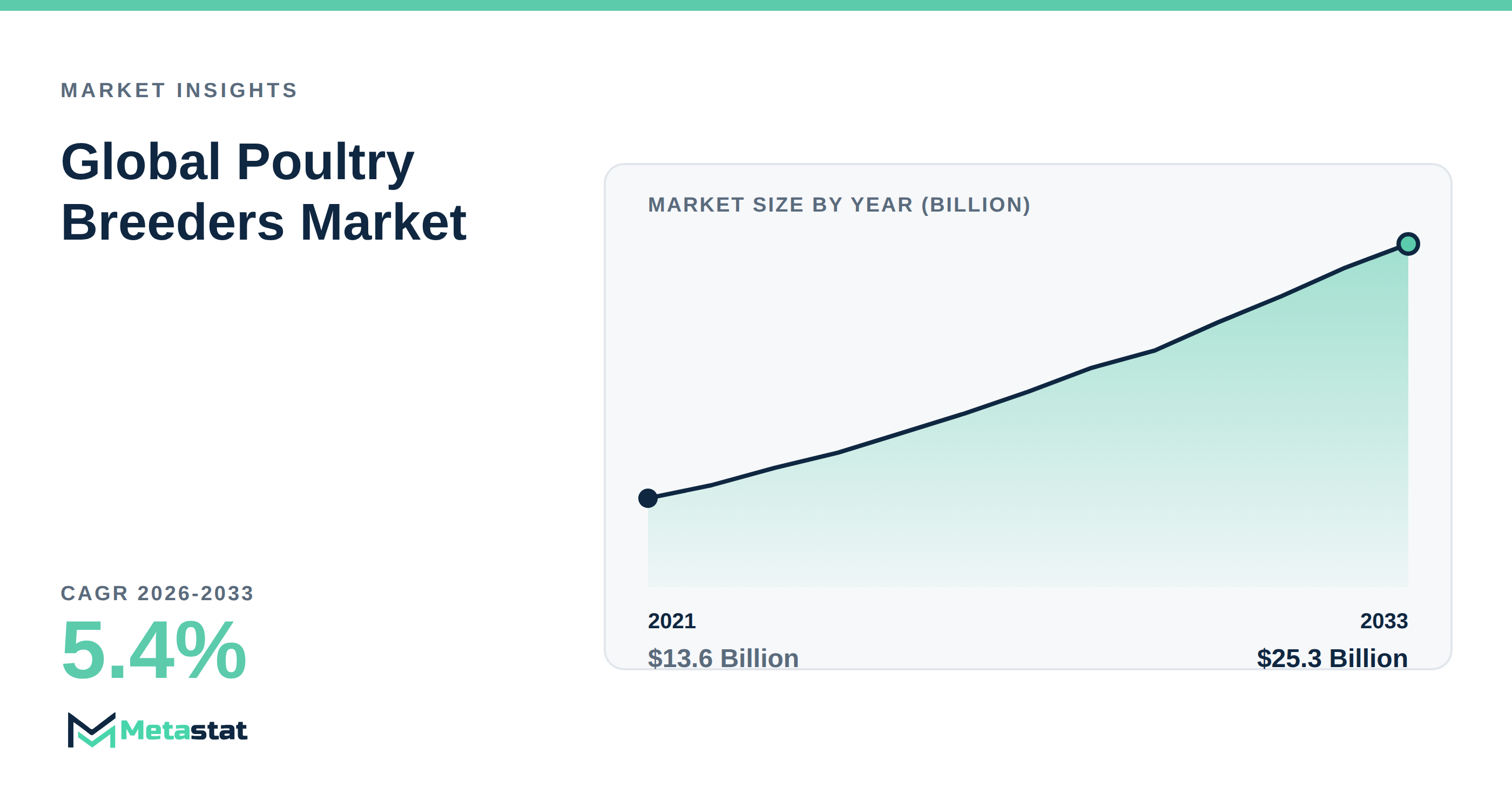
What drives growth in the Asia Pacific Poultry Breeders market?
The rapid urbanization and expanding middle class in the Asia Pacific are significant drivers behind the region's dominance in the Poultry Breeders market. The increased consumption of poultry products aligns with a dietary shift towards affordable protein sources, reflecting a growing demand within both consumer and food service sectors. The region's investment in agricultural infrastructure modernization, including advancements in supply chains and processing facilities, enhances product quality and availability, facilitating market expansion.
Technological innovations are vital to the growth of this market. Farmers in Asia Pacific increasingly integrate automated systems and data analytics to optimize production processes, leading to improved yields and lower operational expenses. This technological transformation supports producers in meeting rising demand while attracting investments from firms eager to capitalize on the evolving market landscape.
Why does North America lag behind in market growth?
In contrast to the strong growth in Asia Pacific, the North American Poultry Breeders market faces various challenges. Despite a projected market size of USD 5.2 billion by 2033, the region's growth rate is comparatively slow at a CAGR of 5.4%. This stagnation is influenced by several factors, including regulatory tightening and inflationary pressures that increase production costs.
North America confronts stringent health and safety standards that impose compliance challenges on producers, particularly smaller entities that struggle to absorb the associated costs. Inflationary trends affecting feed and labor prices contribute to compressed profit margins. These economic pressures, combined with supply chain disruptions, generate a complex environment that restricts growth opportunities for poultry producers in the region.
How do consumer preferences influence regional dynamics?
Consumer preferences significantly shape the dynamics of the Poultry Breeders market across regions. In Asia Pacific, consumers favor affordable, high-quality poultry products, prompting producers to focus on enhanced breeding techniques and sustainable practices. This shift towards sustainability aligns with consumer expectations and reinforces brand loyalty.
Conversely, North American consumer behavior increasingly emphasizes health consciousness and the demand for ethically sourced poultry products. This change drives market participants to adapt their offerings; however, the regulatory landscape complicates these adjustments. Adherence to evolving regulations regarding animal welfare and food safety continues to shape production practices within the region, affecting competitiveness.
What strategies producers adopt to thrive in divergent markets?
Producers in the Poultry Breeders market implement tailored strategies to navigate the challenges and opportunities presented by regional disparities. In Asia Pacific, investments in modernization and technological advancements will be crucial for producers aiming to scale operations and effectively meet growing consumer demands. Embracing sustainable practices aligns with the region's environmental goals, enhancing brand reputation and market share.
In North America, producers should focus on innovation in breeding technologies to boost productivity and reduce costs. Establishing strategic alliances within the supply chain and emphasizing local sourcing mitigate risks associated with global disruptions. Producers should prioritize consumer education about ethical sourcing and sustainability, cultivating trust and loyalty among health-conscious consumers.
The diverging paths of the Poultry Breeders market across Asia Pacific and North America highlight the importance of understanding regional dynamics. By recognizing the factors driving growth in Asia Pacific and the challenges faced by North America, stakeholders better position themselves for success in an evolving global market. For a comprehensive analysis of these trends, refer to the Global Poultry Breeders Market.
Tags
About the Author

LEAD ANALYST
Utkarsh Khirodkar is a Lead Market Research Analyst at MetaStat Insight, specializing in market intelligence, technology sector assessments, and competitive strategy.