
Explore the contrasting demand for Electronic Wet Chemicals in Asia-Pacific and North America, driven by regional advancements and regulatory landscapes.
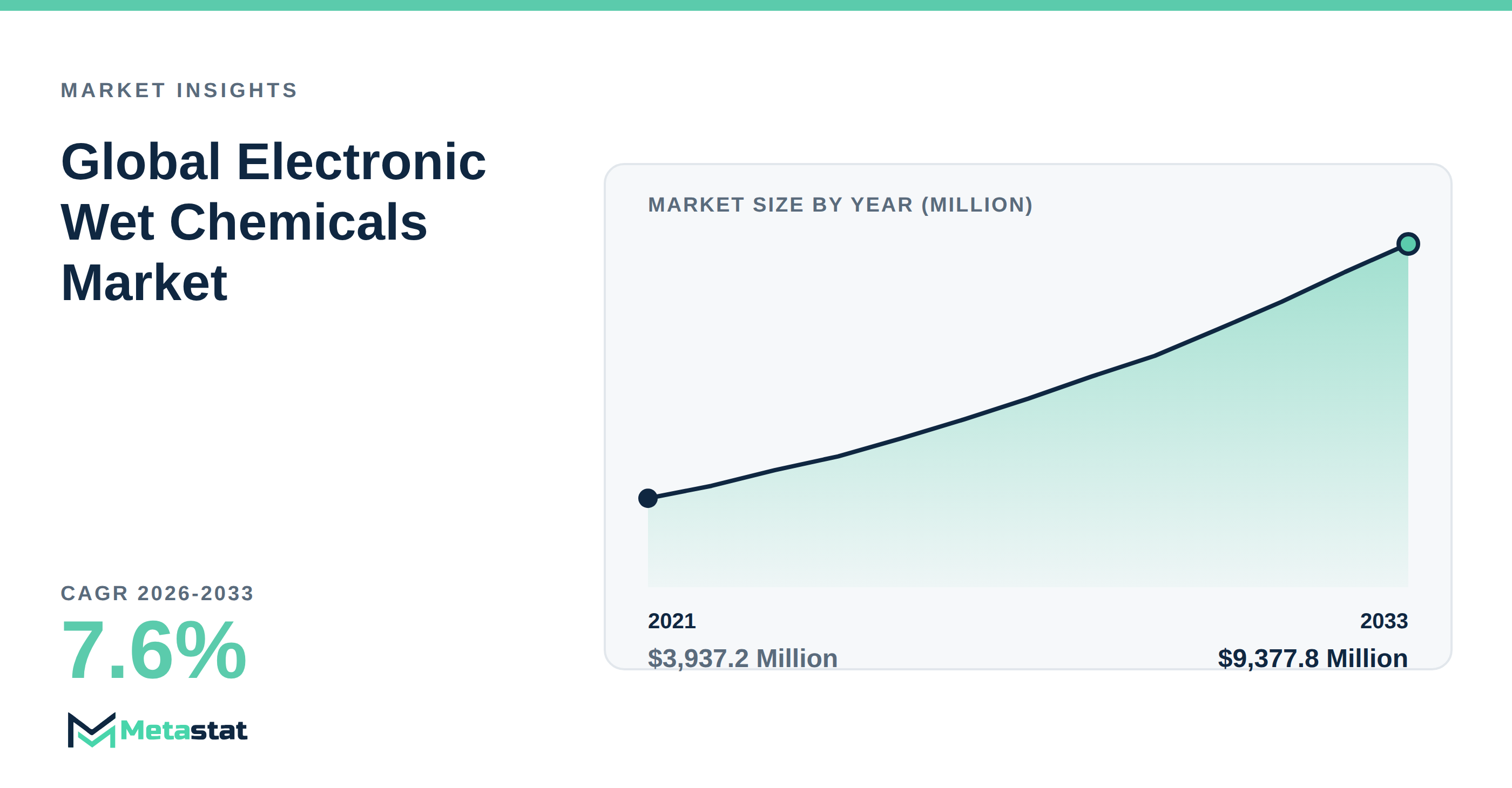
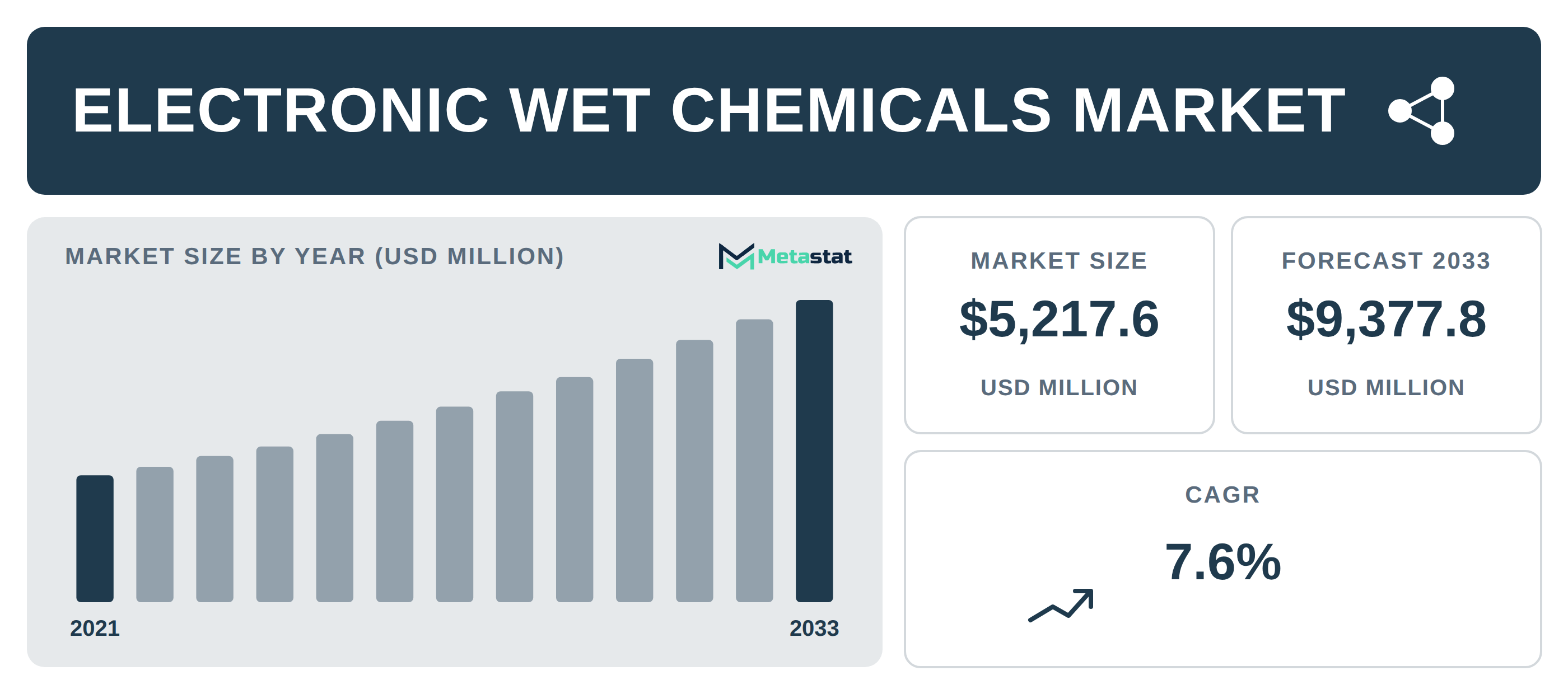
The dynamics of demand for Electronic Wet Chemicals vary significantly between regions, creating a divergent landscape that influences global supply chains and industry strategies. North America and the Asia-Pacific region each present unique challenges and opportunities, shaping their respective roles in the production of chemical solutions essential for the semiconductor industry. The full figures are in our Electronic Wet Chemicals market size and forecast report.
What factors drive regional demand for Electronic Wet Chemicals?
The demand for Electronic Wet Chemicals is primarily driven by factors including semiconductor production, technological advancements, and regulatory environments. In the Asia-Pacific region, which is responsible for 40.8% of overall consumption, the semiconductor industry thrives on ongoing technological innovation and production scaling. Countries including China, Japan, and South Korea lead in advanced manufacturing capabilities, creating a robust environment for high-purity chemical utilization.
Meanwhile, North America maintains a noteworthy presence due to its established manufacturing practices and stringent regulatory standards. The presence of advanced production facilities in the United States and Canada ensures a consistent demand for Electronic Wet Chemicals, as manufacturers prioritize precision and quality in semiconductor fabrication. This regional differentiation considerably influences the strategies adopted by suppliers who aim to cater to these distinct needs.
How does the growth trajectory differ between North America and Asia-Pacific?
The growth trajectories in North America and Asia-Pacific reflect the ongoing developments within the semiconductor sector. The Asia-Pacific region leads with an estimated 40.8% share of the electronic wet chemicals consumption, propelled by high-volume semiconductor manufacturing. The increasing complexity of electronic devices necessitates innovative chemical solutions, compelling manufacturers to invest in advanced purification technologies and high-performance chemicals.
In contrast, the North American sector, while robust, is projected to expand at a slower pace. With a 28.3% consumption share in 2025, the region emphasizes compliance with rigorous industry standards, which impacts the speed of new technology adoption. The focus on research and development further strengthens existing operations, ensuring that manufacturers remain competitive in a shifting landscape.
What role do regulatory standards play in shaping demand?
Regulatory frameworks significantly affect the usage of Electronic Wet Chemicals across different regions. In North America, high environmental standards compel manufacturers to adopt high-purity chemicals, leading to a strong demand for products that comply with strict regulations. Compliance requirements often translate into increased operational costs, which affect the speed of technology adoption and supplier selection.
On the other hand, the Asia-Pacific region, while influenced by regulatory standards, benefits from a more diverse supply chain and experiences varying compliance pressures. Governments in this region tend to focus on boosting local production capabilities, which creates a more favorable environment for investment in quality chemical solutions. While the local manufacturing landscape evolves, suppliers adjust their offerings to address emerging needs within these frameworks.
What opportunities exist for suppliers in these regions?
For suppliers of Electronic Wet Chemicals, understanding regional differences presents significant opportunities. In Asia-Pacific, demand for ultra-high-purity hydrogen peroxide is increasing, particularly for advanced semiconductor fabrication processes. Suppliers are encouraged to enhance their production capacities, focusing on purity and quality assurance to capture this growing segment of the demand.
In North America, suppliers have the opportunity to innovate by integrating advanced production techniques that reduce operational costs while maintaining high purity standards. Partnerships with semiconductor manufacturers lead to long-term contracts that guarantee steady demand. By effectively navigating the regulatory landscape and investing in quality control, suppliers strengthen their competitive edge.
How do stakeholders align their strategies with regional demands?
Stakeholders in the Electronic Wet Chemicals sector should align their strategies with regional demands by investing in research and development tailored to local needs. This approach involves understanding the specific challenges facing manufacturers in each region and adapting product offerings accordingly. For instance, procurement strategies emphasize local sourcing to mitigate transportation costs in Asia-Pacific.
Building relationships with key players in the semiconductor industry enhances competitive advantages. By collaborating on innovations that address the increasing complexity of semiconductor fabrication, suppliers create tailored solutions that resonate with local manufacturers, thereby driving growth in their respective markets.
Ultimately, recognizing and adapting to the diverging demands across regions will be crucial for suppliers of Electronic Wet Chemicals as they navigate the evolving landscape of the semiconductor manufacturing sector.
Tags
About the Authors

LEAD ANALYST
Utkarsh Khirodkar is a Lead Market Research Analyst at MetaStat Insight, specializing in market intelligence, technology sector assessments, and competitive strategy.

INDUSTRY CONSULTANT - CHEMICALS & ADVANCED MATERIALS
Chemicals and Materials · Machinery & Equipment · Packaging
Amit Gadhekar Consultant for Chemicals and Materials at MetaStat Insight, directing sector-specific intelligence, research, and strategic consulting across global chemical and processing markets.