
Explore the regional demand disparities in Seafood Packaging, focusing on Asia-Pacific's rapid growth versus North America's steady evolution driven by sustainability.
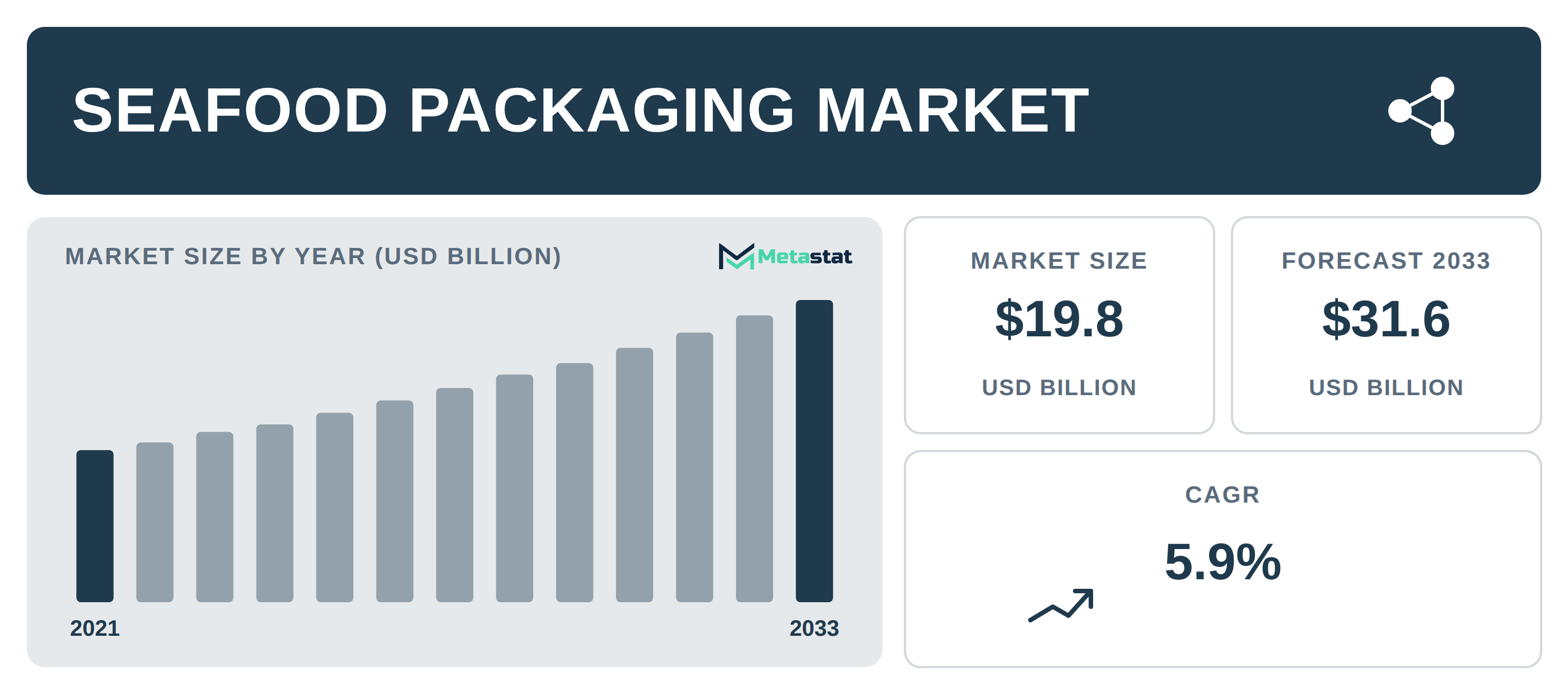
The demand for Seafood Packaging shows significant regional divergence, particularly between Asia-Pacific and North America. This disparity is rooted in various factors, including consumption patterns, regulatory environments, and consumer preferences, which influence purchasing behaviors in these key markets. Understanding these dynamics offers valuable insights for stakeholders looking to navigate the evolving landscape of seafood packaging. The full figures are in our Seafood Packaging market size and forecast report.
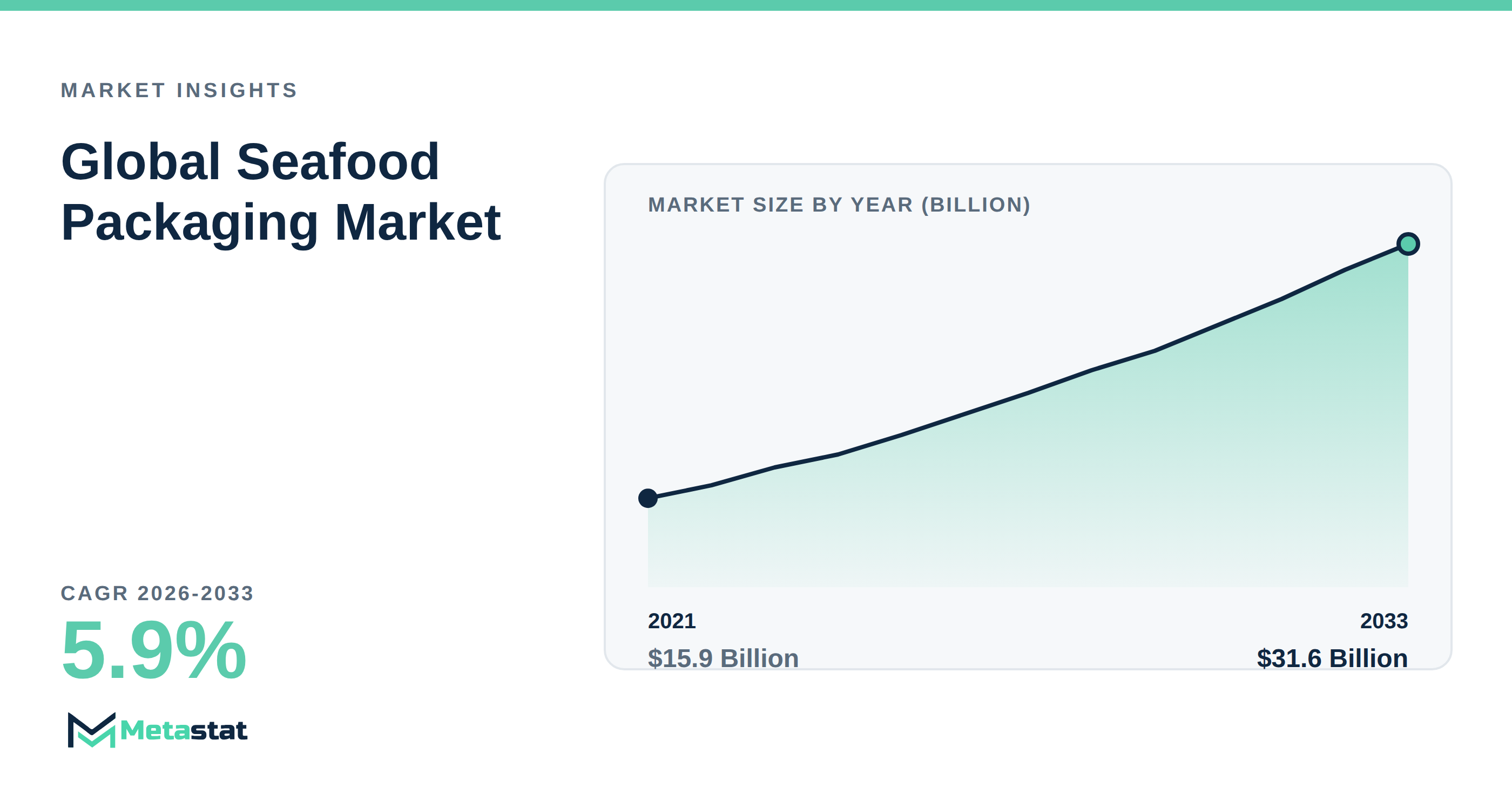
Asia-Pacific accounts for a notable portion of the global demand for Seafood Packaging, holding 42.9% of the total for 2025. This region's leading position is primarily driven by a robust culture of seafood consumption and an increasing population that values fresh and high-quality products. The rising awareness of food safety standards dramatically influences packaging requirements, propelling the adoption of advanced technologies, including Modified Atmosphere Packaging (MAP). Investments in innovations that enhance freshness and safety are anticipated to grow, reflecting the region's commitment to maintaining high standards in seafood quality.
In North America, the seafood packaging landscape is evolving, but with distinct characteristics that set it apart from Asia-Pacific. The value of Seafood Packaging in this region is projected to reach USD 6.4 billion by 2033, driven by the increasing demand for convenience and sustainable packaging solutions. Regulatory pressures and consumer preferences for eco-friendly options lead to the development of new materials and packaging technologies. The growing popularity of ready-to-eat seafood products notably influences the packaging sector, as both processors and retailers seek solutions that not only extend shelf life but appeal to health-conscious consumers.
The divergence between these regions stems from the rate of innovation within their respective seafood packaging sectors. Asia-Pacific exhibits a rapid pace of adopting new technologies, including vacuum skin packaging and recyclable materials, driven by consumer trends favoring sustainability. The emphasis on minimizing environmental impacts has led Asian manufacturers to explore advanced recycling methods and invest in biodegradable options. This proactive stance is advantageous in meeting the growing demands for sustainable packaging solutions among consumers and retailers alike.
Conversely, North America is witnessing steady advancements but at a comparatively slower rate. The traditional reliance on plastic packaging poses challenges due to sustainability concerns, pushing players to innovate. While companies in North America invest in improving the performance of plastic through recycling initiatives, the shift toward more sustainable materials remains in progress. This transitional phase influences the overall growth trajectory of the seafood packaging sector in the region.
The competitive landscape varies significantly between the two regions. In Asia-Pacific, numerous small to medium-sized enterprises operate alongside larger corporations, leading to a diverse range of solutions catering to localized preferences. This competitive environment promotes innovation as companies seek to differentiate their offerings. However, North America tends to be dominated by a smaller number of established firms, resulting in a more consolidated market structure. This concentration limits rapid innovation, making it essential for companies to adopt strategies that enhance their operational efficiency and responsiveness to consumer demands.
Ultimately, the distinct drivers of Seafood Packaging demand in Asia-Pacific and North America reflect broader trends in consumer behavior, regulatory environments, and technological advancements. Stakeholders aiming to capitalize on opportunities in this market recognizes these differences and adapt their strategies accordingly. By focusing on innovation, sustainability, and consumer preferences, businesses position themselves for success in the evolving landscape of seafood packaging.
For more in-depth insights, please refer to the Seafood Packaging market size and forecast report.
Tags
About the Authors

LEAD ANALYST
Utkarsh Khirodkar is a Lead Market Research Analyst at MetaStat Insight, specializing in market intelligence, technology sector assessments, and competitive strategy.

SENIOR RESEARCH ANALYST
Biotechnology · Food and Beverages · Medical Devices · Packaging
Snehal Pasalkar is a Research Analyst at MetaStat Insight, operating at the intersection of life sciences research, competitive strategy, and market intelligence.

INDUSTRY CONSULTANT - CHEMICALS & ADVANCED MATERIALS
Chemicals and Materials · Machinery & Equipment · Packaging
Amit Gadhekar Consultant for Chemicals and Materials at MetaStat Insight, directing sector-specific intelligence, research, and strategic consulting across global chemical and processing markets.