
Explore the stark differences in Sesame Seeds demand between Asia Pacific and North America, examining the driving factors and future trends.
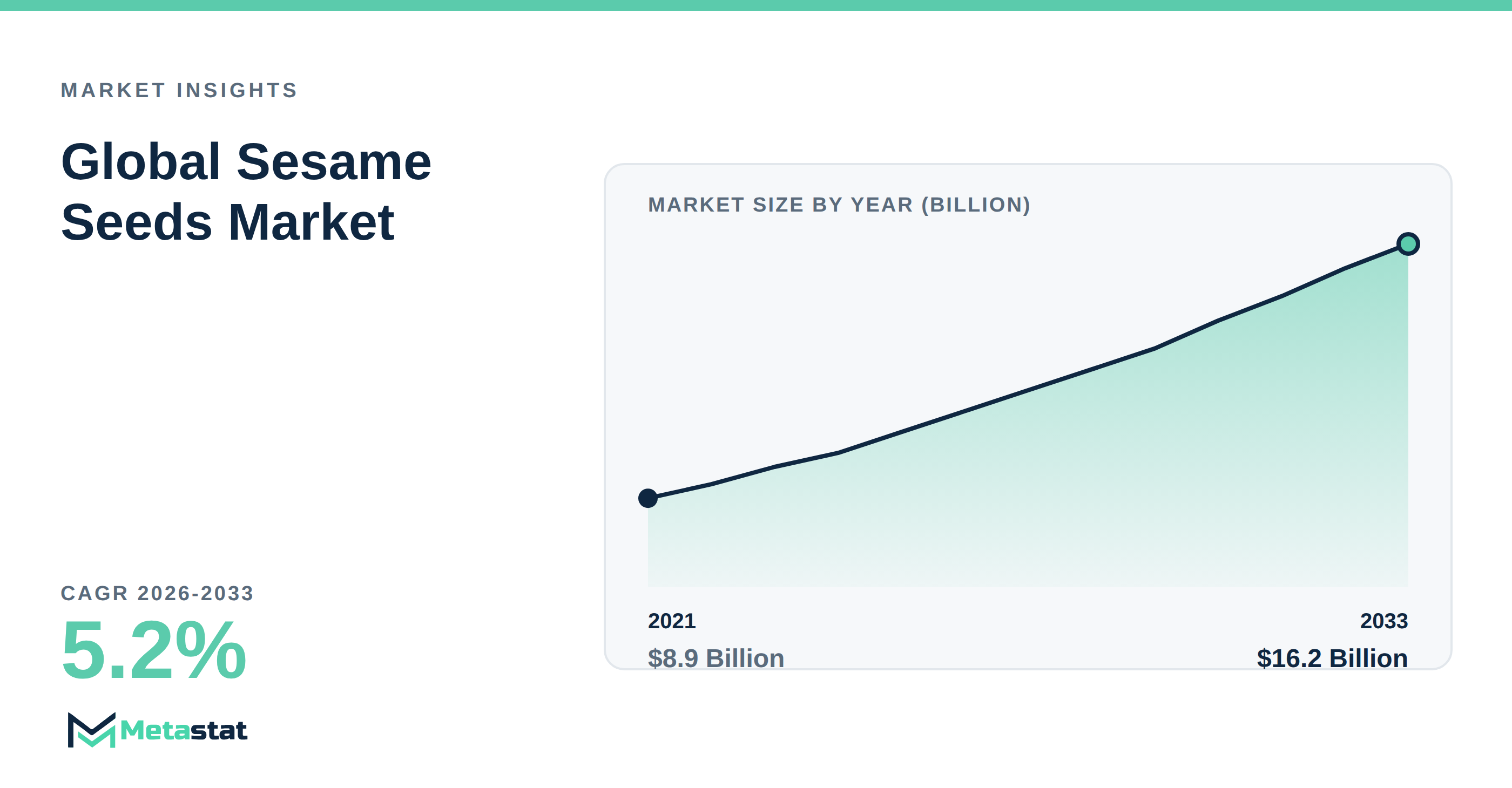
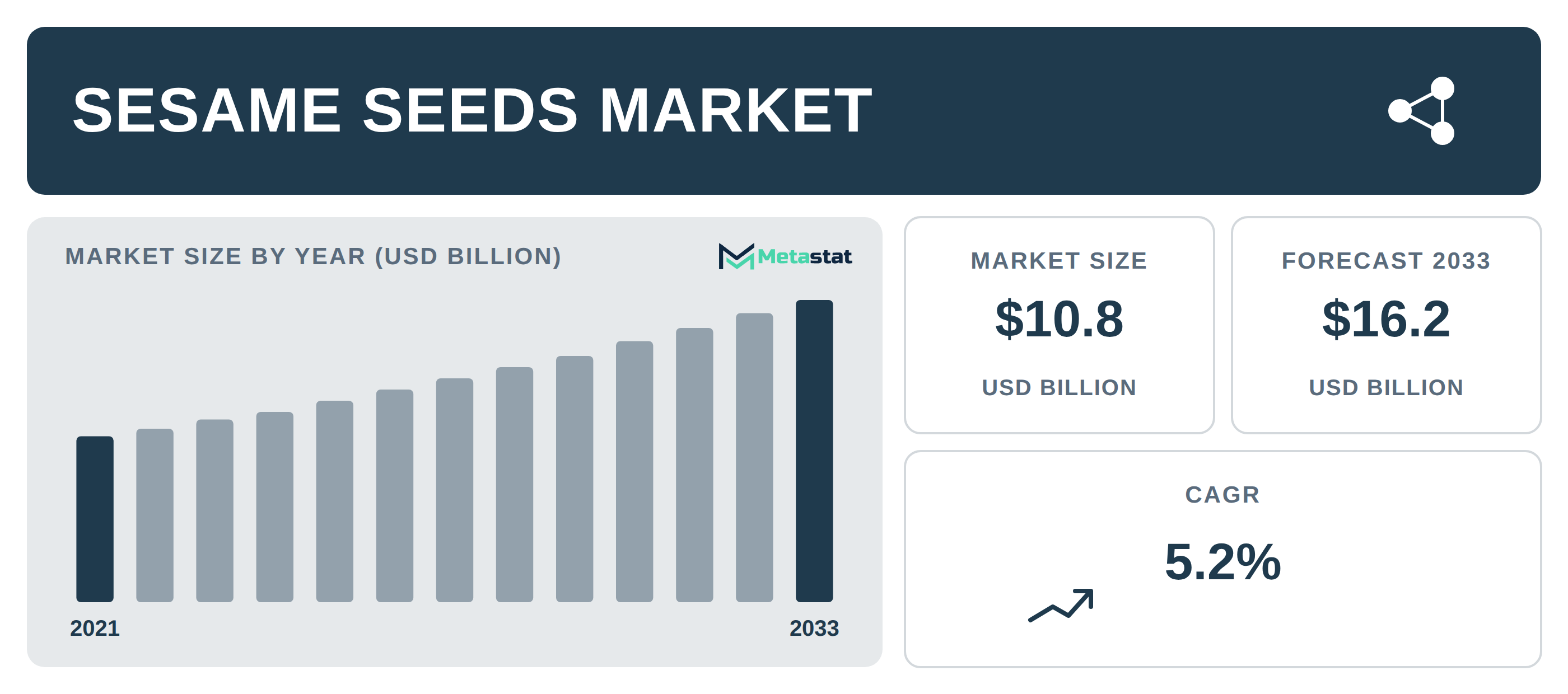
The varying regional demand for Sesame Seeds highlights significant contrasts between Asia Pacific and North America. Asia Pacific dominates the landscape, accounting for 45.7% of the total demand, while North America trails behind with a mere 12.4%. Understanding these disparities informs stakeholders about market dynamics, consumer behaviors, and future opportunities. The full figures are in our Sesame Seeds market size and forecast report.
What drives the demand in Asia Pacific?
Asia Pacific's leading position in the market for Sesame Seeds stems from the region's vast food and beverage industry. Countries like China and India use sesame extensively in traditional cuisines and health-oriented products, resulting in increased consumption. The shift towards healthier food options has spurred demand for natural ingredients, including sesame seeds, due to their nutritional benefits. Innovative farming techniques and improvements in agricultural practices have enhanced yield and quality, making sesame seeds more accessible to consumers.
Why is North America lagging behind?
In contrast, North America's demand for sesame seeds is hampered by several factors. While there is a growing interest in health-conscious diets, the region's reliance on alternative ingredients limits the expansion of sesame seed utilization. Higher prices due to fluctuating supply chain dynamics discourage bulk purchases among manufacturers in the food processing and oil extraction sectors. Without a significant shift in buyer preferences, North America's engagement with sesame seeds is likely to remain constrained compared to its Asia Pacific counterpart.
How do consumer trends influence regional demand?
The trend towards plant-based diets is a critical driver of sesame seed demand globally. In Asia Pacific, the integration of sesame seeds into various health-forward products, including tahini and snacks, aligns perfectly with consumer preferences for nutritious and versatile ingredients. This trend is observed in the bakery and confectionery industries, where sesame seeds enhance flavor and nutritional value.
Conversely, North American consumers have yet to fully embrace sesame seeds as a staple ingredient, often opting for other oilseeds or alternatives. This reluctance relates to established culinary practices and a slower adoption rate of sesame-based products among mainstream consumers.
What are the regional supply chain dynamics and their impact?
The supply chains for sesame seeds differ between regions. In Asia Pacific, robust agricultural practices and favorable climates contribute to efficient sesame production and distribution, ensuring a steady supply to manufacturers. The region's well-established networks facilitate access to high-quality sesame seeds, strengthening consumer trust and satisfaction.
Conversely, North America's supply chain for sesame seeds faces challenges related to sourcing and pricing stability. The need for consistent quality and availability drives buyers to explore alternative ingredients. Such dynamics impact market engagement and can lead to missed opportunities for growth in the North American region.
What does the future hold for these regions?
The future outlook for regional demand in the market for sesame seeds indicates that Asia Pacific will continue its dominance, driven by increasing health consciousness and innovative agricultural practices. The certified organic segment, in particular, shows promising growth potential, aligning with the region's health-oriented consumer preferences.
Meanwhile, North America has the opportunity to enhance its presence by promoting education about the benefits of sesame seeds and developing new products incorporating these seeds into familiar culinary contexts. By addressing barriers to adoption and emphasizing the health benefits, stakeholders work toward increasing demand in this lagging region.
Understanding the nuances of Sesame Seeds regional demand equips stakeholders with the knowledge needed to make informed decisions. With Asia Pacific leading the way and North America facing challenges, strategic investments and educational initiatives could significantly alter the landscape in the coming years.
Tags
About the Authors

LEAD ANALYST
Utkarsh Khirodkar is a Lead Market Research Analyst at MetaStat Insight, specializing in market intelligence, technology sector assessments, and competitive strategy.

LEAD PRINCIPAL ANALYST, PHARMA AND HEALTHCARE
Food and Beverages · Healthcare · Healthcare IT · Medical Devices
Ajay Devgire is the Lead Healthcare Analyst at MetaStat Insight, leading strategic research and market intelligence initiatives across the global healthcare domain.

SENIOR RESEARCH ANALYST
Biotechnology · Food and Beverages · Medical Devices · Packaging
Snehal Pasalkar is a Research Analyst at MetaStat Insight, operating at the intersection of life sciences research, competitive strategy, and market intelligence.