
LEAD ANALYST
Utkarsh Khirodkar is a Lead Market Research Analyst at MetaStat Insight, specializing in market intelligence, technology sector assessments, and competitive strategy.

Global Sesame Seeds Market Size, Share, By Seed Color (White Sesame Seeds, Black Sesame Seeds, Brown Sesame Seeds and Others), By Processing Form (Natural Unhulled Sesame Seeds, Unroasted Hulled Sesame Seeds, Roasted or Toasted Sesame Seeds and Others), By Farming Method (Conventional Sesame Seeds and Certified Organic Sesame Seeds), By Application (Oil Crushing, Bakery and Confectionery, Tahini and Sesame Paste Production, Snacks and Savory Food Preparations, Functional Foods and Protein Ingredients), Industry Analysis, Growth, Trends, and Forecast, 2026-2033
Report ID
MSI-5662
Published
November, 2026
Pages
293 Pages
Format
Historical
Base year
Forecast
Forecast period
Report Details
Market Valuation: Valued at $10.8 Billion in 2025, projected to reach $16.2 Billion by 2033 at a 5.2% CAGR.
Dominant Segment: White sesame seeds lead the market, driven by their extensive use in culinary applications and rising health trends. This segment's popularity reflects consumer preferences for nutritious ingredients.
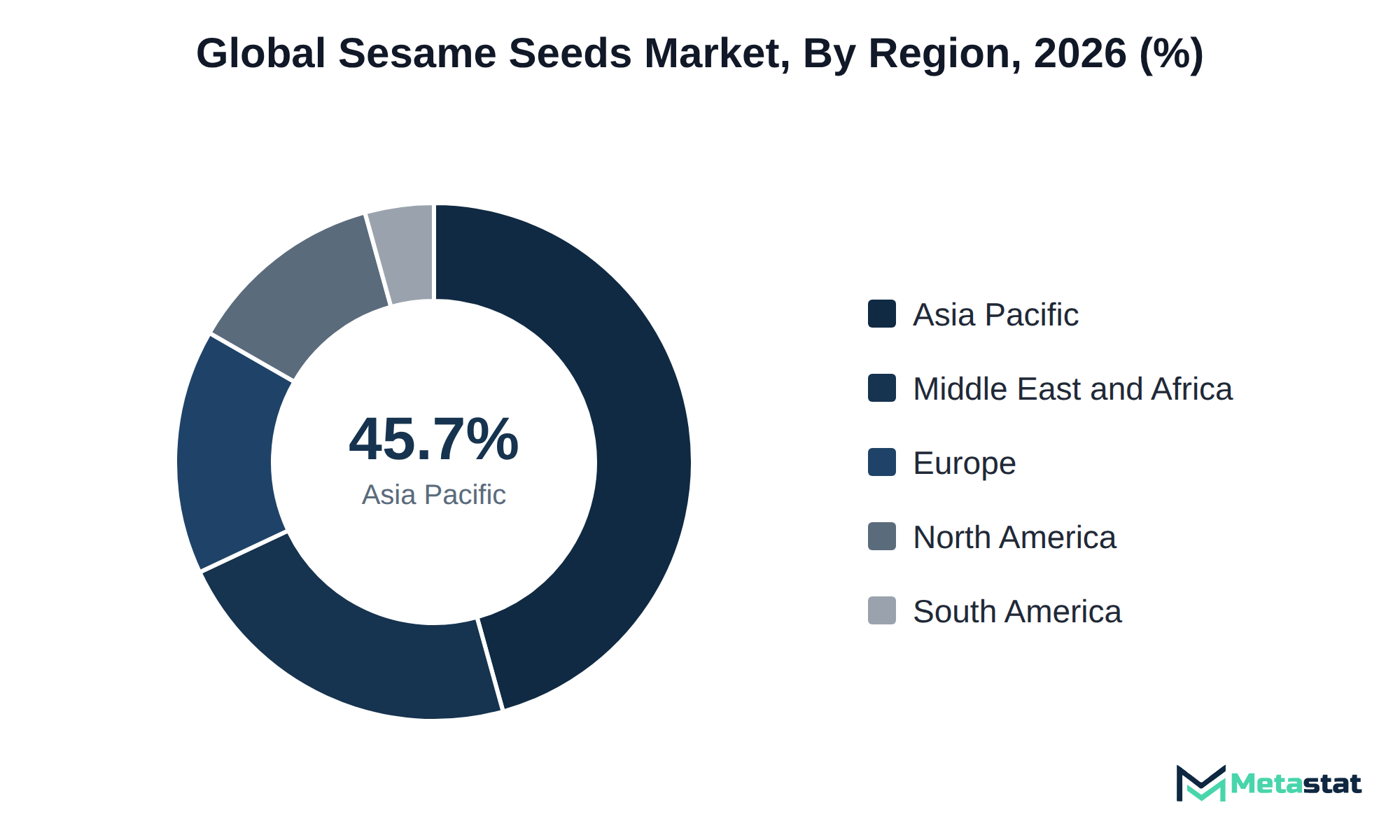
Geographic Lead: Asia Pacific dominates the market, accounting for 45.7% of the share, primarily due to high demand from local food industries and health-conscious consumers.
What's Inside: The report includes comprehensive competitive coverage, detailed analyses of market segments, and forecasts spanning from 2026 to 2033, offering insights into growth opportunities and trends.
Market Opportunity: The certified organic sesame seeds segment is projected to grow significantly, reaching USD 1.9 billion by 2033, fueled by increasing consumer interest in organic and sustainable products.
Increased Production Efficiency: Advancements in farming methodologies, including mechanized harvesting and precision agriculture, enhance production efficiency and support higher yields in the sesame seeds market.
Choose Your License
Global Sesame Seeds Market
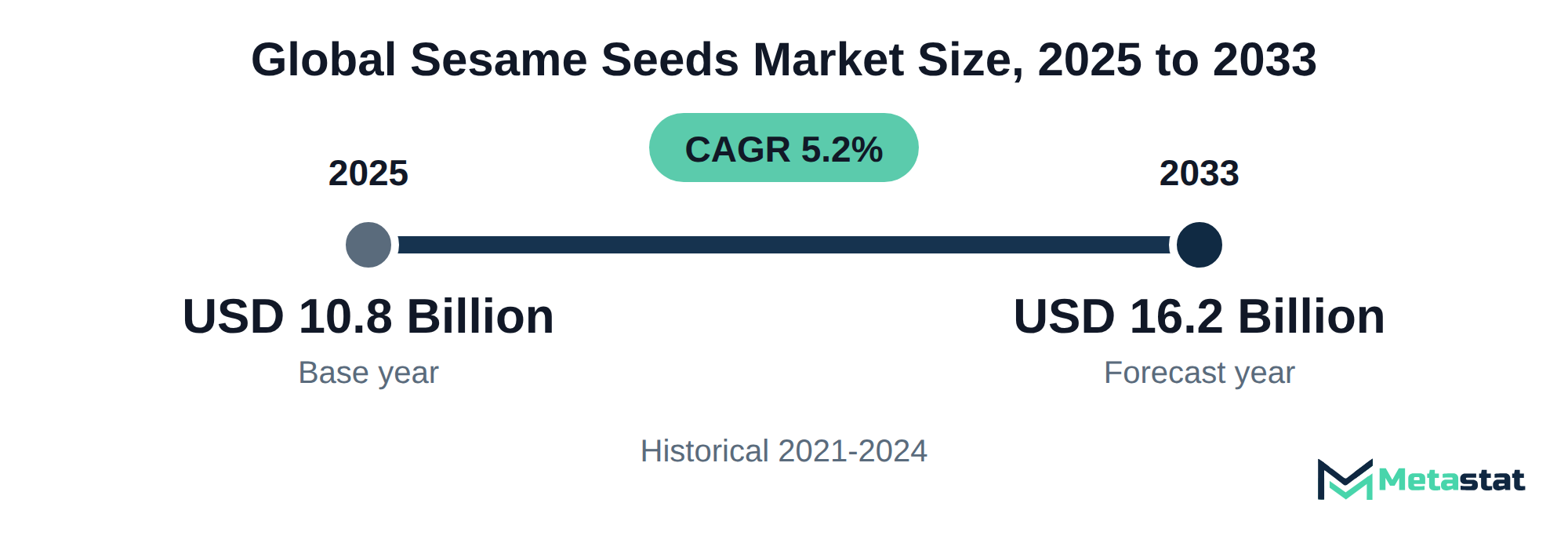
The global Sesame Seeds market was valued at USD 10.8 billion in 2025 and is projected to reach USD 16.2 billion by 2033, growing at a CAGR of 5.2% over the forecast period.
The Sesame Seeds market encompasses various types of seeds across numerous applications, including food production, oil extraction, and snacks. Buyers invest in these seeds due to their nutritional benefits, versatility, and demand across culinary and health-oriented industries. The market's structure includes segments based on seed color, processing form, farming methods, and applications, catering to diverse consumer preferences and industry requirements.
Growth in the sesame seeds market is driven by increasing demand for health-conscious food products and rising popularity of plant-based diets. Among the segments, white sesame seeds represent the largest value, reflecting widespread adoption in culinary applications. Asia Pacific holds the largest share of the market, accounting for 45.7%, while North America holds 12.4% of the market in 2025, with the US leading in 2026.
The continuous expansion of the food and beverage industry contributes significantly to the market's trajectory. Demand for sesame seeds is expected to rise, supported by growing awareness of their health benefits and culinary versatility. The adaptability of sesame seeds across various applications positions them favorably within the market, enabling sustained engagement from buyers across multiple sectors.
The market covers a variety of sesame seed types, catering to diverse applications including oil production, bakery items, and snacks. Buyers invest in these seeds due to rising demand for healthy ingredients and growing popularity of plant-based diets. The functional benefits of sesame seeds, including their nutritional profile and versatility, drive spending across several sectors, particularly in food processing and health-related products.
Rising consumer preference for natural and organic products is the primary driver of growth in the sesame seeds market. The White Sesame Seeds segment holds the most value, reflecting significant demand driven by both culinary uses and health-conscious trends.
Investments in the sesame seeds market are expected to rise, reflecting the ongoing shift toward healthy eating and sustainable sourcing. The expansion of food applications, particularly in plant-based products and international cuisines, supports continued interest from manufacturers and retailers. This environment offers room for growth and innovation in sesame seeds across the global food sector.
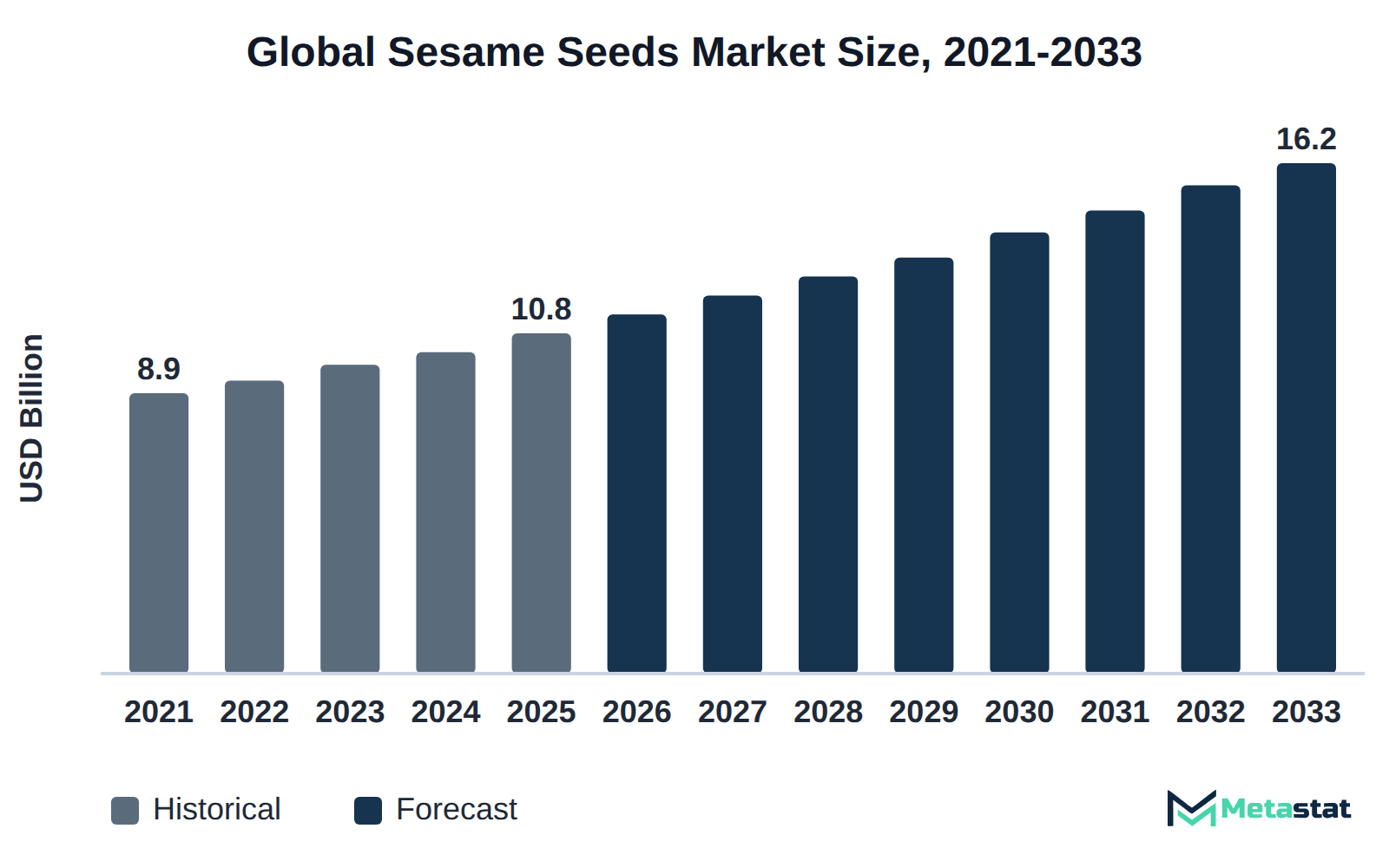
The introduction of mechanized harvesting techniques, which rely on agricultural machinery, significantly enhances the efficiency of sesame seed production. This innovation addresses labor shortages, leading to reduced dependency on manual labor while increasing overall output. In 2026, the market for white sesame seeds is projected to reach USD 6.9 billion, with these cultivation advancements driving growth.
Improved genetics from plant breeding further enhance the sesame seeds market by introducing high-yield varieties that exhibit resistance to pests and diseases. This genetic enhancement results in healthier crops, reducing the need for pesticides and supporting more sustainable agricultural practices. The average annual growth rate for certified organic sesame seeds is projected at 8.5% through 2033, indicating demand for these innovative products among health-conscious consumers.
These technological shifts increase efficiency and sustainability and raise the profitability of sesame cultivation. Producers adopting mechanized methods and applying genetically improved seeds position themselves competitively within the market, ensuring higher returns on investment while meeting the growing global demand for sesame seeds. Together, mechanization and enhanced genetics advance sesame cultivation.
The sesame seeds market operates within a complex supply chain that links African origins with buyers in Asia. Traceability as a service platforms can record origin and handling details along this route. Pricing models in this market vary significantly depending on factors including seed color and processing form. For instance, white sesame seeds are expected to grow from USD 6.9 billion in 2026 to USD 9.7 billion by 2033, reflecting heightened demand among buyers seeking high-quality inputs for various applications. Contract models facilitate transactions by setting clear pricing, delivery schedules, and quality standards, which keep supply consistent.
Buyers typically engage in long-term contracts with suppliers to secure favorable pricing and ensure consistent supply. These agreements often incorporate clauses that account for fluctuations in market prices, impacting operational costs for manufacturers in the bakery and confectionery sectors. For example, the application of sesame seeds in oil crushing is projected to rise from USD 4.5 billion in 2026 to USD 6 billion by 2033, highlighting the importance of reliable supply chains to meet growing demand.
Payment terms in the sesame seeds market vary, with several buyers opting for advance payments, while others prefer net payment terms post-delivery. This flexibility accommodates the diverse financial capabilities of buyers and reflects the competitive nature of the market. The emphasis on traceability within supply chains enhances transparency and builds trust, which ultimately strengthens relationships between suppliers and buyers in this segment. These dynamics will influence pricing strategies and supply chain efficiency in the sesame seeds market.
Food-grade purity increasingly enhances the value of sesame seeds, specifically for buyers in the health and wellness industry. This group prioritizes high-quality ingredients and rigorous standards, influencing their purchasing decisions. The growing consumer demand for organic and clean-label products drives this trend, with manufacturers seeking to meet the expectations of health-conscious consumers.
In the processing form segment, natural unhulled sesame seeds are projected to reach USD 7.5 billion by 2033, reflecting a compound annual growth rate of 4.2%. This increase signifies a shift towards natural ingredients, with manufacturers focusing on minimizing processing to retain nutritional value. Consequently, producers with stringent quality control measures position themselves favorably within the market.
Such emphasis on food-grade purity strengthens market dynamics, aligning with the growing trend of transparency in ingredient sourcing. Buyers increasingly seek suppliers who certify their products meet high standards, thereby enhancing their brand reputation. This shift drives demand for higher-quality sesame seeds and influences pricing strategies, with consumers gravitating towards premium offerings that assure quality and health benefits.
Sesame seeds are a key ingredient in the production of tahini and emerging protein foods. This versatile ingredient contributes to the nutritional profile of these products, making them increasingly popular among health-conscious consumers. In 2023, tahini alone accounted for a significant portion of the market, driven by the growing demand for plant-based protein alternatives.
The market for tahini and related products reflects the expanding interest in functional foods, which emphasizes protein content and health benefits. While consumers seek innovative and nutritious options, sesame seeds stand out due to their rich amino acid profile and healthy fats. By 2033, the tahini and sesame paste production segment is projected to reach USD 3.2 billion, reflecting a strong growth trajectory.
In addition to tahini, sesame seeds find applications in healthy snacks and savory food preparations. This trend highlights an increasing consumer preference for convenient yet nutritious food options. The protein content and unique flavor profile of sesame seeds enhance various food items, aligning with the demand for healthier alternatives in the market.
Growing health consciousness among consumers fuels rising demand for sesame seeds. Buyers from the health and wellness sector increasingly seek natural ingredients that provide nutritional benefits, prompting a shift toward products containing sesame seeds. This trend reflects a broader movement toward healthier lifestyles, where consumers prioritize nutrition and seek alternatives to processed foods. The shift in consumer preferences toward natural, nutritious foods significantly influences purchasing behavior, resulting in increased volumes and prices in the market.
Due to these changes, the growing interest in sesame seeds for their health benefits enhances market potential, encouraging suppliers to adapt their offerings to meet consumer demand for quality and health-oriented products. This evolving consumer landscape promotes sustained growth in the sesame seeds market.
Advancements in farming methodologies enhance production efficiency in the sesame seeds market. Innovations in precision agriculture, including drone technology and soil monitoring systems, optimize planting and harvesting processes. These technologies enable farmers to manage resources more effectively, resulting in higher yields and lower operational costs. Consequently, producers experience improved profitability, which encourages further investment in sustainable practices and equipment. Growing availability of advanced machinery reduces labor dependency, making it feasible for farmers to scale operations without substantially increasing workforce size.
These advancements impact various supply chain players, particularly those involved in processing and distribution. Efficient production supports a steady supply of high-quality sesame seeds to meet the rising demand across different applications, including oil extraction and bakery products. Enhanced productivity within the market strengthens its competitive position, as suppliers fulfill orders promptly while maintaining quality standards. Overall, advancements in production efficiency create opportunities for growth and expanded market share in the coming years.
Fluctuations in sesame seed pricing significantly impact purchasing decisions among buyers. Higher prices discourage bulk purchases, primarily affecting manufacturers in the oil extraction and food processing sectors. These buyers, confronted with unpredictable costs, experience challenges in budgeting and operational planning, leading to smaller orders and delayed investment in new sourcing agreements. The risk of price increases results in a cautious approach, prompting buyers to seek alternative, more stable ingredient options. This shift limits overall market growth and adoption rates, with companies weighing the benefits of sesame seeds against the financial risks associated with price instability.
The broader economic environment also shapes pricing trends, particularly through supply chain disruptions and production costs. Buyers in the sesame seeds market continuously adapt to these conditions, emphasizing the necessity for stable pricing in their procurement strategies. Enhanced price stability would encourage larger orders and strengthen relationships between suppliers and buyers, ultimately supporting growth in market demand.
Rising input costs present a significant challenge for suppliers in the Sesame Seeds market. The price of raw materials and agricultural inputs, including fertilizers and seeds, has escalated due to market fluctuations and supply chain disruptions. These increased costs directly affect the profit margins of producers while limiting their ability to invest in enhancements or scalability measures.
In response to these pressures, suppliers adopt various strategies to mitigate costs. Increasing collaboration with input providers allows for bulk purchasing and more favorable terms, which helps stabilize expenses. Several suppliers focus on improving operational efficiencies through advanced agricultural practices and technologies to enhance yield and reduce waste. By prioritizing cost-effective production methods, suppliers position themselves to maintain competitiveness in the market, ensuring they meet ongoing consumer demand without sacrificing quality or sustainability.
The certified organic segment of the Sesame Seeds market presents significant growth potential, driven by increasing consumer interest in organic products and sustainable farming. This segment is projected to reach USD 1.9 billion by 2033, reflecting a compound annual growth rate of 8.5%. The shift toward organic options aligns with a broader trend of health-conscious consumers seeking high-quality ingredients. Buyers in the health and wellness sector prioritize organic sesame seeds for their nutritional benefits, contributing to heightened demand. Growth in the organic segment supports premium pricing strategies and enhances suppliers' market positioning. Producers focusing on certified organic offerings capitalize on this opportunity, expanding their reach within health-oriented consumer markets. This anticipated rise marks certified organic sesame seeds as an area for future investment and development.
The Global Sesame Seeds market is segmented based on Seed Color, Processing Form, Farming Method, and Application.
White Sesame Seeds segment is valued at USD 6.9 billion in 2026 and is projected to reach USD 9.7 billion by 2033, at a CAGR of 4.9% during the forecast period. Characterized by its light color and nutty flavor, white sesame seeds find extensive use in various culinary applications, including oil extraction and the production of snacks and baked goods. The demand for this segment thrives on health trends, where consumers increasingly seek nutritious ingredients. This segment exhibits a lower growth rate compared to black sesame seeds, which show a higher CAGR of 6.2%. The cost of production for white sesame seeds remains competitive, appealing to manufacturers focused on cost-effective products. Divergence in consumer preferences drives the differences between segments, ultimately influencing market dynamics and buyer choices.
Black Sesame Seeds segment is estimated to reach USD 3.6 billion by 2033, at a CAGR of 6.2% during the forecast period. This variety is prized for its unique flavor and is commonly used in culinary applications including traditional Asian dishes, snacks, and bakery products. Demand for Black Sesame Seeds derives from both health-conscious consumers and food manufacturers seeking to enhance product quality and nutritional value. In comparison to other segments, Black Sesame Seeds exhibit a higher growth rate, driven by increasing consumer interest in their health benefits and distinctive taste profiles. This segment distinguishes itself with a more significant premium pricing strategy, attracting buyers who value quality and uniqueness in their ingredient selections. The combination of flavor and nutritional enrichment fuels expansion in the segment, contributing to the overall growth of the market.
Brown Sesame Seeds segment is expected to reach USD 2 billion by 2033. This segment finds application primarily in oil production, baking, and specialty foods, attracting diverse buyers within the food industry. Strong market demand arises from the increasing popularity of health-focused products, with consumers seeking nutritional benefits associated with these seeds. Brown Sesame Seeds differentiate themselves from other segments due to their distinct flavor profile and higher oil content, which are preferred in various culinary applications. With a projected CAGR of 6.2%, this segment experiences faster growth compared to White and Natural Unhulled Sesame Seeds, highlighting shifting consumer preferences towards specific flavor and health attributes. The market offers opportunities to expand product lines that incorporate Brown Sesame Seeds into snacks and health foods, engaging both manufacturers and retailers in this expanding category.
Others (Golden and Mixed-Color Sesame Seeds) segment is projected to grow at a CAGR of 5.9% during the forecast period. This segment finds application in various culinary practices, particularly in specialty foods and gourmet products, appealing to health-conscious consumers and culinary enthusiasts. The rising preference for unique and exotic flavors drives demand from the food service industry and gourmet retailers. Compared to other seed color segments, this segment grows at a slower pace, influenced by the niche market appeal and limited agricultural production. The pricing dynamics differ, with golden and mixed-color seeds often commanding a premium due to their unique aesthetics and perceived health benefits. This trend highlights diversified consumer interest while presenting potential opportunities for suppliers in the specialty food sector.
This form of sesame seeds finds extensive use in oil extraction, food production, and various culinary applications, appealing to health-conscious consumers and food manufacturers. The growing demand for natural and minimally processed ingredients drives interest in this segment, particularly among producers focusing on organic offerings. This segment experiences slower growth compared to other processing forms, including Unroasted Hulled Sesame Seeds, which is projected to reach USD 5.3 billion by 2033, at a CAGR of 5.7%. Price sensitivity among buyers further influences purchasing decisions, with natural unhulled varieties typically priced lower than their hulled counterparts. The segment's unique positioning within the market highlights its significance in meeting evolving consumer preferences for wholesome food ingredients.
This segment finds extensive use in various culinary applications, particularly in oil extraction and in baked goods. The growing popularity of health-conscious diets drives demand for unroasted hulled seeds, attracting attention from health food manufacturers and artisanal bakeries. Compared to other processing forms, including roasted or toasted sesame seeds, unroasted hulled sesame seeds maintain a higher nutritional profile, appealing to consumers seeking nutrient-rich options. This segment shows a stronger growth trajectory relative to others, including roasted seeds, driven by increasing consumer awareness regarding the benefits of unprocessed food ingredients.
Roasted or Toasted Sesame Seeds segment is expected to reach USD 2.9 billion by 2033. This segment finds extensive use in culinary applications, particularly in Asian cuisines, where roasted sesame seeds enhance flavor profiles in various dishes. Demand shifts primarily due to changing consumer preferences toward flavor-rich ingredients. The segment differentiates itself through its higher price point relative to unroasted variants, attributed to the added value of the roasting process, which intensifies the nutty flavor and aroma. While the segment’s growth rate aligns with a CAGR of 5.7%, the competitive landscape sees increasing interest from snack and food manufacturers looking to incorporate roasted sesame seeds into products. This focus on enhancing product offerings drives further growth, distinguishing it from other processing forms within the market.
USD 2.9 billion by 2033 reflects the growth expectation for Others (Puffed and Crushed Sesame Seeds), which is projected to grow at a CAGR of 7% during the forecast period. This segment is primarily in snack foods, baked goods, and culinary applications, appealing to consumers looking for innovative textures and flavors. The rise in demand for healthier snack options drives growth, supported by a trend toward natural ingredients. This sub-segment distinguishes itself from others in the Processing Form category, offering higher growth rates compared to Unroasted Hulled Sesame Seeds and Roasted or Toasted Sesame Seeds, which exhibit CAGRs of 5.7% and lower, respectively. With an increasing number of food manufacturers seeking versatile ingredients, the Others (Puffed and Crushed Sesame Seeds) segment represents a valuable addition to diverse food formulations.
Conventional Sesame Seeds segment is valued at USD 10.3 billion in 2026 and is projected to reach USD 14.3 billion by 2033, at a CAGR of 4.8% during the forecast period. This segment finds extensive application in industries including oil crushing and bakery products, primarily serving food manufacturers and health-conscious consumers. Demand increases due to the growing preference for natural ingredient options, driven by health trends and culinary uses. Compared to other segments, conventional sesame seeds experience steady growth, positioned as a more economical choice for buyers seeking cost-efficient ingredient solutions. In contrast, the certified organic segment, with a CAGR of 8.5%, attracts premium pricing due to its appeal to niche health markets. Pricing dynamics in the market continue to influence purchasing patterns among manufacturers focused on balancing quality with cost-effectiveness.
Certified Organic Sesame Seeds segment is estimated to reach USD 1.9 billion by 2033, at a CAGR of 8.5% during the forecast period. This segment primarily serves health-conscious consumers, restaurants, and food manufacturers interested in organic ingredients. Demand for organic products, driven by increasing awareness of health benefits and environmental sustainability, significantly influences growth in this segment. In contrast to other segments, the Certified Organic Sesame Seeds segment experiences faster growth due to a shift toward healthier eating habits and ethical sourcing practices. The higher price point of organic seeds reflects the investment in sustainable farming methods, appealing to a distinct consumer base prioritizing certified organic options. The market anticipates that this segment will continue to attract consumers prioritizing health and environmental concerns.
This segment primarily serves the food processing industry, with companies using sesame oil for cooking, seasoning, and food production. The growing demand for healthier cooking oils drives interest in sesame oil, particularly among health-conscious consumers and the food service sector. Competitively, this segment experiences slower growth compared to others due to the established presence of alternative oils. The market's focus on premium-quality oils influences pricing strategies, affecting consumer buying behavior. Investment in marketing campaigns and educational initiatives regarding the health benefits of sesame oil enhances awareness and drives demand.
Bakery and Confectionery segment is estimated to reach USD 3.4 billion by 2033, at a CAGR of 4.6% during the forecast period. This segment includes products including cakes, pastries, and snacks that incorporate sesame seeds for their flavor and nutritional benefits. The growing trend of healthier ingredients in baked goods drives interest among manufacturers, particularly in regions with high consumer awareness of health and wellness. Compared to other segments in the application category, Bakery and Confectionery shows moderate growth, reflecting stable demand from food processors and retail markets focused on quality ingredients. Competition intensifies, prompting suppliers to differentiate their offerings through innovative recipes and specialized processing methods. This segment stands out due to its unique applications in sweet and savory products, allowing it to maintain a steady market presence while catering to evolving consumer preferences.
This segment primarily serves manufacturers in the food industry, focusing on the production of tahini, a key ingredient in Middle Eastern cuisines and various dishes globally. The growing demand for tahini is driven by its nutritional benefits and increasing integration into health-conscious diets. Unlike faster-growing segments like Certified Organic Sesame Seeds, Tahini and Sesame Paste Production experiences moderate growth, aligning with a CAGR that differentiates it from segments experiencing rapid expansion. This segment appeals to health-focused consumers and food manufacturers, emphasizing its importance in diverse culinary applications.
Snacks and Savory Food Preparations segment is projected to grow at a CAGR of 6.2% during the forecast period. This segment finds extensive use in the food industry, particularly in the production of snack items and savory dishes, appealing to health-conscious consumers seeking nutritious options. Rising demand for convenient and ready-to-eat snacks drives growth. The increasing popularity of plant-based diets influences preferences for sesame-based snacks. Compared to other segments, including Oil Crushing, which displays a lower CAGR of 4.2%, the Snacks and Savory Food Preparations segment offers a more dynamic growth trajectory. This distinction highlights unique consumer trends favoring healthier snack alternatives, reflecting the segment's potential for expansion within the market.
Functional Foods and Protein Ingredients focus on health and wellness applications, appealing to consumers seeking nutritious options. This segment serves food manufacturers and health-conscious consumers looking to incorporate beneficial ingredients into their diets. The increasing awareness of protein's health benefits drives demand, along with the rise in plant-based diets promoting nutrient-rich food sources. Differentiating this segment from others, including Oil Crushing and Bakery and Confectionery, is its specific focus on health-oriented products, attracting a distinct buyer group interested in wellness and nutrition. The segment stands out due to its potential for innovation and product development, enhancing its appeal further in a competitive market.
This sub-segment encompasses various direct non-food applications for sesame seeds, demonstrating their versatility beyond traditional food uses. Industries including cosmetics, pharmaceuticals, and personal care products use sesame seed oil and extracts for their beneficial properties. The demand for natural and organic products boosts interest in direct non-food applications, with manufacturers seeking alternatives to synthetic ingredients. Unlike food applications, which often have a broader consumer base, the direct non-food uses segment targets niche markets, focusing on specific industries and their unique requirements. The overall growth dynamics in this segment differ from food applications due to distinct buyer profiles and purchasing triggers, emphasizing quality and efficacy over price. These factors contribute to the evolution of the sesame seeds market, broadening its influence across diverse sectors.
Based on geography, the Global Sesame Seeds market is divided into North America, Europe, Asia-Pacific, South America, Middle East, and Africa.
Demand for the Sesame Seeds market in North America derives primarily from the food industry, where products including oil and bakery goods require significant quantities of sesame seeds. The rising interest in health-conscious diets drives consumers towards natural ingredients, further stimulating demand. Regulatory frameworks in the United States and Canada support the use of organic sesame seeds, driving producers to expand their offerings in the Certified Organic sub-segment. With a projected market value of USD 2.1 billion by the end of 2033, the region captures a notable share of 12.4% of the global market in 2025. Mexico's agricultural practices contribute to the market growth through local cultivation efforts and a preference for diverse sesame seed applications in traditional foods.
Germany, France, the UK, Italy, Spain, and Russia play significant roles in the regional demand for the Sesame Seeds market. The market in Europe exhibits a strong preference for high-quality sesame products, driven mainly by the bakery and confectionery industries. Rising health awareness among consumers leads to increased adoption of sesame seeds in various food applications, including oil crushing and tahini production. The European market benefits from established distribution networks and infrastructure that facilitate the movement of products, enhancing accessibility for buyers. By 2025, Europe is projected to contribute 15.3% of the global market share, reflecting its importance in the overall sesame seeds landscape. Investments in organic farming practices are expected to support growth in the certified organic segment, appealing to health-conscious consumers seeking sustainable options.
Strong demand for sesame seeds in Asia-Pacific stems from the growing food and beverage industry, particularly in countries like China and India. Increased health consciousness among consumers drives the demand for natural and organic products, significantly benefiting the Certified Organic Sesame Seeds segment. Infrastructure improvements, including enhanced supply chain management and distribution networks, support market growth. The adoption of innovative farming techniques further enhances yield and quality, contributing to competitive pricing. The market in Asia-Pacific represents 45.7% of the global market share, highlighting its critical role in the overall sesame seeds market. By 2033, the region's market value is projected to reflect the increasing consumption patterns and successful agricultural practices across the diverse landscapes of South Korea, Japan, and Australia.
Brazil and Argentina contribute significantly to the growth of the sesame seeds market, driven by increasing demand in the food processing industry. The region benefits from a favorable agricultural climate, supporting the cultivation of sesame seeds. Competitive pricing and high-quality production techniques enhance the appeal of sesame seeds in local and international markets. Infrastructure developments in transportation and storage facilities further support market expansion, allowing for efficient distribution and access to various buyer groups. Growing health consciousness among consumers fuels demand for sesame-based products, particularly in oil crushing and bakery applications.
In the Middle East and Africa, the sesame seeds market enjoys strong demand due to the increasing popularity of the seeds in local cuisines and food products. Saudi Arabia and the UAE act as key importers and processors, driven by their growing food processing industries. South Africa contributes significantly to the market through its agricultural sector, focusing on both conventional and organic farming methods. The region's strategic location facilitates trade, enhancing its position as a supplier to international markets. By 2025, the Middle East and Africa's share of the global market reaches 22.3%, reflecting the region's potential for continued growth. The sesame seeds market in this area is expected to expand, fueled by increasing consumer interest in health and wellness, particularly regarding organic sesame products.
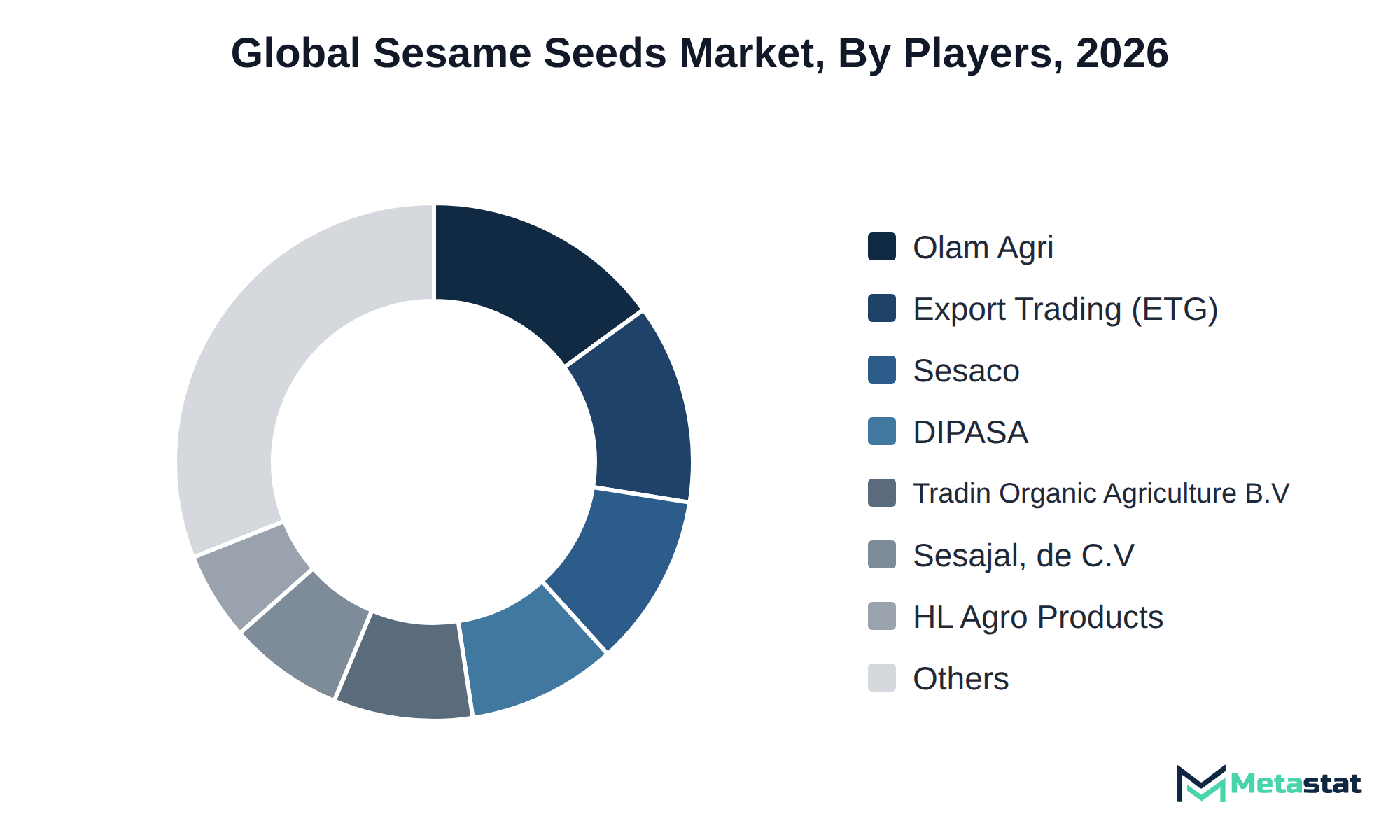
Suppliers in the sesame seeds market compete through product differentiation and market positioning. Players prioritize factors including pricing, quality, certification, and customer service while attracting buyers.
Olam Agri focuses on sustainable sourcing and broad distribution networks, appealing to buyers seeking reliable supply chains. DIPASA emphasizes high-quality processing methods and certifications to enhance product appeal. Sesajal, S.A. de C.V. leverages expertise in value-added products, providing customized solutions for niche segments of the market.
Companies in the sesame seeds market interact with buyers based on their specific requirements. Competitive pricing remains a critical factor, particularly in price-sensitive regions. Certifications, including organic or fair trade, influence purchasing decisions among health-conscious consumers. The emphasis on customization enables companies to cater to specialized needs, enhancing their market position.
Achieving this growth requires several developments to unfold. First, an increase in demand for conventional sesame seeds, particularly in the Asia Pacific region, is essential. The region currently dominates market share and shows significant growth potential due to rising consumer preferences for sesame-based products. Second, the expansion of the certified organic sesame seeds segment, primarily driven by consumers seeking healthier food options, supports overall market growth. The demand for organic products is anticipated to rise significantly as awareness of health benefits continues to grow. Lastly, innovation in processing forms, especially in natural unhulled sesame seeds, will enhance product offerings and attract diverse buyer groups, including the bakery and confectionery sector. Challenges including fluctuating agricultural conditions and competition from alternative oilseed products could restrict growth. These risks could result in lower yields and affect pricing strategies, ultimately impacting the overall performance of the sesame seeds market. Continuous monitoring of these factors remains crucial for stakeholders aiming to capitalize on market opportunities.
By Seed Color: White Sesame Seeds, Black Sesame Seeds, Brown Sesame Seeds, Others (Golden and Mixed-Color Sesame Seeds)
By Processing Form: Natural Unhulled Sesame Seeds, Unroasted Hulled Sesame Seeds, Roasted or Toasted Sesame Seeds, Others (Puffed and Crushed Sesame Seeds)
By Farming Method: Conventional Sesame Seeds, Certified Organic Sesame Seeds
By Application: Oil Crushing, Bakery and Confectionery, Tahini and Sesame Paste Production, Snacks and Savory Food Preparations, Functional Foods and Protein Ingredients, Others (Direct Non-Food Uses)
The report strategically identifies and profiles the key market players and analyses their core competencies in each sub-segment of the Sesame Seeds market.
Report Attributes | Details |
Study Period | 2021-2033 |
Base Year | 2025 |
Estimated Year | 2026 |
Forecast Period | 2026-2033 |
Historical Period | 2021-2025 |
Growth Rate | CAGR 5.2% from 2026 to 2033 |
Revenue Unit | USD billion |
Segmentation | By Seed Color, Processing Form, Farming Method, Application, and Region |
By Region | North America (By Seed Color, Processing Form, Farming Method, Application, and Country)
|
Europe (By Seed Color, Processing Form, Farming Method, Application, and Country)
| |
Asia Pacific (By Seed Color, Processing Form, Farming Method, Application, and Country)
| |
South America (By Seed Color, Processing Form, Farming Method, Application, and Country)
| |
Middle East and Africa (By Seed Color, Processing Form, Farming Method, Application, and Country)
|
Find answers to common questions about this report
The Sesame Seeds market size was valued at USD 10.8 billion in 2025.
The market is projected to grow at a CAGR of 5.2% during the forecast period from 2026 to 2033.
The North America Sesame Seeds market size is estimated to reach USD 2.1 billion by 2033.
White Sesame Seeds lead the Sesame Seeds market with a projected value of USD 9.7 billion by 2033, representing the largest segment in terms of revenue. This segment's growth reflects a compound annual growth rate of 4.9 percent during the forecast period.
Growing health consciousness among consumers fuels rising demand for sesame seeds, as buyers from the health and wellness sector increasingly seek natural ingredients with nutritional benefits. Advancements in farming methodologies enhance production efficiency, resulting in higher yields and lower operational costs, which supports a steady supply of high-quality sesame seeds.
Asia Pacific holds the dominant share of the Sesame Seeds market, accounting for 45.7 percent in 2025. This region significantly surpasses North America, Europe, South America, and the Middle East and Africa in market participation.
Fluctuations in sesame seed pricing significantly impact purchasing decisions, discouraging bulk purchases and leading to smaller orders among manufacturers. Rising input costs present challenges for suppliers, affecting profit margins and limiting their ability to invest in enhancements or scalability measures.
Rising consumer interest in certified organic products drives adoption in the sesame seeds market. The organic segment is projected to reach USD 1.9 billion by 2033, supporting premium pricing strategies and enhancing suppliers' market positioning. This trend creates opportunities for investment and development within health-oriented consumer markets.
The Sesame Seeds market is estimated to reach a valuation of USD 16.2 billion by 2033.
Key players operating in the Sesame Seeds market include Olam Agri, DIPASA, Sesajal, S.A. de C.V., Tradin Organic Agriculture B.V., Export Trading Group (ETG), and Kadoya Sesame Mills Incorporated.
The analysts below cover Food and Beverages research at Metastat Insights.
LEAD ANALYST
Utkarsh Khirodkar is a Lead Market Research Analyst at MetaStat Insight, specializing in market intelligence, technology sector assessments, and competitive strategy.

LEAD PRINCIPAL ANALYST, PHARMA AND HEALTHCARE
Food and Beverages · Healthcare · Healthcare IT · Medical Devices
Ajay Devgire is the Lead Healthcare Analyst at MetaStat Insight, leading strategic research and market intelligence initiatives across the global healthcare domain.

SENIOR RESEARCH ANALYST
Biotechnology · Food and Beverages · Medical Devices · Packaging
Snehal Pasalkar is a Research Analyst at MetaStat Insight, operating at the intersection of life sciences research, competitive strategy, and market intelligence.
Floating offshore wind feasibility relies heavily on specialized installation vessel availability and port crane limits, which most broad renewable energy forecasts ignore. The report delivered a thorough analysis of dry dock capacity, mooring chain supply constraints, and raw material pricing trends for deepwater anchor installations. It served as a solid independent sanity check for our offshore project capital expenditure assumptions.
Assessing commercial microgrid software adoption requires looking past top-level installation numbers and examining utility interconnection queues. The research provided verifiable data on average permitting timelines, tariff structures, and battery storage integration costs across regional utility territories. That grounded perspective was valuable for our team when building five-year demand projections for industrial microgrid controllers.
Ambulatory surgical centers have very different purchasing cycles for robotic-assisted surgery platforms than major hospital networks. The MetaStat Insight study focused squarely on capital expenditure depreciation, procedural reimbursement pathways, and surgeon training overhead. That operational clarity made it much simpler to validate multi-year procedure growth forecasts against actual ambulatory center adoption patterns.
Explore related market intelligence reports worth reading alongside this one.
Starting from
$2950