
LEAD ANALYST
Utkarsh Khirodkar is a Lead Market Research Analyst at MetaStat Insight, specializing in market intelligence, technology sector assessments, and competitive strategy.

UK Fruits and Vegetables Market Size, Share, By Product Type (Fruits, Vegetables), By Type (Fresh, Dried), By Category (Organic, Conventional), By Distribution Channel (Supermarkets and Hypermarkets, Discount Retailers, Convenience Stores, Independent Greengrocers, Online Grocery Retailers, Foodservice Wholesalers, Direct Sales and Farmers' Markets), Industry Analysis, Growth, Trends, and Forecast, 2026-2033
Report ID
MSI-5779
Published
November, 2026
Pages
258 Pages
Format
Historical
Base year
Forecast
Forecast period
Report Details
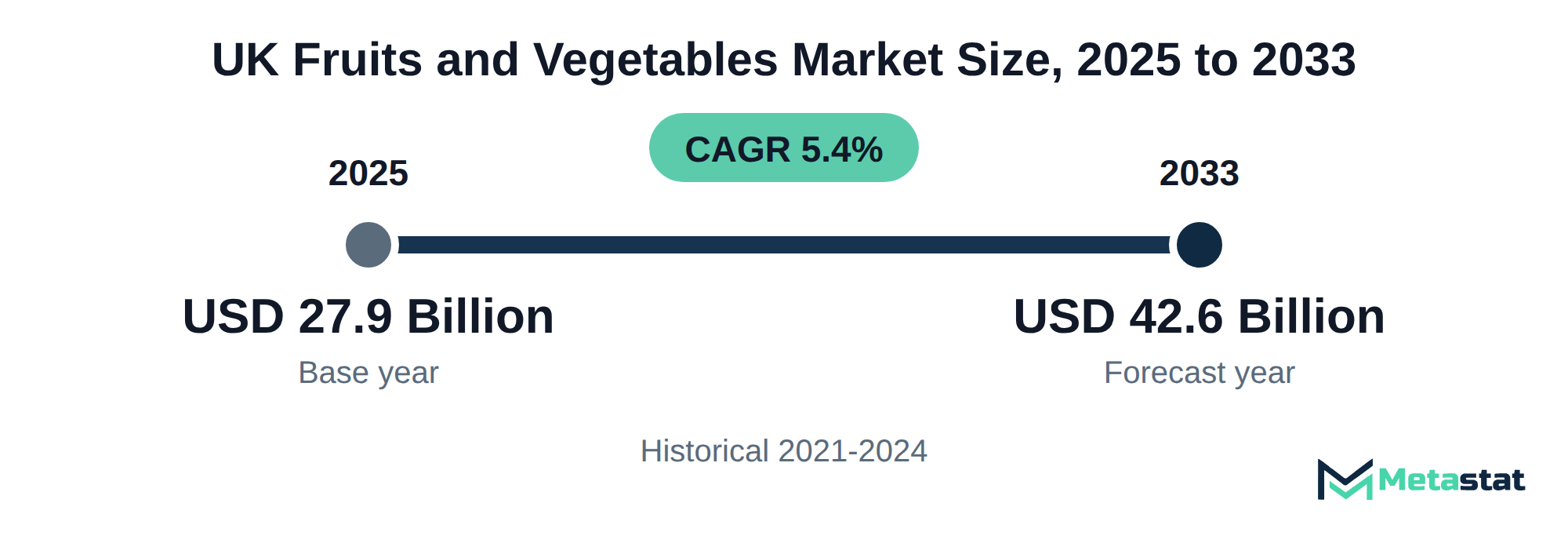
Market Valuation: Valued at $27.9 Billion in 2025, projected to reach $42.6 Billion by 2033 at a 5.4% CAGR.
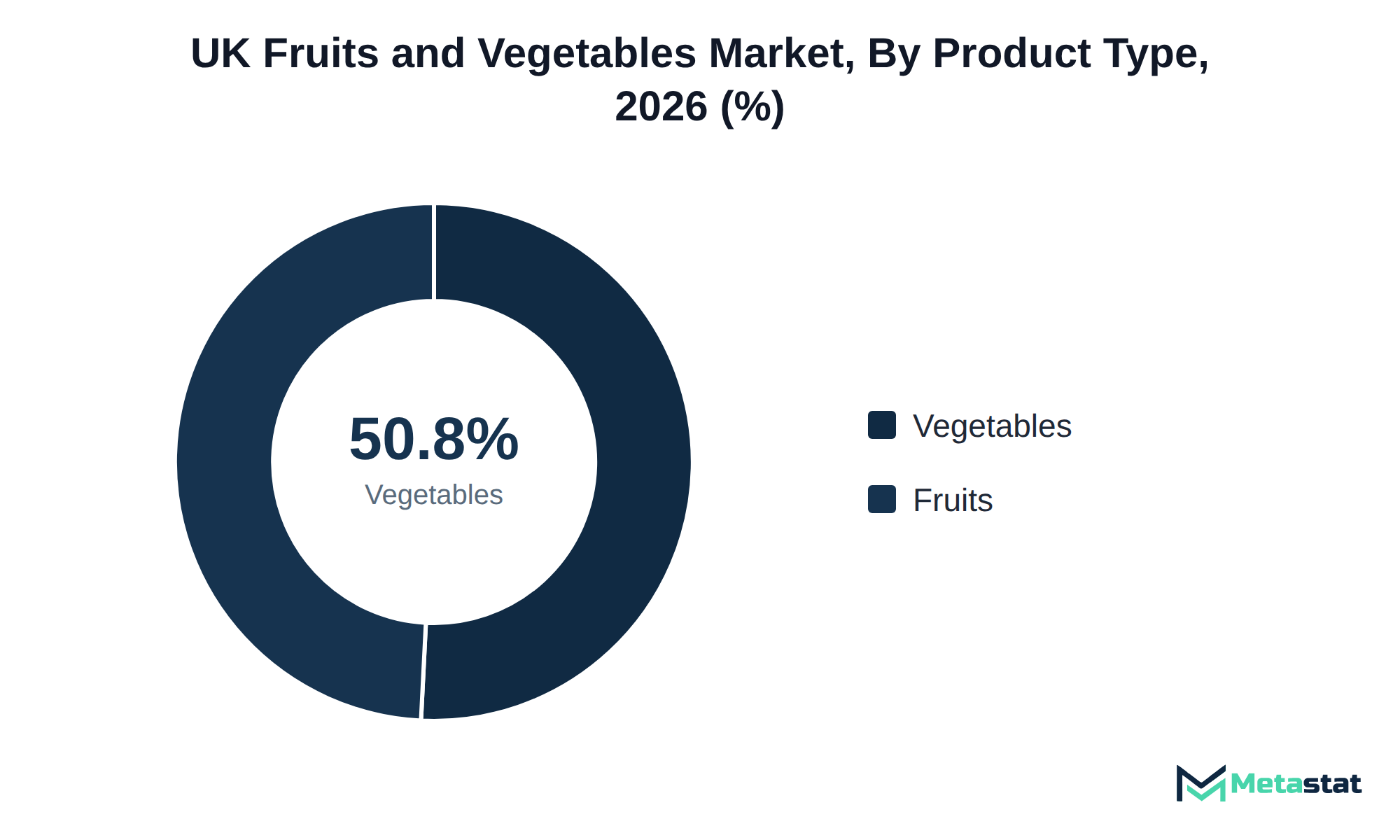
Dominant Segment: The vegetables segment leads the UK Fruits and Vegetables market, driven by increasing consumer demand for nutritious options and culinary versatility.
Geographic Lead: The UK market stands out due to its robust retail infrastructure, facilitating easy access to a diverse range of fruits and vegetables.
What's Inside: The report provides comprehensive competitive coverage, detailed analyses of market dynamics, and forecasts through 2033, ensuring a thorough understanding of the market landscape.
Organic Produce Growth: The organic segment exhibits significant growth potential, projected to expand at a CAGR of 7.4%, driven by rising consumer interest in health and sustainability.
Fresh Produce Demand: Fresh produce retail is expected to grow from USD 21.2 billion in 2026 to USD 29.9 billion by 2033, reflecting a strong consumer preference for health-conscious eating.
Choose Your License
UK Fruits and Vegetables Market
The UK Fruits and Vegetables market was valued at USD 27.9 billion in 2025 and is projected to reach USD 42.6 billion by 2033, growing at a CAGR of 5.4% over the forecast period.
The UK Fruits and Vegetables market covers fresh, dried, and frozen products. Buyers invest in this market primarily to meet health-conscious consumer demands, driven by the growing awareness of the importance of nutrition and fresh produce. The market serves households, foodservice providers, and retailers who seek to provide high-quality fruits and vegetables to their customers.
Growth within the market is propelled by several factors, including the increasing consumer preference for organic products. This segment reflects a shift towards healthier eating habits and has a higher value compared to conventional offerings. Vegetables represent the largest share of the market, with strong demand across distribution channels, including supermarkets and hypermarkets, which dominate sales.
The market is expected to benefit from the expanding popularity of online grocery retailing. This trend aligns with changing purchasing behaviors, particularly among younger consumers who prioritize convenience. The combination of these factors enhances opportunities across multiple segments and distribution channels.
The purchasing behavior within the UK Fruits and Vegetables market reflects a strong emphasis on health and wellness, driving consumers to choose fresh and organic options. Buyers prioritize nutritional value and quality, leading to increased expenditures on products that meet these criteria. The shift toward healthier lifestyles contributes significantly to the market's growth, with consumers seeking a variety of fruits and vegetables that fit their dietary preferences.
Vegetables represent the segment with the highest value, driven by factors including culinary versatility and increasing consumer awareness of their health benefits. The market shows significant growth, supported by rising demand for fresh produce in households and foodservice sectors. The UK market stands out, benefiting from a strong retail infrastructure that gives easy access to many products.
Among various growth drivers, the increasing focus on sustainable and organic farming practices highlights a key trend affecting consumer choices. This trend particularly appeals to environmentally conscious buyers, who actively seek organic options. The market's evolution reflects changing consumer preferences, with significant implications for producers, retailers, and distributors across the supply chain.
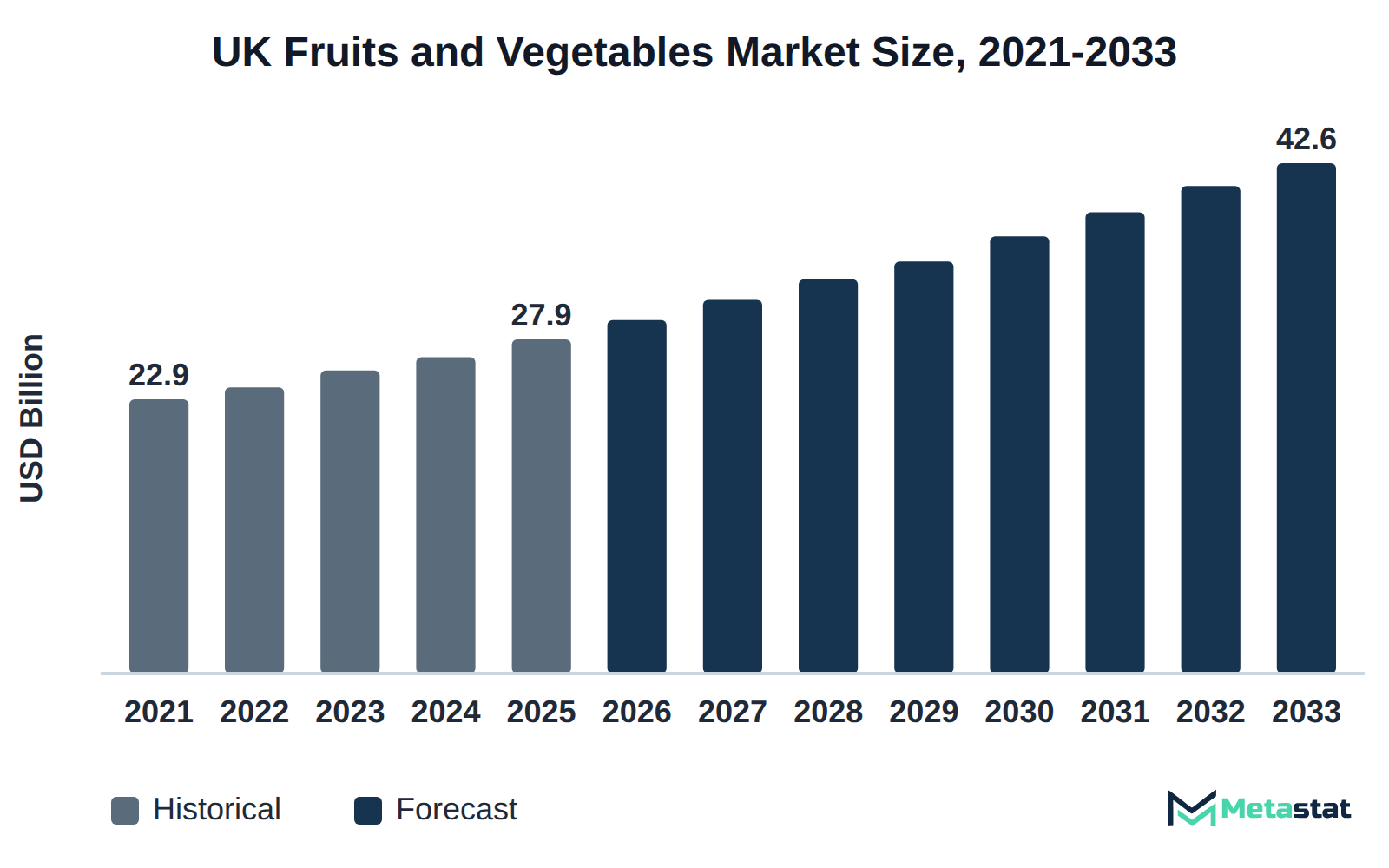
The UK Fruits and Vegetables market experiences significant changes in consumer purchasing preferences, particularly towards fresh produce. Increasing awareness of health benefits contributes to a growing demand for fresh fruits and vegetables among consumers. Fresh produce retail is projected to grow from USD 21.2 billion in 2026 to USD 29.9 billion by 2033. This shift indicates stronger consumer prioritization of health-conscious eating habits and fresh, minimally processed products.
Technological advancements in supply chain management help meet this rising demand. Innovations including smart inventory management systems and automated logistics enhance the efficiency of fresh produce distribution. These technologies allow retailers to maintain freshness and reduce spoilage, ensuring that consumers access high-quality products. Retailers benefit from improved sales and reduced waste, which positively influences profit margins.
While the market adapts to evolving consumer preferences, the emphasis on fresh produce aligns with broader trends in healthy living and sustainability. Retailers focusing on fresh offerings capitalize on this opportunity, positioning themselves favorably in a competitive environment. This focus on fresh produce helps meet consumer demand and supports the overall growth trajectory of the UK Fruits and Vegetables market.
Pricing strategies shape purchasing decisions across distribution channels in the UK Fruits and Vegetables market. Supermarkets and hypermarkets, which account for significant sales, typically employ competitive pricing models to attract consumers. The segment of supermarkets and hypermarkets is projected to grow from USD 12.7 billion in 2026 to USD 17.8 billion by 2033, reflecting a compound annual growth rate (CAGR) of 4.9%. This growth necessitates effective pricing strategies to enhance consumer engagement and loyalty.
Discount retailers have increasingly adopted aggressive pricing tactics to penetrate the market further, reflecting changing consumer preferences for value. The discount retail segment is expected to reach USD 8.1 billion by 2033, with a CAGR of 6.4%. Competitive pricing facilitates access to a broader customer base, particularly among budget-conscious shoppers. This trend shows how pricing strategies improve market accessibility and drive sales volume.
Online grocery retailing has emerged as a vital channel for the distribution of fresh produce, supported by evolving consumer habits. The growing preference for convenience has prompted retailers to enhance their online offerings, integrating technology to streamline the purchasing process. This transition accommodates consumer preferences and positions retailers to capture a larger share of the market. The evolving landscape highlights the need for innovative pricing and contract models, which will likely influence the dynamics of the UK Fruits and Vegetables market significantly.
Fresh produce supply chains in the UK Fruits and Vegetables market reflect the complex relationship between seasonal availability and consumer demand. The distribution of fresh fruits and vegetables involves multiple stages, from farm to retail. Each stage requires careful management to maintain product quality and ensure timely delivery. Buyers increasingly seek reliable sources that deliver consistent freshness throughout the year.
Seasonal availability of fruits and vegetables significantly impacts supply chains. Certain products experience peak harvests in specific months, necessitating effective logistics to maintain availability during off-seasons. For instance, fresh strawberries peak in summer, while root vegetables often have longer shelf lives, allowing them to be stored for extended periods. This variability influences purchasing decisions among buyers in retail and foodservice sectors. Retailers who effectively manage their supply chains capitalize on the momentum of seasonal trends, resulting in increased sales and customer satisfaction.
Farm-to-retail distribution channels are central to this market. These channels require robust supply chain solutions to handle the influx of fresh produce while minimizing waste. One such solution is cold chain logistics, which keeps produce fresh in transit. By leveraging efficient logistics and technology, retailers enhance their ability to meet consumer demands. Consequently, a well-structured supply chain supports retailers and contributes to more sustainable practices within the market.
Online grocery shopping and discount retailers reshape sales dynamics in the UK Fruits and Vegetables market. The rise of digital platforms facilitates access to fresh produce, catering to changing consumer preferences for convenience and variety. In 2026, the online grocery retail segment is projected to contribute significantly to overall sales, enhancing market reach and attracting a diverse customer base.
Discount retailers play a significant role in the market transformation. These retailers provide competitive pricing and value-oriented offerings that appeal to budget-conscious consumers. The shift toward more affordable grocery options influences purchasing behavior, driving growth in both the fruits and vegetables categories.
This trend creates opportunities for suppliers to adjust their strategies and focus on cost-effective distribution methods. Increased engagement with discount retailers enables producers to reach a wider audience while optimizing operational efficiencies. The evolving landscape of online grocery shopping and discount retailing is expected to result in sustained growth for the UK Fruits and Vegetables market, reflecting the ongoing shift in consumer purchasing habits.
Growing awareness of health and wellness among consumers significantly influences purchasing decisions for fruits and vegetables. Shoppers increasingly prefer fresh produce, reflecting a shift in dietary habits towards healthier options. This trend particularly attracts health-conscious individuals and families seeking to enhance their nutrition. The demand for fresh products is expected to rise, with the market projected to reach USD 29.5 billion by 2026, up from USD 27.9 billion in 2025. This increased spending demonstrates a broader consumer focus on incorporating more fruits and vegetables into daily diets, positively impacting both volume and price in the market.
The preference for organic options further supports this trend, with organic sales projected to grow at a compound annual growth rate of 7.4% from 2026 to 2033. Consumers increasingly view organic fruits and vegetables as essential components of a healthy lifestyle, resulting in heightened demand across various demographics.
Investment in advanced farming techniques significantly enhances the productivity of crop yields within the UK Fruits and Vegetables market. Innovations including precision agriculture, which employs technology to optimize field-level management, increase efficiency and reduce waste, are driving this shift. Farmers monitor crop health, soil conditions, and irrigation needs in real time, leading to improved sustainability and reduced environmental impact. Operational costs decline due to these efficiencies, and profit margins for producers expand, enabling reinvestment into further technological advancements. The adoption of these techniques attracts a growing segment of environmentally conscious consumers who prioritize sustainably sourced produce. Consequently, demand within the market is projected to rise as the benefits of these innovations are recognized by both suppliers and buyers. Enhanced yield capabilities and reduced resource consumption directly impact competitiveness and market positioning among suppliers, supporting a growth trajectory for the market.
The rising cost of living in the UK inhibits consumer spending on fresh produce, particularly among price-sensitive buyers. Economic pressures drive shoppers to seek lower-priced alternatives, leading to reduced orders for higher-value fruits and vegetables. Many consumers prioritize budget-friendly options, resulting in slower uptake of premium organic and specialty products. Discount retailers see increased traffic at the expense of traditional supermarkets, which struggle to maintain market share amid changing consumer preferences. The focus on cost-effectiveness influences purchasing decisions, impacting overall sales growth in the market. This trend highlights the challenge for suppliers to innovate or enhance their offerings to attract consumers willing to spend more.
Suppliers in the UK Fruits and Vegetables market face significant input cost pressures that affect profit margins. Rising prices for fertilizers, labor, and packaging materials contribute to the overall increase in operational costs. This situation prompts many suppliers to seek more efficient sourcing strategies and negotiate better terms with their suppliers to mitigate costs. Suppliers are increasingly investing in technology to optimize production processes, enhance yield efficiency, and reduce waste, which helps to offset rising expenses. Adoption of precision agriculture techniques is driven by the need to monitor crop health and apply inputs more effectively. These strategies are essential for maintaining competitiveness in a market where consumer expectations regarding quality and price remain high. Consequently, the sustainability of profit margins remains a critical concern along the supply chain, influencing supplier strategies.
The organic segment within the UK Fruits and Vegetables market exhibits significant growth potential, with a projected CAGR of 7.4% through 2033. This demand stems from a growing consumer focus on health, sustainability, and environmentally-friendly agricultural practices. Shoppers increasingly seek organic options, which often command premium prices. With the market value expected to rise from USD 3.8 billion in 2026 to USD 6.3 billion by 2033, suppliers focusing on organic cultivation strategies stand to benefit. Retailers emphasizing organic lines in their assortments will likely capture a more health-conscious consumer base, boosting overall sales. The growing inclination towards organic products reflects a shift in consumer preferences and gives suppliers an opportunity to diversify their offerings and enhance profitability. This trend aligns with broader health and wellness movements, reinforcing the importance of organic produce in the market.
The UK Fruits and Vegetables market is segmented based on Product Type, Type, Category, and Distribution Channel.
The fruits segment is valued at USD 14.5 billion in 2026 and is projected to reach USD 20.5 billion by 2033, at a CAGR of 5.1% during the forecast period. Fresh fruits are a core part of consumer diets, appealing to health-conscious individuals and families seeking nutritious options. The increasing preference for fresh produce drives demand significantly, particularly among supermarkets and health food stores. In the UK, canned fruits form a related processed category. This segment experiences growth supported by rising health awareness, while its growth rate is comparatively slower than that of the organic category, which achieves a CAGR of 7.4%. The conventional fruits segment faces competitive pressure from organic varieties, which attract consumers willing to pay premium prices for perceived health benefits. Overall, the fruits segment continues to thrive, responding to evolving consumer preferences while navigating competitive dynamics within the market.
Vegetables segment is estimated to reach USD 22 billion by 2033, at a CAGR of 5.6% during the forecast period. This segment primarily serves households, restaurants, and food manufacturers requiring a steady supply of fresh produce for meal preparation and product development. The increasing focus on health-conscious diets drives demand for vegetables, influencing purchasing trends among consumers seeking nutritious options. Compared to other segments, the growth rate of vegetables outpaces that of fruits, reflecting heightened consumer preference for vegetable-based meals. This growth aligns with the overall trend towards plant-based diets, further supported by the expanding availability of fresh vegetables in supermarkets and online grocery channels. The market has experienced a notable shift towards convenience, with pre-packaged and ready-to-use vegetable options catering to busy lifestyles. One example of this convenience trend is packaged salads. Unlike fruits, which experience seasonal fluctuations affecting availability, vegetables provide a more consistent supply, enhancing their appeal in the market.
The Fresh segment is valued at USD 21.2 billion in 2026 and is projected to reach USD 29.9 billion by 2033, at a CAGR of 5% during the forecast period. This segment serves health-conscious consumers and foodservice businesses seeking high-quality, nutritious options. Demand is driven by increasing consumer preference for fresh produce over processed varieties, with many buyers prioritizing quality and flavor. Compared to dried and frozen segments, fresh produce maintains a higher price point and offers a more immediate consumption experience, attracting a different demographic of buyers. The Fresh segment's growth reflects a broader trend towards healthier eating habits, supported by ongoing public health initiatives promoting fruit and vegetable consumption. This segment stands out within the market due to its emphasis on freshness, quality, and seasonal availability, creating unique challenges and opportunities for suppliers.
The dried segment is estimated to reach USD 4.1 billion by 2033, at a CAGR of 5.8% during the forecast period. Dried fruits and vegetables serve various purposes, including snacks, culinary ingredients, and health supplements, appealing to health-conscious consumers and food manufacturers. A closely related product category is dried fruit snacks. The segment experiences growth driven by increasing demand for convenient and long-lasting food options. Compared to fresh produce, the dried segment offers longer shelf life and lower transportation costs, attracting different buyer groups including wholesalers and retailers. In contrast to the fresh segment, which is projected to grow at a CAGR of 5.0%, the dried segment's growth rate is competitive, indicating strong demand for these products. The rising trend of plant-based diets contributes to the adoption of dried options, enhancing their market presence.
The frozen segment is expected to reach USD 8.6 billion by 2033. This segment caters primarily to consumers seeking convenience without compromising on nutritional value. Busy lifestyles drive demand among households and foodservice operators who require quick and easy meal solutions. An increasing preference for healthy eating enhances the appeal of frozen vegetables, which retain essential nutrients and flavor. The wider frozen food category also includes frozen potato products. This segment exhibits a higher growth trajectory compared to others, projected at a CAGR of 5.8%, reflecting growing consumer shifts toward frozen options over fresh or dried alternatives. Innovative product offerings, including organic frozen vegetables, contribute to its appeal, addressing rising health consciousness. In contrast to the fresh segment, frozen products present more stability in pricing due to reduced seasonal shocks, making them an attractive choice for price-sensitive buyers.
Organic segment is valued at USD 3.8 billion in 2026 and is projected to reach USD 6.3 billion by 2033, at a CAGR of 7.4% during the forecast period. This segment caters to health-conscious consumers who prioritize environmentally sustainable and chemical-free produce. Demand for organic fruits and vegetables has surged due to increasing consumer awareness regarding health benefits and sustainable agricultural practices. The segment experiences a stronger growth trajectory compared to conventional options, reflecting a CAGR of 7.4% versus 5% for conventional produce. Price sensitivity remains a challenge, with organic products often commanding higher prices. However, premium buyers, willing to pay for quality, drive the market forward. Growth in the organic segment indicates a significant shift in consumer preferences within the UK Fruits and Vegetables market.
Conventional segment is estimated to reach USD 36.2 billion by 2033, at a CAGR of 5% during the forecast period. This category primarily serves consumers seeking affordable and widely available fruits and vegetables. Retailers heavily stock conventional produce due to consistent demand from households and foodservice operations. Growing urbanization and rising population drive the need for reliable supply chains, ensuring accessibility. Compared to organic options, which exhibit a projected CAGR of 7.4% through 2033, conventional produce shows steadier growth, appealing more to budget-conscious buyers. This contrasts with the premium pricing strategy associated with organic goods, attracting environmentally conscious consumers willing to pay more. With increasing competition from discount retailers, the market adapts, focusing on value while maintaining quality standards. The overall dynamics of the market reflect a balance between affordability and quality, catering to diverse consumer preferences.
This segment serves a diverse consumer base, including families and individuals seeking convenient access to fresh produce. Demand growth in this area is driven by increasing consumer preference for one-stop shopping experiences, leading to higher foot traffic in these retail outlets. In comparison to Discount Retailers, which exhibit a higher CAGR of 6.4%, Supermarkets and Hypermarkets experience steadier growth, catering to those willing to pay higher prices for a broader selection and better quality. Competition in this segment centers on pricing strategies, product variety, and customer service, differentiating it from the Dried and Frozen categories that target specific consumer needs and price points.
This segment caters to cost-conscious consumers seeking affordable options for fruits and vegetables. The growing emphasis on value-driven shopping influences purchasing behavior, driving demand for discount retailers. This segment differs from others due to its focus on lower pricing strategies, appealing to budget-savvy buyers looking for savings. The market's competitive landscape encourages innovation in promotional strategies, enhancing accessibility and affordability. Discount retailers exhibit faster growth than other distribution channels, reflecting a shift in consumer preferences towards more economical options. Economic fluctuations and changing consumer habits significantly shape this segment's trajectory, creating both challenges and opportunities for growth in the UK Fruits and Vegetables market.
The Convenience Stores segment is expected to reach USD 3.9 billion by 2033. This sub-segment serves consumers seeking quick access to fresh produce, appealing to urban populations with busy lifestyles. Factors driving growth in this segment include increasing consumer demand for convenient shopping options and a preference for local sourcing. Compared to other distribution channels, this segment experiences a slower growth rate due to competition from larger retailers, evidenced by its projected CAGR of 3.8%. Despite this, convenience stores provide a unique shopping experience that emphasizes customer service and immediate availability, positioning them differently from supermarkets and hypermarkets. The UK Fruits and Vegetables market continues to evolve, with this segment adapting to changing consumer preferences and competitive pressures.
Independent Greengrocers segment is projected to grow at a CAGR of 3.8% during the forecast period. This segment serves local communities, offering fresh fruits and vegetables directly to consumers, often prioritizing quality and local sourcing. The increasing consumer preference for personalized shopping experiences and organic options significantly drives demand in this channel. Unlike larger distribution channels, Independent Greengrocers focus on niche markets, catering to customers seeking unique produce and supporting local farmers. The market's growth is supported by a trend toward sustainability, encouraging consumers to shop locally. This segment's slower growth relative to larger channels, including Supermarkets and Hypermarkets, reflects its specialized nature, with Independent Greengrocers appealing to a specific demographic that values personal relationships and local products.
Online Grocery Retailers offer a convenient platform for consumers to purchase fruits and vegetables through digital channels. This segment caters to tech-savvy shoppers who value convenience and flexibility in grocery shopping. The growing trend of e-commerce significantly influences this segment, with consumers increasingly opting for online purchases to avoid in-store crowds and save time. Compared to traditional retail channels, this segment typically sees higher price competition, appealing especially to younger demographics seeking fresh produce delivered directly to their homes. In contrast with Discount Retailers and Supermarkets and Hypermarkets, Online Grocery Retailers focus on enhancing the shopping experience by offering personalized recommendations and ease of access, contributing to the evolving dynamics of the UK Fruits and Vegetables market.
Foodservice wholesalers distribute fruits and vegetables to restaurants, catering services, and foodservice operations. This segment relies on sourcing high-quality products to meet the demands of professional kitchens and food establishments. These buyers operate within the wider UK foodservice sector. Increased consumer interest in fresh and local produce drives demand within this segment, pushing foodservice providers to seek reliable suppliers. While other distribution channels experience faster growth rates, foodservice wholesalers typically operate with a focus on bulk purchasing and specialized service, which leads to different pricing strategies. The emphasis on sustainability and organic sourcing trends influences purchasing decisions, affecting supplier relationships and offering opportunities for growth. This segment's dynamics reflect a unique intersection of food trends and supply chain considerations, distinct from retail-focused channels in the market.
Direct Sales and Farmers' Markets involve the sale of fruits and vegetables directly to consumers, bypassing traditional retail channels. This segment attracts consumers who prioritize freshness and support local agriculture. Key drivers include increased consumer demand for locally sourced products and a growing interest in organic options. In the market, this segment differentiates itself through its personal touch and community engagement, appealing to buyers who value direct interaction with producers. Compared to other distribution channels, this segment experiences slower growth rates due to logistical challenges and competition from larger retailers. However, it allows producers to capture higher profit margins due to reduced overhead costs associated with intermediaries. The UK Fruits and Vegetables market reflects this dynamic, illustrating the ongoing evolution of consumer preferences toward more sustainable and transparent food sourcing.
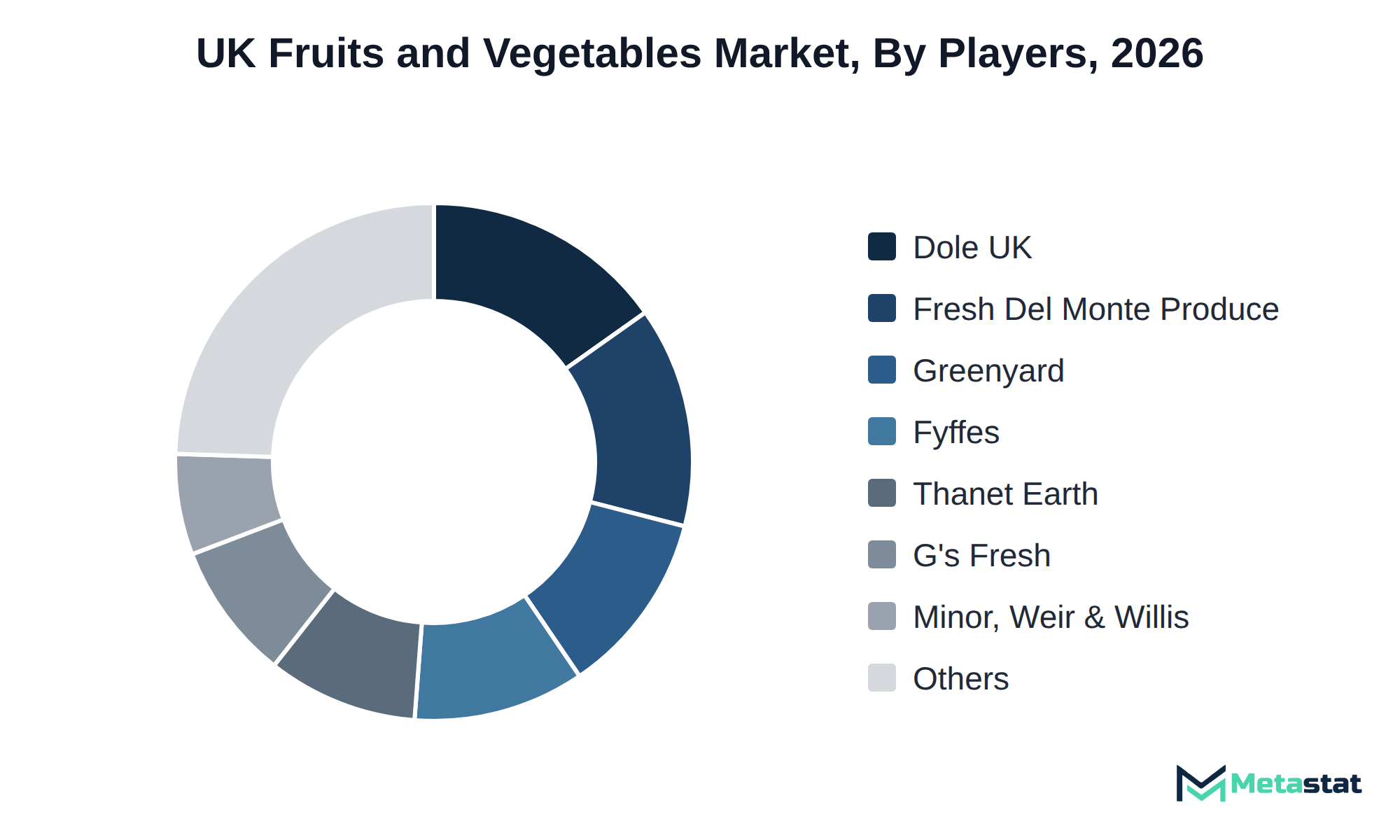
In the UK Fruits and Vegetables market, companies differentiate themselves based on product type, distribution channels, and buyer preferences. Fresh Del Monte Produce Inc. and Dole UK focus on fresh produce while emphasizing quality and sustainability to attract health-conscious consumers. Greenyard and Thanet Earth Limited prioritize organic offerings, tapping into the growing demand for organic products among environmentally conscious buyers.
Price remains a significant factor for many buyers, with discount retailers including Minor, Weir & Willis Limited and Barfoots providing more affordable options. In addition, the convenience of access through supermarkets and hypermarkets drives purchasing decisions, with G's Fresh and Fresca Group Limited enhancing their product visibility in these channels. Companies like Fyffes and S&A Group Holdings Limited focus on certification and quality assurance, aiming to build trust with consumers who prioritize these attributes.
This growth relies on several key developments in the UK Fruits and Vegetables market. Firstly, the increasing demand for fresh produce, reflected in the fresh fruits segment, is expected to drive a rise in value from USD 21.2 billion in 2026 to USD 29.9 billion by 2033, supported by health-conscious consumers. Secondly, the organic category, anticipated to expand from USD 3.8 billion in 2026 to USD 6.3 billion by 2033, will attract environmentally aware buyers seeking sustainable options. Thirdly, enhancing distribution channels, particularly supermarkets and hypermarkets, which show growth from USD 12.7 billion in 2026 to USD 17.8 billion by 2033, will enable better accessibility to consumers. A primary risk involves potential supply chain disruptions, which could adversely affect availability and pricing, ultimately hindering growth in the market. These developments and risks contribute significantly to the market's forecast trajectory, emphasizing adapting to consumer preferences and maintaining efficient distribution channels.
By Product Type: Fruits, Vegetables
By Type: Fresh, Dried, Frozen
By Category: Organic, Conventional
By Distribution Channel: Supermarkets and Hypermarkets, Discount Retailers, Convenience Stores, Independent Greengrocers, Online Grocery Retailers, Foodservice Wholesalers, Direct Sales and Farmers' Markets
The report strategically identifies and profiles the key market players and analyses their core competencies in each sub-segment of the Fruits and Vegetables market.
Report Attributes | Details |
Study Period | 2021-2033 |
Base Year | 2025 |
Estimated Year | 2026 |
Forecast Period | 2026-2033 |
Historical Period | 2021-2025 |
Growth Rate | CAGR 5.4% from 2026 to 2033 |
Revenue Unit | USD billion |
Segmentation | By Product Type, Type, Category, Distribution Channel, and Region |
Find answers to common questions about this report
The Fruits and Vegetables market size was valued at USD 27.9 billion in 2025.
The market is projected to grow at a CAGR of 5.4% during the forecast period from 2026 to 2033.
The leading type segment in the Fruits and Vegetables market is Fresh, with a projected value of USD 29.9 billion by 2033. This segment surpasses others in growth potential, reflecting a compound annual growth rate of 5.0 percent.
Key drivers for the Fruits and Vegetables market include growing consumer awareness of health and wellness, leading to increased demand for fresh produce. Investment in advanced farming techniques enhances productivity and sustainability, attracting environmentally conscious consumers and supporting market growth.
The rising cost of living in the UK restrains growth in the Fruits and Vegetables market by limiting consumer spending on fresh produce, particularly among price-sensitive buyers. Significant input cost pressures, including rising prices for fertilizers, labor, and packaging materials, affect profit margins for suppliers and increase operational costs.
Factors favoring adoption in the UK Fruits and Vegetables market include a growing consumer focus on health and sustainability, alongside rising demand for organic products. This trend encourages suppliers to diversify offerings, enhancing profitability and aligning with health-conscious consumer preferences.
The Fruits and Vegetables market is estimated to reach a valuation of USD 42.6 billion by 2033.
Key players operating in the Fruits and Vegetables market include Fresh Del Monte Produce Inc., Dole UK, Greenyard, Thanet Earth Limited, Minor, Weir & Willis Limited, Barfoots, and S&A Group Holdings Limited.
The organic segment within the UK Fruits and Vegetables market exhibits a projected compound annual growth rate of 7.4% through 2033.
Growing awareness of health and wellness among consumers significantly influences purchasing decisions for fruits and vegetables, with shoppers increasingly preferring fresh produce.
The analysts below cover Food and Beverages research at Metastat Insights.
LEAD ANALYST
Utkarsh Khirodkar is a Lead Market Research Analyst at MetaStat Insight, specializing in market intelligence, technology sector assessments, and competitive strategy.

LEAD PRINCIPAL ANALYST, PHARMA AND HEALTHCARE
Food and Beverages · Healthcare · Healthcare IT · Medical Devices
Ajay Devgire is the Lead Healthcare Analyst at MetaStat Insight, leading strategic research and market intelligence initiatives across the global healthcare domain.

SENIOR RESEARCH ANALYST
Biotechnology · Food and Beverages · Medical Devices · Packaging
Snehal Pasalkar is a Research Analyst at MetaStat Insight, operating at the intersection of life sciences research, competitive strategy, and market intelligence.
Evaluating calorific value requirements and air permit compliance across municipal waste facilities requires localized data. Metastat Insight structured their analysis around operational throughput capacity and feedstock composition variations in Latin America and Eastern Europe. Their competitive mapping of sorting equipment vendors helped clarify technology differences between optical separators and heavy media systems. The study provided an objective baseline during our capital expenditure reviews.
Decarbonizing industrial thermal processes hinges on refrigerant regulations and compressor efficiency limits. Metastat Insights delivered a thorough market analysis that evaluated natural refrigerants like CO2 and hydrocarbons against synthetic low-GWP alternatives. The breakdown of utility incentives and grid capacity constraints across key European manufacturing hubs offered valuable perspective. The follow-up conversation with their sector analysts addressed our specific questions on mechanical vapor recompression systems efficiently.
Assessing 200mm wafer transition schedules and substrate supply bottlenecks requires precise technical intelligence. MetaStat Insight supplied an actionable breakdown comparing planar and trench MOSFET architectures across automotive and industrial drive markets. The regional capacity estimates for Asia-Pacific foundries helped clarify lead-time uncertainties during our strategic planning session. When we needed additional clarification on high-purity raw material sourcing, their analyst team responded with helpful context within twenty-four hours.
Explore related market intelligence reports worth reading alongside this one.