
LEAD ANALYST
Utkarsh Khirodkar is a Lead Market Research Analyst at MetaStat Insight, specializing in market intelligence, technology sector assessments, and competitive strategy.

United Kingdom Foodservice Market Size, Share, By Foodservice Type (Cafes and Bars, Cloud Kitchen, Full Service Restaurants and Quick Service Restaurants), By Outlet (Chained Outlets and Independent Outlets), By Locations (Leisure, Lodging, Retail and Travel), By Service Type (Dine-in, Takeaway and Delivery), Industry Analysis, Growth, Trends, and Forecast, 2026-2033
Report ID
MSI-5245
Published
September, 2026
Pages
310 Pages
Format
Historical
Base year
Forecast
Forecast period
Report Details
Market Valuation: Valued at $132.1 Billion in 2025, projected to reach $225.3 Billion by 2033 at a 6.9% CAGR.
Dominant Segment: The Quick Service Restaurants segment leads the market, driven by increasing consumer demand for convenience and affordable meal options. This segment is projected to grow at a CAGR of 7.2% during the forecast period.
Geographic Lead: The United Kingdom is the primary market, with urbanization and changing lifestyles significantly contributing to the growth of foodservice offerings across the region.
What's Inside: This report provides a comprehensive analysis of the United Kingdom Foodservice market, including competitive coverage, market segmentation, and detailed forecasts from 2026 to 2033.
Emerging Trends: Sustainability and health-conscious dining are emerging trends, with consumers increasingly prioritizing eco-friendly options and locally sourced ingredients, influencing menu offerings across various foodservice segments.
Choose Your License
United Kingdom Foodservice Market
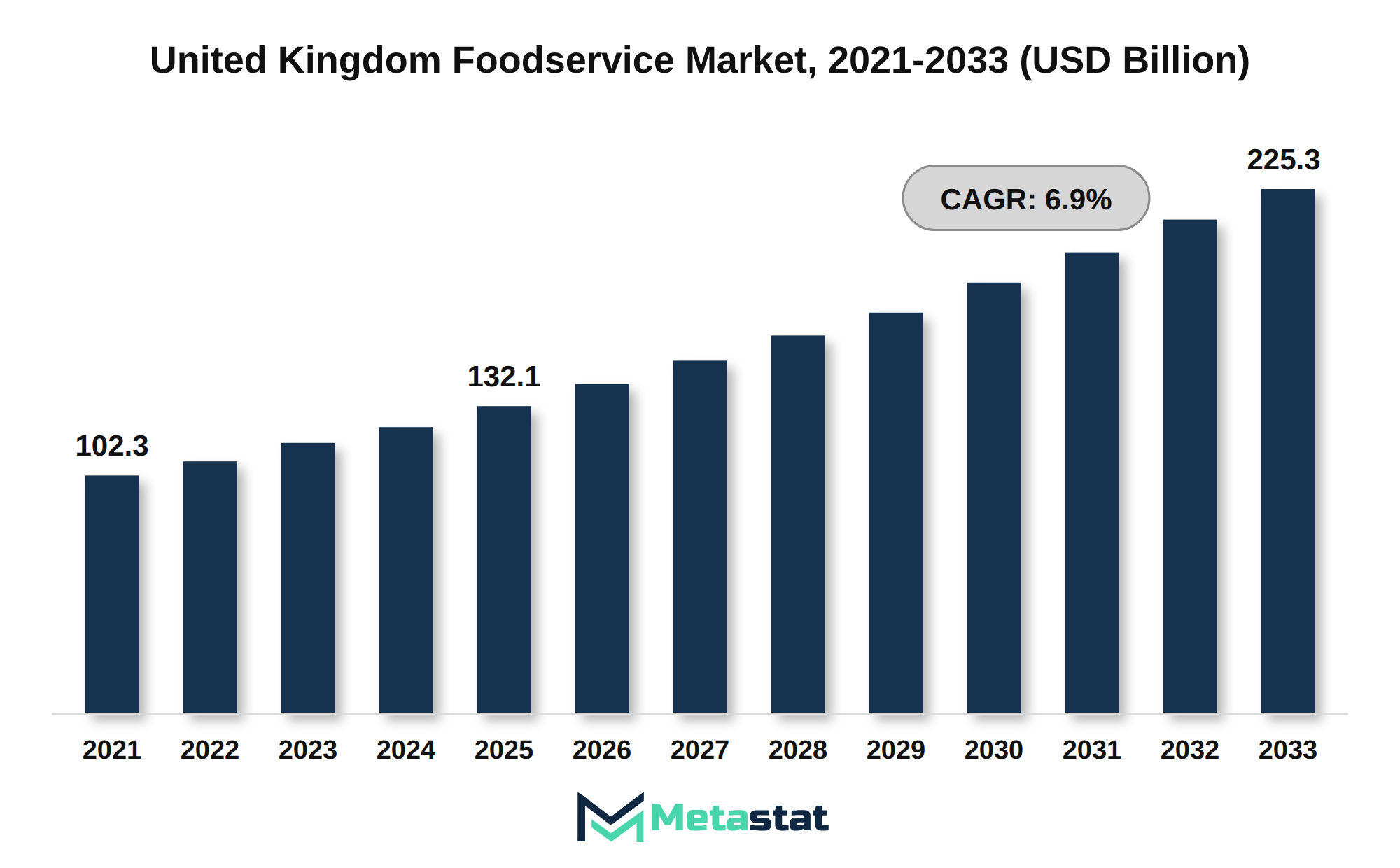
The United Kingdom Foodservice market was valued at USD 132.1 billion in 2025 and is projected to reach USD 225.3 billion by 2033, growing at a CAGR of 6.9% over the forecast period.
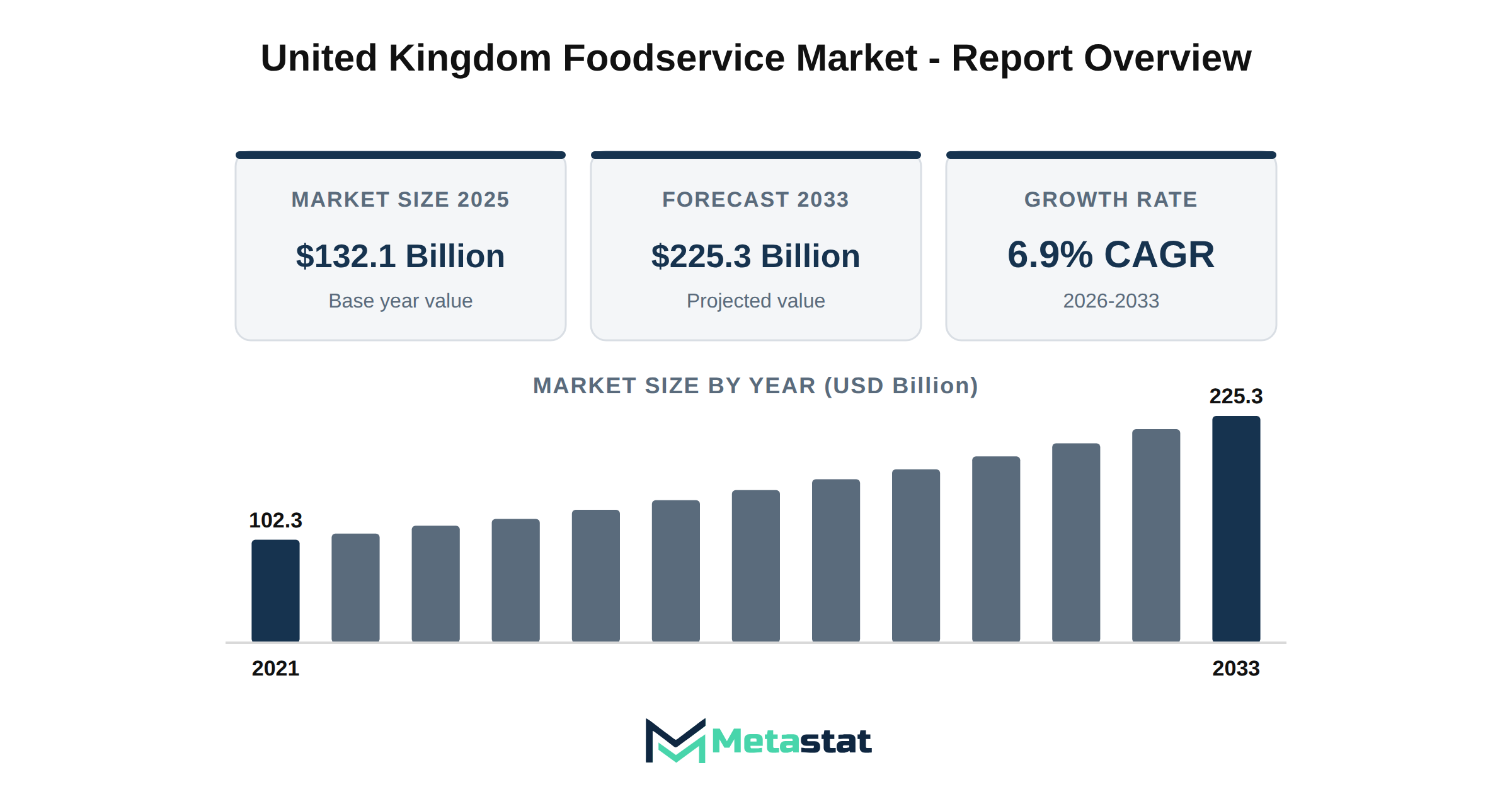
The United Kingdom Foodservice market reached a valuation of USD 132.1 billion in 2025, reflecting a strong growth trajectory. The market is projected to expand to USD 225.3 billion by 2033, at a compound annual growth rate (CAGR) of 6.9 percent. Historical data shows growth from USD 102.3 billion in 2021 to USD 116.3 billion in 2023, with continued increases leading to USD 123.1 billion in 2024 and USD 141.6 billion in 2026.
Changing consumer dining habits significantly influence the market landscape. Increased interest in convenience and varied dining options drives growth in quick service restaurants, which represent a substantial portion of the market. The expansion of food delivery services and digital ordering platforms enhances accessibility, catering to evolving consumer preferences.
Cloud kitchens are gaining traction, promoting delivery-first foodservice models that respond to the demands of modern consumers. This model facilitates operational efficiency while reducing overhead costs associated with traditional dining establishments. Rising demand for convenience and food-to-go options shapes the market, with consumers prioritizing speed and ease of access to food products.
Growth trends in UK cafés, coffee shops, and bakeries highlight an increasing consumer focus on specialty beverages and baked goods, driving revenue in these segments. Full service restaurants experience a resurgence in dining-out trends, appealing to consumers seeking unique culinary experiences and ambiance.
The pub, bar, and licensed foodservice segment remains a crucial pillar of the market, with traditional establishments adapting to contemporary tastes and preferences. The ongoing evolution of chained versus independent foodservice outlets illustrates a dynamic competitive landscape, with both models presenting unique strengths and challenges.
Technology adoption reshapes how restaurants and foodservice operators engage with consumers. Innovations in AI, automation, and self-service solutions enhance operational efficiency and customer experience. Digital payment systems and loyalty applications improve customer engagement, further driving revenue growth.
The United Kingdom Foodservice market experiences significant growth driven by evolving consumer dining habits. Consumers increasingly prefer convenience, healthy options, and diverse food choices, leading to a surge in demand for foodservice offerings that align with these preferences. The expansion of quick service restaurants and fast casual dining formats caters to this trend, providing customers with faster and more accessible meal options.
Food delivery and digital ordering solutions continue to gain traction across the market, enabling consumers to enjoy restaurant-quality meals at home. The rise of cloud kitchens and delivery-first foodservice models supports this demand, allowing operators to optimize their operations and reach broader customer bases without the need for traditional dine-in facilities.
Rising demand for convenience and food-to-go options characterizes the evolving landscape. UK café, coffee shop, and bakery segments experience growth trends reflecting these preferences, with establishments adapting their offerings to include ready-to-eat and grab-and-go items. Full service restaurant demand remains robust, driven by evolving dining-out trends, with consumers seeking unique culinary experiences and social interactions.
The pub, bar, and licensed foodservice sectors demonstrate resilience, attracting patrons looking for social dining experiences. Chained outlets continue to expand, leveraging brand recognition and operational efficiencies, while independent outlets differentiate themselves through unique offerings and personalized service. This dynamic creates a competitive environment, encouraging innovation and adaptation across the market.
Technology adoption plays a crucial role in enhancing customer experiences. Innovations including AI, automation, and self-service solutions streamline operations and improve efficiency. Digital payments, loyalty apps, and customer engagement strategies are increasingly integrated into foodservice operations, further enhancing the consumer experience and driving repeat business.
Food inflation and menu pricing trends significantly impact the market, compelling operators to balance cost pressures with consumer expectations. Labour costs and workforce challenges persist, influencing operational strategies and staffing approaches. Food supply chain and ingredient sourcing trends highlight the importance of sustainability and responsible sourcing practices in meeting consumer demand.
Initiatives aimed at reducing food waste and promoting sustainability connect with environmentally conscious consumers. The growing trend towards plant-based, healthy, and free-from menu innovations reflects a shift towards more mindful eating. Regulatory and food safety developments continue to shape the landscape, ensuring that consumer safety remains a priority.
Investment activities, including mergers and acquisitions, contribute to the market's evolution, facilitating new entrants and expansion opportunities. Competitive dynamics among leading UK foodservice operators drive innovation and market responsiveness. Franchise expansion strategies provide additional growth avenues, particularly within the fast food and casual dining sectors.
Travel, leisure, and hospitality foodservice sectors present further growth opportunities, capitalizing on increasing tourism and consumer spending. Retail and forecourt foodservice expansion addresses the demand for convenience in high-traffic areas. Workplace, education, and healthcare catering needs further diversify the market, providing tailored solutions for specific consumer segments.
Regional growth opportunities across London and major UK cities highlight the importance of local market dynamics in shaping foodservice offerings. Premiumisation and experience-led dining trends indicate a shift towards higher quality and unique culinary experiences. Future growth opportunities in the United Kingdom Foodservice market will emerge from an ongoing commitment to innovation, quality, and consumer satisfaction.
The United Kingdom Foodservice market experiences significant growth driven by evolving consumer behaviors. Increased interest in health and wellness influences dining preferences, with consumers gravitating towards healthier menu options and sustainable sourcing. This shift impacts full-service restaurants and cafes, which adapt their offerings to meet changing dietary trends and consumer expectations.
Urbanization and demographic shifts, particularly among younger populations, create heightened demand for convenience and quick service options. Quick service restaurants and cloud kitchens see significant increases in patronage, driven by the desire for fast and easily accessible meals. These segments are positioned for strong expansion within the market.
The market benefits from the integration of digital platforms and delivery services, responding to consumers' preferences for online ordering and contactless transactions. The adoption of technology by foodservice providers enhances operational efficiency, attracting tech-savvy consumers and building loyalty.
Overall, the changing landscape of consumer behaviors significantly shapes the United Kingdom Foodservice market. This evolution stimulates innovation within the sector, compelling operators to rethink their strategies to remain competitive and relevant in a dynamic environment.
The United Kingdom Foodservice market benefits significantly from ongoing digital transformation initiatives. With increasing competition and evolving consumer preferences, businesses invest in technology to streamline operations, improve service delivery, and enhance customer experiences. The integration of automation, artificial intelligence, and advanced software solutions enables establishments to optimize processes and reduce labor costs while maintaining high service standards.
Technological adoption drives operational productivity and supports cost-efficiency initiatives across various foodservice segments. For instance, quick service restaurants increasingly embrace digital ordering platforms, allowing faster transactions and improved customer satisfaction. This shift not only meets consumer demands for convenience but increases revenue streams. While businesses enhance digital capabilities, the potential for growth in the United Kingdom Foodservice market expands, positioning players to respond effectively to market dynamics.
The rise of data analytics allows operators to derive insights into consumer behaviors and preferences, facilitating more informed decision-making. By leveraging data, foodservice providers identify trends and adapt their offerings accordingly, leading to increased customer loyalty and repeat business. Consequently, investment in digital transformation emerges because a crucial driver of competitiveness and profitability within the market.
The United Kingdom Foodservice market faces substantial restraints due to regulatory compliance challenges and inflationary pressures. These factors have intensified operational costs for businesses, forcing them to allocate resources to meet stringent requirements. Compliance with evolving regulations regarding health, safety, and environmental standards adds complexity to operations, leading to increased costs and potential market entry barriers for new players.
Macroeconomic headwinds, including inflation and rising interest rates, further complicate the financial landscape. Operating expenses escalate owing to rising food prices, impacting profit margins across the market. This situation challenges businesses to adapt pricing strategies while maintaining customer loyalty. Supply chain disruptions hinder timely access to ingredients and materials, affecting service delivery and overall performance.
The lack of skilled labor presents another significant restraint in the market. A shortage of qualified personnel limits operational capacity and service quality, hindering growth opportunities. Companies face challenges in attracting and retaining talent, impacting their ability to expand service offerings and maintain competitive positioning. This trend signals a pressing need for investments in workforce development and retention strategies.
Geopolitical instability and resource scarcity introduce uncertainties that affect long-term planning and investment in the United Kingdom Foodservice market. Fluctuations in import/export dynamics create volatility in supply chain costs, impacting product availability and pricing stability. These factors contribute to a fragmented market landscape that challenges businesses to navigate operational complexities while pursuing growth.
The United Kingdom Foodservice market experiences challenges due to geopolitical fragmentation, which leads to trade deficits and tariff friction. These factors disrupt traditional supply channels, resulting in unstable supply chains for foodservice operators. The repercussions are particularly pronounced in the procurement of ingredients and logistics, where volatility in feedstock and components raises operational costs.
Technological disruptions further complicate the landscape, introducing interoperability friction during the integration of new systems and processes. Operators navigate these challenges while managing compliance overhead from evolving legal liabilities and tightening regional regulatory standards. This dynamic creates additional demands on resources, impacting profit margins and pricing strategies across the market.
Rising input costs, driven by inflation and supply constraints, exert pressure on foodservice margins, compelling businesses to reassess pricing structures. Workforce skill gaps lead to talent retention challenges, impacting service quality and operational efficiency. Automation displacements emerge because operators seek to mitigate these issues, contributing to a complex employment landscape within the United Kingdom Foodservice market.
The environmental lifecycle footprints and decarbonization mandates necessitate strategic investments in sustainable practices, which pose additional challenges for operators striving to meet evolving consumer expectations. Infrastructure gaps and retrofitting barriers further complicate implementation, obstructing timely advancements and leaving operators vulnerable to external pressures.
Overall, the range of challenges faced by the market, including cybersecurity risks and data vulnerabilities, requires agile strategies and robust planning. Operators develop innovative approaches to ensure resilience and adaptability in an increasingly complex environment.
The United Kingdom Foodservice market reflects diverse opportunities driven by emerging regional demands and evolving consumer preferences. Heightened awareness of sustainability and health has prompted significant shifts in purchasing habits, with customers increasingly prioritizing eco-friendly options and locally sourced ingredients. This demand for sustainability aligns with broader trends in green transformations, influencing menus and service offerings across various outlets.
Infrastructure modernization presents another vital opportunity within the market. Upgrading facilities and adopting new technologies enhance operational efficiency, catering to the rising expectations of consumers for quality and convenience. Investment in next-generation innovations, including automated food preparation and delivery systems, supports businesses in meeting these demands effectively.
Geographical expansion serves because a catalyst for market growth. With a rise in urbanization, foodservice providers increasingly enter previously underserved areas, capturing new customer bases and diversifying revenue streams. This strategic consolidation enables players to build brand loyalty and enhance their competitive positioning in the market.
Technological disruptions drive significant change within the market, with digital transformation reshaping customer interactions. Adoption of online ordering platforms and delivery apps alters how consumers engage with foodservice establishments, promoting convenience and accessibility. Enhanced digital procurement shifts allow companies to streamline supply chains, further optimizing costs and improving service delivery.
Downstream market diversification emerges because an essential strategy for many players. By offering unique dining experiences and catering to niche markets, businesses capture varied consumer segments, promoting growth in the market. This diversification aligns with evolving buying behaviors, where individuals seek personalized and unique experiences.
Overall, these market opportunities position the United Kingdom Foodservice market for growth, driven by strategic adaptations to consumer demands and technological advancements. Companies that leverage these trends will find themselves well-equipped to thrive in this dynamic environment.
The United Kingdom Foodservice market is segmented based on Foodservice Type, Outlet, Locations, and Service Type.
Cafes and Bars segment is valued at USD 30.8 billion in 2026 and is projected to reach USD 50 billion by 2033, at a CAGR of 7.2% during the forecast period. Rising consumer preferences for casual dining experiences drive demand within this segment. Increased foot traffic in urban areas and enhanced socializing trends contribute to the growth of Cafes and Bars. A shift towards experiential dining influences consumers to seek unique offerings and ambiance, further enhancing market expansion.
Technological advancements facilitate innovations within the segment, enhancing customer engagement through digital ordering and payment solutions. The integration of mobile applications improves convenience, allowing patrons to reserve tables and order ahead, significantly influencing consumer behavior. Next-gen upgrades in service delivery, including contactless options, cater to evolving hygiene standards, appealing to health-conscious customers.
Pricing volatility due to fluctuations in raw material costs impacts operational margins. Cafes and Bars adopt strategic pricing models to remain competitive while ensuring quality. Ongoing investment in supply chain resilience enhances availability and reduces disruptions, contributing to a stable market environment.
Government regulations around health and safety standards enforce compliance across the segment, necessitating ongoing adjustments to operations. These requirements influence operational costs and necessitate an agile response to maintain compliance. Strategic opportunity windows arise for businesses that effectively navigate these regulatory landscapes, positioning themselves favorably in the evolving market.
The United Kingdom Foodservice market continues to evolve, with Cafes and Bars leading this transformation, adapting to changing consumer preferences and technological advancements. The segment's growth reflects a strong response to market demands and an ever-expanding customer base.
Growth in the Cloud Kitchen segment aligns with evolving consumer preferences for convenience and quality. Increasing demand for food delivery services drives expansion, supported by technological advancements in food preparation and order management systems. The segment is projected to reach USD 10.4 billion by 2033, at a CAGR of 12.9% during the forecast period.
Shifts towards online ordering and delivery services influence market dynamics significantly. Consumers seek diverse culinary options and quick meal solutions, enhancing the appeal of cloud kitchens. Strategic partnerships with delivery platforms enhance visibility and accessibility, contributing to increased adoption rates in urban areas. Investment in next-generation technologies, including automated cooking and inventory management systems, supports operational efficiency and scalability.
Regulatory compliance around food safety and hygiene standards remains critical, with operators needing to adhere to stringent guidelines to maintain consumer trust. The cost structures of cloud kitchens favor streamlined operations, reducing overhead associated with traditional dining establishments. Fluctuations in ingredient prices impact margins, prompting operators to adopt flexible sourcing strategies.
The United Kingdom Foodservice market presents significant opportunities for innovation within the cloud kitchen segment. Continuous evaluation of consumer feedback allows for rapid adaptation of menus and offerings, ensuring relevance in a competitive environment. While the segment matures, established brands explore niche markets to capture untapped consumer bases, reinforcing their position in the evolving foodservice ecosystem.
Growth in the Full Service Restaurants segment aligns with evolving consumer preferences for dining experiences that emphasize quality and ambiance. Increasing disposable income drives demand for dining out, particularly among millennials and Gen Z, who prioritize unique culinary experiences and social interactions over traditional dining. This segment is expected to reach USD 72.3 billion by 2033.
Technological advancements play a significant role in the segment's expansion, with innovations including reservations through mobile applications and contactless payment systems enhancing customer convenience. Integration of sustainable practices and locally sourced ingredients has become a standard expectation, influencing consumer loyalty and brand perception. Competition intensifies because establishments adopt personalized marketing strategies and loyalty programs to attract and retain customers.
Challenges persist, including fluctuations in food prices and labor costs, which create margin pressures for operators. Regulatory compliance related to health and safety standards continues to shape operational strategies within the segment. Efficient supply chain management becomes essential to mitigate risks associated with raw material sourcing and logistics vulnerabilities.
Amid these dynamics, strategic opportunity windows emerge for investments focused on enhancing customer experiences while leveraging technology. The ongoing evolution of the United Kingdom Foodservice market highlights the importance of adaptability and innovation for stakeholders aiming to capitalize on this growing segment.
Growth in the Quick Service Restaurants segment aligns with shifting consumer preferences towards convenience and speed in dining experiences. The segment is projected to grow at a CAGR of 7.2% during the forecast period. Increased demand for affordable meal options, particularly among busy professionals and families, drives this growth. The expansion of mobile ordering and delivery services significantly enhances consumer accessibility, enabling a dining experience that caters to an on-the-go lifestyle.
Technological advancements play a crucial role in the evolution of offerings within the segment. Integration of mobile apps and contactless payment solutions streamlines operations and enhances customer satisfaction. The introduction of diverse menu options, including healthier choices and plant-based alternatives, attracts a wider audience and responds to changing dietary preferences.
Regulatory compliance standards, particularly regarding food safety and labeling, influence operational practices within the segment. Adhering to these standards ensures consumer trust and brand loyalty, which are vital for sustained growth. Pricing volatility, driven by fluctuations in ingredient costs, poses challenges for profitability. Strategic pricing models balance consumer affordability with operational margins.
Wider economic trends, including inflation and shifts in disposable income, impact consumer spending patterns within the market. Despite potential pressures, the segment remains resilient. Continuous innovation and adaptation to market demands support this resilience. Capital investment in technology and infrastructure enhances operational efficiency, positioning players to capitalize on emerging opportunities within the evolving United Kingdom Foodservice market.
Consumer preferences increasingly shift towards unique dining experiences, contributing to the growth of the Others segment in the United Kingdom Foodservice market. This segment encompasses various foodservice formats not categorized elsewhere, creating a dynamic environment for innovation and adaptation. While customers seek diverse culinary options, operators in this segment explore new concepts, enhancing their offerings to capture evolving tastes.
Technological advancements play a critical role in segment expansion. Adoption of digital ordering systems and enhanced delivery platforms facilitates consumer engagement, driving operational efficiency. Continuous investment in next-generation upgrades positions players to meet rising demand for convenience and quality, thus strengthening market presence.
Regulatory compliance standards impact operational strategies within the Others segment. Adherence to food safety regulations and sustainability guidelines enhances brand reputation, attracting environmentally conscious consumers. This focus on compliance shapes product evolution, leading to the introduction of healthier and more sustainable menu options that appeal to a growing demographic.
Pricing volatility remains a challenge, influenced by fluctuating ingredient costs and changing consumer spending patterns. Operators in the segment strategically navigate these pressures by optimizing their cost structures, allowing for competitive pricing without sacrificing quality. This agility positions businesses favorably amid economic fluctuations, ensuring sustained consumer interest.
Strategic opportunity windows arise from shifts in consumer behavior, particularly among younger demographics seeking authentic and diverse food experiences. Capital investment in innovative concepts enables operators to tap into these opportunities, enhancing their offerings and overall market competitiveness. The Others segment's adaptability to changing trends contributes significantly to the overall growth of the United Kingdom Foodservice market.
Chained Outlets segment is valued at USD 87.1 billion in 2026 and is projected to reach USD 146.4 billion by 2033, at a CAGR of 7.7% during the forecast period. This segment experiences growth driven by increasing consumer preference for established brands, which offer consistency and quality assurance. The rise of digital ordering platforms enhances accessibility, allowing chained outlets to reach a broader customer base. The expansion of urban areas and changing lifestyles support the demand for convenient dining options, reinforcing the segment's expansion.
Technological advancements play a crucial role in enhancing operational efficiency within chained outlets. Implementation of advanced point-of-sale systems and data analytics allows for improved inventory management and customer insights, thus optimizing supply chain processes. Consumer trends indicate a shift towards healthier menu options, prompting chains to innovate their offerings. The ongoing evolution of food preferences necessitates agility in adapting to market demands, creating opportunities for growth within the United Kingdom Foodservice market.
Pricing strategies remain critical in maintaining competitive advantage. Fluctuations in raw material costs and labor expenses place pressure on profit margins, necessitating strategic pricing adjustments to sustain operations. Economies of scale achieved by larger chains often allow for more favorable pricing than independent outlets, enhancing the attractiveness of chained outlets to price-sensitive consumers. Regulatory compliance regarding health and safety standards further influences operational frameworks, demanding continuous investment in quality control measures.
The chained outlets segment within the United Kingdom Foodservice market demonstrates significant potential for growth. Factors including brand loyalty, technological integration, and adaptive pricing strategies contribute to a favorable outlook. Continuous investment in innovation and consumer engagement strategies will support navigation of the competitive environment.
Independent Outlets segment is estimated to reach USD 78.9 billion by 2033, at a CAGR of 5.4% during the forecast period. Demand for independent outlets strengthens owing to consumer preferences for localized dining experiences and unique food offerings. Increased consumer interest in supporting local businesses drives growth in this segment, allowing independent outlets to carve out a niche in the competitive landscape of the United Kingdom Foodservice market.
Segment expansion catalysts include the rising trend of food personalization and diverse culinary experiences. Independent outlets frequently adapt their menus to reflect regional tastes and seasonal ingredients, enhancing customer engagement and loyalty. This adaptability positions these outlets to respond effectively to shifting consumer preferences, contributing to the overall growth trajectory of the market.
Technological maturation impacts independent outlets through the integration of digital ordering and payment systems, which improve operational efficiency and customer satisfaction. Next-gen upgrades in kitchen technology and inventory management enable these outlets to streamline processes and reduce waste, ultimately enhancing profitability. Investment in technology is crucial for independent outlets aiming to compete with larger chains in the market.
Regulatory compliance standards play a significant role in shaping operational practices within independent outlets. Adherence to health and safety regulations ensures consumer trust and satisfaction, which in turn affects overall demand. Navigating these standards effectively enables independent outlets to maintain a competitive edge within the market.
Pricing volatility poses challenges for independent outlets, particularly regarding ingredient sourcing. Fluctuations in raw material costs impact profit margins, necessitating strategic pricing strategies to remain viable. Emphasizing quality while managing costs is essential for financial sustainability in the evolving landscape of the United Kingdom Foodservice market.
Strategic opportunity windows emerge owing to independent outlets focusing on community engagement and experiential dining. Collaborations with local suppliers and participation in regional events position these outlets favorably, enhancing visibility and attracting clientele. This growth strategy highlights the importance of community connection in building brand loyalty within the market.
Valued at USD 15.1 billion in 2026, the Leisure segment is projected to reach USD 25.2 billion by 2033, achieving a CAGR of 7.6% during the forecast period. Increasing consumer spending on leisure activities contributes to this growth, with dining becoming an integral part of leisure experiences. The market recognizes a shift in consumer behavior toward seeking diverse culinary options, driving demand for foodservice establishments within leisure venues.
Segments including casual dining and themed restaurants within the leisure category attract significant patronage, aligning with the growing trend of experiential dining. The adoption of innovative dining experiences enhances customer engagement, encouraging repeat visits and increasing overall market value. The rise of health-conscious dining options influences consumer preferences, prompting foodservice operators to adapt their menus accordingly.
Technological advancements in food delivery and reservation systems streamline operations within the Leisure segment, improving customer satisfaction and operational efficiency. Establishments leveraging digital platforms to enhance service delivery capture a larger share of the growing market, positioning themselves competitively in the United Kingdom Foodservice market.
While the market evolves, strategic investments in ambiance and service quality play critical roles in attracting and retaining customers. Establishments focusing on unique dining experiences, coupled with effective marketing strategies, capitalize on emerging trends, further driving growth in the Leisure segment. The forecast period anticipates continued expansion, supported by robust consumer interest in diverse leisure activities and dining options.
Lodging segment experiences growth within the United Kingdom Foodservice market. Factors including increasing domestic and international travel drive demand for foodservice offerings in hotels and accommodations. Consumer preferences shift towards enhanced dining experiences during their stays, prompting establishments to diversify menus and improve service quality.
Innovative dining concepts and a focus on local cuisine contribute to the segment's expansion. Hotels adapt to trends by integrating technology into their foodservice operations, enhancing guest experiences and operational efficiency. Establishments invest in next-gen upgrades, including online ordering and mobile payment systems, which align with evolving consumer expectations.
By 2033, the lodging segment is estimated to reach USD 30.4 billion, at a CAGR of 6.4% during the forecast period. This growth reflects a commitment to enhancing the overall guest experience through improved foodservice options and innovative service delivery models. Competing establishments face pressures related to cost structures and pricing volatility, influencing menu pricing strategies.
Strategic opportunity windows arise for companies focusing on sustainability and health-conscious offerings, aligning with shifting consumer preferences. The market evolves owing to regulatory compliance standards demanding attention, compelling businesses to maintain high-quality service levels while adhering to food safety regulations. Investment in supply chain resilience and raw material sourcing remains critical for addressing potential disruptions and maintaining service continuity.
Growth in the Retail segment of the United Kingdom Foodservice market stems from increasing consumer demand for convenience and accessibility in food options. Shifting lifestyles, characterized by busier schedules, influence more consumers to seek ready-to-eat meals available in retail settings. Enhanced shopping experiences, integrating foodservice within retail environments, support expanded consumer engagement and spending in this segment.
The Retail segment is projected to reach USD 42.8 billion by 2033. Integration of technology in this segment, including mobile ordering and self-service kiosks, enhances efficiency and customer satisfaction. These technological advancements contribute to higher sales volumes and improved profitability for operators within the market.
Cost structures in the Retail segment undergo scrutiny, with operators balancing quality and pricing to maintain competitive advantage. The emergence of private label products offers a strategic opportunity for retailers to attract cost-conscious consumers while ensuring profitability. In this evolving landscape, adaptability and innovation are crucial for sustaining growth and capturing market share.
Growth prospects within the Sandalone segment contribute significantly to the overall expansion of the United Kingdom Foodservice market. The segment is projected to grow at a CAGR of 6.3% during the forecast period, driven by increasing consumer demand for convenient dining options. Diners increasingly seek quick and accessible meals, enhancing the market's appeal. This trend aligns with the rise of takeout and delivery services that cater to busy lifestyles, expanding the reach of standalone dining establishments.
Technological advancements play a crucial role in shaping the segment's landscape. The integration of digital ordering platforms and mobile applications streamlines the customer experience, driving foot traffic and online orders. The competitive environment pushes operators to adopt next-generation technologies that enhance service efficiency and customer satisfaction.
Strategic investment in the Sandalone segment reflects the growing recognition of its potential. Establishments are increasing their capital investment to upgrade facilities and expand service offerings, aligning with evolving consumer preferences. This proactive approach supports sustained growth and positions operators to capitalize on emerging opportunities within the market.
While consumer dining habits evolve, the overall dynamics of the market shift, emphasizing the importance of flexibility and adaptation. The Sandalone segment's ability to respond to these changes, including the incorporation of healthier and more diverse menu options, aligns with a broader trend toward wellness and sustainability. This shift enhances the segment's attractiveness to a diverse consumer base, ensuring its integral role in the United Kingdom Foodservice market.
Growth in the Travel segment receives strong support from increasing tourism and travel activities in the United Kingdom. Demand arises from a growing number of domestic and international travelers seeking foodservice options that meet diverse preferences and dietary needs. Enhanced travel experiences encourage operators to improve their offerings, incorporating local cuisine and innovative dining concepts. This evolution in the market aligns with broader trends of personalization and experiential engagement in foodservice.
Technological advancements further influence consumer interactions, with mobile ordering and contactless payment options enhancing convenience for travelers. Operators that adopt these technologies position themselves favorably within the market, catering to a tech-savvy customer base. Continuous adaptation to changing consumer behaviors ensures relevance and operational efficiency.
Strategic opportunities emerge for market players focusing on partnerships with travel companies and accommodations, expanding their footprint in high-traffic locations including airports and train stations. These collaborations facilitate access to a steady stream of customers, building brand loyalty through reliable foodservice experiences during travel.
Regulatory compliance standards related to health and safety remain a priority, particularly in the context of food preparation and service within travel environments. Adhering to these standards mitigates risks and enhances brand reputation. The market thrives on the commitment of operators to maintain quality control and uphold safety protocols.
Anticipated shifts in consumer behavior, including a preference for sustainable and ethically sourced food options, will drive changes in product offerings. Operators in the market that prioritize sustainability create a competitive edge, appealing to environmentally conscious travelers. Overall, the Travel segment in the United Kingdom Foodservice market presents extensive potential for growth driven by evolving consumer demands and strategic innovations.
Dine-in segment is valued at USD 78.1 billion in 2026 and is projected to reach USD 117.2 billion by 2033, at a CAGR of 6% during the forecast period. Demand for dine-in services stems from a growing preference for social dining experiences, driven by changing consumer lifestyles and the desire for quality interactions. The emergence of diverse culinary options enhances consumer interest, attracting a wide range of patrons to restaurants offering dine-in services. Investment in restaurant ambiance and service quality significantly contributes to increased foot traffic, boosting overall market performance.
Technological advancements support the growth of the dine-in segment, with innovations in point-of-sale systems and customer engagement tools enhancing the dining experience. The integration of mobile technology enables restaurants to streamline reservations and orders, strengthening customer loyalty. Regulatory compliance standards focusing on health and safety further impact the segment, because establishments adapt to evolving guidelines while ensuring customer safety.
Cost structures related to labor and food sourcing play a vital role in shaping profitability within the segment. Pricing volatility stemming from raw material sourcing impacts how operators manage their menus and offerings, allowing them to maintain competitive pricing without sacrificing quality. The market continues to face challenges from disruptive alternatives, including takeout and delivery options, prompting dine-in establishments to innovate their service offerings to retain customer loyalty.
Strategic opportunity windows arise because consumers exhibit a strong desire for memorable dining experiences. Emphasizing unique offerings and seasonal menus enhances brand loyalty, encouraging repeat visits. Continuous investment in enhancing the dining atmosphere positions operators to capture several market participants in the United Kingdom Foodservice market, aligning with broader trends emphasizing social interaction and experience-driven dining.
Growth in the Takeaway segment aligns with increased consumer demand for convenience and speed in meal options. Busy lifestyles drive a preference for easily accessible dining solutions, resulting in an expansion of this market segment. Takeaway services offer flexibility for customers, allowing them to enjoy meals without the need for sit-down dining. Innovations in food delivery technology and logistics enhance service efficiency, contributing to market growth.
This segment is expected to reach USD 55.2 billion by 2033, at a CAGR of 7.1% during the forecast period. Factors including rising urbanization and advancements in mobile ordering systems facilitate the adoption of takeaway services. The United Kingdom Foodservice market benefits from an increasing number of dedicated delivery platforms and partnerships with restaurants, creating a competitive environment. Such developments enable establishments to cater to a wider audience while optimizing their service offerings.
Price sensitivity among consumers influences purchasing behavior, creating pressure on profit margins for takeaway providers. Companies navigate these challenges by implementing strategic pricing models and enhancing operational efficiencies. Investment in technology and marketing efforts is essential for capturing market share within the takeaway segment. Overall, this segment demonstrates significant potential for growth, contributing to the broader dynamics of the United Kingdom Foodservice market.
Consumer adoption of food delivery services drives significant growth in the Delivery segment of the United Kingdom Foodservice market. Increased reliance on convenience fuels demand for various cuisines delivered directly to consumers' homes or workplaces. The segment is projected to reach USD 52.9 billion by 2033, reflecting changing consumer lifestyles and preferences.
Technological advancements play a crucial role in this growth trajectory. Mobile applications and user-friendly platforms enhance the customer experience by simplifying the ordering process and tracking deliveries in real-time. Restaurants adapt their strategies to cater to the rising demand for delivery services, expanding their menus and optimizing their operations for takeout.
Competitive pressures within the market intensify because players strive to meet growing expectations for speed and service quality. Restaurants implementing efficient delivery systems capture market share while addressing customer preferences for online ordering. Emphasis on sustainability and eco-friendly packaging aligns with shifting consumer values, influencing purchasing decisions.
Investment in marketing and promotional strategies further increases visibility and customer engagement in this segment. Establishments leveraging social media and targeted advertising effectively reach their audience, driving sales and brand loyalty. Overall, the Delivery segment represents a dynamic component of the United Kingdom Foodservice market, positioned for sustained growth driven by consumer demand and technological integration.
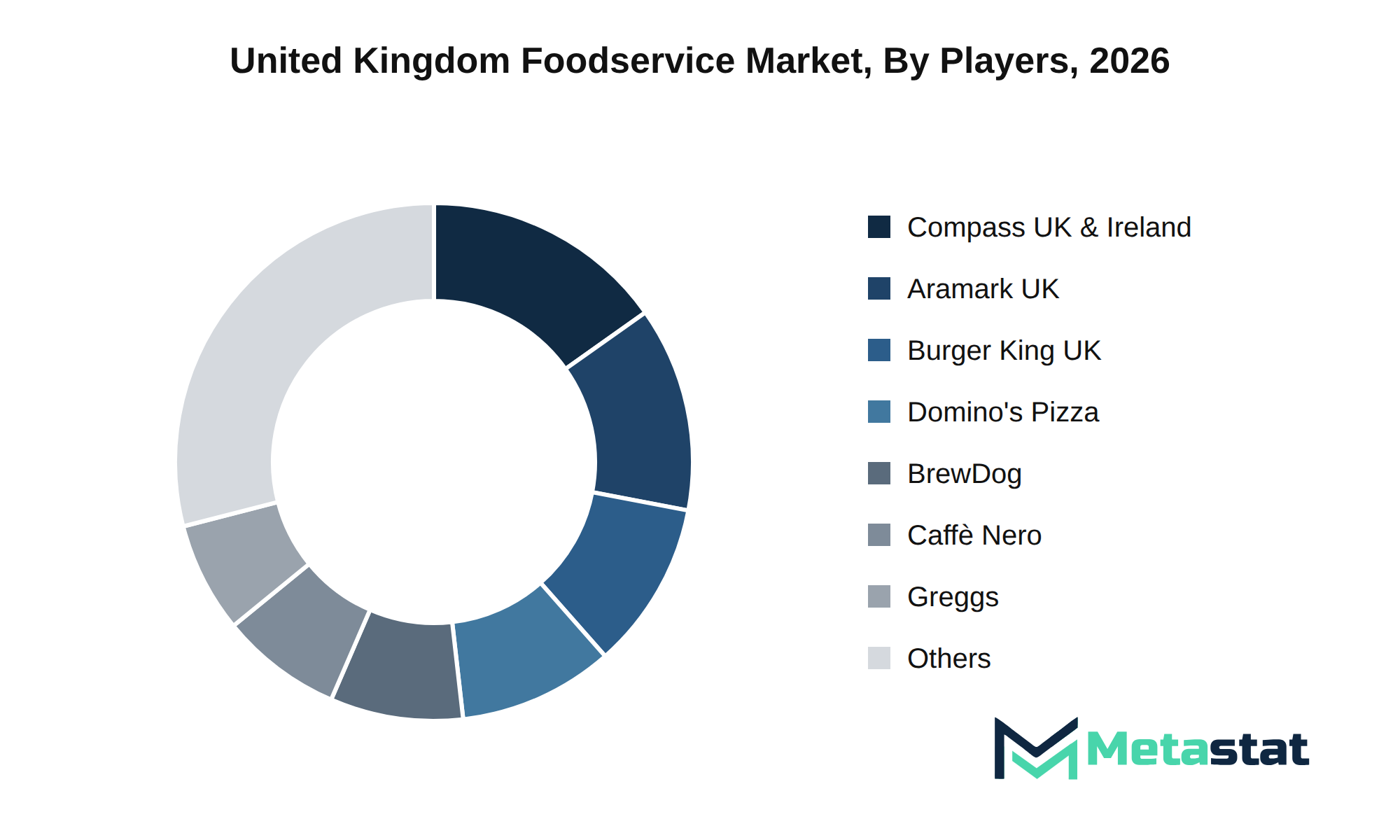
The United Kingdom Foodservice market experiences dynamic shifts driven by strategic consolidation, mergers, and acquisitions among key players. Companies like McDonald's Corporation, Domino's Pizza Group plc, and Burger King UK continue to strengthen their market positions through aggressive expansion and operational efficiency. The presence of large entities including Compass Group UK & Ireland and Aramark UK enhances competitive dynamics by introducing innovative service models and pricing strategies.
Product differentiation remains critical in the market, with brands like BrewDog plc and Five Guys Holdings, Inc focusing on unique offerings to attract niche customer segments. Strategic alliances play a significant role, reflected in partnerships among companies like Starbucks Corporation and The Coca-Cola Company (Costa Coffee) that aim to enhance customer experiences and broaden market reach.
Barriers to entry persist, stemming from established brand equity and substantial switching costs for consumers. New entrants face considerable challenges in gaining market traction against well-established players including Greggs plc and Nando's Group Holdings Ltd, which leverage strong customer loyalty and extensive distribution networks. The competitive outlook for the United Kingdom Foodservice market indicates continued growth, driven by innovation, strategic partnerships, and an increasingly discerning consumer base.
Market size is forecast to rise from USD 132.1 billion in 2025 to over USD 225.3 billion by 2033. The base case anticipates a compound annual growth rate (CAGR) of 6.9%. Economic factors and consumer trends influence demand, impacting the overall growth trajectory of the market.
In a bull scenario, robust economic recovery and heightened consumer spending drive growth beyond projections. Increased disposable incomes and evolving consumer preferences for dining experiences create significant opportunities for market players. Conversely, in a bear scenario, economic downturns and inflation could restrain growth, leading to reduced consumer spending and altered consumption patterns.
Structural shifts in consumption patterns emerge owing to consumers prioritizing convenience and diverse food offerings. The integration of next-generation technologies enhances operational efficiencies and improves customer experiences within the market. Investments in research and development (R&D) ensure continuous product innovation, aligning offerings with evolving consumer needs.
Regulatory evolution shapes the competitive landscape. Compliance milestones related to health and safety regulations require proactive adaptation from market participants. Geopolitical factors and trade realignments influence supply chain dynamics, impacting logistics and operational costs.
Strategic capital allocation directs resources toward high-growth segments and unmet enterprise needs. Infrastructure investments contribute to enhanced service delivery and customer satisfaction. Executive-level strategic imperatives emphasize adaptability and responsiveness to market trends, positioning companies for future growth in the United Kingdom Foodservice market.
The report strategically identifies and profiles the key market players and analyses their core competencies in each sub-segment of the Foodservice market.
Report Attributes | Details |
Study Period | 2021-2033 |
Base Year | 2025 |
Estimated Year | 2026 |
Forecast Period | 2026-2033 |
Historical Period | 2021-2025 |
Growth Rate | CAGR 6.9% from 2026 to 2033 |
Revenue Unit | USD billion |
Segmentation | By Foodservice Type, Outlet, Locations, Service Type, and Region |
Find answers to common questions about this report
The Foodservice market in the United Kingdom was valued at USD 132.1 billion in 2025.
The Foodservice market is projected to grow at a CAGR of 6.9% during the forecast period from 2026 to 2033.
Full Service Restaurants lead the United Kingdom Foodservice market with a projected value of USD 72.3 billion by 2033. This segment holds the largest share compared to other foodservice types.
Key drivers for the United Kingdom Foodservice market include evolving consumer behaviors that emphasize health and wellness, increased demand for convenience, and the integration of digital platforms. The adoption of technology enhances operational efficiency and customer experiences, positioning businesses for growth in a competitive landscape.
The United Kingdom Foodservice market faces restraints from regulatory compliance challenges and inflationary pressures, which increase operational costs. a shortage of skilled labor limits service quality and growth opportunities, complicating businesses' ability to expand while maintaining competitiveness.
Factors favoring product adoption in the United Kingdom Foodservice market include the demand for healthier menu options and sustainable sourcing. Increased urbanization enhances convenience, attracting tech-savvy consumers seeking quick service and efficient dining experiences.
The Foodservice market is estimated to reach a valuation of USD 225.3 billion by 2033.
Key players in the United Kingdom Foodservice market include Aramark UK, Compass Group UK & Ireland, Domino's Pizza Group plc, Greggs plc, McDonald's Corporation, and Starbucks Corporation.
The quick service restaurants segment is projected to grow at a CAGR of 7.2% through 2033.
The cloud kitchen segment is anticipated to experience the highest growth, with a CAGR of 12.9% forecasted through 2033.
The analysts below cover Food and Beverages research at Metastat Insights.
LEAD ANALYST
Utkarsh Khirodkar is a Lead Market Research Analyst at MetaStat Insight, specializing in market intelligence, technology sector assessments, and competitive strategy.

LEAD PRINCIPAL ANALYST, PHARMA AND HEALTHCARE
Food and Beverages · Healthcare · Healthcare IT · Medical Devices
Ajay Devgire is the Lead Healthcare Analyst at MetaStat Insight, leading strategic research and market intelligence initiatives across the global healthcare domain.

SENIOR RESEARCH ANALYST
Biotechnology · Food and Beverages · Medical Devices · Packaging
Snehal Pasalkar is a Research Analyst at MetaStat Insight, operating at the intersection of life sciences research, competitive strategy, and market intelligence.
Evaluating sensor fusion reliability across harsh operating environments can be tricky without field-validated data. The study on agricultural autonomous guidance systems clearly separated stereo vision setups from automotive-grade solid-state LiDAR. We appreciated the regional infrastructure analysis, specifically around RTK network density across North America and South America. During our follow-up consultation, the MetaStat Insight team walked through tier-two perception software partnerships, giving our engineering leads a practical basis for vendor shortlisting.
Analyzing the transition from natural gas to green hydrogen in iron ore reduction requires realistic infrastructure timelines. Meta stat insight supplied a detailed regional assessment of DRI plant conversion costs and scrap metal availability in North America and Western Europe. Their report carefully examined pellet quality specs and electrical grid access constraints without making oversimplified market assumptions. The research material served as a practical reference during internal technology roadmap discussions.
Integrating zero-trust access controls across legacy electronic health record systems involves complex compliance overhead. Team produced an analysis that clearly separated identity governance and administration tools from privileged access management platforms. Their evaluation of HIPAA and GDPR compliance features across cloud native solutions gave our architecture group clear baseline criteria. The custom data request regarding biometric authentication adoption in hospital networks was returned promptly with clear documentation.
Explore related market intelligence reports worth reading alongside this one.