
LEAD ANALYST
Utkarsh Khirodkar is a Lead Market Research Analyst at MetaStat Insight, specializing in market intelligence, technology sector assessments, and competitive strategy.

Global Dried Fruit Ingredients Market Size, Share, By Fruit Type (Raisins and Sultanas, Dates, Apricots, Figs, Prunes, Cranberries, Apples, Berries (Blueberries, Strawberries, Raspberries), Tropical Fruits (Mango, Pineapple, Papaya, Banana), Others (Cherries, Peaches, Pears, Citrus Fruits, Exotic Fruits)), By Form (Whole and Chunks, Sliced, Powdered/Granulated, Paste and Puree Concentrates), By Drying Technology (Sun Drying, Hot Air Drying, Freeze Drying, Osmotic Dehydration, Vacuum Drying, Microwave Drying, Infrared Drying, Others (Hybrid and Specialty Drying Methods)), By Application (Bakery and Confectionery, Breakfast Cereals and Granola, Snack Foods and Energy Bars, Dairy and Frozen Desserts, Beverages and Smoothies, Sauces, Dressings and Culinary Products, Infant Food and Nutritional Products, Others (Meat Products and Specialty Food Applications)), Industry Analysis, Growth, Trends, and Forecast, 2026-2033
Report ID
MSI-5792
Published
November, 2026
Pages
266 Pages
Format
Historical
Base year
Forecast
Forecast period
Report Details
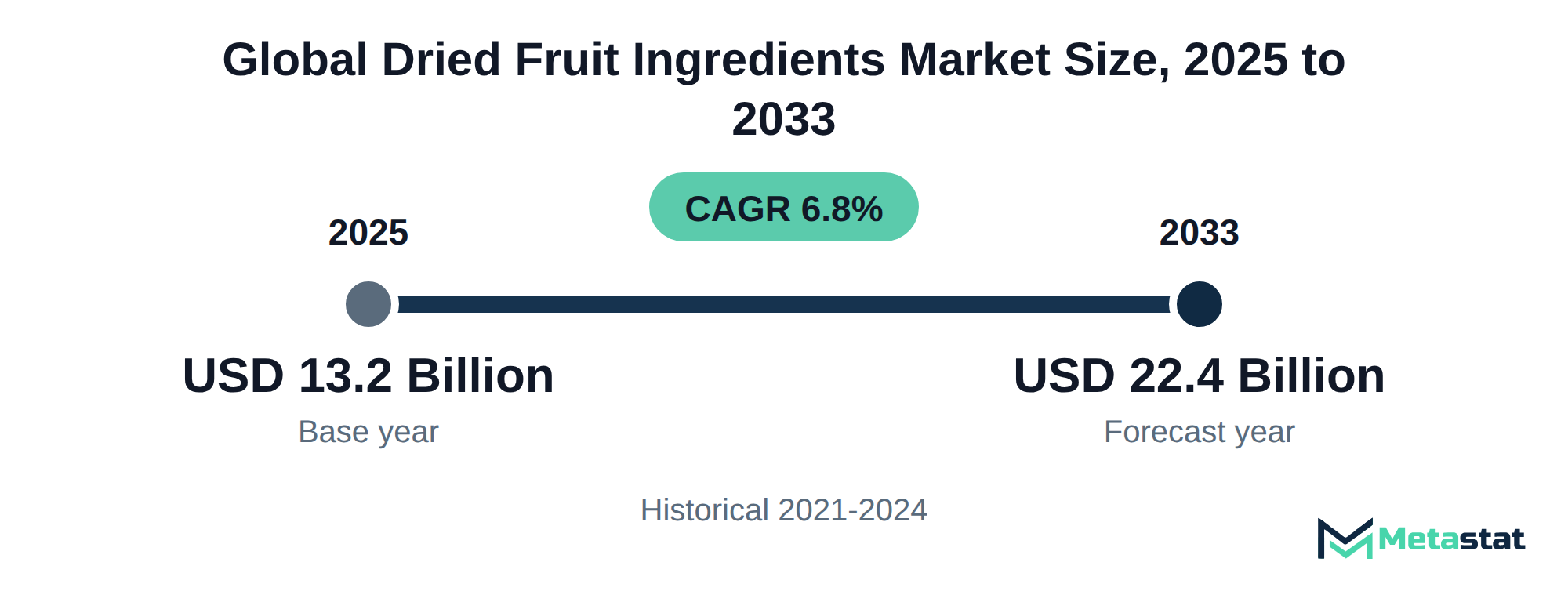
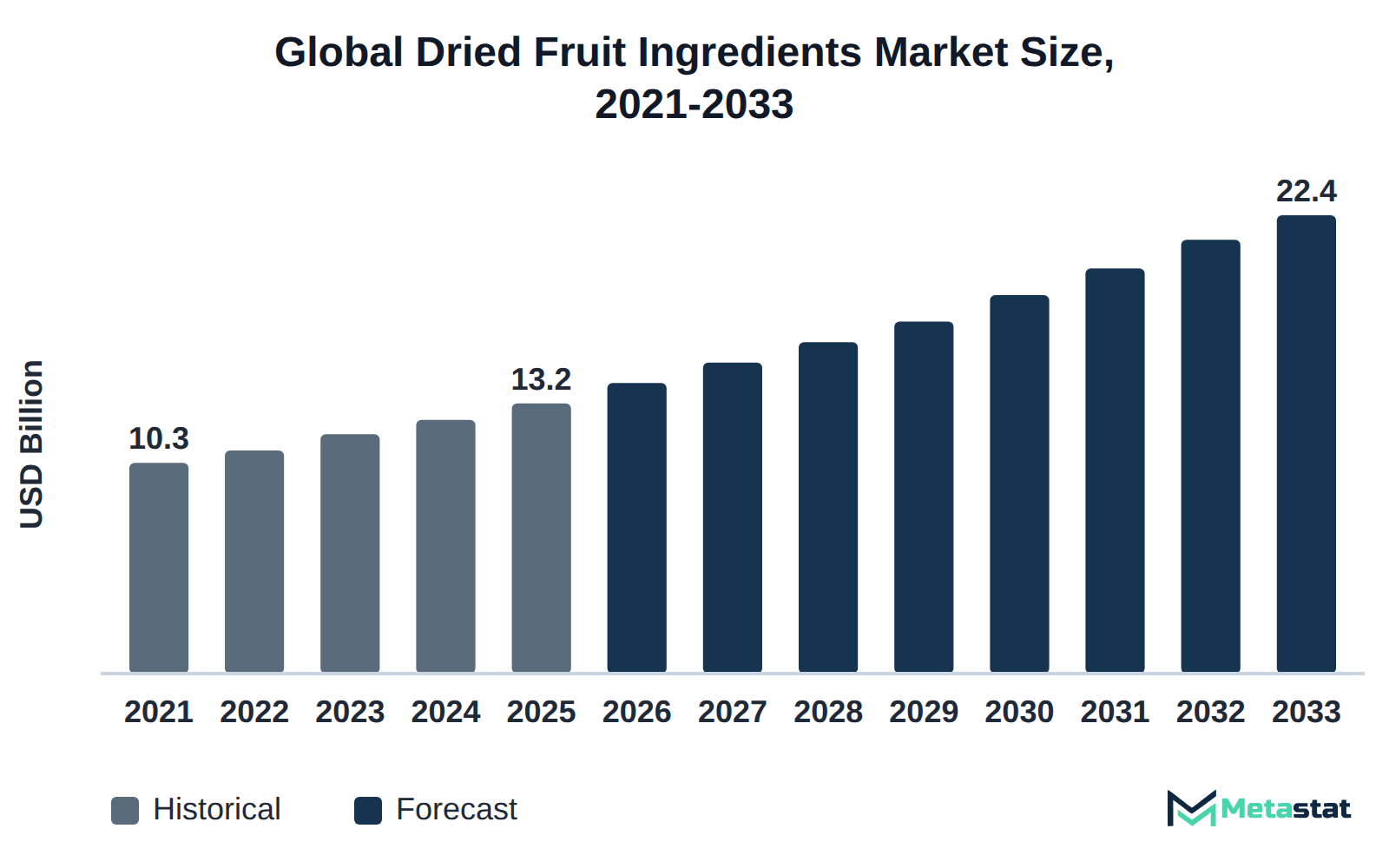
Market Valuation: Valued at $13.2 Billion in 2025, projected to reach $22.4 Billion by 2033 at a 6.8% CAGR.
Dominant Segment: Raisins and sultanas lead the market, driven by high demand for their natural sweetness and versatility in various food applications.
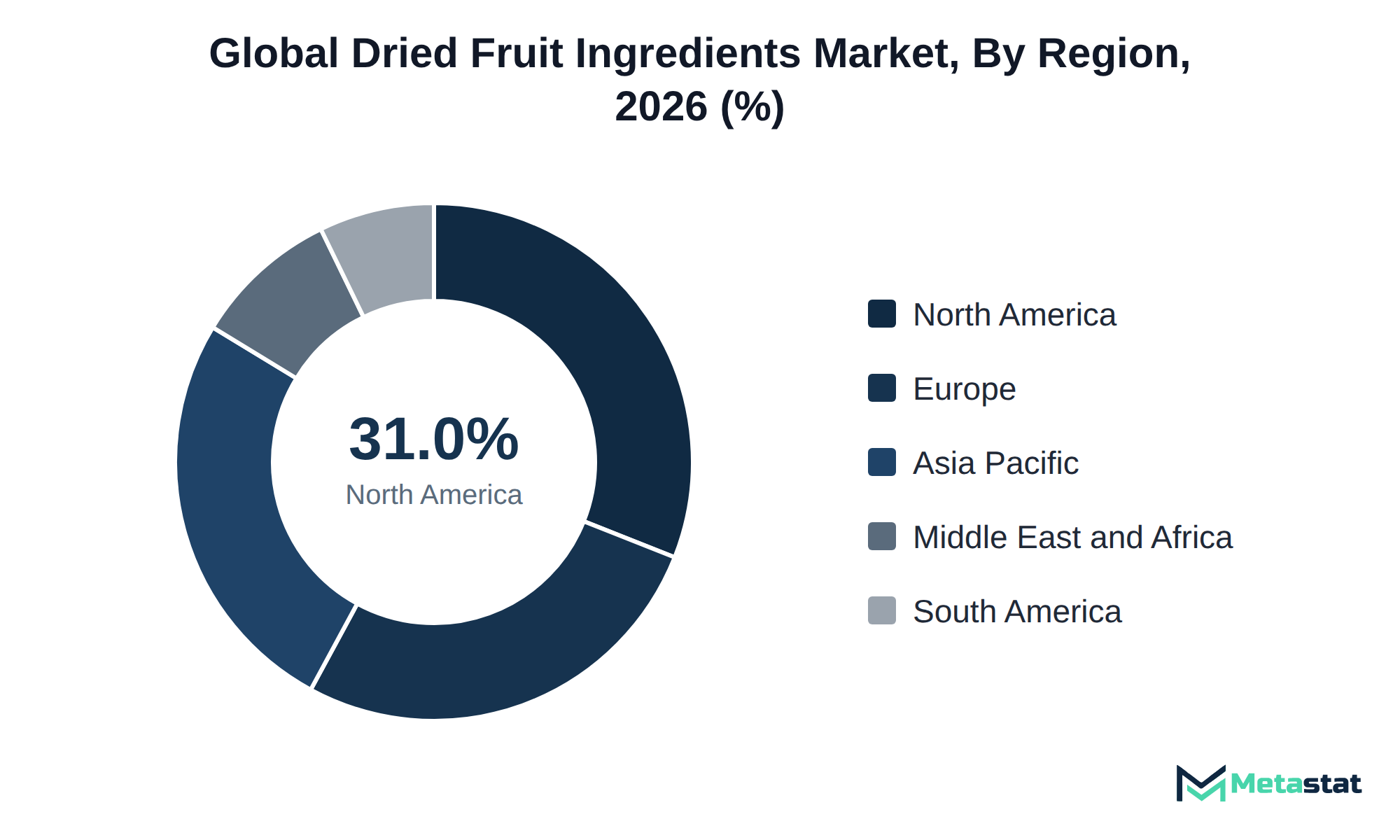
Geographic Lead: North America is the leading region, holding 31.0% of the market in 2025, fueled by strong consumer preferences for dried fruit in snacks and cereals.
What's Inside: The report includes detailed competitive coverage, market analyses, and forecasts from 2026 to 2033, focusing on various fruit types, forms, drying technologies, and applications.
Growing Trends: The market is experiencing a shift towards clean-label fruit powders and purees, with projected growth reflecting consumer demand for transparency and health benefits.
Technological Advancements: Innovations in drying technologies, particularly freeze-drying and osmotic dehydration, are enhancing product quality and driving market growth.
Choose Your License
Global Dried Fruit Ingredients Market
The global Dried Fruit Ingredients market was valued at USD 13.2 billion in 2025 and is projected to reach USD 22.4 billion by 2033, growing at a CAGR of 6.8% over the forecast period.
The Dried Fruit Ingredients market encompasses a variety of dried fruits that serve multiple applications across diverse industries. Buyers invest in these ingredients primarily for their nutritional benefits, extended shelf life, and versatility in food products. The market segments include various fruit types, forms, drying technologies, and applications tailored to meet the needs of consumers and manufacturers alike.
Growth in the market is driven by increasing health consciousness among consumers demanding natural and organic food options. Raisins and sultanas represent the most valuable segment within the market, reflecting the high demand for these dried fruits. North America holds 31.0% of the market in 2025, with the US leading in 2026. This region's strong preference for dried fruit ingredients in snacks and cereals contributes significantly to overall market expansion.
Technological advancements in drying methods enhance product quality and efficiency, further stimulating market growth. The Asia Pacific region follows closely, accounting for 25.8% of the market share, indicating a growing trend toward incorporating dried fruits in various culinary applications. Rising disposable incomes and changing dietary preferences in this region support the increasing adoption of dried fruit ingredients.
The Dried Fruit Ingredients market includes various types of dried fruits in the food and beverage sector, where buyers emphasize quality, flavor, and nutritional benefits. Key buyers consist of manufacturers of snack foods, bakery products, and breakfast cereals, who invest in dried fruit ingredients to enhance product offerings and meet consumer demands for healthier options. Dried fruits suit many applications, which makes them a popular choice among food developers.
Growth in the market is fueled by the increasing consumer preference for healthy and nutritious snacks. The segment of Raisins and Sultanas holds the largest value within the market, reflecting significant demand across multiple applications. This region demonstrates a strong market presence due to high purchasing power and a growing trend toward natural ingredients in food products.
Innovation in drying technologies and product forms continues to expand market opportunities. The shift toward sustainable and organic dried fruit options attracts buyers seeking natural ingredients for their products. While manufacturers enhance their product lines with dried fruit ingredients, the market is expected to see sustained growth and increased competition among suppliers.
Freeze-drying technology significantly enhances the quality of dried fruit ingredients by preserving the fruits’ nutrients, flavor, and texture. This method removes moisture while maintaining the original shape and taste, leading to higher quality products. In the Dried Fruit Ingredients market, freeze-drying is gaining traction, particularly for segments including cranberries and tropical fruits, where traditional methods fail to retain essential characteristics.
During the forecast period, the segment of osmotic dehydration demonstrates a compound annual growth rate (CAGR) of 7.3%. This growth reflects a broader shift toward advanced dehydration technologies that deliver superior fruit quality. Buyers in sectors like bakery and confectionery value these high-quality ingredients, driving demand further. Investment in innovative drying techniques improves product offerings, allowing suppliers to command premium prices. Companies that adopt freeze-drying and other advanced methods strengthen their competitive position in the market.
The Dried Fruit Ingredients market experiences a notable shift toward clean-label fruit powders, purees, and functional snack ingredients. This trend reflects growing consumer preferences for transparency in food sourcing and ingredient integrity. Products including fruit powders and purees have gained traction due to their versatility and perceived health benefits. The market for powdered and granulated fruit ingredients is projected to reach USD 5.2 billion by 2033. This figure highlights the increasing demand for high-quality, natural ingredients in various applications including snack foods and energy bars.
Pricing strategies for these ingredients revolve around quality and sourcing practices. Buyers engage in long-term contracts with suppliers to secure consistent pricing and quality levels. This approach mitigates the risks associated with market fluctuations, ensuring a steady supply chain. Suppliers frequently provide detailed product information and certifications to align with clean-label standards, enhancing buyer confidence. The emphasis on premium ingredients encourages competition among suppliers, leading to better pricing models for buyers.
The growing demand for clean-label products within the Dried Fruit Ingredients market indicates an opportunity for suppliers to differentiate themselves through quality and transparency. This focus supports healthy consumer choices and strengthens supplier relationships, ultimately leading to increased market penetration and revenue growth.
The demand for dried fruit ingredients in the bakery and cereal sectors is increasing due to the growing consumer preference for healthier and more nutritious food options. This trend aligns with the market's focus on providing natural sweeteners and flavor enhancers, which are essential in baked goods and breakfast cereals. The bakery and confectionery application segment is projected to expand from USD 4 billion in 2026 to USD 6 billion by 2033, reflecting a compound annual growth rate (CAGR) of 6%.
Health-conscious consumers increasingly seek products that offer nutritional benefits, steering manufacturers towards incorporating dried fruit ingredients into their offerings. Dried fruits serve as a source of vitamins, minerals, and dietary fiber, catering to consumers' desires for wholesome alternatives. The rise in breakfast cereals featuring dried fruits further illustrates this trend, with significant growth expected in this segment due to enhanced flavor profiles and nutritional value.
The expansion of the dried fruit ingredients market within bakery and cereals signifies an opportunity for suppliers to capitalize on shifting consumer preferences. Companies that adapt their product lines to include these ingredients strengthen their market positions and capture a larger share of the growing health-focused consumer base.
The Dried Fruit Ingredients market shows significant growth potential, driven particularly by Raisins and Sultanas. This segment is projected to increase from USD 3.1 billion in 2026 to USD 4.7 billion by 2033, a compound annual growth rate (CAGR) of 5.9%. This growth is fueled by rising consumer preferences for healthier snack options and functional ingredients across various applications.
Dates represent another key fruit type, expected to reach USD 2.9 billion by 2033, with a CAGR of 6.5%. Their natural sweetness and nutrient density have made them a popular choice for consumers seeking clean-label products. The rising adoption of Dates in the bakery and confectionery sectors further enhances their market presence.
Processing technologies shape demand within the market. Hot Air Drying, for instance, is anticipated to generate a value of USD 5.6 billion by 2033. This method offers efficiency and consistency in producing high-quality dried fruits, meeting the needs of both manufacturers and end consumers. Matching the right fruit types with effective processing technologies is essential for sustained growth and innovation in the Dried Fruit Ingredients market.
The rise in health consciousness among consumers spurs increased demand for nutritious food ingredients, directly impacting volumes in the Dried Fruit Ingredients market. Health-conscious consumers prioritize natural and functional ingredients, leading to an increase in purchases from food manufacturers focusing on better-for-you products. This shift influences various sectors, particularly bakery, cereals, and snack foods, where dried fruit ingredients are integral for enhancing both flavor and nutritional profiles. Changing consumption preferences strongly shape the market's future.
Demographic changes create opportunities
Improvements in drying technologies significantly enhance the quality of dried fruit ingredients. Innovations including hot air drying, freeze drying, and osmotic dehydration create products that retain better flavor, color, and nutritional value. These enhancements appeal to buyers in various sectors, including bakery, snack foods, and cereals, who prioritize high-quality ingredients that support consumer health trends. The Dried Fruit Ingredients market experiences heightened demand for products that meet these quality expectations, driven by both manufacturers and end-users seeking to differentiate their offerings in a competitive environment.
Increased focus on product quality influences purchasing decisions, with manufacturers striving to incorporate advanced drying methods into their processes. By adopting these technologies, suppliers benefit from improved product consistency and shelf life, positively impacting operational performance. Quality continues to be a driving factor, and investment in modern drying technologies significantly shapes the market's future. The Dried Fruit Ingredients market is projected to expand in conjunction with these technological advancements, ensuring suppliers meet evolving consumer preferences.
The rising costs of dried fruit ingredients hinder engagement from various buyer segments, particularly in the bakery and snack food industries. Increased raw material prices, driven by supply chain disruptions and climate-related challenges, raise overall production costs. Producers and manufacturers experience delayed replacement decisions and reduced order volumes due to budget constraints stemming from these price hikes. This financial pressure discourages smaller companies from investing in premium ingredient options, impacting the diversity of product offerings available in the market. The bakery and snack food sectors, which prioritize cost-effective solutions, face slower adoption rates of innovative dried fruit ingredients, thereby restricting market growth potential through 2033. Buyers gravitate towards lower-cost alternatives or rely on existing inventory, which further limits the market's ability to attract new investments and innovations.
Input costs present a significant challenge for suppliers in the Dried Fruit Ingredients market. Fluctuations in raw material prices, including the costs of fruits and energy, impact profit margins across the industry. Suppliers face increasing pressure to maintain competitive pricing while ensuring product quality. In response, many suppliers implement cost-control measures, including sourcing materials from regions with lower production costs or optimizing production processes. Several companies invest in technologies that enhance efficiency and reduce waste during processing, aiming to mitigate rising costs. The competitive landscape further compels suppliers to explore diversification of their product offerings, addressing varied consumer preferences while managing expenses. This situation keeps suppliers focused on quality and innovation, which sustains product delivery and profitability.
The increasing consumer preference for healthier options spurs interest in dried fruit ingredients, particularly in the snack foods and energy bars segment. This category exhibits a strong compound annual growth rate (CAGR) of 7% through 2033, highlighting its attractiveness to manufacturers aiming to capitalize on emerging trends. The growth in this segment reflects a broader shift toward functional ingredients that provide nutritional benefits, including vitamins and minerals naturally present in dried fruits. Manufacturers focusing on innovative formulations incorporating dried fruits enhance product appeal, meeting consumer demand for health-oriented snacks. While the market continues to evolve, companies that align their offerings with this trend are likely to experience expanded opportunities and increased market share.
Investment in product development tailored to this buyer group will prove crucial for gaining competitive advantages. Recognizing the demand for quality and functionality in snacks drives growth and expansion within the market, creating a more health-conscious consumer base.
The Global Dried Fruit Ingredients market is segmented based on Fruit Type, Form, Drying Technology, and Application.
This segment finds usage primarily in snack foods, breakfast cereals, and baked goods, serving both health-conscious consumers and food manufacturers seeking natural sweeteners. Increased health awareness drives demand for raisins and sultanas, particularly among buyers focusing on nutritious and clean-label products. Compared to other segments, this segment exhibits a moderate growth rate, slower than that of Dates, projected at a CAGR of 6.5%. The emphasis on the natural benefits and flavors of raisins and sultanas differentiates it, appealing mainly to manufacturers prioritizing product quality and ingredient transparency. The segment's growth is further supported by ongoing product innovations that enhance the versatility and applications of raisins and sultanas in various food categories.
Used primarily in snack foods, energy bars, and confectionery applications, dates offer natural sweetness and nutritional benefits, appealing to health-conscious consumers. Growing demand for clean-label products drives interest in this segment, aligning with trends toward transparency in ingredient sourcing. The dates segment experiences a higher growth rate compared to others, reflecting robust expansion fueled by increasing consumer preference for natural and nutritious ingredients. This segment distinguishes itself through its unique flavor profile and health benefits, particularly in energy-boosting snacks and desserts, attracting diverse buyer groups focused on healthy lifestyle choices.
The apricots segment is expected to reach USD 2 billion by 2033. This sub-segment finds application primarily in bakery products, breakfast cereals, and snack foods, appealing to health-conscious consumers who seek natural sweetness and nutritional benefits. The growth of this segment is driven by increasing demand for clean-label products, reflecting consumer preferences for minimally processed foods. With a compound annual growth rate (CAGR) of 6.5%, the apricots segment exhibits strong performance compared to other fruit types. This growth results from its versatility and appeal to various buyer groups, including food manufacturers and health-oriented consumers, who prioritize ingredient transparency and quality. In contrast to segments like raisins, which experience a CAGR of 5.9%, apricots demonstrate a more favorable growth trajectory, indicating heightened market interest and expanding opportunities for suppliers in the Dried Fruit Ingredients market.
Figs segment is projected to grow at a CAGR of 6.5% during the forecast period. Figs serve diverse applications, primarily in the baking and confectionery industries, where they enhance flavor and provide nutritional benefits. Demand for this fruit type is driven by rising consumer preference for healthy snacks and incorporation of natural ingredients in food products. Figs possess unique taste and texture properties that differentiate them from other dried fruit types, including raisins and dates, which have higher projected growth rates of 5.9% and 6.5%, respectively. The figs segment's steady growth aligns with increasing health awareness, reflecting their appeal to consumers seeking nutritious and flavorful options. Other fruit segments, including raisins and sultanas, cater to distinct applications and buyer preferences, impacting their respective growth trajectories in the market.
Prunes, also known as dried plums, serve as a popular dried fruit ingredient, renowned for their natural sweetness and health benefits. These fruits find extensive use in the bakery, snack, and dairy sectors, where they contribute flavor, texture, and nutritional value. A significant driver for this segment involves the growing consumer awareness of the health benefits associated with prunes, including digestive health and antioxidant properties. This factor boosts demand among health-conscious buyers, differentiating prunes from other dried fruit segments that do not emphasize similar health claims. Compared to raisins and sultanas, which experience a growth rate of 5.9%, prunes exhibit a slower growth trajectory. This pattern reflects shifting consumer preferences and pricing strategies that impact purchasing decisions. Growing competition among suppliers in the market intensifies the focus on prunes, leading to innovative applications and product formulations.
Cranberries serve a vital role in various applications, particularly in the snack foods and breakfast cereals sectors. These ingredients appeal to health-conscious consumers due to their nutritional benefits, including high antioxidant levels and dietary fiber. Demand for cranberries is driven by their popularity in products that promote wellness and healthy eating habits, a trend that significantly influences the market. Compared to other fruit types, cranberries experience slower growth due to seasonal supply variations and higher production costs. This factor differentiates cranberries from segments with more stable pricing and supply, particularly those including raisins and sultanas, which maintain a consistent market presence. The unique properties of cranberries enable their use in a diverse range of food products, catering to specific buyer needs in the health and wellness sector.
Apples serve as a versatile ingredient in various food applications, including snacks, cereals, and baked goods. The segment attracts interest from manufacturers focusing on health-conscious consumers who seek natural and nutritious options. The growing trend toward clean-label products drives significant demand for dried apples, as they offer an appealing alternative to artificial additives. Suppliers face competition from other fruit types, including raisins and dates, which present varying growth rates and pricing structures. Apples often attract buyers looking for lower-priced options, differentiating this segment from others that rely on more premium fruit varieties. The emphasis on sustainable sourcing and organic production enhances the segment's profile, aligning with consumer preferences for transparent ingredient sourcing. The Apples segment remains an important contributor to the dried fruit ingredients market, serving diverse consumer needs as market dynamics evolve.
Berries, including blueberries, strawberries, and raspberries, serve as a popular choice among consumers due to their flavors and nutritional benefits. These dried fruits find applications in snack foods, breakfast cereals, and energy bars, where they enhance taste and provide essential nutrients. Growing health awareness among consumers drives interest in berries, particularly among health-conscious buyers seeking natural and nutritious options. Unlike other fruit types, berries attract premium pricing due to their perceived value and versatility. This segment enjoys an advantage in consumer preferences, providing a different market dynamic compared to other dried fruit ingredients. The market for dried fruit ingredients continues to evolve, with berries distinguished by their unique qualities and increasing demand in various food applications.
Tropical fruits, including mango, pineapple, papaya, and banana, feature prominently in the dried fruit ingredients sector. These fruits represent essential components in various products, especially in snack foods and breakfast cereals, appealing to health-conscious consumers seeking nutritious alternatives. The increasing awareness of the health benefits associated with tropical fruits drives demand, particularly among manufacturers emphasizing natural ingredients. Unlike other segments, tropical fruits often command higher prices due to their unique flavor profiles and growing popularity in specialty applications. The demand for innovative products incorporating tropical dried fruits continues to expand, highlighting a distinct preference among consumers for exotic flavors over traditional options. Increased production capabilities and advancements in drying technologies support this trend, enabling suppliers to meet evolving market needs.
Others, including cherries, peaches, pears, citrus fruits, and exotic fruits, contribute to a diverse range of flavors and textures in various food applications. Frequently used in bakery products, snack foods, and specialty culinary creations, these ingredients appeal to consumers seeking unique tastes and health benefits. Demand for this sub-segment experiences growth driven by increasing interest in natural and less processed food options. Unlike more established segments like raisins or dates, which enjoy significant market share, the growth trajectory for this sub-segment remains distinct. This segment faces a unique pricing dynamic, often featuring higher price points due to sourcing challenges and lower production volumes. The distinct characteristics of this sub-segment position it within the broader Dried Fruit Ingredients market, highlighting its potential for culinary innovation and exploration.
Whole and Chunks segment is valued at USD 5.4 billion in 2026 and is projected to reach USD 8.3 billion by 2033, at a CAGR of 6.3% during the forecast period. Whole and chunks are used in applications including bakery products, snack foods, and energy bars, catering to health-conscious consumers seeking nutritious options. The demand for this segment is driven by the growing incorporation of whole fruit ingredients into recipes, reflecting a trend toward natural and minimally processed foods. Compared to other forms, including sliced or powdered, whole and chunks offer distinct texture and visual appeal, enhancing product presentation. This segment experiences competitive growth dynamics, characterized by a higher projected CAGR than powdered/granulated forms, which are valued lower in market pricing. The increasing emphasis on clean-label ingredients reinforces the Whole and Chunks segment's position as a preferred choice for food manufacturers in the Dried Fruit Ingredients market.
Sliced dried fruit ingredients are estimated to reach USD 5.4 billion by 2033, at a CAGR of 6.5% during the forecast period. This form functions prominently in products including snack bars, breakfast cereals, and baked goods, appealing to health-conscious consumers seeking convenient, nutritious options. Increased demand for on-the-go snacks drives growth in this sub-segment, while the ongoing trend toward healthier eating habits supports adoption among food manufacturers. The Sliced segment experiences a higher growth rate compared to whole and chunk forms, largely due to its versatility in various applications and ease of incorporation into diverse food products. With an emphasis on convenience and health, the market sees rising interest in sliced dried fruits, differentiating it from other forms that do not offer the same level of consumer appeal.
The Powdered/Granulated segment is expected to reach USD 5.2 billion by 2033. This form of dried fruit ingredient serves various applications, primarily in bakery and confectionery, where it enhances flavor and texture. Demand for powdered and granulated forms is influenced by the growing trend of convenient food products that facilitate quicker preparation and easier incorporation into recipes. This segment distinguishes itself from others, including Whole and Chunks, through its versatility and finer texture, which appeals to manufacturers focused on product innovation. Competitive pricing of powdered and granulated forms contributes to increasing adoption among food processors aiming for cost-effective ingredient solutions, positioning the segment favorably for growth in the Dried Fruit Ingredients market.
Paste and Puree Concentrates segment is projected to grow at a CAGR of 6.9% during the forecast period. This segment finds application in a variety of food products, including sauces, smoothies, and baked goods, appealing to food manufacturers looking for convenient and flavor-enhancing ingredients. Demand is driven by increasing consumer interest in clean-label products and the pursuit of healthier alternatives, influencing companies in the food processing industry. Compared to the Whole and Chunks segment, which is valued at USD 5.4 billion in 2026 and projected to reach USD 8.3 billion by 2033, growth in this segment reflects a unique market position due to its versatility and ability to cater to diverse culinary applications. The Paste and Puree Concentrates segment distinguishes itself through innovative uses, responding effectively to shifting consumer preferences in the market.
Sun Drying segment is valued at USD 3.8 billion in 2026 and is projected to reach USD 4.4 billion by 2033, at a CAGR of 2.2% during the forecast period. This method is widely used for preserving fruits while retaining their flavor and nutritional benefits, appealing particularly to health-conscious consumers. Products resulting from sun drying find applications in snack foods, breakfast cereals, and bakery items. The rising demand for natural and minimally processed ingredients drives growth in this segment. Compared to other drying technologies, including hot air drying, which is projected to grow at a CAGR of 6.6%, the slower growth of sun drying highlights a shift in preference toward more efficient methods. Nevertheless, sun drying remains a favored choice for specific applications, particularly in regions with suitable climates.
Hot Air Drying segment is estimated to reach USD 5.6 billion by 2033, at a CAGR of 6.6% during the forecast period. This drying technology is widely applied in the food industry, particularly for fruits that require moisture removal to enhance shelf life and flavor concentration. Bakeries, snack manufacturers, and granola producers favor hot air-dried ingredients for their versatility in various applications. Demand for hot air drying is driven by increasing consumer preference for healthier snacks and convenience foods. This segment experiences a faster growth trajectory compared to sun drying, which has a CAGR of 2.2%. The market benefits from the efficient processing capabilities of hot air drying, translating to cost-effectiveness while maintaining product quality.
Freeze Drying segment is expected to reach USD 4.7 billion by 2033. This method preserves the shape, color, and nutritional value of fruits, making it valuable for premium food products. The same preservation benefits support demand across the freeze-dried food industry. Manufacturers apply freeze-dried ingredients in sectors including snacks, cereals, and beverages, targeting health-conscious consumers seeking convenience without sacrificing quality. The increasing emphasis on natural ingredients and long shelf life fuels demand for freeze-dried products. With a CAGR of 7.3%, this segment experiences stronger growth compared to other drying technologies, including Sun Drying, which has a CAGR of 2.2%. Freeze-drying typically incurs higher costs due to advanced equipment and processing, appealing to particular buyers willing to invest in quality. The Dried Fruit Ingredients market benefits from this segment's unique attributes, positioning it as a preferred choice for various applications.
Osmotic Dehydration segment is projected to grow at a CAGR of 7.3% during the forecast period. This drying technology preserves fruits while maintaining their flavor and nutritional properties. Food manufacturers employ osmotic dehydration for products including snacks and energy bars, where moisture control is essential for extending shelf life. The demand for natural and healthy snacks drives growth in this segment, appealing to health-conscious consumers. Compared to other drying technologies in the market, osmotic dehydration offers a unique advantage in retaining the original texture and taste of fruits, distinguishing it from methods including freeze drying and hot air drying. The segment's growth outpaces others, reflecting an increasing preference for minimally processed ingredients in food applications.
Vacuum Drying employs reduced pressure to evaporate moisture from fruits, preserving flavor and nutritional value effectively. This technique finds applications in producing high-quality dried fruits suitable for the food and beverage industries, where maintaining natural taste and health benefits is a priority for consumers. Increasing demand for healthy snacks drives interest in this segment, compelling manufacturers to adopt more efficient drying technologies. Compared to Sun Drying and Hot Air Drying, Vacuum Drying offers advantages including lower processing temperatures, resulting in superior product quality. While other drying technologies experience higher growth rates, the unique properties preserved through Vacuum Drying position it favorably within the Dried Fruit Ingredients market. Innovations in this segment enhance competitiveness, attracting attention from manufacturers seeking to differentiate their offerings in a saturated market.
Microwave Drying employs microwave energy to rapidly remove moisture from fruits, preserving their nutritional value and flavor. This technology finds application in various food sectors, including snacks and health foods, appealing to health-conscious consumers. The increasing demand for convenient, nutritious snacks drives interest in this drying method, which enhances the quality of dried fruit ingredients. Compared to other drying technologies, including Sun Drying and Hot Air Drying, Microwave Drying offers quicker processing times, attracting manufacturers focused on efficiency. This sub-segment stands out for its ability to maintain the integrity of dried fruits, catering to buyers seeking high-quality, flavorful ingredients. While the Dried Fruit Ingredients market evolves, the adoption of Microwave Drying is expected to gain traction due to its innovative approach to preserving fruit characteristics.
Infrared Drying employs a method that uses infrared radiation to remove moisture from fruits, resulting in efficient drying processes. This technique appeals to food manufacturers focusing on retaining flavor and nutritional value, which are vital for products in the bakery, snack, and health food sectors. The growing consumer inclination towards minimally processed foods drives the adoption of this technology. Consistent quality and shorter drying times enhance its attractiveness compared to traditional methods including sun drying and hot air drying. Unlike these conventional techniques, infrared drying presents an advanced approach that reduces energy consumption while increasing throughput, marking a significant advancement in drying technology.
Hybrid and specialty drying methods encompass innovative techniques that enhance fruit preservation and flavor retention. These methods appeal to manufacturers focusing on unique product offerings, particularly those in artisanal and specialty food segments. Consumers increasingly seek premium and differentiated products, driving demand for these specialized drying techniques. The driving force behind this segment includes rising consumer preference for natural and minimally processed foods, steering producers towards alternatives that maintain or enhance the nutritional profile of dried fruits. Compared to traditional drying methods, hybrid technologies often present higher initial costs but deliver superior quality outcomes, positioning them uniquely within the Dried Fruit Ingredients market. This distinction highlights the segment's potential for growth among niche markets, particularly in gourmet applications and health-focused products. The market continues to evolve, reflecting the broader trend towards quality and sustainability in food production.
Dried fruits in bakery and confectionery applications add natural sweetness, texture, and flavor, appealing to manufacturers of baked goods, confectioneries, and snack foods. Consumer demand for healthier options drives product innovation in this sector, with a growing preference for natural ingredients. This trend differs from other segments that rely more on artificial flavors or preservatives. Compared to segments like Breakfast Cereals and Granola, which are expected to grow at a CAGR of 7%, the bakery and confectionery application experiences slightly slower growth. However, the overall value remains significant, contributing to the expanding Dried Fruit Ingredients market.
Breakfast Cereals and Granola segment is estimated to reach USD 4 billion by 2033, at a CAGR of 7% during the forecast period. This segment includes dried fruits in breakfast cereals and granola bars, targeting health-conscious consumers seeking nutritious and convenient meal options. The rising trend towards healthier eating habits drives demand for this segment, particularly among busy professionals and families. Increasing awareness of the health benefits associated with dried fruits, including their natural sweetness and nutritional profile, leads manufacturers to incorporate these ingredients into their products to enhance flavor and appeal. Compared to other segments, this segment exhibits faster growth, supported by the growing popularity of breakfast cereals and granola in various regions. The market for breakfast cereals and granola continues to evolve with innovations in product formulations, highlighting the opportunity for dried fruit ingredients to play a significant role in meeting consumer preferences.
Snack Foods and Energy Bars segment is expected to reach USD 4.2 billion by 2033. This segment primarily caters to health-conscious consumers seeking convenient and nutritious options. Ingredient purchases in this segment support finished goods sold in the dried fruit and snacks industry. Increasing demand for on-the-go snacks fuels growth, driven by busy lifestyles and a growing emphasis on healthy eating. The segment differs from others in the market due to its unique appeal to active individuals and families, distinguishing it with a projected CAGR of 6.2%. The emphasis on high-protein and energy-boosting snacks influences purchasing decisions, contributing to the segment's growth trajectory. Breakfast Cereals and Granola is estimated to reach USD 4 billion by 2033 at a CAGR of 7%. Snack Foods and Energy Bars grows slightly slower, which indicates a more mature stage of development within the market.
Dairy and Frozen Desserts segment is projected to grow at a CAGR of 6.2% during the forecast period. This sub-segment finds extensive application in ice creams, yogurts, and other frozen products, appealing to health-conscious consumers seeking natural flavors. Market dynamics reflect a growing inclination toward plant-based and healthier options, intensifying demand for dried fruits in dairy formulations. The segment differentiates itself with a unique appeal to premium buyers focusing on quality and nutrition, while other segments cater to broader markets. In addition, product innovation enhances flavor profiles, positioned against stronger competition from fresh fruit alternatives. The market supports sustainable practices, driving investments in organic dried fruit sourcing, thereby providing a competitive edge over less innovative segments.
Beverages and Smoothies encompass a diverse array of drink products incorporating dried fruit ingredients, offering enhanced flavor and nutritional benefits. Manufacturers in this segment target health-conscious consumers and beverage producers seeking to enrich their offerings with natural and nutritious components. Growing consumer awareness regarding health, wellness, and the demand for functional beverages drives this segment, contributing to its expansion. This segment stands out due to its potential for innovation in flavor combinations and nutritional enhancements, differentiating it from other applications including Bakery and Confectionery. The market thrives on trends favoring clean labels and natural ingredients, influencing beverage formulation across various product lines. Key players within the dried fruit ingredients market use these trends to meet evolving consumer preferences and position their products against heightened competition.
Sauces, Dressings and Culinary Products incorporate dried fruit ingredients, enhancing flavors and nutritional profiles in various food offerings. This segment serves food manufacturers and culinary professionals who seek to create innovative products that cater to evolving consumer preferences for healthy and flavorful options. The rising trend towards natural ingredients drives demand for these products, reflecting a shift away from artificial additives. Compared to other segments, this application experiences slower growth due to competition from alternative flavoring agents and ingredient substitutes. The market benefits from increasing consumer interest in health-conscious food choices, positioning it favorably among culinary applications. The Dried Fruit Ingredients market is expected to adapt to these trends while managing pricing and ingredient sourcing challenges.
Infant Food and Nutritional Products include a variety of formulations designed to meet the dietary needs of infants and young children. These formulations form part of the wider infant nutrition industry. These products rely heavily on dried fruit ingredients to enhance flavor, texture, and nutritional value. Infant food manufacturers prioritize natural and organic ingredients, driving demand for high-quality dried fruit options. Growing awareness among parents regarding healthy eating habits significantly influences product selection in this segment. Consumer preferences lean towards nutritional transparency and the absence of artificial additives, leading to increased adoption of dried fruit ingredients. Unlike other segments within the market, the focus on health benefits and organic certification sets this segment apart, often resulting in slightly higher price points. Consistent demand from health-conscious parents supports steady growth in this area.
Meat Products and Specialty Food Applications involve the incorporation of dried fruit ingredients into various culinary uses, particularly in meat dishes and specialty food offerings. These applications appeal to food manufacturers targeting consumers seeking unique flavors and nutritional enhancements. The segment experiences growth driven by increasing consumer interest in health-conscious food options, which encourages manufacturers to innovate and diversify their product lines. This segment distinguishes itself with specific buyer profiles, frequently catering to niche markets focused on gourmet and artisanal products. Competition in this segment centers around flavor innovation and ingredient quality, factors that impact pricing and demand dynamics. The Dried Fruit Ingredients market continues to evolve, with this sub-segment reflecting a growing trend toward incorporating natural and nutritious components into many culinary applications.
Based on geography, the Global Dried Fruit Ingredients market is divided into North America, Europe, Asia-Pacific, South America, Middle East, and Africa.
Expectations for North America indicate a value of USD 6.4 billion in the Dried Fruit Ingredients market by the end of 2033. The market thrives due to significant demand from sectors including bakery and confectionery, driven by a growing consumer preference for healthier snack options. Key players in the region focus on innovation, employing various drying technologies to enhance product quality. In the United States, Canada, and Mexico, infrastructure supporting food production and distribution significantly contributes to market growth. The overall market share for North America is positioned at 31.00% in 2025, reflecting robust engagement in the dried fruit ingredients sector.
The European market exhibits a strong inclination toward health-conscious consumption, driving demand for various dried fruit ingredients, particularly in the bakery and confectionery sectors. Countries including Germany, France, and the UK lead in the adoption of these products due to heightened consumer awareness regarding dietary preferences and nutritional benefits. The prevalence of organic and sustainable farming practices enhances the appeal of dried fruits among manufacturers, aligning with regional consumer trends. Regulatory frameworks promoting healthier food options create a favorable environment for the market. The market in Europe is projected to capture a 26.9% share of the global market in 2025, indicating significant growth potential driven by innovation and diversification in product offerings. This dynamism positions the market as a key player in the overall food ingredients sector, appealing to both domestic and international buyers.
Demand for the Dried Fruit Ingredients market in Asia-Pacific derives from the growing health consciousness among consumers, particularly in China and India. Rapid urbanization and rising disposable incomes drive higher consumption of snack foods and energy bars enriched with dried fruit ingredients. The food processing industry in Southeast Asia increasingly incorporates these ingredients into various applications, enhancing flavor and nutrition. Australia stands out with its well-established agricultural practices, ensuring a steady supply of high-quality dried fruits. A focus on sustainable practices in the region influences growth, with manufacturers adopting eco-friendly drying technologies. By 2025, the market share for this region accounts for 25.8%, reflecting significant expansion opportunities.
Brazil and Argentina serve primary markets for dried fruit ingredients, driven by increasing consumer preference for healthy snacks and natural food products. The growth of the market reflects rising demand from the bakery and snack sectors, where dried fruits enhance flavor and nutritional value. Unique climatic conditions in South America facilitate the cultivation of various fruit types, supporting local production capabilities. The market in this region holds a share of 7.2% in the global landscape in 2025. Investment in processing technologies, including the development of innovative drying techniques, is expected to enhance the quality and availability of dried fruit products. The market outlook remains positive, driven by evolving consumer trends favoring healthier food options.
In the Middle East and Africa, the market benefits from rising consumer awareness regarding the health advantages of dried fruit. Countries including Saudi Arabia and the UAE increasingly incorporate dried fruits into their traditional dishes and desserts, driving demand in bakery and confectionery applications. South Africa demonstrates a distinct preference for local dried fruit varieties, emphasizing unique flavors and nutritional profiles. The region's share of the global market stands at 9.1% in 2025. Local producers focus on adapting to consumer preferences, enhancing product offerings. The Dried Fruit Ingredients market in this region is expected to experience steady growth, with advancements in drying technologies supporting the preservation of fruit quality and flavor.
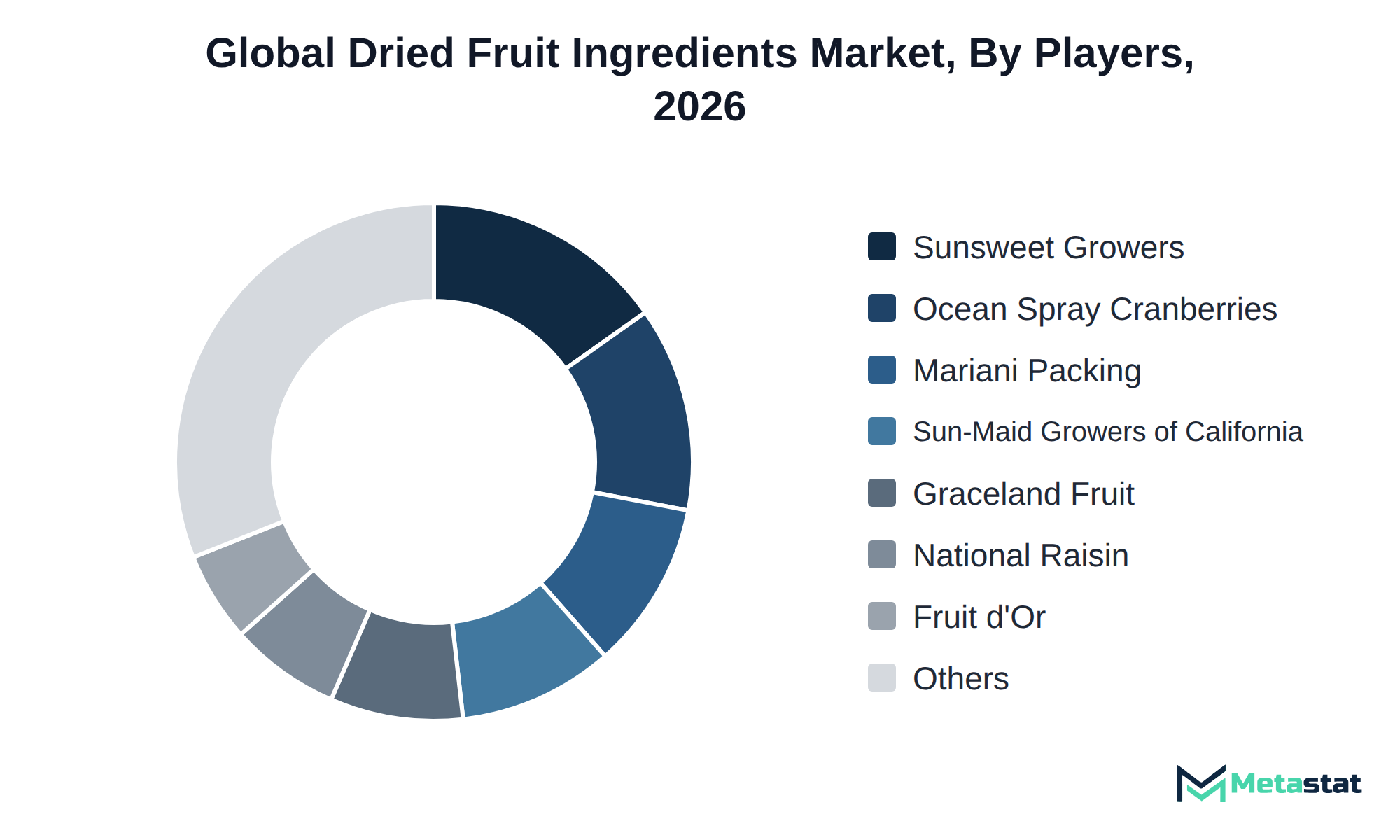
Companies within the Dried Fruit Ingredients market employ various strategies to maintain a competitive edge. Differentiation occurs across product quality, pricing, certifications, and customization options. Buyers prioritize these factors based on specific application needs, leading to decisions influenced by price sensitivity, quality assurance, and the ability to tailor products to particular uses.
Mariani Packing Company emphasizes a diverse product range, targeting health-conscious consumers with high-quality offerings. Ocean Spray Cranberries leverages its established brand reputation to ensure customer loyalty, focusing on sustainability in production practices. Sunsweet Growers prioritizes innovation in product development, highlighting continuous improvement in processing technologies to meet evolving market demands.
Growth in the Dried Fruit Ingredients market depends on several key developments. Increasing consumer preference for healthy snacks and natural ingredients will drive demand in regions including North America and Europe, where health-conscious consumers prioritize nutritious options. Rising adoption of dried fruits in various applications, including bakery and snack food sectors, will contribute significantly to revenue growth. For instance, the bakery and confectionery segment is expected to expand due to a greater focus on innovative and healthier product offerings.
However, potential risks including supply chain disruptions could hinder the market's expansion. Factors affecting fruit availability, quality, and pricing present challenges to producers. Fluctuations in consumer preferences toward alternative snacks could impact the overall market dynamics. Addressing these risks while capitalizing on emerging opportunities, including the rising demand for organic and sustainably sourced products, will be crucial for the market to realize its full potential by 2033.
By Fruit Type: Raisins and Sultanas, Dates, Apricots, Figs, Prunes, Cranberries, Apples, Berries (Blueberries, Strawberries, Raspberries), Tropical Fruits (Mango, Pineapple, Papaya, Banana), Others (Cherries, Peaches, Pears, Citrus Fruits, Exotic Fruits)
By Form: Whole and Chunks, Sliced, Powdered/Granulated, Paste and Puree Concentrates
By Drying Technology: Sun Drying, Hot Air Drying, Freeze Drying, Osmotic Dehydration, Vacuum Drying, Microwave Drying, Infrared Drying, Others (Hybrid and Specialty Drying Methods)
By Application: Bakery and Confectionery, Breakfast Cereals and Granola, Snack Foods and Energy Bars, Dairy and Frozen Desserts, Beverages and Smoothies, Sauces, Dressings and Culinary Products, Infant Food and Nutritional Products, Others (Meat Products and Specialty Food Applications)
The report strategically identifies and profiles the key market players and analyses their core competencies in each sub-segment of the Dried Fruit Ingredients market.
Report Attributes | Details |
Study Period | 2021-2033 |
Base Year | 2025 |
Estimated Year | 2026 |
Forecast Period | 2026-2033 |
Historical Period | 2021-2025 |
Growth Rate | CAGR 6.8% from 2026 to 2033 |
Revenue Unit | USD billion |
Segmentation | By Fruit Type, Form, Drying Technology, Application, and Region |
By Region | North America (By Fruit Type, Form, Drying Technology, Application, and Country)
|
Europe (By Fruit Type, Form, Drying Technology, Application, and Country)
| |
Asia Pacific (By Fruit Type, Form, Drying Technology, Application, and Country)
| |
South America (By Fruit Type, Form, Drying Technology, Application, and Country)
| |
Middle East and Africa (By Fruit Type, Form, Drying Technology, Application, and Country)
|
Find answers to common questions about this report
The Dried Fruit Ingredients market size was valued at USD 13.2 billion in 2025.
The market is projected to grow at a CAGR of 6.8% during the forecast period from 2026 to 2033.
The North America Dried Fruit Ingredients market size is estimated to reach USD 6.4 billion by 2033.
Raisins and Sultanas lead the Dried Fruit Ingredients market with a projected value of USD 4.7 billion by 2033, based on the highest growth rate among the fruit type segments.
The rise in health consciousness among consumers drives increased demand for nutritious food ingredients. Improvements in drying technologies enhance the quality of dried fruit ingredients, appealing to buyers in various sectors that prioritize high-quality ingredients.
North America holds the dominant share of the Dried Fruit Ingredients market, with a value of USD 6.4 billion in 2033, representing 31 percent of the total market. This region surpasses others in market share, reflecting strong demand and consumption patterns.
Rising costs of dried fruit ingredients hinder engagement from various buyer segments, particularly in the bakery and snack food industries. Increased raw material prices raise overall production costs, leading to delayed replacement decisions and reduced order volumes.
Several factors favor adoption in the Dried Fruit Ingredients industry. The increasing consumer preference for healthier options drives demand, particularly in the snack foods and energy bars segment, projected to grow at a compound annual growth rate of 7% through 2033. Innovations in product formulations incorporating dried fruits enhance appeal, aligning with health-oriented trends.
The Dried Fruit Ingredients market is estimated to reach a valuation of USD 22.4 billion by 2033.
Key players operating in the Dried Fruit Ingredients market include Mariani Packing Company, Ocean Spray Cranberries, Sunsweet Growers, Sun-Maid Growers of California, Graceland Fruit, National Raisin Company, and Fruit d'Or.
The analysts below cover Food and Beverages research at Metastat Insights.
LEAD ANALYST
Utkarsh Khirodkar is a Lead Market Research Analyst at MetaStat Insight, specializing in market intelligence, technology sector assessments, and competitive strategy.

LEAD PRINCIPAL ANALYST, PHARMA AND HEALTHCARE
Food and Beverages · Healthcare · Healthcare IT · Medical Devices
Ajay Devgire is the Lead Healthcare Analyst at MetaStat Insight, leading strategic research and market intelligence initiatives across the global healthcare domain.

SENIOR RESEARCH ANALYST
Biotechnology · Food and Beverages · Medical Devices · Packaging
Snehal Pasalkar is a Research Analyst at MetaStat Insight, operating at the intersection of life sciences research, competitive strategy, and market intelligence.
Ambulatory surgical centers have very different purchasing cycles for robotic-assisted surgery platforms than major hospital networks. The MetaStat Insight study focused squarely on capital expenditure depreciation, procedural reimbursement pathways, and surgeon training overhead. That operational clarity made it much simpler to validate multi-year procedure growth forecasts against actual ambulatory center adoption patterns.
When planning edge sensor rollouts across refinery environments, generic IoT reports typically miss the harsh-environment certification bottlenecks. MetaStat Insight gave an objective evaluation of ATEX and Class 1 Division 2 hardware availability, along with realistic five-year maintenance cycle cost projections. The comparison of wireless mesh versus private cellular backhaul helped our team pressure-test network reliability models for remote processing facilities.
In the biological seed treatment space, registration timelines vary drastically between the European Union, Brazil, and North America. The MetaStat Insight research handled these cross-border regulatory barriers with genuine nuance, mapping commercialization pathways alongside historical field adoption rates. The segmentation between microbial strains and biochemical active ingredients was particularly well structured.
Explore related market intelligence reports worth reading alongside this one.