
LEAD ANALYST
Utkarsh Khirodkar is a Lead Market Research Analyst at MetaStat Insight, specializing in market intelligence, technology sector assessments, and competitive strategy.

Southeast Asia Savory Snacks Market Size, Share, By Product Type (Chips & Crisp- Based Snacks, Nuts, Seeds & Trail Mixes, Fruit and Vegetable Snacks, Popcorn Snacks, Meat & Jerky Snacks, Others), By Flavor Profile (Classic Salted/ Plain, Flavored), By Distribution Channel (Supermarkets and Hypermarkets, Convenience Stores, Traditional Grocery Stores and Kirana Retailers, Specialty Food Stores, Online Retail and E-commerce, Others), By Region (Indonesia, Malaysia, Vietnam, Thailand, Philippines, Rest of Southeast Asia), Industry Analysis, Growth, Trends, and Forecast, 2026-2033
Report ID
MSI-5788
Published
November, 2026
Pages
298 Pages
Format
Historical
Base year
Forecast
Forecast period
Report Details
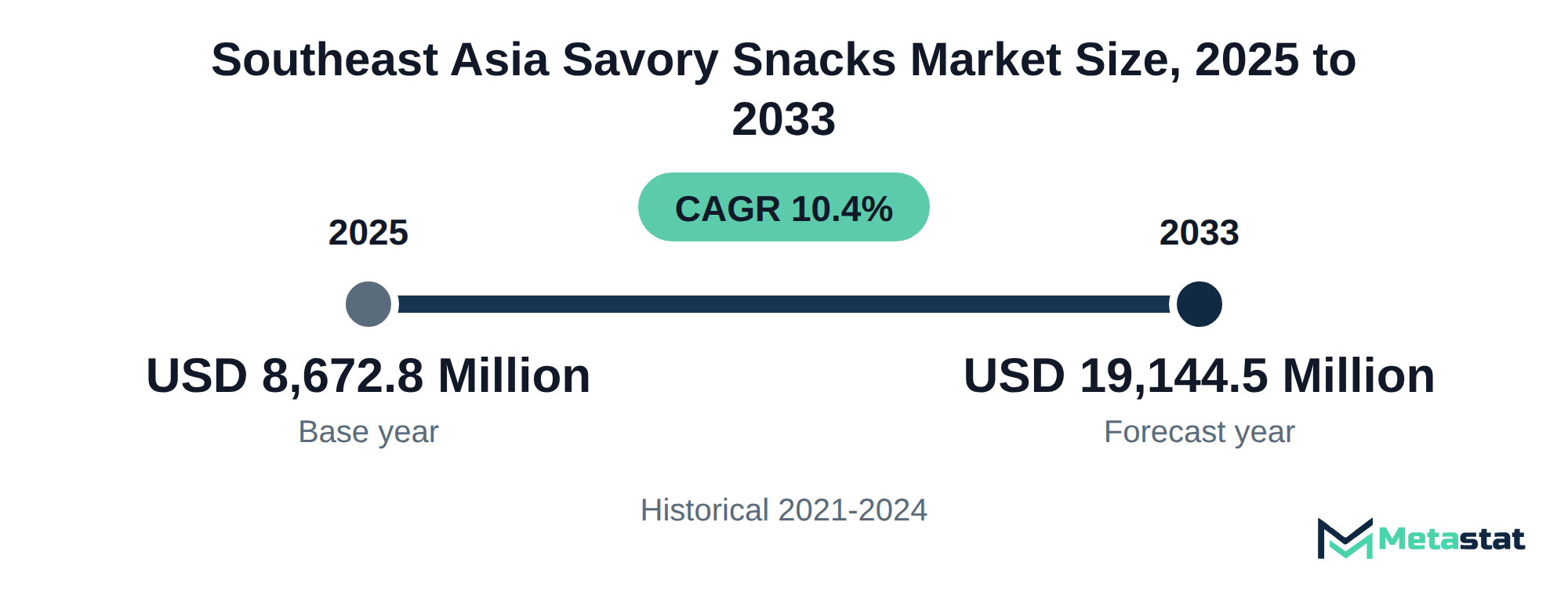
Market Valuation: Valued at $8,672.8 Million in 2025, projected to reach $19,144.5 Million by 2033 at a 10.4% CAGR.
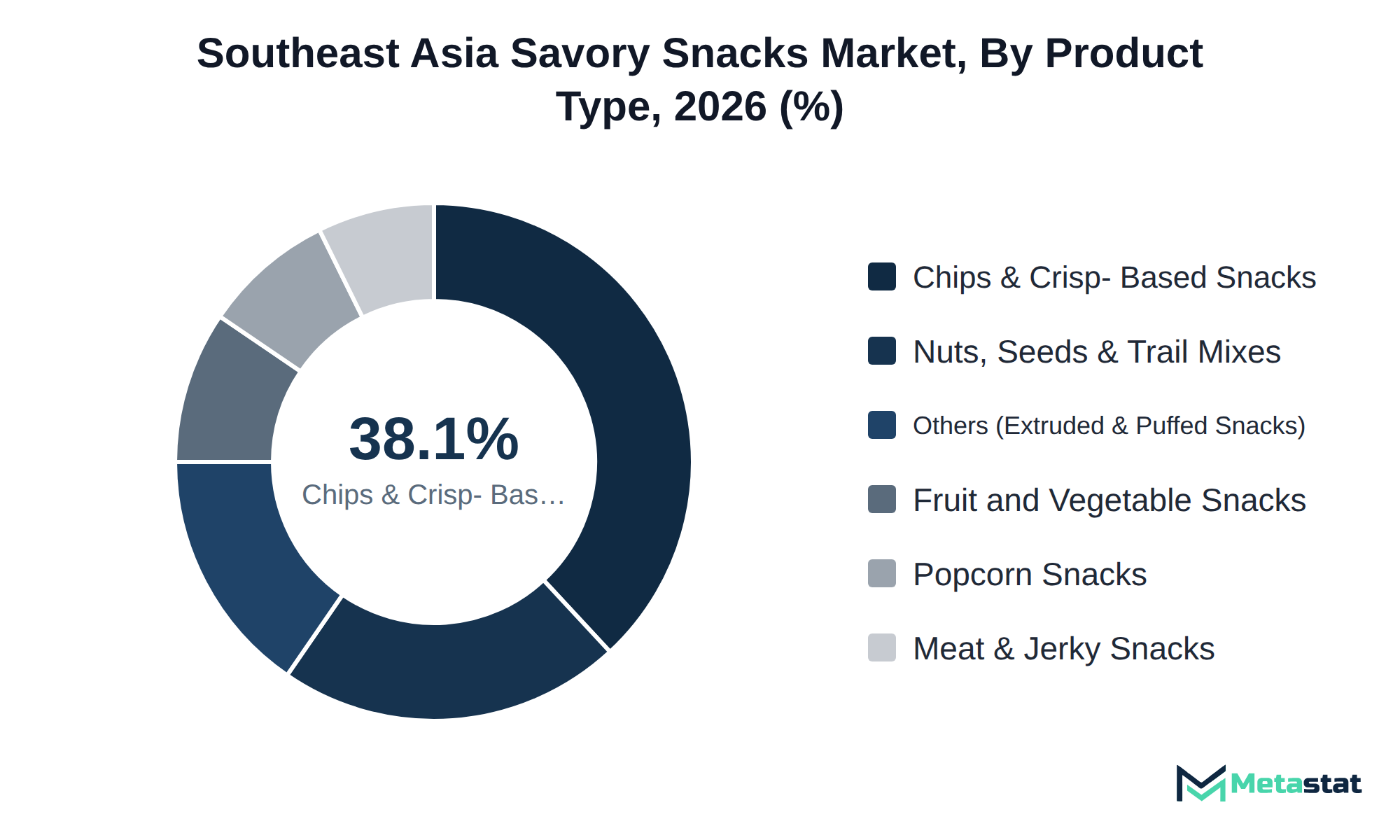
Dominant Segment: Chips & Crisp-Based Snacks hold the largest market share, driven by consumer demand for convenient and flavorful snack options that cater to busy lifestyles.
Geographic Lead: Indonesia is the leading market, propelled by its large population and growing middle class, which influences spending patterns on savory snacks.
What's Inside: The report provides a comprehensive analysis of market dynamics, competitive landscape, and detailed segmentation by product type, flavor profile, and distribution channel, covering the forecast period from 2026 to 2033.
Growth Trends: The Nuts, Seeds & Trail Mixes segment is projected to experience the highest growth rate, with a CAGR of 10.8%, reflecting increasing health consciousness among consumers.
Consumer Preferences: Rising interest in innovative flavors and healthier snack alternatives is reshaping purchasing behaviors, with consumers willing to invest more in premium snack options.
Choose Your License
Southeast Asia Savory Snacks Market
The Southeast Asia Savory Snacks market was valued at USD 8,672.8 million in 2025 and is projected to reach USD 19,144.5 million by 2033, growing at a CAGR of 10.4% over the forecast period.
The Southeast Asia Savory Snacks market encompasses diverse snack products, including chips, nuts, seeds, and popcorn. Buyers invest in these snacks primarily due to increasing demand for convenient and flavorful food options that cater to busy lifestyles. The market reflects growing consumer preferences for on-the-go snacks that deliver taste and satisfaction, contributing to higher expenditure in this sector.
Significant growth in the market is driven by changing consumer habits, particularly the inclination toward healthier snack alternatives. Among the various product segments, Chips & Crisp-Based Snacks represent the largest share, appealing to a wide audience seeking indulgent yet accessible snack options. Indonesia stands out as the region with the most substantial market share, indicating potential for further expansion in this key market.
The rising health consciousness among consumers fuels demand for snacks that offer both flavor and nutritional benefits. This trend highlights the importance of innovative product development within the Southeast Asia Savory Snacks market, as manufacturers respond to evolving consumer preferences and create offerings that align with health-oriented lifestyles.
The Southeast Asia Savory Snacks market consists of various snack options, including chips, nuts, seeds, and popcorn, appealing to a broad consumer base. Buyers invest in this market due to increasing demand for convenient, flavorful, and on-the-go snack solutions. Urbanization and busy lifestyles drive consumer preferences toward savory snacks that provide quick and satisfying options at any time of day.
Among the different segments, Chips & Crisp-Based Snacks holds the highest value, reflecting strong consumer preference for these products. Indonesia stands out with the largest share in the market, driven primarily by its population size and growing middle class, which influences spending patterns. Rising disposable income fuels demand for diverse snack offerings that cater to evolving tastes.
One significant driver of growth in the market is the increasing trend toward flavored snacks. Consumers seek innovative flavors and unique combinations, pushing manufacturers to develop new and exciting products. This trend enhances competition among brands and stimulates further investment in product development to meet consumer expectations.
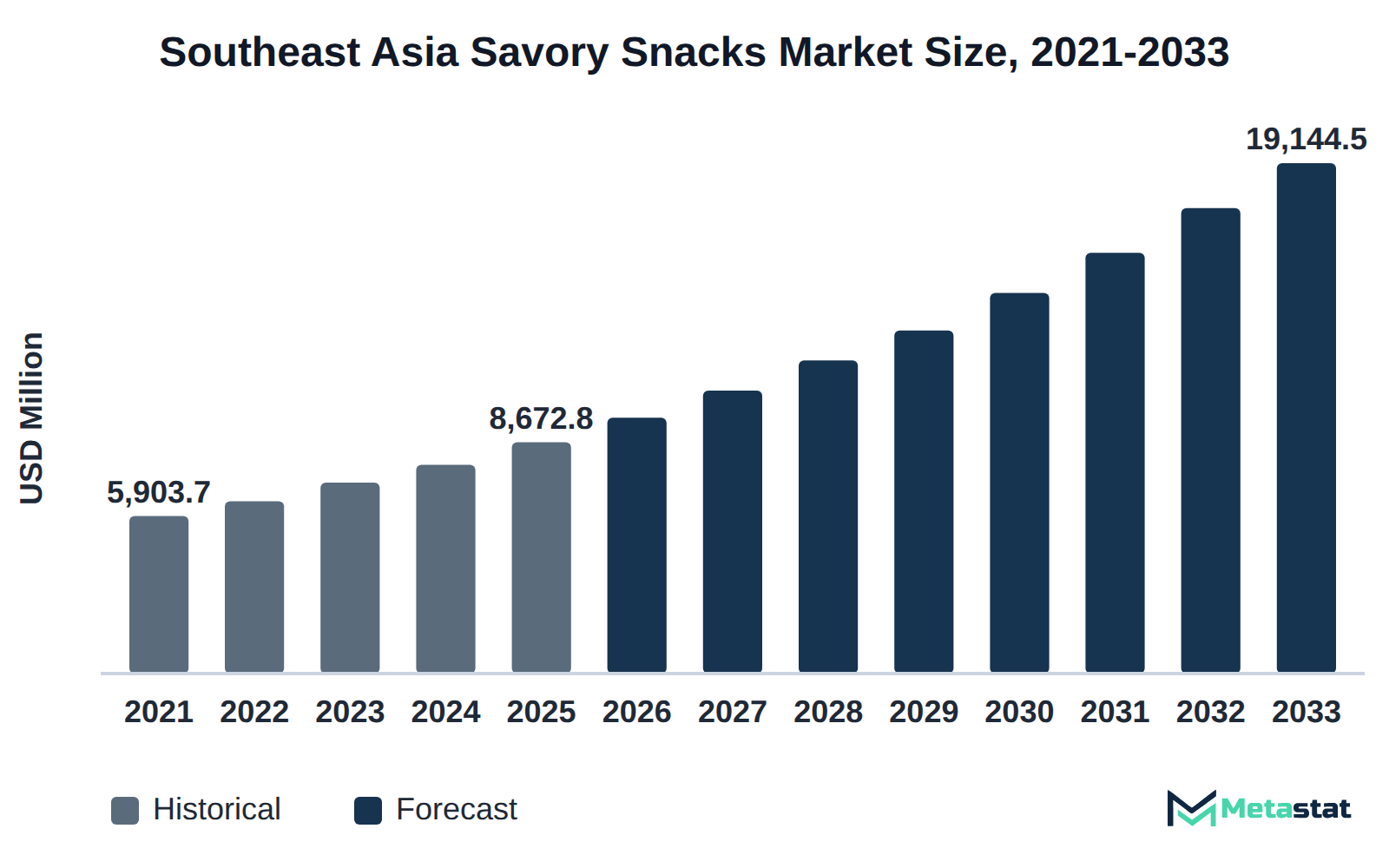
Potato chips and extruded snacks play a key role in the consumption patterns within the Southeast Asia Savory Snacks market. The market reflects a significant shift, with the segment of Chips & Crisp-Based Snacks projected to grow from USD 3,647.2 million in 2026 to USD 7,066.3 million by 2033, representing a compound annual growth rate of 9.9%. This growth indicates a growing preference among consumers for convenient, on-the-go snack options that combine taste and texture.
Health-conscious trends influence the evolution of potato chips and extruded snacks. Manufacturers introduce innovative formulations using healthier ingredients and baking techniques. These advancements appeal to a broader audience, including younger demographics seeking both indulgence and health benefits. The integration of unique flavors and regional ingredients enhances the offerings, catering to diverse palates across Southeast Asia.
The focus on potato chips and extruded snacks reflects a shift towards premium products within the market. Evolving consumer preferences drive brands to innovate and adapt to these demands, establishing a competitive edge that supports market expansion and increases investment opportunities. Ultimately, the rise of these snack types contributes to the overall growth trajectory of the Southeast Asia Savory Snacks market.
Price sensitivity among consumers significantly impacts purchasing behaviors in the Southeast Asia Savory Snacks market. The growth trajectory of the market, projected to reach USD 19,144.5 million by 2033, highlights the importance of strategic pricing to capture consumer interest and drive sales. Companies use various pricing strategies, including competitive pricing and premium pricing, depending on the product type and target demographic.
Retailers often apply promotional pricing tactics, including discounts and bundle offers, to encourage trial purchases among consumers. This approach allows brands to introduce new products and flavors while enabling consumers to explore regional offerings without the risk of high upfront costs. For instance, flavored snacks are anticipated to generate considerable revenue, reaching USD 8,957.7 million by 2033. Retailers emphasize value for money, particularly in convenience stores, where shoppers seek quick, affordable snack options.
Flexible payment models, including installment plans or loyalty programs, further enhance consumer purchasing decisions, particularly in traditional grocery stores and kirana retailers. By providing accessible payment options, brands build consumer loyalty while increasing the likelihood of repeat purchases. Competition intensifies, making the adoption of strategic pricing and payment models vital for brands aiming to secure a larger share of the Southeast Asia Savory Snacks market.
The growth of e-commerce has significantly influenced purchasing behaviors in the Southeast Asia Savory Snacks market. Online retail has transformed how consumers access and purchase savory snacks, particularly among younger demographics who prioritize convenience and variety. Delivery apps are one of the channels through which consumers now order snacks online. A notable trend is the increasing reliance on e-commerce platforms, which are expected to capture a larger share of snack sales. For instance, across various distribution channels, convenience stores are anticipated to generate USD 4,753.6 million by 2033, reflecting a growing preference for quick and accessible shopping experiences.
This trend toward e-commerce is driven by the rise of digital payment solutions and mobile technology, creating an environment where consumers easily order snacks from multiple vendors. Brands engaging in e-commerce often expand their reach and cater to consumer preferences through targeted marketing and personalized shopping experiences. The transformation in retail channels enhances accessibility, allowing consumers to explore diverse product offerings without geographical limitations. Consequently, this shift supports market growth, aligning with modern consumer expectations and influencing the competitive environment.
Growing interest in healthier snacking options drives demand for packaged savory snacks across Indonesia, Thailand, and Vietnam. The increased focus on health and wellness influences consumers to seek nutritious alternatives, leading to a rise in the popularity of products like Nuts, Seeds & Trail Mixes. This segment is projected to reach USD 4,246.3 million by 2033, reflecting a compound annual growth rate of 10.8%. While consumers become more health-conscious, they gravitate towards snacks that provide nutritional benefits without compromising taste.
This shift in consumer preferences directly impacts the Southeast Asia Savory Snacks market, prompting manufacturers to innovate their product offerings. Brands that prioritize health-focused snacks capture a larger share of the market by introducing products that align with this trend. Enhanced marketing strategies that emphasize the health benefits of savory snacks further cater to the evolving consumer landscape.
In Indonesia, Thailand, and Vietnam, the demand for healthier snack options drives market growth. This trend increases sales for health-oriented products and encourages competition among brands to develop and market innovative offerings. The expansion of the market aligns with the changing tastes and preferences of consumers, ultimately contributing to sustained growth in the region.
Consumers in Southeast Asia increasingly prioritize convenient snacks that align with their busy lifestyles. This demographic shift toward snacking reflects a broader cultural trend, with more individuals seeking portable, ready-to-eat foods. The rise in urbanization and dual-income households contributes to this change, driving more consumers to choose snacks over traditional meals. Demand for various snack types, including chips, nuts, and popcorn, experiences a notable increase. Buyers express a willingness to spend more on premium products that deliver taste and quality, signaling an evolving preference that shapes the market.
Recent trends indicate a strong shift towards premiumization in the Southeast Asia Savory Snacks market. Increasing disposable income among consumers contributes to this demand, with individuals seeking higher-quality snacks that offer unique flavors and health benefits. This trend is particularly evident in urban areas where consumers prioritize superior ingredients and innovative products over traditional offerings.
Brands respond by introducing gourmet snacks that use local flavors and organic ingredients to appeal to health-conscious consumers. This strategy enhances product differentiation and supports higher price points, resulting in improved profit margins for manufacturers. Specialty snacks, including artisanal and health-focused options, attract attention from consumers seeking indulgent yet nutritious alternatives.
The demand for premium snacks influences retail strategies, pushing supermarkets and specialty food stores to allocate more shelf space for these products. The evolution in consumer preferences drives manufacturers to innovate continuously, ensuring the market remains competitive and diverse.
Price sensitivity among consumers in Southeast Asia acts as a significant constraint impacting the adoption of savory snacks. Rising costs associated with raw materials and production lead to higher retail prices, resulting in reduced purchasing frequency among budget-conscious consumers. The effect is particularly pronounced in lower-income segments, where families prioritize essential goods over discretionary snack purchases. Consequently, this behavior results in smaller order sizes and delayed replacement cycles for snacks. The market experiences slower growth in regions where disposable income remains limited, impeding the overall expansion of the savory snacks sector. Efforts to introduce more affordable options could enhance market penetration among these price-sensitive consumer groups, stimulating demand and encouraging broader acceptance of various snack offerings.
Suppliers face input cost pressures that impact overall profitability in the Southeast Asia Savory Snacks market. Rising costs for key ingredients, including potatoes for chips and various nuts for mixes, directly affect margins. This situation results from fluctuations in global agricultural markets and supply chain disruptions, which create challenges for maintaining competitive pricing. In response, suppliers implement strategies to enhance operational efficiency and reduce costs through optimized sourcing and production methods. They explore alternative ingredients or formulations that maintain product quality while mitigating cost increases. These adaptations aim to protect profit margins and ensure product offerings remain attractive to consumers. The ability to manage these cost pressures effectively influences market positioning and growth potential.
The segment of nuts, seeds, and trail mixes demonstrates the highest growth potential within the market, projected to reach USD 4,246.3 million by 2033, representing a compound annual growth rate (CAGR) of 10.8%. This growth stems from increasing health consciousness among consumers, driving demand for nutritious and convenient snack options. Growing interest in plant-based diets fuels this trend, with buyers seeking alternatives that offer both taste and health benefits. The expanding retail presence of specialty food stores enhances accessibility to these products, contributing to a broader consumer base. The appeal of these snacks extends beyond traditional markets, attracting diverse demographics, including health-focused individuals and busy professionals. Penetration in urban areas is expected to accelerate, further supporting market expansion. The Southeast Asia Savory Snacks market stands to benefit from this shift, creating opportunities for operators focused on this segment.
The Southeast Asia Savory Snacks market is segmented based on Product Type, Flavor Profile, Distribution Channel, and Region.
Chips & Crisp-Based Snacks appeal to consumers seeking convenient, tasty snack options, often consumed during social gatherings or as on-the-go snacks. A significant driver for this segment stems from the growing inclination towards flavor variety and innovative snack experiences, with flavored chips demonstrating particular popularity. The rising demand for healthier alternatives influences manufacturers to develop products with better nutritional profiles. In comparison with other segments, Chips & Crisp- Based Snacks shows strong growth, although the Nuts, Seeds & Trail Mixes segment is projected to grow at a slightly faster CAGR of 10.8% by 2033. The distinct positioning of this segment caters to a diverse consumer base, enhancing its competitive edge within the Southeast Asia Savory Snacks market.
Nuts, seeds, and trail mixes provide convenient and nutritious options, appealing to health-conscious consumers seeking alternatives to traditional savory snacks. The increasing focus on healthy snacking habits significantly influences demand for this segment, particularly among fitness enthusiasts and those seeking on-the-go options. With a higher growth rate compared to other segments, including Chips & Crisp-Based Snacks, which has a CAGR of 9.9%, this segment demonstrates a stronger trajectory. Rising disposable incomes and changing consumer preferences towards healthier living underline the segment's expansion potential. The market recognizes Nuts, Seeds & Trail Mixes for their versatility, making them suitable for various consumption occasions, including snacking, meal replacements, and portion-controlled diets.
The Fruit and Vegetable Snacks segment is expected to reach USD 1,964.2 million by 2033. This segment caters to health-conscious consumers seeking nutritious snack alternatives. Increased awareness about the health benefits of fruits and vegetables drives demand among buyers looking for convenient and wholesome snack options. Dried fruit snacks are one common format within this category. Compared to other sub-segments, the growth of this category is relatively moderate, reflecting a CAGR that aligns closely with consumer trends favoring healthier choices. The Fruit and Vegetable Snacks segment faces challenges in terms of shelf life and preservation compared to traditional snacks, influencing pricing strategies and consumer preferences. Overall, its unique positioning within the Southeast Asia Savory Snacks market highlights evolving tastes of consumers prioritizing health and nutrition.
Popcorn Snacks are projected to grow at a CAGR of 10.7% during the forecast period. This segment serves as a popular choice for consumers seeking convenient and enjoyable snack options, often consumed during social gatherings, movie nights, or as a light snack at home. The growing trend of healthier snacking drives demand for popcorn snacks, with consumers increasingly opting for products that offer lower calories and better nutritional profiles compared to traditional chips. This segment stands out due to its potential for innovative flavors and unique offerings, distinguishing it from other snack types, particularly chips, which are projected to grow at a CAGR of 9.9%. The market for popcorn snacks benefits from its ability to adapt to consumer preferences while maintaining competitive pricing, contributing to its strong growth trajectory.
Meat & Jerky Snacks offer a protein-rich snacking option that appeals to a diverse consumer base, including health-conscious individuals and those seeking convenient meal replacements. This segment thrives on the growing trend of high-protein diets, which is increasingly popular among fitness enthusiasts and busy professionals. Demand for Meat & Jerky Snacks is propelled by their portability and satisfying flavor profiles, attracting consumers looking for quick, flavorful options. Dried meat products form the base of this category. Compared to other segments, Meat & Jerky Snacks experience slower growth due to higher production costs and stricter regulations surrounding meat processing. Higher production costs influence pricing strategies, positioning this segment at a premium compared to alternatives like chips or nuts, which typically have lower overheads. The market continues to evolve with new flavors and healthier formulations, aiming to capture a larger share of health-oriented snack seekers.
Others (Extruded & Puffed Snacks) includes a variety of snacks characterized by their unique textures and flavors. This sub-segment finds popularity among consumers seeking innovative snack options, typically consumed on-the-go or as light meals. Increasing health awareness among buyers drives the demand for snacks perceived as healthier alternatives, reflecting a broader trend toward nutritious snacking. One notable aspect of this sub-segment is its differentiation from traditional chips and nuts, focusing on lighter, often air-popped snacks that contain fewer calories. The growth rate for this segment is expected to remain slower compared to others like Nuts, Seeds & Trail Mixes, yet it still attracts a diverse consumer base interested in trying new flavors and healthier options. Overall, the dynamic nature of consumer preferences continues to influence the evolution and positioning of this sub-segment within the Southeast Asia Savory Snacks market.
Classic Salted/ Plain segment is valued at USD 5,346.1 million in 2026 and is projected to reach USD 10,186.8 million by 2033, at a CAGR of 9.6% during the forecast period. This sub-segment caters to a diverse demographic, including consumers seeking convenient and familiar snack options. The demand for classic salted snacks stems from their wide acceptance and appeal across various age groups. Factors driving this segment include changing consumer preferences toward traditional flavors and the continued popularity of savory snacks during social gatherings and casual dining. In comparison to flavored snacks, which are projected to grow at a CAGR of 11.2%, the Classic Salted/ Plain segment exhibits a slower growth trajectory. Price points for classic options often remain lower than those for innovative flavored varieties, attracting cost-conscious consumers while contributing to steady demand in the market.
Flavored snacks segment is estimated to reach USD 8,957.7 million by 2033, at a CAGR of 11.2% during the forecast period. This segment attracts consumers seeking diverse and exciting taste experiences, appealing to a broad demographic, including young adults and families. Rising interest in unique flavor profiles, combined with growing health consciousness, drives demand for varied savory options. The flavored segment stands out due to its higher growth rate compared to classic salted or plain snacks, which is projected to expand at a CAGR of 9.6%. This faster growth results from consumer preferences shifting towards innovative and adventurous flavors, enhancing the appeal of flavored snacks. The Southeast Asia Savory Snacks market reflects this trend, with manufacturers introducing new flavor combinations and limited-edition products to capture consumer attention and stimulate purchases.
Supermarkets and Hypermarkets segment is valued at USD 2,705.8 million in 2026 and is projected to reach USD 5,192 million by 2033, at a CAGR of 9.8% during the forecast period. This channel serves diverse consumer groups seeking convenience in purchasing savory snacks, often favoring one-stop shopping experiences. The rapid growth in the segment is driven by increased foot traffic and a preference for bulk buying among consumers. Competition from online retail is significant; however, the tactile and immediate nature of physical stores continues to attract shoppers. Compared to other distribution channels, this segment demonstrates a slower growth rate than Convenience Stores, which is projected to grow at a CAGR of 10.7%. The Southeast Asia Savory Snacks market uses this channel to reinforce brand presence and accessibility, making it a critical avenue for suppliers looking to capture a larger share of consumer spending.
Convenience Stores segment is estimated to reach USD 4,753.6 million by 2033, at a CAGR of 10.7% during the forecast period. This segment serves busy consumers seeking quick access to savory snacks for on-the-go consumption. The rising trend of convenience and the increasing number of convenience store locations significantly drive growth in this segment. Ambient snack vending machines serve a similar impulse purchase need in unattended locations. Unlike other distribution channels, including Supermarkets and Hypermarkets, which focus on bulk purchases, convenience stores cater to impulse buying and provide a wider variety of snack options suited for immediate consumption. The market benefits from the evolving lifestyle of Southeast Asian consumers, who prioritize quick and satisfying snack solutions. The growth of convenience stores is expected to support overall demand in the market, driven by their accessibility and expanding product offerings.
Traditional Grocery Stores and Kirana Retailers segment is expected to reach USD 4,353.5 million by 2033. This segment serves a diverse consumer base, including those seeking affordable and accessible snack options in their local communities. Increased urbanization and changing consumer habits drive demand for convenient shopping experiences, supporting this segment’s growth. The popularity of these stores lies in their ability to cater to community preferences, offering a variety of snacks that appeal to local tastes. Compared to other distribution channels, this segment exhibits a slower growth rate due to competition from modern retail formats, including supermarkets and hypermarkets, which are projected to grow at a CAGR of 9.8%. The market continues to evolve with the introduction of new products that align with consumer trends, enhancing the appeal of offerings in Traditional Grocery Stores and Kirana Retailers.
Specialty Food Stores segment is projected to grow at a CAGR of 10.7% during the forecast period. These outlets offer a curated selection of gourmet and unique snack options, appealing to discerning consumers seeking specialty products. Shoppers frequently include health-conscious individuals, food enthusiasts, and those interested in diverse culinary flavors. The growing consumer preference for premium and artisanal snacks drives demand within this segment, differentiating it from traditional grocery channels. In contrast to larger supermarket formats, specialty food stores typically offer higher-priced items, catering to a niche market willing to pay more for unique flavors and quality ingredients. This positioning supports the segment's growth trajectory, attracting customers seeking unique offerings in the Southeast Asia Savory Snacks market.
Online Retail and E-commerce is a vital channel for purchasing savory snacks, particularly among tech-savvy consumers who favor convenience and accessibility. This segment attracts buyers including millennials and busy professionals seeking quick and easy options. One significant driver of growth in this segment includes the increasing penetration of internet services and mobile technology across Southeast Asia, facilitating online shopping experiences. Differing from traditional retail channels, this segment experiences faster growth due to shifting consumer preferences toward digital platforms. The expansion of e-commerce giants and local platforms channels consumer demand effectively, creating a competitive environment. Compared to supermarkets and hypermarkets, online retail often offers a wider variety of products and targeted promotions, appealing to diverse consumer tastes within the Southeast Asia Savory Snacks market.
This sub-segment focuses on direct sales and foodservice outlets, catering to a variety of consumer preferences. This channel attracts customers seeking convenience and immediate access to snacks, commonly found in restaurants, cafes, and convenience stores. Rising consumer demand for convenient snacking options drives growth within this segment. Trends toward healthier and more innovative snack offerings enhance its appeal. Compared to other distribution channels, this sub-segment experiences fluctuations in growth rates driven by regional consumer behaviors and preferences. The Southeast Asia Savory Snacks market continues to evolve, integrating diverse snacks into these outlets, enhancing customer experience while accommodating various dietary preferences.
Indonesia segment is valued at USD 2,795.9 million in 2026 and is projected to reach USD 5,391.1 million by 2033, at a CAGR of 9.8% during the forecast period. The segment caters to a growing base of consumers seeking convenient and flavorful snacks, with increasing urbanization driving demand. Young professionals and families frequently purchase these snacks for on-the-go consumption and social gatherings. This strong growth trajectory differentiates Indonesia from other regions, which experience varied market dynamics. Factors influencing this segment include rising disposable incomes and changing consumer preferences toward savory snacks. The overall growth of the market aligns with the increasing focus on innovative flavors and healthier options, enhancing the appeal of savory snacks among diverse consumer groups.
Malaysia segment is estimated to reach USD 2,458.2 million by 2033, at a CAGR of 10% during the forecast period. This segment focuses on providing savory snacks that appeal to a diverse consumer base, including young professionals and families seeking convenient and tasty options. Increasing urbanization and changing lifestyles drive demand for these products, owing to consumer preference for quick and easy snacking solutions. Compared to other segments, this segment shows steady growth, benefiting from the growing trend of on-the-go eating. With competitive pricing and availability across various distribution channels, including supermarkets and convenience stores, the Malaysia segment stands out for its accessibility and appeal to local tastes. The market continues to evolve, influenced by innovations in flavor profiles and health-conscious options, which further enhance its attractiveness to consumers.
Vietnam segment is expected to reach USD 3,497.7 million by 2033. This segment appeals to a growing consumer base that seeks convenient and flavorful snacking options. Increasing urbanization and rising disposable incomes drive demand, allowing consumers to opt for ready-to-eat snacks. Vietnam's market growth for savory snacks is set at a CAGR of 10.0%, positioning it favorably compared to other sub-segments in the region. Flavor diversity and affordability distinguish this segment, making it more accessible than higher-priced alternatives. The trend toward healthier snack options influences purchasing decisions, with consumers gravitating toward products that combine taste with nutritional benefits. The Southeast Asia Savory Snacks market continues to reflect changing consumer preferences, highlighting Vietnam's potential for sustained growth.
Thailand segment is projected to grow at a CAGR of 10.2% during the forecast period. This segment caters to a diverse consumer base, with products serving convenient snack options for on-the-go lifestyles and social gatherings. Demand for savory snacks in Thailand is driven by changing consumer preferences toward snacking occasions and flavors. The growth trajectory stands out compared to other segments, reflecting a shift in eating habits and lifestyle choices. Other segments including Nuts, Seeds & Trail Mixes have a higher projected value by 2033, reaching USD 4,246.3 million; however, Thailand's growth rate indicates a unique appetite for savory snacks that aligns with local culinary trends. The Southeast Asia Savory Snacks market shows promising potential, particularly in regions with evolving consumer tastes.
Philippines is a dynamic market for savory snacks, catering to a diverse population that seeks convenient and flavorful options. Consumers in this region gravitate towards snacks suitable for on-the-go consumption, driven by busy lifestyles and an increasing preference for ready-to-eat products. Unique flavor preferences significantly influence this segment, with local tastes shaping product offerings. The Philippines stands apart from other Southeast Asian regions due to its higher demand for traditional snacks, which encourages brands to innovate while respecting local culinary traditions. This focus on distinct flavors enhances customer loyalty, positioning the Philippines segment as a key area for growth within the Southeast Asia Savory Snacks market.
The segment encompasses a range of snacks characterized by unique textures and flavors, appealing to diverse consumer preferences across the region. This sub-segment caters to snack enthusiasts who enjoy a variety of options, including both traditional and innovative flavors. Growth within this segment is driven by increasing consumer interest in healthier snacking choices and the rise of on-the-go lifestyles. The market experiences different dynamics compared to its counterparts, particularly in terms of pricing, where products are positioned at a premium due to their unique attributes. The Southeast Asia Savory Snacks market reflects evolving consumer behaviors, with a heightened focus on novel flavors and convenient packaging formats, distinguishing this segment from others in the broader category.
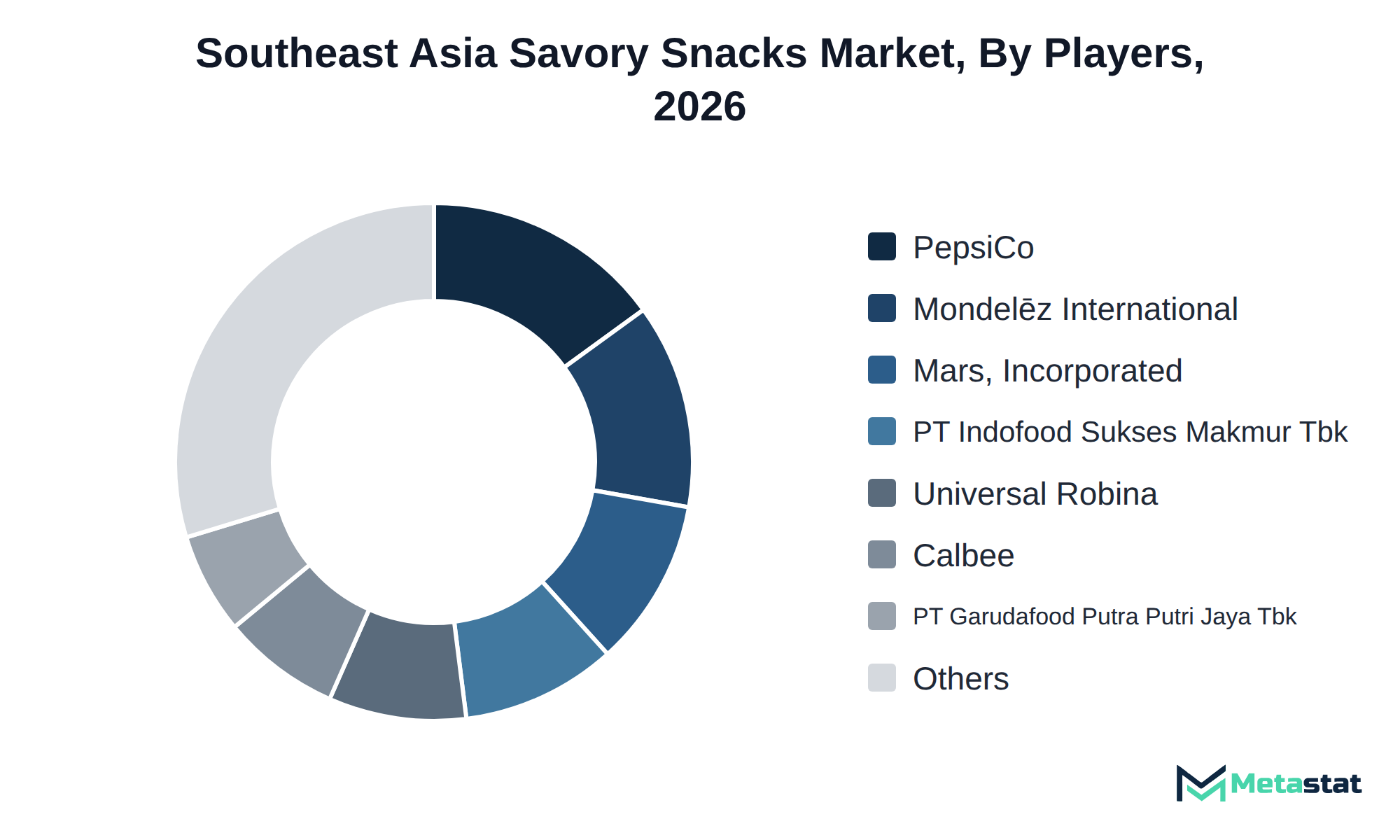
Competition in the Southeast Asia Savory Snacks market reflects a blend of established global players and regional manufacturers. Companies including PepsiCo, Inc., Mars, Incorporated, and Mondelēz International, Inc. use brand recognition and extensive distribution networks, driving consumer preference through product innovation and marketing strategies. Regional companies like PT Indofood Sukses Makmur Tbk and Universal Robina Corporation focus on local flavors and affordability, catering to specific regional tastes.
Buyers consider various factors when selecting savory snacks, including price, flavor variety, and brand loyalty. For instance, Calbee, Inc. emphasizes quality and unique flavors, positioning itself in the premium segment, while PT Garudafood Putra Putri Jaya Tbk offers affordable options that appeal to cost-conscious consumers. This dynamic creates a competitive environment where companies actively differentiate their offerings to capture market share.
The growth relies on several key developments within the Southeast Asia Savory Snacks market. A rising demand for flavored snacks, projected to reach USD 8,957.7 million by 2033, will influence consumer preferences significantly. The expansion of distribution channels, particularly through supermarkets and hypermarkets, is expected to support market accessibility, with a projected growth from USD 2,705.8 million in 2026 to USD 5,192 million by 2033. Indonesia is significant in this expansion, with its market anticipated to grow from USD 2,795.9 million in 2026 to USD 5,391.1 million by 2033, driven by increasing urbanization and disposable income. However, market growth faces risks, particularly from fluctuating raw material costs, which could impact profit margins and pricing strategies. This challenge hinders the ability of companies to capitalize on the growth potential, especially within segments including nuts and trail mixes. Addressing these pressures will be essential for achieving the ambitious forecast outlined for the market.
By Product Type: Chips & Crisp- Based Snacks, Nuts, Seeds & Trail Mixes, Fruit and Vegetable Snacks, Popcorn Snacks, Meat & Jerky Snacks, Others (Extruded & Puffed Snacks)
By Flavor Profile: Classic Salted/ Plain, Flavored
By Distribution Channel: Supermarkets and Hypermarkets, Convenience Stores, Traditional Grocery Stores and Kirana Retailers, Specialty Food Stores, Online Retail and E-commerce, Others (Direct Sales and Foodservice Outlets)
By Region: Indonesia, Malaysia, Vietnam, Thailand, Philippines, Rest of Southeast Asia
The report strategically identifies and profiles the key market players and analyses their core competencies in each sub-segment of the Savory Snacks market.
Report Attributes | Details |
Study Period | 2021-2033 |
Base Year | 2025 |
Estimated Year | 2026 |
Forecast Period | 2026-2033 |
Historical Period | 2021-2025 |
Growth Rate | CAGR 10.4% from 2026 to 2033 |
Revenue Unit | USD million |
Segmentation | By Product Type, Flavor Profile, Distribution Channel, Region, and Region |
Find answers to common questions about this report
The Savory Snacks market size was valued at USD 8,672.8 million in 2025.
The market is projected to grow at a CAGR of 10.4% during the forecast period from 2026 to 2033.
Chips & Crisp-Based Snacks lead the Savory Snacks market with a projected value of USD 7,066.3 million by 2033. This segment demonstrates significant growth potential, driven by increasing consumer demand for convenient snack options.
Increasing health consciousness among consumers drives demand for nutritious and convenient snack options. Rising disposable income contributes to a willingness to spend more on premium products that deliver taste and quality.
Price sensitivity among consumers acts as a significant constraint impacting the adoption of savory snacks. Rising costs associated with raw materials and production lead to higher retail prices, resulting in reduced purchasing frequency among budget-conscious consumers.
Increasing health consciousness among consumers drives demand for nutritious and convenient snack options. The expanding retail presence of specialty food stores enhances accessibility, attracting a broader consumer base. These factors support adoption in the Southeast Asia Savory Snacks market.
The Savory Snacks market is estimated to reach a valuation of USD 19,144.5 million by 2033.
Key players operating in the Savory Snacks market include PepsiCo, Inc., Mars, Incorporated, Mondelēz International, Inc., Calbee, Inc., Universal Robina Corporation, PT Indofood Sukses Makmur Tbk, and PT Garudafood Putra Putri Jaya Tbk.
Indonesia is projected to grow significantly, reaching USD 5,391.1 million by 2033, with a compound annual growth rate (CAGR) of 9.8%.
Chips and crisp-based snacks are expected to reach USD 7,066.3 million by 2033, reflecting a CAGR of 9.9%.
The analysts below cover Food and Beverages research at Metastat Insights.
LEAD ANALYST
Utkarsh Khirodkar is a Lead Market Research Analyst at MetaStat Insight, specializing in market intelligence, technology sector assessments, and competitive strategy.

LEAD PRINCIPAL ANALYST, PHARMA AND HEALTHCARE
Food and Beverages · Healthcare · Healthcare IT · Medical Devices
Ajay Devgire is the Lead Healthcare Analyst at MetaStat Insight, leading strategic research and market intelligence initiatives across the global healthcare domain.

SENIOR RESEARCH ANALYST
Biotechnology · Food and Beverages · Medical Devices · Packaging
Snehal Pasalkar is a Research Analyst at MetaStat Insight, operating at the intersection of life sciences research, competitive strategy, and market intelligence.
Enterprise zero-trust network rollouts are often slowed down by multi-cloud transit latency and proprietary hardware retirement schedules. This study provided realistic total cost of ownership models comparing cloud-delivered security edge solutions against traditional hardware refreshes. The analysis of contract renewal lengths and software maintenance fees gave us clear visibility into enterprise replacement cycles over the next three to five years.
Scaling antibody-drug conjugate manufacturing hinges on contract manufacturing availability for high-potency active ingredients. The MetaStat Insight analysis looked closely at global cleanroom slot constraints, bioconjugation batch failure rates, and supply chain redundancies between the US, Europe, and India. The supplier capability matrix proved genuinely useful for our team when mapping secondary source options across our clinical pipeline.
Floating offshore wind feasibility relies heavily on specialized installation vessel availability and port crane limits, which most broad renewable energy forecasts ignore. The report delivered a thorough analysis of dry dock capacity, mooring chain supply constraints, and raw material pricing trends for deepwater anchor installations. It served as a solid independent sanity check for our offshore project capital expenditure assumptions.
Explore related market intelligence reports worth reading alongside this one.