
LEAD ANALYST
Utkarsh Khirodkar is a Lead Market Research Analyst at MetaStat Insight, specializing in market intelligence, technology sector assessments, and competitive strategy.

Global Organic Dehydrated Fruits Market Size, Share, By Fruit Type (Grapes and Raisins, Dates, Figs, Mango, Pineapple, Banana, Berries and Others), By Drying Technology (Sun Drying, Hot-Air and Convective Drying, Freeze Drying, Vacuum Drying and Osmotic Dehydration), By Product Form (Whole Fruits, Slices and Strips, Diced and Chopped, Chips and Flakes and Powders and Granules), By End Use (Direct Snacking, Bakery and Confectionery, Breakfast Cereals and Granola, Snack Bars and Trail Mixes, Dairy and Frozen Desserts, Beverages and Smoothie Mixes and Others), Industry Analysis, Growth, Trends, and Forecast, 2026-2033
Report ID
MSI-5315
Published
September, 2026
Pages
296 Pages
Format
Historical
Base year
Forecast
Forecast period
Report Details
Market Valuation: Valued at $2,773 Million in 2025, projected to reach $4,801.8 Million by 2033 at a 7.1% CAGR.
Dominant Segment: The Grapes and Raisins segment leads the market, driven by increasing consumer awareness regarding health and wellness, resulting in a preference for organic products. This segment is projected to reach USD 1,188.9 million by 2033, reflecting a CAGR of 6.3%.
Geographic Lead: North America is expected to maintain a strong position in the Organic Dehydrated Fruits market, supported by robust consumer demand for clean-label snacks and healthy alternatives. The region's infrastructure and investment in organic production enhance its market growth.
What's Inside: The report provides a comprehensive analysis of the Organic Dehydrated Fruits market, including competitive coverage, market segmentation by fruit type, drying technology, product form, and end use, along with growth trends and forecasts from 2026 to 2033.
Emerging Technologies: Rapid advancements in drying technologies, such as freeze drying and vacuum drying, are driving market growth by enhancing product quality and extending shelf life. These innovations cater to the rising consumer demand for nutritious and convenient snack options.
Choose Your License
Global Organic Dehydrated Fruits Market
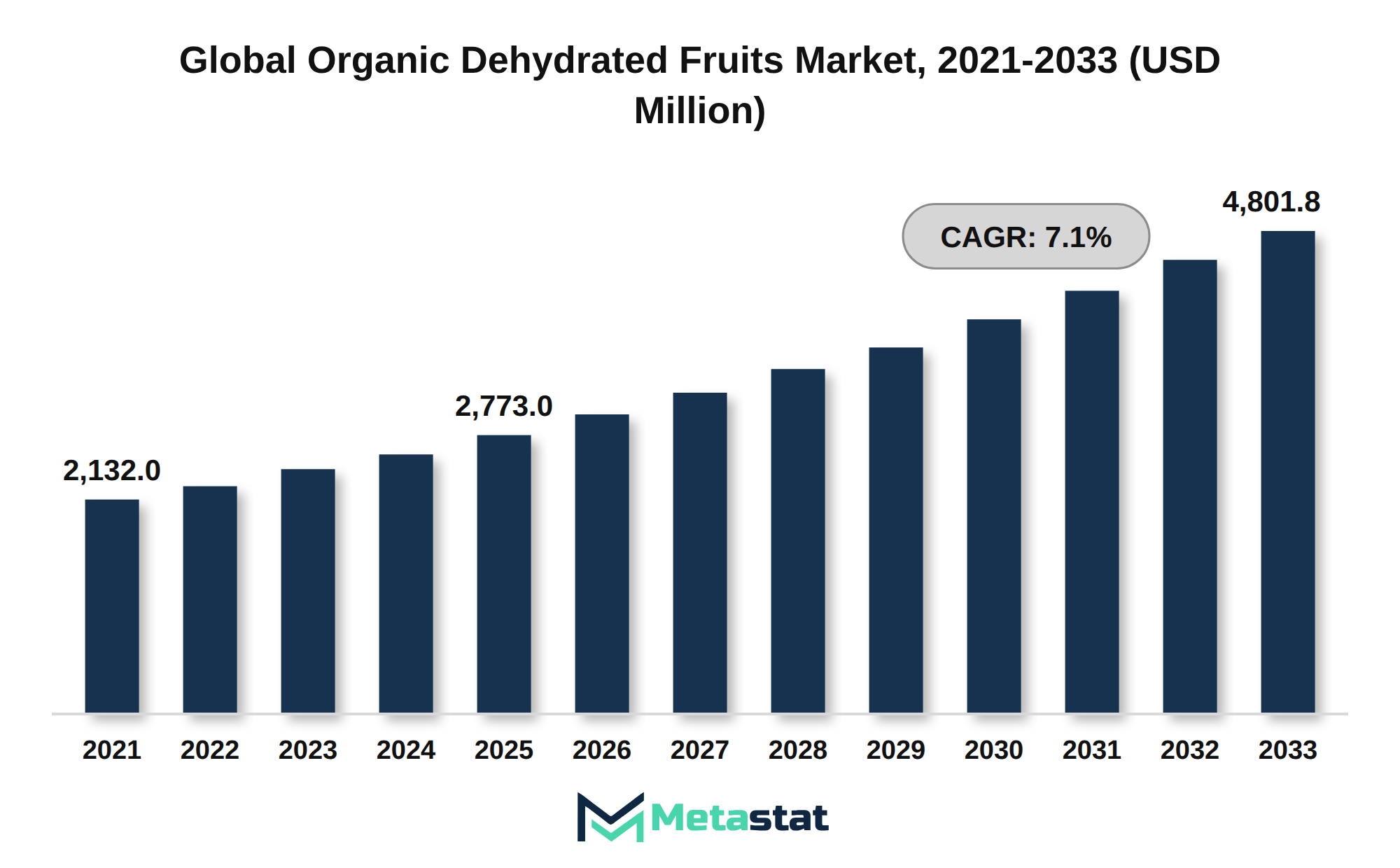
The global Organic Dehydrated Fruits market was valued at USD 2,773 million in 2025 and is projected to reach USD 4,801.8 million by 2033, growing at a CAGR of 7.1% over the forecast period.
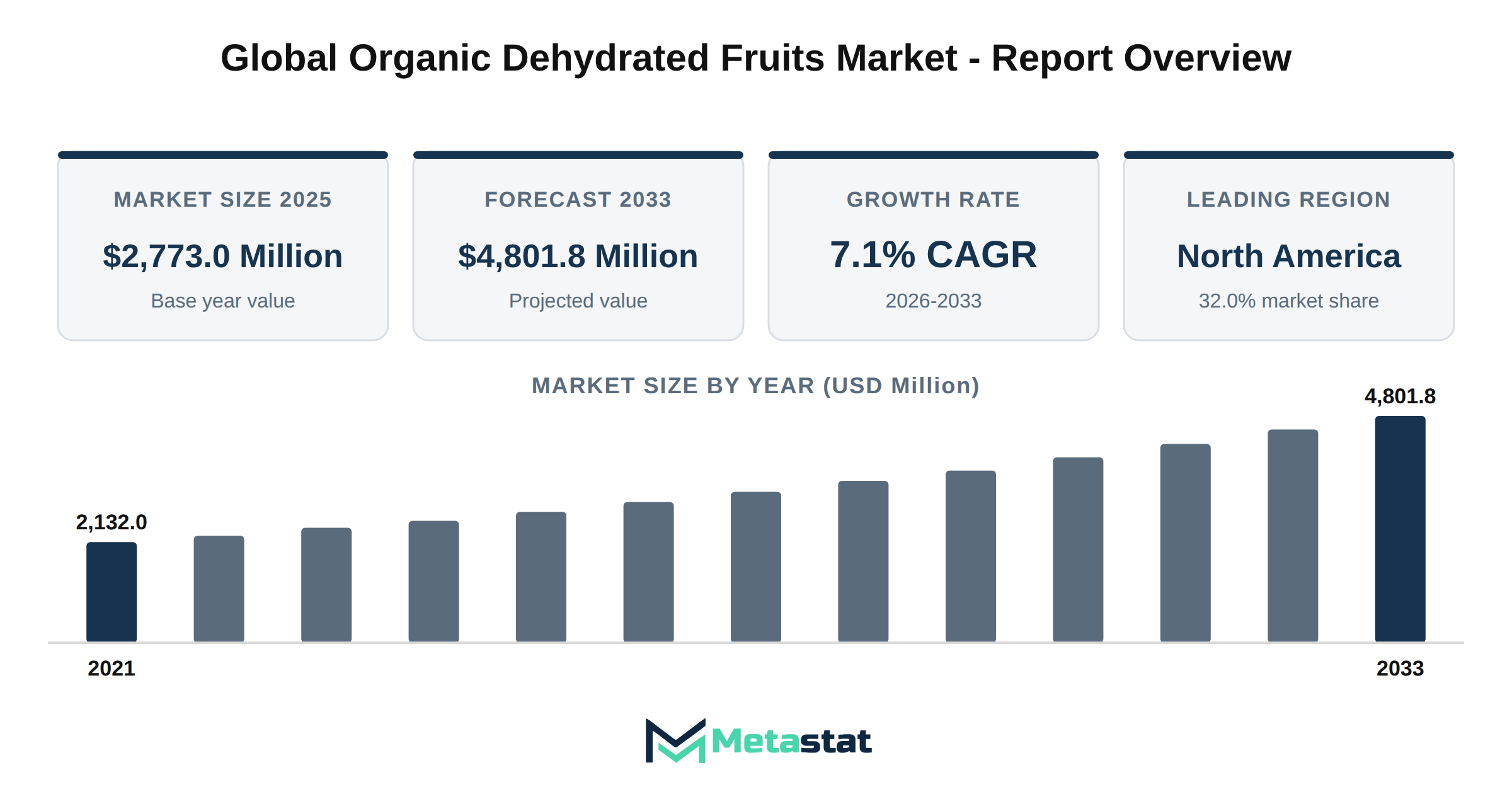
The Organic Dehydrated Fruits market experiences significant growth driven by the rising demand for clean-label snacks. Consumers increasingly seek healthier snack alternatives, leading to a surge in the adoption of organic dehydrated fruits. This demand aligns with consumer preferences for transparency in food sourcing, prompting manufacturers to focus on organic and clean-label products.
Freeze-drying technology accelerates innovation within the premium organic fruit segment. This method preserves the nutritional quality and flavor of fruits, appealing to health-conscious consumers. Manufacturers prioritize freeze-dried options to meet the increasing expectations for high-quality organic products.
Growing consumer preference for no-added-sugar dehydrated fruit products contributes to market expansion. Shoppers actively seek options that align with their health goals, pushing producers to develop products that meet these criteria. This trend highlights the shift towards healthier ingredients in the market.
Organic certification standards reshape the global dehydrated fruit trade, ensuring product authenticity and safety. Compliance with these standards builds consumer trust, further enhancing the appeal of certified organic products. This certification becomes essential for suppliers aiming to penetrate competitive markets.
Premiumization significantly drives demand for organic berries and tropical dried fruits. Consumers exhibit a willingness to pay higher prices for superior quality, creating opportunities for producers to differentiate their offerings. This trend is evident in the increasing availability of premium organic options across various retail channels.
The market experiences a growing interest in functional food applications, with organic dehydrated fruits gaining traction. Manufacturers incorporate these fruits into products targeting health benefits, including boosted immunity and enhanced energy levels. This trend aligns with consumer preferences for functional ingredients in their diets.
Snack bars and trail mixes expand the demand for organic dehydrated fruits, catering to on-the-go consumers. These products offer convenient snacking solutions that appeal to health-conscious buyers. The incorporation of organic ingredients into these offerings further aligns with evolving consumer expectations.
Bakery and breakfast cereals create new ingredient growth opportunities for organic dehydrated fruits. Producers increasingly integrate these fruits into their formulations, enhancing flavor and nutritional content. This trend supports the overall growth of the market, driven by consumers gravitating towards healthier breakfast options.
E-commerce expands access to premium organic dehydrated fruit products, enabling consumers to purchase conveniently. Online platforms provide a wider variety of options, catering to niche consumer preferences. This shift towards online shopping significantly influences market dynamics and distribution strategies.
Sustainable packaging innovation strengthens the positioning of organic dried fruits. Consumers increasingly favor environmentally friendly packaging solutions, prompting producers to adopt sustainable practices. This development not only appeals to eco-conscious buyers but enhances brand loyalty within the market.
Supply chain traceability becomes critical for certified organic fruit sourcing. Transparency in sourcing practices reassures consumers about the authenticity of organic claims. Producers focusing on traceability gain a competitive edge, attracting consumers prioritizing sustainability and ethical sourcing.
Rising organic fruit production costs influence pricing and supplier strategies within the market. Producers respond to fluctuating costs by adjusting their pricing structures, ensuring competitiveness while maintaining profit margins. This dynamic impacts consumer pricing and overall market accessibility.
The Asia Pacific region emerges because a high-growth area for organic dehydrated fruits. Increasing urbanization and changing dietary preferences drive demand for healthy snacks and ingredients in this region. Manufacturers are investing in this market to capitalize on growth opportunities.
North America and Europe sustain strong demand for certified organic dried fruits. These regions exhibit a high level of consumer awareness regarding health benefits associated with organic products. Consequently, suppliers focus on meeting the preferences of this health-conscious demographic.
Nutrient retention technologies transform the organic fruit dehydration process, ensuring high-quality end products. These advancements enhance the nutritional profile of dehydrated fruits, appealing to health-focused consumers. This innovation aligns with the market's trend toward preserving the natural goodness of fruits.
Direct snacking remains a core demand driver for organic dehydrated fruits. Consumers increasingly choose these snacks for their convenience and health benefits. This preference reinforces the market's growth trajectory, driven by producers adapting to shifting consumer habits.
Organic dates, berries, and mangoes gain momentum in value-added applications. Their versatility allows for incorporation into various products, ranging from snacks to baked goods. This trend signifies the expanding role of organic fruits in diverse culinary applications.
Private label expansion intensifies competition in the organic dried fruit retail sector. Retailers leverage private label products to offer consumers affordable alternatives while maintaining quality. This strategy enhances market penetration and heightens competition among established brands.
Food manufacturers increase the use of organic fruit powders and granules, tapping into trends for convenient ingredient forms. These powders serve because versatile additions to numerous food products, catering to evolving consumer preferences. This trend supports market growth by facilitating easy incorporation of organic fruits into various applications.
Future growth opportunities in organic freeze-dried and minimally processed fruits appear promising. Innovations in processing techniques enhance product quality while meeting consumer demands for healthy options. This segment is expected to attract investment because producers explore ways to capitalize on emerging trends.
The rising demand for organic dehydrated fruits, driven by clean-label snacks, reflects a growing consumer focus on health-conscious eating. Consumers increasingly seek products that are free from artificial ingredients, influencing the market toward organic options. This trend highlights the importance of transparency in food sourcing and ingredient quality.
Freeze-drying technology plays a critical role in accelerating innovation within the premium organic fruit segment. This method preserves the fruit's original flavor, color, and nutritional value, appealing to health-oriented consumers. The adoption of advanced drying techniques supports the development of high-quality offerings that meet consumer expectations.
A growing preference for no-added-sugar dehydrated fruit products aligns with health trends emphasizing reduced sugar intake. Consumers actively seek options that provide natural sweetness without additives, contributing to the expansion of this segment within the organic dehydrated fruits market. This shift indicates a broader movement towards healthier snack alternatives.
Organic certification standards significantly reshape the global dehydrated fruit trade. Compliance with stringent regulations enhances consumer trust and product credibility, influencing purchasing decisions. Producers invest in certification processes to access premium markets and satisfy discerning consumers seeking organic products.
Premiumization drives demand for organic berries and tropical dried fruits. Higher disposable incomes enable consumers to invest in premium food products with perceived health benefits. This trend creates a competitive landscape for suppliers targeting consumers willing to pay a premium for superior quality and flavor.
In functional food applications, organic dehydrated fruits gain traction because consumers prioritize health benefits. Ingredients rich in vitamins and antioxidants enhance product formulations, appealing to health-focused consumers. This trend positions organic dried fruits because essential components in various health-oriented products.
The expansion of snack bars and trail mixes significantly enhances demand for organic dehydrated fruits. These convenient products often incorporate dried fruits, catering to busy lifestyles and health-conscious consumers. The versatility of organic fruits contributes to their growing presence in this popular snack category.
Opportunities arise in the bakery and breakfast cereal sectors, where organic dehydrated fruits serve because innovative ingredients. Manufacturers seek to enhance flavor profiles and nutritional content, creating new avenues for growth. This trend supports the integration of organic offerings into mainstream food products.
Growth in e-commerce platforms expands access to premium organic dehydrated fruit products. Online shopping provides consumers with greater variety and convenience, facilitating purchases of specialty items. This trend encourages producers to strengthen their online presence to capture a broader audience.
Sustainable packaging innovation strengthens the positioning of organic dried fruits. Environmentally friendly packaging solutions appeal to eco-conscious consumers, enhancing brand loyalty. This focus on sustainability aligns with broader market trends prioritizing responsible consumption.
Supply chain traceability emerges because a critical factor for certified organic fruit sourcing. Consumers demand transparency in food origins, driving producers to adopt traceable practices. This attention to detail promotes consumer confidence in purchasing decisions.
Rising organic fruit production costs influence pricing and supplier strategies across the market. Increased costs necessitate adjustments in pricing structures, affecting profitability for suppliers. This challenge encourages innovation in sourcing and production techniques to maintain competitive pricing.
The Asia Pacific region emerges because a high-growth market for organic dehydrated fruits. Rapid urbanization and rising disposable incomes enhance consumer spending on healthy snacks. This growth trajectory positions the region because a key player in the global market.
In North America and Europe, sustained demand for certified organic dried fruits continues to shape market dynamics. These regions reflect strong consumer preferences for organic products, driving production and distribution efforts. This demand influences suppliers to prioritize organic offerings in their portfolios.
Nutrient retention technologies transform organic fruit dehydration processes. Innovations that enhance nutrient preservation meet increasing consumer expectations for health benefits. This focus on quality supports the competitive positioning of organic dried fruits in the market.
Direct snacking remains a core demand driver for organic dehydrated fruits. While consumers seek healthier snack options, dried fruits become a preferred choice. This trend underlines the importance of offering convenient, nutritious products in the market.
Organic dates, berries, and mangoes gain momentum in value-added applications, further diversifying the market. These fruits serve because ideal ingredients for various products, enhancing their appeal. This trend signals opportunities for producers to innovate and expand their product lines.
Private label expansion intensifies competition in organic dried fruit retail. Retailers increasingly develop their brands, attracting price-sensitive consumers while maintaining quality. This shift impacts market dynamics, encouraging established brands to differentiate their offerings.
Food manufacturers increase the use of organic fruit powders and granules in product formulations. These versatile ingredients enhance flavor and nutritional profiles, appealing to health-conscious consumers. This trend supports the market's growth trajectory, highlighting the versatility of organic dried fruits.
Future growth opportunities exist in organic freeze-dried and minimally processed fruits. Consumer interest in clean-label products drives innovation in these segments, presenting avenues for market expansion. This focus on quality and health aligns with evolving consumer preferences.
Changing consumer behaviors significantly influence the Organic Dehydrated Fruits market. An increasing focus on health and wellness leads to greater preference for clean-label and organic snacks. Consumers actively seek products with natural ingredients, contributing to the demand for organic dehydrated fruits.
The trend of aging populations worldwide further impacts consumption patterns. Older consumers prioritize nutritional value and convenience, prompting them to choose dehydrated fruits driven by healthier snack alternatives. This demographic shift aligns with broader lifestyle changes, including a growing interest in plant-based diets. Such preferences enhance the appeal of organic dehydrated fruits in various applications, from direct snacking to inclusion in breakfast cereals and granola.
Urbanization significantly shapes buying preferences. City dwellers often seek convenient, nutritious options that fit their busy lives. Organic dehydrated fruits provide a practical solution, enabling easy incorporation into daily meals and snacks. Consequently, this urban lifestyle trend supports sustained growth in the market.
Evolving consumer behaviors emphasize health, convenience, and quality, driving the demand for organic dehydrated fruits. This momentum presents opportunities for suppliers and manufacturers to innovate and expand their product offerings in alignment with consumer preferences.
Investment in infrastructure development significantly enhances the Organic Dehydrated Fruits market. Upgrading facilities and enhancing processing capacities allows producers to meet growing consumer demands efficiently. This trend aligns with modernization efforts across various sectors, leading to an increase in operational efficiencies and cost-effectiveness.
Enhanced infrastructure facilitates better access to raw materials and distribution networks, improving supply chain resilience. Regions investing in modern facilities experience reduced production costs and increased output quality, benefiting both producers and consumers. Strategic investments in technology further streamline processes, enabling quicker response times to market demands.
Such advancements stimulate growth within the market, encouraging companies to adopt innovative practices. With improved efficiency and competitiveness, stakeholders position themselves favorably to capitalize on the increasing demand for organic dehydrated fruits. Consequently, investment in infrastructure development emerges because a crucial driver in shaping the future of the market.
Challenges associated with regulatory compliance hinder growth in the Organic Dehydrated Fruits market. Strict regulations regarding food safety, quality standards, and labeling create barriers for producers aiming to enter or expand in various regions. Companies incur increased costs related to compliance, testing, and certification processes, deterring potential new entrants and limiting the competitive landscape.
Macroeconomic factors, including inflationary pressures and geopolitical instability, complicate operations. Rising costs of raw materials and transportation significantly impact profitability for producers. These economic headwinds slow investments in production capabilities and innovation, limiting the market's ability to adapt to changing consumer preferences.
Supply chain disruptions, exacerbated by recent global events, lead to delays and increased operational costs. Reliance on global suppliers introduces vulnerabilities, affecting the timely availability of raw materials and increasing uncertainty in pricing. Such challenges result in stagnation of growth for the market and deter long-term investments.
Technological advancements in food processing align with evolving consumer demands. Companies that cannot keep pace with technological innovation risk obsolescence, falling behind competitors who adopt more efficient and effective drying methods. In addition, a fragmented market structure, characterized by numerous small and medium-sized enterprises, complicates collaboration and standardization efforts across the industry, posing hurdles for growth.
Geopolitical tensions significantly influence the Organic Dehydrated Fruits market, creating an environment of uncertainty that affects trade relationships and supply chain reliability. Trade deficits and tariff friction contribute to increased costs for producers, leading to pricing compression and margin pressures across the industry. These factors result in a heightened operational burden for companies, impacting profitability and market competitiveness.
Technological disruptions further complicate the situation, creating challenges for companies striving for innovation while addressing interoperability friction in their systems. This complexity leads to increased compliance overhead, driven by firms adapting to new technologies and navigating evolving legal liabilities. Effective integration of research and development efforts becomes critical, because businesses aim to meet changing downstream demands while managing costs.
Logistics disruptions and supply chain instability present additional challenges, particularly in response to tightening global regulatory standards. Companies face increased scrutiny and pressure to demonstrate compliance, which hinders operational efficiency. The volatility of feedstock and component availability complicates long-term planning and product consistency, impacting customer satisfaction.
These collective challenges create an environment where the Organic Dehydrated Fruits market adapts rapidly. Companies that successfully navigate these complexities establish a stronger competitive position, while those unable to manage these pressures struggle to survive in a tightening market.
Rapid advancements in technology create significant opportunities within the Organic Dehydrated Fruits market. Innovations in drying methods, including freeze drying and vacuum drying, enhance product quality while extending shelf life. The implementation of automation technologies, including process automation, streamlines production and reduces operational costs. These technological disruptions enable higher production capacities, allowing suppliers to meet the increasing demand from diverse consumer segments.
Geographical expansion presents another crucial opportunity for market players. Regions including Asia Pacific and South America offer untapped markets with a growing appetite for organic products. Localized supply chains and strategic partnerships within these areas enhance market penetration and drive revenue growth. Companies expanding their reach into these regions capitalize on evolving consumer preferences for organic and health-focused snacks.
Digital transformation reshapes purchasing behaviors, resulting in a shift towards online platforms for procurement. E-commerce platforms allow consumers to access a wider variety of organic dehydrated fruits, further fueling demand. This shift emphasizes the importance of leveraging online sales channels to enhance market visibility and accessibility.
Environmental sustainability plays a critical role in shaping market dynamics. Increasing consumer awareness regarding sustainability drives demand for eco-friendly products. Organizations aligning their operations with sustainability imperatives gain a competitive advantage within the Organic Dehydrated Fruits market. Emphasizing green transformations and ESG-driven strategies connects with environmentally conscious consumers, building brand loyalty and increasing market share.
The Global Organic Dehydrated Fruits market is segmented based on Fruit Type, Drying Technology, Product Form, and End Use.
Valued at USD 777.4 million in 2026, the Grapes and Raisins segment is projected to reach USD 1,188.9 million by 2033, reflecting a CAGR of 6.3% during the forecast period. Various factors drive this growth, including increasing consumer awareness regarding health and wellness, resulting in a preference for organic products. The segment benefits from a robust demand for clean-label snacks among health-conscious consumers, who favor nutritious options like dehydrated grapes and raisins for their convenience and portability.
The expansion of the Grapes and Raisins segment is further supported by advancements in drying technology, which enhance product quality and retention of nutrients. Sun drying, hot-air drying, and freeze drying techniques have improved efficiency and product consistency, attracting manufacturers to invest in these technologies. In the Organic Dehydrated Fruits market, the growing trend of snacking and the rising popularity of healthier alternatives in breakfast cereals and trail mixes contribute to an increase in consumption of grapes and raisins.
Regulatory compliance and certifications related to organic production reinforce consumer trust, driving sales within this segment. Growing awareness of the benefits of organic foods encourages consumers to seek products with verified organic labels, which enhances the market's appeal. The segment experiences limited competition from substitutes, owing to the unique taste and texture of dehydrated grapes and raisins that differentiate them from other snack options. This distinctiveness supports pricing strategies, allowing producers to maintain healthy profit margins.
Overall, the Grapes and Raisins segment within the Organic Dehydrated Fruits market presents significant growth potential, driven by evolving consumer preferences and the strategic adoption of innovative drying technologies.
Increasing health consciousness among consumers drives demand for organic dried fruits, particularly dates, which offer nutritional benefits including high fiber and natural sweetness. This segment is gaining traction owing to consumers seeking alternative snack options that align with healthier lifestyles. The market experiences a notable expansion due to the rising trend of clean-label products and the growing preference for organic over conventional options.
The dates segment is estimated to reach USD 942.6 million by 2033, at a CAGR of 6.7% during the forecast period. Innovations in drying technology enhance the availability and shelf life of dates, contributing to an increase in product offerings. Companies invest in advanced processing techniques that preserve flavor and nutritional quality, aligning with consumer preferences for fresh-tasting, nutrient-rich snacks.
The versatility of dates in various culinary applications further supports segment growth. Incorporation into baked goods, snack bars, and smoothies highlights their adaptability in the food industry. Consumer shifts toward convenient, on-the-go options create opportunities for brands to introduce innovative products that feature dates because a primary ingredient. Regulatory support for organic farming practices creates a favorable environment for the Organic Dehydrated Fruits market, enhancing the overall growth potential of the dates segment.
Growth in the Figs segment of the Organic Dehydrated Fruits market aligns with increasing consumer preferences for healthy and nutritious snack options. The surge in demand for clean-label products, driven by health-conscious consumers, supports this upward trend. The segment is projected to reach USD 556.1 million by 2033, indicating a solid market position amid evolving dietary habits.
Technological advancements in drying techniques enhance the quality and shelf-life of dehydrated figs, contributing to their appeal in various applications including baking, snacking, and breakfast cereals. Innovations in production methods promote efficiency, enabling producers to meet consumer expectations for high-quality products while managing costs effectively. Consequently, adoption of advanced processing technologies facilitates market growth.
End-use dynamics reflect a notable shift toward direct snacking and incorporation of figs in bakery and confectionery products. This trend highlights the versatility of figs in recipes and their role in promoting healthier eating habits. Growing awareness of the health benefits of figs is expected to strengthen market demand further, enhancing growth opportunities for producers.
Mango maintains a significant position within the Organic Dehydrated Fruits market, projected to grow at a CAGR of 8.5% during the forecast period. Key demand drivers include the rising popularity of healthy snacking options, with consumers increasingly seeking convenient yet nutritious products. Awareness of the health benefits associated with mango consumption expands, driving demand for dehydrated mango products, particularly among health-conscious consumers and those opting for clean-label products.
Technological advancements in drying methods play a crucial role in enhancing the quality and preserving the nutritional value of dehydrated mangoes. The adoption of next-gen drying technologies, including freeze drying and vacuum drying, supports improved texture and flavor retention, making these products more appealing to consumers. Product evolution within this segment reflects ongoing innovations aimed at diversifying offerings, which include mango slices, chips, and powders for various culinary uses.
End-use applications for dehydrated mango span across direct snacking and integration into bakery products, snack bars, and granola. This versatility enhances market reach and encourages widespread adoption among different consumer segments. Shifts in consumption patterns toward healthier alternatives significantly influence the market landscape. Growing interest in incorporating dehydrated mango into smoothies, salads, and breakfast items drives this trend.
With a focus on regulatory compliance and quality certifications, suppliers of dehydrated mango ensure adherence to industry standards, contributing to consumer trust and brand loyalty. Cost structures within the mango segment reflect fluctuations in raw material pricing and supply chain dynamics, impacting the overall pricing strategy. Producers innovate and expand their offerings, presenting strategic opportunities for growth and investment, establishing mango because a key player within the Organic Dehydrated Fruits market.
Growing consumer interest in healthy snacking options significantly impacts the Pineapple sub-segment of the Organic Dehydrated Fruits market. Increasing awareness of the nutritional benefits of pineapple, including its rich vitamin C content and antioxidant properties, drives demand among health-conscious consumers. This trend aligns with the broader shift towards organic produce, where consumers prioritize natural and sustainably sourced products.
Technological advancements in drying techniques enhance the quality and flavor of dehydrated pineapple products. Innovations in drying methods, including freeze drying and vacuum drying, preserve the fruit's nutritional value and appeal, attracting both retail and foodservice sectors. Manufacturers invest in state-of-the-art equipment to achieve higher product standards, supporting market growth.
End-use dynamics play a vital role in shaping the market for dehydrated pineapple. Applications in direct snacking, baking, and culinary preparations highlight the fruit's versatility and convenience. Consumer preferences for clean-label products influence product evolution, prompting manufacturers to focus on transparent ingredient listings and eco-friendly packaging solutions, which enhances consumer trust.
Supply chain resilience in sourcing raw materials remains crucial for maintaining product availability and quality. Strong partnerships with local farmers ensure a stable supply of high-quality pineapple, mitigating risks associated with sourcing fluctuations. This strategic approach enhances market competitiveness and positions players favorably in the Organic Dehydrated Fruits market, reinforcing long-term demand.
In the Organic Dehydrated Fruits market, banana products attract attention due to their versatility and nutritional benefits. The increasing popularity of healthy snacks drives consumer interest in banana-based options, making these products appealing for direct snacking and incorporation into various recipes. Enhanced awareness regarding the health advantages of bananas, including their potassium content and natural sweetness, supports the adoption of banana dehydrated fruits across diverse demographics.
Technological advancements improve drying methods, leading to better preservation of flavor and nutrients in banana products. Techniques like freeze drying and hot-air drying ensure high-quality outputs while minimizing the degradation of essential nutrients. This evolution in drying technology encourages producers to invest in next-generation equipment, resulting in improved product quality and extended shelf life.
Shifts in consumption patterns indicate a growing preference for portable and convenient snack options. Banana dehydrated fruits serve because an ideal choice for health-conscious consumers seeking nutritious snacks on the go. The growing preference for convenient snack options drives growth in the segment, encouraging manufacturers to innovate and expand their product offerings, including banana chips and slices tailored for convenience and taste.
Regulatory compliance requirements play a role in shaping the market dynamics. While consumers increasingly seek organic certifications, producers of banana dehydrated fruits focus on adhering to strict guidelines. This emphasis on regulatory compliance not only enhances product credibility but aligns with the clean-label trend that appeals to a health-oriented audience.
Cost structures influence pricing strategies for banana dehydrated fruits. Raw material sourcing and production costs determine how competitive these products remain in the market. Price volatility in the agricultural sector impacts profitability margins, prompting producers to explore efficient sourcing strategies and cost-saving measures while delivering high-quality banana products.
Consumer preferences increasingly shift towards healthy snacking options, driving interest in berries within the Organic Dehydrated Fruits market. Nutritional benefits associated with berries, including antioxidants and vitamins, contribute to their appeal among health-conscious consumers. The growing trend of incorporating berries into various food products, including breakfast cereals and snack bars, enhances the segment's visibility and demand.
Technological advancements in drying methods improve the quality and flavor retention of dehydrated berries. Innovations including freeze drying and vacuum drying enable producers to maintain the integrity of the fruit while extending shelf life. These advancements support the market expansion by attracting manufacturers aiming to provide high-quality products to consumers.
End-use dynamics significantly influence the consumption patterns of dehydrated berries. More consumers incorporate berries into their diets for snacking and meal enhancements. Manufacturers focus on developing convenient packaging solutions that align with consumer lifestyles. This shift in consumption leads to increased demand across various applications, including bakery, confectionery, and breakfast products.
Regulatory compliance standards play a crucial role in shaping the market landscape. Certifications related to organic farming practices build trust among consumers, promoting the consumption of berries labeled organic. Adherence to these standards positions producers favorably in a competitive environment, driving commercial opportunities within the market.
Price volatility linked to raw material sourcing impacts the overall cost structures within the segment. Fluctuations in berry supply due to climatic conditions or changes in agricultural practices lead to margin pressures for producers. Strategic planning and diversified sourcing approaches are vital for mitigating risks associated with raw material sourcing, ensuring steady supply chains.
Investments in marketing and product development create strategic opportunity windows within the segment. By highlighting the health benefits and versatility of dehydrated berries, companies tap into changing consumer preferences and expand their presence in the market. Continuous engagement with consumer trends positions businesses to capitalize on emerging opportunities.
Emerging consumer preferences for tropical flavors drive interest in the Others segment of the Organic Dehydrated Fruits market. Papaya, jackfruit, mulberry, and citrus fruits offer diverse taste experiences and nutritional benefits, appealing to health-conscious shoppers seeking variety in their diets. The growing trend towards clean-label products encourages manufacturers to explore unique fruit options, enhancing product portfolios and supporting market growth.
Technological advancements in drying methods improve the quality and shelf life of these fruits. Dehydration techniques, including freeze drying and vacuum drying, preserve the fruits' natural flavors and nutrients, increasing their appeal to consumers. This evolution in product development supports the segment's expansion, addressing the rising demand for healthy snacks.
Changing consumption patterns toward on-the-go snacking further strengthen the market dynamics for dehydrated tropical fruits. The demand for convenient, nutritious snack options leads to greater distribution in retail and online channels. While the market evolves, opportunities emerge for brands to differentiate their offerings by focusing on unique fruit varieties, enhancing their market positioning and driving long-term demand.
Momentum within the Sun Drying segment reflects a strong market trajectory, valued at USD 916.1 million in 2026 and projected to reach USD 1,336.3 million by 2033, at a CAGR of 5.5% during the forecast period. This growth aligns with the increasing preference for natural preservation methods that retain flavor and nutritional value, directly addressing consumer demand for healthier snack options.
Adoption of Sun Drying technology benefits from its cost-effectiveness compared to other drying methods. The ability to use solar energy for drying fruits lowers operational costs, enhancing profit margins for producers. This segment finds strong traction among manufacturers focusing on value-added products, meeting the evolving preferences of health-conscious consumers within the Organic Dehydrated Fruits market.
Technological advancements in drying techniques improve product consistency and quality, driving further adoption. Companies investing in next-gen upgrades enhance their production capacities, positioning themselves competitively within the market. The emphasis on clean-label products fuels innovation in Sun Drying processes, providing producers with opportunities to differentiate their offerings.
Growing interest in sustainable agricultural practices contributes to the appeal of Sun Drying. Regulatory compliance regarding food safety and organic certification ensures that products meet consumer expectations, strengthening the segment's credibility. Rising environmental concerns prompt producers focusing on sustainable drying methods to enhance their market positions within the Organic Dehydrated Fruits market.
Increased global demand for convenient snacking options influences consumption patterns, leading to higher sales of sun-dried fruits. Retailers responding to consumer preferences for natural ingredients play a significant role in shaping market dynamics. Overall, the Sun Drying segment addresses critical consumer trends while navigating the challenges and opportunities inherent in the broader market.
Strong demand for high-quality dehydrated fruits drives interest in the Hot-Air and Convective Drying segment, reflecting a shift towards efficient processing methods. This technique offers advantages in maintaining the nutritional value and flavor profile of fruits, appealing to health-conscious consumers. Increased adoption results from advancements in drying technology, enhancing energy efficiency and product quality. Consumer preferences for convenient and nutritious snacks fuel growth in the market, creating a favorable environment for this drying method. The Hot-Air and Convective Drying segment is projected to reach USD 1,303.2 million by 2033, at a CAGR of 6.5% during the forecast period. This segment's evolution focuses on product innovation and meeting diverse end-use applications, including direct snacking and bakery products. The development of cost-effective solutions further supports market expansion, encouraging investment in this segment.
Rising consumer demand for high-quality fruit snacks significantly influences the growth of the Freeze Drying segment within the Organic Dehydrated Fruits market. This segment is recognized for its ability to preserve flavor, texture, and nutritional content, attracting health-conscious consumers. Technological maturation of freeze drying techniques enhances product quality, appealing to various end-use applications including direct snacking and bakery goods. Adoption of freeze-dried fruits aligns with increasing trends toward healthier dietary choices, particularly in markets emphasizing convenience and portability.
Regulatory compliance standards, including organic certification, drive growth by ensuring product integrity and safety, which boosts consumer confidence. Cost structures within the freeze drying process impact pricing strategies, requiring manufacturers to invest in advanced technologies to optimize margins and meet consumer expectations. The Freeze Drying segment is projected to reach USD 1,102.5 million by 2033, reflecting strong future prospects in response to evolving consumer preferences for nutritious and convenient food options. Competition intensifies, and strategic investment in innovation and marketing plays a crucial role in capturing market share.
Adoption of vacuum drying techniques in the Organic Dehydrated Fruits market aligns with increasing demand for products that retain higher nutritional value and flavor. This drying technology effectively removes moisture while preserving the integrity of natural fruit characteristics, appealing to health-conscious consumers. The segment expands at a CAGR of 7.8% during the forecast period.
Technological maturation in vacuum drying methods enhances efficiency and product quality, driving production capabilities. Continuous innovation enables producers to expand offerings, leading to a broader selection of organic dehydrated fruits for various end uses, including direct snacking and bakery applications. This expansion creates new revenue streams for manufacturers while meeting evolving consumer preferences.
Focusing on downstream applications, vacuum-dried fruits find utility in diverse sectors including snack bars, trail mixes, and breakfast cereals. Demand for convenience and healthy options reinforces growth potential within these categories. The segment benefits from shifts in consumption patterns, where consumers prioritize nutritious, minimally processed food products.
Regulatory compliance and certification standards reinforce the integrity of products within the market. Adherence to organic certification requirements enhances consumer trust, driving sales of vacuum-dried offerings. Producers that maintain rigorous quality control measures position themselves favorably against competitors, improving market share.
Cost structures and pricing dynamics specific to vacuum drying influence profitability. Initial investment in advanced drying technology entails significant capital outlay, yet the long-term benefits justify the expenditure. Efficient operations resulting from vacuum drying methods reduce overall production costs, enabling competitive pricing strategies that attract a broader customer base.
Supply chain resilience plays a critical role in maintaining consistent access to raw materials. Establishing strong partnerships with suppliers ensures a steady flow of high-quality fruits, vital for meeting production demands. Producers seek to mitigate logistical vulnerabilities by diversifying their sourcing strategies, enhancing their ability to respond to market fluctuations.
Utilization of osmotic dehydration techniques within the Organic Dehydrated Fruits market aligns with increasing demand for healthier food preservation methods. This technique enhances fruit quality while extending shelf life, catering to consumer preferences for nutritious, minimally processed snacks. Food manufacturers leverage osmotic dehydration to maintain the natural flavor and nutritional profile of fruits, addressing growing health consciousness among consumers.
Investment in advanced osmotic dehydration technologies supports segment expansion. Companies seek to optimize production efficiency. The combination of reduced processing times and improved product quality drives interest from manufacturers focused on delivering value-added products. This trend reflects a strategic opportunity for players seeking to differentiate themselves in a competitive market.
Regulatory compliance standards increasingly emphasize the importance of using safe, sustainable dehydration methods, influencing manufacturers to adopt osmotic dehydration. Certifications related to organic and health-focused products enhance consumer trust, further fueling market growth. Continuous innovations in osmotic dehydration techniques contribute to evolving product offerings, ensuring alignment with consumer expectations and market dynamics.
Technological advancements in infrared and microwave-assisted drying techniques enhance the production efficiency of organic dehydrated fruits. These methods improve energy efficiency, reduce drying times, and retain the nutritional quality of fruits, appealing to health-conscious consumers. Growing awareness of nutritional benefits associated with dehydrated fruits supports market expansion within this segment.
The increasing adoption of these drying technologies influences production processes, enabling manufacturers to cater to a wider range of consumer preferences. Regulatory compliance regarding food safety and quality standards reinforces the necessity for advanced drying techniques in the organic dehydrated fruits market. This technological maturation drives innovation, allowing suppliers to improve product offerings and address changing consumer demands.
Intensifying competition and capital investment in next-generation drying technologies present strategic opportunities for market participants. Investment in innovative solutions enhances operational capabilities while optimizing cost structures. This dynamic environment encourages continuous product evolution and adaptation to emerging consumption shifts, ultimately benefiting the overall segment.
Valued at USD 800 million in 2026, the Whole Fruits segment is projected to reach USD 1,194.7 million by 2033, at a CAGR of 5.9% during the forecast period. Consumer interest in healthy snacks contributes to the growth of the Whole Fruits segment, driven by these products aligning with dietary preferences for natural and organic options. The trend toward clean-label products continues to drive demand for organic dehydrated fruits, particularly whole varieties that offer convenience and nutrition without artificial additives.
Increasing availability of organic fruit options in retail environments supports market expansion. Retailers enhance their offerings of whole dehydrated fruits, providing value to health-conscious consumers seeking nutritious snacking alternatives. The emphasis on sustainability and responsible sourcing within the market strengthens consumer trust, ultimately boosting sales in the Whole Fruits segment.
Technological advancements in dehydration methods greatly influence the quality and texture of whole fruit products. Innovations in drying technology, including freeze drying and vacuum drying, enhance product appeal by preserving flavor and nutrients effectively. These improvements enable suppliers to cater to evolving consumer demands for high-quality organic dehydrated fruits.
Growing consumer awareness regarding the health benefits of whole dehydrated fruits, including high fiber and vitamin content, further drives market growth. The segment's alignment with dietary trends, including veganism and plant-based diets, positions it favorably among diverse consumer groups. While the market continues to evolve, the Whole Fruits segment is expected to capture increasing share, supported by factors including product innovation and heightened demand for healthy snack options.
Slices and Strips exhibit a significant growth trajectory within the Organic Dehydrated Fruits market, driven by increasing consumer preferences for convenient and healthy snack options. The versatility of Slices and Strips in various culinary applications enhances their appeal across multiple end-use sectors, including direct snacking and bakery products. Rising health consciousness prompts consumers to actively seek nutritious alternatives, propelling demand for this sub-segment.
Projected to reach USD 1,235 million by 2033, the segment reflects a compound annual growth rate (CAGR) of 7.7% during the forecast period. Technological advancements in drying processes contribute to improved product quality and consistency, supporting the segment's expansion. Ongoing innovations in flavors and packaging align with evolving consumer expectations, further stimulating market growth.
Regulatory compliance and certifications play a significant role in maintaining product standards, influencing purchasing decisions among health-conscious consumers. Intensifying competition leads brands to focus on enhancing product visibility through strategic marketing initiatives while navigating cost structures and pricing volatility. Overall, the Slices and Strips sub-segment demonstrates strong potential for growth within the broader market, driven by shifting consumer consumption patterns and an increasing preference for organic options.
Consumer interest in convenient and nutritious snack options influences the Diced and Chopped segment of the Organic Dehydrated Fruits market. With a projected value of USD 872 million by 2033, this sub-segment benefits from rising demand for products that align with health-conscious lifestyles. The growing popularity of meal replacements and on-the-go snacking fuels expansion, leading manufacturers to innovate in product offerings and packaging solutions.
Technological advancements in dehydration methods enhance the quality and shelf life of diced and chopped fruits. These innovations enable producers to meet consumer expectations for fresh-like taste and texture. Ongoing product evolution within the segment allows diversification, catering to various dietary preferences, including gluten-free and vegan options.
End-use dynamics continue to shift towards healthier alternatives in snacks and baked goods, driving demand for diced and chopped products. The market experiences significant traction in the bakery and confectionery sectors, where these fruits serve because versatile ingredients. Regulatory compliance standards and certifications, including organic labeling, play a crucial role in shaping consumer trust and acceptance within the market.
Overall, strategic opportunity windows arise from heightened awareness around healthy eating habits. Increased efforts in raw material sourcing and supply chain resilience promote stability within the segment, positioning it for sustained growth in the coming years.
Consumer interest in convenient and nutritious snacks significantly contributes to the growth of the Chips and Flakes segment within the Organic Dehydrated Fruits market. This segment reflects a projected CAGR of 7.9% during the forecast period. The popularity of chips and flakes stems from their versatility in various applications, including direct snacking and incorporation into baked goods and cereals. Innovations in drying technologies, including hot-air and convective drying, enhance the quality and flavor profile of these products, providing firms with competitive advantages that strengthen their market position.
Growing demand for healthy snack alternatives influences product development and marketing strategies. Increased consumer focus on clean labels and organic certifications drives manufacturers to prioritize high-quality raw materials. This trend aligns with the evolving preferences of health-conscious consumers who seek nutritious options without compromising on taste. The Chips and Flakes segment is positioned to cater to these shifting dynamics, ensuring robust market penetration and expansion in the coming years.
Growing awareness of health benefits associated with organic dried fruits drives demand for Powders and Granules. This product form serves a diverse range of applications, including smoothies, baked goods, and nutritional supplements. Convenience in food preparation supports the adoption of Powders and Granules, aligning with trends favoring on-the-go lifestyles and easy incorporation of nutrients into daily diets.
Innovations in processing techniques enhance the quality and shelf-life of Powders and Granules, contributing to the overall growth of the Organic Dehydrated Fruits market. The segment's expansion is influenced by the rise of clean label trends, with consumers seeking products without additives or preservatives. Regulatory compliance standards shape production practices, ensuring safety and quality in the market.
Competitive pricing strategies play a critical role in positioning Powders and Granules within the market. Fluctuations in raw material sourcing affect cost structures, prompting suppliers to explore alternative sourcing strategies to maintain price stability. Rising demand for organic products drives investment in sustainable production practices, which becomes vital for companies in this segment.
Consumer interest in healthy and convenient snacking options drives growth within the Direct Snacking segment of the Organic Dehydrated Fruits market. Valued at USD 831.7 million in 2026, this segment is projected to reach USD 1,257.1 million by 2033, reflecting a CAGR of 6.1% during the forecast period. Rising demand for nutritious snacks among health-conscious consumers contributes to increased adoption of organic dehydrated fruits for direct consumption. This trend reflects a broader shift towards cleaner labels and natural ingredients in the food industry.
Product evolution within the segment emphasizes the introduction of innovative flavors and unique fruit combinations. Manufacturers focus on enhancing the sensory experience through taste and texture, aligning with contemporary consumer preferences. The market responds positively to these developments, creating expansion opportunities and attracting investments in product reformulation and diversification.
Regulatory compliance and certification standards significantly shape the market. Consumers prioritize products that adhere to organic certifications, driving manufacturers to maintain high quality and safety standards. This compliance enhances brand trust and opens avenues for accessing premium market segments. Growing awareness of health benefits associated with dehydrated fruits influences purchasing decisions, further strengthening the segment's market position.
Overall, the Direct Snacking segment within the Organic Dehydrated Fruits market presents significant growth potential. The combination of shifting consumer preferences, innovative product developments, and adherence to regulatory standards enhances the segment's attractiveness for manufacturers and investors.
Growing demand for organic ingredients within the bakery sector contributes to the expansion of the Bakery and Confectionery segment in the Organic Dehydrated Fruits market. Consumers increasingly seek health-conscious options, leading to a rise in the use of dehydrated fruits in baked goods and confections. Valued at USD 929.6 million by 2033, the segment is projected to achieve a CAGR of 6.4% during the forecast period. Innovations in product formulation and the incorporation of dehydrated fruits improve flavor profiles, driving consumption across various applications.
Shifts in consumer preferences towards natural and clean-label products strengthen market growth. Manufacturers focus on sourcing high-quality organic dehydrated fruits to meet these expectations. The segment benefits from regulatory trends promoting organic certifications, which enhance product visibility and appeal. Increased awareness regarding the health benefits of fruits positions organic dehydrated fruits favorably in the marketplace, leading to higher adoption rates among manufacturers in the bakery and confectionery sectors.
While the market evolves, advancements in processing technologies enhance the quality and shelf-life of dehydrated fruits, attracting further investment. The Bakery and Confectionery segment plays a significant role in driving overall growth in the Organic Dehydrated Fruits market while aligning with shifting dietary trends and consumer demands.
Consumer interest in healthy breakfast options drives significant growth in the Breakfast Cereals and Granola segment of the Organic Dehydrated Fruits market. The trend towards nutritious, convenient meal solutions encourages manufacturers to integrate dehydrated fruits into their product offerings, enhancing flavor and nutritional profiles. Regulatory compliance around health and safety standards influences product formulation, ensuring that consumers have access to safe and organic options. Pricing volatility in raw materials affects the cost structures for producers, impacting profit margins and pricing strategies across the segment. Investment in sustainable sourcing practices supports supply chain resilience, enabling consistent product availability. The market is projected to reach USD 663.6 million by 2033, reflecting ongoing consumer preference for high-quality dehydrated fruit ingredients in breakfast cereals and granola.
Growth in the Snack Bars and Trail Mixes segment reflects increasing consumer preferences for nutritious and on-the-go snack options. This segment is projected to grow at a CAGR of 9% during the forecast period. Health-conscious consumers drive demand for organic ingredients, leading to heightened interest in products that incorporate organic dehydrated fruits. The growing trend of clean-label products influences manufacturers to source organic components, reinforcing the shift toward healthier snacking choices.
Product evolution is vital in this segment, with manufacturers innovating to develop diverse product offerings that cater to various taste preferences and dietary requirements. The integration of organic dehydrated fruits into snack bars enhances nutritional profiles, attracting health-savvy consumers. This evolution expands the market's reach and boosts overall revenues.
Regulatory compliance and certification standards related to organic products present challenges and opportunities for businesses within this segment. Meeting these standards builds consumer trust and confidence, positively impacting brand loyalty. Companies investing in certifications and transparency align with consumer expectations for high-quality organic dehydrated fruits, further strengthening their market positions.
Pricing volatility linked to raw material sourcing affects the segment's profitability. Fluctuations in the prices of organic fruits impact cost structures, influencing pricing strategies for snack bars and trail mixes. Companies that establish resilient supply chains and diversify their sourcing strategies enhance their ability to navigate these fluctuations effectively.
Strategic opportunity windows arise from shifts in consumer behavior, with an increasing number of individuals seeking healthy snacks. Capital investments directed toward research and development initiatives support the introduction of innovative product lines within the Snack Bars and Trail Mixes segment. Overall, these dynamics contribute to the expansion of the Organic Dehydrated Fruits market, cementing its position in the evolving snack food sector.
Interest in the Dairy and Frozen Desserts segment within the Organic Dehydrated Fruits market arises from evolving consumer preferences for healthier dessert options. The integration of dehydrated fruits into dairy products and frozen desserts enhances their nutritional value, contributing to increased demand. Creative product formulations that include organic dehydrated fruits cater to health-conscious consumers seeking indulgent yet nutritious treats.
Trends indicate a shift toward cleaner labels and natural ingredients, driving manufacturers to explore the incorporation of organic dehydrated fruits. This transition aligns with regulatory compliance standards aimed at promoting healthier food choices, further enhancing market dynamics. The inclusion of organic dehydrated fruits improves product appeal, allowing brands to differentiate themselves in a competitive marketplace.
Innovation in processing technologies optimizes the quality and consistency of dehydrated fruit ingredients. Enhancements in drying methods contribute to preserving the flavor, color, and nutritional content of fruits, making them suitable for various applications in the dairy and frozen desserts sector. While manufacturers prioritize product quality, the adoption of advanced drying technologies will shape the future of this segment.
Increased consumer demand for convenient dessert options fuels the growth of the Dairy and Frozen Desserts segment. The versatility of organic dehydrated fruits allows for their use in a range of products, including yogurt, ice cream, and frozen desserts, further driving market expansion. This trend reflects a broader consumption shift toward healthier, on-the-go snacks that meet the needs of modern lifestyles.
Investment in new product development remains essential for addressing evolving consumer preferences. Manufacturers are exploring innovative ways to incorporate organic dehydrated fruits into their offerings, aiming to capture the attention of health-focused consumers. This strategic opportunity window highlights the importance of product evolution within the market, driven by brands seeking to enhance their portfolios with appealing, nutritious options.
Growing interest in health-conscious beverage options drives significant demand for organic dehydrated fruits in the Beverages and Smoothie Mixes sub-segment. The incorporation of organic dehydrated fruits into smoothies and beverages enhances flavor profiles while providing nutritional benefits. Consumers increasingly prioritize ingredients that support wellness and sustainability, influencing manufacturers to adapt their product offerings. This shift results in a growing number of brands focusing on organic dehydrated fruits to meet consumer expectations.
Product innovation plays a crucial role in this segment, with brands exploring new formulations that blend organic dehydrated fruits with other functional ingredients. This trend aligns with the broader movement towards clean-label products, where transparency in sourcing and production processes remains essential. The emphasis on high-quality, organic components connects with consumers seeking premium beverage experiences, reinforcing the demand for organic dehydrated fruits in this market.
Strategic opportunities exist for brands to capitalize on emerging flavor trends and seasonal ingredients, enabling differentiation in a competitive market. Supply chain resilience, particularly in raw material sourcing, remains crucial for maintaining product quality and ensuring availability in response to fluctuating consumer demand. The overall dynamics of the Organic Dehydrated Fruits market highlight the potential for sustained growth within the Beverages and Smoothie Mixes segment, driven by evolving consumer preferences and innovative product offerings.
Growing culinary creativity among consumers drives the demand for Organic Dehydrated Fruits in various applications, including sauces, specialty foods, and culinary preparations. While chefs and home cooks increasingly seek innovative ways to enhance flavors and textures in dishes, the integration of organic dehydrated fruits serves because a convenient and versatile solution. This trend aligns with broader culinary shifts, emphasizing natural ingredients that provide health benefits without compromising taste.
The shift toward plant-based diets and clean label products influences the market dynamics. Consumers express a preference for transparency in food sourcing, consequently increasing interest in organic products. The focus on sustainability and environmental responsibility further increases the demand for organic dehydrated fruits within culinary applications. This growing awareness encourages manufacturers to adapt formulations and product offerings, ensuring they align with consumer expectations and dietary preferences.
Regulatory compliance regarding food safety and organic certification shapes market strategies. Manufacturers face pressure to demonstrate adherence to stringent standards, enhancing consumer trust in their offerings. Capital investment in quality assurance processes ensures compliance, reinforcing brand reputation. This focus on regulatory standards ultimately contributes to market growth, because manufacturers position themselves favorably within the competitive environment.
Supply chain resilience is critical for maintaining consistent product availability and quality. Disruptions in raw material sourcing highlight the importance of diversifying suppliers and investing in local sourcing initiatives. By addressing potential vulnerabilities, companies enhance their operational agility and positioning, allowing them to capitalize on emerging opportunities within the Organic Dehydrated Fruits market.
Technological advancements in processing and packaging further support the segment's evolution. Innovations in preservation techniques extend shelf life while maintaining flavor and nutritional integrity. These advancements create strategic opportunity windows for companies seeking to expand their product lines and capture market share. The demand for organic dehydrated fruits in culinary applications rises, and businesses that leverage these technologies will likely gain a competitive edge.
Based on geography, the Global Organic Dehydrated Fruits market is divided into North America, Europe, Asia-Pacific, South America, Middle East, and Africa.
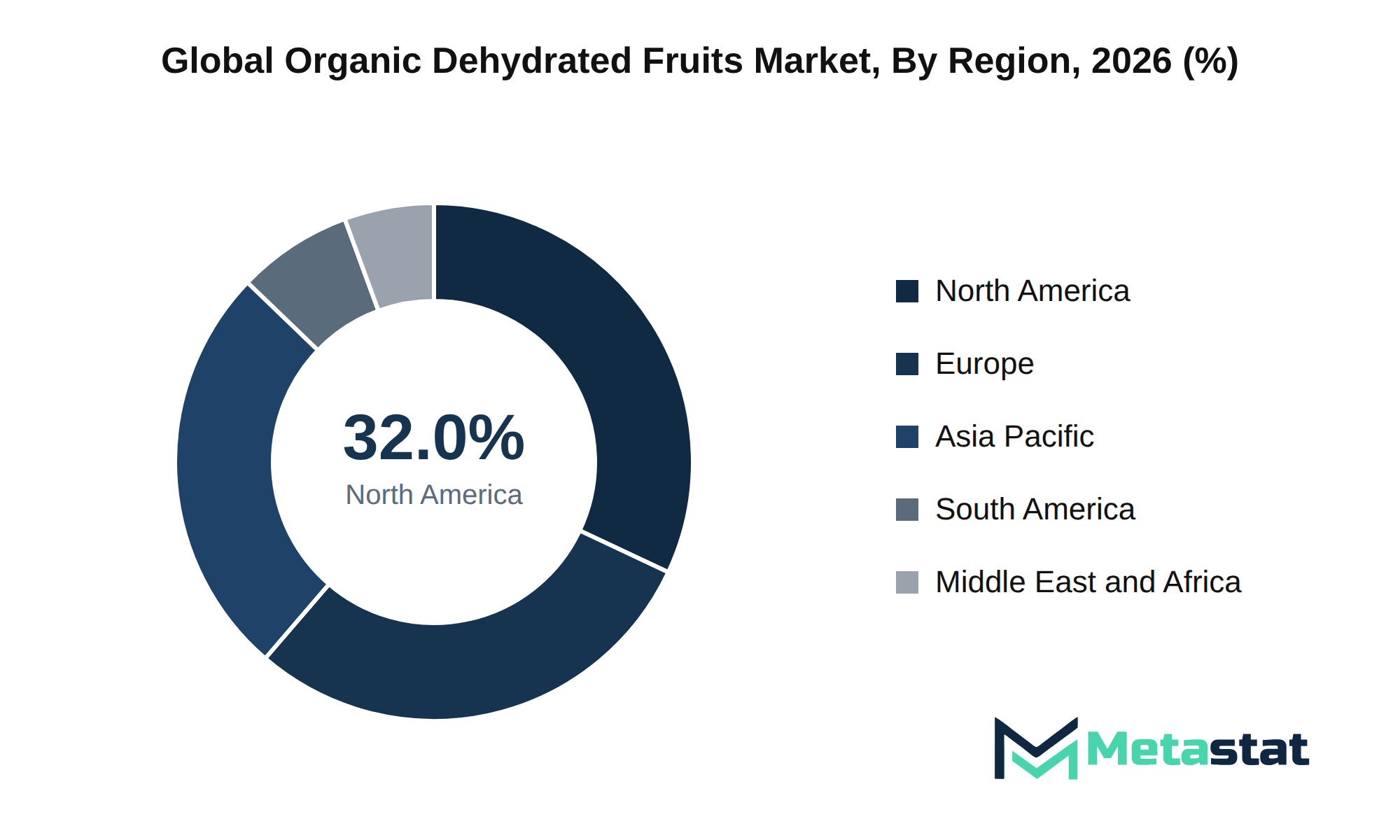
North America represents a growing share of the Organic Dehydrated Fruits market, accounting for 32.00% of the global value in 2025. The region's market expands at a CAGR of 7.1% within the forecast period, reaching a market size (TAM) of USD 1,480.9 million by the end of 2033.
Demand for organic dehydrated fruits in North America stems from increasing consumer preferences for health-conscious food options. The segment benefits from a robust infrastructure that supports localized manufacturing and supply chains, enhancing product availability across retail channels. Regional players focus on innovation in product offerings, including diverse fruit types and drying technologies to meet evolving consumer demands.
The United States, Canada, and Mexico serve because key markets within the region, with each country exhibiting unique purchasing behaviors and preferences for organic products. Growing awareness regarding the nutritional benefits of organic fruits drives consumer adoption. Retailers and manufacturers leverage this trend to expand their portfolios and enhance market penetration.
Emerging players in North America actively pursue strategic partnerships and collaborations to strengthen their market positions. These alliances facilitate the introduction of new product lines and enhance distribution capabilities, ensuring a competitive edge within the organic dehydrated fruits market. Continued investment in marketing strategies and consumer education supports the region's growth trajectory.
The Organic Dehydrated Fruits market in Europe is characterized by a growing demand for healthy snacking options and the increasing popularity of organic products. Countries including Germany, France, the UK, Italy, Spain, and Russia drive significant consumption due to changing dietary preferences and rising health consciousness among consumers. The regional share of 29.3% in 2025 highlights Europe's prominent position within the global market.
Investments in local production facilities and supply chain efficiency enhance the market's resilience. The presence of established companies and emerging local players encourages healthy competition, driving innovation and product diversification. Consumers increasingly seek quality organic products, and the market experiences continued growth, supported by the region's robust distribution networks and expanding retail presence.
The evolving regulatory landscape further influences market dynamics. Compliance with local health and safety standards shapes product offerings, driving organic certification and quality assurance. This focus on quality supports consumer trust and strengthens brand loyalty within the Organic Dehydrated Fruits market.
Asia-Pacific holds a share of 25.9% in the global Organic Dehydrated Fruits market in 2025. The region's increasing health consciousness among consumers drives demand for nutritious snacks, contributing to market expansion. Countries like China, India, and Japan show growth potential due to rising disposable incomes and changing dietary preferences. The popularity of organic products in South Korea and Australia further supports this trend.
Infrastructure modernization plays a critical role in enabling market growth. Enhanced supply chain efficiencies and localized manufacturing densities help reduce costs and improve product availability. Emerging markets within Southeast Asia, characterized by rising urbanization and consumer spending, represent substantial opportunities for expansion. The demand for innovative products within the Organic Dehydrated Fruits market continues to shape purchasing decisions in these regions.
Regional competitive dynamics feature several domestic leaders who adapt their strategies to meet local consumer preferences. The increasing focus on sustainability and organic certifications influences procurement dynamics, pushing suppliers to enhance product offerings. Strategic entry barriers and foreign direct investment (FDI) flows contribute to shaping the competitive landscape, creating a favorable environment for market players.
Localized procurement practices and cultural nuances affect B2B buying behaviors, influencing how products are marketed and sold. The demand for organic dried fruits continues to rise, supported by positive consumer sentiments and awareness regarding health benefits. Overall, the Asia-Pacific region exhibits promising growth trajectories within the Organic Dehydrated Fruits market, driven by strategic investments and innovative product development.
In South America, the Organic Dehydrated Fruits market accounts for a share of 7.2% of the global market in 2025. Brazil and Argentina emerge because key countries driving market dynamics, characterized by a rising consumer preference for healthy snacking options and the increasing popularity of organic ingredients. This shift towards health-oriented consumption patterns encourages local producers to expand their offerings in organic dehydrated fruits.
Infrastructure modernization across South America enhances distribution capabilities, facilitating growth in the market. Investments in local manufacturing and supply chain regionalization allow producers to respond effectively to rising demand while minimizing operational costs. Emerging market front-runners adopt innovative drying technologies, which improve product quality and appeal.
Cultural nuances and regional B2B buying behaviors significantly influence procurement decisions among local retailers and distributors. The focus on sustainability and organic certifications boosts consumer trust, driving higher sales in the organic dehydrated fruits segment. Increased trade activity within South America supports cross-border commerce, contributing to market expansion.
Local compliance with regulatory frameworks further strengthens market integrity, ensuring that products align with health standards. Domestic market participants focus on enhancing their competitive edge through strategic partnerships and consolidation trends, which streamline operations and improve market reach. The Organic Dehydrated Fruits market is set for steady growth, reflecting both regional demands and global trends.
The Organic Dehydrated Fruits market in the Middle East and Africa presents opportunities for growth driven by increasing health consciousness among consumers and a rising preference for organic products. Countries like Saudi Arabia and the UAE experience growing demand for organic dehydrated fruits, fueled by the health benefits associated with these products. South Africa demonstrates a similar trend, with consumers seeking nutritious snacking alternatives.
Market dynamics in the region reflect a blend of emerging trends and cultural preferences. Adoption of organic dehydrated fruits aligns with local tastes, promoting segment expansion across various applications. For instance, the popularity of these fruits within the bakery sector connects with the region's culinary traditions.
The region's market share of 5.6% in 2025 highlights its potential within the global framework. Factors including infrastructural modernization and increased foreign direct investment enhance local manufacturing capabilities, streamlining access to organic ingredients. Localized procurement dynamics play a crucial role, allowing businesses to respond effectively to regional consumer preferences.
Competitive landscapes in the Middle East and Africa feature both established players and new entrants, each striving to capture the growing demand. Domestic market participants focus on product innovation and quality assurance to maintain consumer trust and loyalty. The rising number of health-conscious consumers supports incremental growth vectors, contributing to the overall expansion of the market.
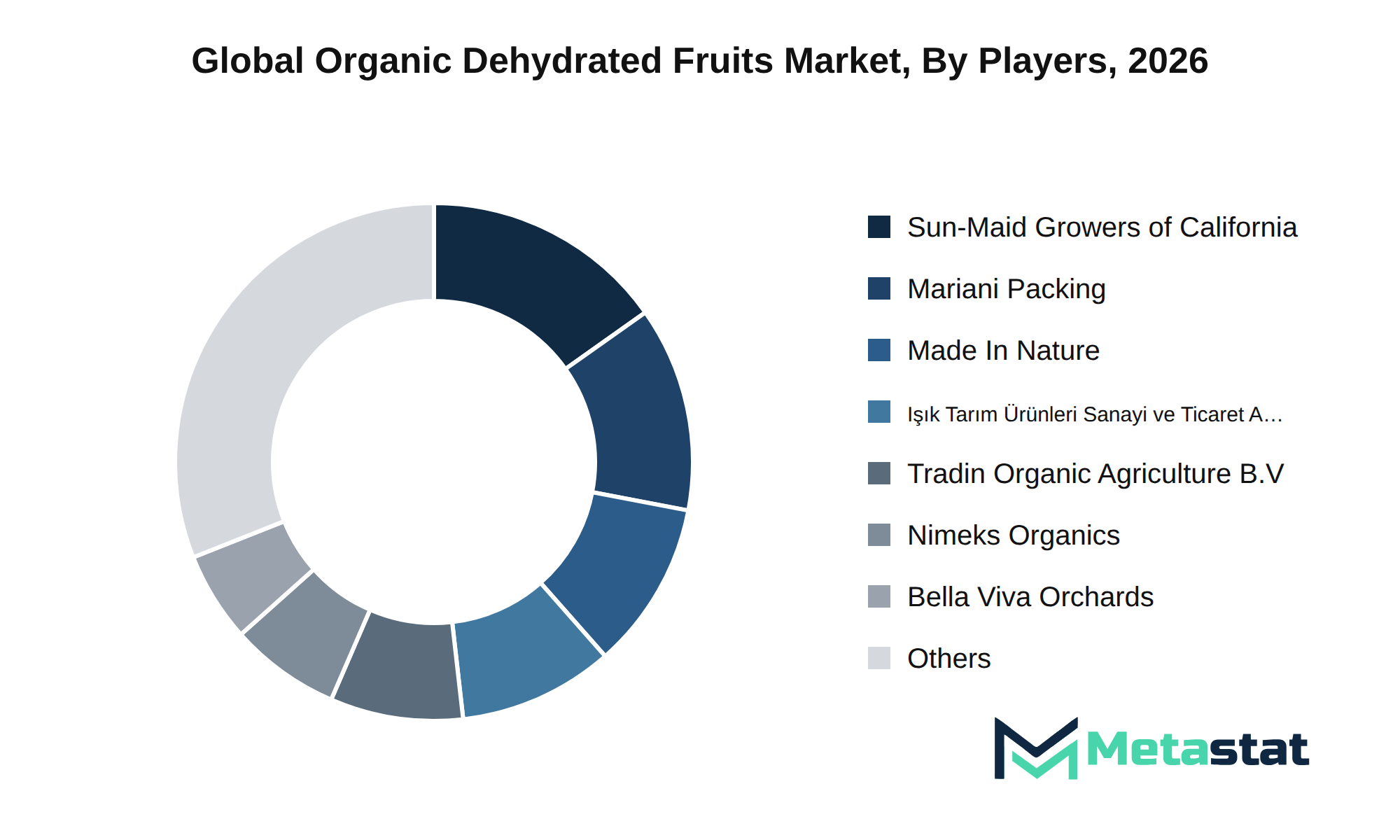
The Organic Dehydrated Fruits market comprises various players employing a range of strategic behaviors to strengthen their market position. Companies including Işık Tarım Ürünleri Sanayi ve Ticaret A.Ş., Nimeks Organics, and Tradin Organic Agriculture B.V. emphasize product differentiation through innovative drying technologies and unique product offerings. This focus on innovation allows these companies to cater to diverse consumer preferences within the market.
Strategic alliances and joint ventures play a significant role in the market, enabling firms to leverage each other's strengths and expand their product reach. Collaborations between companies including Made In Nature, LLC and Mariani Packing Company, Inc. enhance supply chain capabilities and procurement leverage. Companies like Bella Viva Orchards and Mavuno Harvest emphasize sustainability and organic practices, appealing to environmentally conscious consumers and enhancing brand equity dynamics.
Barriers to entry exist due to established brand loyalty and significant investment in technology and infrastructure. The presence of established firms creates a competitive environment, discouraging new entrants while providing a robust platform for innovation and technology advancements. In this context, the future competitive outlook involves ongoing strategic growth vectors, emphasizing research and development pipelines while increasing customer retention strategies.
Market size is forecast to rise from USD 2,773 million in 2025 to over USD 4,801.8 million by 2033. The base case anticipates a growth trajectory characterized by a compound annual growth rate (CAGR) of 7.1%. In examining the bull case, increased consumer health consciousness and demand for organic products could drive even higher growth rates, while the bear case presents potential challenges including fluctuating supply chain issues and regulatory hurdles that hinder market expansion.
The Organic Dehydrated Fruits market experiences ongoing structural shifts, influenced by evolving consumer preferences towards healthier snacking options. This trend creates robust demand for organic dehydrated fruits, particularly in regions like North America and Europe. Investments in next-generation drying technologies contribute to improved product quality and operational efficiency, enhancing market competitiveness.
The integration of advanced research and development supports product innovation and lifecycle management. Companies focusing on regulatory compliance and sustainability effectively navigate the complex environment of consumer expectations and legislative requirements. The emergence of new trade corridors and geopolitical dynamics influences supply chain strategies, encouraging businesses to adapt swiftly to changing market conditions.
Strategic capital allocation continues to support infrastructure improvements and operational enhancements within the market. Identifying unmet consumer needs presents emerging white-space opportunities for companies, allowing them to innovate and capture high-growth segments. Overall, the future outlook for the Organic Dehydrated Fruits market reflects a landscape ripe for evolution, driven by consumer-driven changes and technological advancements.
The report strategically identifies and profiles the key market players and analyses their core competencies in each sub-segment of the Organic Dehydrated Fruits market.
Report Attributes | Details |
Study Period | 2021-2033 |
Base Year | 2025 |
Estimated Year | 2026 |
Forecast Period | 2026-2033 |
Historical Period | 2021-2025 |
Growth Rate | CAGR 7.1% from 2026 to 2033 |
Revenue Unit | USD million |
Segmentation | By Fruit Type, Drying Technology, Product Form, End Use, and Region |
By Region | North America (By Fruit Type, Drying Technology, Product Form, End Use, and Country)
|
Europe (By Fruit Type, Drying Technology, Product Form, End Use, and Country)
| |
Asia Pacific (By Fruit Type, Drying Technology, Product Form, End Use, and Country)
| |
South America (By Fruit Type, Drying Technology, Product Form, End Use, and Country)
| |
Middle East and Africa (By Fruit Type, Drying Technology, Product Form, End Use, and Country)
|
Find answers to common questions about this report
The Organic Dehydrated Fruits market size was valued at USD 2,773 million in 2025, according to the Metastat Insights study.
The Organic Dehydrated Fruits market is projected to grow at a CAGR of 7.1% during the forecast period from 2026 to 2033.
The North America Organic Dehydrated Fruits market size is estimated to reach USD 1,480.9 million by 2033.
The segment "Grapes and Raisins" leads the Organic Dehydrated Fruits market with a projected value of USD 1,188.9 million by 2033, based on its growth from USD 777.4 million in 2026.
Key drivers for the Organic Dehydrated Fruits market include changing consumer behaviors emphasizing health, convenience, and quality, alongside significant investment in infrastructure development to enhance processing capacities. These factors align with the growing demand for clean-label and organic snacks, particularly among aging populations and urban consumers seeking nutritious options.
North America holds the dominant share of the Organic Dehydrated Fruits market, with a value of USD 1,480.9 million projected for 2033, representing 32 percent of the total market.
Challenges associated with regulatory compliance hinder growth in the Organic Dehydrated Fruits market. Strict regulations regarding food safety and quality standards increase costs for producers, deterring potential new entrants and limiting competition. Macroeconomic factors, including inflation and geopolitical instability, further complicate operations and impact profitability.
Changing consumer behaviors favor product adoption in the Organic Dehydrated Fruits market. Increased focus on health and wellness drives preference for clean-label snacks, while urbanization creates demand for convenient, nutritious options. These trends enhance the appeal of organic dehydrated fruits across various applications, supporting sustained market growth.
The Organic Dehydrated Fruits market is estimated to reach a valuation of USD 4,801.8 million by 2033.
Key players in the Organic Dehydrated Fruits market include Işık Tarım Ürünleri Sanayi ve Ticaret A.Ş., Nimeks Organics, Tradin Organic Agriculture B.V., Made In Nature, LLC, Mariani Packing Company, Inc., and Sun-Maid Growers of California.
The analysts below cover Food and Beverages research at Metastat Insights.
LEAD ANALYST
Utkarsh Khirodkar is a Lead Market Research Analyst at MetaStat Insight, specializing in market intelligence, technology sector assessments, and competitive strategy.

LEAD PRINCIPAL ANALYST, PHARMA AND HEALTHCARE
Food and Beverages · Healthcare · Healthcare IT · Medical Devices
Ajay Devgire is the Lead Healthcare Analyst at MetaStat Insight, leading strategic research and market intelligence initiatives across the global healthcare domain.

SENIOR RESEARCH ANALYST
Biotechnology · Food and Beverages · Medical Devices · Packaging
Snehal Pasalkar is a Research Analyst at MetaStat Insight, operating at the intersection of life sciences research, competitive strategy, and market intelligence.
Evaluating secondary resin quality across post-consumer packaging streams requires reliable technical segmentation. MetaStat Insight delivered an objective assessment that distinguished between extrusion-grade flake pricing and optical sorting throughput limitations across Western Europe. The competitive positioning breakdown for licensed depolymerization technology providers answered several questions during our feedstock feasibility audit. Their team clarified regional trade restrictions on mixed plastic scrap quickly when our team submitted follow-up requests.
Evaluating sovereign cloud deployments for core banking platforms demands a clear view of data residency regulations and migration exit strategies. MetaStat Insight delivered an exhaustive review of regional latency tolerances, mainframe decommission milestones, and third-party vendor concentration risk. The regulatory compliance mapping across European and Asian financial jurisdictions gave our team a dependable baseline for multi-cloud infrastructure discussions.
Replacing petrochemical surfactants with bio-based alternatives requires realistic timelines on industrial precision fermentation scaling. The market research broke down commercialization timelines, feedstock sugar price sensitivities, and regional cosmetic ingredient regulatory approvals in Europe and East Asia. That supplier readiness mapping gave our formulations team reliable context when comparing renewable chemical sourcing roadmaps.
Explore related market intelligence reports worth reading alongside this one.